

Ethylenediaminetetraacetic Acid, also known as Edetic Acid, is a typical representative of chelating agents. It has molecular formulaC10H16N2O8, molecular weight 292.24 and CAS 60-00-4. It can form water-soluble complexes with alkali metals, rare earth elements and transition metals.
Thanks to its powerful metal ion sequestering capacity, stable chemical property and unique sodium-free feature, EDTA Acid has become an indispensable functional raw material applied in a great number of fields. It also serves as an antidote to accelerate the excretion of harmful radioactive metals from human body.
Ⅰ. Characteristics of EDTA Acid
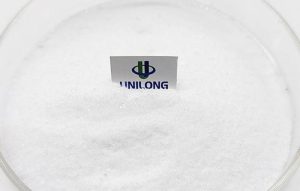
EDTA Acid is white crystalline powder in appearance with low hygroscopicity, and keeps stable under conventional storage conditions. It is slightly soluble in cold water, soluble in hot water and alkaline solutions, while insoluble in ethanol and ether. It owns multiple prominent core properties.
Firstly, as a classic chelating agent, it can stably combine with alkali metals, rare earth elements and various transition metals to generate soluble complexes. Secondly, it has excellent chemical stability and wide compatibility, which will not decompose under conventional production temperature and pH conditions, and can be perfectly compounded with most chemical raw materials without adverse reactions.
Thirdly, it contains no extra sodium ions, making it the preferred material for all sodium-free production systems.
Ⅱ. Diversified Application Scenarios of EDTA Acid
EDTA Acid boasts an extremely wide range of applications across multiple industrial sectors and production processes.
Polymer & Daily Chemical Industry: EDTA Acid CAS 60-00-4 is widely adopted in polymer synthesis, plastic processing and daily chemical production lines. It effectively traps metal impurities carried by raw materials and process water, effectively delaying polymer chain degradation and preventing finished products from discoloration, stratification and performance decline. It works steadily in various cream, lotion and surfactant formulations to maintain long-term product stability.

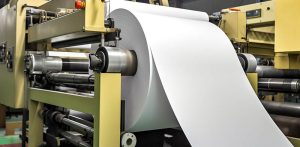
Pulp and Paper Industry: During pulp bleaching, papermaking and paper finishing processes, it fully protects hydrogen peroxide and other oxidizing bleaching agents from being decomposed by metal ions. It remarkably elevates overall bleaching efficiency, reduces material consumption, and maintains permanent whiteness, smooth texture and good surface quality of finished paper products.
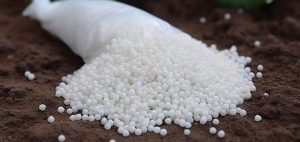
Agriculture & Aquaculture: As a high-efficiency chelating additive, it is extensively blended into compound fertilizers, water-soluble fertilizers and foliar fertilizers. It converts insoluble trace metal nutrients into easily absorbable ionic state, significantly improving fertilizer utilization rate and promoting healthy growth of crops, fruits and vegetables. In aquaculture, it removes excess harmful metal ions in water, purifies water quality, reduces aquatic organism stress and creates a stable and safe breeding environment.
Textile Printing and Dyeing: It is an essential auxiliary in fabric desizing, scouring, dyeing and post-finishing. It thoroughly eliminates residual metal ions in dye liquor and production water, effectively avoiding common problems such as uneven dyeing, color fading, color spots and shade deviation caused by metal interference, and greatly improves color fastness and overall grade of textile products.

Photographic & Oilfield Chemicals: In photographic industry, it stabilizes developing solutions and fixing solutions, eliminates metal-induced turbidity and stains, and guarantees clear and complete imaging effect. In oilfield exploitation, it acts as scale inhibitor and fluid stabilizer for drilling fluid, fracturing fluid and pipeline systems, preventing scale deposition and ensuring continuous and efficient operation of oilfield equipment.

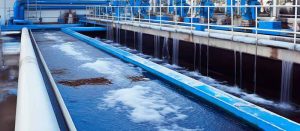
Water Treatment & Boiler Cleaning: EDTA Acid widely used in industrial circulating water, cooling water, heating boilers and pipeline systems. As professional water softener and scale inhibitor, it lowers water hardness, inhibits scale formation and metal pipeline corrosion, cuts down equipment maintenance frequency and operating cost. EDTA Acid CAS 60-00-4 is also a key ingredient for various industrial descaling agents and boiler cleaning products.
Analytical Chemistry: As a standard complexometric titration reagent, it is universally used in laboratories for qualitative and quantitative analysis of metal ions in water samples, industrial raw materials, environmental monitoring samples and food testing samples, delivering accurate and repeatable test results.
In addition, pharma grade EDTA Acid has special detoxification function, which can help human body rapidly excrete harmful radioactive metals and toxic heavy metals. It is also widely used as pharmaceutical excipients and synthetic intermediates for pharmaceutical preparations. In electroplating and metal surface treatment industry, it acts as an eco-friendly cyanide-free complexing agent, helping manufacturers obtain uniform, dense and bright plating layers on metal surfaces.
Ⅲ. Market Development Trends
With the continuous development of fine chemicals, pharmaceutical manufacturing, modern agriculture, environmental protection and other related industries, the market demand for high-purity and sodium-free chelating agents keeps growing steadily. High-quality EDTA Acid with reliable performance has been widely recognized by downstream manufacturers, and the whole industry enjoys broad development prospects.
Unilong Industry specializes in the supply of fine chemical raw materials, and can stably provide full-specification EDTA Acid of different grades.
Please feel free to contact us if you have any demand for EDTA Acid at any time, thanks.
