

Strontium chloride hexahydrate (CAS 10025-70-4) is a colorless needle-like or white crystal, readily deliquescent and soluble in water. It is an important inorganic strontium salt, mainly used in the manufacture of red fireworks and signaling agents, desensitizing toothpaste, specialty glasses and ceramics, and also in electroplating, metal processing, and laboratory analytical reagents.
Ⅰ. Strontium chloride hexahydrate (CAS 10025-70-4) Introduction:
Strontium chloride hexahydrate possesses physicochemical properties between barium chloride and calcium chloride, with a melting point of 115°C. It is easily efflorescent in dry air and deliquescent in humid air. This unique intermediate property makes it a “universal key” across multiple industries.
Ⅱ. Strontium chloride hexahydrate (CAS 10025-70-4) Application:
1. Strontium chloride hexahydrate in Pharmaceuticals and Healthcare
This is not merely a desensitizing ingredient in toothpaste; its deeper medical applications make it a versatile ingredient.
Core Medical Treatments of Strontium chloride hexahydrate:
The most important value of strontium chloride hexahydrate lies in its role as a precursor to a radioactive isotope.
Targeted Therapy for Bone Cancer: It is a direct precursor for the radiopharmaceutical Strontium-89 (⁸⁹Sr) chloride injection. Strontium is chemically similar to calcium and specifically accumulates in areas of abnormally active bone metabolism (i.e., bone tumor lesions). Its released beta rays can precisely kill tumor cells, making it an important tool for the clinical treatment of bone metastases and the relief of bone pain. Clinical data shows a pain relief rate of up to 82%.
Improved Bone Health: Along another pathway, strontium compounds such as strontium ranelate have been shown to optimize bone metabolism, increase bone mass, and have been approved for the treatment of severe osteoporosis in postmenopausal women.
Oral Care
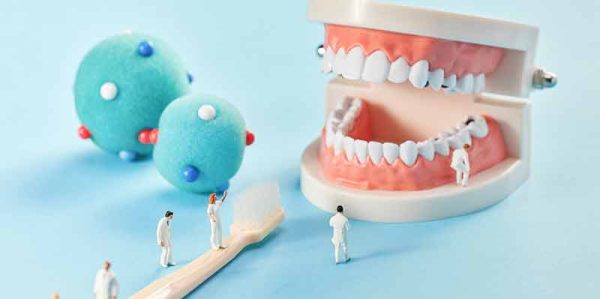
Toothpaste Desensitizer: This is the most well-known application of strontium chloride hexahydrate. It effectively seals exposed dentinal tubules, thereby blocking the transmission of external stimuli to the dental nerve and relieving tooth sensitivity.
The Chinese National Standard HG/T 5211-2017 clearly stipulates that this standard applies to “strontium chloride for toothpaste (also known as strontium chloride hexahydrate for toothpaste),” and points out that its main use is as a toothpaste desensitizer.
Medical Imaging and Laboratory Research
Bone Imaging: Used as a contrast agent in X-rays or bone scans, it enhances the visualization of bone structure and abnormalities, helping doctors diagnose bone diseases.
Research Tool: In the laboratory, it is the source of standard solutions for the determination of strontium content by flame atomic absorption spectrometry (FAAS) and is also used as an alternative model for calcium ion channel research.
2. Strontium chloride hexahydrate in the Chemical and Materials Industries
In industry, strontium chloride hexahydrate is mainly utilized for its physicochemical properties, influencing the visual appearance, structure, and performance of products.
Fireworks and Luminescent Materials
Luminescent Material Raw Material: Strontium chloride hexahydrate is used to prepare fluorescent materials suitable for luminescent coatings and markings, significantly improving their brightness and being applied to luminous signs, etc.
Glass and Ceramic Manufacturing
Optical Glass Additive: Added to liquid crystal glass and optical glass, it effectively improves the refractive index and dispersion coefficient of the glass, thereby reducing chromatic aberration and improving the imaging quality of lenses.

Strontium Titanate Thin Films: A key raw material for preparing mesoporous strontium titanate thin films, these films have potential applications in electronics and catalysis.
3. Strontium Chloride Hexahydrate in Metallurgy and Metal Processing
Sodium Electrolysis Flux: In the electrolytic process for preparing metallic sodium, its addition lowers the melting point of the electrolyte (sodium chloride and calcium chloride), improving conductivity, thereby saving energy and increasing yield.
Aluminum Corrosion Inhibitor: As a corrosion inhibitor for aluminum, it effectively inhibits corrosion on the surface of metallic aluminum, extending its service life.
Alloy Additive: Used in the metallurgical industry as an alloying component to improve the performance of metallic materials.
Magnetic and Luminescent Materials: Often used as an additive in the preparation of magnetic materials to precisely adjust magnetic properties, it is applied in high-end electronic components and other fields; it can also be used to produce luminescent materials such as luminescent coatings. 3. Cutting-Edge Scientific Research Fields
Strontium chloride hexahydrate plays an indispensable role in cutting-edge technologies.
Energy Storage Materials: It is used to develop novel composite phase change materials for thermal energy storage systems. For example, scientists have found that materials containing strontium chloride hexahydrate can increase heat storage density by approximately 20%, showing promising applications in solar thermal storage and industrial waste heat recovery.
Battery Technology: Used in battery manufacturing, especially in the research and development of new battery technologies, it acts as an electrolyte or electrode modifier.
Nanomaterial Preparation: A key player in the synthesis of novel functional nanomaterials such as cadmium sulfide nuclear photocatalytic nanoparticles, used to prepare new materials such as photocatalysts.

Spectroscopic Calibration: In analytical chemistry, it serves as a standard substance for atomic absorption spectroscopy, ensuring the accuracy of strontium analysis.
4. Special and Indirect Applications
Strontium chloride hexahydrate also has applications in other fields.
Marine Aquarium Systems: In marine aquariums, trace additions can provide essential strontium for corals, plankton, and other organisms to synthesize their calcareous skeletons.
Cosmetic Additives: In some cosmetic formulations, it can be used as an auxiliary ingredient such as a skin conditioning agent.

Basic Chemical Raw Material: It is also a basic chemical raw material for the production of other strontium salts (such as strontium carbonate, strontium oxide, strontium nitrate, etc.), pigments, or dyes.
Ⅲ. Key performance advantages of Strontium chloride hexahydrate:
The core advantage of strontium chloride hexahydrate lies in the combination of its unique physicochemical properties and highly diverse applications, making it a strategic raw material connecting basic chemistry with high-value-added industries such as pharmaceuticals, optoelectronics, and new energy, resulting in continuously growing market demand.
Ⅳ. Where are industry trends headed: high purification, greening, and intelligentization?
1. High Purity First: With increasingly stringent safety regulations for pharmaceuticals and daily chemicals, high-purity products are particularly favored. Manufacturers are focusing their efforts on improving purity to meet regulatory standards.
2. Green Transformation: The entire industry is accelerating the adoption of environmentally friendly manufacturing processes to reduce pollutant emissions. This is not only a compliance cost but also a competitive barrier.
Ⅴ. Conclusion
With the global total capacity of strontium salt new materials approaching the $1.5 billion mark and the strontium chloride hexahydrate sub-market continuing to expand in 2025, this product is expected to upgrade from “industrial MSG” to a high-value-added core product category that is of key national focus. Faced with a market environment where the window of opportunity is narrowing, only companies that seize the initiative in capacity layout, high-end quality control, and innovative R&D will be able to secure a winning position in the next growth cycle.
