

Dodecylamine cas 124-22-1 is weakly basic and can form salts with inorganic or organic acids. It can undergo quaternization. It reacts with epoxides to acetylate. It can undergo addition reactions with unsaturated hydrocarbons. Dodecylamine can be oxidized with peroxides. It reacts with halocarboxylic acids to form amphoteric compounds. It reacts with carboxyl chlorides to form amides. Dodecylamine undergoes the Mannish reaction with nucleophiles or phenols to form polyfunctional compounds. It reacts with hydrochloric acid to form dodecylamine hydrochloride.
Ⅰ. Dodecylamine Introduction:
Dodecylamine is also known as 1-Aminododecan. 1-Dideanamine; 1-Dodecylamine, 98%. Widely used in mineral flotation agents, fiber waterproof and softening agents, dyeing auxiliaries, anti-static agents, pigment dispersants, rust inhibitors, fertilizer anti-caking agents, lubricant additives, disinfectants, etc.
Ⅱ.Dodecylamine cas 124-22-1 Application:
1.Production of dodecylamine for quaternary ammonium salt disinfectants / sterilants (primary application)
Used as raw material for quaternary ammonium salts such as dodecyl dimethyl benzyl chlorohydrin and dodecyl trimethyl chlorohydrin.
Applications: Hospital disinfection, industrial circulating water sterilization and algae removal, cosmetics anti-corrosion, wet wipes / hand sanitizers, livestock disinfection.
Dodecylamine (CAS No. 124-22-1) Application Scenarios:
Skin and mucous membrane disinfection: Used for preoperative skin preparation, skin wiping before injections, etc.
Medical device disinfection: Used for soaking and disinfecting endoscopes, surgical instruments, etc.
Environmental surface disinfection: Disinfect the object surfaces such as door handles, bed rails, and tabletops in hospital wards and ICUs.

2. Mineral flotation agents
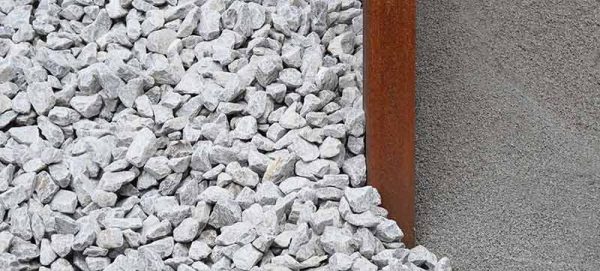
As cationic collectors, used for the flotation of phosphorite, quartz, feldspar, mica, and non-metallic minerals.
Function: Adsorb the surface of minerals, achieve hydrophobic foaming, and separate minerals from impurities.
In dodecylamine flotation practice, in addition to controlling key operating conditions, the following points should be noted:
Dissolution and Preparation: Dodecylamine cas 124-22-1 itself is poorly soluble in water and needs to be neutralized with hydrochloric acid or acetic acid to form a water-soluble ammonium salt before use.
Dosage and Foam: As a cationic collector, dodecylamine has strong foaming properties and usually does not require additional foaming agents. The general dosage is 0.05-0.25 kg/ton of ore. Excessive dosage can easily produce a large amount of viscous foam, which will negatively affect the separation effect.
Impact of Slime: When the content of fine slime (ore slime) in the ore is too high, it will consume a large amount of reagent and produce uncontrollable viscous foam. Therefore, pre-sliming is often required before flotation.
3. Textile / Chemical fiber additives
Fabric softeners, anti-static agents, waterproof finishing agents
Improve hand feel, reduce static electricity, and enhance dyeing uniformity.
Quaternary ammonium salt softeners have positively charged molecules that can electrostatically adsorb onto fibers, which are typically negatively charged. After adsorption, their long-chain alkyl groups are neatly arranged on the fiber surface, acting as a “lubricant” and greatly reducing the dynamic and static coefficients of friction between fibers, thus giving the fabric a fluffy, soft, and smooth feel.
4. Dodecylamine cas 124-22-1 Fertilizer anti-caking agents
Used directly or as derivatives, to encapsulate fertilizer particles and prevent moisture absorption and cakingWidely used in compound fertilizers and urea production.
In the anti-clumping agent for fertilizers, dodecyl primary amine is not usually the main component but rather serves as a core functional raw material. It can fundamentally disrupt the conditions that cause fertilizer to clump, ensuring that the fertilizer remains loose during storage and transportation.
Its mechanism of action can be summarized as a dual protection of “hydrophobic barrier” and “ion anchoring”:
Constructing a hydrophobic barrier: The long-chain alkyl group (C12H25-) forms a dense molecular layer on the surface of the particles. This layer can separate the fertilizer from the external moisture, preventing surface dissolution due to moisture absorption, thus blocking the first step of agglomeration at the source.
Cutting the crystal bridge connection: More importantly, the amino group (-NH₂) at the amine end can act like an “anchor”, actively adsorbing and locking the potassium, ammonium and other metal ions on the surface of the fertilizer. This can effectively prevent the formation of stable “crystal bridges” between adjacent particles, even if there is a slight contact between the particles, they can be easily separated.
5. Dodecylamine cas 124-22-1 Pesticide / Pharmaceutical intermediates
Emulsifiers and dispersants for synthetic fungicides, insecticides, and herbicides.
Used as organic amine intermediates in pharmaceutical synthesis.
6. Dodecylamine cas 124-22-1 Metal and industrial cleaning
Pretreatment corrosion inhibitors, metal degreasing agents, anti-rust agents;Adsorb onto the surface of metals to form a protective film and inhibit corrosion.
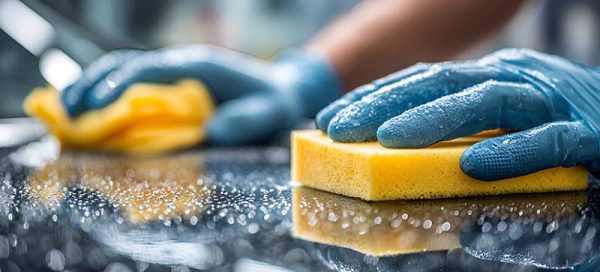
Industrial Cleaning Agents: Quaternary ammonium salts and nonionic surfactants act as the main cleaning agents, reducing interfacial tension and emulsifying, dispersing, and removing oil and scale.
Metal Corrosion Inhibitors and Protectors: Quaternary ammonium salts (e.g., 1227, 1231) act as pickling corrosion inhibitors, forming a protective film on the metal surface during cleaning to prevent corrosion caused by “over-cleaning.”
Circulating Water System Cleaning: Quaternary ammonium salts (e.g., 1227) act as slime removers, peeling off and removing bacteria, algae, slime, and deposits from the inner walls of pipes.
Metalworking Fluids: Quaternary ammonium salts and primary amine derivatives act as rust inhibitors/lubricants, providing rust prevention and lubrication protection for metals during cutting, rolling, and other processes.
7. Dodecylamine cas 124-22-1 Emulsification / Dispersion / Anti-static
Emulsion polymerization, coating / pigment dispersants.
Plastic / rubber anti-static agents, internal lubricants.
8. Other industrial applications
Oilfield chemicals: oil displacement, scale prevention, corrosion inhibition.
Papermaking auxiliaries, dye intermediates, chromatography reagents, water treatment chelating agents.
Ⅲ. Key performance advantages of Dodecylamine
1. Efficient emulsification and stability: Dodecylamine can significantly reduce the interfacial tension between oil and water, and the emulsified liquid prepared with it remains stable even in harsh conditions such as high temperature and high salt. The emulsifier prepared with it has a service life that is over 50% longer than that of traditional C8-C10 amine products.
2. Selective Adsorption: In the application of mineral flotation, it acts like a “molecular lock”, precisely adhering to the surfaces of specific minerals (such as quartz, potassium salts), enabling efficient separation.
3. Superior film-forming protection: It can adhere to the metal surface to form a dense protective film. Acting as a corrosion inhibitor, it can significantly reduce the corrosion rate in acidic environments, and the corrosion inhibition efficiency can reach over 95% in acidic conditions.
4. Broad-spectrum bactericidal: The quaternary ammonium salt-based bactericides derived from it have excellent killing effects on various bacteria, molds, and algae. Their mechanism of action can effectively prevent microorganisms from developing resistance.
5. Mildness and Comfort: When applied to personal care products, its derivatives have low irritation and can provide excellent anti-static and softening effects, enhancing the user experience of the product.
6. Dodecylamine cas 124-22-1 Green environmental potential: Compared to some traditional industrial additives (such as aromatic amines). Dodecylamine has better biodegradability and is more in line with modern environmental protection requirements.
Ⅳ. The core drivers of the Dodecylamine market’s growth primarily stem from the following aspects:
Stable growth in downstream demand for Dodecylamine: Quaternary ammonium salts, a key derivative of dodecylamine, are core raw materials for bactericides, disinfectants, and surfactants. The rigid demand from these downstream products in personal care, industrial water treatment, and other fields provides a stable market foundation for upstream raw materials.
Dominant position of Dodecylamine in China: China is the world’s largest producer and consumer of dodecylamine, with significant industrial clusters formed in East and North China.
Technological innovation and application expansion: The industry is moving towards higher purity and lower impurities for use in more advanced products. Its application scenarios are also continuously expanding, such as in emulsifiers and agrochemicals in high-temperature and high-salt environments.
Ⅴ. Conclusion
Dodecylamine is a crucial bridge connecting oil/alcohol raw materials with cationic surfactants. It is irreplaceable in mineral processing, road asphalt, corrosion prevention, and daily chemical sterilization, offering both strong economic benefits and practicality.
