

I. What is 3-Chloro-2-Hydroxypropyltrimethyl Ammonium Chloride?
3-Chloro-2-hydroxypropyl trimethyl chlorochromate (abbreviated as CHPTAC, CAS number: 3327-22-8) is a quaternary ammonium salt compound. Its molecular formula is C6H15Cl2NO and its molecular weight is 188.1. This product appears as white crystals and is soluble in water, methanol and ethanol, but insoluble in benzene, acetone and ether. The decomposition temperature is approximately 210-217℃. As a multifunctional cationic reagent, CHPTAC has been widely applied in multiple industrial fields due to its excellent cationization, modification and surface activity properties.
II. Key Applications
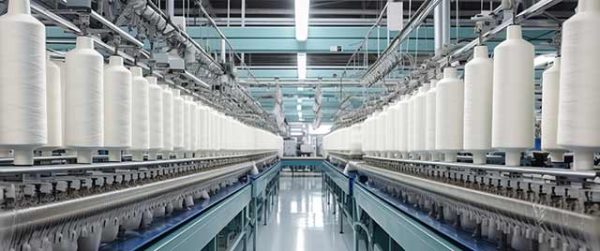
1.The textile industry is the largest application field of CHPTAC, accounting for approximately 40% of the global market share. CHPTAC is mainly used as a cationic modifier for fibers and textiles, which can enhance the dyeing performance and softness of the fabrics. It can react with the hydroxyl groups on the surfaces of natural fibers such as cotton, linen, and wool, as well as synthetic fibers such as polyester and nylon, to impart cationic properties to the fiber surfaces. This modification can enhance the binding force between the fibers and anionic dyes, reduce dye loss, and improve dyeing fastness and uniformity. Additionally, CHPTAC is also used in the production of textile softeners, making the fabrics softer and more comfortable without affecting their breathability. With the rapid development of the textile industry in countries such as India, China, and Vietnam in the Asia-Pacific region, the demand for CHPTAC in this field is expected to maintain a steady growth.
2.The paper industry is another core application area of CHPTAC. It is widely used as an amylase modifier to produce cationic starch, which can be used as a paper reinforcement agent and a fine fiber recovery agent. The cationic starch modified by CHPTAC can significantly enhance the tensile strength, folding endurance and burst resistance of paper. At the same time, it improves the retention rate of pulp fibers and fillers, reduces raw material waste and production costs. Compared with traditional raw starch and oxidized starch, the cationic starch modified by CHPTAC is more environmentally friendly, which has become the key driving factor for its wide application in the paper industry. With the development of e-commerce and the promotion of green packaging policies, the demand for high-quality paper packaging materials is constantly increasing, further driving the consumption of CHPTAC in the paper industry.

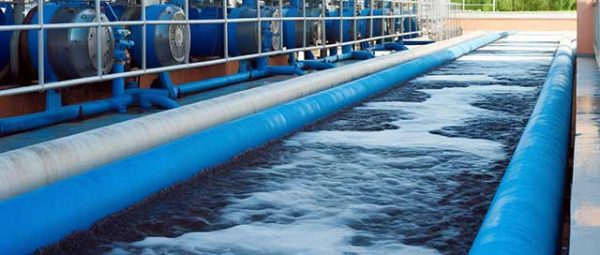
3.CHPTAC also plays a significant role in water treatment, cosmetics, medicine and agriculture. In the field of water treatment, it is used as a flocculant and coagulant, effectively removing pollutants and suspended solids from industrial wastewater and urban sewage, meeting strict environmental protection regulations. In the cosmetics and personal care sector, it is used as a conditioning agent, anti-static agent and emulsifier, helping to enhance the moisturizing and conditioning effects of products such as shampoo and lotion. In the pharmaceutical field, it is used as a drug synthesis intermediate; in the agricultural field, it is used to modify pesticides and fertilizers to enhance their efficacy and crop absorption rate.
III. Market prospects and growth drivers
The market prospects for 3-chloro-2-hydroxypropyl trimethylammonium chloride are strong, and it is expected to maintain a stable annual compound growth rate (CAGR) over the next decade. Several macroeconomic and regulatory factors are converging, driving this growth.
Firstly, strict global environmental regulations are the main catalyst. Governments in Europe, North America, and the rapidly growing Asia-Pacific region are imposing stricter restrictions on industrial wastewater discharge, particularly regarding salinity and chemical oxygen demand (COD) indicators. CHPTAC’s ability to promote non-salt dyeing of textiles and improve water treatment clarity directly addresses these regulatory pressures. As various industries face more severe fines for non-compliance, adopting solutions based on CHPTAC has shifted from being an option to a necessity.
Secondly, the global expansion of the packaging industry driven by e-commerce and the shift from single-use plastics to paper alternatives is boosting demand. As consumers and brands’ demand for sustainable packaging increases, paper manufacturers are forced to optimize their production lines to handle recycled fibers and maintain high quality. This requires higher doses and more advanced grades of cationic starch, directly increasing the consumption of CHPTAC.
Geographically, the Asia-Pacific region is expected to maintain the fastest market growth rate. The rapid industrialization in China, India, and Southeast Asia has led to significant expansions in paper production capacity and textile manufacturing. Although these regions historically have been cost-oriented, they have now clearly shifted towards quality and environmental compliance, reflecting the trends of developed countries. This transformation has created fertile ground for CHPTAC suppliers who can provide consistent quality and technical support.
However, the market is not without challenges. The production of CHPTAC involves the use of epichlorohydrin, a hazardous chemical, which subjects the manufacturer to strict safety and handling regulations. Fluctuations in the prices of raw materials (particularly propylene and chlorine derivatives) may affect the stability of pricing. Moreover, although currently less efficient, the development of alternative bio-based cationic reagents poses a long-term theoretical threat. Nevertheless, the existing infrastructure, cost-effectiveness, and proven performance of CHPTAC set high barriers for the entry of substitutes in the medium to short term.
Ⅳ.Conclusion
In short, 3-Chloro-2-Hydroxypropyltrimethyl Ammonium Chloride is not just a simple chemical intermediate, it is the cornerstone of modern industrial sustainability. Its unique ability to endow biopolymers with cationic properties solves key challenges in paper strength, textile dyeing pollution, and water purification. As the global economy transitions towards green chemistry and resource recycling, the strategic importance of CHPTAC will inevitably be amplified. Although supply chain fluctuations and security issues require careful management, the overall trend of environmental regulations and the prosperity of biobased materials indicates that the future of this compound is bright and broad. For stakeholders in the chemical, paper, and textile industries, investment optimization and application of CHPTAC represent a wise path towards economic profitability and environmental management.
