

In the field of membrane manufacturing and processing, the core role of polyethyleneimine (PEI) is to serve as a functional coating and interfacial polymerization monomer to physically coat or chemically cross-link the separation layer, thereby imparting positive charge, hydrophilicity and reactivity to the membrane surface.
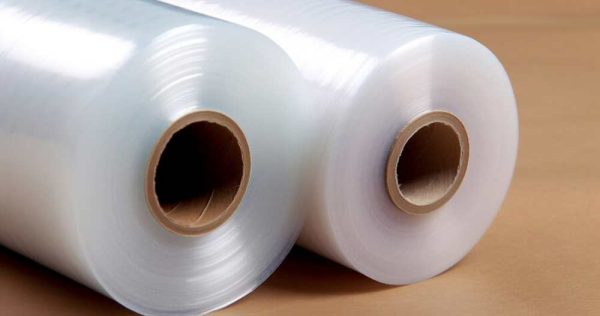
PEI mainly uses the following two mainstream process paths to significantly improve membrane performance:
I. As a reactive monomer for interfacial polymerization
This is one of the core methods for preparing composite nanofiltration membranes. PEI is usually dissolved in the water phase and reacts with trimesoyl chloride (TMC) dissolved in the organic phase (such as n-hexane) on the surface of the base film to form a dense polyamide separation layer.
Application examples and effects:
1. Magnesium and lithium separation:
In the polyethylene (PEI)/TMC nanofiltration membrane system, by regulating the diffusion of PEI, the membrane’s rejection rate of MgCl₂ can be increased from 90% to 97%, and the flux can be more than doubled (from 17 to 35 L m⁻² h⁻¹). It performs well in lithium extraction from salt lakes.
2. Dye desalting:
Using a solvent-resistant nanofiltration membrane modified with hyperbranched PEI (HPEI), the rejection rate of rhodamine B (molecular weight 479) can reach 99.7%, and its performance is almost unchanged after being soaked in the highly polar solvent DMF for one month.
3. Battery separator
Using branched PEI with a weight average molecular weight of 300,000-500,000 as raw material, a positively charged functional layer can be formed on the polypropylene (PP)/polyethylene (PE) porous membrane, which uses electrostatic repulsion to trap transition metal ions (such as Mn²⁺), significantly improving the cycle life of lithium batteries.
II. As a Coating Modifier
PEI solution is directly coated or grafted onto the surface of a pre-formed base membrane, without participating in the interfacial polymerization reaction.
Application Examples and Effects:
1. Self-Healing Antifouling Membrane:
Commercial nanofiltration membranes coated with low molecular weight branched Polyethyleneimine PEI are stable within a pH range of 3-9. When the membrane becomes fouled, the old coating can be removed by cleaning with acid or alkaline solutions (pH ≤ 2 or ≥ 9.5) and PEI can be recoated, achieving “regeneration” and reuse of the membrane performance.
Ion Exchange Membrane Enhancement: Blending PEI with sodium poly(4-styrenesulfonate-copolymer-maleic acid) (PSSMA) forms an interpenetrating structure within the Kevlar nanofiber network, significantly enhancing the membrane’s mechanical strength and resistance to organic solvents.
2. Pore control:
In-situ chemical crosslinking of graphene quantum dot films is achieved using amine molecules generated from PEI pyrolysis. By controlling the heat treatment temperature, the pore size of the film can be precisely controlled, thereby meeting the separation requirements of different systems such as CO₂/N₂ or propylene/propane.
III. Process Innovation: Chemical Modification of PEI
To further enhance performance, the industry often chemically modifies PEI before its use in membrane fabrication:
Quaternization Modification: Converting the primary amines of PEI into quaternary ammonium salts significantly enhances the positive charge strength and hydrophilicity of the membrane. Compared to unmodified PEI nanofiltration membranes, quaternized PEI membranes (quaternization rate 1-50%) exhibit higher retention efficiency for polyvalent cations (such as Mg²⁺).
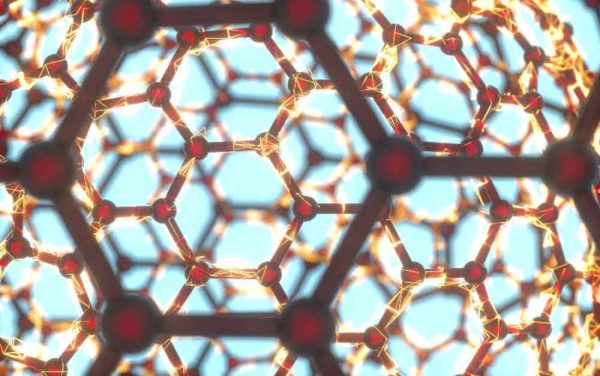
Grafting Modification: Grafting PEI onto the surface of base membranes such as polyamides via chemical bonds provides a stronger bond than simple physical coating and effectively prevents the loss of polymer chains during use.
Ⅳ. Conclusion
In the basic preparation of microfiltration/ultrafiltration membranes, PEI is often added as an additive to the casting solution. Its hydrophilicity promotes the formation of finger-like pore structures during phase inversion, thereby increasing flux.
PEI truly plays a crucial role as a “functional molecule” in membrane technology, indispensable from constructing separation layers to endowing specific functions.
If you are more interested in the details of a specific process (such as the specific operational steps of interfacial polymerization) or an application (such as solvent-resistant nanofiltration membranes), please feel free to contact Unilong. I can provide further in-depth information.
