История разработки

2008

time leftArtboard 1

Основанная в 2008 году, компания Unilong Industry является растущим высокотехнологичным химическим предприятием. Она начала фокусироваться на мелкодисперсных химикатах. Позже она полностью переключилась на исследования и разработки и производство новых серий продуктов.

time rightArtboard 1

2011

Unilong Industry прошла сертификацию системы экологического менеджмента IS014001 и зарегистрирована как высокотехнологичное предприятие в провинции Шаньдун, что обеспечивает благоприятные условия для будущего развития компании.

2012

time leftArtboard 1

Компания открыла филиал в Шаньдуне и начала расширять направление производства, связанное с косметическое сырье и повседневное химическое сырье.

time rightArtboard 1

2016

Компания открывает завод по производству полимеров, сфера деятельности которого охватывает исследования и разработки, производство и продажу повседневного химического сырья, биоразлагаемых материалов и материалов для 3D-печати.

2017

time leftArtboard 1

Мы уже получили сертификаты, связанные с продукцией, включая ISO9001, BPI DIN NTSQP и т.д. На рынке есть поговорка “Uli-ЭКО, тебе это понравится”.

time rightArtboard 1

2020

Unilong Industry стала универсальным покупателем и поставщиком услуг для многих клиентов по всему миру. В настоящее время ее продукция экспортируется в Северную и Южную Америку, Европу, Азию, Австралию, Южную Африку и другие десятки стран и регионов.

2022

time leftArtboard 1

Unilong поддерживает отношения с ведущей лабораторией высоких технологий и занимается новыми исследованиями возобновляемых материалов.Направление "низкоуглеродистая защита окружающей среды, новые нетоксичные материалы".

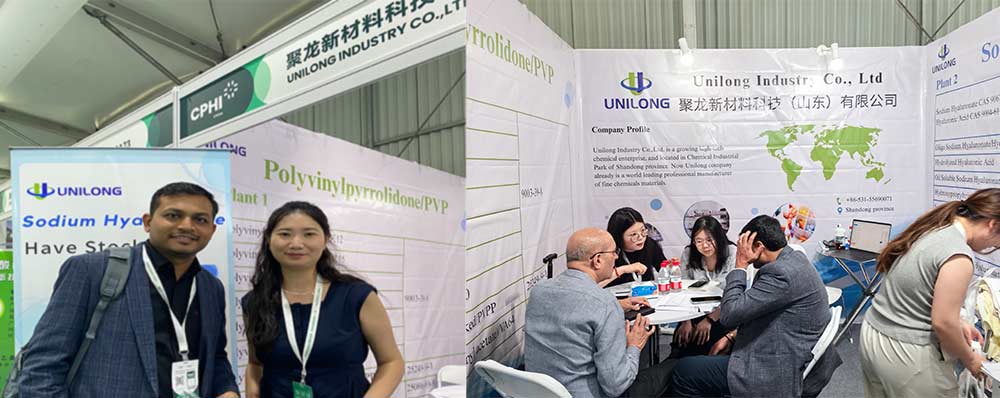
slider-CPHI

CPHI & PMEC China 2025

BOOTH NO.: W9A72
24-26 June, 2025
Shanghai New International Expo Center(Pudong)

Политика конфиденциальности

Last updated on June 26, 2024

This Privacy Policy describes the policies of Unilong Industry Co., Ltd., Chemical Industrial Park of Shandong Province. email: info@unilongindustry.com, phone: +86 18653132120 on the collection, use and disclosure of your information that we collect when you use our website ( https://unilongindustry.com/ ). (the “Service”). By accessing or using the Service, you are consenting to the collection, use and disclosure of your information in accordance with this Privacy Policy. If you do not consent to the same, please do not access or use the Service.

We may modify this Privacy Policy at any time without any prior notice to you and will post the revised Privacy Policy on the Service. The revised Policy will be effective 180 days from when the revised Policy is posted in the Service and your continued access or use of the Service after such time will constitute your acceptance of the revised Privacy Policy. We therefore recommend that you periodically review this page.

Использование

We use your personal information to provide you with the services you request, to communicate with you, to resolve issues, to customize your experience, to inform you about our services and Website updates and to measure interest in our Website and Services.

Like many websites, we use “cookies” to enhance your experience and collect information about visitors and visits to our website. Please see the “Do We Use ‘Cookies’?” section below for information about cookies and how we use them.

Disclosure

We will not sell or rent your personal information to third parties for their marketing purposes without your explicit consent. We may disclose personal information to respond to legal requirements, enforce our policies, respond to claims that a posting or other content violates the rights of others, or to protect the rights, property, or safety of anyone. Such information will be disclosed in accordance with applicable laws and regulations. We may also share personal information with service providers who help us conduct our business and with members of our corporate family who may provide joint content and services and help detect and prevent potentially illegal activities. If we plan to merge or be acquired by another business entity, we may share personal information with the other business entity and require the new combined entity to comply with the provisions of this Privacy Policy with respect to your personal information.

Media

If you upload images to the website, Visitors to the website can download and extract any location data from images on the website.

Use Rights

You can access or update the personal information you have provided to us at any time by contacting us at info@unilongindustry.com.

Security

We consider information an asset that must be protected and use a number of tools to protect your personal information from unauthorized access and disclosure. However, as you may be aware, third parties may be able to unlawfully intercept or access transmissions or private communications. Therefore, while we work very hard to protect your privacy, we do not promise, and you should not expect, that your personal information or private communications will always remain private.

slider 2

Unilong Aim To Do Long-term Business.

We Support “Sample Delivery Door To Door Service”
We Support “Return Sample Fee If Quality Is Not Ok”

slider 1

ВЫСОКОКАЧЕСТВЕННЫЙ ГРУЗ

Ведущий мировой профессиональный производитель и дистрибьютор тонкодисперсных химических материалов

Наша компания прошла сертификацию IS0-9001. И Unilong всегда строго следует требованиям ISO, требованиям контроля GB /T.

Результат поиска

Развитие

Принцип безопасного производства

Ориентированный на людей, кто главный и ответственный

Безопасная разработка, соблюдение принципа "безопасность превыше всего"

Служба безопасности имеет право вето

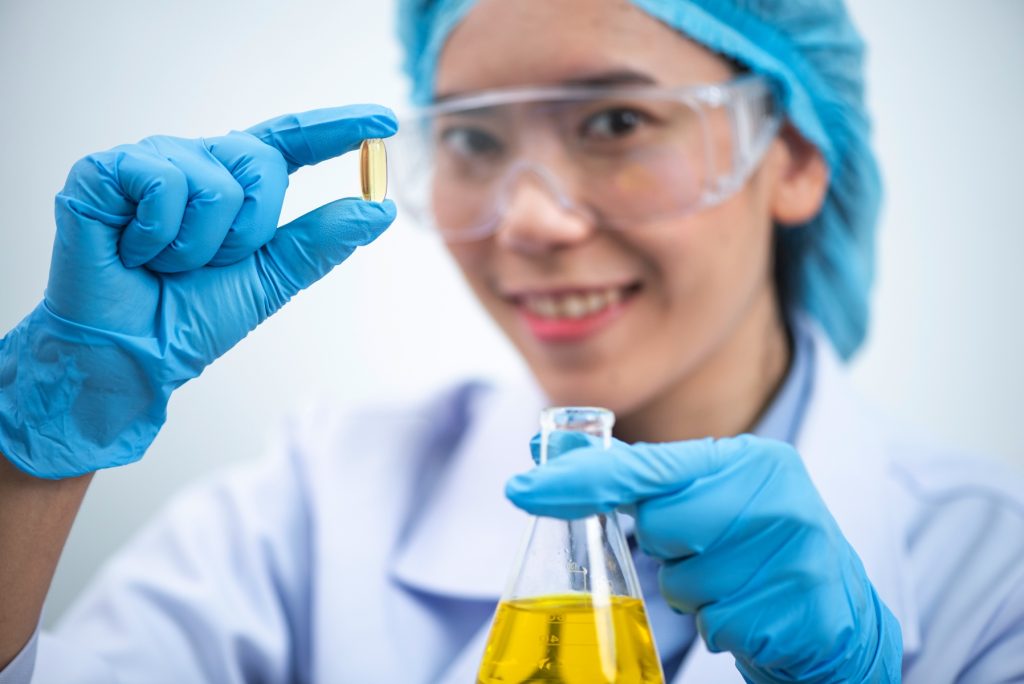
scientists are working in a chemical lab 2022 12 16 02 35 28 utc 01

Ставя на первое место защиту жизни и безопасности людей

Концепция развития системы безопасности в тюрьмах "Дерево"

Принцип поиска истины на основе фактов и отказа от сокрытия или ложного сообщения обо всех несчастных случаях

Безопасность - это спасательный круг

Ставить людей на первое место, стремиться к безопасному развитию, ставить безопасность превыше всего, профилактику превыше всего и всестороннее управление.

Ключом к безопасному производству является повышение осведомленности людей о безопасности. Главное - всегда придерживаться идеологии, ориентированной на людей, начинать с установления доминирующей позиции сознания, подчеркивать, что ответственность за безопасность несут менеджеры, повышать качество травматизма сотрудников на нескольких уровнях и возводить прочную стену безопасности. Направляйте сотрудников к сознательному и активному участию и создавайте исходящую снизу вверх, активную и спонтанную атмосферу “Я хочу быть в безопасности”.

Пропагандируем зеленые концепции и разделяем цивилизованную жизнь

Применяйте на практике концепцию “зеленого”

Выступая за энергосбережение, водосбережение и сокращение энергопотребления в повседневной жизни, мы сотрудничаем с профсоюзами цехов, чтобы организовать сотрудников для серьезного изучения знаний и требований в области энергосбережения, взять на себя ведущую роль в обмене опытом в области энергосбережения и пустить глубокие корни в сердцах людей. Мы усовершенствовали онлайн-систему обнаружения характерных загрязняющих веществ на границе производства, добившись достижения стандартных выбросов и улучшения экологии.

Обслуживание

Гарантия качества

Компания производит продукцию в строгом соответствии с требованиями системы менеджмента качества и системы охраны окружающей среды.

Послепродажное обслуживание

В течение 30 дней после поставки, если качество продукции является неквалифицированным, профессиональная команда послепродажного обслуживания поможет вам провести расследование, выступить посредником и решить проблему, а также выплатить надлежащую компенсацию.​​​​​​​

Быстрая доставка

Обычно отгрузка будет произведена в течение 7-15 дней после подтверждения заказа.

Почему выбрали именно нас?

Во всем мире запасы почти всех материалов для промышленных линий очень ограничены, а цены резко растут. Поэтому в этой ситуации все более важна единая стабильная система поставок. Unilong всегда уделяет внимание построению системы поставок. Теперь у нас есть единая стабильная система поставщиков материалов, так что мы можем преодолеть нынешнюю ситуацию и обеспечить нормальную работу нашей производственной линии.У нас есть строгая система управления каждым этапом поставок, производства, транспортировки, продажи.

researcher working with glassware glass equipment 2022 12 16 02 40 22 utc 01
Фабрика по низкой цене

Сильная Система поиска поставщиков и большой объем клиентов

chemical laboratory 2021 09 24 03 15 45 utc 01
Стабильное Высокое Качество

Зрелая технология и строгий процесс контроля качества

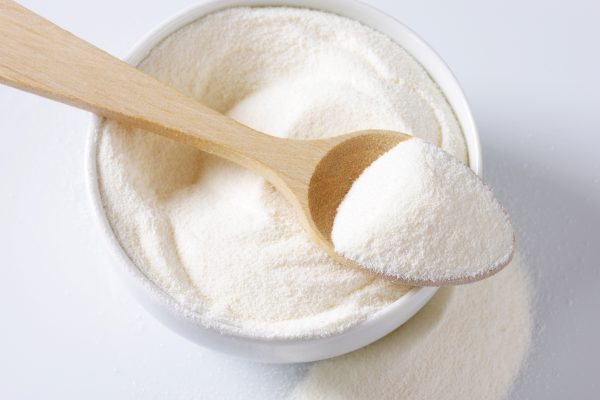
whole milk powder 2021 08 26 17 13 51 utc 2 01
Примерное обслуживание

Превосходное Выборочное обслуживание и большой объем клиентов

serious clinicians studying chemical elements in l 2021 08 31 21 19 19 utc 01
Быстрый Отклик

Опытный продавец и Политическая Поддержка

Почему выбрали именно нас?

Почему выбрали именно нас?

Во всем мире запасы почти всех материалов для промышленных линий очень ограничены, а цены резко растут. Поэтому в этой ситуации все более важна единая стабильная система поставок. Unilong всегда уделяет внимание построению системы поставок. Теперь у нас есть единая стабильная система поставщиков материалов, так что мы можем преодолеть нынешнюю ситуацию и обеспечить нормальную работу нашей производственной линии.У нас есть строгая система управления каждым этапом поставок, производства, транспортировки, продажи.

researcher working with glassware glass equipment 2022 12 16 02 40 22 utc 01
Фабрика по низкой цене

Сильная Система поиска поставщиков и большой объем клиентов

chemical laboratory 2021 09 24 03 15 45 utc 01
Стабильное Высокое Качество

Зрелая технология и строгий процесс контроля качества

whole milk powder 2021 08 26 17 13 51 utc 2 01
Примерное обслуживание

Превосходное Выборочное обслуживание и большой объем клиентов

serious clinicians studying chemical elements in l 2021 08 31 21 19 19 utc 01
Быстрый Отклик

Опытный продавец и Политическая Поддержка

Обслуживание

Обслуживание

white plane flies in the sky blue background pass 2022 11 08 04 54 32 utc 01
engineer working in container storage yard stand f 2022 11 17 12 36 29 utc 01
container ship sailing in sea 2021 11 11 20 29 28 utc 01

Гарантия качества

Компания производит продукцию в строгом соответствии с требованиями системы менеджмента качества и системы охраны окружающей среды.

Послепродажное обслуживание

В течение 30 дней после поставки, если качество продукции является неквалифицированным, профессиональная команда послепродажного обслуживания поможет вам провести расследование, выступить посредником и решить проблему, а также выплатить надлежащую компенсацию.​​​​​​​

Быстрая доставка

Обычно отгрузка будет произведена в течение 7-15 дней после подтверждения заказа.

Безопасность

Принцип безопасного производства

Ориентированный на людей, кто главный и ответственный

Безопасная разработка, соблюдение принципа "безопасность превыше всего"

Служба безопасности имеет право вето

scientists are working in a chemical lab 2022 12 16 02 35 28 utc 01

Ставя на первое место защиту жизни и безопасности людей

Концепция развития системы безопасности в тюрьмах "Дерево"

Принцип поиска истины на основе фактов и отказа от сокрытия или ложного сообщения обо всех несчастных случаях

Безопасность - это спасательный круг

Ставить людей на первое место, стремиться к безопасному развитию, ставить безопасность превыше всего, профилактику превыше всего и всестороннее управление.

Ключом к безопасному производству является повышение осведомленности людей о безопасности. Главное - всегда придерживаться идеологии, ориентированной на людей, начинать с установления доминирующей позиции сознания, подчеркивать, что ответственность за безопасность несут менеджеры, повышать качество травматизма сотрудников на нескольких уровнях и возводить прочную стену безопасности. Направляйте сотрудников к сознательному и активному участию и создавайте исходящую снизу вверх, активную и спонтанную атмосферу “Я хочу быть в безопасности”.

Пропагандируем зеленые концепции и разделяем цивилизованную жизнь

Применяйте на практике концепцию “зеленого”

Выступая за энергосбережение, водосбережение и сокращение энергопотребления в повседневной жизни, мы сотрудничаем с профсоюзами цехов, чтобы организовать сотрудников для серьезного изучения знаний и требований в области энергосбережения, взять на себя ведущую роль в обмене опытом в области энергосбережения и пустить глубокие корни в сердцах людей. Мы усовершенствовали онлайн-систему обнаружения характерных загрязняющих веществ на границе производства, добившись достижения стандартных выбросов и улучшения экологии.

Наша Фабрика

СЕМИНАР Unilong

НАША ФАБРИКА

Unilong является надежным производителем и поставщиком в Китае. Мы предлагаем конкурентоспособные цены, стабильное качество продукции, поддержку при заказе образцов и индивидуальную техническую поддержку - вот причины, по которым вы выбираете Unilong Industry.
Компания осуществляет надзор, контролирует и эксплуатирует все производственные звенья в строгом соответствии с требованиями стандартов ISO9001, ISO14001 и GB/T-28001. В строгом соответствии с требованиями современных норм управления предприятием создать современные научные средства управления и полную и надежную систему обеспечения управления для устойчивого развития предприятий.

Наша Фабрика

Наш офис

Транспортировка и упаковка

Our customers

Культура

large business team showing unity with their hands 2022 12 16 02 55 08 utc 01 01
Концепция развития

Безопасность, экологичность, технологии и сервис

Гуманистическая концепция

Подчеркивая концепцию управления, ориентированного на людей, продвигайте демократическое управление, позволяйте сотрудникам активно участвовать в функционировании и развитии предприятия, стимулируйте творческий подход сотрудников и создавайте справедливую, непорочную и благоприятную экосистему.

Идея управления

Внедряйте систему, начиная с меня. Личная порядочность и законопослушная работа, а также законопослушная и честная работа предприятия.

Концепция, Ориентированная на рост

Предприятия осознали, что обучение сотрудников является важной инвестицией для современных предприятий. Только путем максимального развития и использования человеческих ресурсов посредством обучения, стимулирования и других средств можно отразить личную ценность сотрудников и добиться значительного развития предприятия.

Корпоративная культура​​

Ценность для пользователей является нашим руководящим принципом, и мы стремимся интегрировать социальную ответственность в наши продукты и услуги. Придерживаясь концепции развития “безопасность, экологичность, технологии и сервис”, а также придерживаясь духа “мастерства”, стремящегося к совершенству. Только постоянно корректируя свою стратегию в условиях изменений, поддерживая здоровый жизненный тонус развития, преобразуя этот жизненный тонус в инертность и постоянно выражая его с помощью эффективных стратегий, предприятия могут получать и постоянно укреплять конкурентные преимущества и добиваться своего успеха.

Корпоративное видение​​​

Наши действия соответствуют этическим стандартам и остаются правдивыми и прозрачными. Активно уделяем внимание экологическим проблемам, продвигаем экологически чистое производство и направляем усилия на защиту окружающей среды. Мы придерживаемся инновационного мышления, постоянно совершенствуемся и создаем ценность. Создавайте ценность для клиентов и становитесь для них долгосрочным надежным партнером. Концепция обслуживания "клиент прежде всего" постоянно повышает удовлетворенность клиентов и устанавливает хорошие отношения с ними.

Профиль компании

О КОМПАНИИ Unilong

Профиль компании

Unilong Industry Co.,Ltd. is a growing high-tech chemical enterprise, and located in Chemical industrial park of Shandong province. Now Unilong company already is a world leading professional manufacturer and distributor for fine chemicals materials.

Unilong Group была основана в 2008 году и в основном занимается производством полимеров и повседневных материалов в Китае. Наша продукция обладает уникальными преимуществами на рынке и позволяет удовлетворять индивидуальные потребности наших партнеров. Мы уже получили сертификаты, связанные с продукцией, включая  Сертификация системы качества ISO и системы экологического менеджмента.

Unilong workshop 1 01 1
chemical research 2021 09 24 03 37 36 utc 01
О КОМПАНИИ Unilong

Профиль компании

С момента своего основания мы добросовестно придерживались принципа позитива, открытости, после многих лет напряженной работы компания получила почетное звание отраслевой.мы всегда следим за тенденциями и предлагаем ценность не только материалов, мы также применяем их в производственном процессе, уделяя особое внимание совершенствованию и инновациям. Наши продукты обладают уникальными преимуществами на рынке и позволяют удовлетворять индивидуальные потребности наших партнеров.

Мы искренне надеемся, что наше первоклассное качество, профессиональный сервис и разнообразный ассортимент продукции станут надежной поддержкой для всех наших ценных клиентов.

ГАРАНТИЯ КАЧЕСТВА

Строгий Контроль качества

За прошедшие годы наша компания стала универсальным покупателем и поставщиком услуг для многих клиентов по всему миру. В настоящее время наша продукция экспортируется в Северную и Южную Америку, Европу, Азию, Австралию, Южную Африку и другие десятки стран и регионов. мы сотрудничаем со многими всемирно известными химическими компаниями.

Компания придерживается основных ценностей “инноваций, добросовестности, сотрудничества, ответственности и взаимовыгодного сотрудничества” и искренне сотрудничает с отечественными и зарубежными заказчиками, чтобы с искренним энтузиазмом предоставлять отечественным и зарубежным клиентам более качественные услуги.

scientist researching working with chemical fluid 2022 12 16 03 40 26 utc 01
НАШЕ ПРЕИМУЩЕСТВО

Почему выбрали Именно нас

Мы стали универсальным покупателем и поставщиком услуг для многих клиентов по всему миру.

Богатый производственный опыт

Unilong Industry имеет 16-летний опыт промышленного производства

Высокотехнологичное предприятие

Unilong Industry была удостоена звания “Высокотехнологичное предприятие в провинции Шаньдун”.

Гарантия качества

Образец доступен перед размещением оптового заказа, чтобы подтвердить требуемое вами качество. Проверка третьей стороной, такой как CIQ, SGS, перед отправкой по запросу.

Полные сертификаты

Unilong Industry прошла сертификацию системы качества ISO9001: 2016, у нас строгая система контроля качества.

Послепродажное обслуживание

В течение 30 дней после поставки, если качество продукции является неквалифицированным, профессиональная команда послепродажного обслуживания поможет вам провести расследование, выступить посредником и разрешить проблему, а также выплатить надлежащую компенсацию.

Форма для подбора персонала на работу

Форма для подбора персонала на работу

Положение Число Гендер Образование Возраст Подробные сведения
Продавец 6 Неограниченный Специалист и выше 22-36 Читать дальше
Лаборант 2 Неограниченный Доктор философии . 30 лет и старше Читать дальше
Администратор оборудования 1 Самец Степень бакалавра или выше 30 лет и старше Читать дальше
Техник-химик 4 Самец Аспирант Неограниченный Читать дальше
Администратор безопасности 2 Самец Аспирант Неограниченный Читать дальше

Кадровая стратегия

mid adult male engineer examining machine part on 2022 01 19 00 12 09 utc 01

HR Strategy Introduction

Цель отбора талантов, по сути, заключается в том, чтобы дать предприятиям возможность получить конкурентные преимущества и тем самым повысить свою основную конкурентоспособность. В частности, целью отбора персонала является отбор наиболее подходящего персонала, соответствующего требованиям предприятия, из числа принятых на работу кандидатов, чтобы обеспечить планирование человеческих ресурсов предприятия, уделяя при этом внимание развитию существующих талантов. Эффективно реализовывать кадровую стратегию компании. Что касается вознаграждения сотрудников, компания внедряет оценку эффективности работы всех сотрудников, внедряет механизмы рыночного давления и честной конкуренции внутри компании, внедряет систему оплаты труда, сочетающую должностной оклад и премию по результатам работы, и максимизирует мотивацию сотрудников. Компания позаботится о семьях сотрудников и избавит их от забот. Это также может улучшить организационную гармонию и сплоченность за счет создания различных групп по интересам, спортивных и развлекательных мероприятий, расширения социальных возможностей и удовлетворения их стремления к счастью и социальных потребностей.

Стратегическая цель

Человеческие ресурсы являются важнейшим стратегическим ресурсом нашей отрасли Unilong. Качество человеческих ресурсов зависит от качества сотрудников каждой компании. Поэтому компания формирует три основные команды предприятия:

asian female manager giving consultation on financ 2022 03 29 08 48 56 utc 01

Операционный и управленческий персонал

Создайте команду, которая хорошо разбирается в управлении, обладает хорошей профессиональной этикой и умеет использовать современные методы управления персоналом.

group of young researchers analyzing chemical data 2022 04 13 21 49 49 utc 01

Профессиональный технический персонал

Создайте команду технического персонала, обладающего высоким профессионализмом, способностью к инновациям, идущего в ногу с передовыми технологиями и постоянно совершенствующего основные технологии предприятия.

woman operating pharmaceutical production 2021 09 24 04 16 58 utc 01

Команда операторов на передовой

Создайте команду старших технических работников и разнорабочих с хорошей адаптивностью, координационными способностями, трудолюбием, настойчивостью и высоким уровнем профессионализма.

Спасибо

Спасибо

Submission successful !

Thank you for submitting your information, our sales manager will contact you as soon as possible.

You can navigate through our menu or use this search bar.

Вопросы и ответы

Цена по прейскуранту завода-изготовителя.вы можете свободно отправить нам свой запрос (название продукта, количество, пункт назначения, который вы хотите). Мы можем связаться с вами в течение 24 часов.

  • a. Вы можете протестировать образец, например, в нескольких граммах / килограммах.
  • b. Вы также можете разместить один небольшой заказ, например, одну / несколько бочек в качестве единого заказа. Затем вы можете разместить оптовый заказ после тестирования. Мы уверены в нашем качестве.

У нас есть строгий процесс обучения по SOP упаковки и доставки. Подробный профиль SOP доступен для различных режимов, таких как безопасный груз и опасный груз морским, воздушным транспортом, фургоном или даже экспресс-отправкой.

Шанхай, Тяньцзинь, Хуанпу, Циндао и др.

Большая часть продукции находится в стадии регулярного производства, мы можем осуществить доставку немедленно.

a. Образец, который мы можем предложить перед тем, как вы разместите оптовый заказ.

b. Как правило, мы можем отправить образец в течение 2-3 дней после подтверждения. Вы можете получить его в течение 1 недели.

Обычно отгрузка будет произведена в течение 7-15 дней после подтверждения заказа.

Конечно. Мы можем предоставить коммерческий счет, упаковочный лист, накладную на погрузку, COA и сертификат происхождения.

Мы являемся ответственной и авторитетной компанией, мы ориентируемся на взаимовыгодное и длительное общение с клиентами для решения вопросов клиентов.

a. Проверка третьей стороной, такой как CIQ, SGS перед отправкой по запросу.

b.In В случае PSS мы проведем проверку груза до получения одобрения со стороны клиента.

c. У нас есть четкое и подробное положение о качестве в контракте с производителем, если возникнет какое-либо несоответствие качества / количества, они возьмут на себя ответственность.

Еще Один вопрос

Просто заполните форму, и мы скоро вернемся к вам.

Ваши вопросы *
Заполните поле
Ваш адрес электронной почты *
Пожалуйста, введите корректный адрес email.

Контакты

Контакты офиса

Производитель предлагает обширную техническую поддержку с командой ученых, которые управляют вашими проектами от инноваций до разработки, коммерциализации, а затем до переработки и упаковки.

Statement: Unilong Industry Co., Ltd. is the official registered English name of our company, not the direct translation of Julong.

Головной офис

Address 1: No.2000 Shunhua Rd, High-Tech Zone , Jinan City, Shandong Province, China

Address 2: Parvati Industrial Estate, Parvati Paytha, Pune, Maharashtra 411009, India

Фабрика

Химический промышленный парк провинции Шаньдун

Мобильный телефон/WhatsApp/WeChat

WeChat

единая промышленность

Телефон отдела продаж

Отдел продаж. I: +86-531-55690071

Отдел продаж II: +86-531-55690079

Отдел логистики.:+86-18006419164

5531695268915 .pic

Заполните форму

Имя
Заполните поле
Электронная почта *
Пожалуйста, введите корректный адрес email.
Телефон /WhatsApp (Добавить код города)
Заполните поле
Страна назначения *
Заполните поле
Сообщение
Заполните поле
Вы должны согласиться с условиями для продолжения

О нас

О КОМПАНИИ Unilong

Профиль компании

Unilong Industry Co.,Ltd. is a growing high-tech chemical enterprise, and located in Chemical industrial park of Shandong province. Now Unilong company already is a world leading professional manufacturer and distributor for fine chemicals materials.

Unilong Group была основана в 2008 году и в основном занимается производством полимеров и повседневных материалов в Китае. Наша продукция обладает уникальными преимуществами на рынке и позволяет удовлетворять индивидуальные потребности наших партнеров. Мы уже получили сертификаты, связанные с продукцией, включая  Сертификация системы качества ISO и системы экологического менеджмента.

Unilong workshop 1 01 1
chemical research 2021 09 24 03 37 36 utc 01
О КОМПАНИИ Unilong

Профиль компании

С момента своего основания мы добросовестно придерживались принципа позитива, открытости, после многих лет напряженной работы компания получила почетное звание отраслевой.мы всегда следим за тенденциями и предлагаем ценность не только материалов, мы также применяем их в производственном процессе, уделяя особое внимание совершенствованию и инновациям. Наши продукты обладают уникальными преимуществами на рынке и позволяют удовлетворять индивидуальные потребности наших партнеров.

Мы искренне надеемся, что наше первоклассное качество, профессиональный сервис и разнообразный ассортимент продукции станут надежной поддержкой для всех наших ценных клиентов.

ГАРАНТИЯ КАЧЕСТВА

Строгий Контроль качества

За прошедшие годы наша компания стала универсальным покупателем и поставщиком услуг для многих клиентов по всему миру. В настоящее время наша продукция экспортируется в Северную и Южную Америку, Европу, Азию, Австралию, Южную Африку и другие десятки стран и регионов. мы сотрудничаем со многими всемирно известными химическими компаниями.

Компания придерживается основных ценностей “инноваций, добросовестности, сотрудничества, ответственности и взаимовыгодного сотрудничества” и искренне сотрудничает с отечественными и зарубежными заказчиками, чтобы с искренним энтузиазмом предоставлять отечественным и зарубежным клиентам более качественные услуги.

scientist researching working with chemical fluid 2022 12 16 03 40 26 utc 01
НАШЕ ПРЕИМУЩЕСТВО

Почему выбрали Именно нас

Мы стали универсальным покупателем и поставщиком услуг для многих клиентов по всему миру.

Богатый производственный опыт

Unilong Industry имеет 16-летний опыт промышленного производства

Высокотехнологичное предприятие

Unilong Industry была удостоена звания “Высокотехнологичное предприятие в провинции Шаньдун”.

Гарантия качества

Образец доступен перед размещением оптового заказа, чтобы подтвердить требуемое вами качество. Проверка третьей стороной, такой как CIQ, SGS, перед отправкой по запросу.

Полные сертификаты

Unilong Industry прошла сертификацию системы качества ISO9001: 2016, у нас строгая система контроля качества.

Послепродажное обслуживание

В течение 30 дней после поставки, если качество продукции является неквалифицированным, профессиональная команда послепродажного обслуживания поможет вам провести расследование, выступить посредником и разрешить проблему, а также выплатить надлежащую компенсацию.

Главная

ВЫСОКОКАЧЕСТВЕННЫЙ ГРУЗ

Ведущий мировой профессиональный производитель и дистрибьютор тонкодисперсных химических материалов

Наша компания прошла сертификацию IS0-9001. И Unilong всегда строго следует требованиям ISO, требованиям контроля GB /T.

Категория Unilong

Категория продукта

Cosmetic raw materials 640 640
Катализатор И Вспомогательное средство
Flavors and fragrances 640 640
Ежедневные Химические вещества
Intermediate 640 640
Поверхностно-активное вещество
Extract 640 640
Органическая химия
Продукт

Горячие Продукты

Группа компаний Unilong

О НАС

Unilong Group была основана в 2008 году и в основном занимается производством полимеров и повседневных материалов в Китае.  Наши продукты обладают уникальными преимуществами на рынке и позволяют удовлетворять индивидуальные потребности наших партнеров.  Мы уже получили сертификаты, связанные с продукцией, включая  Сертификация системы качества ISO и системы экологического менеджмента.

Unilong workshop 1 01 1

Наши преимущества

Почему выбрали Именно нас

Богатый Опыт

Unilong Industry имеет 15-летний опыт промышленного производства

Высокотехнологичное предприятие

Unilong Industry была удостоена звания “Высокотехнологичное предприятие в провинции Шаньдун”.

Гарантия качества

Мы прошли через сертификат системы качества ISO9001: 2016, у нас есть строгая система контроля качества.

Качество продукции

Образец доступен перед размещением оптового заказа, чтобы подтвердить требуемое вами качество.  Проверка третьей стороной, такой как CIQ, SGS перед отправкой по запросу.

Мощная система снабжения

Unilong всегда уделяет внимание построению системы поставок. Теперь у нас есть одна стабильная система поставщиков материалов, так что мы можем преодолеть сложившуюся ситуацию и обеспечить нормальную работу нашей производственной линии.

Послепродажное обслуживание

В течение 30 дней после поставки, если качество продукции является неквалифицированным, профессиональная команда послепродажного обслуживания поможет вам провести расследование, выступить посредником и разрешить проблему, а также выплатить надлежащую компенсацию.

Однотонный

Наш рынок

map1

Азия: Китай, Корея, Япония, Пакистан, Турция, Израиль, ОАЭ, Кипр, Сингапур, Бангладеш, Индонезия, Индия, Малайзия, Таиланд, Вьетнам и др.

Америка: Соединенные Штаты, Канада, Мексика, Бразилия, Аргентина, Колумбия, Чили, Перу, Коста-Рика, Эквадор, Гондурас и т.д.

Европа: Россия, Италия, Германия, Франция, Великобритания, Сербия, Бельгия, Украина, Польша и др.

Африка: Южная Африка, Египет, Нигерия, Танзания и др.

Океания: Австралия, Новая Зеландия.

Cooperative Partner

Последний Блог

Центр новостей

Наши продукты обладают уникальными преимуществами на рынке и позволяют удовлетворять индивидуальные потребности наших партнеров.

What are the uses of Sodium Allyl Sulfonate

Sodium allyl sulfonate (abbreviated as SAS, CAS 2495-39-8) is an anionic monomer with an active double bond and a strong hydrophilic sulfonic acid group. Its molecular structure combines the advantages of reactivity and water solubility. Sodium allyl sulfonat has demonstrated irreplaceable functional value in fields such as polymer synthesis, water treatment, and textile printing and dyeing, and has become one of the key functional raw materials in the chemical industry chain. ​​

I. Polymer Synthesis Field: “Functional Additives” for Enhancing Polymer Performance

In the preparation of polymer materials, the core role of sodium allyl sulfonate is to act as a copolymer monomer, participating in the polymerization reaction through double bonds and introducing sulfonic acid groups into the polymer molecular chain, thereby optimizing the hydrophilicity, stability and mechanical properties of the material. sodium allylsulfonate is widely used in the production of synthetic resins, rubber and polymer additives. ​

In the production of high-molecular flocculants for water treatment, sodium allylsulfonate is often copolymerized with monomers such as acrylamide and acrylic acid to prepare anionic polyacrylamide-based flocculants. The introduced sulfonic acid groups can enhance the solubility and dispersion of the flocculant in water, improve the adsorption and sedimentation efficiency of oily wastewater and heavy metal wastewater, and at the same time increase the salt resistance and thermal stability of the flocculant, making it highly effective in the treatment of high-salinity industrial wastewater (such as oilfield produced water and chemical wastewater). Currently, the usage in this field accounts for more than 35% of the total consumption. ​

Sodium-Allyl-Sulfonate-application

In the synthetic rubber industry, sodium prop-2-ene-1-sulfonate, as a modified monomer for styrene-butadiene rubber and nitrile rubber, can improve the vulcanization performance and aging resistance of rubber. After addition, the tensile strength of rubber products increases by 10% to 15%, and it can also reduce the swelling of rubber in high-temperature environments. sodium prop-2-ene-1-sulfonate is particularly suitable for products with high weather resistance requirements such as automotive tires and seals. In addition, sodium allyl sulfonate can act as a crosslinking agent in water-soluble polymer coatings, enhancing the adhesion and water resistance of the coatings and preventing them from peeling off easily in a humid environment.

II. Water Treatment Field: The “Stabilizer” of Circulating Water Systems

In addition to being used as a raw material for flocculants, sodium allyl sulfonate can also be directly employed as a scale inhibitor and dispersant as well as a corrosion inhibitor in circulating water treatment. With its chelating ability for calcium and magnesium ions and its adsorption and protective effect on metal surfaces, it can solve the problems of scaling and corrosion in industrial circulating water systems. ​

Sodium-Allyl-Sulfonate-USED

In industrial cooling circulating water systems, sodium allyl sulfonate can form stable chelates with scale precursor substances such as calcium carbonate and calcium sulfate in water, preventing their crystallization and deposition on the tube walls of heat exchangers. Experimental data show that adding sodium allyl sulfonate at a concentration of 5-10mg/L It can reduce the formation of scale by more than 60%, while lowering the thermal resistance of the heat exchanger and enhancing the heat exchange efficiency. In addition, the sulfonic acid groups in its molecules can adsorb onto the surface of metal pipes, forming a dense protective film that inhibits the electrochemical corrosion of metals, reducing the corrosion rate of carbon steel pipes to below 0.05mm/a, which is far lower than the national industrial circulating water corrosion control standard (≤0.125mm/a). ​

In boiler water treatment, sodium allylsulfonate, when used in combination with organic phosphonates, zinc salts, etc., can form highly efficient corrosion and scale inhibitors. sodium allylsulfonate is suitable for stabilizing water quality in medium and low-pressure boilers, preventing local overheating damage caused by scaling on the inner walls of boilers, and extending the service life of equipment. ​

III. Textile Printing and Dyeing Field: “Synergistic Auxiliaries” for Fabric Dyeing and Finishing

In the textile industry, sodium allyl sulfonate, with its hydrophilic and dispersing properties, has become an important component of printing and dyeing auxiliaries, mainly used for dye dispersion, anti-wrinkle finishing of fabrics, and modification of printing pastes. ​

In the dye dispersion process, sodium prop-2-ene-1-sulfonate can be used as a dispersant to improve the suspension stability of disperse dyes in water, prevent dye particle agglomeration, ensure uniform adhesion of dyes to the fabric surface during dyeing, and reduce problems such as color streaking and color difference. It has particularly excellent compatibility with difficult-to-disperse VAT dyes and reactive dyes, and can increase the dye uptake rate by 8% to 12%. ​

In the anti-wrinkle finishing of fabrics, sodium prop-2-ene-1-sulfonate is compounded with formaldehyde capture agents and crosslinking agents for the anti-wrinkle treatment of natural fiber fabrics such as cotton and linen. By undergoing cross-linking reactions with the hydroxyl groups in the fiber molecules, the elastic recovery of the fabric is enhanced. The wrinkle recovery Angle of the treated fabric increases by more than 25%, and the formaldehyde emission of the finishing agent can be reduced, meeting the standards of ecological textiles. In addition, in the printing process, sodium allylsulfonate can modify printing pastes such as starch and sodium alginate, enhance the rheology and water retention of the pastes, prevent the seepage of printed patterns, and ensure the clarity and integrity of the patterns. ​

Textile-Printing-and-Dyeing-Field

IV. Other Emerging Application Fields: “Potential Players” in Functional Expansion

With the development of chemical technology, the application scenarios of sodium allyl sulfonate are still constantly expanding. In the field of electronic electroplating, it can be used as an additive in the electroplating solution to improve the uniformity and gloss of the coating. Especially in the galvanizing and nickel plating processes, it can reduce pinholes and burrs in the coating and enhance the corrosion resistance of the coating. In the field of oilfield exploitation, the high-molecular polymer prepared by copolymerizing sodium allylsulfonate with acrylamide and others can be used as a fluid loss reducer for drilling fluids, reducing the fluid loss of drilling fluids and protecting oil layers from contamination. In the field of daily chemicals, sodium allylsulfonate CAS 2495-39-8, which is used in small amounts in products such as shampoos and body washes, can serve as a conditioner to improve the foaming property and skin compatibility of the products. ​

As a multifunctional chemical raw material, sodium allylsulfonate plays a key role in multiple industrial fields due to its unique chemical structure and properties. In the future, with the growth in demand for green chemical engineering and high-performance materials, their application in fields such as environmentally friendly polymer materials and ecological printing and dyeing auxiliaries will be further deepened, and the market potential will continue to be released.

What is phenolphthalein used for

Phenolphthalein (CAS 77-09-8), as a classic triphenylmethane organic compound, has multiple application values ranging from basic laboratory detection to industrial synthesis due to its chemical properties. However, with the deepening of toxicological research, its application in the medicinal field was completely halted, while its uses in the chemical field continued to expand, becoming an indispensable important substance in chemical engineering and scientific research. This article will start from the core uses of phenolphthalein and sort out the evolution of its application scenarios and scientific value. ​​

Ph

I. Chemical Field: Irreplaceable acid-base indicator

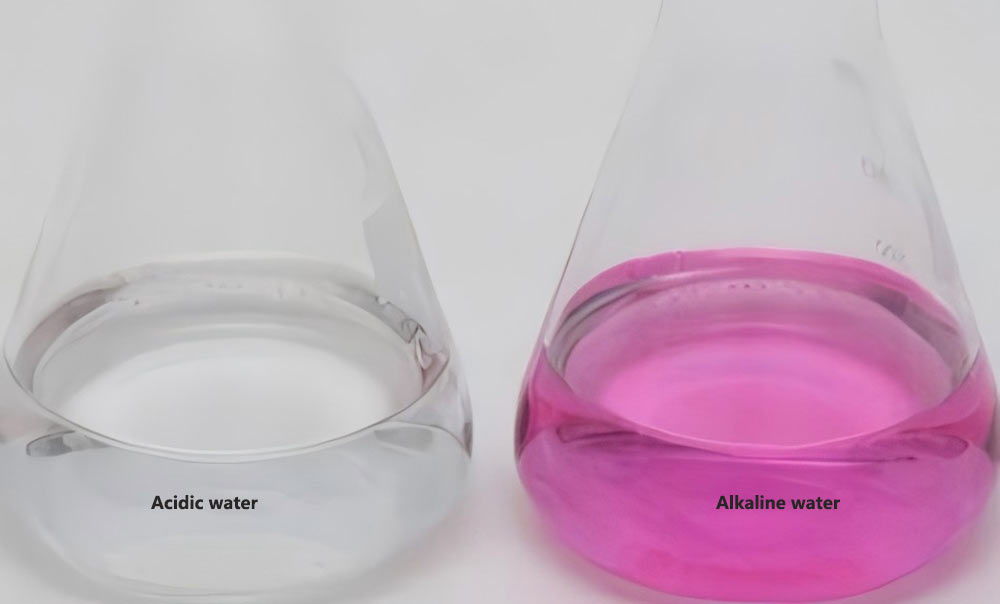
Phenolphthalein 77-09-8 is widely known for its use as an indicator in acid-base titration and qualitative detection. This application relies on its unique molecular structure and color-changing properties. In acidic or neutral solutions with pH < 8.2, phenolphthalein exists as a colorless lactone structure. When the pH is in the weakly alkaline range of 8.2 to 10.0, molecules undergo rearrangement to form a quinone structure, and the solution presents a bright pink color. When pH > 10.0, phenolphthalein will further transform into a colorless carboxylate structure. This color-changing rule makes it one of the most commonly used indicators in chemical experiments.

In analytical chemistry, phenolphthalein is the “standard configuration” for acid-base titration, especially suitable for endpoint determination when a strong base titrates a weak acid or a strong acid titrates a weak base. For instance, in the neutralization titration of acetic acid and sodium hydroxide, phenolphthalein can precisely indicate the reaction endpoint. Its color change is intuitive and highly sensitive, with an error range that can be controlled within 0.1%. In addition to laboratories, phenolphthalein 77-09-8 is also used for acid-base monitoring in industrial production, such as rapid screening of pH levels in water quality testing, acid-base adjustment indication of reaction systems in chemical processes, and even in the food industry for determining the total acidity of vinegar.

Phenolphthalein-Application

II. Organic Synthesis and Materials Science: Emerging Application Fields

In addition to its application as an indicator, phenolphthalein CAS 77-09-8, as an organic synthesis intermediate, has demonstrated unique value in the fields of polymer materials and fine chemicals. In polymer synthesis, phenolphthalein is a key raw material for preparing high-performance polyaryletherketone resins. These resins possess excellent heat resistance, chemical inertness and mechanical strength, and are widely used in high-end fields such as aerospace, automotive manufacturing and electronic devices. For instance, phenolphthalin-modified polyaryletherketone composites can withstand temperatures above 250℃ and are an important component of aircraft engine parts and semiconductor packaging materials. ​

In materials science research, derivatives of phenolphthalein are also used to prepare functional materials. Its photochromic property makes it a core component of smart chromic materials, which can be used in optical sensors and information storage devices. The cross-linking reaction between phenolphthalein and epoxy resin can significantly enhance the mechanical strength and flame retardancy of composite materials, and has application potential in the construction and automotive industries. In addition, phenolphthalein can also act as a catalyst, participating in the synthesis of natural products and the reaction of propargyl alcohol in medicinal chemistry, and facilitating the research and development of bioactive compounds such as anti-cancer agents and anti-inflammatory agents.

The application history of phenolphthalein (CAS 77-09-8) is a typical case of the “revaluation” of chemical substances. Its medicinal value was denied due to safety risks, while its application in the field of chemistry has been continuously expanding with the deepening of scientific research. From acid-base indicators in the laboratory to synthetic intermediates for high-end materials, phenolphthalein has always played a role with its unique chemical properties. This also reminds the scientific research and industrial sectors that the application of chemical substances must be based on comprehensive safety assessment and scientific understanding in order to maximize their value.

What is titanium tetraisopropanolate used for

In the high-temperature resistant coatings of aerospace engines, in the wind-load-resistant structures of wind turbine blades, and within the precision electronic components of 5G base stations, a chemical substance with the code name 546-68-9 – Titanium tetraisopropanolate – is emerging as a key driver behind the scenes. This kind of organic titanium compound with both catalytic activity and structural regulation ability has achieved technological breakthroughs in high-end manufacturing fields such as glass fiber modification and titanium-based ceramic preparation in recent years, injecting strong impetus into the upgrading of the new materials industry.

The “Performance Code” of Fiberglass Upgrade

As the “industrial sinew and bone” of high-end manufacturing, the performance bottleneck of glass fiber has long restricted the development of new energy, aerospace and other fields. Ordinary glass fibers tend to soften at temperatures above 300℃, and when combined with resins, they are prone to peeling and delamination. They also have insufficient corrosion resistance in strong acid and strong alkali environments. The introduction of titanium tetraisopropanolate is completely changing this situation. ​

Titanium-tetraisopropanolate-used

During the raw material melting stage, titanium(IV) isopropoxide added at a ratio of 0.5% to 2% will decompose into titanium ions at a high temperature of 1200 to 1600℃, forming a stable titanium-silicon composite structure with the quartz sand components, which enhances the acid corrosion resistance of the glass fiber by more than 50%. After soaking in a 5% sulfuric acid solution for 72 hours, the strength retention rate jumped from 60% to 90%. In the surface treatment after drawing, its isopropoxy groups can quickly combine with the hydroxyl groups on the surface of the glass fiber, and at the same time cross-link with the resin to form a chemical bond bridge, increasing the interfacial bonding force by 40% to 60%, ensuring that the wind turbine blades do not crack during long-term outdoor use. ​

Nowadays, this titanium-modified glass fiber has been widely applied in extreme scenarios such as high-temperature filter bags in waste incineration plants and anti-corrosion pipelines in the chemical industry. The breakage rate of the production line has been reduced by 15% to 20%, promoting the domestic production rate of high-end glass fiber to 85%. ​

The “Cost Reduction Key” of Titanium-based Ceramics

In the production of titanium-based ceramics, which are in high demand in fields such as electronics and environmental protection, itanium tetraisopropanolate is solving multiple pain points of traditional processes. Due to their coarse particles and low activity, traditional inorganic titanium raw materials lead to ceramic composition segregation and high sintering energy consumption, and the yield rate has always been difficult to exceed 80%. Its high solubility enables it to be completely miscible with organic precursors, allowing titanium to be uniformly dispersed in molecular form. The composition uniformity of ceramic powder prepared by the sol-gel method is increased by 90%, and the fluctuation of flexural strength is narrowed from ±20% to ±5%. What is more worthy of attention is that the 5-20nm nanoparticles generated by its hydrolysis are extremely active, which can reduce the sintering temperature by 200-300℃. When a certain enterprise produces TiO₂ photocatalytic ceramics, its energy consumption is directly reduced by 32%, the density is increased from 82% to 96%, and the pollutant degradation efficiency is improved by 40%. ​

Titanium-tetraisopropanolate-application

In the production of 5G multilayer ceramic capacitors (MLCC), by regulating the hydrolysis parameters of titanium isopropoxide, the ceramic grain size can be precisely controlled within 0.5-1μm, and the dielectric constant deviation can be reduced to ±3%, driving the product yield rate to soar from 75% to 92% and successfully entering the international high-end supply chain. ​

The “Innovation Engine” of Green Manufacturing

In addition to the performance breakthrough, the green attribute of titanium tetraisopropanolate has also attracted much attention. The traditional chemical synthesis method relies on TiCl₄ raw materials, with a yield of only 60% and severe pollution. However, the latest electrochemical synthesis technology uses titanium metal as the electrode and can produce under normal temperature and pressure, with a product purity of over 99.99% and a metal impurity content of less than 10ppm. This clean process reduces carbon emissions in the production process by 40% and achieves a solvent recovery rate of 95% for isopropyl alcohol, which is in line with the requirements of the “dual carbon” goals. ​

Industry analysis shows that with the growth in demand in fields such as new energy vehicles and energy storage, the domestic market size of titanium tetraisopropoxide has exceeded 2 billion yuan by 2025, with high-end applications accounting for 62%. During the recent fluctuations in the titanium dioxide concept sector, the share prices of related production enterprises have still maintained a steady growth, reflecting the market’s recognition of its technical value. ​

In the future, with the iteration of purification technology, the application of titaniumiv isopropoxide cas 546-68-9 in cutting-edge fields such as aero engine coatings and solid-state battery electrolytes will continue to expand, injecting more “titanium” power into the high-quality development of the industry.

What is the use of Sodium p-styrenesulfonate

In the modern chemical industry system, there are many seemingly ordinary chemical raw materials that play a crucial role in the development of various industries, and sodium p-styrenesulfonate (CAS No. 2695-37-6) is one of them. This sulfonic acid monomer, with its unique molecular structure and excellent performance, has shone brightly in numerous fields such as textile and chemical fibers, chemical materials, water treatment and daily chemicals, electronics and electroplating, as well as photosensitivity and medicine, thanks to its diverse functional characteristics, and has become a key force driving the innovative development of related industries.

The substance with CAS number 2695-37-6 is actually sodium p-styrene sulfonate. Sodium 4-vinylbenzenesulfonate, as a sulfonic acid monomer with high polymerization, has applications covering multiple fields such as textiles, chemicals, medicine, and electronics, as follows:

The field of textile and chemical fibers

Sodium p-styrenesulfonate is a key third monomer in the dry production of acrylic fiber. Meanwhile, its copolymer with acrylic acid can be used as a dyeing modifier for fibers such as polypropylene and acrylic, significantly enhancing the dyeing performance of basic dyes on these fibers. Sodium p-styrenesulfonate makes the fiber coloring more firm. In addition, its homopolymers or copolymers can also act as antistatic agents for fibers, solving problems such as dust adsorption caused by static electricity in fibers.

Sodium-p-styrenesulfonate-used

The field of chemical materials

Sodium p-styrenesulfonate serves as a reactive emulsifier: Due to its excellent stability and water resistance, it can play an emulsifying role in emulsion polymerization reactions, helping the reaction system form stable emulsions. Sodium p-styrenesulfonate is often used in the production of coatings, adhesives and other products.

Preparation of special polymer materials: Sodium 4-vinylbenzenesulfonate can be copolymerized with various monomers such as acrylamide and methacrylate to prepare copolymers with different functions. For instance, the high-molecular coordination compound formed with polyethylene benzyltrimethylammonium chloride can be used to make artificial physiological membranes such as artificial kidneys and contact lenses, as well as industrial dialysis membranes and battery separators. Sodium 4-vinylbenzenesulfonate can also be used to synthesize ion-exchange resins and ion-exchange membranes. These materials play a prominent role in scenarios such as water purification and chemical separation.

Water treatment and daily chemical engineering fields

The water-soluble polymer made from it is an excellent water treatment agent. Sodium p-styrenesulfonate can be used as a flocculant for the coagulation and sedimentation of suspended impurities in wastewater, and also as a dispersant to prevent the agglomeration and caking of impurities in water.

In the field of cosmetics, the high-molecular water solution made from it can be used as a dispersant and hair styling agent, which not only enables the uniform dispersion of various components in cosmetics but also helps maintain the specific shape of hair.

Sodium-p-styrenesulfonate-use

The field of electronics and electroplating

As an additive for electroplating baths, sodium 4-vinylbenzenesulfonate can effectively enhance the gloss of the coating and is often used in electroplating processes such as nickel plating.

Sodium p-styrenesulfonate can be used to prepare conductive polymers and also participate in the synthesis of solid polymer electrolytes in lithium-ion batteries. These electrolytes are safer and less flammable, making them an excellent alternative to traditional liquid electrolytes and contributing to the performance upgrade of electronic components and batteries.

The fields of photosensitivity and medicine

Sodium p-styrenesulfonate, in photosensitive chemicals, can adjust the viscosity of gelatin to meet the production requirements of imaging films, microcapsules and other products. It can also be used in the preparation of electronic photography developers.

In conclusion, Sodium p-styrenesulfonate (CAS 2695-37-6), as a key chemical raw material, plays an indispensable role in numerous fields. The sulfonic acid groups in the molecule exist in the form of sodium salts and can be completely ionized in aqueous solutions, generating negatively charged sulfonic acid ions and sodium ions. Strong ionic properties not only can alter the conductivity and ionic strength of solutions, but also endow their polymers with excellent hydrophilicity and ion exchange capacity, providing a foundation for the preparation of ion exchange resins, antistatic agents and other products.

What Is Sodium 4-Vinylbenzenesulfonate? Key Uses in Polymer Chemistry

Sodium 4-vinylbenzenesulfonate is a highly functional monomer used in advanced polymer chemistry and specialty material development. Also known as Sodium p-styrenesulfonate and chemically referenced as CAS 2695-37-6 (or 2695-37-6), this ionic monomer introduces strong sulfonate groups into polymer backbones, enabling high performance in water-soluble polymers, ion exchange resins, conductive materials, and specialty coatings.

In industrial applications, Sodium 4-vinylbenzenesulfonate plays a critical role in producing polymers with excellent ionic conductivity, hydrophilicity, and chemical resistance—qualities that support innovation in electronic materials, membranes, and specialty emulsions.

I. Chemical Profile of Sodium 4-Vinylbenzenesulfonate

Предмет Описание
Химическое название Sodium 4-vinylbenzenesulfonate
Синонимы Sodium p-styrenesulfonate, SVBS
CAS CAS 2695-37-6
Химическая формула C8H7NaO3S
Внешний вид Кристаллический порошок от белого до темно-белого цвета
Растворимость Highly soluble in water
Functional group Sulfonate group and reactive vinyl group

The presence of a polymerizable vinyl group and a sulfonate functional group allows it to combine the reactivity of styrenic monomers with strong ionic properties.

II. Key Benefits of Sodium 4-Vinylbenzenesulfonate

  • Enables ionic and proton-conductive polymer structures
  • Enhances hydrophilicity and surface charge density
  • Compatible with free-radical polymerization (e.g., with styrene or acrylates)
  • Improves dispersibility and coating wettability
  • Provides thermal and chemical stability

These features make Sodium p-styrenesulfonate essential in specialty polymer modification.

III. Major Applications of Sodium 4-Vinylbenzenesulfonate in Polymer Chemistry

1. Ion-Exchange and Proton-Conductive Polymers

Sodium 4-vinylbenzenesulfonate plays a foundational role in producing ion-exchange membranes and proton-conductive polymers used in energy and separation technologies. When copolymerized with styrene or other functional monomers, it introduces stable sulfonate groups that enable rapid ionic and proton transfer.

This makes it an essential building block for fuel cell proton-exchange membranes (PEM), battery electrolytes, electro-dialysis membranes, and electrodialysis desalination systems. Compared with post-sulfonated polymers, materials derived from Sodium 4-vinylbenzenesulfonate offer higher structural stability, consistent sulfonation levels, and better mechanical integrity, providing reliable performance in harsh chemical and thermal environments.

Sodium 4-Vinylbenzenesulfonate_uses

2. Water-Soluble and Functional Polymers

In water-soluble polymer production, Sodium 4-vinylbenzenesulfonate (CAS 2695-37-6) is widely used to create charged, hydrophilic polymer networks. When copolymerized with acrylamide, acrylic acid, or maleic anhydride, it improves dissolution rate, dispersibility, ionic charge density, and flocculation efficiency.

These polymers are used in water-treatment chemicals, pigment dispersants, detergent additives, rheology modifiers, and soil conditioners. In wastewater treatment, the sulfonate groups enhance particle bridging and sludge settling behavior. In coatings and ink systems, they improve wetting, dispersion, and long-term storage stability, making the material highly valued in industrial and environmental process industries.

Sodium 4-Vinylbenzenesulfonate_uses2

3. Conductive and Antistatic Materials

Sodium p-styrenesulfonate enables the preparation of conductive and anti-static polymer materials for electronic and advanced packaging applications. When combined with conductive fillers, polyaniline, or other doped polymer matrices, it enhances ionic conductivity, electrochemical stability, and charge dissipation properties.

As a result, it is widely used in anti-static films, conductive coatings, semiconductor packaging, display components, ESD-safe plastics, and battery separator coatings. Unlike surface-treated anti-static additives that lose performance over time, polymers prepared using Sodium 4-vinylbenzenesulfonate maintain permanent ionic conductivity, ensuring long-lasting ESD control in high-value electronic environments.

Sodium 4-Vinylbenzenesulfonate_uses1

4. Polymerizable Surfactant for Emulsion & Latex Systems

In emulsion polymerization, Sodium 4-vinylbenzenesulfonate acts as a reactive surfactant (surfmomer), providing both emulsification capability and chemical grafting into the polymer backbone. Unlike conventional surfactants that can migrate or cause film defects, this reactive structure eliminates surfactant leaching, improving latex particle stability, gloss, water resistance, adhesion strength, and aging resistance.

It is particularly beneficial for acrylic emulsions, styrene-acrylic emulsions, waterborne coatings, paper sizing agents, adhesive emulsions, and textile finishes. This makes it ideal for high-performance waterborne polymer systems where long-term stability and film purity are critical.

5. Specialty Coatings, Adhesives, and Surface-Modification Polymers

In advanced surface-modification applications, Sodium 4-vinylbenzenesulfonate (Sodium p-styrenesulfonate) is used to build co-polymers that deliver superior wettability, ion-responsiveness, and anti-fouling behavior. These properties benefit optical coatings, membrane surface treatments, anti-fog coatings, hydrophilic adhesives, biomedical surface layers, and microfluidics materials.

Its sulfonate group enhances water interaction, while the vinyl structure enables polymer network compatibility, allowing engineers to tailor coating functionality for biocompatibility, moisture control, or surface charge enhancement. As industries move toward smart materials and functional surfaces, demand for this monomer continues to grow.

IV. Why Polymer Chemists Choose Sodium 4-Vinylbenzenesulfonate

Polymer researchers select CAS 2695-37-6 because it allows controlled introduction of sulfonate groups into polymer structures, enabling:

  • Custom ionic properties
  • Tailored hydrophilicity
  • Improved polymer-electrolyte interactions
  • Stable polymer backbone vs. post-sulfonation routes

It is preferred over sulfonated styrene because it offers direct polymerization capability without additional chemical processing.

V. Заключение

Sodium 4-vinylbenzenesulfonate (CAS 2695-37-6) is a versatile ionic monomer essential in modern polymer science. Whether for ion-exchange membranes, conductive materials, water-soluble polymers, or advanced coatings, it provides unmatched adaptability and performance advantages, making it a preferred choice for high-value polymer research and manufacturing.


Chimassorb 944 vs Other HALS Stabilizers: Key Differences and Benefits

As polymer applications push toward longer service life, aggressive environments, and sustainable materials, UV stability has become a critical performance indicator. Among high-performance light stabilizers, Chimassorb 944 — CAS 71878-19-8, also known as UV Absorber 944 or UV 944 — is one of the most trusted and widely used Hindered Amine Light Stabilizers (HALS) for outdoor plastics and fibers.

In this guide, we compare Chimassorb 944 with other HALS systems, analyze its key advantages, application performance, and why global manufacturers prefer it when specifying UV stabilization systems for polyolefins and engineering plastics.

I. What Is Chimassorb 944?

Chimassorb 944 is a high-molecular-weight HALS stabilizer specifically developed to provide long-term UV resistance for polymers with high outdoor exposure. Unlike UV absorbers that absorb UV light, HALS work by neutralizing free radicals generated during photo-oxidation. This makes them particularly effective in maintaining mechanical strength, color, and surface quality in plastics.

Product Overview

Параметр Описание
CAS Number 71878-19-8/70624-18-9
Trade Names Chimassorb 944, UV Absorber 944, UV 944
Форма White/off-white powder or granules
Функция UV stabilizer (HALS), anti-aging agent
Key Features High molecular weight, low volatility, long-term stabilization, migration resistance

If you are looking to supply Chimassorb 944 at industrial scale, ensuring consistent molecular weight and purity is critical for stabilization efficiency.

Chimassorb 944

II. How Chimassorb 944 Works: Mechanism & Advantages

1. Working Mechanism

HALS operate through a “radical trapping” or “nitroxyl mechanism”:

  • UV exposure triggers polymer oxidation
  • Free radicals form, causing chain scission
  • Chimassorb 944 intercepts radicals
  • HALS converts destructive radicals into stable inactive species
  • HALS regenerates and continues stabilizing (catalytic cycle)

This regenerative behavior explains its excellent long-term weather protection.

2. Key Performance Benefits

  • Outstanding resistance to sunlight and weather aging
  • Sustains tensile strength and impact performance
  • Minimizes surface chalking and micro-cracking
  • Provides color retention and gloss stability
  • Highly efficient at low dosage
  • Excellent stability during extrusion/injection processing
  • Low volatility — ideal for high-temperature processing
  • Minimal migration — suitable for thin-wall and fiber applications

Compared to conventional HALS, Chimassorb 944 delivers superior durability in outdoor environments and long-life industrial components.

III. Chimassorb 944 vs Other HALS Stabilizers

Собственность Химассорб 944 Low-MW HALS Liquid HALS
Молекулярная масса Высокий Low-medium Medium
Migration Resistance Превосходно Умеренный Lower
Volatility Very low Medium Medium
Processing Temperature High tolerance Fair Fair
Outdoor Lifetime Performance Superior Good Medium
Best Uses Polyolefins, PP fiber/film, automotive, pipes General plastics TPU, elastomers, coatings

For long-service-life outdoor applications (PP, PE, fibers, agricultural films, pipes), Chimassorb 944 is significantly more durable than standard HALS and liquid stabilizers.

IV. Comparing Chimassorb 944 to UV Absorbers

Some users confuse HALS with UV absorbers. They are complementary, not alternatives:

Feature Chimassorb 944 (HALS) UV Absorber
Mode Neutralizes radicals Absorbs UV light
Best For Thick-section & long-life products Thin films, coatings
Durability Very high Moderate-high
Migration Low Varies
Stability Excellent heat + UV Heat sensitive (some)

For maximum performance, Chimassorb 944 is often paired with benzotriazole UV absorbers or antioxidants to build a complete stabilization package.

V. Applications of Chimassorb 944

1. Polypropylene Fibers & Industrial Tapes

Chimassorb 944 is widely used in polypropylene fibers and tensile tapes for products like woven bags, jumbo bags (FIBCs), carpet yarns, raffia, ropes, and non-woven fabrics. Outdoor-exposed PP fibers often experience chain scission, embrittlement, and strength loss due to sunlight, especially in high-UV regions.

With its superior free-radical trapping capability, UV 944 dramatically enhances fiber tensile retention, prevents chalking and color fading, and allows manufacturers to meet long-service packaging and industrial textile durability standards. For fiber spinning lines and masterbatch producers, it is the preferred HALS solution thanks to its processing stability and low volatility.

Chimassorb 944_in_Fibers

2. Agricultural Greenhouse Films & Mulch Films

In agricultural film systems, long-term UV resistance directly determines field performance and cost efficiency. Chimassorb 944 (CAS 71878-19-8) is especially effective in LLDPE and LDPE greenhouse films, mulch films, shading nets, silage stretch films, and irrigation tubes, helping prevent photo-oxidation cracking, haze increase, brittleness, and discoloration under intense solar exposure.

Because agriculture requires multi-season performance, UV Absorber 944 synergizes with other UV absorbers and antioxidants to deliver stable protection, ensuring farmers benefit from longer-lasting film structures, reduced replacement frequency, and improved agricultural output.

3. HDPE / LLDPE Pipes & Cable Insulation

For pipe manufacturers, UV degradation is a major challenge in above-ground and partially buried HDPE pressure pipes, irrigation pipes, water supply pipes, and geomembranes. Chimassorb 944 protects pipe materials from cracking, surface chalking, and mechanical decay caused by long-term sunlight exposure.

Likewise, cable producers widely use UV 944 to stabilize PE- and EVA-based cable jackets and wire insulation against thermal oxidation and outdoor weathering. Its low migration character ensures stable electrical insulation and impact resistance, even in demanding industrial, civil engineering and energy transmission environments.

Chimassorb 944_in_Pipes

4. Injection-Molded Polyolefin Components

Automotive manufacturers, consumer product brands, and industrial plastic molders rely on Chimassorb 944 for UV stabilization in PP/PE injection-molded components, such as automotive trims, bumpers, battery housings, outdoor furniture, storage bins, garden appliances, sports equipment, and appliance housings. Without high-performance HALS, these parts suffer from surface cracking, fading, and brittleness over time.

Chimassorb 944 enhances gloss retention, prevents stress cracking, improves heat-light aging resistance, and maintains mechanical properties even under extended UV exposure—making it a high-value solution for durable outdoor component manufacturing.

Chimassorb 944_in_automotive

5. Masterbatch & Compound Formulation

UV masterbatch producers and plastic compounders frequently select Chimassorb 944 due to its compatibility with polyolefins, strong thermal stability, and excellent dispersion characteristics in extrusion. It is ideal for combination packages including phenolic antioxidants, phosphite stabilizers, and benzotriazole UV absorbers to build comprehensive stabilization systems for PP and PE.

Masterbatch formulations using UV 944 provide consistent pigment stability and weather performance, meeting performance specifications for high-UV markets like photovoltaic packaging, agricultural plastic film, automotive plastics, and outdoor construction materials.

6. EVA Foams, TPE, TPU & Elastomers

For soft polymer systems such as EVA foam footwear, TPE outdoor components, TPU films, and EPDM-modified compounds, UV exposure can lead to loss of elasticity, cracking, and surface degradation. Chimassorb 944 helps maintain flexibility and mechanical properties over time, ensuring longer-lasting cushioning, insulation, and weather-resistant performance.

It is widely used in sports equipment, cable jackets, shoe midsoles, outdoor cushioning, insulation foams, and elastomer seals, providing long-term UV stability without compromising softness or processability.

Chimassorb 944_in_EVA_Foams

7. Engineering Plastics & Specialty Polymers

Although best known for polyolefins, Chimassorb 944 is also used selectively in engineering thermoplastics such as polyamide (PA) and specialty blends that operate outdoors or under high-temperature conditions.

In automotive trims, electrical housings, outdoor tools, and specialty industrial components, UV Absorber 944 enhances color stability, surface integrity, and resistance to micro-cracking during UV exposure. It helps manufacturers meet automotive OEM UV-aging benchmarks and supports long-term performance requirements for industrial-grade plastics.

VI. Recommended Dosage

Polymer System Dosage (%)
Polypropylene fibers & films 0.2 – 1.0%
Polyethylene (LLDPE, LDPE, HDPE) 0.1 – 0.7%
PP molding components 0.1 – 0.8%
EVA / TPU / Elastomers 0.1 – 0.8%
Recycling / re-processing +0.2% additional

Dosage depends on UV intensity, lifetime expectations, polymer thickness, and synergy additives.

VII. Заключение

With growing demand for durable, weather-resistant plastics in agriculture, packaging, automotive, and industrial applications, choosing the right HALS stabilizer is essential for long-term product performance. Chimassorb 944 (CAS 71878-19-8) delivers exceptional UV stability, superior mechanical property retention, and low-migration durability — making it one of the most trusted solutions for high-performance polyolefin systems worldwide.

As a professional Chimassorb 944 supplier, we are committed to supporting polymer manufacturers, masterbatch producers, and plastic processors with:

  • High-purity, industry-grade Chimassorb 944 / UV 944
  • Strict batch-to-batch consistency
  • Competitive pricing and stable supply capacity
  • Technical support for formulations and compounding
  • Global logistics support and fast delivery
  • Samples available for testing & evaluation

Whether you are producing agricultural films, PP fibers, HDPE pipes, automotive components, or masterbatch, our team can help you develop a more stable and efficient UV stabilization system tailored to your product requirements.

Industrial Uses of Boron Oxide Powder in Glass, Ceramics, and Metallurgy

Boron Oxide Powder (CAS 1303-86-2) is an essential inorganic chemical widely used in high-performance glass, ceramics, and metallurgical production. Known chemically as Boron Trioxide (B₂O₃), it plays a critical role in enhancing strength, thermal resistance, and chemical durability in numerous industrial materials.

As global demand for advanced materials continues to rise—especially in electronics, aerospace, and energy industries—Boron Oxide has become a core raw material for specialty glass and advanced ceramics manufacturing.

In this article, we explore the properties and key applications of Boron Oxide Powder and explain why selecting a reliable Boron Oxide Supplier is crucial for consistent quality and performance.

I. What Is Boron Oxide Powder?

Boron Oxide Powder is a white, amorphous chemical compound with excellent glass-forming ability and strong reactivity with metal oxides.

Chemical Details:

Собственность Спецификация
Химическое название Boron Oxide / Boron Trioxide
CAS 1303-86-2
Молекулярная формула B₂O₃
Внешний вид White crystalline or glassy powder
Key features Low melting point, high thermal stability, strong fluxing ability

Its ability to modify glass structure, reduce melting temperature, and improve mechanical strength makes it a strategic raw material in multiple industrial sectors.

II. Key Industrial Applications of Boron Oxide Powder

1. Glass Manufacturing & Borosilicate Glass Production

In glass production, Boron Oxide Powder serves as a glass network former and fluxing agent. Its primary role is to reduce the melting temperature of raw materials while increasing thermal and chemical resistance.

Borosilicate glass: Adding Boron Oxide creates highly heat-resistant glass ideal for laboratory equipment, cookware, and industrial glass.

Optical glass: Its inclusion improves transparency and minimizes thermal expansion, essential for precision lenses and optical instruments.

Glass fibers & fiberglass: Boron Oxide strengthens the glass matrix, improving tensile strength and resistance to thermal stress.

LCD and display glass: Ensures uniformity and stability, which is crucial for electronics applications.

In essence, Boron Oxide allows manufacturers to produce glass that can withstand extreme temperatures and harsh chemical environments without compromising clarity or strength.

Boron_Oxide_Powder_Glass_Production

2. Advanced Ceramic Materials

In ceramics, Boron Oxide Powder acts as a fluxing agent and sintering aid. It lowers the sintering temperature, enabling better densification and reducing energy costs during production.

Technical ceramics: Boron Oxide improves mechanical strength and thermal shock resistance, essential for aerospace components and industrial machinery.

Refractory materials: Enhances resistance to high temperatures, allowing ceramics to maintain shape and stability in furnaces or kilns.

Ceramic glazes & enamels: Promotes smooth, glossy surfaces with improved chemical durability.

Electronic ceramics: Boron Oxide ensures precise dielectric properties and thermal stability for capacitors and insulators.

By optimizing the microstructure, Boron Oxide Powder helps create ceramics with enhanced durability, longevity, and performance in demanding industrial applications.

Boron_Oxide_Powder_Ceramic_Materials

3. Metallurgy and Metal Treatment

In metallurgical processes, Boron Oxide serves as a flux and additive, helping refine metals and improve alloy properties.

Steel production: Boron Oxide is added to produce boron steels, which are stronger, harder, and more corrosion-resistant.

Non-ferrous alloys: Acts as a flux to remove impurities during melting, ensuring cleaner, high-quality metal products.

Alloy refining: Enhances the hardness, toughness, and thermal stability of alloys used in automotive, aerospace, and defense industries.

Deoxidation processes: Reacts with oxygen to reduce oxidation, improving metal yield and overall quality.

The precise control of Boron Oxide content in metallurgical processes directly affects the performance and reliability of high-strength steels and advanced alloys.

Boron_Oxide_Powder_Metallurgy

4. Other Applications

Beyond its main uses, Boron Oxide Powder also finds application in:

Catalysts and catalyst carriers: Boron Oxide supports active metal sites, enhancing catalytic efficiency.

Flame-retardant materials: Incorporated into polymers and composites to improve fire resistance.

Electronic and optical coatings: Provides thermal and chemical stability in protective coatings.

Composite materials: Improves bonding and performance of advanced composites for aerospace and energy industries.

Its versatility makes Boron Oxide an essential additive in multiple high-tech industrial fields.

III. Boron Oxide Price: What Factors Influence It?

Boron Oxide Price is affected by several factors:

  • Purity and grade: Industrial grade vs. high-purity powder
  • Raw material availability: Boron mineral sources impact cost
  • Order size and packaging: Bulk orders often reduce per-unit cost
  • Supply chain and logistics: International shipping and market demand fluctuations

Partnering with a reliable Boron Oxide Supplier ensures consistent quality and competitive pricing, reducing production risks.

IV. Why Choose Us as Your Boron Oxide Supplier

As a leading Boron Oxide Supplier, we provide high-quality Boron Oxide Powder (CAS 1303-86-2) with consistent purity and particle size. Our products are carefully manufactured and quality-controlled to meet the demanding requirements of glass, ceramics, and metallurgy industries.

V. Заключение

Boron Oxide Powder (CAS 1303-86-2) is an indispensable material in glass, ceramics, and metallurgy, offering exceptional thermal resistance, chemical stability, and mechanical strength. As a trusted Boron Oxide Supplier, we provide high-quality powder with consistent performance, competitive Boron Oxide Price, and reliable supply to meet your industrial needs.

Diaminodiphenyl Ether (CAS 101-80-4): Properties, Applications, and Safety Guide

In high-temperature polymers, electronic insulation materials, and aerospace composites, material choice defines reliability. Diaminodiphenyl Ether — also known as 4,4-Oxydianiline, 4,4-DPE, 4′-ODA, or CAS 101-80-4 — has become a cornerstone diamine monomer for engineers designing polymers that must withstand extreme heat, electrical stress, and long-term chemical exposure.

Unlike commodity diamines, 4,4′-Oxydianiline 99.8% is selected not simply for reactivity but for performance stability, long-term reliability, and process control. Our customers are polymer formulators, film producers, epoxy system manufacturers, and aerospace material companies who understand that high-end resin systems fail not at the reactor, but in the field — under thermal cycles, voltage stress, or mechanical fatigue.

And that is exactly where Diaminodiphenyl Ether excels.

I. Why Modern High-Performance Polymers Rely on 4,4′-Oxydianiline

Diaminodiphenyl Ether forms polymer chains with an ether linkage and symmetrical diamine structure, producing materials with high molecular stability, flexibility at the molecular level, and resistance to thermal oxidation. This combination is the reason polyimide films used in flexible circuits and aerospace harness insulation frequently use ODA-based systems.

When partnered with dianhydrides like PMDA or BPDA, 4,4-Oxydianiline gives polyimides their signature performance:

  • Glass transition temperatures exceeding 300°C
  • Dielectric strength suitable for semiconductor and micro-electronic layers
  • Dimensional stability during high-temperature lamination cycles
  • Mechanical resilience through repeated thermal cycling

These properties translate directly into success in critical applications: satellites, EV battery modules, microelectronics, industrial motors, and high-frequency communication components.

Customers who switched materials to our 4,4′-Oxydianiline 99.8% report improvements in film clarity, curing uniformity, and temperature-aging performance — especially in applications requiring 1500+ hour thermal exposure testing.

II. Addressing Real-World Production Challenges

The practical value of Diaminodiphenyl Ether is not only its chemistry, but what it enables on the production floor.

Common challenges material producers report:

  • Polyimide film yellowing or inconsistent hue
  • Dielectric breakdown due to trace ions or moisture
  • Gel points shifting between production batches
  • Processing windows narrowing under high-volume scaling
  • Resin discoloration during long curing cycles
  • Inconsistent melt flow or film surface micro-defects

These issues are rarely discussed publicly — but they determine whether a resin is suitable for advanced electronics or aerospace use.

And this is exactly where supply quality matters.

Our controlled-impurity, high-purity ODA improves:

  • Molecular weight control during polymerization
  • Long-term dielectric reliability
  • Process repeatability
  • Film transparency and stability
  • Curing consistency during thermal build-up

Customers do not buy ODA from us simply because we manufacture it —they choose us because we help them prevent million-dollar material failures.

Diaminodiphenyl_Ether_uses


III. Приложения of Diaminodiphenyl Ether

1. Polyimide & Polyamide Production

Diaminodiphenyl Ether (CAS 101-80-4) plays a critical role in high-temperature polymer systems. As a core diamine monomer in polyimide and polyamide synthesis, 4,4′-Oxydianiline (4′-ODA) contributes a unique balance of rigidity and molecular flexibility.

Unlike purely rigid diamines, the ether linkage in 4,4-diaminodiphenyl ether creates molecular mobility while retaining aromatic backbone stability. This allows formulators to achieve:

  • Ultra-high heat resistance (continuous use ≥300 °C)
  • Outstanding dielectric performance for microelectronics
  • Resistance to oxidative aging and chemical corrosion
  • Dimensional stability under thermal cycling
  • Film transparency and uniformity in electronic substrates

These performance attributes make 4,4′-ODA indispensable in advanced polymer engineering.

Key application sectors:

Применение Описание
Aerospace and defense composite matrix resins High-strength, heat-resistant polyimides for engine insulation, aircraft electrical systems, satellites
Flexible Printed Circuits (FPCs) Kapton®-type PI films for smartphones, EV power electronics, consumer & industrial electronics
High-temperature wire coatings Polyimide enamel coatings for EV motors, aerospace wiring, robotics
Semiconductor & micro-insulation films Low-dielectric loss PI films for packaging, wafer handling, and high-density wiring systems
High-temperature structural polymers PI molding resins and engineering parts for aerospace and automotive


For manufacturers moving toward next-generation flexible electronics, EV insulation materials, and aerospace lightweighting, 4,4-DPE is a high-security monomer for reliable and long-term performance.

Diaminodiphenyl_Ether_application

2. Epoxy Resin Curing Agent

In epoxy resin systems, Diaminodiphenyl Ether (4,4′-ODA) functions as a premium aromatic curing agent. Compared to commodity amines, it provides superior thermal, mechanical, and dielectric stability.

Key performance improvements include:
  • High heat-deflection temperature
  • Long-term thermal oxidation resistance
  • Enhanced cross-link density for mechanical durability
  • Superior electrical insulation properties
  • Excellent adhesion strength on metal, ceramic & composite substrates
Typical applications of 4,4′-ODA epoxy curing systems:
  • Aerospace-grade structural adhesives
  • Semiconductor encapsulation and potting compounds
  • High-temperature PCB laminating adhesives
  • Epoxy composites for wind energy & industrial equipment
  • Electrical insulation coatings and transformers

3. Engineering Plastics & Composite Materials

4,4-diaminodiphenyl ether serves as a chain extender and structural modifier in high-performance engineering plastics and fiber-reinforced composites.

Functional benefits of 4,4′-Oxydianiline in plastics:

  • Improves tensile and impact strength
  • Enhances dimensional stability at elevated temperatures
  • Minimizes creep and deformation under load
  • Provides electrical insulation performance
  • Enables high-purity, high-consistency molding grades

4. Special Coatings & Advanced Functional Films

In specialty coating and film systems, 4,4′-Oxydianiline (CAS 101-80-4) contributes to thermal shock resistance, electrical insulation, and long-film durability.

Key properties in coatings:

  • Stable polymer networks resistant to thermal cycling
  • Low dielectric loss and high breakdown voltage
  • Resistance to radiation, chemical exposure, and humidity
  • Film flexibility without micro-cracking

IV. Safety & Handling Guidelines

Diaminodiphenyl Ether should be handled with care due to its chemical activity and solid-powder form.

Precautions

Hazard Recommendation
Skin contact Wear gloves and protective clothing
Eye contact Use goggles
Inhalation risk Use dust mask / ventilation
Хранение Store in cool, dry, sealed containers
Compatibility Avoid oxidizing materials


V. Why Choose High-Purity 4,4′-Oxydianiline 99.8%?

High-purity material ensures:

  • Better polymer transparency and electrical properties
  • Stable curing reaction control
  • Improved tensile and thermal resistance

Industrial and aerospace polymer systems demand high consistency — quality matters for final performance.

VI. Conclusion

Diaminodiphenyl Ether (CAS 101-80-4) is a critical chemical in high-performance materials manufacturing. Whether used for polyimide resins, epoxy systems, aerospace composites, or electronic insulation materials, it brings unmatched stability and heat resistance.

The Role of Stearalkonium Chloride in Modern Hair Care Formulations

Stearalkonium Chloride (CAS 122-19-0), also known as Benzyldimethylstearylammonium Chloride, is a quaternary ammonium compound commonly used in personal care formulations. It is a cationic surfactant with excellent conditioning, emulsifying, and antistatic properties.

Available in powder, liquid, and solid forms, Stearalkonium Chloride is widely used in hair conditioners, shampoos, creams, and lotions. It is one of the most effective ingredients for improving the texture, softness, and manageability of hair, especially after chemical treatments or frequent washing.

If you are looking to buy Stearalkonium Chloride, it is essential to understand how it works and how to select the right grade for your formulations.

Stearalkonium Chloride

I. How Stearalkonium Chloride Works in Hair Care

The mechanism of Stearalkonium Chloride is based on its positive ionic charge. Human hair carries a negative charge, especially when damaged or exposed to alkaline products like shampoo or dye. The cationic molecule of Stearalkonium Chloride binds electrostatically to these negatively charged sites, forming a thin film that:

  • Neutralizes static electricity
  • Improves combability and smoothness
  • Seals the cuticle to enhance shine
  • Reduces friction and breakage during brushing
  • Helps retain moisture within the hair shaft

In simple terms, it repairs damaged hair, prevents frizz, and makes hair easier to manage—which is why it is a star ingredient in both professional salon formulations and consumer hair products.

II. Main Applications of Stearalkonium Chloride

Stearalkonium Chloride has broad applications in the personal care, cosmetic, and pharmaceutical industries. Below are the main uses across different product categories:

1. Hair Conditioners and Masks

This is the most common use. Stearalkonium Chloride provides:

  • Deep conditioning to repair damaged hair fibers
  • Enhanced softness and smoothness
  • Reduced tangling and static buildup
  • Improved spreadability and creamy texture for the product itself

It’s often used at 1–5% concentration in rinse-off or leave-in conditioners.

2. Shampoos

Adding Stearalkonium Chloride to shampoo formulations helps offset the harshness of cleansing surfactants such as SLS or SLES.

It improves:

  • Foam quality and stability
  • Hair manageability post-wash
  • Reduced dryness caused by detergents

Formulators prefer liquid Stearalkonium Chloride for easy dispersion in aqueous systems.

Stearalkonium Chloride_shampoos

3. Hair Serums and Leave-In Treatments

In premium or salon-grade hair serums, Stearalkonium Chloride functions as:

  • An antistatic and smoothing agent
  • A protective film former for heat styling
  • A moisture retainer for glossy and hydrated hair

When blended with silicones or conditioning oils, it enhances long-lasting softness without greasiness.

4. Creams, Lotions, and Skin Care

Although primarily used for hair care, Stearalkonium Chloride is also applied in:

  • Hand creams – as an emulsifier and softener
  • Body lotions – for smoother texture and quick absorption
  • Cleansing creams – as a mild surfactant that removes dirt gently

Its dual function as a conditioning and emulsifying agent makes it valuable in both hair and skin formulations.

5. Industrial and Pharmaceutical Applications

Beyond cosmetics, Stearalkonium Chloride finds roles in:

  • Pharmaceutical creams and ointments as a stabilizer
  • Textile softeners to improve fabric feel
  • Antistatic coatings for plastic and rubber surfaces
  • Household cleaning products, where it enhances surface conditioning properties

III. Product Forms and Usage Recommendations

At our facility, we offer Stearalkonium Chloride in three main forms to suit various production requirements:

Форма Внешний вид Typical Use
Порошок White to off-white fine powder For dry formulations, hair masks, or compact cosmetics
Жидкий Paste-like liquid For shampoos, conditioners, and emulsions
Solid (flake or pellet) Waxy solid Easy to store and melt into oil phases

Usage levels typically range from 0.5% to 5%, depending on formulation type and desired conditioning strength.

IV. Advantages of Using Stearalkonium Chloride

  • Superior conditioning even at low dosages
  • Improved detangling and combability
  • Excellent compatibility with surfactants and oils
  • Enhances viscosity and stability of emulsions
  • Long-lasting softness and antistatic effect
  • Cost-effective alternative to more expensive quaternary surfactants

Because of these benefits, many Stearalkonium Chloride suppliers recommend it as a multifunctional ingredient for improving product quality and user satisfaction.

Stearalkonium_Chloride_for_hair_care

V. Stearalkonium Chloride Price and Sourcing

The Stearalkonium Chloride price depends on several factors:

  • Purity and concentration level
  • Physical form (powder, liquid, or solid)
  • Packaging size and shipping location
  • Minimum order quantity (MOQ)

As a trusted Stearalkonium Chloride supplier, we provide:

  • Stable supply with consistent quality
  • Technical guidance for formulation optimization
  • Custom packaging options
  • Competitive bulk pricing for long-term cooperation

If you are planning to buy Stearalkonium Chloride, contact our sales team for specifications, sample availability, and the latest price quote.

VI. Why Choose Us as Your Stearalkonium Chloride Supplier

We are a professional manufacturer and supplier of cosmetic raw materials, committed to supporting formulators in creating high-performance hair and skin care products.

Our advantages include:

  • Strict quality control under international standards
  • Batch-to-batch consistency for global customers
  • Flexible supply chain for both small and bulk orders
  • Technical support from experienced chemists
  • Prompt delivery and after-sales service

Whether you need Stearalkonium Chloride (CAS 122-19-0) in powder, liquid, or solid form, we ensure high purity, stable quality, and competitive pricing.

VII. Заключение

In modern hair care formulations, Stearalkonium Chloride plays an irreplaceable role as a conditioning, antistatic, and emulsifying agent. Its ability to repair damage, smooth the hair cuticle, and improve texture makes it one of the most effective and reliable ingredients in the industry.

Applications of CHPTAC (CAS 3327-22-8) in Cationic Starch and Cellulose Modification

CHPTAC, short for 3-Chloro-2-hydroxypropyltrimethyl ammonium chloride, is one of the most widely used cationic etherifying agents in modern industry.

With CAS Number 3327-22-8, this quaternary ammonium salt plays a key role in transforming natural polymers such as starch, cellulose, and guar gum into valuable cationic derivatives. These modified materials exhibit enhanced adsorption, reactivity, and compatibility with negatively charged systems — properties that are crucial across the paper, textile, water treatment, and personal care industries.

I. What Is CHPTAC (CAS 3327-22-8)?

CHPTAC stands for 3-Chloro-2-hydroxypropyltrimethyl ammonium chloride. It is a colorless to light yellow transparent liquid with strong reactivity toward hydroxyl-containing materials such as starch, cellulose, and guar gum.

Chemically, it acts as a cationic etherifying agent, introducing positively charged quaternary ammonium groups into polymer chains. This process transforms nonionic or anionic materials into cationic derivatives with new functional properties.

Chemical Formula: C6H15Cl2NO

CAS Number: 3327-22-8

Other Names: CHPTAC Chemical, CHPTMAC, Quaternary Ammonium Salt Etherifying Agent

II. The Chemistry Behind CHPTAC’s Cationization Process

When CHPTAC is added to a hydroxyl-containing substrate such as starch or cellulose under alkaline conditions, it undergoes an intramolecular cyclization to form epoxypropyl trimethyl ammonium chloride (EPTAC).

This intermediate reacts with hydroxyl (-OH) groups on the polymer backbone through etherification, resulting in the introduction of quaternary ammonium groups.

The newly attached quaternary ammonium groups provide permanent positive charges that improve the polymer’s affinity toward anionic particles, dyes, and fibers.

This transformation enhances the overall charge density, hydrophilicity, and interaction capability of the modified material.

III. CHPTAC in Cationic Starch Modification

1. Role in Paper Manufacturing

The most important application of CHPTAC (CAS 3327-22-8) is in the production of cationic starch, a critical wet-end additive in the pulp and paper industry.

By introducing cationic sites onto starch molecules, CHPTAC significantly enhances their interaction with negatively charged cellulose fibers, fillers, and fines.

CHPTAC_uses

Key Benefits of Cationic Starch:

Improved Retention: Enhances the retention of fillers, fines, and pigments on paper sheets.

Higher Paper Strength: Increases both dry and wet strength, improving overall paper quality.

Better Drainage and Formation: Reduces drainage time and improves sheet formation during papermaking.

Reduced Cationic Demand: Lowers the need for synthetic retention aids and wet-strength resins.

Eco-Friendly Advantage: Derived from renewable starch sources and processed under mild conditions.

2. Degree of Substitution (DS) Control

By adjusting the molar ratio of CHPTAC to starch and reaction time, manufacturers can precisely control the degree of substitution (DS), which directly affects charge density and performance.

Higher DS values lead to stronger electrostatic attraction and improved efficiency, particularly in fine paper and coated grades.

IV. CHPTAC in Cationic Cellulose Modification

1. For Textile Industry

CHPTAC chemical is also used to produce cationic cellulose derivatives, commonly known as quaternized cellulose ethers.

These materials are used in textile dyeing, finishing, and fiber treatment due to their excellent dyeability and softness.

Key Advantages in Textiles:

Enhanced Dye Affinity: Cationic cellulose improves dye uptake for reactive and direct dyes.

Energy and Water Savings: Reduced need for electrolytes in dye baths and shorter dyeing cycles.

Better Hand Feel: Provides softness and antistatic properties to fabrics.

Improved Wash Fastness: Enhances color retention after multiple washes.

CHPTAC_in_textile

2.  In Cosmetic and Personal Care Use

Cationic cellulose derived from 3-Chloro-2-hydroxypropyltrimethyl ammonium chloride is widely used in shampoos, conditioners, and skin lotions as a film-former and conditioning polymer.

It helps improve hair manageability, moisture retention, and product texture.

V. CHPTAC in Guar Gum and Water Treatment Polymers

Beyond starch and cellulose, CHPTAC (CAS 3327-22-8) is used for the cationic modification of guar gum to produce cationic guar.

This modified gum finds wide use in oilfield drilling fluids and hydraulic fracturing due to its enhanced thermal stability and viscosity control.

Additionally, CHPTAC serves as a key intermediate in the synthesis of cationic polyacrylamide (CPAM) and other water treatment polymers, providing strong flocculation performance for municipal and industrial wastewater treatment.

CHPTAC_in_water_treatment

VI. Environmental and Performance Benefits

CHPTAC chemical enables the functionalization of natural biopolymers, making it a sustainable alternative to fully synthetic polymers.

Its advantages include:

Renewable Material Base: Derived from starch and cellulose rather than petroleum-based polymers.

Biodegradability: Cationic starch and cellulose are eco-friendly and decomposable.

Low Toxicity: Safe to handle and stable under normal processing conditions.

Cost Efficiency: Provides high performance at low usage levels, reducing overall production costs.

Through cationization, CHPTAC supports industries’ shift toward green chemistry, minimizing chemical waste and improving process efficiency.

VII. Global Market and Industrial Outlook

Demand for CHPTAC (CAS 3327-22-8) continues to grow steadily across multiple industries.

The paper and pulp sector remains the largest consumer, followed by textile processing, water treatment, and personal care manufacturing.

Leading chemical producers are investing in improved production purity, low-chloride grades, and customized reactivity levels to meet diverse application requirements.

With the global trend toward biopolymer-based functional materials, CHPTAC will remain a key intermediate enabling performance enhancement and environmental sustainability.

VIII.  Safety and Handling

Although CHPTAC chemical is relatively stable, it should be handled with care.

Direct contact may cause mild irritation to skin or eyes.

Recommended practices include:

  • Use of protective gloves and goggles during handling
  • Storage in cool, dry, and well-ventilated conditions
  • Avoidance of strong oxidizing agents and high-temperature exposure

IX. Заключение

CHPTAC (3-Chloro-2-hydroxypropyltrimethyl ammonium chloride) is an essential intermediate in the production of cationic starch, cationic cellulose, and cationic guar gum, widely applied across paper, textile, and water treatment industries. Its ability to introduce permanent positive charges into natural polymers brings improved retention, reactivity, and functional performance, making it an indispensable chemical in sustainable material modification.

At Однотонный, we supply high-purity CHPTAC (CAS 3327-22-8) tailored to industrial needs. Our products are formulated to ensure consistent quality, stable reactivity, and low impurity levels, suitable for diverse applications in paper manufacturing, textile processing, and polymer synthesis.

Applications of Dimethyl Didecyl Ammonium Chloride in Water Treatment and Disinfection

Dimethyl Didecyl Ammonium Chloride (CAS 7173-51-5), also known as Didecyldimethylammonium Chloride (DDAC), is one of the most powerful quaternary ammonium compounds (QACs) used in modern disinfection chemistry. With its broad-spectrum antimicrobial performance, low toxicity, and excellent surface activity, DDAC has become an essential ingredient in water treatment, industrial disinfection, and sanitation products worldwide.

Unlike chlorine-based or oxidizing disinfectants that may corrode equipment and lose stability over time, Dimethyl Didecyl Ammonium Chloride offers long-lasting biocidal action, remains effective in both hard and soft water, and exhibits remarkable compatibility with other cleaning agents.

I. Role in Water Treatment: Protecting Systems from Microbial Contamination

1. Effective Against Bacteria, Fungi, and Algae

Microbial growth in industrial or municipal water systems can lead to biofouling, corrosion, and reduced heat transfer efficiency. Didecyldimethylammonium chloride (DDAC) eliminates microorganisms by disrupting their cell membranes, causing irreversible leakage of cellular contents.

This makes it an ideal choice for controlling bacteria and algae in:

  • Cooling towers
  • Recirculating water systems
  • Reverse osmosis and filtration systems
  • Wastewater treatment facilities

2. Biofilm Prevention and System Efficiency

Biofilms are among the most stubborn problems in water treatment. Once formed, they act as a protective layer for bacteria, making them resistant to conventional disinfectants.

Dimethyl Didecyl Ammonium Chloride CAS 7173-51-5 prevents biofilm formation at the molecular level, reducing maintenance costs and ensuring stable system operation. This leads to improved energy efficiency, longer equipment lifespan, and consistent water quality.

3. Odor and Slime Control

In many industrial systems, microbial metabolism causes unpleasant odors and slime buildup. By effectively killing odor-causing bacteria and inhibiting slime-producing organisms, Didecyl Dimethyl Ammonium Chloride ensures cleaner pipelines, reduced downtime, and lower chemical consumption.

7173-51-5_in_Water_Treatment

II. Disinfection and Sanitation Applications: Safe, Stable, and Efficient

1. Industrial and Institutional Disinfectants

Didecyldimethylammonium chloride DDAC is widely used in hospital-grade disinfectants, food processing sanitizers, and institutional cleaning formulations. It provides rapid and long-lasting protection against Gram-positive and Gram-negative bacteria, fungi, and enveloped viruses.

Formulations containing DDAC are stable even in the presence of organic matter and maintain high performance across a wide pH range (4–10). This ensures consistent disinfection results, even under challenging industrial conditions.

2. Surface and Equipment Cleaning

Dimethyl Didecyl Ammonium Chloride is an ideal active component in sprays, foaming detergents, and disinfectant wipes used for cleaning surfaces in laboratories, hospitals, and public facilities.

Compared to chlorine or peroxide-based agents, DDAC offers superior material compatibility—it does not corrode stainless steel, plastic, or rubber components, making it suitable for long-term use.

7173-51-5_foaming_detergents

3. Potable and Storage Water Disinfection

When used within regulated concentration limits, Didecyl Dimethyl Ammonium Chloride can act as a bacteriostatic agent for drinking water storage systems and distribution networks, keeping microbial populations under control and preventing secondary contamination.

Dimethyl_Didecyl_Ammonium_Chloride_in_Water_Treatment

III. Advantages That Make DDAC the Preferred Choice

Broad-Spectrum Efficacy: Kills bacteria, fungi, and algae even at low dosages.

Excellent Stability: Performs reliably under varying temperature and pH conditions.

Low Corrosivity: Safe for metals, rubber, and plastic equipment.

Non-Foaming Nature: Ideal for high-circulation water systems and CIP (Clean-In-Place) operations.

Synergistic Compatibility: Can be combined with nonionic surfactants, alcohols, or other biocides for customized formulations.

Cost-Effective: Long-lasting biocidal activity reduces maintenance frequency and total chemical cost.

IV. Safety and Environmental Considerations

While Dimethyl Didecyl Ammonium Chloride is considered relatively low in toxicity compared to strong oxidizers, proper handling is essential.

Always dilute according to the manufacturer’s instructions.

Avoid direct contact with eyes and skin.

Use in well-ventilated environments.

Modern didecyl dimethyl ammonium chloride manufacturers are increasingly focusing on biodegradability improvements and eco-friendly formulations, aligning with the global trend toward sustainable water treatment solutions.

V. Reliable Supply and Quality Assurance

As global demand for high-performance disinfectants continues to grow, the importance of sourcing from trusted Didecyl Dimethyl Ammonium Chloride suppliers cannot be overstated.

A reputable manufacturer ensures:

  • Consistent purity (≥80%)
  • Stable active content
  • Compliance with international safety standards (EPA, REACH, ISO)
  • Custom packaging and formulation support

If you are looking to buy Didecyl Dimethyl Ammonium Chloride, partnering with a professional supplier ensures reliable quality, timely delivery, and technical guidance for your specific application—whether for industrial water systems, disinfectant production, or chemical formulation.

VI. Заключение

Dimethyl Didecyl Ammonium Chloride (CAS 7173-51-5) is far more than a conventional disinfectant—it is a critical component in ensuring water system safety, public health, and industrial hygiene.

Its powerful antimicrobial activity, long-term stability, and cost efficiency make it indispensable in water treatment, sanitation, and environmental protection.

As one of the experienced didecyl dimethyl ammonium chloride manufacturers, we provide high-purity DDAC products tailored for your specific industry needs. Contact us today to explore formulations, technical support, or bulk purchase solutions.

Applications of N-Methylolacrylamide in Paper, Textile, and Leather Treatments

N-Methylolacrylamide (CAS 924-42-5), also known as N-(Hydroxymethyl)acrylamide, is a highly versatile monomer widely used in the modification of polymers for industrial applications. Thanks to its unique reactivity and strong crosslinking ability, it plays an essential role in improving the durability, flexibility, and water resistance of materials used in the paper, textile, and leather industries.

In modern manufacturing, producers are constantly looking for additives that offer both high performance and environmental compliance. N-Methylolacrylamide perfectly meets this demand, offering superior bonding properties while maintaining excellent stability and compatibility with various polymer systems.

If you are planning to buy N-(Hydroxymethyl)acrylamide for use in industrial formulations, understanding its structure, mechanisms, and application advantages can help you optimize your production process and product quality.

I. Chemical Overview of N-Methylolacrylamide

  • Chemical Name: N-Methylolacrylamide
  • CAS Number: 924-42-5
  • Molecular Formula: C₄H₇NO₂
  • Synonyms: N-(Hydroxymethyl)acrylamide, Acrylamide N-hydroxymethyl, N-Methylol acrylamide

N-Methylolacrylamide is a derivative of acrylamide that contains both a vinyl group (-CH=CH₂) and a hydroxymethyl group (-CH₂OH). This dual functionality allows it to act both as a reactive monomer and a crosslinking agent, forming stable copolymers with other acrylic monomers. When introduced into polymer systems, it provides improved adhesion, water resistance, and mechanical strength—qualities that make it indispensable in coating and finishing industries.

II. Application in Paper Industry

In the paper industry, N-Methylolacrylamide (CAS 924-42-5) is primarily used to enhance wet strength, surface smoothness, and print quality. It is a key ingredient in wet-strength resins and surface sizing formulations, improving paper performance even under moist conditions.

Key Benefits in Paper Processing:

Improved Wet Strength: By forming chemical bonds with cellulose fibers, it enhances structural integrity, allowing paper to maintain its shape and strength when wet.

Better Surface Finish: N-Methylolacrylamide helps create smoother and brighter surfaces, ideal for coated and printing papers.

Enhanced Filler Retention: It works synergistically with cationic polymers, improving filler distribution and paper uniformity.

Eco-Friendly Advantage: Compared with traditional resins, N-(Hydroxymethyl)acrylamide can be used in formulations that minimize formaldehyde emissions, aligning with sustainable paper production standards.

As a result, many high-performance paper manufacturers use N-Methylolacrylamide-modified resins to produce specialty papers such as packaging board, label paper, and water-resistant printing materials.

N-Methylolacrylamide for_papermaking

III.  Application in Textile Finishing

The textile industry extensively uses N-Methylolacrylamide to improve wrinkle resistance, durability, and fabric hand feel. It acts as a reactive crosslinking monomer that binds with cellulose or synthetic fibers, enhancing both mechanical and chemical performance.

Main Advantages for Textile Applications:

Excellent Crosslinking Agent: It reacts with functional groups in fibers, forming stable crosslinked structures that improve wrinkle recovery and dimensional stability.

Enhanced Coating Binder: When copolymerized with acrylic or styrene monomers, N-Methylolacrylamide strengthens the binder film, improving elasticity and color fastness.

Improved Wash and Abrasion Resistance: The polymerized films resist detergent damage and physical wear, ensuring longer garment life.

Soft and Comfortable Touch: Textiles finished with this monomer maintain a natural feel while achieving superior surface performance.

Its versatility makes N-(Hydroxymethyl)acrylamide suitable for use in nonwoven fabrics, technical textiles, and specialty coatings where resilience and softness are equally important.

N-Methylolacrylamide for_textile

IV.  Application in Leather Treatments

In leather finishing and coating formulations, N-Methylolacrylamide (CAS 924-42-5) is valued for its ability to improve adhesion, flexibility, and resistance to cracking. It enhances both natural and synthetic leather by modifying polymeric emulsions and surface coatings.

Functions in Leather Finishing:

Crosslinking Modifier: It helps build stronger polymer films, resulting in improved adhesion to the leather substrate and resistance to moisture or solvents.

Softness and Elasticity: Copolymers containing N-Methylolacrylamide impart a supple feel, ensuring comfort and durability in footwear, furniture, and automotive leathers.

Color Stability: Treated leathers show better resistance to aging, light exposure, and heat-induced discoloration.

Versatile Surface Effects: Depending on formulation, it can create either matte or glossy finishes, giving designers flexibility in product aesthetics.

These advantages make it a preferred choice in high-end synthetic leather coatings, upholstery leathers, and waterproof leather treatments.

N-Methylolacrylamide_for_Leather

V. Other Industrial Applications

Besides paper, textile, and leather, N-Methylolacrylamide is also used in other polymer-based formulations:

Adhesives and Sealants: Improves film strength and adhesion to various substrates.

Water-Based Coatings: Increases gloss, hardness, and water resistance.

Emulsion Polymerization: Acts as a co-monomer to enhance the crosslink density and stability of latex emulsions.

Construction and Chemical Industries: Used in resins for improving binding strength and chemical resistance in coatings and mortars.

VI. Заключение

N-Methylolacrylamide (CAS 924-42-5) plays an essential role in modern material finishing, offering high-performance crosslinking, durability, and environmental compatibility. Its versatility across the paper, textile, and leather industries has made it a cornerstone additive in polymer modification.

As demand for sustainable and high-performance materials continues to grow, N-(Hydroxymethyl)acrylamide remains an indispensable ingredient for manufacturers seeking to enhance product quality and efficiency.

If you are searching for a trusted N-Methylolacrylamide supplier, Однотонный provides reliable products and technical expertise to help your formulations achieve superior results.

How Scleroglucan Improves Emulsions and Suspension Systems

Scleroglucan, a high-performance polysaccharide, is increasingly recognized in industrial formulations for its unique ability to stabilize emulsions and suspensions. With the chemical identifier CAS 39464-87-4, this biopolymer is a versatile ingredient that enhances product performance across multiple sectors, from oilfield applications to cosmetics, pharmaceuticals, and food industries.

I. What is Scleroglucan?

Scleroglucan is a water-soluble scleroglucan polysaccharide produced by fermentation of the fungus Sclerotium rolfsii. Known for its high molecular weight and excellent rheological properties, Scleroglucan forms a robust network in aqueous systems, which significantly improves viscosity and stability. Chemically, it is referenced under CAS 39464-87-4 or simply 39464-87-4, ensuring consistent quality and traceability for industrial applications.

II. Key Properties of Scleroglucan

The unique characteristics of Scleroglucan make it highly suitable for emulsions and suspensions:

High Viscosity: Even at low concentrations, Scleroglucan gum provides substantial thickening, enhancing flow properties without phase separation.

Shear-Thinning Behavior: The scleroglucan polymer exhibits pseudoplastic behavior, allowing easy processing during mixing while maintaining stability at rest.

Thermal and Salt Resistance: Scleroglucan maintains performance under high temperatures and in high ionic strength environments, making it ideal for challenging industrial conditions.

Film Formation and Water Retention: Its ability to form gels helps in stabilizing dispersed particles, preventing sedimentation, and extending shelf life.

III. How Scleroglucan Improves Emulsions

Emulsions, such as oil-in-water or water-in-oil systems, require effective stabilization to prevent phase separation. Scleroglucan polymer contributes by:

Increasing Continuous Phase Viscosity: Thickened medium reduces droplet movement, minimizing coalescence.

Forming Protective Networks: Polysaccharide molecules create a three-dimensional structure that entraps droplets.

Enhancing Stability Under Stress: Heat, shear, or long-term storage has less impact on emulsions containing Scleroglucan gum.

Scleroglucan_CAS_39464-87-4_Emulsions

Industrial Applications:

Cosmetics: In creams, lotions, and gels, Scleroglucan improves texture, prevents oil-water separation, and ensures smooth application.

Pharmaceuticals: Used in suspensions and syrups to stabilize active ingredients and maintain uniform dosing.

Food Industry: As a thickener and stabilizer in sauces, dressings, and beverages, it prevents separation and improves mouthfeel.

Oilfield Chemicals: Stabilizes emulsified drilling fluids, enhancing performance under high temperature and high salinity conditions.

IV. How Scleroglucan Enhances Suspension Systems

Suspension systems often face challenges like particle sedimentation and aggregation. Scleroglucan addresses these challenges by:

Uniformly Suspending Particles: Its high viscosity slows particle settling.

Reducing Caking: Gel-like networks prevent dense sediment layers from forming.

Improving Redispersibility: Particles can easily be re-suspended with minimal agitation.

Industrial Applications:

Drilling Fluids: Maintains uniform particle dispersion in drilling muds, improving lubrication and cuttings transport.

Agrochemicals: Stabilizes pesticide and fertilizer suspensions, ensuring uniform application and effectiveness.

Paints and Coatings: Prevents pigment settling, improving product consistency and appearance.

Specialty Lubricants: Ensures suspended additives remain evenly dispersed, enhancing lubrication efficiency.

Scleroglucan_for_industry

V. Common Scleroglucan Uses

Scleroglucan uses span multiple industries:

  • Oilfield Chemicals: Drilling fluids, enhanced oil recovery, well stimulation.
  • Cosmetics: Creams, lotions, gels, and emulsions.
  • Pharmaceuticals: Syrups, suspensions, and drug delivery stabilizers.
  • Food & Beverages: Sauces, dressings, and beverages.
  • Industrial Formulations: Paints, coatings, specialty lubricants, and adhesives.

VI. Заключение

Scleroglucan CAS 39464-87-4 is a multifunctional scleroglucan polymer that dramatically improves emulsions and suspension systems. From cosmetics to oilfield chemicals, food products to pharmaceuticals, high-quality Scleroglucan gum ensures long-term stability, uniformity, and reliable performance.

Связаться с нами today to purchase Scleroglucan or discuss a custom formulation for your specific application.

1,3,5-Tris(2-hydroxyethyl)cyanuric Acid CAS 839-90-7: Industrial Applications and Benefits

1,3,5-Tris(2-hydroxyethyl)cyanuric acid, commonly known as Tris(2-hydroxyethyl) Isocyanurate (THEIC) or Tris 2-hydroxyethyl Isocyanurate, is a high-performance triazine-based chemical widely used in industrial formulations. Its CAS 839-90-7 uniquely identifies this compound in chemical databases, ensuring precise sourcing and consistent quality for industrial applications. THEIC is prized for its thermal stability, multifunctionality, and chemical resistance, making it a preferred additive in coatings, resins, polymers, adhesives, and industrial detergents.

I. Overview of THEIC (CAS 839-90-7)

THEIC is a triazine derivative with three hydroxyl functional groups, which provide excellent reactivity with polyols, epoxy groups, and other resin components. These hydroxyl groups allow THEIC to act as a crosslinking agent, stabilizer, and performance enhancer, improving mechanical properties, thermal resistance, and chemical durability of industrial products.

Key properties of 1,3,5-Tris(2-hydroxyethyl)cyanuric acid:

  • Molecular formula: C₉H₁₅N₃O₆
  • Triazine ring structure ensures high thermal and chemical stability
  • Soluble in water and common organic solvents
  • Low toxicity and environmentally friendly profile

II. Industrial Applications of CAS 839-90-7

1. High-Performance Polyurethane and Coatings

THEIC is extensively used in polyurethane and industrial coatings as a crosslinker and stabilizer:

Mechanical Performance: Its three hydroxyl groups react with polyols to form highly crosslinked networks, improving hardness, scratch resistance, and flexibility.

Thermal Stability: THEIC-based coatings can withstand high operating temperatures without yellowing or degradation, ideal for industrial machinery, automotive coatings, and protective finishes.

Chemical Resistance: Resistant to solvents, acids, and alkalis, making it suitable for coatings in harsh industrial environments.

Example: Adding 3–5% THEIC to a polyurethane coating can increase hardness by up to 20% and enhance solvent resistance significantly, reducing maintenance costs in industrial equipment.

CAS 839-90-7_for_coatings

2. Flame Retardant Materials

THEIC’s nitrogen-rich triazine structure makes it an effective additive in flame-retardant polymers:

Enhances fire resistance of epoxy resins, polyester resins, and thermoplastics

Provides flame retardancy without adding heavy metals, supporting eco-friendly material design

Improves char formation in case of high-temperature exposure, reducing flammability

Example: In thermoplastic composites, incorporating 2–4% THEIC can help achieve UL94 V-0 flame rating, widely required in electronics and automotive components.

3. Industrial Detergents and Cleaning Agents

THEIC is applied in high-performance industrial detergents for:

Stabilization: Maintains chemical efficacy under high temperature and prolonged use

Chelation: Helps bind metal ions in hard water, enhancing cleaning efficiency

Durability: Improves long-term storage stability and reduces degradation of active ingredients

Example: In heavy-duty metal cleaning solutions, THEIC ensures consistent performance over multiple cleaning cycles, reducing the need for frequent reprocessing.

CAS 839-90-7_for_industry

4. Adhesives, Sealants, and Polymer Additives

THEIC improves bonding strength, thermal resistance, and mechanical stability in adhesives and sealants:

Epoxy and polyurethane adhesives: Hydroxyl groups of THEIC form strong crosslinks with resins, increasing adhesive strength and water resistance.

Polymer composites: Enhances rigidity and dimensional stability, particularly in high-performance plastics used in aerospace, automotive, and electronics.

Thermoplastic modification: Acts as a stabilizer, reducing thermal deformation and improving chemical resistance.

CAS 839-90-7 for_adhesives

5. Water Treatment and Industrial Formulations

THEIC is occasionally used in industrial water treatment and specialty chemical formulations:

Stabilizes active ingredients in complex water treatment systems.

Enhances performance of dispersants, scale inhibitors, and anti-corrosion additives.

Provides long-term chemical stability in high-temperature or high-pH conditions.

III. Key Advantages of THEIC (CAS 839-90-7) in Industry

High Thermal Stability: Can withstand extreme temperatures without degradation, suitable for coatings, adhesives, and polymers.

Excellent Chemical Resistance: Compatible with acids, bases, solvents, and oxidizing agents.

Crosslinking Capability: Forms strong, durable networks in polyurethane, epoxy, and polyester systems.

Flame Retardant Properties: Nitrogen content contributes to fire safety without heavy metals.

Versatility Across Industries: From coatings and adhesives to detergents and polymers, THEIC improves performance and longevity.

Eco-Friendly Profile: Biodegradable and low toxicity, aligning with industrial sustainability goals.

IV. Заключение

1,3,5-Tris(2-hydroxyethyl)cyanuric acid CAS 839-90-7 is a high-value industrial chemical offering thermal stability, chemical resistance, crosslinking ability, and flame retardancy. Widely used in coatings, adhesives, polymers, and industrial detergents, THEIC enhances product durability, performance, and safety. Integrating Tris(2-hydroxyethyl) Isocyanurate into industrial formulations is an effective way to improve both technical quality and operational efficiency.

Why 1,2-Diphenoxyethane Is Widely Used in Specialty Chemicals

Diphenoxyethane (CAS 104-66-5), also known as 1,2-Diphenoxyethane or Diphenoxyethane DPE, is a key aromatic ether compound that plays an important role in modern specialty chemicals.

With its stable chemical structure, high purity, and excellent thermal resistance, it is widely used as an intermediate, plasticizer, solvent, and functional additive in coatings, polymers, and electronic materials.

As industries continue to demand high-performance and durable materials, 1,2-Diphenoxyethane has become an indispensable building block for chemical manufacturers around the world.

I. Chemical Identity and Properties

Параметр Подробные сведения
Химическое название 1,2-Diphenoxyethane
CAS Number 104-66-5
Синонимы Diphenoxyethane DPE, Ethylene diphenyl ether
Молекулярная формула C14H14O2
Внешний вид Белый Порошок
Температура кипения ~300°C
Растворимость Insoluble in water, soluble in organic solvents
Stability Excellent thermal and chemical stability

The molecular structure of 1,2-Diphenoxyethane—two phenoxy groups connected by an ethane linkage—gives it strong aromatic stability and excellent compatibility with organic systems.
It resists oxidation, hydrolysis, and chemical attack, which makes it perfect for demanding environments such as coatings, polymers, and high-performance resins.

II. 1 2 Diphenoxyethane Uses in Specialty Chemicals

The uses of 1 2-Diphenoxyethane (CAS 104-66-5) extend far beyond a simple solvent or intermediate. It plays a multi-functional role across several industries where high-purity, thermally stable, and non-reactive compounds are required.

1,2-Diphenoxyethane_Pharmaceuticals

1. Intermediate for High-Performance Polymers and Resins

One of the main applications of Diphenoxyethane DPE is as a chemical intermediate in the production of advanced engineering plastics and thermosetting resins.

Epoxy and Polyester Resins:

1,2-Diphenoxyethane enhances molecular flexibility and heat resistance. It’s often used to improve mechanical strength and chemical durability in coatings and composites.

Polycarbonate and Polyimide Materials:

In electronics and aerospace industries, DPE-based intermediates are used to synthesize polymers that can endure high thermal and oxidative stress, improving component lifespan.

Polyether Ether Ketone (PEEK) and Liquid Crystal Polymers:

Diphenoxyethane derivatives help control polymer chain rigidity, resulting in better flow, processability, and surface finish.

By modifying polymer backbones, DPE provides materials that maintain both flexibility and resistance to deformation at high temperatures.

2. Additive for Coatings and Paints

In coatings technology, 1,2-Diphenoxyethane serves as a solvent and coalescent aid that enhances surface appearance and chemical resistance.

It increases film-forming ability and gloss in polyurethane and acrylic coatings.

DPE’s aromatic ether structure provides excellent resistance to yellowing, oxidation, and acid-base degradation.

It improves adhesion, flow, and leveling properties, leading to smoother surfaces in industrial, automotive, and electronic coatings.

Because it is less volatile than conventional solvents, it helps coatings maintain long-term performance without odor or instability issues.

For manufacturers, using Diphenoxyethane means better durability, appearance, and stability of final coating products.

Diphenoxyethane_coatings

3. Modifier and Plasticizer in Polymer Processing

In polymer compounding, Diphenoxyethane CAS 104-66-5 functions as a flexibility enhancer and processing aid.

It softens the polymer matrix, improving moldability and impact strength.

It helps reduce internal stress and cracking during cooling, making it suitable for PVC, ABS, and phenolic resins.

DPE’s low volatility also prevents migration or exudation, ensuring long-term product stability.

This makes it a preferred plasticizer in products that require high heat distortion temperature and mechanical integrity, such as cable coatings, electronic components, and heat-resistant films.

4. Intermediate in Fine Chemicals and Pharmaceuticals

1,2-Diphenoxyethane is also valuable in the synthesis of fine chemicals and pharmaceutical intermediates.

Its reactive aromatic ether groups can undergo controlled substitution or oxidation reactions, leading to derivatives used in:

  • Pharmaceutical APIs (Active Pharmaceutical Ingredients)
  • Fragrance and flavor intermediates
  • UV stabilizers and antioxidants
  • Optical brighteners and specialty surfactants

In these applications, Diphenoxyethane DPE acts as a structural scaffold that allows further modification while maintaining high chemical stability.

104-66-5_Pharmaceuticals

5. Role in Electronic and Optical Materials

In the electronics industry, where heat resistance and insulation are critical, 1,2-Diphenoxyethane plays a unique role:

  • Used in photoresist formulations and optical adhesives.
  • Enhances dielectric properties and UV resistance of polymer films.
  • Provides dimensional stability under temperature cycling, making it ideal for semiconductor coatings and display materials.

Its molecular rigidity and resistance to degradation under light and heat make it a valuable additive for next-generation electronic materials.

III. Advantages of Using Diphenoxyethane (CAS 104-66-5)

Benefit Описание
Thermal Stability Performs reliably under high temperatures, preventing decomposition.
Chemical Resistance Inert toward acids, bases, and oxidizing agents.
Excellent Compatibility Works well with a wide range of resins, solvents, and monomers.
Low Volatility Reduces emission and odor in coatings and resins.
High Purity Ensures consistent results in fine chemical and polymer synthesis.

These advantages make Diphenoxyethane a go-to raw material for industries that require both performance and process stability.

IV. Safety and Handling

While Diphenoxyethane (CAS 104-66-5) is generally stable and low in toxicity, standard industrial handling precautions are recommended:

  • Store in a cool, ventilated area away from direct sunlight.
  • Avoid contact with strong oxidizing agents.
  • Proper storage and handling ensure long shelf life and consistent performance during production.

V. Заключение

The broad range of 1,2-Diphenoxyethane uses—from polymer intermediates and coatings to electronic and fine chemicals—demonstrates its importance as a core specialty chemical.

Its exceptional thermal stability, chemical inertness, and compatibility make it a reliable choice for manufacturers pursuing advanced material performance.

Whether you are developing high-performance coatings, engineering plastics, or fine chemical intermediates, choosing a trusted Diphenoxyethane supplier ensures consistent quality and purity to meet your production needs.

Diphenoxyethane DPE (CAS 104-66-5) is more than just an aromatic ether — it is a critical enabler of innovation across multiple industries.

Dimethyl Thio Toluene Diamine: A High-Performance Curing Agent for Coatings and Adhesives

In high-performance industrial formulations such as polyurethane, epoxy coatings, and elastomer systems, Dimethyl Thio Toluene Diamine (DMTDA) has become one of the most reliable curing agents available today. Known under trade names like Ethacure 300 or simply DMTDA amine, this compound is valued for its balance of reactivity, flexibility, and superior thermal and mechanical resistance.

With its CAS number 106264-79-3, Dimethyl Thio Toluene Diamine offers formulators a unique curing profile that outperforms conventional aromatic diamines, especially where long pot life and excellent heat aging stability are required.

I. What is Dimethyl Thio Toluene Diamine (DMTDA)?

Dimethyl Thio Toluene Diamine (DMTDA), also referred to as dimethyl thio-toluene diamine, is an aromatic diamine with two methylthio groups attached to the benzene ring. This molecular structure gives the product lower reactivity compared with methylene dianiline (MDA) or diethyltoluenediamine (DETDA), providing formulators with better control over curing time and enhanced processability.

Chemically identified as CAS 106264 79 3, DMTDA is a viscous liquid at room temperature and is fully compatible with isocyanates and epoxy resins, making it a versatile curing agent in a wide range of applications.

Dimethyl Thio Toluene Diamine

II. Key Benefits of Using DMTDA (Ethacure 300)

1. Extended Pot Life and Controlled Curing

DMTDA ethacure 300 provides a significantly longer pot life compared with traditional curing agents. This feature is crucial for large-scale or complex molding and coating processes, where longer working time ensures uniform curing and smooth surface finish.

2. Excellent Thermal and Mechanical Properties

Polyurethane elastomers cured with DMTDA exhibit superior heat resistance, tensile strength, and tear resistance—ideal for applications demanding durability under extreme conditions.

3. Outstanding Chemical Resistance

The thioether structure within DMTDA enhances chemical and hydrolysis resistance, making it particularly effective in industrial coatings, adhesives, and casting systems exposed to moisture or harsh chemicals.

4. Compatibility with a Wide Range of Isocyanates and Resins

DMTDA amine is compatible with both aliphatic and aromatic isocyanates, providing versatility for different end-use formulations such as coatings, adhesives, potting compounds, and sealants.

III. Applications of Dimethyl Thio Toluene Diamine

1. Polyurethane Elastomers and Casting Systems

DMTDA is extensively used as a curing agent for polyurethane elastomers, offering a balanced combination of toughness, flexibility, and elongation.

  • Industrial rollers & wheels: DMTDA-based elastomers withstand high abrasion, impact, and thermal stress, making them ideal for conveyor rollers, press rollers, and drive wheels.
  • Casting parts: In the production of industrial tooling, seals, and gaskets, DMTDA provides high dimensional stability and durability under continuous load.
  • Vibration control components: The unique elasticity of DMTDA-cured systems makes them suitable for shock absorption pads and vibration-damping mounts in machinery and vehicles.

Compared with MOCA or DETDA, DMTDA offers longer pot life and lower toxicity, simplifying handling and improving workplace safety.

Dimethyl_Thio_Toluene_Diamine_Polyurethane_Elastomers


2. Epoxy Coatings and Adhesives

In epoxy formulations, Dimethyl Thio Toluene Diamine is valued for its controlled reactivity and enhanced toughness. It acts as a curing agent that improves:

  • Adhesion strength: DMTDA enhances adhesion to metals, composites, and plastics, ideal for structural adhesives and metal bonding.
  • Impact and chemical resistance: Coatings cured with DMTDA perform well in corrosive or high-temperature environments, such as chemical storage tanks, marine coatings, and oil pipelines.
  • Flexibility and crack resistance: Epoxy adhesives cured with DMTDA show less brittleness, making them suitable for automotive repair, composite bonding, and aerospace components.

Its ability to form dense, cross-linked networks ensures durable coatings and adhesives that retain mechanical integrity even under harsh industrial conditions.

Dimethyl_Thio_Toluene_Diamine_Epoxy_Coatings


3. Electrical and Electronic Encapsulation

Due to its excellent dielectric strength and thermal stability, DMTDA amine is a preferred curing agent for potting and encapsulation materials.

  • Transformers and capacitors: DMTDA helps protect electronic components from heat, moisture, and vibration.
  • Circuit boards and sensors: Provides electrical insulation and dimensional stability.
  • LED encapsulation materials: Offers transparent, non-yellowing curing and maintains clarity under prolonged heat exposure.

This application sector benefits from DMTDA’s controlled exothermic reaction, ensuring no thermal shock during curing and protecting sensitive components.

Dimethyl_Thio_Toluene_Diamine_for_Electrical

4. Industrial Coatings and Sealants

In heavy-duty coating systems, DMTDA ethacure 300 provides long-lasting performance in protective coatings used for:

  • Steel structures and pipelines: High resistance to corrosion, solvents, and mechanical wear.
  • Floor coatings: Excellent hardness and chemical stability for industrial floors and warehouses.
  • Marine and offshore coatings: Superior adhesion and water resistance, ideal for ship decks and subsea equipment.
  • Sealants and joint compounds: DMTDA improves flexibility and adhesion to concrete, metals, and plastics.

Its slower curing speed allows better film formation and leveling, which results in a smoother, more uniform finish.

5. Adhesive and Composite Formulations

DMTDA is also utilized as a reactive curing component in adhesive systems requiring balance between hardness and flexibility.

  • Structural adhesives: Enhances strength and impact resistance for bonding metals and composites.
  • Composites and carbon fiber resins: Improves interfacial bonding and heat resistance.
  • Automotive and aerospace adhesives: DMTDA-based systems withstand vibration, fuel, and temperature fluctuations.

The dimethyl thio-toluene diamine structure contributes to outstanding chemical stability and long service life.

IV. Technical Information

Собственность Описание
Химическое название Dimethyl Thio Toluene Diamine
Синонимы DMTDA, DMTDA ethacure 300, dimethyl thio-toluene diamine, DMTDA amine
CAS Number 106264-79-3 / 106264 79 3
Молекулярная формула C10H16N2S2
Внешний вид Amber to brown liquid
Функция Curing agent for polyurethane and epoxy systems

V. Why Choose DMTDA from a Reliable Supplier

Selecting a high-quality Dimethyl Thio Toluene Diamine supplier ensures consistency in viscosity, purity, and amine value—all critical to achieving stable curing and mechanical performance. Our production process ensures:

  • Tight control over reaction purity
  • Batch-to-batch consistency
  • Custom formulation support for different curing speeds

We provide DMTDA samples and bulk supply for polyurethane, epoxy, and coating manufacturers worldwide. Contact our technical team for customized guidance on formulation optimization.

VI. Заключение

In today’s demanding industrial environment, performance and reliability are everything. Dimethyl Thio Toluene Diamine (DMTDA) — also known as Ethacure 300 — delivers exactly that. With its balanced curing speed, excellent chemical and heat resistance, and compatibility with both polyurethane and epoxy systems, DMTDA stands out as one of the most efficient and versatile amine curing agents on the market.

Whether you are formulating high-performance coatings, durable adhesives, or flexible elastomers, choosing the right curing agent makes all the difference. As a trusted DMTDA supplier (CAS 106264-79-3), we provide high-purity materials backed by strict quality control and technical support to help you achieve superior results.

If you’re looking to improve the durability, processability, and performance of your products, Dimethyl Thio Toluene Diamine is the smart choice — and our expert team is ready to support you every step of the way.

Why Cosmetic-Grade Hyaluronic Acid Sodium Salt Is a Skincare Essential

In the beauty and cosmetics industry, Hyaluronic Acid Sodium Salt, also known as Sodium Hyaluronate (CAS 9067-32-7), has become one of the most sought-after ingredients for modern skincare formulations. As a natural humectant, it has the incredible ability to retain moisture, improve skin elasticity, and create a smooth, hydrated complexion. Whether used in facial serums, creams, or masks, Cosmetic Grade Sodium Hyaluronate plays a vital role in enhancing product performance and consumer satisfaction.

For formulators and brand owners looking for reliable CAS 9067-32-7 raw material, choosing the right China Sodium Hyaluronate factory or China Sodium Hyaluronate supplier is crucial to ensure consistent quality and purity.

I. What Is Hyaluronic Acid Sodium Salt?

Hyaluronic Acid Sodium Salt is the sodium form of hyaluronic acid — a naturally occurring polysaccharide found in the skin, joints, and connective tissues. Its main function is to retain water and maintain tissue hydration. When used in skincare, Sodium Hyaluronate binds moisture from the environment and delivers it deep into the epidermis, leaving the skin plump, smooth, and refreshed.

In the cosmetic industry, the CAS 9067-32-7 number identifies the ingredient’s chemical identity, ensuring product traceability and regulatory compliance. The quality of Sodium Hyaluronate raw material directly affects the moisturizing efficiency and texture of finished products.

II. Molecular Weight: The Key to Performance

Not all hyaluronic acids are the same. The molecular weight of Sodium Hyaluronate determines its function in skincare. Leading China Sodium Hyaluronate manufacturers now produce customized grades for various applications:

Hyaluronic_Acid_Sodium_Salt_Molecular

1. Sodium Hyaluronate Powder LMW (Low Molecular Weight):

With smaller molecules, LMW can penetrate the deeper layers of the skin, providing long-lasting hydration and stimulating collagen synthesis. Ideal for anti-aging and intensive moisturizing serums.

2. Sodium Hyaluronate Powder MMW (Medium Molecular Weight):

Offers a balanced performance — forming a protective film on the skin while allowing deep moisturization. Frequently used in creams, lotions, and hydrating masks.

3. Sodium Hyaluronate Powder HMW (High Molecular Weight):

Has a larger molecular structure that remains on the skin’s surface, creating a breathable film to prevent transepidermal water loss (TEWL). Perfect for products that focus on instant smoothing and protection.

4. Oligo Sodium Hyaluronate:

A new generation of ultra-low molecular weight hyaluronate, designed for rapid absorption and skin repair. It deeply penetrates to activate fibroblast activity, promoting elasticity and radiance.

The combination of these molecular weights allows cosmetic formulators to create multi-layer hydration systems for long-term effectiveness.

III. Why Cosmetic-Grade Sodium Hyaluronate Is Essential in Skincare

1. Exceptional Moisturizing Power

Hyaluronic Acid Sodium Salt can hold up to 1000 times its weight in water — making it one of the most effective humectants available. It helps the skin maintain optimal hydration levels, keeping it soft, supple, and radiant.

2. Anti-Aging and Wrinkle Reduction

As we age, natural hyaluronic acid levels in the skin decrease. Using Sodium Hyaluronate replenishes this loss, plumping up fine lines and restoring volume. Clinical studies show that consistent use reduces the appearance of wrinkles and improves elasticity.

3. Strengthening the Skin Barrier

Regular application of Cosmetic Grade Sodium Hyaluronate reinforces the skin’s barrier function, protecting against pollution, UV exposure, and dehydration. This makes it an ideal ingredient for formulations targeting sensitive or dry skin.

4. Enhancing Absorption of Other Active Ingredients

Because Sodium Hyaluronate enhances skin permeability, it can boost the absorption of vitamins, peptides, and antioxidants, improving overall formulation performance.

5. Non-Irritating and Suitable for All Skin Types

Unlike some synthetic moisturizers, Sodium Hyaluronate (CAS 9067-32-7) is biocompatible and non-sensitizing, making it suitable for all skin types — including sensitive and acne-prone skin.

Cosmetic_Grade_Sodium_Hyaluronate

IV. Applications in Modern Cosmetics

Hyaluronic Acid Sodium Salt is incredibly versatile. It can be found in almost every type of skincare product today:

Facial serums and ampoules: Deliver concentrated hydration and anti-aging benefits.

Moisturizing creams and lotions: Provide a silky-smooth texture and long-lasting moisture.

Sheet masks: Instantly refresh the skin and relieve dryness.

Toners and essences: Prep the skin by improving its moisture balance.

Makeup and foundation: Improve spreadability and reduce cakiness by locking in moisture.

Haircare products: Strengthen and hydrate hair cuticles, reducing frizz and improving shine.

With its multifunctional benefits, Cosmetic Grade Sodium Hyaluronate is not just a trend — it’s a cornerstone of modern beauty formulation.

Cosmetic_Sodium_Hyaluronate

V. Choosing the Right Sodium Hyaluronate Supplier

For manufacturers and cosmetic brands, the source of raw materials matters. A reliable China Sodium Hyaluronate supplier ensures the product’s purity, safety, and consistency. When selecting CAS 9067-32-7 suppliers, here’s what to consider:

    • Quality control and traceability: Check if the manufacturer provides COA, MSDS, and analytical reports.
    • Molecular weight options: Ensure they can supply Sodium Hyaluronate Powder LMW, MMW, HMW, and Oligo Sodium Hyaluronate.
    • Production capacity: A professional China Sodium Hyaluronate factory can meet large-scale production needs with consistent quality.
    • Customization: Look for suppliers who offer formulation support and tailor-made specifications.

When you buy Sodium Hyaluronate from an experienced China Sodium Hyaluronate manufacturer, you not only receive premium CAS 9067-32-7 raw material, but also technical guidance for optimizing your skincare formulations.

VI. Why China Leads in Sodium Hyaluronate Production

China has become the world’s leading production base for Sodium Hyaluronate due to its advanced biotechnology, fermentation techniques, and cost efficiency. Many China Sodium Hyaluronate factories use microbial fermentation to produce pure, non-animal-derived Hyaluronic Acid Sodium Salt, ensuring a sustainable and vegan-friendly supply chain.

Leading China Sodium Hyaluronate suppliers export globally, providing Cosmetic Grade Sodium Hyaluronate that complies with international standards like ISO, REACH, and GMP certifications. This guarantees that each batch of CAS 9067-32-7 material performs reliably in cosmetic formulations worldwide.

VII. The Future of Hyaluronic Acid Sodium Salt in Skincare

The skincare industry continues to evolve toward advanced and multifunctional ingredients. Future innovations in Sodium Hyaluronate will include nano-encapsulation, crosslinked forms for extended hydration, and combination with active peptides for enhanced anti-aging performance.

As consumers demand more science-driven and eco-friendly beauty solutions, Hyaluronic Acid Sodium Salt will remain central to clean, sustainable, and high-performance cosmetic formulations.

VIII. Conclusion: Your Reliable Partner in Sodium Hyaluronate Supply

As a professional China Sodium Hyaluronate manufacturer and supplier, we provide full-range Cosmetic Grade Sodium Hyaluronate materials — including Oligo Sodium Hyaluronate, Sodium Hyaluronate Powder LMW, MMW, and HMW — with CAS 9067-32-7 certification.

Whether you are looking to buy Sodium Hyaluronate for skincare, haircare, or cosmetic formulations, our high-purity CAS 9067-32-7 raw material ensures excellent hydration, stability, and consumer satisfaction. Partner with a trusted China Sodium Hyaluronate factory to elevate your brand and deliver scientifically proven results.

The Role of Sodium Glucoheptonate in Metal Cleaning, Water Softening, and Chelation

In modern industries, the control of metal ions in water and cleaning systems is critical to ensure efficiency, protect equipment, and maintain product quality. Sodium glucoheptonate (CAS 31138-65-5) has emerged as a versatile and environmentally friendly solution, widely used for metal cleaning, water softening, and as a chelating agent. As a trusted sodium glucoheptonate supplier and manufacturer, we provide high-quality products and technical support to help customers achieve optimal results.

I. What is Sodium Glucoheptonate?

Sodium glucoheptonate is a sodium salt derived from glucoheptonic acid. Its molecular structure allows it to form stable complexes with various metal ions, including calcium, magnesium, iron, and copper. This chelation property makes it highly effective in preventing scale formation, removing metal deposits, and stabilizing chemical formulations.

Key properties of sodium glucoheptonate:

  • CAS Number: 31138-65-5
  • High water solubility
  • Biodegradable and environmentally friendly
  • Excellent chelation ability for divalent and trivalent metal ions

These properties make sodium glucoheptonate an essential additive in industrial cleaning, water treatment, detergents, and personal care products.

II. Sodium Glucoheptonate in Metal Cleaning

Metal surfaces in industrial equipment, machinery, and household appliances are prone to scale, rust, and corrosion due to metal ions present in water. Sodium glucoheptonate uses in metal cleaning are crucial for preventing and removing these deposits.

1. How It Works

Sodium glucoheptonate acts as a chelating agent, binding metal ions and keeping them soluble in water. This prevents deposition on surfaces and allows for effective cleaning without the use of harsh acids or abrasive chemicals.

2. Industrial Applications

Boilers and Heat Exchangers – Prevents calcium and magnesium scale buildup, improving heat transfer efficiency and reducing maintenance costs.

Cooling Towers – Controls hardness and metal ion concentration, protecting system components from corrosion and scaling.

Metal Surface Treatment – Cleans and maintains metal surfaces before coating or painting, ensuring uniform adhesion and finish.

Electroplating and Metal Finishing – Stabilizes metal ion concentration, enhancing plating uniformity and product quality.

By incorporating sodium glucoheptonate into cleaning formulations, industries can significantly reduce downtime, extend equipment life, and minimize environmental impact.

Sodium_glucoheptonate_uses1

III. Sodium Glucoheptonate in Water Softening

Hard water, rich in calcium and magnesium ions, is a major challenge for both industrial processes and household systems. These ions cause scale formation, reduce detergent efficiency, and shorten appliance lifespans.

1. Mechanism of Action

Sodium glucoheptonate works as a water softener by binding the hardness-causing ions and preventing them from precipitating. This process ensures:

  • Smooth operation of boilers, pipelines, and cooling systems
  • Enhanced performance of detergents and cleaning agents
  • Reduced energy consumption due to improved heat transfer efficiency

2. Industrial Water Treatment

In industries such as textile, paper, and chemical manufacturing, consistent water quality is essential. Sodium glucoheptonate ensures that:

  • Metal ions are chelated effectively, preventing interference with chemical reactions
  • Equipment surfaces remain free from scale and corrosion
  • Process efficiency and product quality are maintained

Sodium_glucoheptonate_uses

IV. Sodium Glucoheptonate as a Chelating Agent

Chelation is the process of binding metal ions to prevent unwanted reactions. Sodium glucoheptonate’s strong chelating ability makes it invaluable in multiple industries.

1. Benefits in Industrial Formulations

Prevents Metal-Catalyzed Degradation – Protects active ingredients in detergents and personal care products from being deactivated by trace metals.

Stabilizes Formulations – Maintains product consistency and prolongs shelf life.

Enhances Performance – By controlling metal ion concentration, chemical reactions proceed more efficiently, improving overall process outcomes.

2. Applications in Cleaning and Personal Care

Detergents – Sodium glucoheptonate binds hard water ions, allowing detergents to function optimally and protecting fabrics.

Shampoos and Skincare Products – Sequesters trace metals that may oxidize or degrade active ingredients, ensuring product efficacy and safety.

Industrial Cleaners – Improves cleaning efficiency while reducing the risk of surface damage caused by metal deposits.

V. Advantages of Choosing a Reliable Sodium Glucoheptonate Manufacturer

The effectiveness of sodium glucoheptonate depends on its purity, consistency, and quality. Partnering with a reputable sodium glucoheptonate supplier ensures:

  • High-quality raw materials and strict sodium glucoheptonate manufacturing standards
  • Consistent chelation performance for industrial and household applications
  • Expert technical support to guide product usage and formulation optimization
  • Timely delivery and reliable supply for continuous operations

As leading sodium glucoheptonate manufacturers, we focus on producing high-purity, environmentally friendly products that meet global standards and customer expectations.

VI. Practical Tips for Using Sodium Glucoheptonate

Determine Required Dosage – Optimal concentrations vary depending on water hardness and metal ion levels.

Combine with Other Additives – In detergents or cleaning formulations, sodium glucoheptonate can be combined with surfactants and stabilizers for enhanced performance.

Monitor Water Quality – Regular testing ensures that chelation and water softening remain effective.

Select High-Quality Supplier – Ensures product consistency and reduces risk of contamination or underperformance.

VII. Заключение

Sodium glucoheptonate (CAS 31138-65-5) is a versatile, environmentally friendly solution that plays a vital role in metal cleaning, water softening, and chelation. Its ability to bind metal ions prevents scale formation, protects equipment, and enhances product performance across industrial, household, and personal care applications.

Choosing a reliable sodium glucoheptonate manufacturer and supplier guarantees high-quality products, consistent results, and professional technical support. Whether addressing hard water, metal contamination, or formulation stability, sodium glucoheptonate is an essential tool for efficiency, longevity, and optimal performance.

Связаться с нами today to learn more about sodium glucoheptonate uses and how our products can improve your operations and formulations.

The Role of Tetrabutyl Titanate in Titanium Dioxide and Surface Coatings

Tetrabutyl Titanate—also known as Titanium(IV) butoxide, Tetra-n-butyl orthotitanate, or Titanium butoxide (CAS 5593-70-4)—is a highly versatile titanium alkoxide widely used in the production of titanium dioxide (TiO₂) and advanced surface coatings. For manufacturers and formulators, understanding the properties, applications, and sourcing options of tetrabutyl titanate is crucial for ensuring product quality, process efficiency, and cost-effectiveness.

I. Understanding Tetrabutyl Titanate

Chemically, Tetrabutyl Titanate (Ti(OBu)₄) is a clear, colorless liquid with a high reactivity toward water and alcohols. This property allows it to act as a precursor for TiO₂ through controlled hydrolysis and condensation, resulting in titanium dioxide particles with tailored size, shape, and crystallinity. These properties directly influence the opacity, brightness, and durability of the final pigment and покрытия.

Key identifiers for this chemical include:

CAS Number: 5593-70-4

Синонимы: Titanium(IV) butoxide, Tetra-n-butyl orthotitanate, Titanium butoxide

Physical Form: Жидкий

For customers, using the correct chemical ensures compatibility with their processes, whether for pigment production, sol-gel coatings, or surface modification applications.

Tetrabutyl_Titanate_5593-70-4

II. Tetrabutyl Titanate in Titanium Dioxide Production

Titanium dioxide is an essential white pigment used in paints, coatings, plastics, inks, and paper. Tetrabutyl titanate is a preferred precursor due to its ability to produce high-purity TiO₂ with controlled particle characteristics.

1. Controlled Hydrolysis and Particle Formation

When tetrabutyl titanate reacts with water under controlled conditions, it undergoes hydrolysis to form titanium hydroxide, which subsequently condenses into TiO₂. Adjusting reaction parameters such as temperature, pH, and water-to-precursor ratio allows manufacturers to produce particles with specific sizes and crystal structures (rutile or anatase). This is critical because particle size directly impacts opacity, gloss, and light scattering in coatings.

2. Application in Different TiO₂ Production Methods

Sol-Gel Process:

Tetrabutyl titanate is commonly used in the sol-gel method for synthesizing TiO₂ nanoparticles. The sol-gel process allows precise control over particle size, surface area, and morphology, resulting in pigments suitable for high-performance coatings and optical applications.

Sulfate Process:

In sulfate-based TiO₂ production, tetrabutyl titanate can be used as a surface modifier to improve particle dispersion and reduce agglomeration.

Chloride Process:

While primarily reliant on titanium tetrachloride, tetrabutyl titanate can serve as an additive to fine-tune particle surface properties or functionalize TiO₂ for specialized coatings.

Through these methods, manufacturers can produce TiO₂ that meets the demanding requirements of paints, plastics, and specialty applications.

Tetrabutyl_Titanate_for_ink

III. Role in Surface Coatings

Beyond its role in TiO₂ synthesis, tetrabutyl titanate has direct applications in various coatings. Its high reactivity allows it to form crosslinked networks that enhance mechanical and chemical properties of films.

1. Anti-Corrosion Coatings

In anticorrosion formulations, tetrabutyl titanate acts as a crosslinking agent in sol-gel coatings. This improves adhesion to metal substrates, increases chemical resistance, and enhances long-term durability. Manufacturers benefit from longer service life and reduced maintenance costs when using coatings formulated with tetrabutyl titanate.

2. Functional Coatings

Tetrabutyl titanate is also used in hydrophobic, scratch-resistant, and UV-protective coatings. By incorporating this titanium alkoxide into sol-gel or hybrid polymer coatings, formulators can produce surfaces that resist environmental degradation while maintaining aesthetic appeal.

3. Specialty Industrial and Automotive Coatings

High-performance coatings for automotive, aerospace, and industrial applications often require precise particle dispersion, chemical resistance, and long-term stability. Using Titanium(IV) butoxide in these formulations helps achieve superior surface uniformity and durability, ensuring the coatings meet stringent quality standards.

Tetrabutyl_Titanate_for_industry_coatings

IV. Market Trends and Future Outlook

The demand for high-performance coatings, functional films, and nanoscale TiO₂ continues to grow across automotive, construction, and electronics sectors. With sustainability and efficiency becoming central concerns, tetrabutyl titanate is increasingly used in:

Eco-friendly coatings: Low-VOC, waterborne formulations benefit from titanium alkoxides as crosslinkers and surface modifiers.

Nanotechnology: TiO₂ nanoparticles derived from tetrabutyl titanate find applications in photocatalysis, self-cleaning surfaces, and solar energy devices.

Advanced functional pigments: Customized TiO₂ particles enable coatings with enhanced brightness, UV resistance, and durability.

These trends highlight the ongoing importance of Tetrabutyl Titanate (5593-70-4) in industrial applications and underscore the value of sourcing from reliable suppliers.

V. Partner with a Reliable Tetrabutyl Titanate Supplier

As a trusted Tetrabutyl Titanate supplier, we provide high-purity Titanium(IV) butoxide (CAS 5593-70-4), consistent quality, and competitive tetrabutyl titanate prices to meet the needs of manufacturers in titanium dioxide production and high-performance coatings. Our technical team is ready to assist with application guidance, process optimization, and customized solutions.

Whether you require Tetrabutyl titanate for TiO₂ synthesis, surface coatings, or specialty industrial applications, partnering with us ensures reliable supply, expert support, and cost-effective solutions. Contact us today to request a quote, order samples, or discuss your specific requirements—let us help you achieve optimal results with high-quality titanium butoxide.

VI. Заключение

In summary, Tetrabutyl Titanate—whether referred to as Titanium(IV) butoxide, Tetra-n-butyl orthotitanate, or Titanium butoxide—is indispensable for manufacturers of titanium dioxide and high-performance surface coatings. Its ability to control particle size, enhance coating properties, and enable functional modifications makes it a critical component in industrial processes.

Top Uses of Titanium Tetraisopropanolate (TTIP) in Modern Material Science

Titanium Tetraisopropanolate, also known as Titanium(IV) Isopropoxide, Titanium Tetraisopropoxide, or simply Titanium Isopropoxide, is a highly versatile titanium alkoxide compound with the chemical formula Ti[OCH(CH₃)₂]₄.

Its CAS number is 546-68-9 (commonly written as CAS No 546-68-9 or 546-68-9 CAS). This colorless to pale yellow liquid is one of the most widely used titanium precursors in chemistry and materials science today.

Due to its strong reactivity, high purity, and excellent solubility in organic solvents, Titanium Tetraisopropanolate plays a critical role in producing titanium dioxide (TiO₂), ceramics, coatings, and advanced nanomaterials. It easily undergoes hydrolysis and condensation reactions, forming titanium oxide networks that serve as the foundation for countless high-performance materials used in modern technology.

1. Sol-Gel Processing and Thin Film Technology

The sol-gel process is one of the most important applications of Titanium Tetraisopropanolate (CAS 546-68-9). This method allows the creation of high-purity oxide films and nanostructured coatings at relatively low temperatures.

When Titanium(IV) Isopropoxide is exposed to moisture or alcohol, it hydrolyzes and polymerizes to form titanium dioxide (TiO₂). This TiO₂ network forms the base of transparent, durable, and functional films that can be applied to various substrates such as glass, ceramics, and metals.

Key benefits of TTIP-based sol-gel films include:

  • High transparency and optical clarity
  • Strong adhesion and scratch resistance
  • Thermal stability and corrosion resistance
  • Self-cleaning and photocatalytic properties

These coatings are widely used in architectural glass, automotive windows, display panels, and anti-reflective lenses. Their photocatalytic TiO₂ surfaces can even decompose organic contaminants, providing self-cleaning and antibacterial effects under UV light.

Titanium Tetraisopropanolate_automotive_windows

2. Titanium Dioxide Nanoparticle Synthesis

One of the largest industrial uses of Titanium Tetraisopropanolate is as a precursor for titanium dioxide nanoparticles. The hydrolysis of TTIP produces ultra-fine TiO₂ powders with excellent crystallinity and uniform particle distribution.

Titanium dioxide made from Titanium Tetraisopropoxide exhibits:

  • High photocatalytic efficiency
  • Superior whiteness and opacity
  • Excellent UV absorption
  • Chemical inertness and biocompatibility

These properties make TiO₂ indispensable in paints, plastics, sunscreens, cosmetics, and photocatalytic environmental purification systems. The controlled synthesis using Titanium(IV) Isopropoxide (CAS No 546-68-9) ensures consistent particle size and purity, critical for advanced performance coatings and catalysts.

3. Catalyst and Intermediate in Organic Synthesis

Beyond materials science, Titanium Tetraisopropanolate is a key Lewis acid catalyst in organic chemistry. It is used to accelerate reactions such as:

  • Esterification and transesterification
  • Aldol and Claisen condensations
  • Polymerization of lactones and esters
  • Thanks to its mild and selective catalytic behavior, Titanium(IV) Isopropoxide is frequently chosen in the production of fine chemicals, pharmaceutical intermediates, and bio-based polymers.

In industrial applications, it serves as an intermediate for preparing other titanium alkoxides or mixed-metal oxides, which are used as catalysts in petrochemical refining and environmental protection technologies.

4. Ceramic and Glass Coatings for High Durability

In advanced coatings, Titanium Tetraisopropoxide acts as a crosslinking agent and precursor for titanium oxide layers that enhance material durability and performance.

When incorporated into ceramic glazes or glass coatings, TTIP improves:

  • Adhesion between coating and substrate
  • Thermal shock resistance
  • Hardness and wear resistance
  • Chemical corrosion resistance

These coatings are found in heat-resistant glassware, optical components, display panels, and protective coatings for metal surfaces. Because the formula of titanium in TTIP provides strong Ti–O bonds, these films form a dense, stable network even under extreme conditions.

5. Nanocomposites and Functional Materials

Titanium(IV)_Isopropoxide_Uses

In the field of nanotechnology, Titanium(IV) Isopropoxide is used to fabricate nanocomposites, titania aerogels, and hybrid materials with tailored physical and chemical properties.

By controlling reaction parameters such as solvent type, pH, and temperature, researchers can fine-tune:

  • Particle size and morphology
  • Surface area and porosity
  • Crystal phase (anatase, rutile, brookite)

These titanium-based nanomaterials are applied in photocatalytic hydrogen generation, energy storage, battery electrodes, and solar cell technologies. The controlled hydrolysis of Titanium Tetraisopropanolate (546-68-9 CAS) enables consistent production of nanostructures critical for sustainable energy research.

6. Surface Modification and Adhesion Promotion

Another valuable role of Titanium Tetraisopropanolate is as a surface modifier or adhesion promoter. The molecule can react with hydroxyl groups on glass, metal oxides, and other inorganic surfaces to form a stable Ti–O–substrate linkage.

This improves adhesion between inorganic materials and organic polymers, a key factor in:

  • Paints and primers
  • Composite resins
  • Metal surface treatments
  • Coating formulations for electronics

The result is better interfacial bonding, enhanced corrosion resistance, and improved long-term performance of the coating or composite system.Titanium_ Tetraisopropanolate coatings

7. Handling and Safety

Titanium Isopropoxide is moisture-sensitive and should be handled in a dry, inert atmosphere such as nitrogen or argon. Exposure to air can cause premature hydrolysis and precipitation of titanium dioxide, reducing effectiveness.

When properly stored in sealed containers, Titanium Tetraisopropanolate (CAS No 546-68-9) remains stable for long periods.

8. Заключение

As a professional Titanium Tetraisopropanolate (Titanium(IV) Isopropoxide, CAS 546-68-9) supplier, we understand that product consistency, purity, and reactivity are crucial to your success in material development and industrial production.

Our high-quality Titanium Tetraisopropanolate offers excellent stability, precise hydrolysis control, and reliable performance in a wide range of applications—from TiO₂ nanoparticle synthesis and catalysis to ceramic coatings, sol-gel processing, and surface treatment.

Whether you need Titanium Isopropoxide, Titanium Tetraisopropoxide, or other titanium alkoxide solutions, we can provide customized grades, technical support, and fast global delivery to meet your formulation and production needs.

Partner with us to ensure consistent quality and competitive supply of Titanium Tetraisopropanolate (CAS No 546-68-9) for your next innovation in advanced materials and coatings.

EDTA 2NA vs EDTA 4NA: What’s the Difference?

When it comes to chelating agents, EDTA 2NA and EDTA 4NA are two of the most widely used forms in industrial, cosmetic, and cleaning formulations. Both are salts of ethylenediaminetetraacetic acid (EDTA), but they differ in their chemical composition, pH behavior, and applications. Understanding these differences helps formulators and manufacturers choose the right grade for their needs.

As a professional EDTA 2NA supplier and EDTA 4NA supplier, we’ll help you clearly understand how to select between the two.

I. What is EDTA 2NA (CAS 6381-92-6)?

EDTA 2NA, also known as EDTA Disodium Salt Dihydrate (CAS number 6381-92-6), is a white crystalline powder widely used for its excellent chelating ability. It binds with metal ions such as calcium, magnesium, and iron, effectively preventing metal-catalyzed reactions and discoloration in various formulations.

1. Key Properties

Chemical name: Ethylenediaminetetraacetic acid disodium salt dihydrate

CAS Нет: 6381-92-6

Внешний вид: Белый кристаллический порошок

Растворимость: Легко растворим в воде

pH (1% solution): Approximately 4.0–6.0

Молекулярная формула: C₁₀H₁₄N₂Na₂O₈·2H₂O

EDTA 2NA

2. Common Applications of EDTA-2NA

Skincare and Personal Care Products – In cosmetics and shampoos, EDTA-2NA skincare grade helps stabilize formulations by binding with metal ions that can cause oxidation or color change.

Cleaning and Detergent Industry – Improves cleaning efficiency by softening water and enhancing surfactant performance.

Pharmaceuticals and Food Processing – Acts as a preservative enhancer and stabilizer.

Water Treatment – Used for removing heavy metal ions from solutions.

If you are looking for EDTA disodium salt dihydrate bulk supply, our factory provides consistent quality, competitive EDTA 2NA price, and customized packaging.

II. What is EDTA 4NA (CAS 13235-36-4)?

EDTA 4NA, also known as Tetrasodium EDTA Tetrahydrate (CAS 13235-36-4), is another salt form of ethylenediaminetetraacetic acid. It has higher alkalinity and solubility compared to EDTA 2NA, making it particularly suitable for formulations that require a higher pH range.

1. Key Properties

Chemical name: Ethylenediaminetetraacetic acid tetrasodium salt tetrahydrate

CAS Нет: 13235-36-4

Внешний вид: White crystalline powder or granule

pH (1% solution): 10.0–11.5

Растворимость: Very soluble in water

2. Common Applications

Household and Industrial Cleaners – Excellent for alkaline formulations such as laundry detergents, degreasers, and dishwashing liquids.

Textile and Paper Industry – Used to remove metal ions that interfere with dyeing or bleaching.

Water Treatment – For controlling metal ion content in industrial water systems.

EDTA_Water_Treatment

III. EDTA 2NA vs EDTA 4NA: Main Differences

Comparison EDTA 2NA EDTA 4NA
Full Name EDTA Disodium Salt Dihydrate EDTA Tetrasodium Salt Tetrahydrate
CAS Number 6381-92-6 13235-36-4
pH Range (1% Solution) 4.0–6.0 10.0–11.5
Растворимость Good Превосходно
Best for Neutral or slightly acidic formulations (e.g., skincare) Alkaline formulations (e.g., cleaners, detergents)
Typical Uses Cosmetics, personal care, pharmaceuticals Industrial cleaners, water treatment, detergents
Ionic Form Partial neutralization (two sodium ions) Fully neutralized (four sodium ions)
  • EDTA 2NAis preferred for personal care and cosmetic products because of its mild pH and compatibility with other ingredients.
  • EDTA 4NAis better suited for alkaline industrial applications like detergents and cleaning agents.

IV. How to Choose Between EDTA 2NA and EDTA 4NA

1. Check your formulation’s pH

For acidic to neutral systems (pH 4–7) → use EDTA-2NA.

For alkaline systems (pH 9–11) → use EDTA-4NA.

EDTA_2NA_Cosmetics

2. Consider solubility and compatibility

Both are water-soluble, but EDTA 4NA dissolves faster and more completely in high-pH formulations.

3. Evaluate the final application

For cosmetic and skincare products, EDTA-2NA improves stability and prevents oxidation.

For industrial detergents or water treatment, EDTA-4NA provides superior metal chelation under alkaline conditions.

V. EDTA 2NA Price and Supply Information

We provide EDTA 2NA and EDTA 4NA in bulk quantities, ensuring consistent quality, purity, and competitive pricing.

Packaging: 25kg bags or customized options

Grade: Industrial, Cosmetic, and Technical

Supply form: White crystalline powder

Origin: China

As a trusted EDTA 2NA supplier, we offer technical support and product samples for testing. Whether you need EDTA disodium salt dihydrate bulk or tetrasodium EDTA tetrahydrate, we can provide reliable supply to meet your production needs.

VI. Заключение

Both EDTA 2NA (CAS 6381-92-6) and EDTA 4NA (CAS 13235-36-4) are valuable chelating agents, but their performance depends on the formulation environment. Choose EDTA-2NA for cosmetics, skincare, and neutral pH systems.Choose EDTA-4NA for alkaline cleaners, detergents, and water treatment.As a professional manufacturer and exporter, we supply both EDTA Disodium Salt Dihydrate and Ethylenediaminetetraacetic acid Tetrasodium Salt, ensuring you always get the right grade for your specific application.

Sodium Isethionate: A Mild Surfactant for Personal Care Formulations

In the world of personal care, consumers are increasingly seeking products that are gentle, moisturizing, and environmentally friendly. One ingredient that meets all these expectations is Sodium Isethionate (CAS 1562-00-1) — also known as Isethionic Acid Sodium Salt or Sodium 2-Hydroxyethyl Sulfonate.

This mild surfactant is widely recognized for its creamy foam, smooth cleansing effect, and excellent skin compatibility, making it a key ingredient in modern shampoo bars, facial cleansers, and body washes.

As a professional Sodium Isethionate supplier, we aim to help formulators and manufacturers better understand this versatile material and use it effectively in high-quality personal care products.

I. What Is Sodium Isethionate?

Sodium Isethionate (CAS 1562-00-1) is a mild anionic surfactant derived from isethionic acid sodium salt. It comes in a white crystalline or granular form and dissolves easily in water. Its molecular structure combines cleansing power with skin-friendly characteristics, allowing it to remove impurities while maintaining the skin’s natural hydration.

Chemically, Sodium Isethionate is classified as sodium 2-hydroxyethyl sulfonate, offering a perfect balance between foam performance and low irritation — a rare combination that makes it ideal for use in sulfate-free and sensitive-skin formulations.

II. Key Properties and Advantages

Sodium Isethionate provides multiple performance benefits for both formulators and end users:

Gentle and non-irritating: Suitable for sensitive skin and baby care products.

Rich, creamy foam: Produces a soft and luxurious lather that consumers love.

Good water solubility: Easily disperses in aqueous formulations.

Enhanced skin feel: Leaves a smooth, moisturized touch after rinsing.

Excellent biodegradability: Supports sustainable and eco-friendly product lines.

Versatile compatibility: Works well with amphoteric and nonionic surfactants, fatty acids, and conditioning polymers.

III. Applications in Personal Care Formulations

As a specialized supplier of Sodium Isethionate, we’ve supported many global brands in developing mild and high-performance formulations. Below are the most common and effective application areas for Sodium Isethionate (Isethionic Acid Sodium Salt):

1. Syndet Bars (Synthetic Detergent Bars)

Sodium Isethionate is a core ingredient in syndet bars, which are a modern alternative to traditional soap bars.
Unlike soap, syndet bars made with Sodium Isethionate have a lower pH (around 5.5–6.5), making them much gentler on the skin.

Benefits in syndet bars:

  • Creates a smooth, dense, and creamy lather that rinses off easily.
  • Reduces irritation and dryness often caused by traditional soaps.
  • Enhances bar hardness and stability, maintaining shape during use.
  • Ideal for facial cleansing bars, dermatological soaps, and luxury bath bars.

In commercial formulations, Sodium Isethionate is often combined with fatty acids (such as stearic acid or lauric acid) and mild co-surfactants (like SCI or betaine) to achieve an optimal balance between foam richness and skin comfort.

Sodium_Isethionate_in_personal_care

2. Shampoos and Conditioning Cleansers

In shampoo formulations, Sodium Isethionate serves as a gentle primary or secondary surfactant. It effectively removes dirt and oil without stripping the scalp’s natural barrier.

Applications include:

  • Daily-use shampoos for normal to dry hair.
  • Sulfate-free shampoos designed for color-treated hair.
  • Children’s shampoos that require non-irritating cleansing.

Formulation advantages:

  • Enhances foam quality and stability even in hard water.
  • Provides a silky after-feel on the scalp and hair.
  • Improves rinsability and leaves the hair soft, smooth, and manageable.

Works synergistically with conditioning agents like silicone emulsions, cationic polymers, or plant extracts for a balanced formula.

Sodium_Isethionate_shampoos

3. Facial Cleansers and Body Washes

Sodium Isethionate’s excellent skin mildness makes it ideal for facial cleansers and body washes. It helps maintain the skin’s natural moisture barrier while effectively removing oil, makeup, and impurities.

Benefits for skincare applications:

  • Produces a rich, cushiony foam that feels luxurious on the skin.
  • Minimizes tightness and dryness after washing.
  • Compatible with moisturizers, glycerin, and plant-based oils, improving the overall skincare effect.
  • Ideal for daily facial cleansers, sensitive-skin body washes, and dermatologist-tested formulations.

When paired with other mild surfactants such as Cocamidopropyl Betaine or Disodium Lauroamphodiacetate, Sodium Isethionate offers a perfectly balanced cleansing experience — effective yet gentle.

Sodium_Isethionate_skin_care

4. Baby Care and Sensitive Skin Products

Because of its exceptionally low irritation, Sodium Isethionate (1562-00-1) is frequently used in baby care formulations.
It ensures gentle cleansing without harming delicate skin.

Typical uses include:

  • Baby shampoos
  • Baby bath washes
  • Mild baby soaps

It’s often recommended as part of dermatologically safe and hypoallergenic formulations.

5. Men’s Grooming and Shaving Products

Sodium Isethionate’s creamy foam and lubricating effect make it useful in men’s facial cleansers, shaving foams, and shaving creams.
It enhances foam stability and glide, providing a smoother shaving experience with less irritation.

6. High-End Cosmetic and Dermatological Cleansers

In professional-grade formulations, Sodium Isethionate is used in cosmeceutical cleansers where low irritation and stable foam are essential.
It can also serve as a base surfactant in medicated washes or prescription skincare products that require mild yet effective cleansing.

IV. Why Choose Sodium Isethionate from Us

As an experienced Sodium Isethionate supplier, we provide:

  • High-purity material (CAS 1562-00-1) suitable for both solid and liquid formulations.
  • Stable supply and customized packaging for large and small manufacturers.
  • Technical formulation support to help optimize foam performance and mildness.
  • Competitive pricing for bulk orders while maintaining international quality standards.

We work closely with our partners to ensure each batch of Sodium Isethionate (Isethionic Acid Sodium Salt) meets exact formulation requirements and provides consistent results in production.

V. Заключение

Sodium Isethionate (CAS 1562-00-1) — also known as Isethionic Acid Sodium Salt or Sodium 2-Hydroxyethyl Sulfonate — has redefined what it means to formulate a mild yet high-performing cleanser. Its balance of gentle cleansing, luxurious foam, and excellent compatibility makes it an essential ingredient in today’s personal care market.

If you’re developing new personal care formulations or looking for a trusted Sodium Isethionate supplier, our team is ready to provide technical guidance, samples, and reliable supply solutions to support your business success.

Applications of Dipropylene Glycol Dimethyl Ether in Paints, Inks, and Cleaners

Dipropylene Glycol Dimethyl Ether (DPGDME, CAS 111109-77-4) is a high-performance, low-odor solvent widely used in industrial formulations. Known for its excellent solvency power, controlled evaporation rate, and compatibility with a wide range of resins and additives, it plays a critical role in the production of paints, inks, and cleaning formulations.

As a professional Dipropylene Glycol Dimethyl Ether supplier in China, we understand what industrial users care about most — stable purity, consistent supply, and high formulation efficiency. Below, we’ll explore the key properties and major applications of DPGDME and explain why it’s becoming an essential ingredient in many modern industries.

I. What is Dipropylene Glycol Dimethyl Ether (DPGDME)?

Dipropylene Glycol Dimethyl Ether, often abbreviated as DPGDME or DPDME, is a glycol ether with the chemical formula C8H18O3. It is a colorless, low-viscosity, and low-odor liquid that provides excellent solvency for both polar and non-polar substances. Its moderate evaporation rate and low toxicity make it a preferred alternative to traditional glycol ethers.

  • Chemical name:Dipropylene Glycol Dimethyl Ether
  • CAS Number:111109-77-4 / 111109 77 4
  • Чистота:≥99.0% (available as Dipropylene Glycol Dimethyl Ether 99.0)
  • Другие имена:DPGDME, DPDME
  • Внешний вид:Бесцветная прозрачная жидкость

II. Key Properties of DPGDME Solvent

DPGDME stands out due to its balanced solvency and environmental performance, making it suitable for diverse applications.

Main characteristics:

  • High solvency for both hydrophilic and hydrophobic compounds.
  • Low surface tension for better wetting and penetration.
  • Low volatility, ensuring slower drying when needed.
  • Excellent compatibility with water and organic solvents.
  • Low toxicity and low odor — safer for both operators and end users.

III. Applications in Paints and Coatings

In the paint and coating industry, Dipropylene Glycol Dimethyl Ether plays several essential roles as a coalescent agent, flow modifier, and co-solvent. Its balanced evaporation rate and excellent compatibility with polymers make it suitable for both waterborne and solvent-based formulations.

Dipropylene_Glycol_Dimethyl_Ether_in_paints

1. Improved Film Formation

DPGDME assists in the coalescence of polymer particles, enabling smooth and uniform film formation after water evaporation. This is particularly beneficial in acrylic emulsion paints, latex coatings, and PU-based systems, where DPGDME helps improve adhesion and mechanical strength.

2. Enhanced Pigment Dispersion

Due to its strong solvency, DPGDME promotes better pigment wetting and dispersion, ensuring consistent color development and preventing issues such as pigment floating or flocculation. The result is brighter, more stable, and uniform color in finished coatings.

3. Controlled Drying and Leveling

DPGDME has a moderate evaporation rate, which allows coatings to dry evenly without brush marks or cracks. It enhances flow and leveling, especially in high-gloss and industrial coatings where surface smoothness is critical.

4. Lower VOC and Odor

Compared with conventional glycol ethers, DPGDME emits fewer volatile organic compounds (VOCs) and has a much lower odor. This makes it ideal for eco-friendly coatings that need to comply with environmental standards like REACH and RoHS.

In summary, DPGDME helps coating formulators achieve:

  • Smoother surface finish
  • Improved open time and leveling
  • Better color uniformity
  • Lower VOC emissions

IV. Applications in Printing Inks

Printing inks require solvents that balance drying speed, pigment dispersion, and print quality. DPGDME meets these needs effectively, providing precise control over ink flow and film formation on various substrates.

Dipropylene_Glycol_Dimethyl_Ether_in_Printing_Inks

1. Excellent Solvency for Resins

DPGDME can dissolve a wide range of resins such as acrylic, epoxy, and polyurethane, forming stable ink bases. It ensures smooth printing performance and prevents clogging in gravure, flexographic, and inkjet systems.

2. Improved Color Performance

By enhancing pigment wetting, DPGDME produces deeper and more vivid colors. It also improves gloss and ink transfer during high-speed printing, helping achieve sharper and more consistent images.

3. Controlled Drying for Print Stability

DPGDME’s balanced evaporation rate allows for rapid yet controlled drying, reducing defects like “blocking” or smudging. It also enhances adhesion between the ink and substrate, whether on paper, film, or plastic.

4. Low Odor and Safe Handling

Unlike some fast-evaporating solvents, DPGDME produces minimal odor and lower toxicity, improving operator comfort and safety in printing environments.

DPGDME is widely used in:

  • Solvent-based and waterborne ink formulations
  • Industrial packaging and label printing
  • Plastic film and flexible packaging applications

V. Applications in Cleaning and Degreasing Formulations

Dipropylene Glycol Dimethyl Ether solvent is also a powerful ingredient in cleaning chemicals due to its excellent solvency for oils, greases, resins, and flux residues. Its low surface tension enables deep penetration and efficient removal of contaminants.

1. Industrial Cleaning

DPGDME is widely used in metal degreasers, precision cleaning solutions, and electronic component cleaning. It dissolves tough industrial residues like lubricants, inks, and polymer films without damaging sensitive materials.

2. Paint and Resin Removal

In paint stripping formulations, DPGDME acts as a mild, effective alternative to strong solvents such as methylene chloride. It softens and dissolves coatings for easy removal, while remaining safer for both users and the environment.

Dipropylene_Glycol_Dimethyl_Ether_in_Cleaning

3. Household and Institutional Cleaners

Thanks to its low odor and low toxicity, DPGDME is often used in multi-purpose household cleaners, glass cleaners, and hard-surface cleaners. It provides excellent cleaning results without streaking or residue.

4. Compatibility and Safety

DPGDME is compatible with surfactants, alcohols, and other glycol ethers. It can be used in both aqueous and solvent-based formulations, making it highly versatile. Its low flammability and biodegradability further enhance its appeal in sustainable product development.

VI. Why Choose Dipropylene Glycol Dimethyl Ether 99.0 from Us

As a professional China Dipropylene Glycol Dimethyl Ether manufacturer and supplier, we provide high-purity DPGDME (≥99.0%) designed to meet industrial-grade performance and consistency requirements.

Our strengths include:

  • Reliable quality control ensuring consistent purity and stability.
  • Bulk supply with flexible packaging options (drums, IBC tanks, bulk shipments).
  • Competitive prices for Dipropylene Glycol Dimethyl Ether 99.0.
  • Technical support for formulation optimization.
  • On-time global delivery.

Whether you’re formulating coatings, inks, or cleaners, we can help you select the right solvent grade and supply stable, high-performance materials for long-term production needs.

VII. Заключение

Dipropylene Glycol Dimethyl Ether (DPGDME) is a multifunctional and environmentally friendly solvent that delivers excellent performance across paints, inks, and cleaning formulations. With its strong solvency, moderate evaporation rate, and low odor, DPGDME helps manufacturers achieve smoother coatings, brighter inks, and more efficient cleaning systems — all while meeting modern environmental and safety standards.

As a professional China Dipropylene Glycol Dimethyl Ether supplier, we are committed to providing high-purity DPGDME (≥99.0%) and technical support to help customers optimize their formulations and production processes. Whether you need a reliable solvent for industrial coatings, printing applications, or precision cleaning, our DPGDME offers the right balance of performance, safety, and sustainability.

Choose a trusted partner for your next formulation — contact us today to learn more about our Dipropylene Glycol Dimethyl Ether CAS 111109-77-4 and request a quotation or sample for your specific industrial needs.

18-Crown-6 in Organic Synthesis: A Powerful Phase-Transfer Catalyst

In industrial organic synthesis, 18-Crown-6 (CAS 17455-13-9) has proven to be one of the most effective phase-transfer catalysts for improving reaction efficiency and selectivity. This compound, also known as 18-crown-6 ether or 18-crown-6-ether, is widely used in large-scale chemical manufacturing, including the production of fine chemicals, pharmaceuticals intermediates, and specialty polymers.

For manufacturers and formulators, the use of 18-crown-6 can simplify production processes, reduce reaction time, and enhance product yield — all of which are crucial for achieving stable and cost-efficient output.

As a professional 18-crown-6 supplier, we provide high-purity crown ether designed for industrial-grade use, offering consistent performance in demanding synthesis conditions.

I. What is 18-Crown-6?

18-Crown-6, also known as 18-crown ether-6 or 18-crown-6-ether, is a cyclic polyether with the molecular formula C12H24O6. Its structure consists of 18 atoms in the ring, including six oxygen atoms evenly spaced to form a cavity capable of selectively binding metal cations, such as K⁺, Na⁺, and NH₄⁺.

This crown ether was first synthesized in the 1960s and has since revolutionized coordination chemistry and phase-transfer catalysis. Its unique ability to form stable complexes with alkali metal ions allows reactions that normally occur only in polar solvents to proceed smoothly in nonpolar or heterogeneous systems.

18-Crown-6

II. How 18-Crown-6 Works as a Phase-Transfer Catalyst

In many organic reactions, ionic reagents are soluble only in aqueous phases, while organic substrates dissolve in organic solvents. This immiscibility limits reaction rates. Here’s where 18-crown-6 ether comes into play.

The crown ether forms a complex with the cation (for example, potassium in KOH or KMnO₄), effectively transporting it into the organic phase. This “phase-transfer” mechanism enables reactions to occur efficiently at the interface of the two phases, drastically improving yield and reducing reaction time.

For instance:

  • In Williamson ether synthesis, 18-crown-6 enables the alkoxide ion to react with alkyl halides in nonpolar solvents.
  • In oxidation reactions, it enhances the solubility of permanganate ions.
  • In nucleophilic substitution, it facilitates the transport of ionic nucleophiles into organic media.

Thanks to its high selectivity for potassium ions, 18-crown-6-ether is often preferred over smaller crown ethers like 15-crown-5 or larger ones such as 21-crown-7.

III. Industrial Applications of 18-Crown-6

The versatility of 18-Crown-6 (CAS 17455-13-9) makes it a valuable additive across a wide range of industrial chemical processes. Its strong ability to complex with alkali metal ions, combined with excellent stability in both aqueous and organic systems, allows it to enhance reaction performance, improve product yield, and reduce processing costs. Below are the key industrial sectors where 18-crown-6 ether is widely used:

18-Crown-6_Uses

1. Fine Chemicals and Pharmaceutical Intermediates

In the fine chemical and pharmaceutical industries, 18-crown-6 ether serves as an efficient phase-transfer catalyst that facilitates ionic reactions in nonpolar media. Many synthesis routes for active pharmaceutical ingredients (APIs) and intermediates involve multi-phase systems, where 18-crown-6 accelerates reactions between inorganic salts and organic compounds.

For example:

  • It enhances substitution and condensation reactions that involve alkali metal salts.
  • It improves the efficiency of halogen exchange reactions (e.g., converting alkyl chlorides to alkyl iodides).
  • It promotes oxidation and reduction processes under mild conditions, helping to maintain product selectivity and purity.

By enabling smoother reactions at lower temperatures and with fewer solvents, 18-crown-6-ether helps chemical manufacturers achieve cleaner production and cost savings.

2. Polymer and Material Synthesis

18-crown-6 plays a crucial role in the polymerization and modification of materials such as polyurethanes, polyethers, and conductive polymers. It can coordinate with metal-based catalysts or ionic initiators, helping to control molecular weight distribution and improve polymer structure uniformity.

In conductive materials and ion-exchange membranes, 18-crown-6 assists in stabilizing ionic species and improving ion transport. This property is particularly valuable in the production of electrolyte materials used in energy storage and battery industries.

3. Catalysis and Green Chemistry Processes

In industrial catalysis, 18-crown-6 ether promotes reactions that are typically difficult to achieve under conventional conditions. It enhances the solubility and reactivity of ionic reagents in organic media, allowing for:

  • Higher reaction rates
  • Lower catalyst loading
  • Reduced energy consumption
  • Cleaner reaction profiles

Because of these benefits, 18-crown-6 is increasingly used in green chemical processes, where manufacturers aim to minimize solvent use and reduce environmental impact without compromising reaction performance.

4. Extraction and Separation of Metal Ions

One of the most significant industrial uses of 18-crown-6 ether is in ion extraction and separation. Its cavity size perfectly matches potassium ions (K⁺), allowing it to selectively extract and separate potassium from mixtures containing other metal ions such as sodium, lithium, or ammonium.

This property is applied in:

  • Hydrometallurgy and metal recovery
  • Potassium salt purification
  • Wastewater treatment systems requiring selective ion removal
  • Analytical separation of alkali metals

Its strong selectivity and reusability make 18-crown-6 an efficient and environmentally friendly extraction agent for industrial systems.

18-Crown-6_in_Organic_Synthesis

5. Energy, Electronics, and Electrochemical Materials

In the energy sector, 18-crown-6-ether is used as an ion-transport enhancer and stabilizer in various electrochemical systems. It improves the ionic conductivity of electrolytes and enhances the performance of lithium and potassium batteries, electrocatalysts, and ion-selective membranes.

In the electronics and semiconductor industries, it assists in the purification of metal salts and the controlled deposition of thin films, contributing to product quality and consistency.

6. Specialty Chemicals and Custom Applications

Because of its unique ion-complexing properties, 18-crown ether-6 can also be used in tailor-made chemical formulations where ionic balance or selective solubilization is required. Manufacturers of coatings, adhesives, and specialty reagents integrate 18-crown-6 to optimize curing reactions and improve material properties.

Moreover, its compatibility with diverse solvents and stability under a range of conditions make it suitable for continuous industrial production lines, where process reliability is essential.

IV. Why Industrial Users Choose High-Purity 18-Crown-6

For chemical manufacturers, selecting the right grade of 18-crown-6 (CAS 17455-13-9) is crucial to ensure stable and predictable reaction outcomes.

We supply high-purity 18-crown-6 ether with controlled moisture content and excellent solubility characteristics, ideal for use in industrial synthesis environments.

Our product advantages include:

Consistent Quality: Batch-to-batch uniformity ensures reliable reaction performance.

Excellent Stability: High chemical and thermal stability for various reaction conditions.

Competitive 18-crown-6 Price: Optimized cost-performance ratio for industrial users.

Flexible Supply Options: custom specifications available.

Professional Support: Our technical team provides guidance on selecting the right crown ether for specific industrial formulations.

V. Storage and Handling

Store 18-crown-6 ether in a cool, dry, and well-ventilated environment, away from strong oxidizing agents and moisture. For industrial applications, use standard safety procedures for handling organic catalysts. Proper storage ensures long-term stability and consistent catalytic performance.

VI. Заключение

18-Crown-6 (CAS 17455-13-9) stands as one of the most important and effective phase-transfer catalysts in organic synthesis. Its ability to complex with alkali metal ions opens up a world of possibilities in reaction optimization, product yield, and process simplification.

If you are searching for a high-quality 18-crown-6 ether supplier offering competitive 18-crown-6 price, consistent quality, and professional support, we are here to assist. Our technical team can help you select the right crown ether for your specific application and provide customized solutions for industrial use.

High-Purity 2 5-Dimethoxybenzaldehyde for Industrial and Pharmaceutical Applications

2 5-Dimethoxybenzaldehyde (CAS 93-02-7) is an important fine chemical intermediate widely used in the pharmaceutical, fragrance, and chemical synthesis industries. With the molecular formula C9H10O3, this compound features two methoxy groups attached to a benzaldehyde ring, providing excellent reactivity for downstream chemical modifications.

As a reliable supplier of 2,5-Dimethoxybenzaldehyde, we ensure high purity, stable quality, and consistent supply to meet diverse industrial needs.

I. Chemical Information

Предмет Спецификация
Название продукта 2,5-Диметоксибензальдегид
CAS Number 93-02-7 / CAS 93 02 7
Молекулярная формула C9H10O3
Молекулярная масса 166.17 g/mol
Внешний вид Light yellow to white crystalline powder
Чистота ≥99% (customized grades available)

Our high-purity 2,5-Dimethoxybenzaldehyde is carefully produced under strict quality control systems to ensure batch-to-batch consistency and compliance with international standards.

II. 2,5-Dimethoxybenzaldehyde Uses

2 5-Dimethoxybenzaldehyde serves as a key intermediate in several chemical and industrial processes. Its main applications include:

1. Pharmaceutical Applications

1) . Intermediate for API Production

In the pharmaceutical industry, 2,5-Dimethoxybenzaldehyde serves as a crucial intermediate in synthesizing various active pharmaceutical ingredients (APIs).

Its reactive aldehyde group and electron-rich aromatic ring enable controlled reactions that yield high-value drug molecules.

Typical applications include:

  • Synthesis of aromatic amines and alcohol derivatives, which are further processed into antidepressants, antihypertensive, and antispasmodic agents.
  • Precursor for phenethylamine derivatives, a class of compounds with multiple therapeutic applications in neurological and metabolic disorders.
  • Starting material for heterocyclic and benzyl compounds used in the development of pharmaceutical intermediates.

Pharmaceutical manufacturers prefer high-purity 2,5-Dimethoxybenzaldehyde (CAS 93-02-7) for its excellent performance in large-scale synthesis, low impurity content, and stable chemical behavior, all of which help ensure product yield and regulatory compliance.

2,5-Dimethoxybenzaldehyde_Pharmaceutical

2) . Reliable Supply for Industrial-Scale Pharmaceutical Production

We supply industrial-grade 2,5-Dimethoxybenzaldehyde tailored to the needs of large production facilities.

Our product offers:

  • Consistent reactivity for stable batch performance
  • Low residual solvent and impurity levels
  • Compliance with international quality standards
  • Flexible packaging and bulk supply options

This makes it suitable for continuous manufacturing processes, improving efficiency in pharmaceutical intermediate synthesis.

2. Industrial Applications

1) . Fragrance and Aroma Chemicals

In the flavor and fragrance industry, 2,5-Dimethoxybenzaldehyde is valued for its mild, sweet, and floral aroma. It acts as both a fragrance ingredient and a synthetic intermediate for producing other aromatic compounds.

2_5-Dimethoxybenzaldehyde__Fragrance_and_Aroma

Applications include:

  • Manufacturing vanillin-like compounds, floral essences, and sweet aldehydes
  • Use in perfume bases, detergents, and personal care products
  • Ingredient for stabilizing and enhancing fragrance compositions

Our high-purity 2,5-Dimethoxybenzaldehyde CAS 93 02 7 ensures uniform odor quality and chemical stability, reducing variations in final product performance.

2). Intermediate in Fine Chemical Manufacturing

2,5-Dimethoxybenzaldehyde is also widely used as an industrial intermediate in fine and specialty chemical production.

Dyes_2,5-Dimethoxybenzaldehyde

It plays a vital role in the synthesis of:

  • Dyes and colorants
  • Polymer modifiers and resins
  • Agrochemical intermediates
  • UV stabilizers and antioxidants

Its high chemical reactivity allows it to participate in selective reactions, improving yield and purity in downstream products.

Industrial producers appreciate its consistent quality, which minimizes purification requirements and supports cost-efficient mass production.

3). Chemical Stability and Compatibility

The compound’s excellent stability under ambient conditions and broad solvent compatibility make it suitable for integration into a wide range of industrial processes.

It remains stable during transport and storage, with minimal degradation even after prolonged handling — a major advantage for international manufacturing operations.

III. Why Choose Our 2,5-Dimethoxybenzaldehyde?

As a professional 2,5-Dimethoxybenzaldehyde manufacturer and supplier, we focus on product quality, customer service, and global delivery. Our advantages include:

High Purity Guarantee: ≥99% purity with minimal impurities.

Good color, light yellow crystalline powder, few impurities.

Reliable Supply: Steady production capacity ensures stable long-term cooperation.

Customized Packaging: Available in 25kg, or customized bulk quantities.

Technical Support: Assistance for industrial application and formulation development.

Competitive Pricing: Cost-effective solutions without compromising quality.

Whether you are in the pharmaceutical, flavor, or chemical synthesis industry, we provide 2,5-Dimethoxybenzaldehyde CAS 93-02-7 tailored to your specific project needs.

IV. How to Buy 2,5-Dimethoxybenzaldehyde

If you are searching for 2,5-Dimethoxybenzaldehyde buy options, we offer flexible ordering and fast shipping worldwide. Simply contact our sales team for product specifications, MSDS, and sample availability.
We are committed to delivering not only the chemical itself but also professional support to help optimize your production efficiency and product performance.

V. Заключение

2,5-Dimethoxybenzaldehyde (CAS 93-02-7) plays a crucial role as a versatile intermediate across multiple industries. With its high purity, reliable performance, and diverse applications, it continues to be an essential material in pharmaceutical synthesis, perfumery chemistry.
As your trusted supplier of 2,5-Dimethoxybenzaldehyde, we are dedicated to providing stable quality, professional service, and global supply solutions for your business success.

Why 1 Decanol is a Key Raw Material for Surfactant Production

1 Decanol (also known as n-Decyl Alcohol, CAS 112-30-1) is a long-chain fatty alcohol with the chemical formula C10H22O. It is a colorless to slightly viscous liquid with a mild odor and excellent solvency properties. With a purity level such as 1-Decanol 99%, this compound is widely used as an essential raw material in surfactant, emulsifier, plasticizer, and lubricant production.

As a trusted 1-Decanol supplier, we understand that customers in the chemical, detergent, and cosmetics industries rely on consistent purity and performance. That’s why choosing a high-quality 1 Decanol CAS 112-30-1 from a reliable manufacturer is crucial to ensure stable product formulations and efficiency.

1-Decanol

I. Chemical and Physical Properties

Собственность Описание
Химическое название 1-Decanol / n-Decyl Alcohol
CAS Number 112-30-1
Молекулярная формула C10H22O
Молекулярная масса 158.28 g/mol
Внешний вид Colorless or light-yellow liquid
Температура кипения 232°C
Растворимость Insoluble in water, soluble in organic solvents
Запах Mild fatty alcohol smell

These characteristics make 1-Decanol an ideal intermediate for the synthesis of nonionic and anionic surfactants.

II. 1 Decanol in Surfactant Production

Surfactants are compounds that lower the surface tension between liquids or between a liquid and a solid. 1 Decanol (CAS No. 112-30-1) plays a vital role in their production due to its long hydrophobic chain and reactive hydroxyl group.

1. Nonionic Surfactants

In the manufacture of ethoxylated alcohols, 1-Decanol reacts with ethylene oxide to produce Decyl Alcohol Ethoxylates (DAE) — a key nonionic surfactant type. These surfactants are commonly used in detergents, textile processing, and personal care formulations because of their excellent cleaning power and low foaming properties.

2. Anionic Surfactants

1 Decanol can also be converted into sulfated or sulfonated derivatives, forming anionic surfactants that exhibit strong detergency and high solubility in water. They are used widely in household cleaning products, shampoos, and dishwashing liquids.

3. Emulsifiers and Dispersants

Thanks to its balanced hydrophobic and hydrophilic structure, n-Decyl Alcohol is a preferred intermediate for emulsifiers used in coatings, agricultural chemicals, and oilfield formulations.

1_Decanol_112-30-1

III. Other Industrial Applications of 1 Decanol

Beyond surfactants, 1 Decanol is used in a wide range of industries:

Plasticizers and Lubricants: Acts as a base for synthetic esters that improve flexibility and reduce friction.

Cosmetics and Personal Care: Used as a viscosity modifier and emollient in creams, lotions, and hair conditioners.

Flavor and Fragrance Industry: Provides a mild, waxy note used in perfumes and aromatic compounds.

Chemical Intermediate: Serves as a raw material in the production of decanoic acid, decyl acetate, and other specialty chemicals.

IV. Market Insights and Decanol Price Factors

The decanol price can fluctuate based on global fatty alcohol supply chains, raw material costs (especially from natural oils and petrochemical feedstocks), and production technology.
For bulk buyers and formulators, working with a reliable 1 Decanol manufacturer ensures price stability, consistent quality, and supply security.

As an experienced 1-Decanol supplier, we offer:

High-purity 1-Decanol 99% meeting industrial and cosmetic-grade requirements.

Flexible packaging and delivery solutions.

Technical support for surfactant and formulation optimization.

V. Why Choose Our 1-Decanol (CAS 112-30-1)?

Consistent Quality Control – Every batch is tested for purity, moisture, and acidity to ensure stability in downstream reactions.

Customization Support – We provide tailored grades for surfactant manufacturers, detergent formulators, and cosmetic producers.

Competitive Decanol Price – Direct factory supply ensures cost efficiency without compromising on quality.

Global Export Experience – We serve clients across Asia, Europe, and the Middle East with timely delivery and documentation support.

VI. Заключение

1-Decanol (CAS No. 112-30-1) is far more than just a chemical compound — it’s a cornerstone material in surfactant chemistry, enabling the creation of effective detergents, emulsifiers, and personal care products. For manufacturers seeking reliable supply, technical consistency, and cost efficiency, partnering with a professional 1-Decanol supplier is key to maintaining competitiveness in today’s global chemical market.

Diethyltoluamide DEET vs Natural Repellents Which One Offers Better Protection

Mosquitoes are more than just a summertime nuisance — they are vectors for serious diseases like malaria, dengue fever, and Zika virus. Protecting against their bites is essential for health, comfort, and productivity, especially in tropical and outdoor environments.

Among all available repellents, Diethyltoluamide (DEET) has long been regarded as the global standard for insect protection. However, natural repellents have gained traction in recent years, often marketed as safer or more environmentally friendly alternatives. This raises an important question: Does Diethyltoluamide DEET still offer better protection than natural repellents?

Let’s take a deeper look at how these two options compare in terms of performance, safety, cost, and suitability for different users.

I. What Is Diethyltoluamide (DEET)?

Diethyltoluamide, also known by its chemical name N,N-Diethyl-m-toluamide, is a colorless to slightly yellow liquid commonly used as an active ingredient in insect repellents.

Chemical Formula: C₁₂H₁₇NO

Молекулярная масса: 191.27 g/mol

CAS Number: 134-62-3 (or CAS No. 134-62-3)

Температура кипения: Around 288°C

Растворимость: Slightly soluble in water; soluble in alcohols and oils

It was developed in 1946 by the U.S. Department of Agriculture for the military to protect soldiers in mosquito-infested regions. Since then, DEET has become the most widely used and extensively studied insect repellent worldwide.

II. How DEET Works: The Science Behind the Protection

N,N-Diethyl-m-toluamide doesn’t kill insects; instead, it works by interfering with their sense of smell. Mosquitoes and other biting insects locate humans by detecting carbon dioxide, lactic acid, and skin odor molecules. DEET masks or blocks these signals, effectively rendering humans “invisible” to them.

Studies show that Diethyltoluamide DEET provides up to 8 hours of protection, depending on concentration and environmental conditions. Products containing:

  • 10% DEET offer around 2 hours of protection,
  • 20–30% DEET can last 6 hours,
  • 50–100% DEET may provide up to 10 hours for high-risk areas.

It’s suitable for both tropical climates and temperate regions, and it remains effective even after sweating or moderate exposure to water.

Diethyltoluamide_DEET

III. Natural Repellents: What Are They and How Do They Work?

Natural repellents are typically derived from plant-based essential oils, extracted from aromatic herbs and flowers. The most common active ingredients include:

  • Citronella oil (from lemongrass)
  • Eucalyptus oil
  • Lavender oil
  • Масло мяты перечной
  • Tea tree oil
  • Lemongrass or neem oil

These natural substances contain volatile compounds that can temporarily mask human scent or repel insects through odor. However, essential oils evaporate quickly, reducing their duration of effectiveness to 30 minutes to 2 hours. To extend their performance, manufacturers often mix them with fixatives or encapsulate them in polymers — but they still generally fall short of DEET’s long-lasting performance.

IV. Comparing DEET and Natural Repellents

Feature Diethyltoluamide (DEET) Natural Repellents
Main Ingredient N,N-Diethyl-m-toluamide Citronella, Eucalyptus, Lavender oils
CAS Number 134-62-3 Varies depending on oil
Protection Duration 6–10 hours 0.5–2 hours
Mode of Action Blocks insect odor receptors Masks human scent
Запах Mild, chemical Pleasant, herbal
Water Resistance Высокий Low
Effectiveness Against Ticks & Flies Превосходно Limited
Safety Record Extensive scientific data Less standardized
Cost Efficiency Long-lasting, economical Requires frequent reapplication
Best For Outdoor work, travel, humid areas Short-term or indoor use

Natural repellents can be useful for light protection or those sensitive to chemicals, but Diethyltoluamide DEET provides consistent, proven performance against a broader range of insects — including those carrying diseases.

V. Safety and Human Health Considerations

One of the most common concerns about DEET is safety. However, decades of scientific research and regulatory evaluation confirm that Diethyltoluamide (CAS 134-62-3) is safe when used as directed.

EPA-Approved: The U.S. Environmental Protection Agency classifies DEET as safe for human use, even for children over two months old.

WHO Endorsement: The World Health Organization includes DEET in its guidelines for malaria prevention.

Low Toxicity: When applied properly, DEET has a low rate of skin irritation or adverse reactions.

Users should follow these precautions:

  • Apply to exposed skin and clothing only.
  • Avoid eyes, lips, and open wounds.
  • Wash treated skin after returning indoors.
  • Store in cool, dry conditions away from direct sunlight.

Natural repellents are generally safe too, but they may trigger allergic reactions in some users due to essential oil sensitivity. Moreover, their formulations lack the extensive safety testing that DEET has undergone.

Diethyltoluamide_DEET_vs_Natural_Repellents

VI. Environmental Impact

N,N-Diethyl-m-toluamide is biodegradable under aerobic conditions and does not persist in soil or water at harmful levels. Environmental studies show that it breaks down within days to weeks, depending on temperature and sunlight exposure.

In contrast, some natural oils are volatile and may impact aquatic life if released in large amounts. Therefore, both types of repellents should be used responsibly, avoiding direct disposal into natural water sources.

VII. Industrial and Commercial Applications

Beyond consumer repellents, Diethyltoluamide DEET is used in various industrial and commercial formulations. It serves as a key active ingredient in:

Aerosol and lotion insect repellents

Outdoor sprays for camping or hiking gear

Military-grade repellents

Protective coatings for clothing and fabrics

Manufacturers and distributors can source Diethyltoluamide for sale from reliable diethyltoluamide suppliers who provide high-purity DEET compliant with global standards.

High-quality DEET (CAS No. 134-62-3) ensures stable formulations, consistent efficacy, and compatibility with other cosmetic ingredients such as emollients or alcohol-based carriers.

Diethyltoluamide_DEET_99%

VIII. What to Look for When Buying Diethyltoluamide

When purchasing Diethyltoluamide for sale, whether for industrial or consumer production, consider the following quality factors:

Purity Level: Industrial-grade DEET should exceed 98% purity.

Odor Control: High-quality DEET has minimal odor, improving user experience.

Supplier Reliability: Choose experienced diethyltoluamide suppliers who provide quality documentation (COA, MSDS).

Packaging: Store in sealed containers to prevent evaporation or contamination.

Unilong as a trusted N,N-Diethyl-m-toluamide supplier ensures consistent product batches, timely delivery, and technical support for formulation development.

IX. About Our Company – Reliable Diethyltoluamide

As a trusted global chemical manufacturer and exporter, we specialize in providing high-quality Die withCAS for a wide range of industrial and consumer applications. Our DEET products are manufactured under strict quality control systems to ensure consistent purity, stability, and performance in every batch.

We understand that our clients — from repellent manufacturers to formulation developers — rely on dependable raw materials. That’s why we offer:

  • High-purity N,N-Diethyl-m-toluamide (DEET) meeting international standards
  • Flexible packaging and bulk supply options
  • Technical data sheets (TDS) and certificates of analysis (COA)
  • Customized formulations and OEM support
  • Fast worldwide shipping and professional after-sales service

Whether you are looking for diethyltoluamide for sale in bulk quantities or searching for reliable diethyltoluamide suppliers for long-term cooperation, we provide complete sourcing solutions tailored to your needs.

Our commitment is simple — stable quality, competitive pricing, and long-term partnership. With years of expertise in chemical manufacturing and global distribution, we aim to be your most trusted DEET supplier and formulation partner.

X. Conclusion: Which One Is Better?

Both Diethyltoluamide DEET and natural repellents have their advantages.

If you’re looking for long-lasting, broad-spectrum, and reliable protection — DEET is the clear winner.

If your priority is a mild scent and short-term, low-intensity protection — natural repellents are an acceptable choice.

Ultimately, the right repellent depends on the situation. For travelers, outdoor workers, and residents in mosquito-prone regions, Diethyltoluamide DEET (CAS 134-62-3) offers proven safety and effectiveness that natural products simply cannot match.

For manufacturers and formulators seeking a trusted active ingredient, sourcing high-quality Diethyltoluamide for sale from reputable diethyltoluamide suppliers ensures product reliability and consumer confidence.

1-MCP: The Key to Extending Freshness in Fruits and Vegetables

In today’s global fruit and vegetable supply chain, freshness means everything. Whether you are a grower, exporter, distributor, or retailer, the ability to maintain product quality after harvest directly affects your business reputation and profits. That’s where 1-MCP (1-Methylcyclopropene, CAS 3100-04-7) comes in — a smart solution that helps keep fruits and vegetables fresh longer, reduces spoilage, and preserves market value.

As a professional 1-Methylcyclopropene supplier, we provide high-quality 1-MCP powder with consistent purity and reliable performance, helping our clients achieve better preservation results and longer shelf life across global markets.

I. What Is 1-MCP (1-Methylcyclopropene)?

1-MCP, or 1-Methylcyclopropene, is a synthetic compound that plays a crucial role in controlling the ripening process of fruits, vegetables, and flowers. It works by temporarily blocking the plant’s ethylene receptors — ethylene being the natural gas that accelerates ripening and aging.

Chemically identified as CAS 3100-04-7, 1-MCP is a colorless and odorless compound. In practice, it is formulated into 1-MCP powder, which can be easily released as gas in storage rooms, cold chambers, or packaging areas. It is non-toxic, residue-free, and safe for both people and the environment.

This innovative technology is widely used by post-harvest facilities, logistics companies, and produce exporters to keep their products fresh and appealing for longer.

II. How Does 1-MCP Work?

After harvest, fruits and vegetables continue to produce ethylene gas, which triggers a series of biochemical reactions leading to softening, color change, and eventual spoilage. 1-MCP acts as a competitive inhibitor that binds strongly to the ethylene receptors in the plant tissue, blocking the action of ethylene.

By doing so, it slows down the ripening process, allowing fruits and vegetables to stay firm, colorful, and flavorful for a longer period. This gives growers and exporters a longer selling window, reduces transportation losses, and ensures the product arrives at its destination in prime condition.

1-MCP_for_Fruits_and_Vegetables

III. Main Applications of 1-MCP Powder

Our 1-MCP powder is designed for flexible use across multiple post-harvest applications:

Fruit storage and shipping – Used for apples, bananas, kiwis, avocados, and mangoes to maintain firmness and delay ripening.

Vegetable preservation – Keeps leafy greens, broccoli, and cucumbers fresh and green for longer.

Cut flower treatment – Extends the vase life and visual quality of ornamental flowers.

Export and long-distance logistics – Ideal for exporters who need to maintain quality through long transportation and customs clearance times.

Because of its broad compatibility and non-residual nature, 1-MCP is now a standard solution for post-harvest management in many countries.

1-MCP_in_Vegetables

IV. Benefits of Using 1-MCP

Customers choose 1-MCP because it delivers both technical and economic advantages:

Longer shelf life – Slows ripening, softening, and decay, keeping products marketable longer.
Reduced loss – Minimizes spoilage during transport and cold storage.
Improved product appearance – Helps maintain natural color, texture, and firmness.
Flexible use – Suitable for various fruits, vegetables, and flowers.
Safe and eco-friendly – No harmful residues; approved for use in many regions worldwide.
Better profit margin – More time for marketing and reduced waste means higher returns for producers and distributors.

1-MCP_in_Fruits

V. How to Use 1-MCP Powder

  1. Подготовка:Seal the storage room or container where the treatment will occur.
  2. Activation:Mix the 1-MCP powder with water according to the supplier’s instructions to release 1-MCP gas.
  3. Treatment Time:Keep the room closed for the recommended duration (usually 12–24 hours).
  4. Post-Treatment:After completion, open the room for ventilation and continue normal cold storage or transportation.

This simple process can significantly extend freshness without complex equipment or technical barriers.

VI. Why Choose Us as Your 1-Methylcyclopropene Supplier

As a trusted 1-Methylcyclopropene supplier, we understand what customers care about most — quality, stability, safety, and technical support. Our 1-MCP products are produced under strict quality control systems to ensure consistent release performance and purity.

We support large-scale commercial preservation, providing guidance on dosage, environmental control, and safety management. Our 1-MCP powder can be customized for different application needs — whether for fresh produce exporters, cold chain operators, or food processing companies.

When you’re searching online for 1-MCP buy options, it’s important to choose a supplier with real technical expertise and reliable delivery. We provide:

  • High-purity 1-MCP (CAS 3100-04-7) products
  • Flexible packaging and bulk supply options
  • On-time global delivery
  • Technical guidance for field application
  • Competitive pricing for long-term cooperation

VII. Safety and Environmental Considerations

1-MCP is safe when used as directed. It leaves no chemical residues on fruits or vegetables and does not affect taste or nutritional value. Because it only temporarily blocks ethylene receptors, normal ripening resumes once the treatment effect wears off. This makes it an environmentally responsible choice for post-harvest preservation.

VIII.Заключение

1-MCP (1-Methylcyclopropene, CAS 3100-04-7) has transformed the way the agricultural industry handles fresh produce. It helps businesses reduce waste, maintain quality, and enhance competitiveness in a demanding global market.

If you’re looking for high-quality 1-MCP powder or a reliable 1-Methylcyclopropene supplier, we are here to support your needs with proven products and professional technical service.
Contact us today to learn how our 1-MCP solutions can help extend the freshness and value of your fruits, vegetables, and flowers.

Why DMP-30 is Widely Used in Coatings, Adhesives, and Composites

DMP-30, also known as Tris(dimethylaminomethyl)phenol (CAS 90-72-2), is a highly efficient tertiary amine compound that serves as an accelerator and curing agent in a wide range of chemical formulations. With its strong catalytic activity, thermal stability, and compatibility with different resin systems, DMP-30 plays a crucial role in the performance and durability of coatings, adhesives, and composite materials.

Whether used in epoxy resin curing, polyurethane foams, or high-performance industrial coatings, DMP-30 ensures faster curing, improved crosslinking, and enhanced mechanical strength. This article explores why Tris(dimethylaminomethyl)phenol has become an indispensable component in modern material science and why many DMP-30 manufacturers and Tris(dimethylaminomethyl)phenol suppliers continue to expand its global use.

As a professional DMP-30 manufacturer and Tris(dimethylaminomethyl)phenol supplier, we provide high-purity products with consistent quality to meet the needs of different industrial applications.

I. What is DMP-30 (Tris(dimethylaminomethyl)phenol)?

DMP-30 is a tertiary amine-based phenolic compound with the chemical formula C15H27NO3 and CAS 90-72-2. It appears as a pale-yellow to light brown liquid with a mild amine odor.
It combines the characteristics of an organic amine catalyst and a phenolic stabilizer, making it a multifunctional additive in polymer systems.

Key Properties of DMP-30:

High catalytic activity for epoxy and polyurethane curing reactions.

Excellent thermal and chemical stability.

Good solubility in epoxy resins, polyols, and solvents.

Promotes uniform crosslinking and hardness development.

Provides long pot life and controlled curing rate.

II. Applications of DMP-30

1. Coatings

In the coatings industry, DMP-30 acts as an accelerator that promotes epoxy curing reactions, improving coating hardness, adhesion, and chemical resistance.
It is widely used in:

Industrial protective coatings

Marine and floor coatings

High-solids and powder coatings

By accelerating the curing rate, Tris(dimethylaminomethyl)phenol helps achieve a smoother film surface and excellent long-term gloss retention.

DMP-30_for_coatings

2. Adhesives and Sealants

In epoxy adhesives, DMP-30 improves bonding strength and curing efficiency, ensuring reliable adhesion between metals, plastics, ceramics, and composites.
It’s used in:

Structural adhesives for automotive and aerospace

Electrical and electronic encapsulants

Construction bonding and repair systems

Its catalytic efficiency makes it ideal for high-performance adhesive formulations where both fast curing and durability are essential.

DMP-30_for_Sealants

3. Composites and Electrical Applications

Tris(dimethylaminomethyl)phenol is also an important accelerator in epoxy composite and electrical casting systems.
It enhances resin curing depth, reduces internal stress, and ensures dimensional stability in finished parts.

Typical applications include:

Electrical potting and insulation materials

Fiber-reinforced composites

Resin transfer molding (RTM) systems

Because of its high catalytic activity, DMP-30 ensures consistent curing throughout thick sections and complex structures.

DMP-30_for_Foam_Systems

4. Polyurethane and Foam Systems

In polyurethane (PU) foams, DMP-30 functions as a co-catalyst to regulate the reaction between polyol and isocyanate.
It enhances foam cell uniformity, mechanical strength, and dimensional stability.
This makes it a valuable additive in rigid foams, insulation materials, and flexible foams used in furniture and packaging.

III. Benefits of Using DMP-30

Fast Curing: Accelerates epoxy crosslinking without sacrificing pot life.

Excellent Mechanical Strength: Improves tensile, flexural, and adhesion properties.

Thermal & Chemical Stability: Ensures long-lasting protection in harsh environments.

Wide Compatibility: Works well with different curing systems and resin types.

IV. How to Use DMP-30

DMP-30 is generally added at 0.5–3% by weight of the total resin system, depending on formulation and required curing speed.
It can be used alone or in combination with other curing agents such as polyamines, anhydrides, or imidazoles.

To ensure stability and reactivity, store DMP-30 in a tightly closed container at room temperature and avoid exposure to moisture or strong acids.

V. We Are a Reliable DMP-30 Manufacturer and Supplier

As a trusted DMP-30 manufacturer and Tris(dimethylaminomethyl)phenol supplier, we provide high-quality materials that ensure consistent performance in your formulations.
Our CAS 90-72-2 DMP-30 is available in industrial-grade and high-purity versions, suitable for coatings, adhesives, composites, and polyurethane applications.

Our Advantages:

Strict quality control and batch consistency

Technical support for customized formulations

Global export service with competitive pricing

Fast delivery and flexible packaging options

We are committed to helping our customers optimize their product performance with reliable and efficient Tris(dimethylaminomethyl)phenol (DMP-30) solutions.

IV. Заключение

DMP-30 (Tris(dimethylaminomethyl)phenol, CAS 90-72-2) has become a cornerstone additive in modern polymer chemistry.
Its unique combination of catalytic efficiency, stability, and versatility makes it ideal for coatings, adhesives, and composites applications.
As industries continue to pursue higher performance materials, the role of DMP-30 will only become more essential — supported by reliable DMP-30 manufacturers and global Tris(dimethylaminomethyl)phenol suppliers dedicated to consistent quality and innovation.

Glyoxylic Acid in Cosmetics: A Key Ingredient for Hair Straightening and Skin Care

Glyoxylic Acid (CAS 298-12-4) is an important organic compound that plays a versatile role in both the cosmetic and chemical industries. Known for its mild reactivity and functional versatility, it is widely used in hair straightening treatments, skincare formulations, and as a chemical intermediate in various products. In recent years, Glyoxylic Acid has gained attention as a safer alternative to formaldehyde in hair smoothing systems, making it a preferred choice among cosmetic chemists and professional stylists.

I. What Is Glyoxylic Acid?

Glyoxylic Acid is a colorless to pale yellow liquid with the chemical formula C₂H₂O₃. It is usually available as a Glyoxylic Acid 50% solution, which provides excellent stability and easy handling in industrial and cosmetic applications. This compound has both aldehyde and carboxylic acid functional groups, allowing it to react with various organic compounds and modify the structure of keratin proteins in hair.

In commercial use, Glyoxylic Acid solution is often chosen for its balance of performance, safety, and compatibility with other cosmetic ingredients.

II. Glyoxylic Acid for Hair Straightening

One of the most common cosmetic applications of Glyoxylic Acid is in hair smoothing and straightening products. Traditional keratin treatments often rely on formaldehyde or its derivatives, which can cause irritation and potential health risks. In contrast, Glyoxylic Acid for hair provides a gentler alternative with impressive smoothing effects.

When heated during the hair treatment process, Glyoxylic Acid in hair products reacts with the amino groups in hair keratin, helping to reorganize and seal the structure of the hair shaft. This process smooths frizz, reduces curl, and enhances shine—without the harsh smell or irritation of formaldehyde-based formulas.

Many professional hair care brands now formulate glyoxylic acid-based hair straighteners to meet growing consumer demand for safer, eco-conscious beauty products.

Glyoxylic_Acid_in_hair

III. How Glyoxylic Acid Benefits Skin Care

Beyond hair care, Glyoxylic Acid also appears in skincare formulations. It acts as a mild exfoliating and pH-adjusting agent, helping to remove dead skin cells and promote skin renewal. Its gentle acidity makes it suitable for facial creams, lotions, and cleansing gels, especially in controlled concentrations.

When formulated correctly, Glyoxylic Acid solution helps maintain the skin’s natural moisture balance while improving texture and radiance—offering a subtle rejuvenating effect without strong irritation.

Glyoxylic_Acid_skin_care

IV. Glyoxylic Acid 50%: A Practical Form for Cosmetic Use

Most Glyoxylic Acid suppliers offer the product as a 50% aqueous solution, balancing concentration and safety. This form is ideal for formulating cosmetic and personal care products, as it provides good solubility, reactivity, and handling properties.

Manufacturers can use Glyoxylic Acid 50% directly in formulations for hair straightening creams, shampoos, or lotions. It is also compatible with conditioning agents, surfactants, and stabilizers commonly used in cosmetic systems.

Glyoxylic_Acid

V. Industrial and Chemical Uses

In addition to cosmetics, Glyoxylic Acid (CAS 298-12-4) serves as an essential intermediate in the synthesis of various fine chemicals, pharmaceuticals, and aroma compounds. It’s widely used in the production of vanillin, allantoin, and diphenolic acid, among others. The compound’s dual functional groups make it a valuable building block for both organic and polymer chemistry applications.

VI. Glyoxylic Acid Price and Market Overview

The glyoxylic acid price may vary depending on purity, concentration (typically 50%), and order quantity. Industrial-grade materials are usually more affordable, while cosmetic-grade solutions must meet stricter purity and stability standards.

As demand continues to grow in the cosmetic, pharmaceutical, and fine chemical sectors, many glyoxylic acid suppliers are expanding production capacities to ensure stable supply and competitive pricing.

VII. Why Choose Reliable Glyoxylic Acid Suppliers

When selecting a glyoxylic acid supplier, it is important to prioritize companies that offer consistent quality, reliable purity control, and stable packaging. A trustworthy supplier ensures that glyoxylic acid 50% solution meets safety standards required for cosmetic and industrial applications.

As a glyoxylic acid supplier, Unilong provides high-quality glyoxylic acid to help you achieve reliable product performance.Whether for hair smoothing formulations, skincare products, or chemical synthesis.

VIII. Заключение

Glyoxylic Acid has become a game-changing ingredient in the cosmetics industry, providing safe and effective benefits for both hair and skin. As a formaldehyde-free alternative, it enables smooth, shiny, and healthy-looking hair while maintaining environmental and user safety.

With its growing applications and stable market availability, Glyoxylic Acid solution continues to be one of the most valuable raw materials for modern cosmetic innovation.

What is Vanillyl Butyl Ether and How Does It Work in Cosmetics?

Vanillyl Butyl Ether (CAS 82654-98-6) is a popular cosmetic ingredient known for its gentle warming effect and remarkable sensory performance. It is widely used in skincare, body care, and cosmetic products to provide a pleasant warming sensation, stimulate microcirculation, and enhance product effectiveness. As a China Vanillyl Butyl Ether supplier, we aim to help formulators and manufacturers understand its benefits, uses, and how to select the right grade for their formulations.

I. What is Vanillyl Butyl Ether?

Vanillyl Butyl Ether, often abbreviated as VBE, is a vanillin derivative that acts as a warming agent and sensory enhancer. It is a colorless to pale yellow oily liquid with a mild, pleasant odor. The compound’s molecular structure allows it to gently stimulate skin receptors that sense warmth — without causing irritation or burning, unlike traditional heating ingredients such as capsicum extract.

CAS Number: 82654-98-6
INCI Name: Vanillyl Butyl Ether
Chemical Formula: C₁₃H₂₀O₃

Due to its safety and mildness, Vanillyl Butyl Ether in cosmetics has become a preferred ingredient in products designed for body care, slimming, lip plumping, and warming creams.

II. How Does Vanillyl Butyl Ether Work in Cosmetics?

When applied to the skin, it activates the TRPV1 (Transient Receptor Potential Vanilloid 1) receptor — the same receptor responsible for perceiving heat. This activation produces a gentle and lasting warming sensation, improving blood flow and promoting better absorption of active ingredients.

Unlike other warming agents, Vanillyl Butyl Ether for skin provides a controlled heat release that lasts for several hours. This mild yet effective action makes it an ideal choice for products intended for massage, slimming, or firming.

Sodium Lauroyl Lactylate for skincare

III. Vanillyl Butyl Ether Uses in Skincare and Cosmetics

Vanillyl Butyl Ether has versatile applications in cosmetic and personal care formulations. Below are some of its most common uses:

1. Slimming and Body Care Products

VBE enhances microcirculation and provides a pleasant warming feel, making it an excellent additive for slimming creams, body firming gels, and massage oils. It helps improve the appearance of skin smoothness and elasticity.

2. Lip Plumping Formulas

In lip gloss or balm formulations, Vanillyl Butyl Ether creates a natural warming effect that gently increases blood flow to the lips, giving them a fuller and more attractive look. It is often combined with cooling agents to balance the sensory experience.

3. Hair and Scalp Treatments

Due to its circulation-boosting properties, it is used in scalp care and hair growth formulations, enhancing nutrient delivery to hair roots and improving overall scalp vitality.

Sodium Lauroyl Lactylate in Haircare Products

4. Sports and Massage Creams

Its controlled warming profile helps relax muscles and relieve fatigue, making it suitable for sports creams and pain-relief balms.

IV. Vanillyl Butyl Ether Benefits

The benefits of Vanillyl Butyl Ether go beyond just warming:

Long-lasting warming sensation without irritation.

Enhances blood microcirculation, promoting skin vitality.

Improves penetration of active ingredients.

Safe and stable under normal cosmetic formulation conditions.

Versatile for various applications, from skincare to hair care.

Thanks to these properties, Vanillyl Butyl Ether benefits both the sensory and functional aspects of cosmetic products.

1 Decanol for Skin care

V. How to Use Vanillyl Butyl Ether in Formulations

When formulating with Vanillyl Butyl Ether, dosage is key to achieving optimal performance and comfort:

Recommended dosage: 0.01% – 1% depending on product type

Растворимость: Oil-soluble

Processing temperature: Should be added below 60°C to maintain stability

It blends easily with emollients, esters, and oils, making it compatible with most cosmetic systems.

VI. Safety and Stability

Vanillyl Butyl Ether has been extensively tested and is considered safe and non-irritating when used within recommended concentrations. Unlike natural capsaicin, it does not cause redness or burning. Its chemical stability ensures long shelf life and consistent performance, even in complex formulations.

VII. Buy Vanillyl Butyl Ether from a Trusted Supplier

If you’re looking to buy Vanillyl Butyl Ether (CAS 82654-98-6) for your formulations, it’s important to source from a reliable manufacturer to ensure purity and consistent quality.

As a China Vanillyl Butyl Ether supplier, we provide high-purity VBE suitable for cosmetic, skincare, and personal care products. Our products comply with international quality standards and come with full documentation including COA, MSDS, and TDS.

Whether you’re developing lip plumpers, body care lotions, or massage creams, our technical team can assist with formulation support and provide Vanillyl Butyl Ether samples for testing.

VIII. Заключение

Vanillyl Butyl Ether is a highly effective, safe, and versatile ingredient that adds both sensory pleasure and functional performance to cosmetic formulations. With its unique warming mechanism, it enhances circulation, promotes skin vitality, and elevates user experience.

If you’re searching for Vanillyl Butyl Ether in cosmetics, or want to collaborate with a reliable China Vanillyl Butyl Ether supplier, contact us today to learn more about our high-quality ingredients and customized formulation support.

How Sodium Stannate is Used in Coatings, Ceramics, and Chemical Industries

Sodium Stannate (also known as Sodium Hexahydroxostannate or Sodium stannate trihydrate, CAS 12027-70-2 / 12209-98-2) is a highly versatile industrial chemical widely used in coatings, ceramics, and chemical manufacturing. Its exceptional water solubility, chemical stability, and functional properties make it an essential additive and intermediate in modern industrial processes.

As a professional supplier, we provide high-quality sodium stannate to help manufacturers achieve consistent product performance, optimize production efficiency, and reduce operational risks.

I. What is Sodium Stannate?

Sodium Stannate is an inorganic compound consisting of tin and sodium. Its unique chemical properties make it highly soluble in water and stable under a wide range of industrial conditions. These characteristics allow it to be used as a catalyst, stabilizer, or functional additive in numerous applications.

Key Properties of Sodium Stannate:

Excellent water solubility for easy processing and integration.

High chemical stability under normal industrial conditions.

Compatibility with various industrial additives and formulations.

Functions effectively as a catalyst, stabilizer, or processing aid.

Because of its stability and versatility, sodium stannate has become a preferred choice for manufacturers seeking reliable, easy-to-use, and high-performance chemical additives.

II. Applications of Sodium Stannate

1. Coatings Industry

In coatings, sodium stannate is highly valued for improving adhesion, corrosion resistance, and durability of paints and primers. It can serve as a catalyst in resin formulations, a stabilizer for pigments, and a protective additive for metal surfaces.

  • Metal primers and paints: Enhances corrosion resistance and prolongs the life of metal surfaces.
  • Water-based coatings: Improves coating uniformity and prevents pigment settling.
  • Specialty coatings: Acts as a functional additive in high-performance coatings for industrial machinery or infrastructure.

A manufacturer of industrial metal primers used sodium stannate trihydrate to improve rust resistance and adhesion on steel surfaces. After incorporating this product, the primer exhibited 20% longer corrosion protection and a smoother finish, demonstrating its practical industrial value.

Cating_Industry

2. Ceramics Industry

In ceramics, sodium stannate is widely applied in glazes, colorants, and decorative coatings. It improves gloss, enhances color consistency, and increases the durability of ceramic surfaces. Its chemical stability ensures minimal unwanted reactions with other glaze ingredients.

  • Ceramic glazes: Provides smoother surfaces with higher gloss.
  • Pigments and colorants: Ensures consistent color and reduces defects during firing.
  • Frits and decorative ceramics: Stabilizes chemical composition, improving reproducibility across batches.

A tile manufacturer incorporated Sodium Hexahydroxostannate into their ceramic glaze formulations. The result was higher gloss and reduced surface cracks, increasing production yield by 15% and improving overall product quality.

Ceramics_Industry

3. Chemical Industry

In chemical manufacturing, sodium stannate is commonly used as an intermediate in tin-based chemical synthesis or as a catalyst in industrial reactions. Its solubility and stability make it suitable for precise chemical processes requiring controlled reaction conditions.

  • Organotin compound production: Ensures consistent yields and product quality.
  • Catalysis in industrial reactions: Provides stability and enhances reaction efficiency.
  • Electroplating and metal treatment: Acts as a stabilizing additive in tin plating baths.

Sodium_Stannate_Chemical_Industry

III. Advantages of Using Sodium Stannate

Using sodium stannate in industrial applications provides multiple benefits:

High Purity and Consistency – Ensures predictable chemical behavior, essential for coatings, ceramics, and chemical reactions.

Excellent Water Solubility – Easy to dissolve and integrate into formulations, saving time and reducing residues.

Versatility – Can be used as a catalyst, stabilizer, or additive across multiple industries.

Improved Production Efficiency – Reduces errors, waste, and downtime in manufacturing processes.

Enhanced Product Quality – Contributes to more uniform coatings, glazes, and chemical products.

By selecting high-quality sodium stannate, manufacturers can enhance production reliability, product performance, and operational efficiency.

IV. Safety and Handling

Although sodium stannate is chemically stable, proper handling ensures both safety and product integrity:

Store in a cool, dry, and well-ventilated area.

Avoid direct contact with skin and eyes; use protective equipment as needed.

Follow local regulations for chemical storage and disposal.

Minimize exposure to moisture to maintain product stability.

These precautions ensure safe use and maintain the product’s effectiveness in industrial applications.

V. Common FAQs About Sodium Stannate

Q1: What industries commonly use sodium stannate?

Coatings, ceramics, chemical manufacturing, electroplating, and specialty chemical production.

Q2: How does sodium stannate improve coatings and glazes?

It enhances adhesion, corrosion resistance, surface gloss, and color consistency, reducing defects and extending product life.

Q3: How should sodium stannate be stored for long-term use?

In sealed containers, away from moisture and heat, to maintain stability and solubility.

Q4: Can sodium stannate help reduce production waste?

Yes, its high purity and stability improve batch-to-batch consistency, reducing errors and material waste.

VI. Conclusion

Sodium Stannate, also known as Sodium Hexahydroxostannate or Sodium stannate trihydrate, is an essential industrial chemical for coatings, ceramics, and chemical industries. Its stability, solubility, and versatility make it an indispensable additive and intermediate in multiple manufacturing processes.

Unilong as a reliable supplier ensures consistent quality, technical support, and optimized production outcomes. By incorporating sodium stannate into coatings, glazes, or chemical processes, manufacturers can enhance product quality, improve efficiency, and achieve superior results in industrial production.

What is Hydroxypropyl Cellulose?

Hydroxypropyl cellulose (HPC) is a highly versatile, water-soluble derivative of cellulose, widely used in pharmaceuticals, food, and industrial applications. Recognized by its CAS number 9004-64-2, HPC is supplied as a fine, white powder, making it easy to handle, mix, and incorporate into various formulations.

As a professional hydroxypropyl cellulose supplier, we provide high-quality HPC suitable for a wide range of applications, helping our customers improve product performance, stability, and safety. Whether you are producing tablets, food products, coatings, or personal care formulations, HPC offers unique advantages that make it an essential ingredient.

HPC_Powder

I. Why Customers Prefer Hydroxypropyl Cellulose

From a manufacturer’s perspective, HPC solves several common formulation challenges:

1. Improved Product Stability

HPC acts as a stabilizer and thickener, ensuring that formulations remain consistent over time. For example, in beverages or sauces, it prevents phase separation and maintains smooth texture (hydroxypropyl cellulose in food). In pharmaceutical tablets, it helps bind ingredients evenly, avoiding crumbling or inconsistent dosage (hydroxypropyl cellulose in tablets, hydroxypropyl cellulose ingredients).

2. Safe and Compliant

HPC is non-toxic, biodegradable, and approved for use in both food and pharmaceutical products (hydroxypropyl cellulose safe). This gives manufacturers confidence that their products meet regulatory standards without compromising safety.

3. Versatility Across Industries

Its unique chemical structure allows HPC to function as a binder, film-former, emulsifier, and thickener (hydroxypropyl cellulose uses). Whether you are formulating a fast-dissolving tablet, a creamy cosmetic, or a smooth industrial coating, HPC can adapt to the requirements.

4. Easy to Use and Process

HPC’s powdery form simplifies weighing, mixing, and dispersion. Unlike some other excipients or stabilizers, it can be incorporated directly into water or certain organic solvents (hydroxypropyl cellulose solubility), saving time and reducing processing complexity.

II. Types and Forms of Hydroxypropyl Cellulose

HPC is mainly supplied as a powder, but different types cater to specific customer needs:

1. Standard Hydroxypropyl Cellulose

This type is ideal for general applications in pharmaceuticals, food, and industrial products. It dissolves quickly in water and organic solvents, providing smooth viscosity and reliable binding performance (Hydroxypropyl Cellulose HPC).

2. L-HPC (Low-substituted Hydroxypropyl Cellulose)

L-HPC has a lower degree of hydroxypropyl substitution, which affects its solubility and swelling behavior. In pharmaceuticals, this property makes it excellent as a tablet disintegrant or for controlled-release formulations. L-HPC swells in water but dissolves slowly, allowing precise control over how tablets release their active ingredients, improving efficacy and patient compliance.

As a hydroxypropyl cellulose supplier, we provide both types in consistent quality, with options for customization to meet unique formulation requirements. Customers can easily buy hydroxypropyl cellulose that matches their specific application needs.

hydroxypropyl_cellulose_in_tablets

III. Hydroxypropyl Cellulose Uses

1. Pharmaceutical Industry

HPC is a critical excipient for modern tablet and capsule formulations. It acts as a binder, holding ingredients together for uniform tablets. In controlled-release tablets, HPC regulates how quickly the active drug is released, helping manufacturers create products with predictable pharmacokinetics. L-HPC, with its low substitution, is particularly effective in disintegrating tablets quickly after ingestion while maintaining structural integrity during production.

2. Food Industry

HPC serves as a multifunctional additive in food. It stabilizes sauces, beverages, desserts, and dairy products, maintaining texture and consistency even during storage. Its non-toxic and food-safe nature ensures that manufacturers can enhance product quality without compromising consumer safety (hydroxypropyl cellulose in food).

hydroxypropyl_cellulose_in_food

3. Industrial and Personal Care Products

In coatings, adhesives, cosmetics, and skincare, HPC improves viscosity, stabilizes emulsions, and creates smooth, spreadable formulations. For example, in lotions and creams, HPC ensures that water and oil components remain uniformly mixed, preventing separation over time. In paints and coatings, it enhances flow, leveling, and film formation, improving overall product performance.

hydroxypropyl_cellulose_uses

IV. Solubility and Handling Considerations

HPC dissolves in water and some organic solvents.

Хранение: Keep in a dry, cool place to prevent moisture absorption.

Dispersion: Gradually add HPC to the liquid while stirring to avoid clumps.

Processing: Use appropriate mixing techniques to achieve a uniform solution (hydroxypropyl cellulose solubility).

Following these best practices ensures that HPC performs reliably, whether used in tablets, foods, or industrial formulations.

V. Choosing the Right Supplier

Selecting a reliable hydroxypropyl cellulose supplier is essential for consistent product quality and formulation success. Key considerations for customers include:

Consistent Quality: High-grade HPC ensures predictable performance in all applications.

Technical Support: Expert guidance on solubility, handling, and application helps avoid formulation errors.

Flexible Supply: Availability of both standard HPC and L-HPC, with customization options for special requirements.

Competitive Pricing and Reliable Delivery: Ensures smooth production and supply chain management.

As a trusted supplier, we help customers buy hydroxypropyl cellulose with confidence, providing both quality materials and practical support throughout the manufacturing process.

VI. Заключение

Hydroxypropyl cellulose is a safe, versatile, and easy-to-use ingredient with broad applications in pharmaceuticals, food, and industrial products. Its powdery form, excellent solubility, and functional versatility make it ideal for manufacturers seeking reliable performance. From standard HPC to L-HPC, our high-quality products ensure consistency, stability, and regulatory compliance. By choosing us as your hydroxypropyl cellulose supplier, you gain not only premium materials but also expert support to optimize your formulations and meet customer demands.

The Mechanism of 2-Ethylhexyl Thioglycolate in PVC Thermal Stabilization

2-Ethylhexyl Thioglycolate, also known as 2-Ethylhexyl Mercaptoacetate, is a sulfur-containing organic compound widely used in the plastic and polymer industries. Its CAS number is 7659-86-1, and it is recognized as a highly efficient co-stabilizer and intermediate in the production of PVC (polyvinyl chloride) heat stabilizers.

Chemically, it is a clear to pale yellow liquid with a mild, characteristic thiol odor. Its molecular formula is C10H20O2S, and it belongs to the family of thioglycolic acid esters. Thanks to the combination of –SH (thiol) and –COOR (ester) functional groups, it shows high reactivity, making it suitable for thermal stabilization and polymer modification applications.

PVC remains one of the most widely used thermoplastics in construction, packaging, and electrical applications. However, one of PVC’s biggest challenges is its poor thermal stability during processing. Manufacturers need effective heat stabilizers to prevent degradation and maintain product performance.

With environmental regulations limiting the use of toxic stabilizers like lead and cadmium, the industry is shifting toward organic and environmentally friendly alternatives. 2-Ethylhexyl Thioglycolate 7659-86-1 plays an important role in this transition as a thiol-based compound that improves both short-term and long-term heat stability.

I. Understanding PVC Thermal Degradation

1. What Happens When PVC Is Heated

When PVC is exposed to heat, it tends to undergo dehydrochlorination—a reaction that releases hydrogen chloride (HCl) gas from the polymer chain. The released HCl further catalyzes degradation, creating conjugated double bonds along the polymer backbone.

This process leads to:

Discoloration (from white to yellow and eventually brown or black).

Loss of mechanical strength.

Increased brittleness.

Without stabilizers, even moderate processing temperatures can rapidly degrade PVC.

2-Ethylhexyl Thioglycolate in PVC (1)

2. The Need for Effective Heat Stabilizers

To prevent these issues, PVC stabilizers are added during compounding. They act by neutralizing HCl, replacing labile chlorine atoms, or forming protective complexes with degradation sites. Common stabilizer systems include:

Organotin stabilizers for high-performance transparent PVC.

Calcium-zinc stabilizers for eco-friendly applications.

Barium-zinc or mixed metal stabilizers for cost-effective uses.

Thiol-based co-stabilizers, such as 2-Ethylhexyl Thioglycolate, which enhance the efficiency of the main stabilizer system.

II. The Mechanism of 2-Ethylhexyl Thioglycolate in PVC Stabilization

The unique structure of 2-Ethylhexyl Thioglycolate (CAS 7659-86-1) gives it multiple stabilization functions that help extend PVC’s lifetime and maintain product appearance.

1. Scavenging Hydrogen Chloride (HCl)

During PVC processing, 2-Ethylhexyl Thioglycolate reacts with released HCl to form a stable thioester chloride.
This reaction prevents HCl from catalyzing further degradation. The sulfur atom in the thiol group is a strong nucleophile that captures the acidic hydrogen, effectively neutralizing the degradation trigger.

As a result, the autocatalytic chain reaction that causes discoloration and brittleness is significantly slowed down.

2. Chelation and Complex Formation with Metal Stabilizers

When used together with metal-based stabilizers such as calcium, zinc, or tin compounds, 2-Ethylhexyl Thioglycolate acts as a ligand, forming coordination complexes.

For example:
Zinc carboxylate + 2-Ethylhexyl Thioglycolate → Zinc thioglycolate complex (thermally stable)

These complexes effectively absorb heat energy and prevent decomposition of PVC resin.
This mechanism enhances both initial color stability and long-term heat resistance during extrusion or molding.

3. Regeneration of Active Stabilizer Species

In organotin stabilizer systems, 2-Ethylhexyl Thioglycolate works synergistically to regenerate active tin(II) species from inactive tin(IV) forms.
This regeneration extends the lifetime of stabilizers and improves overall efficiency.
In practical applications, this synergy helps maintain transparency, prevents yellowing, and ensures smoother processing of PVC.

III. Key Advantages of Using 2-Ethylhexyl Thioglycolate (7659-86-1)

1. Improved Thermal Stability and Color Retention

Prevents early-stage yellowing during extrusion and molding.

Maintains whiteness and mechanical integrity in both flexible and rigid PVC.

Extends processing time without degradation.

2-Ethylhexyl Thioglycolate in PVC (2)

2. Compatibility and Processing Benefits

Excellent compatibility with plasticizers like DOP, DINP, or DOA.

Low volatility and stable under normal compounding temperatures.

Provides consistent rheology and prevents processing defects such as sticking or scorching.

3. Synergy with Other Additives

Works effectively with epoxidized soybean oil (ESBO) and Ca-Zn stabilizer systems.

Helps reduce the total dosage of heavy-metal stabilizers.

Promotes more environmentally friendly and cost-efficient PVC formulations.

IV. Industrial Applications

1. PVC Heat Stabilizer Manufacturing

2-Ethylhexyl Thioglycolate is a critical raw material in producing organotin, calcium-zinc, and barium-zinc stabilizers. It enhances their performance and improves long-term heat stability.

2. Plastic Additive Formulations

Common in formulations for:

Flexible PVC films and cables

Synthetic leather and flooring materials

Transparent PVC sheets and profiles

Wire insulation and pipe extrusion

3. Other Uses Beyond PVC

While its primary role is in PVC stabilization, 2-Ethylhexyl Thioglycolate (CAS 7659-86-1) is also used as:

A polymer intermediate in acrylic and polyurethane resins.

A surface modifier for coatings and elastomers.

A performance enhancer in certain rubber processing chemicals.

2-Ethylhexyl Thioglycolate in PVC (3)

V. Why Choose Us as Your 2-Ethylhexyl Thioglycolate Supplier

1. Reliable Quality and Competitive Price

Our 2-Ethylhexyl Thioglycolate is produced under a controlled synthesis process, ensuring high purity, low odor, and excellent color stability.
We offer competitive pricing for both small and bulk orders, suitable for industrial-scale production.

2. Technical Support

As a reliable 2-Ethylhexyl Thioglycolate supplier, we not only provide stable product quality but also offer:

Customized stabilizer formulations for PVC manufacturers.

Batch-to-batch consistency through strict quality control.

Global logistics and fast delivery to meet production schedules.

3. Global Supply and Customer Trust

We supply 2-Ethylhexyl Thioglycolate 7659-86-1 to customers in Asia, Europe, and North America.
Many leading PVC additive producers rely on our stable quality and long-term supply capability.

VI. Заключение

In modern PVC processing, maintaining heat stability is essential for product quality and performance. 2-Ethylhexyl Thioglycolate (CAS 7659-86-1), also known as 2-Ethylhexyl Mercaptoacetate, is one of the most efficient co-stabilizers used today.Through its dual mechanism—HCl scavenging and metal complex formation—it protects PVC against thermal degradation, prolongs product lifespan, and enhances color stability.

As a trusted 2-Ethylhexyl Thioglycolate supplier, we are dedicated to providing high-quality materials, technical expertise, and reliable service to support your stabilizer and polymer additive production.

Benzyldimethylstearylammonium Chloride: A Key Auxiliary in Textile Dyeing

In textile processing, the right auxiliaries can make all the difference between dull, uneven shades and vibrant, consistent colors. Benzyldimethylstearylammonium Chloride has emerged as one of the most effective auxiliaries in textile dyeing, thanks to its strong surface activity and compatibility with a wide range of dye systems. Identified under CAS 122-19-0, this quaternary ammonium compound plays a crucial role in improving dye uptake, leveling, and color fastness, making it a valuable additive for textile manufacturers worldwide.

Textile_dyeing

I. Chemical Profile and Synonyms

Chemically, Benzyldimethylstearylammonium Chloride is a cationic surfactant with excellent dispersing and conditioning properties. It belongs to the quaternary ammonium compound family and is widely known under several names, depending on the application:

  • Stearalkonium Chloride
  • Benzyldimethylstearylammonium Chloride

These synonyms often appear in both industrial and cosmetic contexts. While Stearalkonium Chloride is commonly seen in hair conditioners and skincare products, its function in textiles is equally important, particularly for dyeing auxiliaries.

II. How Benzyldimethylstearylammonium Chloride Works in Textile Dyeing

1. Enhancing Dye Dispersion

Uneven dye distribution can lead to streaks and patchy fabrics. Stearalkonium Chloride acts as a dispersing agent, helping dyes spread evenly in the dye bath, which results in smooth and consistent coloration.

2. Improving Dye Affinity

The cationic nature of Benzyldimethylstearylammonium Chloride increases the attraction between negatively charged dye molecules and textile fibers. This ensures better dye uptake, reducing waste and improving efficiency.

Dye

3. Boosting Color Fastness

One of its most valued applications is enhancing wash and rub fastness. Fabrics dyed with auxiliaries containing Stearalkonium Chloride retain their brightness and resist fading even after repeated laundering.

4. Performance Under Harsh Conditions

In many textile operations, high salt concentrations and elevated temperatures are common. Benzyldimethylstearylammonium Chloride maintains stability under these demanding conditions, ensuring reliable performance batch after batch.

III. Advantages for Textile Manufacturers

The application of Benzyldimethylstearylammonium Chloride provides several benefits:

Higher dyeing efficiency: Shortens dyeing cycles and increases throughput.

Uniform shades: Ensures consistency across large fabric lots.

Improved durability: Enhances product quality with long-lasting colors.

Cost-effectiveness: Reduces reprocessing and dye wastage.

For textile mills, these advantages mean better productivity, stronger competitiveness, and greater customer satisfaction.

Textile

IV. Comparison with Other Quaternary Ammonium Compounds

When compared to other quaternary ammonium compounds such as Stearalkonium Chloride, Benzyldimethylstearylammonium Chloride (CAS 122-19-0) shows particular suitability for textile dyeing. While Stearalkonium Chloride is widely used in hair care products due to its conditioning effect, its textile application is more limited. In contrast, Benzyldimethylstearylammonium Chloride demonstrates stronger performance in dye bath stabilization and color retention.

This distinction highlights why many textile auxiliaries suppliers recommend Benzyl dimethyl stearyl ammonium Chloride for industrial-scale dyeing applications.

V. Market Insights

For textile manufacturers seeking to purchase stearyl Benzyldimethylstearylammonium Chloride, selecting the right partner is crucial. As a reliable supplier of stearyl Benzyl dimethyl stearyl ammonium Chloride in China, Unilong not only delivers consistent quality but also provides tailored technical support based on textile formulations.

The price of stearyl Benzyl dimethyl stearyl ammonium Chloride depends on factors such as purity, packaging, and order volume. For large-scale textile applications, bulk purchasing is typically the most cost-effective option. Partnering with Однотонный ensures both competitive pricing and stable supply.

VI. Applications Beyond Textile Dyeing

While its core strength lies in textile auxiliaries, Benzyldimethylstearylammonium Chloride also extends to:

Cosmetics – As a conditioning agent in shampoos and conditioners.

Disinfectants – Utilized for antimicrobial properties in cleaning products.

Industrial additives – Works as an emulsifier and antistatic agent.

This multifunctional profile makes it valuable across multiple industries.

VII. Заключение

Benzyldimethylstearylammonium Chloride (CAS 122-19-0) is a key auxiliary in textile dyeing, widely applied to enhance dye dispersion, strengthen fiber-dye bonding, and improve color fastness. Its ability to perform under harsh processing conditions makes it indispensable for modern textile operations.

Scleroglucan for Petroleum Applications: Rheology Control and Salt Tolerance

The petroleum industry has always relied on advanced chemical additives to improve drilling efficiency, stabilize wellbores, and enhance oil recovery. Among these additives, Scleroglucan has gained attention as a high-performance, eco-friendly biopolymer. Known under CAS 39464-87-4, this natural polysaccharide is valued for its ability to control rheology and maintain stability in high-salinity and high-temperature environments.

As oilfield operations become more complex, operators are increasingly turning to Scleroglucan polysaccharide as a reliable solution for drilling fluids, fracturing fluids, and enhanced oil recovery (EOR). In this article, we will explore what Scleroglucan is, its unique advantages, and why it has become an essential material in petroleum applications.

Scleroglucan_Offshore_drilling

I. What is Scleroglucan?

Scleroglucan is a natural polysaccharide produced by the fermentation of Sclerotium rolfsii, a type of fungus. Chemically, it is composed of a β-1,3-glucan backbone with β-1,6-linked glucose side chains, which give it exceptional viscosity and stability.

It is also commonly referred to as Sclerotium gum, and it belongs to the same family of biopolymers as xanthan gum and guar gum. However, its performance characteristics make it particularly attractive for challenging environments such as oilfield operations.

Key features of Scleroglucan polysaccharide (CAS 39464-87-4):

  • High thickening efficiency, even at low concentrations.
  • Strong shear-thinning behavior (viscosity decreases under stress, but recovers when stress is removed).
  • Excellent salt tolerance and thermal stability.
  • Biodegradable and environmentally friendly, making it a sustainable choice.

II. Why Scleroglucan Matters in the Petroleum Industry?

Oilfield conditions often involve extreme salinity, high pressure, and elevated temperatures, where many conventional polymers fail to perform. Scleroglucan stands out for its ability to maintain functionality under these harsh conditions.

Scleroglucan_Oil_drilling

1. Rheology Control

One of the biggest advantages of Scleroglucan polysaccharide is its superior rheology control. Even at low concentrations, it can significantly increase viscosity in drilling and fracturing fluids. This helps:

Improve suspension of drill cuttings.

Enhance wellbore cleaning efficiency.

Reduce risks of stuck pipe and drilling failures.

Ensure better fluid flow and operational stability.

2. Salt Tolerance and Thermal Stability

Unlike many polymers that lose viscosity in brines or degrade at high temperatures, Scleroglucan maintains its structure and thickening ability. This makes it ideal for:

High-salinity reservoirs.

Deep wells with elevated temperatures.

Offshore drilling environments.

Its unique molecular structure allows it to resist salt-induced precipitation, ensuring consistent performance where other additives may fail.

3. Compatibility and Stability

Works well with other oilfield additives such as fluid-loss reducers and crosslinking agents.

Stable across a wide pH range.

Can be used in different oilfield fluid formulations without compromising efficiency.

III. Petroleum Applications of Scleroglucan

Scleroglucan_Drilling_Fluids

1. Drilling Fluids

In drilling operations, Scleroglucan polysaccharide improves the carrying capacity of drilling fluids, helping remove cuttings from the wellbore. Its shear-thinning properties ensure that fluids remain pumpable while still delivering strong viscosity at rest.

2. Fracturing Fluids

In hydraulic fracturing, Scleroglucan provides the high viscosity needed to transport proppants deep into fractures. After the operation, it can be broken down efficiently to allow smooth flowback, reducing formation damage.

3. Enhanced Oil Recovery (EOR)

For mature or difficult reservoirs, Scleroglucan CAS 39464-87-4 improves mobility control and sweep efficiency. Its salt and temperature resistance allow it to perform where synthetic polymers often lose effectiveness.

Scleroglucan_Fracturing_Fluids

IV. Comparison with Other Polymers

Xanthan gum: While also a polysaccharide, it is less tolerant to high temperatures and extreme salinity compared to Scleroglucan.

Synthetic polymers (such as polyacrylamide, PAM): Effective but not biodegradable, raising environmental concerns.

Scleroglucan: Combines the best of both worlds—high performance in harsh oilfield environments and environmental sustainability.

V. Choosing the Right Scleroglucan Supplier

For oilfield companies, sourcing high-quality Scleroglucan polysaccharide is essential. Unilong as a reliable Scleroglucan supplier can provide:

Consistent product quality across batches.

Technical support for different petroleum formulations.

Customization for drilling, fracturing, or EOR applications.

Competitive pricing and global delivery capabilities.

VI. Заключение

As the petroleum industry pushes into deeper, hotter, and more saline reservoirs, the need for high-performance and eco-friendly polymers is greater than ever. Scleroglucan, also known as Sclerotium gum, has proven to be an exceptional solution thanks to its rheology control, salt tolerance, and thermal stability.

Whether in drilling fluids, fracturing fluids, or enhanced oil recovery, Scleroglucan polysaccharide CAS 39464-87-4 offers reliability and efficiency where other polymers fall short.

EMK Photoinitiator CAS 90-93-7: Essential for UV-Curable Coatings and Inks

In the rapidly evolving world of UV-curable coatings and inks, the choice of photoinitiator can make all the difference. EMK Photoinitiator (CAS 90-93-7) has emerged as a highly efficient solution for manufacturers looking to achieve faster curing, superior adhesion, and enhanced performance in their coatings and inks. Its unique chemical properties allow it to absorb UV light and generate reactive radicals that trigger rapid polymerization, making it indispensable for a wide range of industrial applications.

Whether you are producing high-gloss furniture coatings, protective automotive layers, or UV-curable inks for printing, understanding the role and benefits of EMK Photoinitiator can help optimize your production process and improve the final product quality.

I. What is EMK Photoinitiator?

EMK Photoinitiator (CAS 90-93-7), also known as 4,4′-Bis(diethylamino) benzophenone, is a highly efficient photoinitiator widely used in the UV-curable coatings and inks industry. As a photoinitiator, EMK absorbs UV light and generates reactive radicals, which initiate rapid polymerization of resins. This makes it indispensable for manufacturers seeking faster curing times, superior adhesion, and enhanced surface properties.

Key properties of EMK Photoinitiator include:

  • High efficiency under UV light
  • Compatibility with a variety of resins
  • Stability during storage and handling
  • Ability to produce high-quality glossy finishes in coatings and inks

Also referred to as photoinitiator EMK.

II. Applications in UV-Curable Coatings

1. Industrial Coatings

EMK Photoinitiator plays a vital role in industrial UV-curable coatings, including those used for furniture, automotive, and electronic components. By enabling rapid curing, EMK reduces production time and increases efficiency, allowing manufacturers to meet high-volume demands without compromising quality.

EMK Photoinitiator UV-Curable_Coatings

2. Protective and Decorative Coatings

In protective and decorative coatings, 4,4'-Бис (диэтиламино) бензофенон ensures scratch resistance, chemical resistance, and a smooth, glossy finish. Its high efficiency in absorbing UV light helps coatings cure evenly, preventing defects such as bubbling or incomplete polymerization.

3. Advantages of Using EMK

Faster curing: Reduces production time.

Improved adhesion: Ensures coatings remain durable under stress.

Energy savings: Lower UV exposure time reduces energy consumption.

III. Applications in UV-Curable Inks

1. Printing Industry

UV-curable inks have transformed the printing industry, enabling high-speed printing with minimal drying time. Photoinitiator EMK is a crucial ingredient in these inks, supporting processes like flexography, offset, and screen printing.

2. Benefits for UV Inks

Rapid drying: Reduces bottlenecks in high-volume printing.

High color stability: Maintains vibrant colors without fading.

Environmental advantages: Lower volatile organic compounds (VOC) emissions compared to solvent-based inks.

By integrating EMK Photoinitiator into ink formulations, manufacturers can achieve consistent print quality, faster production cycles, and a more environmentally friendly process.

EMK Photoinitiator UV-Curable_Inks

IV. How to Choose the Right EMK Photoinitiator Grade

Selecting the appropriate grade of EMK Photoinitiator depends on several factors:

  1. Чистота:Higher purity ensures optimal UV absorption and consistent curing performance.
  2. Resin compatibility:The photoinitiator should match the resin type to prevent incomplete polymerization.
  3. Дозировка:Proper concentration is critical; too little slows curing, while too much may affect transparency or color stability.

Working with a trusted supplier Unilong allows manufacturers to select the best EMK grade tailored to their specific UV-curable coatings or inks.

V. Safety and Handling

EMK Photoinitiator is generally safe when handled correctly:

Хранение: Keep in a cool, dry, and dark place to prevent premature activation.

Protective equipment: Gloves and safety glasses are recommended during handling.

Regulatory compliance: Ensure adherence to local and international chemical safety regulations.

Proper handling guarantees not only safety but also maintains the quality and performance of the photoinitiator.

VI. Why Choose Our EMK Photoinitiator

As a professional supplier, we provide high-quality EMK Photoinitiator CAS 90-93-7 with consistent batch performance. Our technical support team assists manufacturers in optimizing formulations for UV-curable coatings and inks, ensuring the best results.

Key advantages of sourcing from us:

Reliable and consistent product quality.

Expert technical guidance for formulation optimization.

Competitive pricing for large-scale industrial clients.

VII. Заключение

For manufacturers in the UV-curable coatings and inks industry, EMK Photoinitiator (CAS 90-93-7 / 4,4′-Bis(diethylamino) benzophenone) is a powerful tool to achieve rapid curing, superior adhesion, and high-quality finishes. Its versatility in both coatings and inks, combined with excellent performance and stability, makes it a preferred choice worldwide.

Ethyl Lauroyl Arginate HCL: A Powerful Preservative for Food and Cosmetics

I. Introduction to Ethyl Lauroyl Arginate HCL

1. What is Ethyl Lauroyl Arginate HCl?

Ethyl Lauroyl Arginate HCL (CAS 60372-77-2) is a versatile and safe preservative widely used in the food and cosmetic industries. Derived from natural amino acids and fatty acids, this ingredient is known for its antimicrobial properties, helping to prevent spoilage and extend the shelf life of various products. Its unique chemical structure makes it effective against a broad spectrum of bacteria, yeasts, and molds, without altering the taste or texture of food products.

2. History and Development

Initially developed to meet the growing demand for natural and effective preservatives, Ethyl Lauroyl Arginate HCL has quickly become a preferred choice for manufacturers seeking to reduce chemical preservatives in their formulations. Over the years, its applications have expanded from food safety to personal care, reflecting the trend toward cleaner, safer, and longer-lasting products.

II. Applications of Ethyl Lauroyl Arginate HCL

1. Ethyl Lauroyl Arginate HCL in Food Preservation

Ethyl Lauroyl Arginate HCL is widely used in beverages, dairy products, processed meats, and ready-to-eat meals. By inhibiting microbial growth, it helps extend shelf life while maintaining product quality. Its effectiveness as a natural preservative makes it ideal for manufacturers aiming to reduce artificial chemicals in their formulations. Using ethyl lauroyl arginate hcl for natural preservation allows brands to appeal to health-conscious consumers while ensuring safety and longevity.

Ethyl_Lauroyl_Arginate_HCl_in_Food_Preservation

2. Ethyl Lauroyl Arginate HCL in Cosmetics

In the cosmetic industry, this preservative plays a crucial role in maintaining product integrity. From skincare creams to shampoos and conditioners, it prevents microbial contamination, ensuring products remain safe and effective over time. Ethyl lauroyl arginate hcl in cosmetics helps manufacturers meet strict safety standards while keeping formulations gentle on skin and hair. Its compatibility with various ingredients makes it a reliable choice for a wide range of personal care products.

Sodium_Lauroyl_Lactylate_for_skincare

III. Why It Works as a Preservative

Ethyl Lauroyl Arginate HCL is effective because it disrupts microbial growth without affecting the product itself. Its molecular structure allows it to penetrate cell membranes of bacteria, yeast, and mold, interfering with their normal metabolism. Unlike some preservatives that only inhibit growth temporarily, Ethyl Lauroyl Arginate HCL actively reduces microbial populations, making it highly reliable for both food and cosmetic applications.

IV. Mechanism of Action

The preservative effect of Ethyl Lauroyl Arginate HCL stems from its ability to interact with microbial cell membranes. The arginine component binds to negatively charged components on the microbial surface, while the lauroyl chain disrupts the lipid bilayer. This dual action causes leakage of cellular contents and eventual cell death. Because of this mechanism, the compound works against a broad spectrum of microorganisms while remaining safe for human use.

V. Safety and Regulatory Aspects

1. Ethyl Lauroyl Arginate HCL Safety Profile

One of the main advantages of Ethyl Lauroyl Arginate HCL is its excellent safety profile. Toxicological studies show it is non-toxic at recommended usage levels and poses minimal risk to humans. It is suitable for both oral and topical applications, making it a trusted option for food and cosmetic products. Manufacturers can confidently use ethyl lauroyl arginate hcl safety data to reassure regulators and consumers alike.

2. Regulatory Approvals Worldwide

Ethyl Lauroyl Arginate HCL has been approved by multiple regulatory bodies, including the FDA in the United States and EFSA in Europe.

VI. Benefits of Using Ethyl Lauroyl Arginate HCL

Natural and gentle: Derived from amino acids and fatty acids, offering a safer alternative to synthetic preservatives.

Effective antimicrobial action: Controls bacteria, yeast, and mold to extend product shelf life.

Formulation-friendly: Compatible with a wide range of ingredients, ensuring stability without affecting texture or scent.

Sustainable and eco-friendly: Supports cleaner labels and environmentally responsible production.

VII. Choosing a Reliable Supplier

The quality and consistency of Ethyl Lauroyl Arginate HCL can significantly impact product performance. Reliable ethyl lauroyl arginate hcl suppliers provide stable batch quality, high purity, and technical support to ensure formulations achieve their intended effects.

As a supplier of Lauryl Arginine Ethyl Ester Hydrochloride, we provide technical guidance, tailor solutions for specific formulations, and offer sample testing prior to bulk procurement to ensure your formulation stability.

VIII.Заключение

Ethyl Lauroyl Arginate HCL (CAS 60372-77-2) is a powerful, natural preservative that addresses the growing need for safe, effective, and sustainable solutions in food and cosmetics. From extending shelf life to maintaining product integrity, it offers significant benefits to manufacturers aiming for high-quality, consumer-friendly products. Understanding why it works as a preservative and its mechanism of action helps formulators make informed decisions. Partnering with trustworthy ethyl lauroyl arginate hcl suppliers Unilong ensures consistent quality and technical support, making it easier to deliver products that are safe, long-lasting, and appealing to health-conscious consumers.

Sodium Lauroyl Lactylate: A Gentle Surfactant for Skincare and Haircare

Sodium Lauroyl Lactylate (CAS 13557-75-0) is an increasingly popular surfactant used in modern skincare and haircare formulations. For cosmetic manufacturers, it offers a combination of gentle cleansing, skin conditioning, and formulation versatility, making it an essential ingredient for products aimed at sensitive or premium markets. As a trusted supplier, we provide high-purity Sodium Lauroyl Lactylate with stable quality and technical support to help manufacturers develop innovative, high-performance products.

I. What is Sodium Lauroyl Lactylate?

Sodium Lauroyl Lactylate is a mild, biodegradable surfactant derived from lactic acid and lauric acid. Unlike conventional detergents that can be harsh, this ingredient is gentle on skin and hair while maintaining excellent emulsifying and foaming properties.

Key features include:

Low irritation potential: Ideal for sensitive skin and baby care products.

Good compatibility: Works well with other surfactants, oils, and active ingredients.

Versatility: Suitable for a wide range of cosmetic products including cleansers, shampoos, and lotions.

For manufacturers, using Sodium Lauroyl Lactylate ensures batch-to-batch consistency and high-quality end products.

13557-75-0

II. Benefits of Sodium Lauroyl Lactylate in Skincare

1. Gentle Cleansing without Irritation

Sodium Lauroyl Lactylate in skin care products provides effective yet mild cleansing. It removes dirt, oil, and makeup residues without stripping natural moisture, making it ideal for: Facial cleansers, Foaming wash products, Moisturizing body washes.

2. Moisturizing and Skin Conditioning

Beyond cleansing, Sodium Lauroyl Lactylate enhances skin hydration. It leaves the skin soft, smooth, and comfortable after use. Its natural emollient properties reduce dryness and improve skin texture, which is critical for premium skincare lines.

3. Safe and Biodegradable Surfactant

Safety and sustainability are major concerns for modern cosmetic producers. Sodium Lauroyl Lactylate is:

Biodegradable and environmentally friendly.

Non-irritating, verified through dermatological testing.

Approved in major cosmetic regulations.

By using sodium lauroyl lactylate safe, manufacturers can confidently formulate products for natural, organic, or hypoallergenic lines.

Sodium_Lauroyl_Lactylate_for_skincare

III. Applications in Haircare Products

1. Enhancing Shampoo Formulations

Sodium Lauroyl Lactylate in shampoo formulations improves foam quality, reduces irritation, and ensures gentle cleansing. It balances the need for effective dirt and oil removal with hair protection, making it suitable for:

Daily-use shampoos.

Sensitive scalp formulations.

Professional salon products.

2. Hair Conditioning Benefits

Sodium Lauroyl Lactylate for hair reduces frizz, adds shine, and improves hair manageability. It enhances the overall feel and appearance of hair, making products more attractive to end-users.

3. Use in Hair Serums and Treatments

Due to its compatibility with oils and other actives, it can be included in hair serums, leave-in conditioners, and treatment masks. It improves texture, ensures smooth application, and supports long-lasting conditioning effects.

Sodium_Lauroyl_Lactylate_in_Haircare_Products

IV. How to Use Sodium Lauroyl Lactylate in Cosmetic Formulations

For manufacturers, understanding proper use is key:

Recommended concentration: 0.5%–5%, depending on product type.

Compatibility: Works well with anionic, nonionic surfactants, and emulsifiers.

Formulation benefits: Improves stability, foaming, and sensory feel of products.

Using the correct concentration ensures consistent performance and avoids potential issues like product separation or excessive foaming.

V. Where to Buy Sodium Lauroyl Lactylate

Sourcing high-quality Sodium Lauroyl Lactylate is critical for manufacturers. We provide:

High-purity products with consistent quality.

Flexible packaging for powders or liquids to match production scale.

Technical support for formulation advice and sample testing.

Reliable supply chain with fast delivery and responsive customer service.

If you are looking to sodium lauroyl lactylate buy, partnering with a trusted supplier ensures production reliability and regulatory compliance.

VI. Safety and Regulatory Considerations

Sodium Lauroyl Lactylate complies with international cosmetic regulations including:

  • EU Cosmetic Regulation (EC 1223/2009)
  • US FDA guidelines
  • Asia-Pacific cosmetic safety standards

It has passed dermatological and allergy tests, ensuring safe use in skincare and haircare products. Using sodium lauroyl lactylate safe enables manufacturers to formulate products for sensitive skin lines and eco-conscious consumers.

VII. Why Choose Us as Your Sodium Lauroyl Lactylate Supplier

We understand the needs of B2B cosmetic manufacturers. Our advantages include:

Consistent high-quality products: Batch-to-batch stability guaranteed.

Technical expertise: Formulation guidance, co-development support.

Customizable solutions: Powder or liquid forms tailored to production needs.

Competitive pricing and fast logistics: Supporting large-scale manufacturing.

VIII. Заключение

Sodium Lauroyl Lactylate is a versatile, gentle, and highly effective surfactant for modern skincare and haircare formulations. Its benefits in gentle cleansing, conditioning, and formulation stability make it a must-have ingredient for cosmetic producers.

For manufacturers looking to develop premium products, sourcing high-purity Sodium Lauroyl Lactylate from a reliable supplier ensures consistency, safety, and performance.

Applications of 1-Decanol in Cosmetics, Coatings, and Lubricants

1-Decanol (CAS 112-30-1), также известный как n-decyl alcohol или 1-Dec, is a long-chain fatty alcohol widely used in industrial and specialty chemical applications. With the 1 decanol formula C10H22O, it belongs to the group of higher alcohols that are valued for their balance of hydrophilic and hydrophobic properties.

This substance is typically a colorless to pale yellow liquid with a mild odor. High-purity grades such as 1-Decanol 99 are in strong demand, especially in cosmetics, coatings, and lubricants, where quality and consistency matter most.

As an industrial raw material, 1-Decanol provides functional benefits like lubrication, emulsification, and solubility improvement. Because of this versatility, it is increasingly chosen by manufacturers seeking reliable ingredients for value-added products.

I. Key Приложения of 1-Decanol

1. Cosmetics and Personal Care

In cosmetics, 1-Decanol functions as an emollient and surfactant. It enhances the texture of lotions and creams by creating a smooth, soft skin feel. In shampoos and conditioners, n-decyl alcohol contributes to better spreadability and acts as a co-emulsifier to stabilize formulations.

Common uses include:

  • Moisturizers, creams, and lotions
  • Sunscreens and makeup bases
  • Hair care products such as conditioners and serums

The added advantage is that 1-Decanol (CAS 112-30-1) is biodegradable and safe for cosmetic use, aligning with the industry’s growing demand for sustainable ingredients.

1-Decanol_for_Skin_care

2. Coatings and Paints

In the coatings industry, 1-Decanol is mainly used as a raw material for plasticizers and resin modifiers. These derivatives improve the flexibility, gloss, and durability of paints and coatings.

Industrial applications include:

  • Improving the flexibility of coating films
  • Enhancing adhesion and surface finish
  • Acting as a processing aid in ink formulations

Compared with shorter-chain alcohols, 1-Decanol 99 provides better hydrophobic performance, which is particularly valuable for outdoor paints and protective coatings that need water resistance and durability.

1-Decanol_for_Coating

3. Lubricants and Metalworking Fluids

Another key area of application is in lubricants and metalworking fluids. As a long-chain alcohol, 1-Decanol improves lubrication, reduces wear, and enhances the performance of synthetic lubricants.

Typical uses:

  • Intermediate for synthetic estersin high-performance lubricants.
  • Additive in cutting fluids for metal machining.
  • Component in industrial lubricants requiring stable performance under heat and friction.

Its chemical stability and ability to interact with oils make n-decyl alcohol highly effective in demanding industrial environments.

1-Decanol_personal_care_Lubricants_and_Metalworking_Fluids

4. Other Industrial Uses of 1-Decanol

Beyond cosmetics, coatings, and lubricants, 1-Decanol (CAS 112-30-1) also plays a role in several other industries:

Surfactants and detergents: Used as a raw material for non-ionic surfactants.

Plasticizers: Acts as an intermediate in plasticizer production, improving flexibility in polymers.

Flavors and fragrances: Adds mild waxy and floral notes in fragrance formulations.

Chemical synthesis: Serves as a versatile intermediate in various organic reactions.

This wide range of applications demonstrates why 1 decanol continues to be a high-demand chemical in the global market.

1-Decanol_other_applications

II. Market Insights and Decanol Price Trends

For manufacturers, procuring 1-Decanol 99% with stable purity is critical. Decanol pricing is influenced by multiple factors, including raw material costs, energy prices, and global demand from industries such as cosmetics and coatings. In recent years, demand for biodegradable fatty alcohols has also driven consumption of 1-Decanol (n-Decanol).

As a specialized supplier, we provide industrial buyers with a stable supply chain, stringent quality control, and competitive pricing.

III. Why Work with a Reliable 1-Decanol Supplier

For industrial customers, choosing the right 1-Decanol supplier is about more than just cost. Partnering with a supplier who understands your industry needs can make a real difference in product performance and business efficiency.

Key advantages we offer:

Consistent Quality: Guaranteed purity levels up to 1-Decanol 99%, tested batch by batch.

Competitive Pricing: Long-term supply with stable decanol price for industrial buyers.

Customized Solutions: Packaging, purity, and application support tailored to your requirements.

Global Export Experience: Compliance with international shipping and safety standards.

By choosing a reliable supplier, you minimize risks, maintain product performance, and strengthen your position in competitive markets.

IV. Заключение

1-Decanol (CAS 112-30-1) is more than just a chemical intermediate—it is a multifunctional ingredient that supports innovation in cosmetics, enhances durability in coatings, and improves performance in lubricants. Known also as 1-Dec or n-decyl alcohol, this material continues to be in strong demand across industries worldwide.

As a professional 1-Decanol supplier, we provide high-purity 1-Decanol 99 with reliable quality control, flexible packaging options, and competitive decanol price. Whether you are a manufacturer, distributor, or formulator, we are here to ensure your supply needs are met efficiently.


Titanium(IV) Butoxide (CAS 5593-70-4) vs Other Titanium Alkoxides: Key Differences

Titanium alkoxides are a group of organometallic compounds widely used in coatings, catalysts, sol-gel processes, and the production of titanium dioxide (TiO₂). Among them, Titanium(IV) Butoxide (CAS 5593-70-4)—also known as Тетрабутилтитанат или Tetra-n-butyl orthotitanate—is one of the most important and commonly applied.

While all titanium alkoxides share a similar backbone, their different alkyl groups give them unique chemical and industrial properties. This article explores the key differences between Titanium(IV) butoxide and other titanium alkoxides, helping industries and researchers understand which option best suits their needs.

I. What is Titanium(IV) Butoxide (CAS 5593-70-4)?

Titanium(IV) butoxide is an organotitanium compound with the molecular formula Ti(OC₄H₉)₄. It is typically a clear to pale yellow liquid that is sensitive to moisture and reacts readily with water through hydrolysis.

1. Key Points:

Химическое название: Titanium(IV) butoxide

CAS Number: 5593-70-4

Синонимы: Tetrabutyl titanate, Tetra-n-butyl orthotitanate

Внешний вид: Clear to slightly yellow liquid

Свойства: High reactivity, soluble in many organic solvents, controlled hydrolysis rate.

titanium_butoxide_cas_5593-70-4

2. Main Applications:

As a precursor for titanium dioxide nanoparticles.

In sol-gel processing for покрытия and thin films.

As a catalyst in esterification and transesterification reactions.

In the electronics industry for dielectric and optical coatings.

Because of its balance between reactivity and stability, Titanium(IV) butoxide is one of the most versatile titanium alkoxides used in both research and large-scale industrial production.

II. Common Types of Titanium Alkoxides

Titanium alkoxides form an important class of titanium-based chemicals where titanium is bonded to alkoxy groups (–OR). The properties and applications of these compounds vary significantly depending on the type of alkyl group, which directly affects their reactivity, stability, and suitability for industrial use. Below are the most common types of titanium alkoxides:

1. Titanium(IV) Butoxide (Tetrabutyl Titanate, CAS 5593-70-4)

Features: Moderate reactivity, relatively stable during storage, and offers controlled hydrolysis.

Приложения: Widely used in coatings, adhesives, sol-gel processing, and as a precursor for TiO₂ nanoparticles.

Why popular: Its balance between reactivity and stability makes it suitable for both laboratory research and large-scale production.

2. Titanium(IV) Isopropoxide (TTIP)

Features: Much more reactive than butoxide, leading to faster hydrolysis and condensation.

Приложения: Used in thin-film deposition (CVD and sol-gel methods), production of photocatalytic TiO₂, and electronics manufacturing.

Notes: Because of its higher reactivity, handling requires careful moisture control.

Titanium(IV)_Isopropoxide_electronics_manufacturing

3. Titanium(IV) Ethoxide

Structure: Contains four ethoxy groups (C₂H₅O).

Features: Intermediate between methoxide and isopropoxide in terms of reactivity and stability.

Приложения: High-purity material synthesis, optical coatings, and laboratory-scale research.

Notes: Often selected when purity and controlled reaction speed are critical.

Titanium(IV)_Ethoxide_optical_coatings

4. Titanium(IV) Methoxide

Structure: Contains four methoxy groups (CH₃O).

Features: The smallest alkyl group gives it very high reactivity and the fastest hydrolysis rate.

Приложения: Mostly limited to organic synthesis and specialized research due to handling difficulties.

Notes: Rare in industrial use because it is unstable in moist environments and difficult to store.

Titanium(IV)_Methoxide_specialized_research

5. Mixed Titanium Alkoxides

In addition to the pure forms, mixed alkoxides—where different alkyl groups are bonded to titanium—are sometimes synthesized to fine-tune reactivity and solubility. These are used in specialized research and tailored industrial applications.

Common Titanium Alkoxides Comparison Table

Titanium Alkoxide Alkyl Group CAS Number Reactivity Hydrolysis Rate Stability
Titanium(IV) Butoxide Butoxy (C₄H₉O) 5593-70-4 Умеренный Controlled/Slower Высокий
Titanium(IV) Isopropoxide (TTIP) Isopropoxy (C₃H₇O) 546-68-9 Высокий Быстро Умеренный
Titanium(IV) Ethoxide Ethoxy (C₂H₅O) 78-10-4 Medium Умеренный Умеренный
Titanium(IV) Methoxide Methoxy (CH₃O) 108-32-7 Very High Very Fast Low
Mixed Titanium Alkoxides Mixed R groups Various Variable Variable Variable

III. General Characteristics of Titanium Alkoxides

Across these types, titanium alkoxides share several important traits:

Moisture sensitivity: They hydrolyze rapidly in contact with water.

Sol-gel applications: All types are excellent precursors for TiO₂ thin films and nanoparticles.

Versatility: Depending on the alkyl group, they can be optimized for fast reactions or for stable, controlled processing.

Choice factors: The decision between Titanium(IV) butoxide (Tetrabutyl titanate) and other alkoxides usually depends on the balance needed between reactivity, processing conditions, and final application.

IV. Why Choose Titanium(IV) Butoxide?

There are several reasons industries often prefer Titanium(IV) butoxide (Tetrabutyl titanate):

Better process control: Slower hydrolysis makes it easier to manage in large-scale industrial settings.

Film-forming ability: Produces high-quality, uniform coatings.

Versatility: Works in multiple industries, from coatings to catalysts.

Availability: Widely supplied by global Tetrabutyl titanate suppliers.

For manufacturers seeking a balance of reactivity and stability, Titanium(IV) butoxide is often the most practical choice compared to other titanium alkoxides.

V. Reliable Tetrabutyl Titanate Suppliers

As a leading Tetrabutyl titanate supplier, we provide high-quality Titanium(IV) butoxide (CAS 5593-70-4) with consistent performance for industrial applications. When choosing a supplier, several factors are critical, and we ensure all are met:

High Purity: Our Titanium(IV) butoxide meets stringent purity standards, ensuring excellent performance in coatings, catalysts, and sol-gel processes.

Consistent Quality: We guarantee batch-to-batch consistency, so large-scale production remains stable and reliable.

Proper Packaging & Handling: Our products are packed in moisture-proof containers to prevent premature hydrolysis and maintain long-term stability.

Technical Support: As experienced Tetrabutyl titanate suppliers, we provide tailored solutions and technical guidance to meet your specific industrial requirements.

Partnering with us ensures you get top-quality Tetrabutyl titanate that minimizes production risks and delivers reliable results across coatings, catalysts, and advanced material applications.

VI. Заключение

Titanium(IV) butoxide (CAS 5593-70-4) remains a preferred titanium alkoxide due to its controlled reactivity, excellent film-forming properties, and versatile industrial applications. While other titanium alkoxides such as isopropoxide and ethoxide have their specific uses, Tetrabutyl titanate is ideal for industries that require both stability and high performance.

As a trusted Tetrabutyl titanate supplier, we provide high-purity, consistent Titanium(IV) butoxide, backed by technical expertise and reliable supply.

What is Methacroylcholine Chloride? A Complete Overview of CAS 5039-78-1

In modern chemical industries, functional monomers play an essential role in improving the properties of coatings, plastics, inks, and many other materials. One such versatile compound is Methacroylcholine Chloride (CAS 5039-78-1), also known as Methacrylatoethyl trimethyl ammonium chloride (TMAEMC) or DMC CAS 5039-78-1. With its unique structure and reactivity, Methacroylcholine Chloride has become a valuable ingredient across multiple industries, from paints and rubber to cosmetics and paper-making.

This article provides a complete overview of Methacroylcholine Chloride, its properties, key features, industrial applications, and why it is widely used in global markets.

I. What is Methacroylcholine Chloride?

1. Chemical Identity and Synonyms

Название продукта Methacroylcholine Chloride
CAS Number 5039-78-1
Категория Quaternary ammonium salt, cationic monomer
Синонимы Methacrylatoethyl trimethyl ammonium chloride, TMAEMC, DMC CAS 5039-78-1

2. Molecular Structure and Properties

Methacroylcholine Chloride is a water-soluble quaternary ammonium compound with strong cationic characteristics. Its structure allows it to undergo polymerization, making it an effective functional monomer for modifying polymers and resins. The compound usually appears as a crystalline powder or solid, with high purity available for industrial applications.

Key characteristics include:

  • Excellent solubility in water and alcohols
  • High reactivity in polymerization processes
  • Strong surface activity and electrostatic interaction
  • Ability to enhance adhesion, gloss, and antistatic properties

II. Key Features of Methacroylcholine Chloride

Methacroylcholine Chloride (CAS 5039-78-1) is widely valued for its performance-enhancing properties:

High Polymerization Activity – Easily copolymerized with other monomers, improving final product performance.

Cationic Functionality – Provides electrostatic interaction, useful in paper, textiles, and coatings.

Surface Modification Ability – Improves adhesion, gloss, and dispersibility.

Versatility – Suitable for a wide range of industrial applications.

III. Industrial Applications of Methacroylcholine Chloride CAS 5039-78-1

1. Coatings and Paints

Methacroylcholine Chloride is widely used in coatings and paints to improve adhesion, gloss, and durability. Its cationic functionality helps coatings bond better to substrates, making them more resistant to wear, moisture, and environmental stress. It also enhances dispersibility, ensuring smooth application.

2. Plastics and Rubber

In plastics and rubber, Methacroylcholine Chloride acts as a functional monomer that strengthens flexibility and aging resistance. When incorporated into polymers, it improves tensile strength and provides long-lasting performance, especially in high-stress applications.

3. Inks and Printing Industry

For the printing and ink sector, Methacroylcholine Chloride enhances fluidity and dispersion stability. It ensures inks have better flow, stronger adhesion to paper or film, and improved water resistance—resulting in high-quality and durable printed products.

Methacroylcholine_Chloride_Uses

4. Leather and Textile Processing

The compound is also used in leather finishing and textile processing. It improves the softness and gloss of leather while providing antistatic properties in textile treatments. This makes fabrics more comfortable and reduces dust attraction during use.

5. Cosmetics and Soaps

Methacroylcholine Chloride (TMAEMC) finds its place in cosmetics and soap formulations as a functional additive. It helps improve the stability, foaming ability, and solubility of soaps while enhancing the conditioning effect in cosmetics.

6. Paper Industry

In the paper-making industry, Methacroylcholine Chloride improves surface strength and printability. Papers treated with this compound have better durability, smoother surfaces, and enhanced ink adhesion—critical for high-quality printing and packaging materials.

Methacroylcholine_Chloride_Application

IV. Technical Data and Specifications

Внешний вид: White crystalline solid or powder

Чистота: Industrial-grade, typically >98%

Молекулярная масса: Approx. 193.7 g/mol

Растворимость: Soluble in water and alcohols

Хранение: Keep in sealed containers, dry and cool conditions

Compared with other cationic monomers, Methacroylcholine Chloride offers excellent balance between reactivity and performance, making it a preferred choice in multiple industries.

V. Market Outlook and Demand Trends

The demand for Methacroylcholine Chloride CAS 5039-78-1 continues to grow globally. The coatings and plastics industries are the primary drivers, followed by cosmetics and paper. With the increasing focus on advanced materials and functional additives, Methacroylcholine Chloride is expected to see wider adoption as a performance-enhancing raw material.

VI. Safety, Storage, and Handling

As with many industrial chemicals, Methacroylcholine Chloride should be handled with care:

Avoid inhalation and direct skin contact

Use protective equipment such as gloves and goggles

Store in a cool, dry environment away from direct sunlight

VII. Why Choose Us as Your Methacroylcholine Chloride Supplier?

1. Quality and Consistency

We ensure every batch of Methacroylcholine Chloride (CAS 5039-78-1) meets strict quality standards. With consistent purity and performance, our products are suitable for use in coatings, plastics, inks, and other demanding applications.

2. Reliable Global Supply

As a trusted supplier of Methacrylatoethyl trimethyl ammonium chloride (TMAEMC, DMC CAS 5039-78-1), we provide stable sourcing, competitive pricing, and professional technical support. Our logistics network ensures timely delivery to customers worldwide.

VIII. Заключение

Methacroylcholine Chloride (CAS 5039-78-1), также известный как Methacrylatoethyl trimethyl ammonium chloride (TMAEMC, DMC CAS 5039-78-1), is a highly versatile compound used across multiple industries. From coatings and plastics to cosmetics, soaps, and paper, it delivers performance-enhancing benefits such as improved adhesion, durability, and stability.

As industrial demand continues to rise, Methacroylcholine Chloride remains an essential raw material for manufacturers seeking high-quality and reliable performance. For bulk supply, technical consultation, or customized specifications, contact us today.

How 18-Crown-6 Ether Enhances Complexation and Catalysis in Chemistry

In the world of chemistry, 18-Crown-6 Ether is a fascinating compound known for its exceptional ability to form stable complexes with metal cations. With the chemical identifier CAS 17455-13-9, this cyclic polyether has found widespread applications in both academic research and industrial chemistry. In this article, we will explore how 18-Crown-6 Ether, also referred to as 18-crown-6-ether or simply 18-crown-6, enhances complexation and catalysis, its properties, applications, and factors influencing its use.

I. What is 18-Crown-6 Ether?

Crown-6 Ether is a macrocyclic compound composed of six ethylene oxide units connected in a ring, which gives it a cavity perfectly sized for accommodating potassium ions (K⁺) and other cations. Its unique ring structure allows for selective binding of specific metal ions, making it a powerful agent in complexation chemistry. The compound is sometimes listed as 18-crown-6 or 18-crown-6-ether, depending on the supplier. Its CAS number, 17455-13-9, is widely used for identification in scientific literature and chemical catalogs.

18-Crown-6_Ether_Cas_17455-13-9

II. The Complexation Ability of 18-Crown-6 Ether

One of the most remarkable properties of 18-Crown-6 Ether is its ability to act as a host molecule in host-guest chemistry. The ether ring provides lone pair electrons on oxygen atoms that coordinate with cations, forming stable complexes. This property is particularly valuable in:

Phase transfer catalysis, where 18-crown-6 Ether facilitates the transfer of ions from one phase to another.

Selective cation binding, for example, selectively isolating potassium ions in the presence of sodium ions.

Analytical chemistry, where it improves the detection and separation of metal ions in solutions.

The selectivity and stability of complexes formed by 18-Crown-6 Ether are influenced by factors such as solvent type, temperature, and the presence of competing ions.

III. Role in Catalysis

Beyond complexation, 18-Crown-6 Ether is extensively used as a catalyst or catalyst facilitator in organic synthesis. Its ability to solubilize ionic species in nonpolar solvents enhances reaction rates and efficiency. Common catalytic applications include:

Alkylation reactions, where the ether aids in deprotonation of nucleophiles.

Phase-transfer catalysis reactions, significantly improving yields in reactions involving insoluble salts.

Synthesis of macrocyclic compounds, where the ether’s selective complexation controls reaction pathways.

In these reactions, 18-Crown-6 Ether not only improves reaction efficiency but also contributes to selectivity and reproducibility, making it a valuable tool for chemists.

18-Crown-6_Ether's_Catalytic_Role

IV. Other Industrial Uses

Beyond catalysis and complexation, 18-Crown-6 Ether finds applications in:

Electrochemical industries: Stabilizes metal ions in non-aqueous solutions for batteries and electroplating processes.

Polymer production: Facilitates controlled polymerization and improves material uniformity.

Specialty chemical synthesis: Acts as an additive to optimize reaction rates and yields in high-value chemical intermediates.

Industrial customers prioritize reliable supply and consistent quality. As a trusted supplier, we provide 18-Crown-6 Ether (CAS 17455-13-9) in industrial-grade purity suitable for bulk production, meeting strict performance standards.

V. Factors Affecting 18-Crown-6 Ether Performance

To maximize industrial performance, consider the following:

Purity and quality control: Industrial processes demand high-purity 18-crown-6-ether to avoid side reactions and contamination.

Solvent compatibility: Polar aprotic solvents are often preferred to enhance cation complexation.

Temperature control: Maintaining optimal reaction temperature ensures stable complexation and catalysis efficiency.

Дозировка: Precise dosing is critical in large-scale reactions to balance cost and performance.

By controlling these parameters,can fully leverage the capabilities of 18-Crown-6 Ether in production environments.

18-Crown-6_Ether_IndustrialApplication_Process

VI. Procurement Considerations

For B2B customers, sourcing 18-Crown-6 Ether (CAS 17455-13-9) involves evaluating supplier reliability, product consistency, and packaging suitable for industrial use. While price is always a factor, industrial buyers often prioritize:

  • Batch-to-batch consistency
  • High purity suitable for specific chemical applications
  • Timely delivery for uninterrupted production lines

Our supply solutions cater to these requirements, offering 18-crown-6-ether in both standard and bulk industrial packages, ensuring dependable performance across different chemical processes.

VII. Заключение

18-Crown-6 Ether is a cornerstone chemical for industrial applications, enabling precise complexation, enhancing catalysis, and improving the efficiency of numerous processes. Its unique cyclic structure, represented by CAS 17455-13-9, makes it essential in chemical, polymer, electrochemical, and specialty chemical industries.

For industrial buyers seeking high-purity, reliable 18-crown-6-ether, partnering with a dependable supplier ensures consistent performance and efficiency in complex chemical processes. By choosing the right grade and understanding its application parameters, industries can fully harness the benefits of 18-Crown-6 Ether for enhanced productivity and optimized chemical reactions.

Why Dinonylnaphthalene Sulfonic Acid is Widely Used in Lubricants and Coatings

Dinonylnaphthalene Sulfonic Acid (DNNSA), также известный как Dinonylnaphthalenesulfonic acid, is a high-performance sulfonic acid widely used across industrial applications. Its CAS number is 25322-17-2, making it easily identifiable in chemical databases and procurement processes.

Dinonylnaphthalenesulfonic acid solution and solid powder are the two commercial forms of DNNSA that are often offered. For blending with oils, coatings, and other liquid compositions, the solution form is especially practical because it offers improved handling and consistent dispersion.

As a chemical additive, DNNSA is valued for its versatility, stability, and compatibility with different systems. It is a key ingredient in lubricants, coatings, fuel additives, corrosion inhibitors, and specialty industrial chemicals.

Dinonylnaphthalene_Sulfonic_Acid_Luquid

I. Key Properties of Dinonylnaphthalene Sulfonic Acid

1. Strong surfactant and dispersing ability

The outstanding surface-active property of DNNSA is one of its most significant characteristics. In order to provide uniform dispersion and avoid sedimentation, it efficiently disperses solids such as pigments, fillers, and metallic particles. Because of this, it works very well in coatings and lubricants, where uniform dispersion is essential for reliable performance.

2. Thermal stability and oxidation resistance

DNNSA exhibits outstanding thermal stability, allowing it to perform reliably in high-temperature environments such as engine oils, greases, and industrial coatings. Its oxidation resistance prevents breakdown over time, extending the service life of formulated products.

3. Compatibility with oils, resins, and solvents

Whether used in mineral oils, synthetic oils, or polymer-based systems, DNNSA is highly compatible. This compatibility ensures that it does not separate, react adversely, or reduce the performance of other additives in the formulation.

II. Applications in Lubricants

1. Improving lubrication performance

DNNSA serves as a detergent and dispersant in engine oils and industrial lubricants. By keeping metallic surfaces clean and preventing the formation of sludge and varnish, it ensures smooth engine operation and prolonged equipment life.

Dinonylnaphthalene_Sulfonic_Acid_for_Lubricants

2. Use in engine oils and greases

In greases and high-performance engine oils, DNNSA maintains viscosity stability, minimizes friction, and reduces wear and tear. Its presence improves lubricant efficiency, contributing to energy savings and better machinery performance.

3. Corrosion inhibition in metalworking fluids

By creating a protective coating on metal surfaces and lowering the chance of corrosion, DNNSA also contributes significantly to metalworking fluids. This makes it perfect for applications where corrosion prevention and lubrication are essential, such as cutting oils, hydraulic fluids, and industrial greases.

III. Applications in Coatings

1. Dispersant for pigments and fillers

In coatings, DNNSA acts as a powerful dispersant, ensuring pigments and fillers remain evenly suspended. This property is essential for high-quality industrial coatings, protective paints, and decorative finishes, where uniform color and texture are required.

2. Enhancing adhesion and film stability

DNNSA improves adhesion of coatings to a variety of substrates, including metal, plastic, and concrete. It helps maintain film integrity under harsh environmental conditions, such as exposure to heat, UV, or chemical agents.

3. Role in industrial and protective coatings

Due to its long-chain hydrophobic structure, DNNSA enhances the durability and protective performance of coatings used on pipelines, machinery, and heavy equipment. Its use ensures coatings remain effective over extended service periods.

Dinonylnaphthalene_Sulfonic_Acid_for_coatings

IV. Other Industrial Applications of DNNSA

1. Fuel additives

DNNSA is incorporated in fuel formulations as a detergent-dispersant, helping keep engine parts clean and maintain fuel efficiency.

2. Corrosion inhibitors

Its protective properties make DNNSA a common component in corrosion inhibitors for water treatment, oilfield applications, and cooling systems.

3. Specialty chemical formulations

The application of DNNSA in adhesives, polymer systems, and other specialty industrial chemicals where reliable performance is essential is made possible by its combination of thermal stability, dispersion ability, and chemical compatibility.

V. Why Choose Dinonylnaphthalene Sulfonic Acid Over Other Sulfonic Acids?

1. Comparison with LABSA

Compared to linear alkylbenzene sulfonic acid (LABSA), DNNSA offers better stability and solubility in nonpolar systems, making it more suitable for oils and lubricants.

2. Better stability in harsh conditions

DNNSA maintains performance under high temperatures, pressure, and oxidative conditions, which is essential in demanding industrial applications.

3. Long-chain hydrophobic properties

The branched nonyl groups in DNNSA provide enhanced hydrophobicity, improving film formation and protection in coatings and lubricants. This feature ensures superior long-term performance compared to other sulfonic acids.

VI. How to Buy Wholesale Dinonylnaphthalene Sulfonic Acid?

1. Choosing a reliable supplier

Selecting a trusted DNNSA supplier is critical to ensure consistent quality and timely delivery. High-quality DNNSA guarantees performance across applications and minimizes production issues.

2. Factors to consider: purity, concentration, packaging

When purchasing DNNSA, pay attention to purity, concentration in solution form, and packaging options. These factors affect how easily the product can be blended into your formulations.

3. Global sourcing and wholesale supply options

For large-scale operations, sourcing Wholesale Dinonylnaphthalene Sulfonic Acid ensures cost efficiency and supply stability. Many global suppliers now offer both solid DNNSA and Dinonylnaphthalenesulfonic acid solution, catering to different industrial needs.

VII. Заключение

Dinonylnaphthalene Sulfonic Acid (DNNSA, 25322-17-2) is a high-performance chemical that plays a vital role in lubricants, coatings, fuel additives, and corrosion inhibitors. Its excellent dispersing ability, thermal stability, and compatibility make it indispensable in industrial formulations.

As a reliable supplier of Dinonylnaphthalene Sulfonic Acid, we provide high-purity products, flexible packaging options, and wholesale supply solutions to meet your manufacturing needs. Whether you need Dinonylnaphthalenesulfonic acid solution for coatings or solid DNNSA for lubricants, we are your trusted partner for industrial-grade chemical solutions.

Nonivamide Powder: A Complete Guide for Industrial Applications

When it comes to producing pharmaceuticals, food products, or security equipment, consistency and reliability are everything. Manufacturers need ingredients that are stable, cost-effective, and easy to use at scale. Nonivamide powder (CAS 2444-46-4) has become one of those ingredients that industries around the world rely on.

Also known as n-vanillylnonanamide или synthetic capsaicin, this powder delivers the same heat and pungency as natural chili extracts, but in a far more controlled and standardized way. Instead of worrying about seasonal chili harvests or fluctuating quality, manufacturers can buy nonivamide powder that is pure, consistent, and available all year round.

In this guide, we will explain in simple terms what nonivamide is, how it is used across industries, what makes it attractive to manufacturers, and how you can secure the best nonivamide price from a trusted supplier.

I. What is Nonivamide Powder?

Nonivamide powder is a synthetic vanilloid compound designed to mimic the pungency of natural capsaicin found in chili peppers. Unlike natural extracts, which can vary in potency, nonivamide ensures batch-to-batch stability. This is especially important for B2B manufacturers who need reliable raw materials for large-scale production.

CAS Number: 2444-46-4

Синонимы: N-vanillylnonanamide, N vanillylnonanamide, nonivamide

Внешний вид: White to off-white crystalline powder

Main Advantage: Strong pungency at very low dosage, stable under different storage and processing conditions.

Nonivamide_Powder1

II. Key Benefits of Using Nonivamide Powder in Industry

Consistency – Uniform pungency and effect, unlike natural chili which fluctuates.

Cost-Effective – Requires smaller amounts to achieve desired effect, reducing formulation costs.

Versatility – Applicable across pharmaceuticals, food, security, and even agricultural uses.

Stability – Long shelf life and resistance to degradation in processing.

III. Nonivamide Powder Industrial Applications

Nonivamide Powder is also widely used in food, medicine and other industrial fields.

1. Pharmaceutical and Healthcare Manufacturing

Nonivamide is widely used in pharmaceutical formulations for its warming and pain-relieving properties:

  • Pain relief creams & ointments: Used in arthritis gels, sports injury balms, and muscle relaxants.
  • Transdermal patches: Helps deliver controlled heat sensation to reduce nerve and muscle pain.
  • Anti-itch creams: Provides soothing relief by stimulating heat receptors in the skin.

For pharmaceutical companies, nonivamide offers predictable dosage control and scalable production advantages, compared to natural capsaicin which is harder to standardize.

Nonivamide_Powder_for_Pharmaceutical

2. Food and Flavoring Industry

Food producers often look for a reliable chili substitute that delivers the same kick without the natural variability. Nonivamide is ideal for:

  • Instant noodles, snacks, sauces – Adds a spicy punch with precise control over intensity.
  • Beverages – Certain health drinks and energy boosters use it for a warming effect.
  • Processed foods – Manufacturers appreciate that nonivamide does not alter color or texture, while still enhancing flavor.

By using nonivamide powder, food manufacturers can ensure consistent taste, reduce dependence on seasonal chili supply, and lower overall formulation costs.

3. Personal Care and Cosmetics

Nonivamide is also valued in the cosmetics and personal care industry for its warming properties:

  • Massage gels & warming creams – Provides a pleasant heat effect.
  • Slimming lotions & anti-cellulite creams – Stimulates blood circulation in targeted areas.
  • Sports recovery products – Widely used in formulations aimed at muscle relaxation.

Cosmetic manufacturers benefit from nonivamide’s controlled heat effect и safe dosage range, making it a premium additive in wellness products.

Nonivamide_Powder_for_Cosmetics

4. Agricultural and Veterinary Applications

  • Animal repellents – Nonivamide is used in formulations to deter birds, rodents, and other pests without harmful chemicals.
  • Veterinary care – Certain external-use products for livestock incorporate nonivamide for its warming sensation.

For agricultural suppliers, this offers an eco-friendly solution for pest control and animal care.

5. Other Industrial Applications

  • Coatings and specialty chemicals – Added for unique sensory or deterrent properties.
  • Training devices – Used in non-lethal training weapons for military and police applications.

These niche uses further highlight nonivamide’s versatility across industries.

Nonivamide_Powder_for_coatings

IV. Why Choose Us as Your Nonivamide Supplier?

As a professional supplier of nonivamide powder (CAS 2444-46-4), we provide:

  • High-purity, stable-grade material suitable for industrial production.
  • Bulk supply options with competitive pricing.
  • Technical support for formulation and application optimization.
  • Global logistics solutions for timely delivery.

Whether you are looking to buy nonivamide, explore new nonivamide uses, or need a trusted nonivamide supplier, we are here to support your business.

V. Заключение

Nonivamide powder is not just a synthetic chili substitute — it is a versatile industrial ingredient with broad applications in pharmaceuticals, food, security, personal care, agriculture, and specialty chemicals.

By choosing a reliable supplier, manufacturers can benefit from cost efficiency, product consistency, and scalable production advantages. If you are seeking nonivamide for sale, want to compare nonivamide price, or need support in integrating it into your production, we are ready to assist.

How Titanium Butoxide Enhances Coatings and Polymer Production

In modern industries, advanced raw materials play a key role in improving performance, efficiency, and durability. One such important chemical is titanium butoxide, also known as Tetrabutyl Titanate, Titanium(IV) butoxide, or Tetra-n-butyl orthotitanate (CAS 5593-70-4). This titanium alkoxide compound is widely used in coatings, paints, adhesives, and polymer production due to its strong reactivity and ability to enhance material properties.

In this article, we will explore what titanium butoxide is, its main applications, market trends, and why choosing reliable Tetrabutyl Titanate suppliers is crucial for your business.

I. What is Titanium Butoxide?

Химическое название: Titanium butoxide

Синонимы: Tetrabutyl Titanate, Titanium(IV) butoxide, Tetra-n-butyl orthotitanate

CAS number: 5593-70-4

Химическая формула: Ti(OC₄H₉)₄

Titanium butoxide is a clear to pale yellow liquid that reacts strongly with water. When exposed to moisture, it hydrolyzes rapidly, forming titanium dioxide (TiO₂). This characteristic is the basis of its widespread use in sol-gel chemistry, catalysis, and thin film coatings.

titanium_butoxide_cas_5593-70-4

Key Characteristics

High reactivity: Enables fast hydrolysis and condensation, critical in sol-gel processes.

Excellent bonding ability: Strong interaction with inorganic and organic substrates.

Versatility: Used across industries ranging from coatings to polymer catalysis and electronics.

Unlike other titanium alkoxides, Titanium(IV) butoxide offers a balance of reactivity and stability, making it easier to handle while still delivering strong performance.

II. Applications of Titanium Butoxide in Coatings

1. Role in Sol-Gel Coatings

One of the most important applications of Tetrabutyl Titanate is in sol-gel technology. Through controlled hydrolysis and condensation, titanium butoxide serves as a precursor to titanium dioxide films. These films provide:

  • High transparency, making them suitable for optical coatings and glass treatments
  • Strong adhesion to surfaces, ensuring long-lasting performance
  • Hardness and wear resistance for protective coatings

In industries such as construction, electronics, and automotive, sol-gel coatings produced with titanium butoxide help create surfaces that resist scratching, weathering, and corrosion.

titanium_butoxide_marine_coatings

2. Titanium Butoxide in Paints and Protective Coatings

Beyond sol-gel films, Titanium(IV) butoxide (CAS 5593-70-4) is widely used in paint and coating formulations. Its benefits include:

  • Enhanced gloss and surface finish, giving coatings a smooth, attractive appearance
  • Durability against environmental stress, including UV radiation and moisture
  • Improved corrosion resistance, critical for metals exposed to harsh conditions
  • Thermal stability, allowing coatings to perform even in high-temperature environments

For these reasons, titanium butoxide is frequently added to architectural paints, marine coatings, automotive protective layers, and industrial finishes.

III. Applications of Titanium Butoxide in Polymer Production

1. As a Catalyst in Polymerization

In the field of polymer chemistry, Titanium(IV) butoxide acts as a catalyst in processes such as:

  • Polyester synthesis
  • Polyolefin production
  • Polyurethane modification

Its catalytic activity accelerates polymerization reactions, making production more efficient while also offering greater control over molecular weight distribution. This leads to polymers with predictable properties and improved performance.

titanium_butoxide_coatings

2. Enhancing Polymer Material Properties

When incorporated into polymer systems, Tetrabutyl Titanate contributes to:

  • Improved flexibility and toughness, especially in engineering plastics.
  • Better thermal stability, making polymers suitable for demanding applications.
  • Enhanced adhesion and bonding, particularly useful in composites and specialty plastics.

This makes titanium butoxide a valuable additive for manufacturers of packaging materials, automotive parts, and electronic components.

IV. Global Demand Trends

Demand for Titanium(IV) butoxide (CAS 5593-70-4) is growing steadily. According to industry data:

  • The coatings and paints sector remains the largest consumer.
  • Polymer manufacturers are increasingly adopting titanium butoxide as a catalyst.
  • The electronics and renewable energy industries are exploring its use in high-tech thin films and functional coatings.

This steady expansion highlights why businesses need reliable Tetrabutyl Titanate suppliers to ensure a stable supply.

V. Choosing Reliable Tetrabutyl Titanate Suppliers

1. Why Supplier Selection Matters

Since titanium butoxide is highly reactive and sensitive to impurities, working with trusted Tetrabutyl Titanate Suppliers ensures:

  • Consistent product purity that meets industrial and laboratory requirements.
  • Technical documentation, including Certificates of Analysis (CoA) and safety data sheets.
  • Batch-to-batch stability, critical for maintaining production quality.

2. What to Look for in a Supplier

When sourcing Tetra-n-butyl orthotitanate, companies should consider:

  • Supplier experience in international markets.
  • Capability to provide both bulk and small-scale packaging.
  • Competitive and transparent pricing, with no hidden costs.
  • Availability of technical support to guide safe handling and applications.

Choosing the right partner helps avoid risks such as inconsistent quality, supply interruptions, or regulatory issues.

VI. Safety, Storage, and Handling of Titanium(IV) Butoxide

1. Storage Recommendations

  • Store in a cool, dry place, away from humidity.
  • Keep containers tightly sealed to avoid hydrolysis.
  • Use stainless steel or coated containers to prevent contamination.

2. Safety Guidelines

Always wear gloves, goggles, and protective clothing when handling.

Work in a well-ventilated area to avoid inhalation of vapors.

In case of spills, absorb with inert material and dispose according to local regulations.

Proper handling not only ensures worker safety but also preserves the integrity of the product.

VII. Why Choose Us as Your Tetrabutyl Titanate Supplier?

As an experienced supplier of Titanium(IV) butoxide, we provide:

  • High-purity Tetrabutyl Titanate (CAS 5593-70-4) that meets international quality standards.
  • Competitive tetrabutyl titanate price for both small and large orders.
  • Custom packaging solutions to protect against moisture and extend shelf life.
  • Dedicated customer support for technical guidance and logistics arrangements.

Whether you need bulk shipments for industrial applications or small quantities for research and development, we can deliver tailored solutions that fit your requirements.

VIII.Заключение

Titanium butoxide (Tetrabutyl Titanate, Tetra-n-butyl orthotitanate, CAS 5593-70-4) is a powerful chemical that enhances the performance of coatings, paints, and polymers. Its ability to act as both a precursor and a catalyst makes it indispensable in industries where quality and durability are critical.

By choosing reliable Tetrabutyl Titanate suppliers, businesses can secure consistent quality, competitive pricing, and dependable technical support. If you are looking for a trusted source of Titanium(IV) butoxide, contact us today to request samples, check the latest tetrabutyl titanate price, or discuss customized solutions for your project.

What is Titanium Isopropoxide? A Complete Overview of CAS 546-68-9

Titanium isopropoxide, also called Titanium(IV) isopropoxide или Titanium tetraisopropanolate, is a versatile chemical widely used in research, industrial applications, and material science. With CAS No 546-68-9, it is recognized for its unique properties and broad uses in catalysis, coatings, and nanomaterials. As a trusted titanium isopropoxide supplier, we provide high-quality, consistent products that meet both laboratory and industrial needs.

Whether you are new to Titanium tetraisopropoxide or looking to purchase in bulk, this guide gives a complete overview of what makes this chemical so valuable.

I. What is Titanium Isopropoxide?

Titanium isopropoxide (Ti[OCH(CH₃)₂]₄) is a titanium-based liquid that reacts easily with water and alcohols. This makes it a key ingredient in many chemical processes.

It is also known as:

  • Titanium(IV) isopropoxide
  • Titanium tetraisopropanolate
  • titaniumiv isopropoxide CAS 546-68-9

For customers searching for titanium isopropoxide CAS No 546-68-9, it’s important to choose a reliable supplier to ensure purity and performance.

Formula of Titanium Isopropoxide

The chemical formula is Ti[OCH(CH₃)₂]₄, showing titanium bonded to four isopropoxide groups. Understanding the formula of titanium in this compound helps chemists predict reactions and ensures successful outcomes in applications like sol-gel processing and nanomaterial synthesis.

Titanium isopropoxide (CAS 546-68-9)

II. CAS Information and Chemical Properties

CAS No 546-68-9 identifies titanium isopropoxide uniquely in chemical databases and product catalogs. Key properties include:

Синонимы: Titanium tetraisopropanolate, Titanium(IV) isopropoxide, titaniumiv isopropoxide CAS 546-68-9

Молекулярная формула: Ti[OCH(CH₃)₂]₄

Молекулярная масса: 284.22 g/mol

Внешний вид: Прозрачная, бесцветная жидкость

Reactivity: Highly sensitive to moisture; reacts with water to produce titanium dioxide and isopropanol

Knowing the titanium isopropoxide CAS No helps avoid confusion and ensures you get the exact chemical needed for your process.

III. Key Applications of Titanium Isopropoxide

Titanium isopropoxide is highly versatile, used in both labs and industry. Its main applications include:

1. Catalyst in Organic Reactions

It acts as a catalyst in esterification, transesterification, and aldol reactions. Researchers value Titanium(IV) isopropoxide CAS 546-68-9 for its reliability and high efficiency in producing fine chemicals.

Titanium_isopropoxide_in_electronics

2. Sol-Gel Process and Nanomaterials

Titanium tetraisopropoxide is crucial in the sol-gel process, producing titanium dioxide (TiO₂) coatings, films, and nanoparticles. These materials are used in electronics, photocatalysis, and advanced surface coatings.

Titanium_isopropoxide_in_nanoparticles

3. Coatings and Surface Treatments

In the coatings industry, titanium isopropoxide CAS No 546-68-9 improves adhesion, durability, and corrosion resistance in paints, anti-reflective coatings, and protective films.

4. Other Industrial Uses

Other applications include:

  • Фармацевтические промежуточные продукты
  • Specialty polymers
  • Optical materials
  • Ceramic precursors

With so many uses, it’s clear why sourcing high-quality titanium isopropoxide is essential for consistent results.

Titanium_isopropoxide_in_Pharmaceutical_intermediates

IV. Safe Handling and Storage

Safety is key when working with titanium isopropoxide:

Store in tightly sealed containers under an inert atmosphere

Keep away from water, acids, and oxidizers

Use proper protective equipment (gloves, goggles, lab coat)

Store in a cool, dry place

As a professional supplier, we provide detailed safety data sheets (SDS) to ensure proper handling.

V. Buying Titanium Isopropoxide

When purchasing Titanium isopropoxide CAS No 546-68-9, quality and purity matter most. Our products meet strict industry standards:

  • Purity ≥ 97%
  • Packaged in sealed, moisture-proof containers
  • Available in lab-scale or bulk quantities

We are a reliable titanium isopropoxide supplier offering global shipping and technical support. Whether you need Titanium(IV) isopropoxide, Titanium tetraisopropoxide, we can provide the right solution for your project.

VI. Заключение

Titanium isopropoxide (CAS 546-68-9) is a key chemical in modern chemistry and industrial applications. From catalysis to coatings and nanomaterials, it is indispensable for researchers and industrial users alike.

As a trusted titanium isopropoxide supplier, we ensure that every batch meets strict quality standards for purity, stability, and consistency. Our Titanium tetraisopropoxide is suitable for both laboratory-scale research and large-scale industrial production, giving you confidence in every application.

Choosing a dependable supplier ensures you get high-quality titanium isopropoxide with consistent performance. Contact us today to get your Titanium(IV) isopropoxide CAS 546-68-9 or request a sample to see the quality firsthand.

A Complete Guide to Using HFIP Solvent in Pharmaceutical Intermediates

In pharmaceutical research, choosing the right solvent is just as important as choosing the right raw material. Without a proper solvent, many reactions cannot proceed efficiently, and some pharmaceutical intermediates may even become unstable. Among the many available solvents, HFIP solvent—scientifically known as 1,1,1,3,3,3-Hexafluoro-2-propanol—has become a favorite in advanced drug research and manufacturing.

Also recognized by its CAS number 920-66-1, and commonly called Hexafluoroisopropanol or HFIP chemical, this solvent is widely used because of its unique ability to dissolve complex molecules and improve reaction outcomes. In this guide, we will explore what makes HFIP solvent special, why it matters in pharmaceuticals, and how it is applied in the synthesis of pharmaceutical intermediates.

I. What is HFIP Solvent?

HFIP_1,1,1,3,3,3-Hexafluoro-2-propanol
At its core, HFIP solvent is a highly fluorinated alcohol. Its structure contains six fluorine atoms, which give it unusual chemical behavior compared to regular alcohols. This strong fluorination results in:

High polarity – meaning it can interact with a wide variety of molecules.

Powerful hydrogen bonding ability – making it an excellent medium for peptide and protein chemistry.

Unique solubility – it can dissolve compounds that are otherwise very difficult to handle.

Basic information at a glance:

Химическое название: 1,1,1,3,3,3-Hexafluoro-2-propanol

Синонимы: HFIP, Hexafluoroisopropanol, HFIP chemical

CAS Number: 920-66-1

These properties make HFIP more than just another lab solvent—it has become an essential tool in pharmaceutical innovation.

II. Why HFIP Solvent is Important in Pharmaceuticals

1. Exceptional Solubility for Difficult Molecules

Peptides and proteins often resist dissolution in common solvents. HFIP, however, can dissolve them easily, enabling researchers to study and modify biomolecules that play key roles in modern medicine.

2. Stabilization of Reactive Intermediates

During the synthesis of pharmaceutical intermediates, some compounds are unstable and prone to degradation. HFIP solvent helps stabilize these molecules, allowing chemists to carry out multi-step reactions without losing yield or purity.

3. Enhanced Reaction Performance

Because of its polarity and hydrogen bonding, HFIP chemical can improve reaction rates, selectivity, and overall efficiency. This is particularly useful in medicinal chemistry when developing new drug candidates.

HFIP_Solvent_in_Pharmaceutical

III. Key Applications of HFIP Solvent in Pharma

1. Peptide and Protein Chemistry

HFIP solvent is widely recognized in peptide drug research. It helps dissolve and refold peptides, which is vital for studying protein structures and for developing peptide-based therapies. Researchers working on Alzheimer’s or cancer-related peptides often rely on HFIP for these purposes.

2. Synthesis of Pharmaceutical Intermediates

When producing intermediates for active pharmaceutical ingredients (APIs), chemists use HFIP to maintain stability and improve purification. Its unique solvent power ensures that even sensitive molecules can be synthesized with higher reliability.

3. Medicinal Chemistry and Drug Discovery

In drug discovery, researchers often face the challenge of testing new reactions on novel molecules. HFIP solvent provides a versatile environment for oxidation, cyclization, and fluorination reactions, which are central to creating innovative drug scaffolds.

1,1,1,3,3,3-Hexafluoro-2-propanol_for_Pharmaceutical

IV. Benefits of Using HFIP Solvent

  • Powerful hydrogen bonding: Helps in peptide dissolution and protein research.
  • Broad compatibility: Works for both polar and non-polar molecules.
  • Improved yields: Enhances selectivity and reaction efficiency.
  • Thermal and chemical stability: Suitable for demanding synthesis conditions.
  • Wide pharmaceutical relevance: From early-stage research to API production.

V. Safety and Handling of HFIP

While HFIP chemical is highly effective, it requires responsible handling. It should always be stored in tightly sealed containers and kept away from heat sources. In laboratory use, protective equipment such as gloves, goggles, and proper ventilation are essential. Like many fluorinated solvents, HFIP must be handled with respect to both safety and environmental regulations.

VI. Conclusion

HFIP solvent (1,1,1,3,3,3-Hexafluoro-2-propanol, CAS 920-66-1) has proven to be an irreplaceable solvent in the pharmaceutical field. Whether called Hexafluoroisopropanol, HFIP chemical, or simply HFIP for pharmaceutical applications, its contribution to peptide research, drug discovery, and pharmaceutical intermediate synthesis is undeniable.

For scientists and manufacturers aiming to push forward the boundaries of medicine, HFIP is not just another solvent—it is a strategic enabler of innovation. Its unique chemical profile continues to support breakthroughs in drug development and the creation of next-generation therapies.

As a trusted HFIP solvent supplier, we provide 1,1,1,3,3,3-Hexafluoro-2-propanol (CAS 920-66-1) with consistent quality, reliable delivery, and technical support. If you are looking for a dependable partner for HFIP chemical in pharmaceutical applications, we are here to supply and support your projects.

Polyglyceryl-4 Laurate in Personal Care: Functions, Safety, and Market Trends

Polyglyceryl-4 Laurate has become an essential multifunctional ingredient in the personal care and cosmetics industry. Known for its emulsifying, solubilizing, and mild cleansing properties, it is widely used in skincare, haircare, and baby care products. With its CAS number 75798-42-4, Polyglyceryl-4 Laurate is recognized for being both effective and safe, while also meeting the rising demand for sustainable, plant-based raw materials.

As a professional Polyglyceryl-4 Laurate supplier, we provide not only premium-quality ingredients but also technical support to help formulators develop innovative products tailored to market trends.

I. What is Polyglyceryl-4 Laurate (CAS 75798-42-4)?

Polyglyceryl-4 Laurate is a non-ionic surfactant and emulsifier derived from natural vegetable oils, typically lauric acid (from coconut oil or palm kernel oil) and polyglycerol.

Chemical Family: Polyglyceryl esters of fatty acids.

CAS Number: 75798-42-4.

Appearance: Light yellow to amber viscous liquid or semi-solid.

HLB Value: Medium range (approximately 9–11), making it ideal for oil-in-water emulsions.

Solubility: Dispersible in water and oils.

These properties make it highly versatile in personal care formulations, balancing efficiency with mildness.

II. Functions of Polyglyceryl-4 Laurate in Cosmetics and Personal Care

Polyglyceryl-4_Laurate_Cosmetics

1. Emulsification

Polyglyceryl-4 Laurate helps blend oil and water, ensuring stable and smooth emulsions in creams, lotions, and serums.

2. Mild Cleansing and Foaming

Unlike harsh surfactants, it provides gentle cleansing, making it suitable for facial cleansers, baby shampoos, and body washes.

3. Skin Conditioning

It improves skin feel, giving lotions and moisturizers a soft, non-greasy finish.

4. Solubilization of Fragrances and Oils

It disperses essential oils, vitamins, and active ingredients in aqueous systems such as toners and micellar waters.

5. Enhancement of Product Stability

By reducing interfacial tension, it improves formulation stability against separation.

III. Safety and Regulatory Profile

One of the reasons Polyglyceryl-4 Laurate (CAS 75798-42-4) is so popular is its strong safety profile:

Low Irritation Potential: Clinically tested to be safe for sensitive skin and baby care products.

Biodegradable and Plant-Derived: Supports clean beauty and eco-friendly product claims.

Regulatory Acceptance: Approved for cosmetic use in the EU, US, Japan, and other regions.

Non-Comedogenic: Does not clog pores, suitable for acne-prone skin formulations.

This makes it highly suitable for brands seeking natural, safe, and sustainable cosmetic ingredients.

IV. Applications of Polyglyceryl-4 Laurate in Personal Care Products

Polyglyceryl-4 Laurate is found in a wide variety of product categories:

Skincare: Moisturizers, creams, lotions, facial cleansers, toners, micellar waters.

Haircare: Shampoos, conditioners, scalp treatments.

Baby Care: Baby shampoos, baby lotions, diaper creams.

Sun Care: Sunscreens and after-sun lotions, where it helps emulsify UV filters.

Makeup: Foundations, BB creams, makeup removers.

Natural & Organic Cosmetics: Certified eco-label formulations due to its plant origin.

Polyglyceryl-4_Laurate_personal_care

V. Market Trends Driving Polyglyceryl-4 Laurate Demand

1. Clean Beauty and Natural Ingredients

Consumers are looking for safe, plant-based, and eco-friendly products. Polyglyceryl-4 Laurate fits perfectly into this trend.

2. Sensitive Skin Solutions

With more consumers experiencing skin irritation, formulators prefer mild surfactants like Polyglyceryl-4 Laurate.

3. Minimalist Formulations

Multifunctional ingredients are in demand to reduce ingredient lists and simplify formulations.

4. Global Expansion

Growing adoption in Asia-Pacific and European markets is boosting the demand for sustainable emulsifiers.

VI. Why Choose Us as Your Polyglyceryl-4 Laurate Supplier?

As a trusted supplier of Polyglyceryl-4 Laurate (CAS 75798-42-4), we bring:

High-Quality Products: Batch-to-batch consistency with strict quality control.

Technical Expertise: Guidance on formulation, HLB balance, and product stability.

Flexible Supply Options: From R&D sample packs to large-scale bulk orders.

Global Delivery: Reliable shipping worldwide.

Sustainability Commitment: Ingredients sourced from renewable raw materials.

We work closely with cosmetic manufacturers and formulators to ensure that our Polyglyceryl-4 Laurate meets the evolving needs of the personal care industry.

VII. Заключение

Polyglyceryl-4 Laurate (CAS 75798-42-4) is a safe, versatile, and eco-friendly ingredient essential for modern personal care products. With its unique ability to act as an emulsifier, solubilizer, and mild surfactant, it supports the development of effective, consumer-friendly, and sustainable formulations.

As demand for natural and multifunctional ingredients continues to grow, partnering with a reliable Polyglyceryl-4 Laurate supplier ensures you can deliver products that meet both market trends and consumer expectations.

Contact us today to learn more about our Polyglyceryl-4 Laurate and how we can support your next formulation project.

Why Polycaprolactone (PCL) is the Go-To Material for 3D Printing & Medical Sheets

Polycaprolactone (PCL) is emerging as a highly versatile and eco-friendly polymer, widely used in 3D printing and medical sheet applications. Known for its biodegradability, low melting point, excellent flexibility, and ease of processing, PCL has become a material of choice for engineers, designers, and manufacturers across various industries. For businesses looking to polycaprolacton buy, high-quality polycaprolactone pellets for sale are available in both bulk supply and small quantities, making it easy to meet production needs.

I. What is Polycaprolactone?

Polycaprolactone (PCL polymer, CAS 24980-41-4) is a biodegradable aliphatic polyester that melts around 58–60°C. Its low melting temperature allows for easy processing without high energy consumption, while its biodegradability ensures it’s environmentally friendly. PCL is often supplied in the form of polycaprolactone pellets, which can be directly used in extrusion, injection molding, or 3D printing filaments.

Key Properties of PCL:

CAS Number: 24980-41-4
Form: Pellets / Granules
Melting Point: 58–60°C
Biodegradability: Fully compostable under industrial conditions
Applications: 3D printing, medical sheets, biodegradable films, eco-friendly packaging

II. Polycaprolactone in 3D Printing

The 3D printing industry demands materials with good flow, adhesion, and flexibility. Polycaprolactone PCL fits these requirements perfectly:

Prototypes & Models: Ideal for producing functional prototypes, intricate designs, and educational models.

Flexible Parts: Can create bendable or flexible components for mechanical testing or wearable devices.

Low-Temperature Printing: Its low melting point allows printing on standard FDM printers without warping.

Many 3D printing filament producers and industrial users prefer polycaprolactone pellets bulk because it allows them to customize filament production and scale up efficiently while keeping costs under control.

PCL_Medical_Sheets

III. Polycaprolactone for Medical Sheets

In the medical and healthcare field, material safety and performance are crucial. PCL polymer (CAS 24980-41-4) has proven applications in:

Wound Dressings & Scaffolds: Supports tissue growth and biodegradable healing products.

Implantable Sheets & Films: Biocompatible and safe for long-term use inside the body.

Drug Delivery Systems: Controlled degradation makes it suitable for timed-release applications.

Unilong, as a reliable supplier, provides polycaprolactone pellets for sale with consistent quality, ensuring medical manufacturers can depend on stable mechanical properties and safe handling in sensitive applications.

IV. Additional Applications

1. Biodegradable Packaging

Polycaprolactone PCL can be used to produce eco-friendly food packaging, including disposable plates, trays, and cutlery. Its biodegradable nature makes it a sustainable alternative to conventional plastics, supporting global environmental initiatives.

Polycaprolactone_Biodegradable_Packaging

2. Composite Materials

PCL can be blended with PLA, starch, or other biodegradable polymers to enhance flexibility, toughness, or degradation rates, enabling customized material solutions for different industries.

V. Advantages of Choosing Polycaprolactone Pellets

Ease of Processing: Supplied in pellet form, easy for extrusion, injection molding, and 3D printing.

Eco-Friendly: Fully biodegradable under industrial composting conditions.

Compatibility: Works well with PLA, starch, and other biodegradable materials.

Flexible Supply: Available in small trial quantities or polycaprolactone pellets bulk for large-scale production.

Consistent Quality: Each batch maintains uniform melting behavior and mechanical properties.

Cost-Effective: Competitive polycaprolactone pellets price ensures high performance at a reasonable cost.

VI. How to Source Polycaprolactone

As a trusted PCL polymer supplier, we provide high-quality polycaprolactone pellets for sale worldwide. Whether your project involves 3D printing, medical sheets, biodegradable packaging, or composite materials, our products guarantee:

  • Stable performance
  • Competitive pricing
  • Reliable bulk supply
  • Technical support for custom requirements

For businesses looking to polycaprolacton buy, our polycaprolactone PCL solutions simplify material sourcing and accelerate product development.

VII. Conclusion

Polycaprolactone (PCL, CAS 24980-41-4) is more than just a biodegradable polymer—it’s a versatile material enabling innovation across 3D printing, medical devices, and sustainable packaging. For reliable supply, consistent quality, and competitive pricing, our polycaprolactone pellets bulk offerings are the go-to solution.

Why 1-Methylcyclopropene Matters for Fresh Produce Storage

In the global food supply system, freshness is essential. From farm to supermarket shelf, the most difficult problem for fruits, vegetables, and flowers is maintaining quality during storage and transit. One effective option that has altered post-harvest management is 1-Methylcyclopropene (1-MCP). This basic substance has shown to be one of the most effective methods for preserving fresh fruit, minimizing waste, and increasing profitability.

In this article, we’ll explore what 1-Methylcyclopropene (CAS 3100-04-7) is, how it works, its key benefits, applications, and why choosing the right 1-MCP supplier is essential.

I. Introduction to 1-Methylcyclopropene

1. What is 1-MCP (CAS 3100-04-7)?

1-Methylcyclopropene, often abbreviated as 1-MCP, is a synthetic plant growth regulator with the chemical formula C₄H₆. Its official CAS number is 3100-04-7. The compound is most widely recognized for its ability to delay ripening and aging in fresh produce.

2. How does 1-Methylcyclopropene work against ethylene?

Ethylene gas is a naturally occurring hormone that affects ripening in fruits and vegetables. Once harvested, food continues to emit ethylene, hastening softness, yellowing, and deterioration. 1-MCP acts by attaching to ethylene receptors in plant tissues, preventing the hormone from taking action. As a result, ripening occurs at a slower rate, preserving freshness.

3. Why it is important for global food supply chains

With globalization, fruits and vegetables are often shipped across continents. Without protection, much of this produce would spoil before reaching consumers. 1-MCP plays a vital role by extending shelf life and ensuring products arrive in excellent condition.

II. Key Benefits of 1-Methylcyclopropene in Fresh Produce Storage

1. Extending shelf life of fruits and vegetables

By slowing down ethylene activity, 1-MCP powder keeps fruits like apples, kiwifruit, and bananas fresh for weeks or months, even in long-term cold storage.

2. Reducing post-harvest food waste

Globally, millions of tons of fresh produce are wasted each year due to spoilage. 1-Methylcyclopropene significantly reduces waste, making food systems more sustainable.

3. Improving profitability

For farmers, distributors, and retailers, fresher products mean better prices, fewer losses, and higher customer satisfaction.

4. Ensuring safe and reliable application

Used in very small amounts, 1-MCP is considered safe and leaves no harmful residues. This makes it an industry standard for post-harvest storage.

III. Applications of 1-MCP Across Industries

1-Methylcyclopropene_Uses

1. Fruits

  • Apples, bananas, pears, kiwifruit, mangoes, avocados, and more.
  • Prevents overripening and maintains firmness.

2. Vegetables

  • Broccoli, cucumbers, tomatoes, leafy greens.
  • Delays yellowing and wilting during storage.

3. Floriculture

  • Keeps cut flowers fresh longer by reducing wilting and petal drop.

4. Large-scale storage and logistics

  • Widely applied in cold storage rooms, shipping containers, and warehouses to maintain freshness during international transport.

IV. Different Forms and Usage of 1-MCP Powder

1-Methylcyclopropene_Package

1. Why 1-MCP powder is the most practical choice

In commercial practice, 1-MCP powder is the most widely used form. It is stable, easy to transport, and can be formulated into different application systems.

2. Controlled-release sachets and tablets

The powder can be made into sachets or tablets that release gas slowly, providing consistent treatment in storage facilities.

3. Storage room and shipping container applications

1-MCP is commonly applied in sealed storage rooms or shipping containers, ensuring all products inside are uniformly treated.

4. Dosage and safety considerations

Since only tiny amounts are needed, correct dosage is essential. Working with experienced 1-Methylcyclopropene suppliers ensures proper usage guidelines and maximum effectiveness.

V. How to Buy 1-MCP: Choosing the Right Supplier

Key factors to evaluate suppliers

When searching for 1-MCP buy options, it’s important to check:

  • Product compliance with CAS 3100-04-7
  • Consistency in purity and formulation
  • Supply stability and global distribution capability
  • Technical support and after-sales service

Importance of CAS 3100-04-7 compliance

Not all products labeled as 1-MCP are equal. Ensuring compliance with CAS 3100-04-7 guarantees authenticity and effectiveness.

Cost-effectiveness and distribution capacity

Reliable suppliers can offer competitive prices and steady supply, which is critical for large-scale agricultural use.

VI. We Are a Reliable 1-Methylcyclopropene Supplier

As a professional 1-Methylcyclopropene supplier, we specialize in producing high-quality 1-MCP powder that satisfies international requirements. Growers, wholesalers, and exporters all around the world trust our products to keep fruits, vegetables, and flowers fresher for longer.

Why choose us for your 1-MCP powder needs?

  • Quality assurance: Consistent and reliable formulations (CAS 3100-04-7 certified)
  • Flexible supply: Bulk availability and timely delivery
  • Technical support: Guidance on correct usage and application methods
  • Global service: Serving customers in multiple regions worldwide

Whether you are managing large storage facilities or need customized post-harvest solutions, we can provide the right 1-MCP powder for your needs.

VII. Заключение

1-Methylcyclopropene (1-MCP, CAS 3100-04-7) has become an essential tool in modern agriculture and food distribution. By delaying ripening, reducing food waste, and improving profitability, it plays a crucial role in keeping the global food supply chain efficient and sustainable.

As a trusted 1-MCP supplier, we are committed to delivering high-quality 1-MCP powder and professional support to help you achieve better post-harvest results. Contact us today to discuss your needs and secure a reliable supply of 1-Метилциклопропен for your business.

Triacetonamine for Polymer and Pharma Industries

Triacetonamine (CAS 826-36-8), также известный как Triacetonamine TAA или 2,2,6,6-Tetramethyl-4-piperidone, is an important chemical intermediate widely used in industrial chemistry. It is typically found as a white or pale yellow powder, with a melting point of around 43 °C and a boiling point of 205 °C.Triacetoneamine is soluble in acetone, alcohols, ethers, and water, and exhibits versatility in polymer and pharmaceutical applications.

As a trusted Triacetonamine supplier and manufacturer, we provide high-purity products that meet international standards, ensuring consistent quality for industrial applications. Our Triacetonamine has supported numerous clients in polymer stabilization, pharmaceutical synthesis, and agrochemical production, helping them achieve reliable results.

I.What is Triacetonamine?

Triacetonamine is a small organic molecule with the chemical formula C₉H₁₇NO. Industrially, it is produced through a condensation reaction involving acetone and ammonium hydroxide, though small amounts can also be found in certain plant and fungal extracts. In addition to its synthetic production, Triacetonamine is recognized as a major component of pyrolysis oil, linking it to renewable chemical research.

The compound’s chemical structure, particularly the tetramethyl-piperidone ring, makes it highly reactive and suitable for a wide range of applications. It has found uses not only in polymers and pharmaceuticals but also in agrochemicals, fine chemicals, and specialty intermediates.

Reliable sourcing from a specialist triacetoneamine supplier ensures the product maintains its purity, stability and consistency, which are essential for critical industrial processes.

Triacetonamine

II.Applications in the Polymer Industry

One of the most significant uses of Triacetonamine is in the polymer industry, particularly as a precursor for Hindered Amine Light Stabilizers (HALS). HALS compounds are widely employed to:

  • Protect plastics from UV degradation
  • Improve weatherabilityand durability of coatings and elastomers
  • Extend the lifetime of polymer materialsexposed to sunlight and harsh conditions

Triacetonamine’s chemical structure allows HALS molecules to effectively trap free radicals, slowing down polymer degradation and maintaining material integrity over long periods. This has made Triacetonamine a staple in modern plastics and coating formulations.

Triacetonamine_in_painting

III.Applications in Pharmaceuticals

In the pharmaceutical industry, triacetone amine is a versatile intermediate in the synthesis of cardiovascular drugs and other bioactive compounds. Its structural formula, 2,2,6,6-tetramethyl-4-piperidinone, provides an ideal scaffold for complex chemical reactions, helping to generate high-value drug molecules.

The compound’s stability and solubility make it suitable for a wide range of chemical transformations, helping chemists develop drugs of consistent quality and efficacy. As a reliable building block, triacetone amine underscores its importance in modern drug development pipelines.

Triacetonamine_in_Pharmaceuticals

IV. Other Industrial Uses

Beyond polymers and pharmaceuticals, Triacetonamine also finds applications in:

Agrochemicals: It is used as an intermediate in pesticides, herbicides, and fungicides, enhancing product stability and performance.

Fine chemicals: As a building block for specialty chemicals, resins, and additives, it supports innovation in industrial chemistry.

Renewable chemical research: Being a component of pyrolysis oil, it contributes to the development of sustainable chemical feedstocks.

V. Global Market and Supply

The global demand for Triacetonamine continues to grow, driven by its essential role in polymers, pharmaceuticals, and agrochemicals. As a professional Triacetonamine manufacturer and supplier, we offer:

  • High-purity, consistent products compliant with CAS 826-36-8 standards
  • Bulk and custom packaging for both industrial and laboratory use
  • Complete documentation including COA, MSDS, and REACH compliance
  • Reliable global logistics, ensuring timely delivery

Working with a trusted supplier guarantees your production process remains efficient and uninterrupted.

VI. Why Choose Us as Your Triacetonamine Supplier?

As a dedicated Triacetonamine supplier and manufacturer, we provide:

High-quality, consistent Triacetonamine suitable for polymers, pharmaceuticals, and fine chemicals.

Custom and bulk supply to meet lab or industrial-scale requirements.

Technical support to optimize applications and formulations.

Global logistics expertise, ensuring secure, timely delivery.

Partnering with us guarantees access to Triacetonamine CAS 826-36-8 that meets both quality and regulatory standards, giving your business a reliable foundation for success.

VII.Conclusion

Triacetonamine (CAS 826-36-8) is a versatile and essential chemical intermediate with broad applications in polymer stabilization, pharmaceutical synthesis, agrochemicals, and fine chemicals. Selecting a trusted Triacetonamine supplier ensures consistent quality, regulatory compliance, and reliable supply, which are critical for industrial success.

Contact us today to purchase high-purity Triacetonamine or request a sample. Our team is ready to provide technical support and ensure your production needs are fully met.

What Is P-Toluenesulfonyl Isocyanate

P-Toluenesulfonyl Isocyanate (PTSI) is an important organic compound, with a CAS number of 4083-64-1. This compound is a colorless to light yellow transparent liquid.

Due to its high reactivity and strong selectivity, it is widely applied in fields such as organic synthesis, pharmaceutical and chemical engineering, and materials science. PTSI, as a dehydrating agent, is widely used in multiple industrial fields, mainly including:

1.Polyurethane coating system

It is used for dehydration treatment of solvents, fillers and pigments

It is applied to the wet-curing one-component and two-component polyurethane paint systems

The recommended addition amount is 0.5%-4% of the total formula (corresponding to a humidity environment of 0.05%-0.3%).

P-Toluenesulfonyl_Isocyanate

2.Other chemical products

Dehydration treatment of paints and adhesives

Dehydration of materials such as asphalt tar

The core mechanism of action of p-methylbenzenesulfonyl isocyanate (PTSI) as a dehydrating agent is that its isocyanate group (-NCO) undergoes a chemical reaction with water to generate carbon dioxide and p-toluenesulfonamide, thereby achieving the dehydrating effect.

Compared with other dehydrating agents, PTSI has the following significant advantages.

  • Performance improvement:

Effectively reduce the loss of gloss and yellowing of coatings caused by moisture.

Reduce the generation of reaction foam.

  • Stability guarantee:

It can be used as a stabilizer to prevent the deterioration of diisocyanate.

The shelf life can reach more than 6 months in a sealed and dry environment.

P-Toluenesulfonyl_Isocyanate_uses

  • Process adaptability:

It is applicable to various polyurethane systems.

It has a small impact on the viscosity of the system.

Overall, PTSI, due to its characteristics, is widely used as a dehydrating agent in the industrial field. Однотонный, a manufacturer of PTSI, can stably supply PTSI with 99%min purity, high quality. If you are intersted in this product, welcome to send inquiry!

Top 5 Reasons to Choose Sodium Glucoheptonate

If you’re looking for a safe, versatile, and reliable chelating agent, sodium glucoheptonate is a name you’ll often come across. Known by its CAS number 31138-65-5, this compound is valued in industries such as construction, water treatment, cleaning, and even pharmaceuticals. It combines excellent performance with eco-friendly properties, which is why more and more companies are choosing it over alternatives.

In this article, we’ll walk through five reasons why sodium glucoheptonate is worth choosing, while also exploring its main uses and what to look for in a good supplier.

I. Sodium Glucoheptonate Uses

The most important reason companies choose sodium glucoheptonate (CAS 31138-65-5) is its versatility in industrial applications. While it has many potential uses, two industries stand out as the main fields where this chelating agent shows the greatest value:

Sodium_Glucoheptonate_Uses

1. Metal Surface Treatment and Cleaning

Sodium glucoheptonate is widely used in metal cleaning and surface treatment processes. Its strong chelating ability allows it to bind with calcium, magnesium, and iron ions, removing impurities and scale effectively.

Helps in descaling and rust removal.

Ensures clean, smooth, and stable surfaces before coating, painting, or plating.

Enhances the quality and durability of the finished surface.


2. Textile and Pulp & Paper Industry

In both textile bleaching and paper pulp processing, sodium glucoheptonate prevents metal ion interference during bleaching. By stabilizing hydrogen peroxide, it ensures brighter colors, whiter paper, and improved efficiency.

Improves bleaching results by preventing discoloration.

Reduces the amount of chemicals needed, making the process more eco-friendly and cost-efficient.

Enhances the overall whiteness and brightness of fabrics and paper.

3. Other Applications

Beyond its primary roles, sodium glucoheptonate is also applied in:

Water treatment, where it prevents scale and corrosion.

Detergents and cleaning products, to boost cleaning efficiency in hard water.

Pharmaceuticals and cosmetics, as a safe stabilizer and excipient.

By focusing on metal treatment and textile & paper bleaching, sodium glucoheptonate has become an indispensable additive in industries that demand both high performance and reliable safety.

Sodium_Glucoheptonate_Water_treatment_Detergents

II. Powerful Chelating Ability

At the heart of sodium glucoheptonate’s value is its strong chelating property. Chelating agents are substances that bind with metal ions, preventing them from interfering with processes or products. Sodium glucoheptonate excels in this role because:

It binds with calcium and magnesium ions, preventing scaling and improving cleaning results.

It stabilizes water-based solutions, helping cleaning products and industrial formulations maintain consistent performance.

It supports concrete additives by moderating hydration, giving cement mixtures the right balance between setting time and strength development.

Compared to traditional chelating agents, sodium glucoheptonate provides effective performance while being more environmentally friendly and safer to handle.

III. Safe, Eco-Friendly, and Biodegradable

Today’s businesses need solutions that balance performance with environmental responsibility. Sodium glucoheptonate is:

Biodegradable – breaks down naturally without leaving harmful residues.

Non-toxic and safe to handle – suitable for industrial and consumer-facing products.

Compliant with sustainability standards – helping companies meet regulatory requirements and enhance their green profile.

This makes it a sustainable choice, particularly for companies aiming to meet global environmental regulations while maintaining high performance.

IV. Reliable Supply from Professional Manufacturers

The quality and performance of sodium glucoheptonate depend heavily on the supplier you choose. Working with experienced sodium glucoheptonate manufacturers and suppliers ensures:

Consistent batch-to-batch quality, so your production remains stable.

Customized packaging options (25kg kraft bags, jumbo bags, or private-label packaging).

Technical support, including product testing, formulation advice, and application guidance.

Global logistics capability to ensure timely deliveries wherever you are.

As a professional sodium glucoheptonate supplier, we focus not only on delivering high-quality materials but also on being a long-term partner to our customers.

V. Why Work with Us as Your Sodium Glucoheptonate Supplier?

Choosing sodium glucoheptonate is only part of the decision. Selecting the right partner is equally important. We provide:

High-quality sodium glucoheptonate (CAS 31138-65-5) for multiple industries.

Global supply network, ensuring stable and timely delivery.

Technical expertise, helping customers optimize formulations.

Customer-first service, with flexible order quantities and packaging.

Whether you are a detergent producer, construction material manufacturer, or water treatment company, we are committed to supporting your success with reliable supply and professional service.

VI. Conclusion

From its wide range of uses to its eco-friendly profile, strong chelation ability, and cost-effectiveness, sodium glucoheptonate is an additive that continues to grow in demand. For businesses, the key is not only in choosing the right material but also in finding a reliable sodium glucoheptonate supplier who can deliver consistent quality and support.

If you are searching for trusted sodium glucoheptonate manufacturers and suppliers, our team is ready to provide the high-quality materials and technical expertise your projects require.

What is glutaraldehyde used for

Glutaraldehyde is an organic compound with the chemical formula C₅H₈O₂. CAS 111-30-8 belongs to the aldehyde class, and its molecular structure contains two aldehyde groups (-CHO). It is an important chemical reagent and disinfectant and sterilizer. Glutaraldehyde is a highly efficient disinfectant and sterilizer with broad-spectrum bactericidal effects. It has a good killing effect on bacterial propagules, spores, viruses, fungi, etc. Its applications are extensive, mainly concentrated in medical, health, industrial and other fields, as follows:

The medical field

Disinfection and sterilization of medical devices: Glutaraldehyde is often used for the disinfection or sterilization of heat-sensitive medical devices, such as endoscopes (gastroscopes, colonoscopes, etc.), surgical instruments (scissors, forceps, etc.), dialyzers, anesthesia equipment, etc. It can function through methods such as soaking. For instance, when disinfecting a gastroscope, soaking it in a glutaraldehyde solution of an appropriate concentration can effectively kill pathogenic microorganisms on the instrument, ensuring the safety of medical operations.

Skin and mucous membrane disinfection: In some special circumstances, low concentrations of glutaraldehyde can be used for skin and mucous membrane disinfection. However, due to its strong irritability, its application range is relatively limited, and it is more often used for local and small area disinfection treatment.

Sterilization

The field of health and epidemic prevention

Environmental disinfection: It can be used to disinfect the surfaces of hospital wards, operating rooms, laboratories and other places, and also to disinfect the environment of infectious disease epidemic areas to cut off the transmission route and prevent the spread of pathogenic microorganisms.

Disinfection of items: For some public health products, such as towels, bed sheets, tableware, etc., glutaraldehyde can also be used for disinfection when necessary to ensure the hygiene and safety of these items.

Промышленная область

In industrial water treatment, Glutaraldehyde can be used as a biocide to control the growth of microorganisms in water and prevent them from causing corrosion and blockage to water treatment equipment and pipelines.

Leather and paper industry: Glutaraldehyde In the leather industry, glutaraldehyde can be used in the tanning treatment of leather, which can improve the stability and water resistance of leather. Glutaraldehyde can be used in the papermaking industry for the anti-corrosion treatment of paper and to extend the storage time of paper.

water

Scientific research field

In microbiological research, glutaraldehyde is often used as a fixative to fix microbial specimens, facilitating observation and study under a microscope. Glutaraldehyde can keep the cellular structure of microorganisms stable, preventing them from deforming or being damaged during subsequent processing and observation.

It should be noted that glutaraldehyde has a certain degree of irritation. When using it, the operating procedures must be strictly followed to avoid direct contact with the skin and mucous membranes. At the same time, it is necessary to ensure good ventilation in the usage environment.

What is 6N Boron Powder

6N boron powder refers to boron powder with a purity of 99.9999% (six nines), which belongs to ultra-high purity boron materials. The total impurity content is less than 0.0001% (1ppm). 99.9999% boron powder is a category with a relatively high purity grade among boron powders.

Core features of 6N boron powder

1. Ultra-high purity

The content of impurities (such as metallic elements Fe, Al, Ca, and non-metallic elements O, C, etc.) is extremely low, avoiding the interference of impurities on material properties and making it suitable for scenarios where purity is sensitive.

6N boron powder

2. Physical and chemical properties

The appearance of 6N boron powder is usually dark brown or black powder, with a density of approximately 2.34g /cm³ and a melting point as high as 2076℃, and it has excellent high-temperature resistance.

It has stable chemical properties and does not react with water or acids (except concentrated nitric acid and hydrofluoric acid) at room temperature. However, at high temperatures, it can react with oxygen, nitrogen, carbon and other elements to form corresponding compounds (such as B₂O₃, BN, B₄C).

Main application fields of 6N boron powder

The electronics and semiconductor industry

6N boron powder, as a semiconductor dopant, can be doped with trace amounts of boron into semiconductor materials such as silicon and germanium to prepare P-type semiconductors for chip manufacturing.

The electronics and semiconductor industry

Aerospace and national defense

6N boron powder, as a high-energy fuel additive, enhances the combustion efficiency and energy density of rocket propellants.

6N boron powder is used to prepare high-temperature resistant ceramics (such as zirconium boride and titanium boride) for thermal protective coatings of spacecraft.

Nuclear industry

High-purity boron powder (especially boron powder enriched with ¹⁰B isotopes) is an important neutron-absorbing material, used as control rods and shielding materials in nuclear reactors to control the rate of nuclear reactions by absorbing neutrons.

Materials science research

6N boron powder is used to synthesize new boron compounds (such as fullerene-structured boron cages and boron nanotubes), and its applications in energy storage, catalysis and other fields are explored.

6N boron powder, as an additive for superalloys, improves the strength and oxidation resistance of the alloys.

Difficulties in the production and purification of 6N boron powder

The preparation of 6N boron powder requires multiple purification processes. Common methods include:

Vacuum distillation: Removal of low-boiling-point impurities;

Zone melting method: Further purification is carried out by taking advantage of the solubility difference of impurities in the solid-liquid two phases.

Chemical purification: Removing metallic and non-metallic impurities through methods such as complexation reactions and solvent extraction.

Due to the high chemical reactivity of boron, new impurities are easily introduced during the purification process. Therefore, it must be carried out under the protection of inert gases (such as argon), and the cleanliness requirements for production equipment and the environment are extremely high, resulting in its cost being much higher than that of boron powder of ordinary purity (such as 3N, 4N).

In conclusion, 6N boron powder, with its ultra-high purity and unique properties, plays an irreplaceable role in high-end industrial and scientific research fields and is one of the important indicators to measure a country’s level of high-end material preparation.

For boron powder, we can provide products of the following specifications. If you have other particle size requirements, we can also customize production. Please feel free to contact us at any time if you have any questions.

Чистота Размер зерна
99% ≤10μm (D50); -200mesh
99.9% ≤10μm (D50); -200mesh; 1-10mm
99.99% -200mesh; 1-10mm
99.999% -200mesh; 1-10mm
99.9999% -200mesh; 1-10mm

What is diglycolamine used for

Diglycolamine, also known as 2-(2-aminoethoxy)Ethanol, CAS Number 929-06-6, has the molecular formula C4H11NO2 and is abbreviated as DGA. It is a colorless syrux-like liquid and an important solvent and organic raw material. It is soluble in water and can dissolve aromatic hydrocarbons and absorb acidic gases (H2S and CO2).

Diglycolamine is an important polyurethane foaming catalyst. The polyurethane foam plastic catalyzed by it has the characteristic of low odor and can be used to produce rigid packaging foam plastic and high resilience foam. Diglycolamine is widely used in the automotive, household appliances and other fields.

Diglycolamine has a wide range of uses, mainly including the following aspects:

Acidic gas absorbent 2-(2-aminoethoxy)Ethanol can react with acidic gases such as hydrogen sulfide (H₂S) and carbon dioxide (CO₂) to form corresponding thioesters or carbonates. It is often used in the desulfurization and decarbonization processes of natural gas, syngas and other gases. 2-(2-aminoethoxy)Ethanol has excellent performance as a desulfurizer and can also be used in extremely cold regions.

Surfactants and wetting agents: 2-Aminoethoxy Ethanol (DGA) has excellent surface activity and can be used to prepare detergents, emulsifiers, etc. In detergents, it can enhance the cleaning effect, and in emulsifiers, it can better mix oil and water to form stable emulsions.

Polymer raw material: 2-Aminoethoxy Ethanol (DGA) can be used to synthesize high molecular materials such as polyurethane and polyamide. By participating in polymerization reactions, it provides specific structures and properties for polymers.

The composition of metalworking fluid: Diglycolamine is used as a cutting fluid in metalworking. It has low solubility for metals such as copper, aluminum and cobalt, which can reduce metal dissolution, extend the service life of cutting tools, and at the same time has a good corrosion protection effect on ferrous metals.

Pharmaceutical intermediate: Diglycolamine is often used as an intermediate in the synthesis of drugs. Its amino and hydroxyl groups can react with other chemical groups in the drug molecule to form new compounds, enhancing the efficacy and stability of the drug.

Pesticide enhancer: Diglycolamine can act as an enhancer in pesticide formulations, enhancing the penetration and persistence of pesticides, reducing their environmental impact, and also serving as a plant growth regulator to promote plant growth and improve stress resistance.

What is Dinonylnaphthalenesulfonic Acid Used For

Dinonylnaphthalenesulfonic Acid CAS 25322-17-2, DNNSA for short, is a kind of important organic Acid compounds, with strong acidity and surface activity, its USES widely distributed in many fields of industrial production.

Catalyst field

Esterification reaction catalyst Dinonylnaphthalenesulfonic acid solution in the coatings, plastics industries such as esterification, Dinonylnaphthalenesulfonic acid can be used as efficient catalysts, promote the reaction of carboxylic acids and alcohols, Ester compounds (such as plasticizers, coating resins, etc.) are generated, and the reaction conditions are mild with high catalytic efficiency.

Polymerization catalyst: Dinonylnaphthalenesulfonic acid used in the polymerization of some polymer materials, such as olefin polymerization, synthetic resin, such as, can control the reaction rate and product structure.

coating

Surfactants and emulsifiers

Dinonylnaphthalenesulfonic acid using its surface activity, can be used as emulsifier used in lubricating oil, cutting fluid and other industrial products, help the oil-water mixture to form stable emulsion, lubrication, dispersion properties of the promotion product.

Dinonylnaphthalenesulfonic acid in printing ink, dye and other fields, can improve the dispersivity of the system, prevent particles together, improve product stability.

Metal processing and treatment

Metal cleaner: By virtue of its acidity and surface activity, it is used for cleaning metal surfaces, removing impurities such as oil stains and rust, and is especially suitable for the pretreatment of precision parts.

Electroplating additives: Dinonylnaphthalenesulfonic acid in electroplating process, can adjust the ph value of solution and dispersion, uniformity and adhesion of the coating.

Clean metals

Petrochemical industry

Dinonylnaphthalenesulfonic acid as oilfield chemicals and can be used for crude oil demulsification and drop stick in the process of mining, enhance oil recovery; It can also be used in petroleum refining to assist in removing impurities and improving the quality of oil products.

Other industrial uses

Dinonylnaphthalenesulfonic acid in coatings, adhesives and other products, can be used as dispersant or stabilizers, improve the uniformity and storage stability of the system.

In some cases, it can be used as an acidic catalyst to replace traditional inorganic acids, reducing equipment corrosion and environmental pollution.

It is important to note that dinonylnaphthalenesulfonic acid solution has certain corrosion resistance and irritating, need to follow the safety practices in the process of use and storage, avoid direct contact with the skin or mucous membrane. Its specific application needs to be adjusted according to industry demands and process conditions. We are a professional manufacturer of wholesale dinonylnaphthalene sulfonic acid. If you need any assistance, please feel free to communicate with me at any time.

What is Phenolphthalein

Phenolphthalein has the chemical formula C20H14O4 and its chemical name is 3,3-bis(4-hydroxyphenyl)-1(3h)-isobenzofuranon. Phenolphthalein CAS 77-09-8 is a white to slightly yellow crystalline powder, odorless and tasteless. The melting point is 260℃-263℃. It is soluble in ethanol and alkaline solutions, slightly soluble in ether, extremely slightly soluble in chloroform, and insoluble in water.

water

Chemical properties

Solubility: Insoluble in water, readily soluble in organic solvents such as ethanol and ether. In the experiment, ethanol solution is commonly used as the phenolphthalein indicator.

Acid-base color-changing property: This is the most core property of phenolphthalein, making it a classic acid-base indicator.

In acidic solutions (pH < 8.2) or neutral solutions, phenolphthalein exists in an internal ester structure, and the solution is colorless.

In weakly alkaline solutions (8.2 < pH < 10.0), the lactone structure will transform into a quinone structure, and the solution will turn pink.

In strongly alkaline solutions (pH > 10.0), the quinone structure will further decompose, the pink color gradually fades, and it returns to colorless.

Main uses

1. Phenolphthalein is a commonly used indicator in acid-base neutralization titration experiments, especially suitable for scenarios where a strong base titrates a strong acid or a weak acid. For instance, when titrating hydrochloric acid with sodium hydroxide solution, if the solution changes from colorless to light pink and does not fade within half a minute, the titration endpoint is reached, which can help accurately determine the moment when the reaction is completed.

2. In the pharmaceutical industry, it can be used as a raw material for medicine to treat habitual and stubborn constipation. However, due to the existence of side effects, its current use is restricted. Phenolphthalein can also be used in organic synthesis.

3. Phenolphthalein is mainly used in the synthesis of plastics, especially in the synthesis of polymers such as diazanaphthone and polyaryletherketone.

4. Phenolphthalein In some industrial production processes, phenolphthalein can be used to test the alkalinity of solutions. It can also be used as an intermediate in dye synthesis.

Indicator

Safety and Precautions

Phenolphthalein itself has relatively low toxicity, but when used as an indicator, its ethanol solution should be kept away from skin contact (which may cause mild irritation).

When Phenolphthalein is used as a medicine, it is necessary to strictly follow the doctor’s advice and not use it for a long time or in excessive amounts.

Phenolphthalein should be stored in a sealed container away from light to prevent it from becoming ineffective due to oxidation or hydrolysis.

In conclusion, phenolphthalein, with its unique acid-base color-changing property, has become an important reagent in chemical experiments. Meanwhile, its application in the medical field has been constantly adjusted as research deepens, reflecting the dynamic development process of scientific cognition.

CPHI Exhibition 2025

Recently, the global pharmaceutical industry event CPHI was grandly held in Shanghai. Unilong Industry showcased a variety of innovative products and cutting-edge solutions, presenting its profound strength and innovative achievements in the pharmaceutical field in an all-round way. It attracted extensive attention from numerous domestic and foreign customers, industry experts and media.

At this exhibition, Unilong’s booth stood out as a major highlight with its unique design and rich display content. The booth has been meticulously planned with a product display area, a technical exchange area and a negotiation area, creating a professional and comfortable communication environment. In the product display area, the company showcased its core products covering multiple fields such as pharmaceutical raw materials and high-end formulation products. Among them, the newly developed PVP and sodium hyaluronate, with their breakthrough technology and outstanding performance, became the focus of the entire event. This product effectively addresses applications in various fields. Compared with traditional products, it has a significant advantage in molecular weight, attracting many customers to stop and inquire. ​

cphi

During the exhibition, Индустрия Unilong received over a hundred customers from many countries and regions around the world. The company’s professional sales and technical teams had in-depth exchanges with the customers. They not only detailed the features and advantages of the products but also provided customized solutions based on the customers’ individualized demands. Through face-to-face communication, the client’s understanding and trust in the company’s products and services were further deepened, and multiple cooperation intentions were reached on the spot. Meanwhile, company representatives also actively participated in various forums and seminars held at the exhibition, discussing the development trends and cutting-edge technologies of the pharmaceutical industry with industry experts and peer enterprises, sharing the company’s innovative experiences and practical achievements, and further enhancing the company’s reputation and influence within the industry. ​

Our main products are as follows:

Название продукта CAS Нет.
Polycaprolactone PCL 24980-41-4
Polyglyceryl-4 Oleate 71012-10-7
Polyglyceryl-4 Laurate 75798-42-4
Кокоилхлорид 68187-89-3
1,1,1,3,3,3-Hexafluoro-2-Propanol 920-66-1
Карбомер 980 9007-20-9
Titanium Oxysulfate 123334-00-9
1-Деканол 112-30-1
2,5-Диметоксибензальдегид 93-02-7
3,4,5-Trimethoxybenzaldehyde 86-81-7
1,3-Бис (4,5-дигидро-2-оксазолил) бензол 34052-90-9
Laurylamine Dipropylene Diamine 2372-82-9
Polyglycerin-10 9041-07-0
Glycyrrhizic Acid Ammonium Salt 53956-04-0
Октил-4-метоксициннамат 5466-77-3
Arabinogalactan 9036-66-2
Sodium Stannate Trihydrate 12209-98-2
Styrene maleic anhydride copolymer SMA 9011-13-6
2-hydroxypropyl-β-cyclodextrin 128446-35-5/94035-02-6
DMP-30 90-72-2
ZPT 13463-41-7
Sodium Hyaluronate 9067-32-7
Glyoxylic Acid 298-12-4
Гликолевая кислота 79-14-1
Aminomethyl Propanediol 115-69-5
Polyethyleneimine 9002-98-6
Tetrabutyl Titanate 5593-70-4
Nonivamide 2444-46-4
Ammonium Lauryl Sulphate 2235-54-3
Glycylglycine 556-50-3
N,N-Dimethylpropionamide 758-96-3
Polystyrene Sulfonic Acid/Pssa 28210-41-5
Isopropyl Myristate 110-27-0
Methyl Eugenol 93-15-2
10,10-Oxybisphenoxarsine 58-36-6
Монофторфосфат натрия 10163-15-2
Изетионат натрия 1562-00-1
Sodium Thiosulfate Pentahydrate 10102-17-7
Dibromomethane 74-95-3
Полиэтиленгликоль 25322-68-3
Cetyl Palmitate 540-10-3

Participating in the CPHI exhibition this time is an important step for Unilong to expand its global market. Through the exhibition platform, we not only showcased our company’s innovative strength and high-quality products to global customers, but also gained valuable market feedback and cooperation opportunities. A relevant person in charge of Unilong stated, “In the future, the company will continue to adhere to the innovation-driven development strategy, increase investment in research and development, and constantly launch more high-quality and high-performance products and solutions to contribute to the development of the global pharmaceutical industry.” ​

Customer reception

As an important communication platform for the global pharmaceutical industry, CPHI exhibition gathers industry elites and high-quality resources from all over the world. Unilong’s outstanding performance at this exhibition not only highlights the company’s leading position in the pharmaceutical field but also lays a solid foundation for the company to further expand its international market. Looking ahead, Индустрия Unilong will take this exhibition as an opportunity to continuously deepen cooperation with global customers and join hands to create a bright future for the pharmaceutical industry.