PT
PT  EN
EN  ZH
ZH  DE
DE  ES
ES  KO
KO  FR
FR  TH
TH  AR
AR  IT
IT  VI
VI  NL
NL  RU
RU 

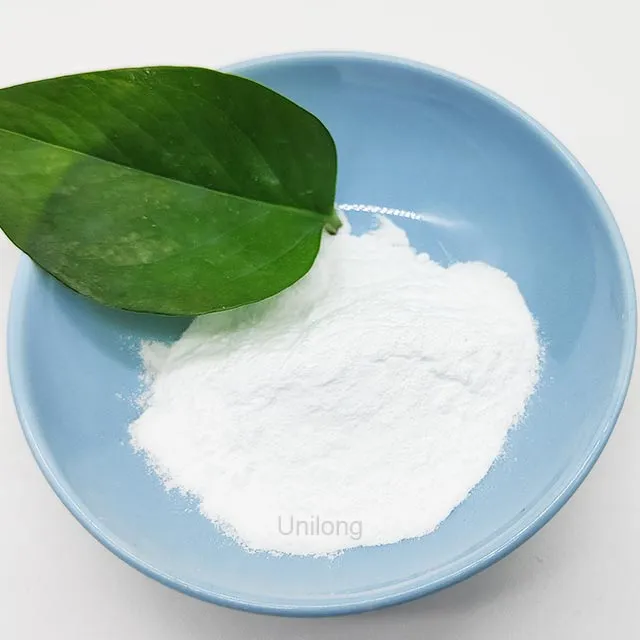
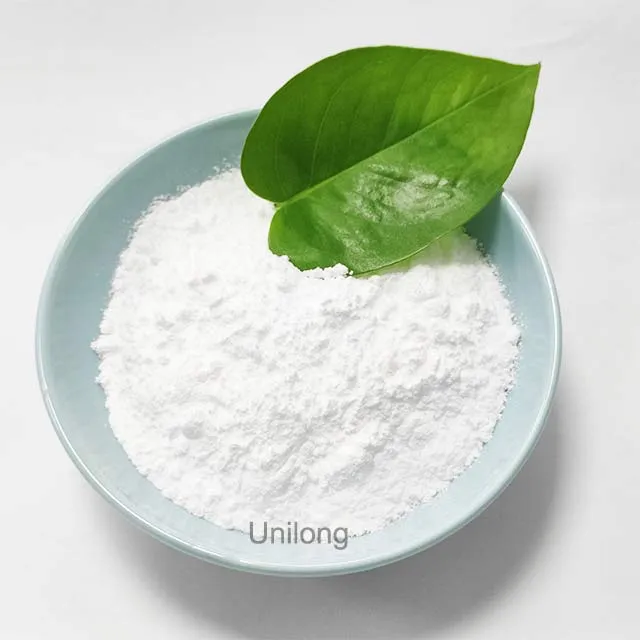
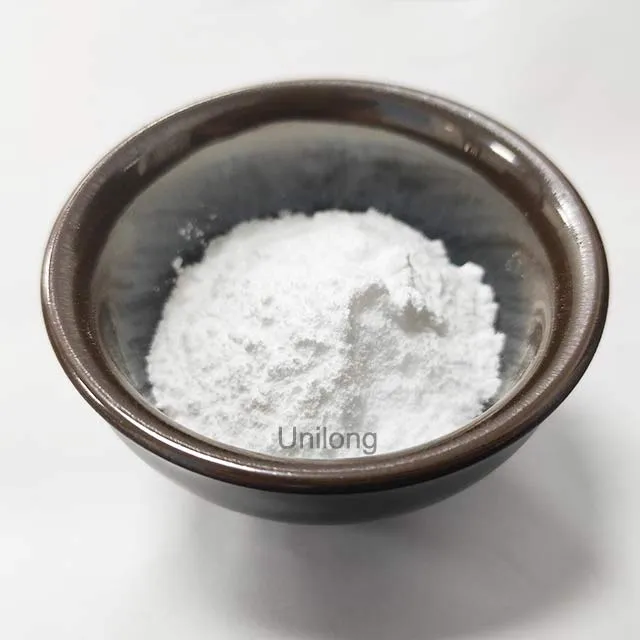
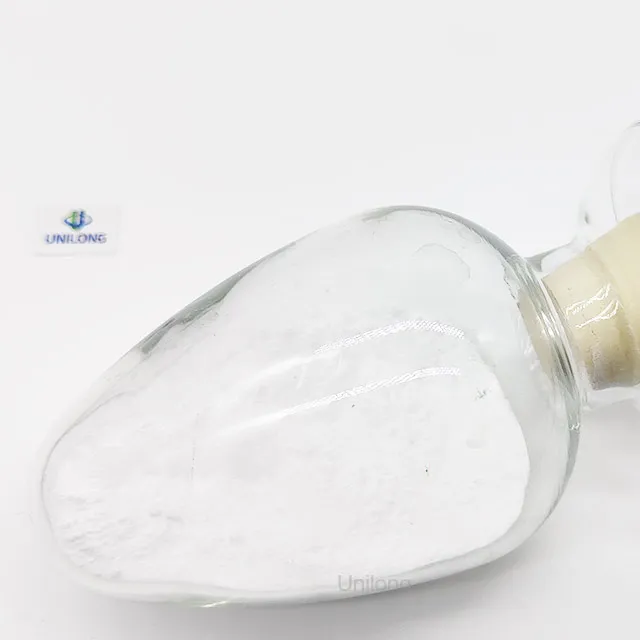
CAS:12027-96-2
Purity :≥40%
Molecular Formula :O6SnZn
Molecular Weight :280.08
Storage Period :2 years
Synonyms:Zinc oxostannanediolate; Zinc hydoxystannate; ZincHydroxyStannate; Stannate (Sn(OH)62-), zinc (1:1), (OC-6-11)-; Zinc hexahydroxystannate; 12027-96-2 ZINC STANNATE.
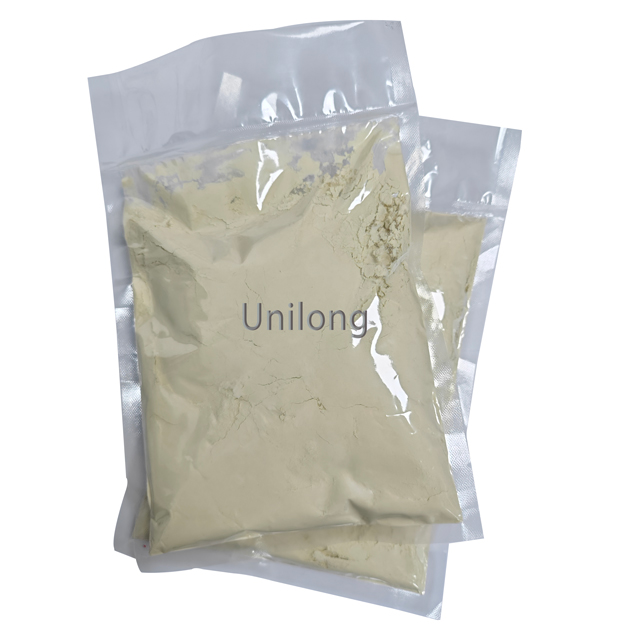
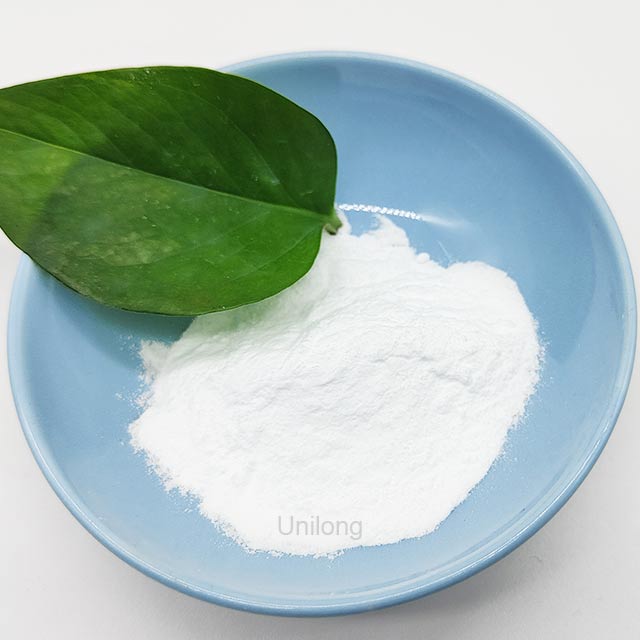
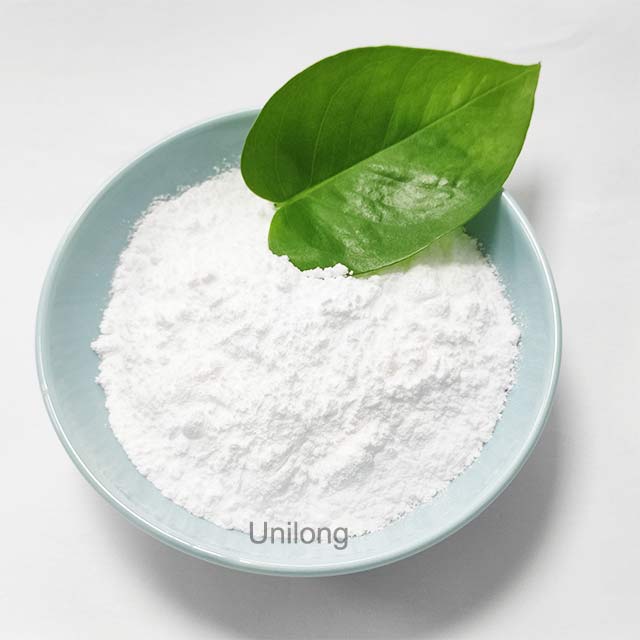
What is Zinc Stannate?
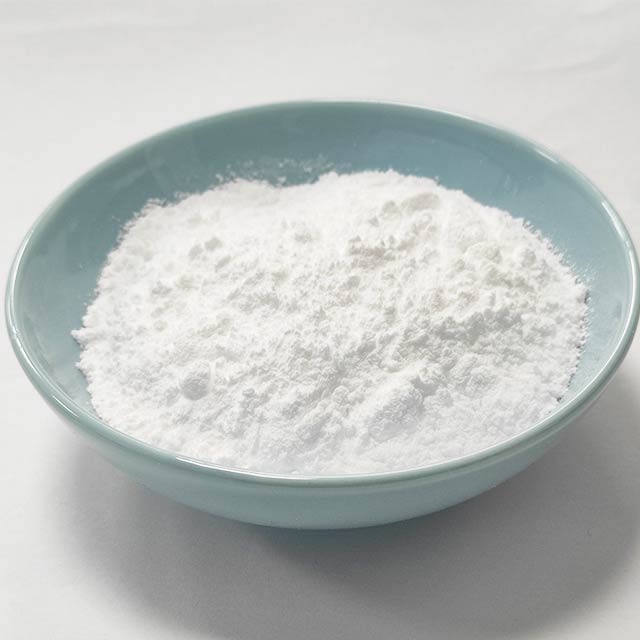
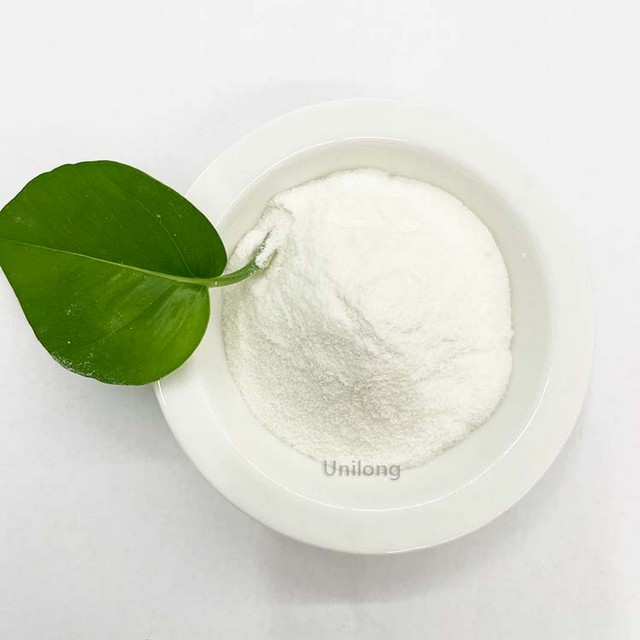
Zinc Stannate is a high-performance inorganic compound widely used as a flame retardant, smoke suppressant, and synergistic additive in plastics, coatings, rubbers, and electronic materials. It offers excellent thermal stability, non-toxicity, and environmental friendliness, making it an ideal choice for halogen-free flame-retardant formulations.
Especificação
| ITEM | PADRÃO |
| SN | Animal de ESTIMAÇÃO-branco |
| Fe | ≤0.02 |
| Pb | ≤0.002 |
| Como | ≤0.001 |
| Sb | ≤De 0,0025 |
| Free base (NaOH) |
≤3.5 |
| Nitrate (NO3)
|
≤0.1
|
| Alkali insoluble
|
≤0.1 |
Aplicações
1. Plastics Industry
Zinc Stannate is used as a halogen-free flame retardant in plastics such as PVC, polyethylene, polypropylene, and ABS. It enhances flame resistance, prevents fire propagation, and is often combined with synergists like aluminum trihydrate or antimony trioxide to optimize performance.
2. Coatings & Paints
It acts as a flame-retardant additive and smoke suppressant in coatings, inks, and paints. Zinc Stannate improves heat resistance, reduces smoke density, and maintains the coating’s mechanical and aesthetic properties.
3. Rubber & Elastomers
Used in rubber formulations to enhance flame retardancy and thermal stability. It improves safety in rubber products without affecting flexibility or processability.
4. Electronic Materials
Applied in wire insulation, electronic housings, and circuit boards to provide halogen-free fire protection. Its high thermal stability ensures reliability under extreme operating conditions.
5. Other Applications
It is also used in ceramics, adhesives, and composite materials requiring flame-retardant and smoke-suppressing properties.
Key Features of Zinc Stannate (CAS 12027-96-2)
1. Environmentally Friendly
Zinc Stannate is a non-toxic, halogen-free flame retardant that meets RoHS and REACH environmental standards. It can effectively replace traditional toxic antimony trioxide, reducing environmental impact and health risks, making it an ideal choice for sustainable polymer, coating, and electronic material applications.
2. Excellent Smoke Suppression
Compared with antimony trioxide, Zinc Stannate exhibits superior smoke suppression, significantly reducing smoke generation during combustion. This property minimizes harm to humans and the environment, enhancing safety in plastics, rubbers, coatings, and electronic components.
3. Good Thermal Stability
Zinc Stannate maintains high thermal stability under typical processing conditions, generally suitable for polymer processing below 180℃. Its stability ensures that flame-retardant and smoke-suppressing functions remain effective during material fabrication, though higher-temperature processes may require alternative solutions.
4. High Flame Retardant Efficiency
Through the synergistic action of multiple flame-retardant mechanisms, Zinc Stannate offers high flame-retardant efficiency, effectively preventing flame propagation and enhancing the fire safety of plastics, rubbers, coatings, and other materials.
5. Additional Functional Properties
Zinc Stannate has high bulk density and excellent dispersibility, facilitating uniform incorporation in various matrices. It also provides additional functionalities such as antibacterial effects and UV protection, expanding its applications to cosmetics, leather, and specialty material formulations.
Embalagem
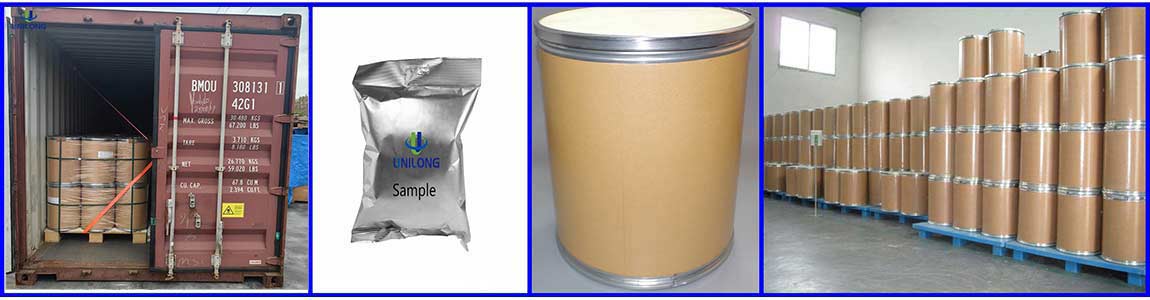
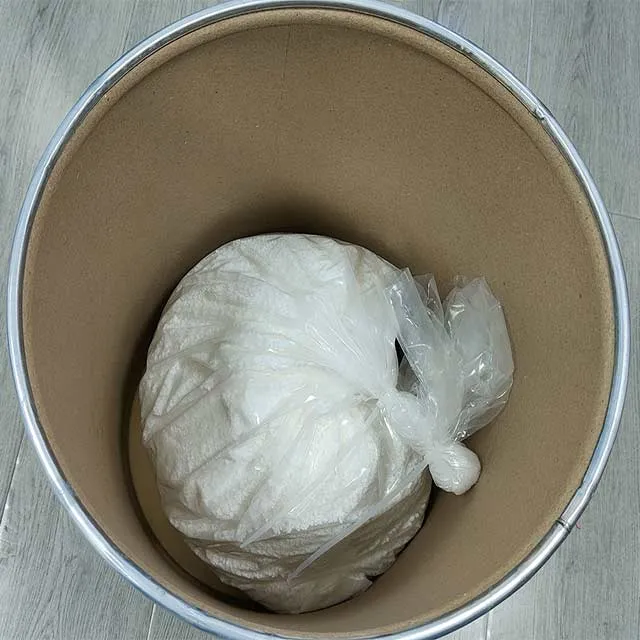
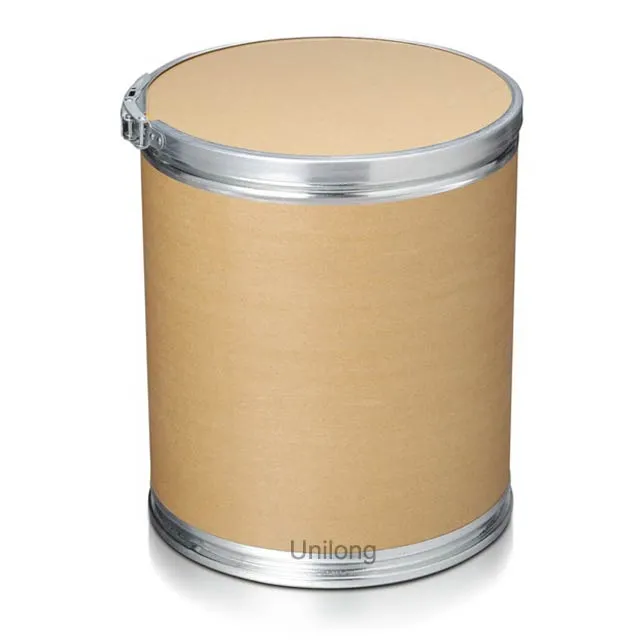
25kg/drum