PT
PT  EN
EN  ZH
ZH  DE
DE  ES
ES  KO
KO  FR
FR  TH
TH  AR
AR  IT
IT  VI
VI  NL
NL  RU
RU 

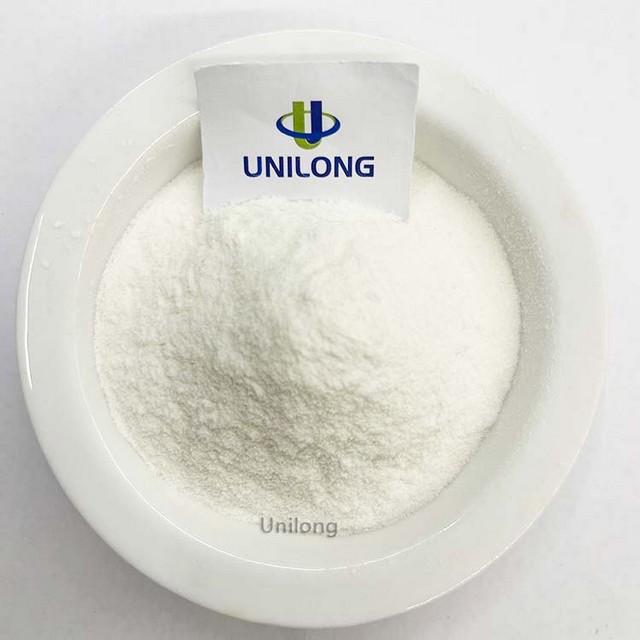
CAS:143-07-7
Fórmula Molecular:C12H24O2
Peso Molecular:200.32
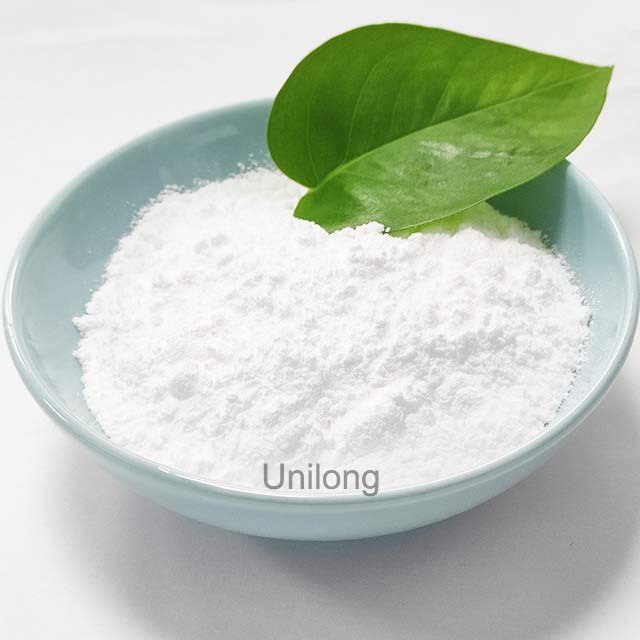
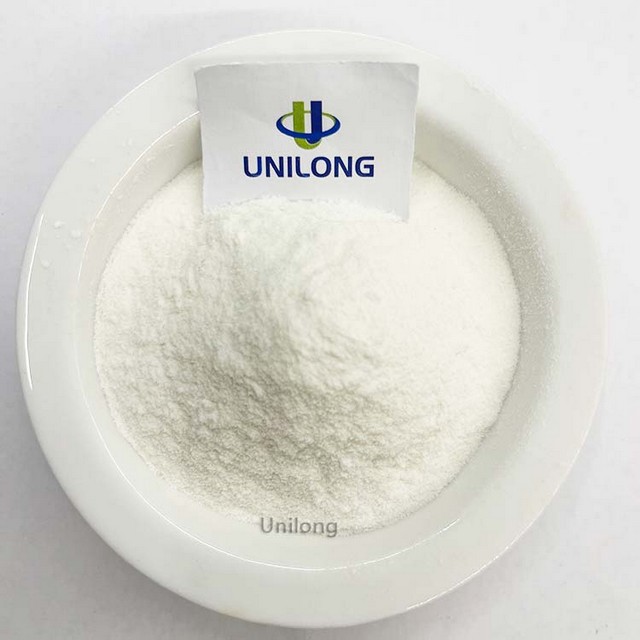
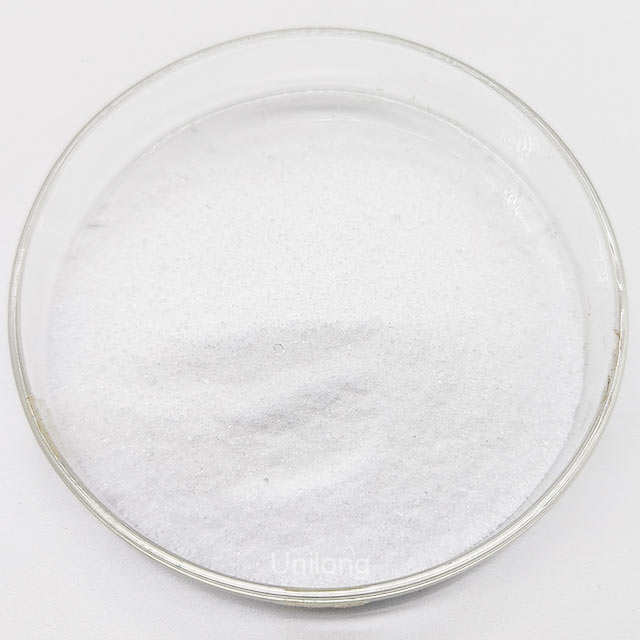
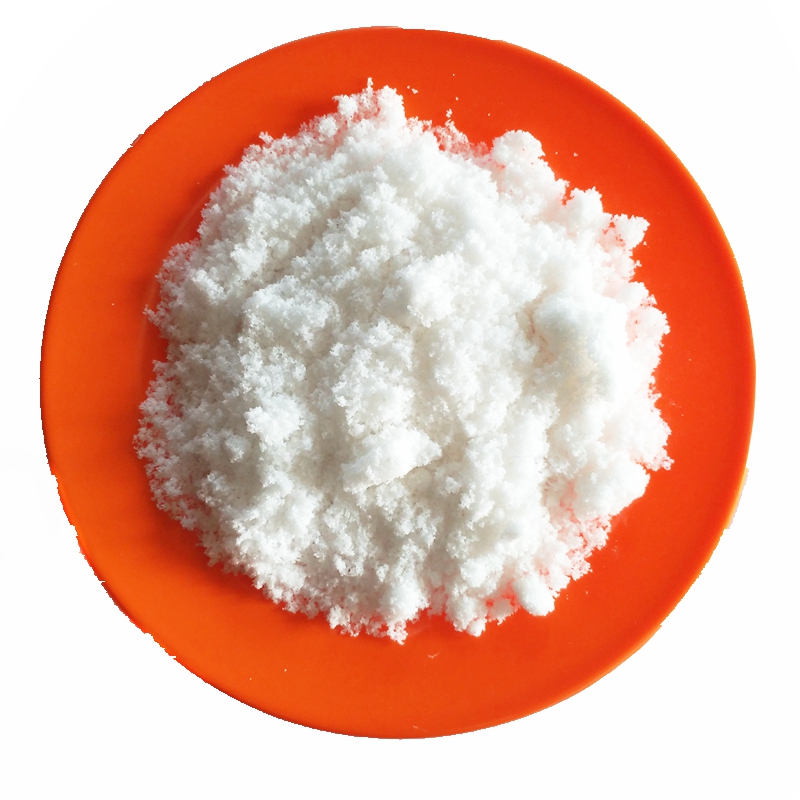
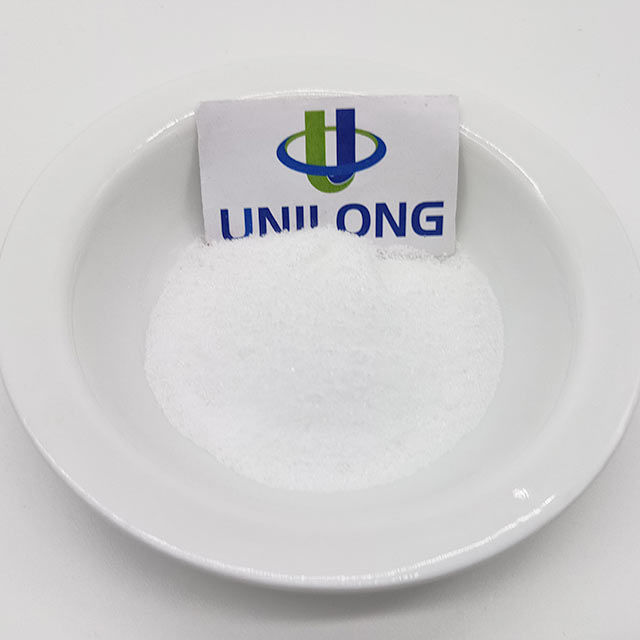
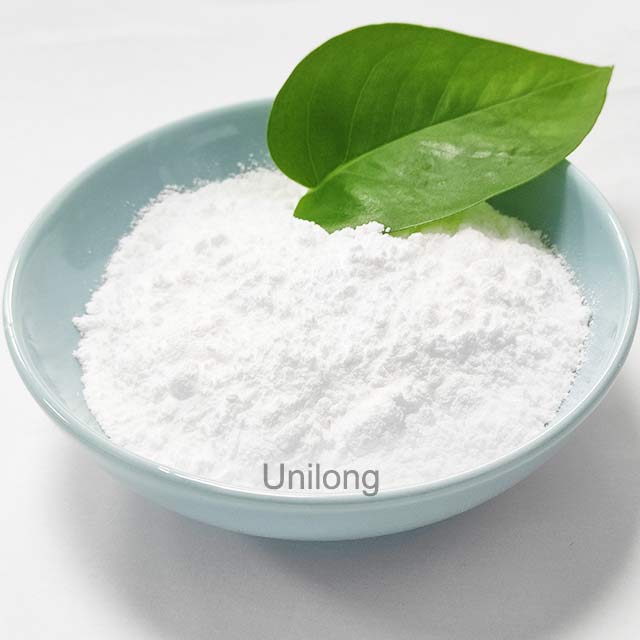
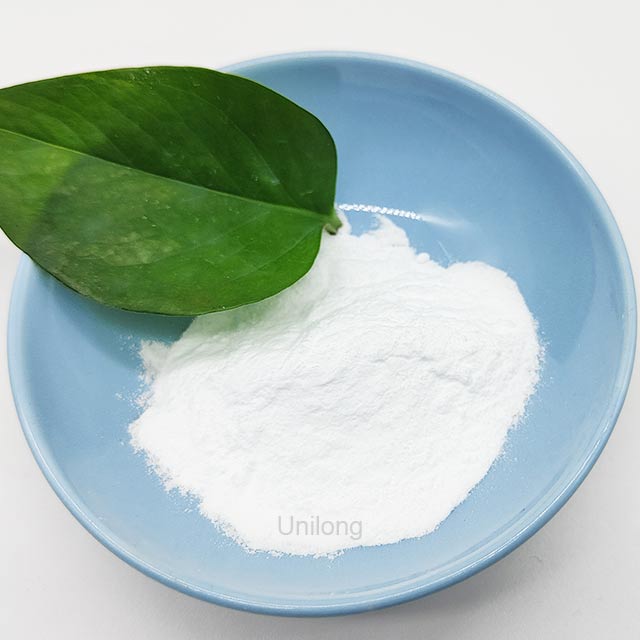
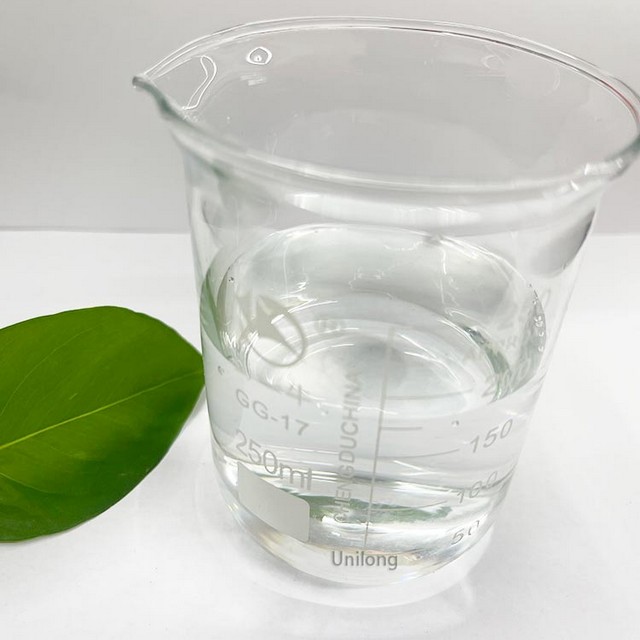
Aparência:Esfera/Floco ou Líquido
EINECS:205-582-1
Synonyms:LAURIC ACID; LAURIC ACID FCC; Lauric acid 98%; Duodecyclic acid; LAURIC ACID(SG);
Lauric acid CAS 143-07-7, also known as lauric acid, is a saturated fatty acid with 12 carbon atoms. At room temperature, it is a white acicular crystal with a slight fragrance of bay oil. Insoluble in water, soluble in methanol, ether, chloroform and other organic solvents, slightly soluble in acetone and petroleum ether. The greatest effect of lauric acid is its antimicrobial ability to improve immunity, many people have found that after ingesting lauric acid, the antiviral ability is greatly improved, such as flu, fever, herpes and so on, lauric acid can also ease antibiotic resistance, reduce the risk of heart disease and so on. For young women, one of the benefits of lauric acid is skin care, and studies have found that its skin care effect is much better than some well-known cosmetics.
| ITEM | PADRÃO |
| Formato Do Produto | Esfera/Floco ou Líquido em 45℃ |
| De acidez (mg KOH/g) | 278-282 |
| Saponificação Valor (mg KOH/g) | 279-283 |
| Índice de iodo (cg I2/g) | 0.2 max. |
| Cor (Lovibond 5 1/4"a célula) | 2.0 Y,0.2 R max. |
| Cor (APHA) | 40 max. |
| Titre (℃) | 43.0-44.0 |
| Cadeia De Carbono De Composição (%) | |
| C10&Abaixo | 1.0 max. |
| C12 | De 99,0 min |
| C14 | 1.0 max. |
| Outros | 0.5 max. |
1. O ácido láurico é usado principalmente na produção de resinas alquídicas, agentes umectantes, detergentes, pesticidas, resinas, aditivos alimentares e cosméticos como matérias-primas
2. Usado como agente de tratamento de superfície para a preparação da ligação. Ele também é usado na fabricação de resinas alquídicas, de fibras químicas de óleos, pesticidas, fragrâncias sintéticas, plásticos, estabilizadores, anti-corrosão, aditivos para gasolina e óleo lubrificante. É amplamente utilizado na fabricação de vários tipos de surfactantes, como catiônicos lauril amina, lauril nitrilo, tryllauryl amina, lauril dimetilamina, lauril trimetilamónio sal, etc. Aniônico tipos são o lauril sulfato de sódio, lauril sulfato de lauril sulfato de triethyl sal de amónio, etc. Zwitterionic tipos de lauril betaína, imidazoline laurate, etc. Não iónicos incluem polyL-álcool monolaurate, polioxietileno laurate, lauril glyceride polioxietileno éter, laurate diethanolamide e assim por diante. Além disso, ele também é usado como um aditivo alimentar e utilizado na fabricação de cosméticos.
3. O ácido láurico é matéria-prima para a produção de sabões, detergentes, cosméticos surfactantes e fibra química de óleos
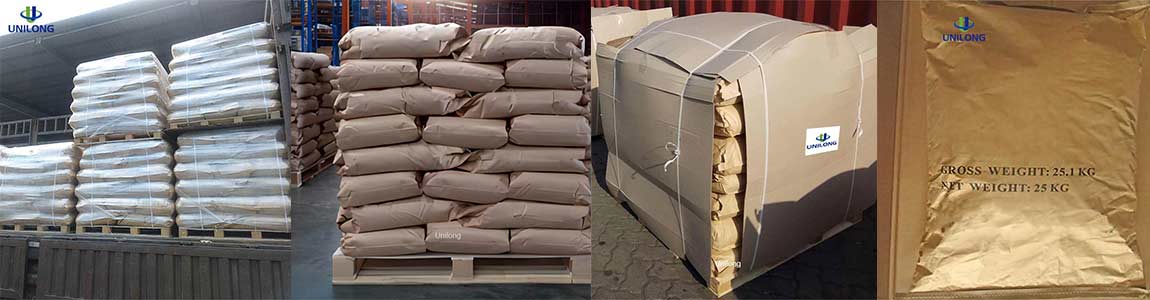
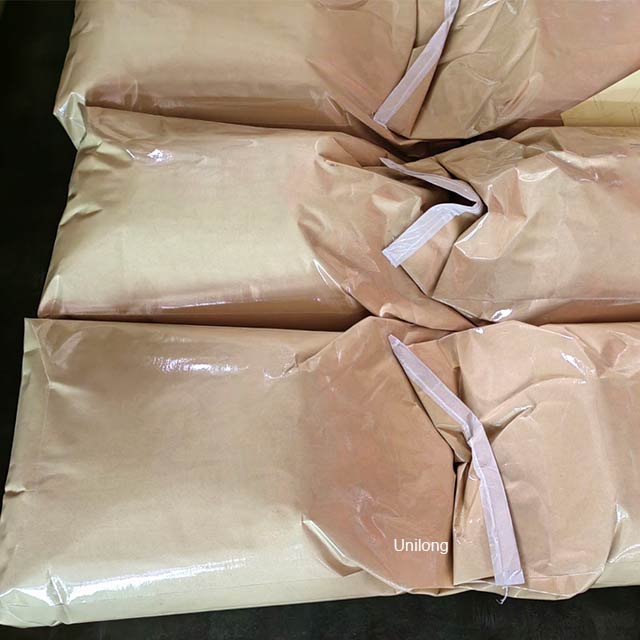
25kg/saco