Voi siete qui:

Potassium sodium tartrate tetrahydrate CAS 6381-59-5

CAS:6381-59-5
Purezza: il 99%
Molecular Formula:C4H12KNaO10
Molecular Weight:282.22
EINECS:613-385-0
Periodo di conservazione: in 2 anni

Synonyms:Sosiumpotassiumtartrate; POTASSIUM SODIUM TARTRATE REAGENT (ACS); POTASSIUM SODIUM TARTRATE TETRAHYDRATE, PH HELV; POTASSIUM SODIUM TARTRATE TETRAHYDRATE, REAGENTPLUS TM, >= 99%;
What is Potassium sodium tartrate tetrahydrate CAS 6381-59-5?

Sodium potassium tartrate tetrahydrate is a double salt obtained by crystallization of tartaric acid, potassium hydroxide, and sodium hydroxide after reaction, and it typically contains four molecules of water of crystallization. Also known as Rochelle salt, it is a colorless, transparent, or white crystalline powder. Potassium sodium tartrate tetrahydrate CAS 6381-59-5 is readily soluble in water, and its aqueous solution is weakly alkaline. Potassium sodium tartrate tetrahydrate possesses a very important physical property—the piezoelectric effect—meaning it generates an electric charge under mechanical pressure and, conversely, deforms under an electric field.

Specifica

VOCE STANDARD
Purezza %   98.0%
Water content% 27%-28%
Chloride%    0.008
Solfato %    0.03
Reaction of water solution passet

Applicazioni 

1. Food Industry: Emulsifier and Stabilizer: In baked goods (such as cakes and bread), potassium sodium tartrate tetrahydrate interacts with proteins to enhance the gas-holding capacity and stability of the dough, resulting in a more fluffy and delicate texture in the finished product.
2. Electronics Industry: Utilizing its piezoelectric effect, it can be used to manufacture electronic components such as sensors, transducers, microphones, and crystal speakers. This was its initial and important application.
3. Other Industries: In the electroplating industry, potassium sodium tartrate tetrahydrate is used as an additive to make the plating brighter and smoother. In the construction industry, potassium sodium tartrate tetrahydrate is used as a cement retarder.

Caratteristiche

1. High Efficiency: As an emulsifier and stabilizer, it requires only a small amount and produces significant results.
2. Multifunctionality: Potassium sodium tartrate tetrahydrate combines multiple functions such as emulsification, stabilization, chelation, and buffering.
3. Relative Safety: As a food additive, potassium sodium tartrate tetrahydrate is considered safe within prescribed dosages and has been approved for use by multiple international food safety agencies.
4. Good Water Solubility: Potassium sodium tartrate tetrahydrate is easy to add and use in various water-based systems.

Our advantages

  1. High purity, high performance
  2. Stable quality, complete specifications
  3. Reagent grade available
  4. Food grade and industrial grade available

Imballaggio

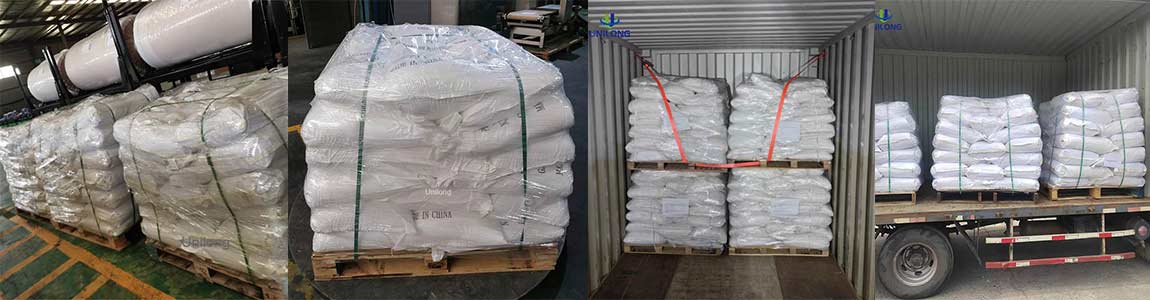
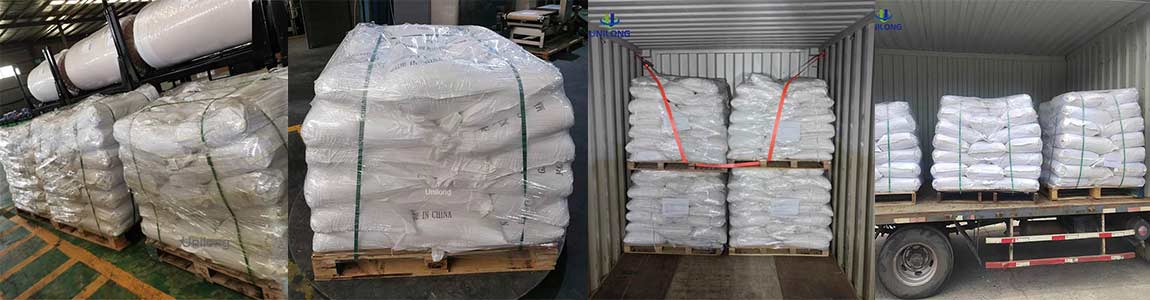
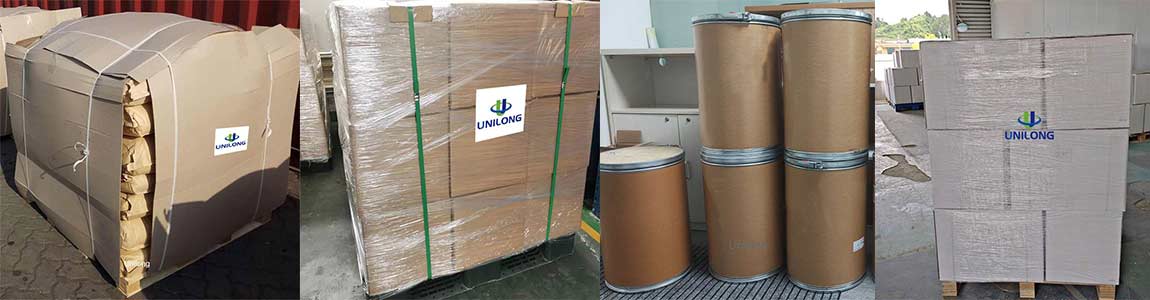
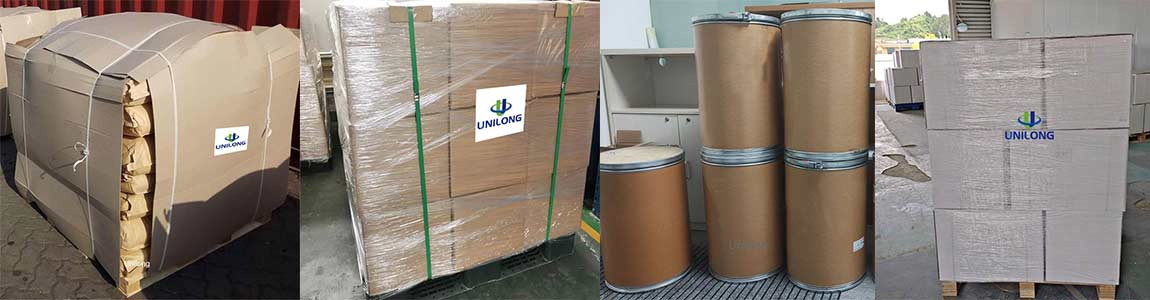
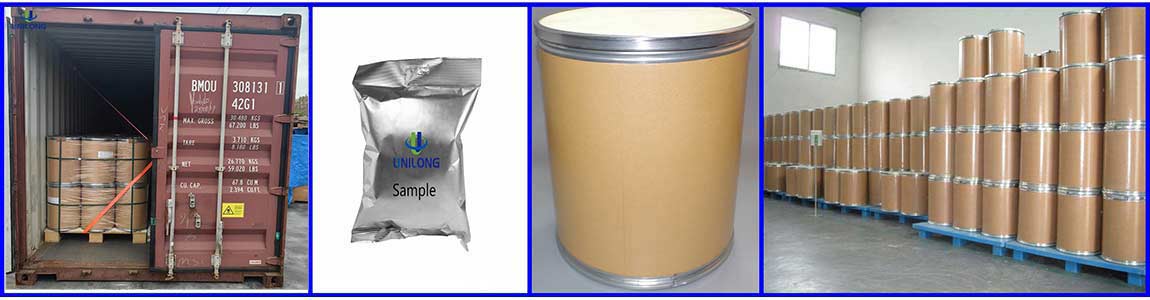
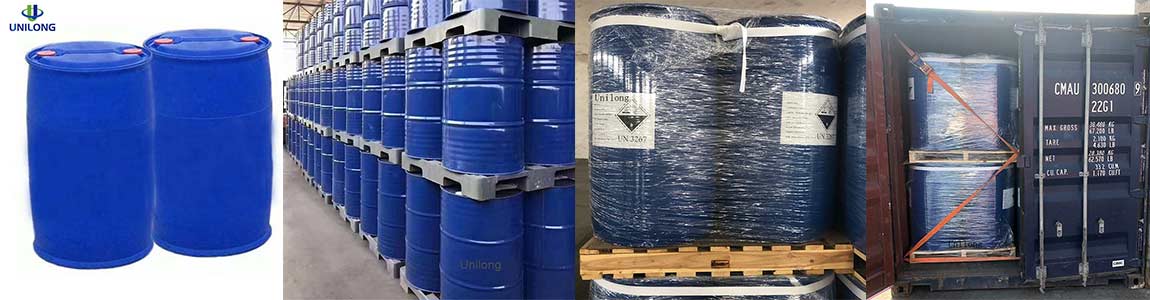
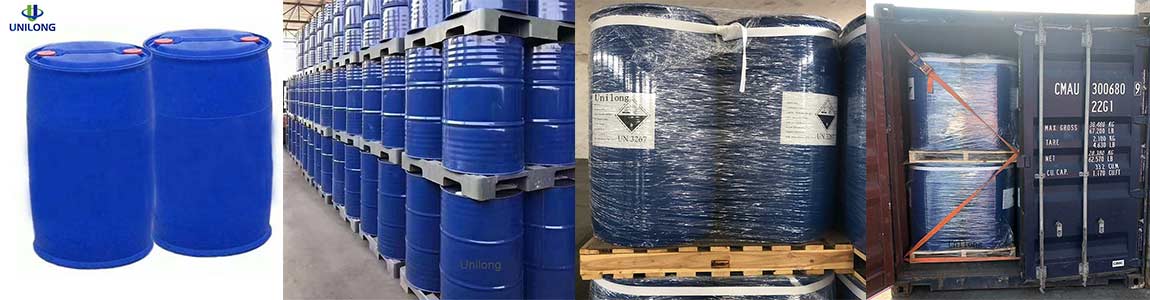
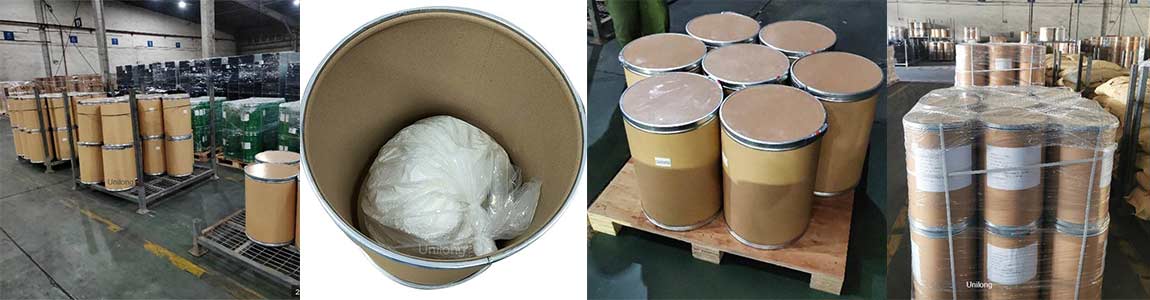
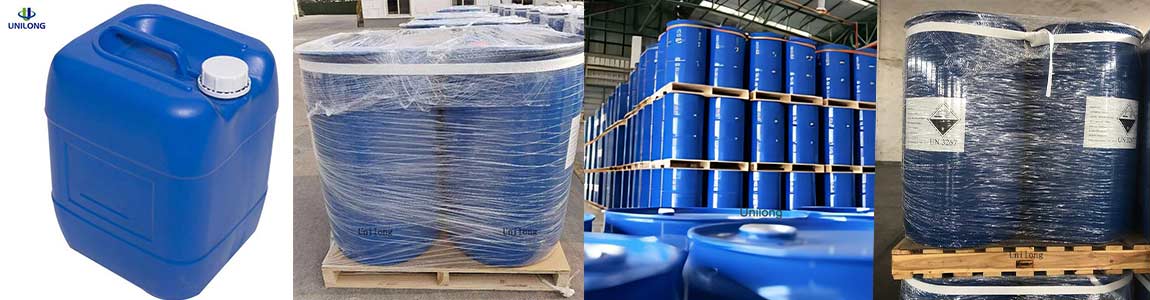
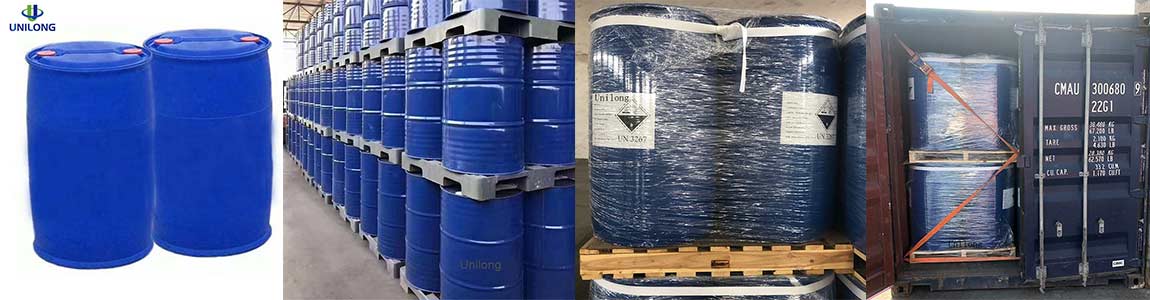
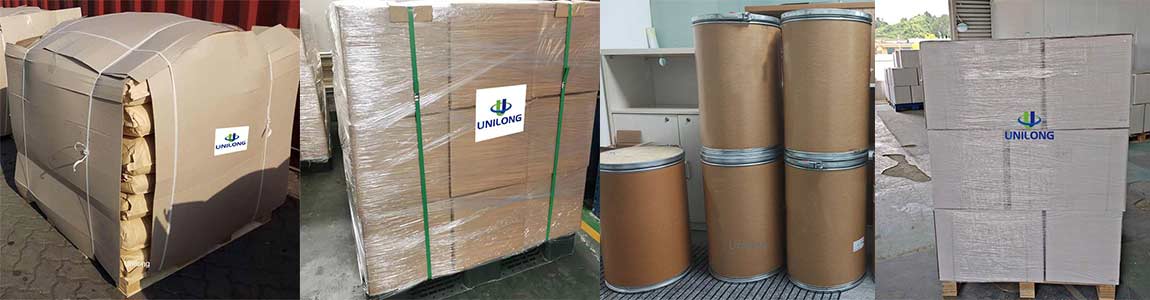
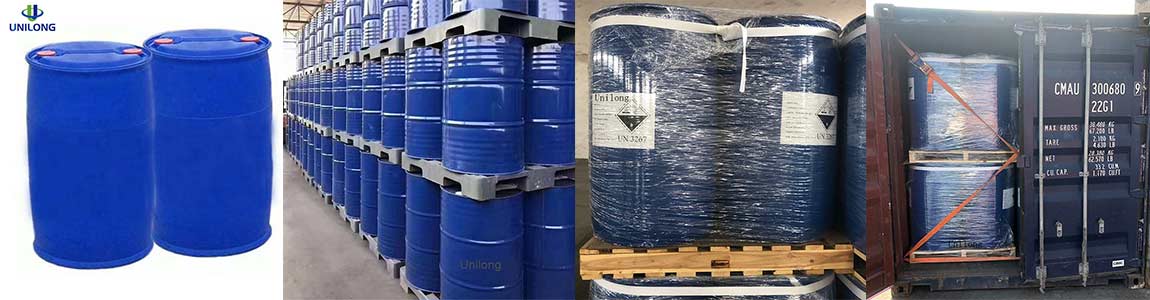
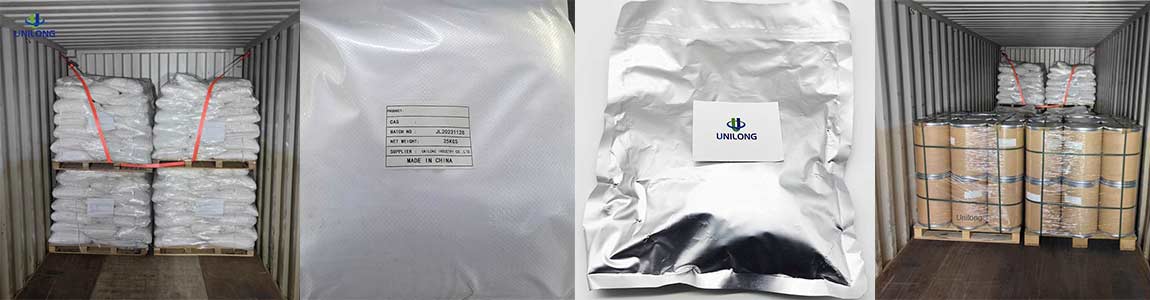
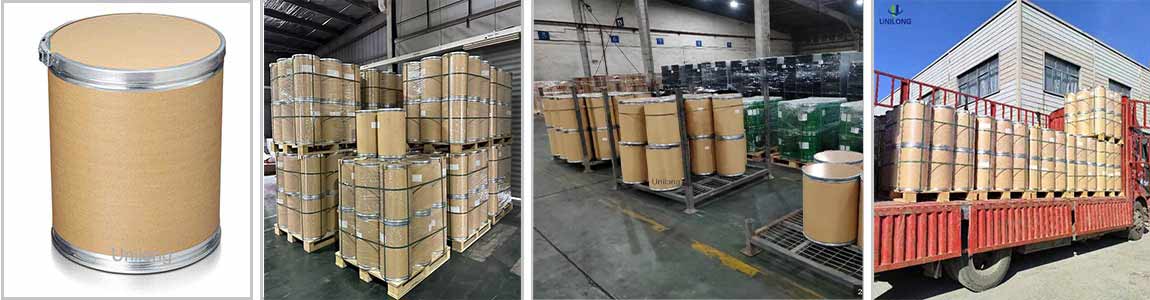
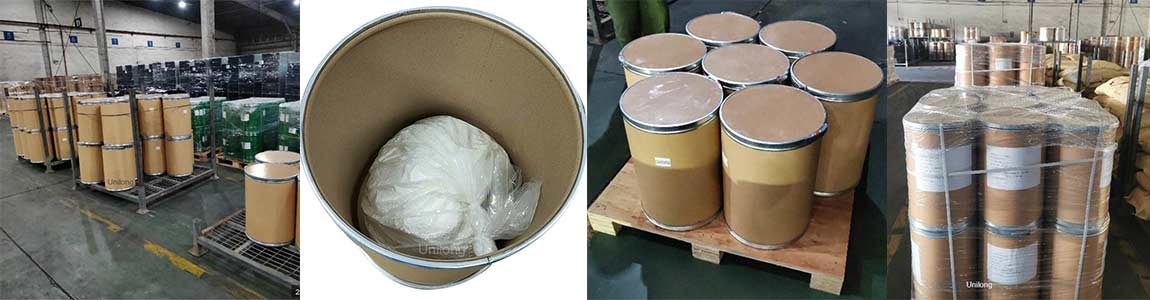
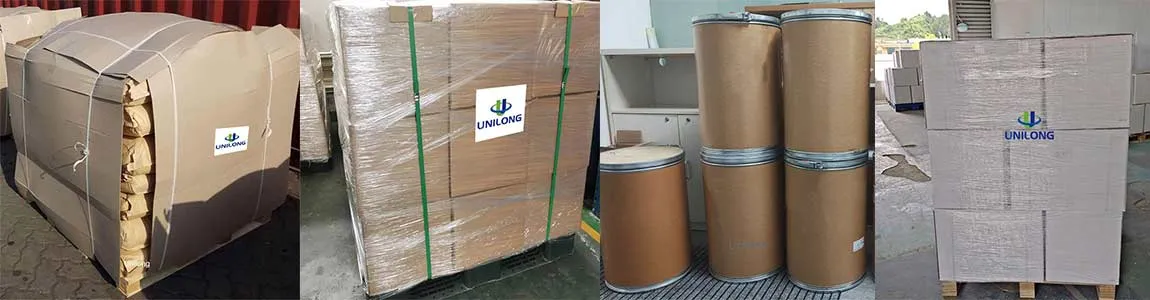
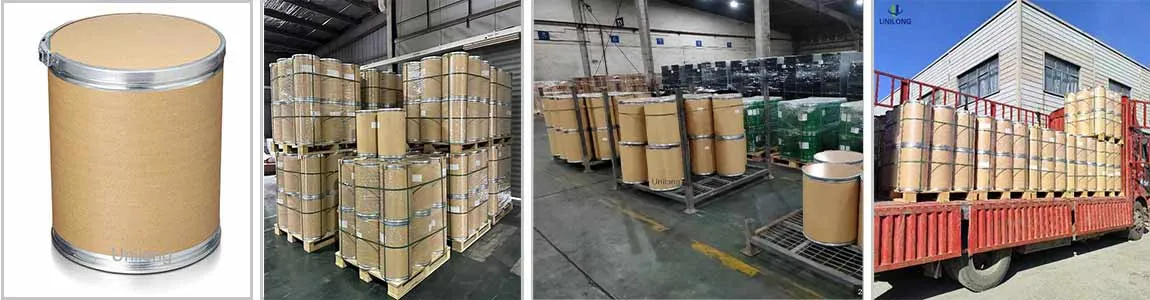
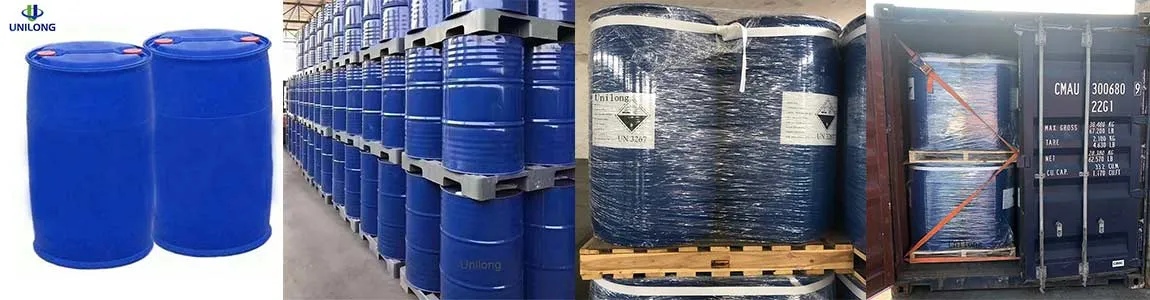
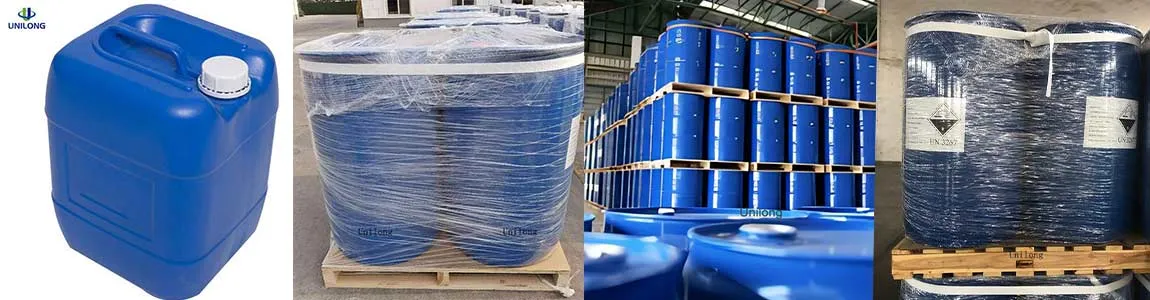
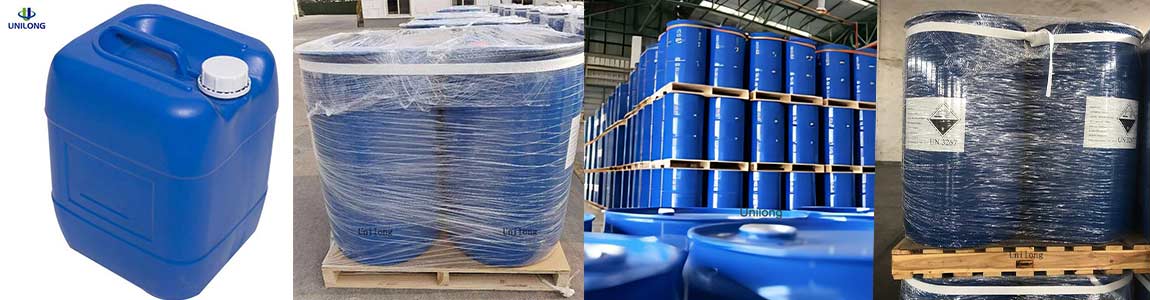
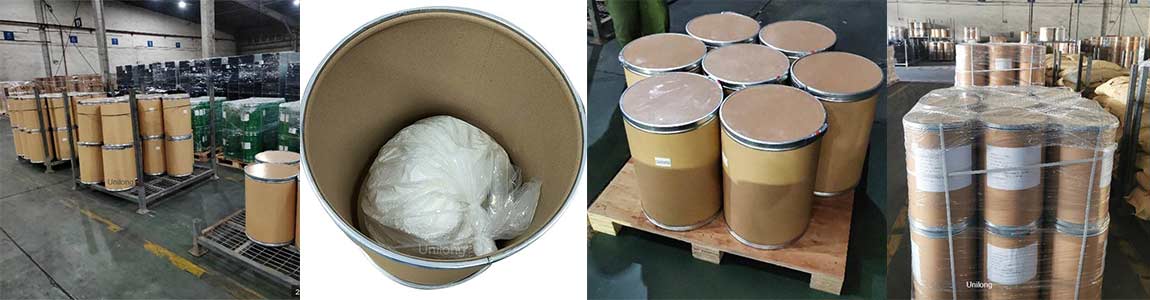
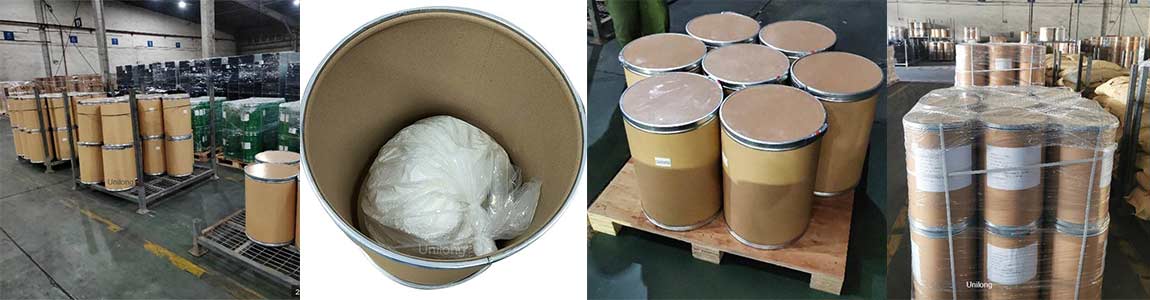
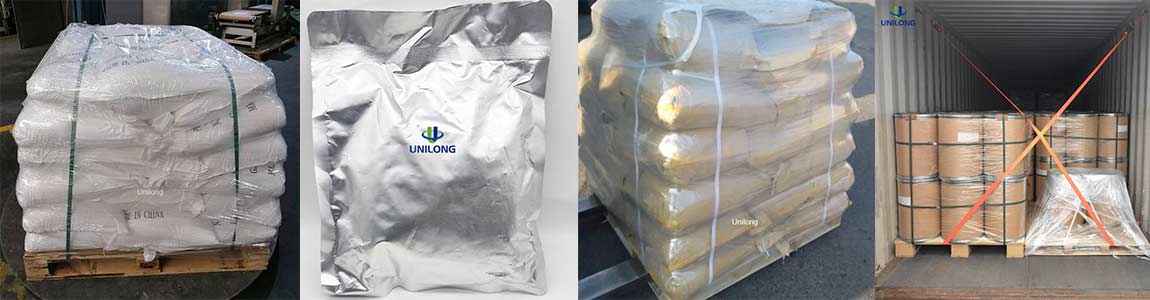
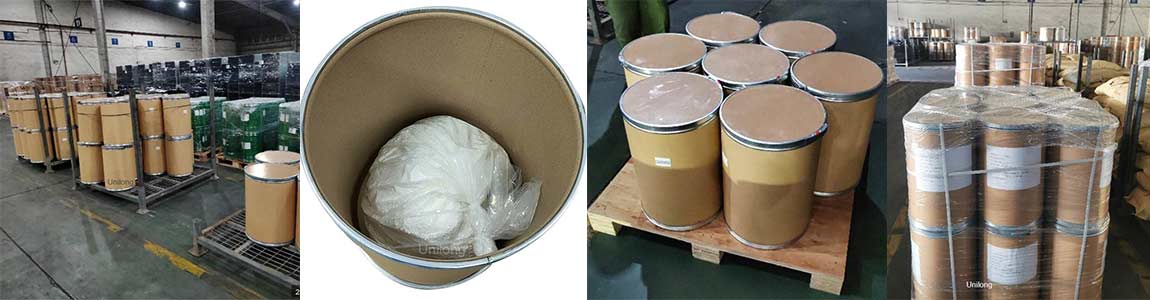
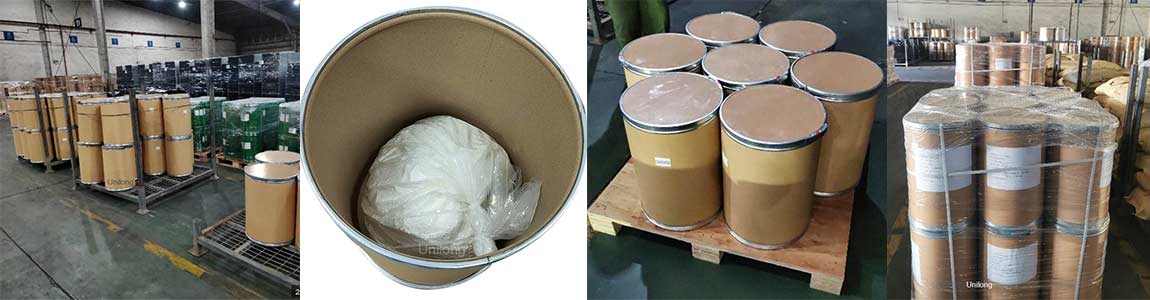
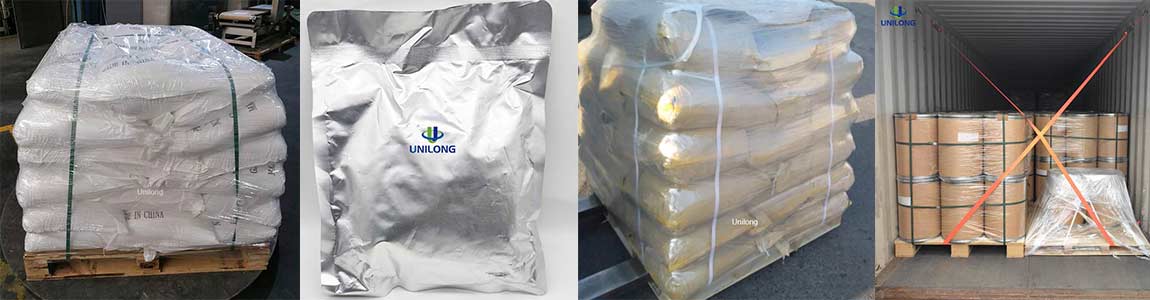
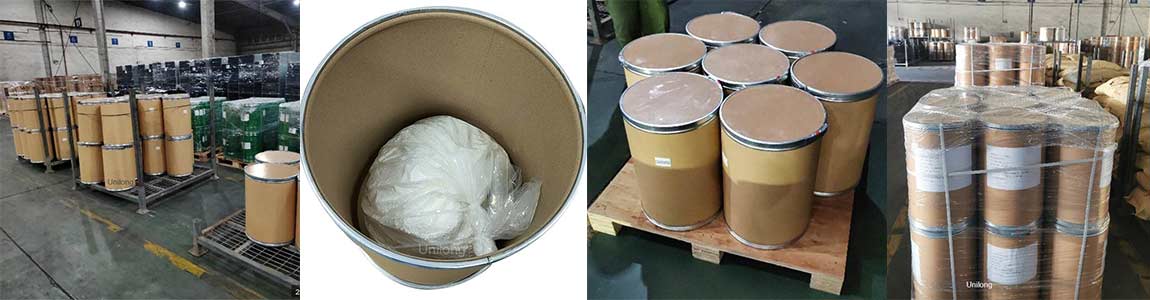
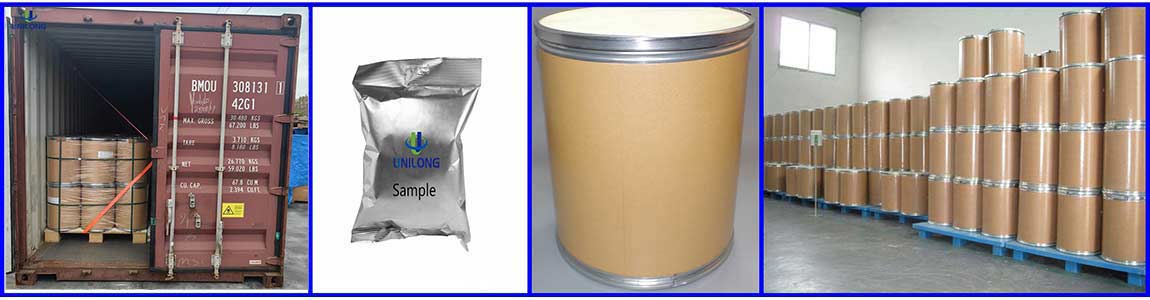
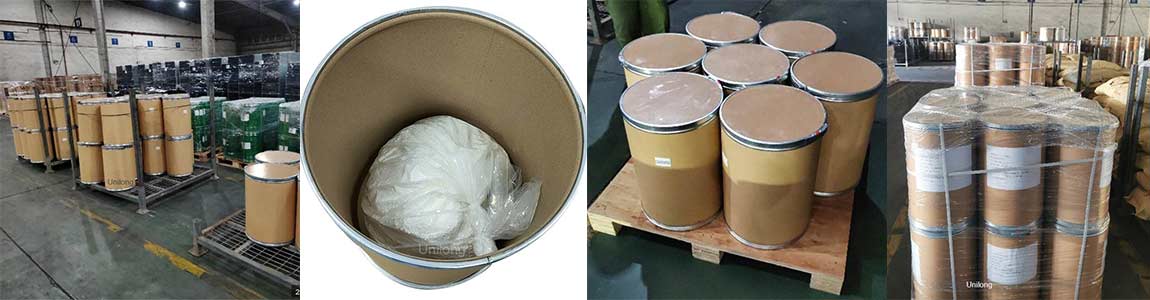
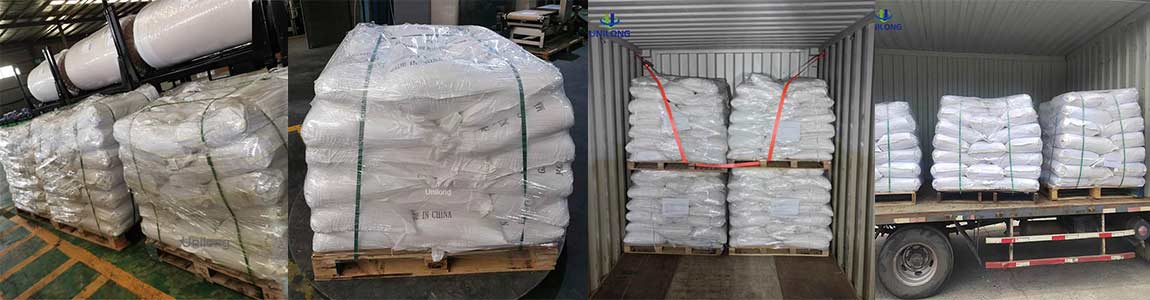
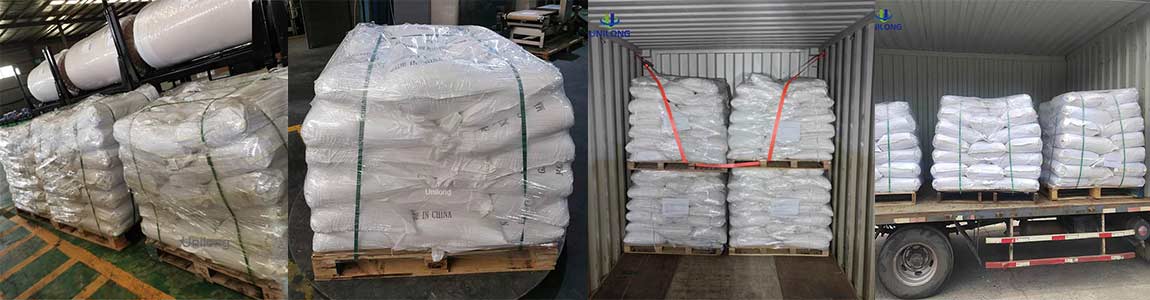
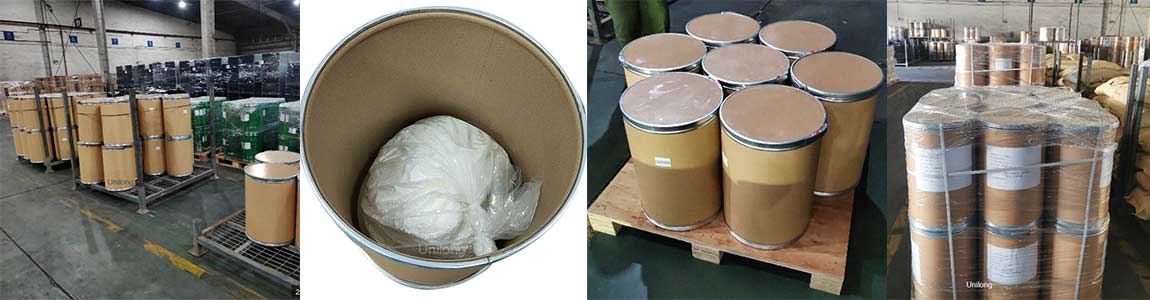
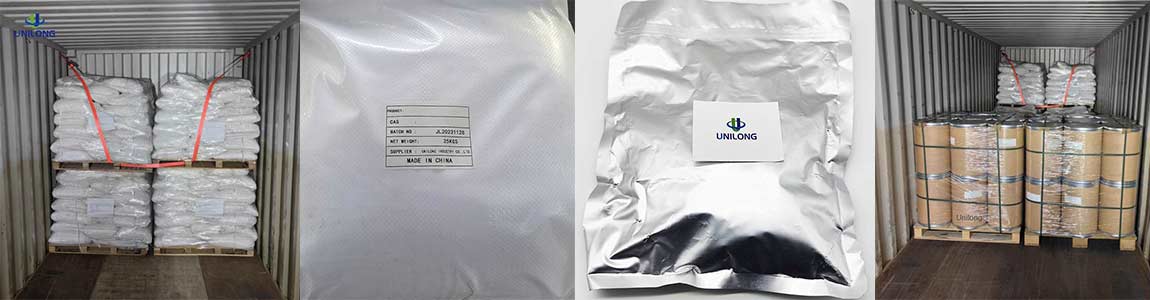
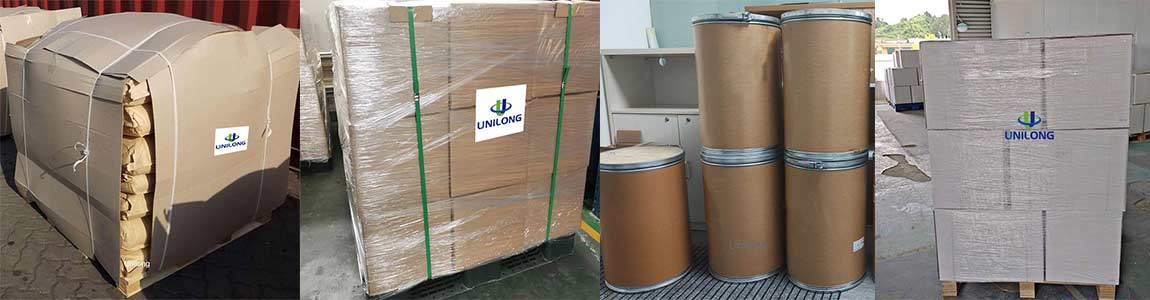
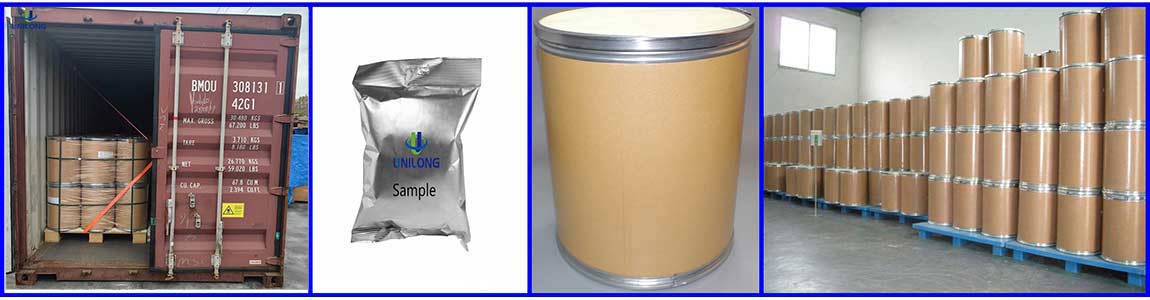
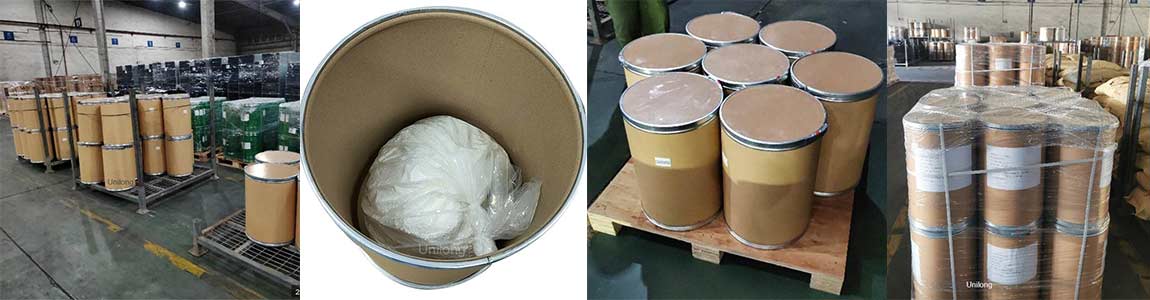
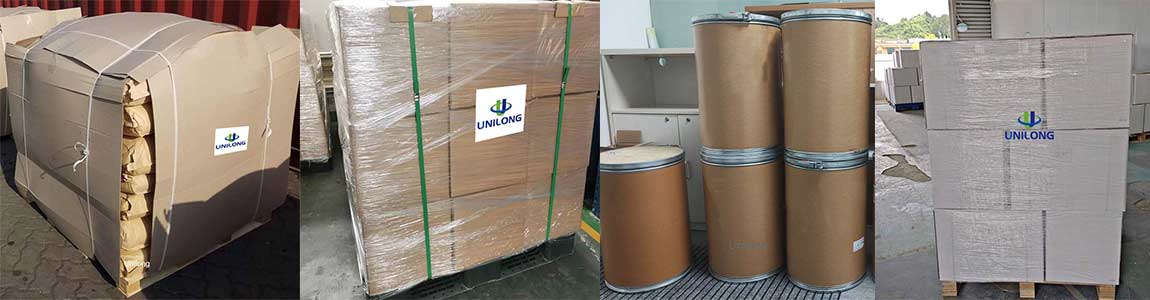
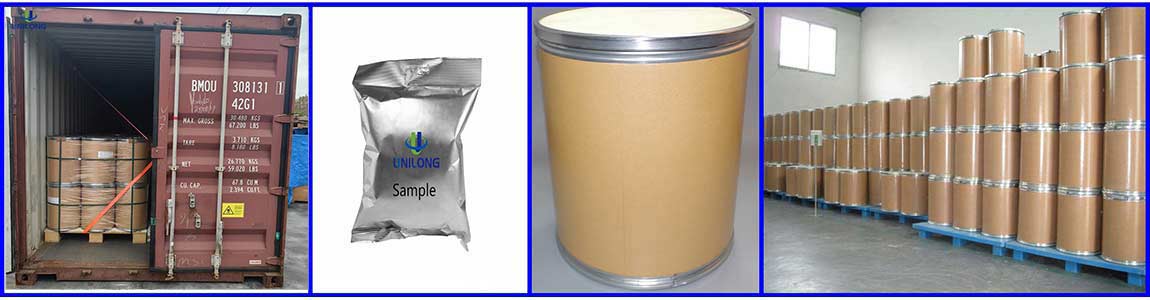
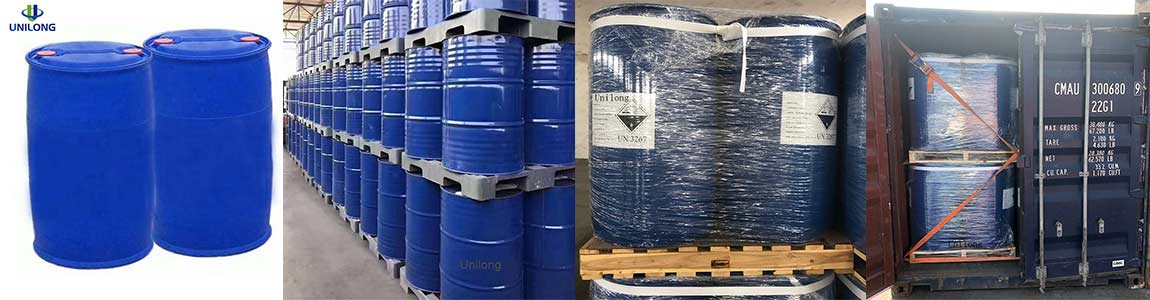
25kg/drum, 25kg/bag

Vital Wheat Gluten CAS 8002-80-0

CAS:8002-80-0
Purity:82%
EINECS:232-317-7
Periodo di conservazione: in 2 anni

Synonyms:Glutens; GLUTEN; Gluten (wheat); gluten crude; TRITICUM VULGARE (WHEAT) GLUTEN; fromwheat82%protein;gluten from whea;wheat Peptide;Top sale food grade Vital wheat gluten

What is Vital Wheat Gluten CAS 8002-80-0?

Gluten is essentially a natural protein extracted from wheat flour through a washing process. When flour and water are mixed, the two main proteins—glutenin and gliadin—combine to form a viscoelastic network structure called gluten. After washing away starch and other components, the remaining gelatinous substance is dried and pulverized to obtain gluten.

Specifica

VOCE STANDARD
Appearance &Color La luce gialla in polvere
Odor &Taste Normaltaste,grain sweet smell
Protein Min.82% (N.x 6.25 on drybasis)
Ash Max.1.0% (on drybasis)
L'umidità Max.9% (normal 9.0%)

Applicazioni 

1. Enhances flour gluten strength: Added to medium- and low-gluten flour, it’s used in making bread, bagels, pizza crusts, and other baked goods requiring strength and high expansion, improving dough structure, gas retention, and baking volume.
2. Creates vegetarian meat (gluten): When mixed with water, vital wheat gluten forms a fibrous structure similar to meat. It’s a key ingredient in traditional vegetarian products such as vegetarian chicken, vegetarian duck, and vegetarian ham.
3. Improves noodle elasticity: Vital wheat gluten used in high-gluten noodles, instant noodles, and pasta, increasing elasticity and cooking resistance, reducing breakage and mushy texture.
4. High-grade aquatic feed: Acts as a binder, keeping feed stable in water while providing high-quality protein

Caratteristiche

  1. All-purpose flour improver
  2. Catering to the health food trend, made with natural ingredients
  3. Can absorb approximately twice its own weight in water, helping to maintain product moisture and flavor.
  4. Sample testing available.

Imballaggio

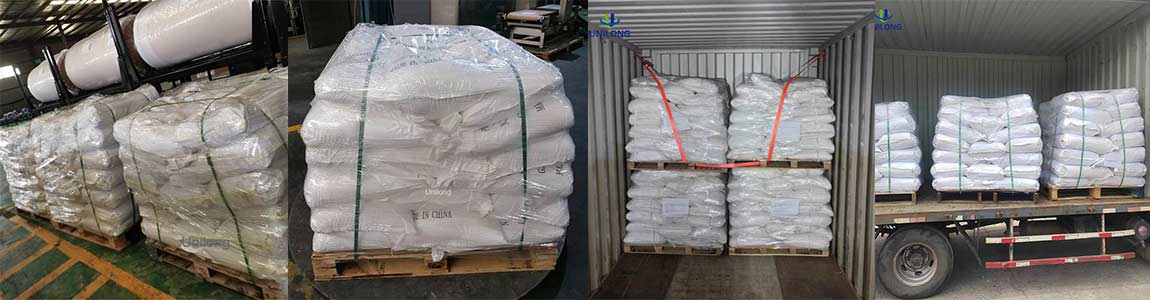
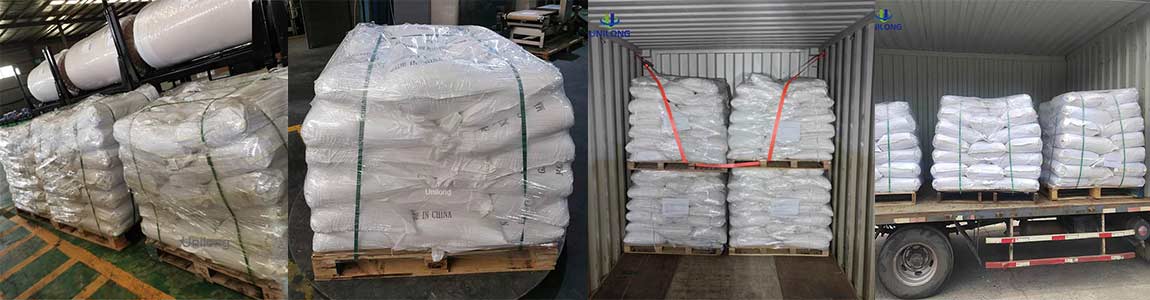
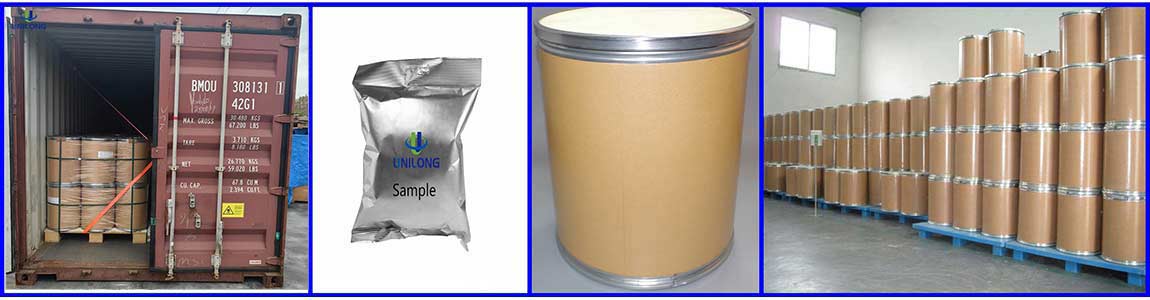
25kg/drum, 25kg/bag

Vital Wheat Gluten CAS 8002-80-0 packing-3


Sodium Lauroyl Methylaminopropionate CAS 21539-58-2

CAS:21539-58-2
Purity:28-32%
Molecular Formula:C16H30NNaO3
Molecular Weight:307.40407
Periodo di conservazione: in 1 anno

Synonym: sodium N-methyl-N-(1-oxododecyl)-beta-alaninate; SODIUM LAUROYL METHYLAMINOPROPIONATE;3-[Dodecanoyl(methyl)amino]propionic acid sodium salt

What is Sodium Lauroyl Methylaminopropionate CAS 21539-58-2?

Sodium lauroyl Methylaminopropionate is a widely used amino acid-based surfactant, which is often employed as a core raw material in the personal care and other related fields.

Specifica

VOCE STANDARD
Aspetto Liquido trasparente incolore
Total effective content(%) 28-32%

Applicazioni 

I. Personal Care Products

This is its core application field. In facial cleansers, sodium lauroyl methylaminopropionate is a common ingredient in high-end formulations. Combining it with other surfactants to deliver a mild and refreshing cleansing experience with no post-rinse greasiness or acne-causing risk. In hair care products, its weak cationic property under weakly acidic systems makes hair soft and easy to comb after washing. In addition, sodium lauroyl methylaminopropionate is suitable for mid-to-high-end body washes, especially those dedicated to children and pregnant women, as its weakly acidic nature will not cause strong acid-base irritation to the skin.

III. Pet Care Products

As a mild amino acid-type surfactant, it meets the high requirements for gentleness in pet care products. When added to pet shampoos, sodium lauroyl methylaminopropionate can not only effectively remove stains from pet fur but also avoid irritating pets’ delicate skin, while improving the smoothness of pet hair, making it a high-quality cleaning ingredient in pet care products.

III. Other Cleaning and Chemical Fields

In household cleaners, sodium lauroyl methylaminopropionate can be used to formulate products with low irritation to human skin by virtue of its excellent cleaning and foaming capabilities. In the industrial chemical field, it is also used in the synthesis of surfactants and emulsifiers to provide basic raw materials for the production of related chemical products. However, the application scale in this field is far smaller than that in the personal care sector.

Caratteristiche

1. Wide application value;
2. Mild performance;
3. As an amino acid-based surfactant, its safety risk factor is only 1, and there is no risk of causing acne.

Imballaggio

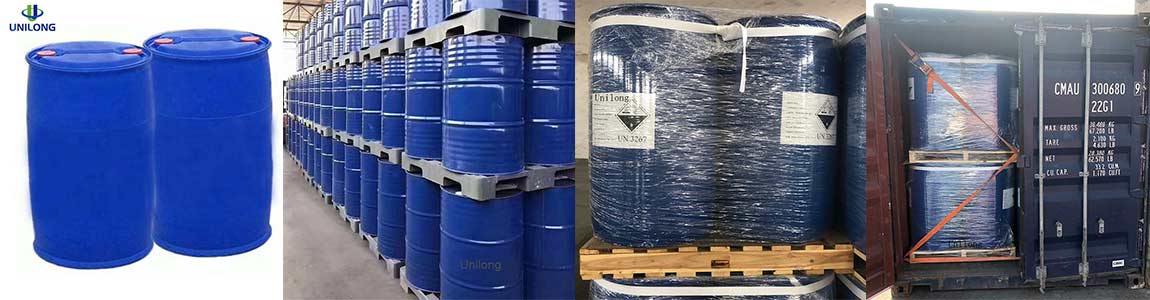
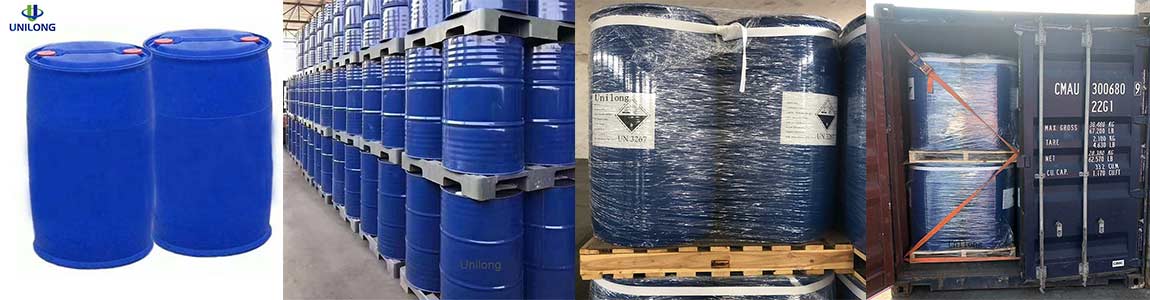
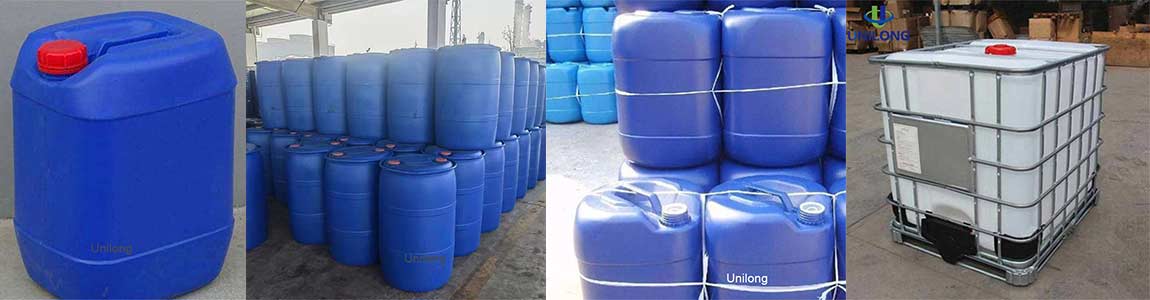
25kg/drum, 25kg/bag

Sodium Lauroyl Methylaminopropionate CAS 21539-58-2 - package- 1


MES hydrate CAS 1266615-59-1

CAS:1266615-59-1
Molecular Formula:C6H15NO5S
Molecular Weight:213.25
Periodo di conservazione: in 1 anno

Synonym: MES hydrate Vetec(TM) reagent grade, >=99%;MES HYDRATE PH 2.5-4.0 (20 C, 0.5 M;MES HYDRATE, BIOPERFORMANCE CERTIFIE;MES, hydrate, ≥99.5%

What is MES hydrate CAS 1266615-59-1?

MES hydrate, with the molecular formula of C₆H₁₃NO₄S・xH₂O, is a type of zwitterionic buffer. MES hydrate CAS 1266615-59-1 has extremely weak binding capacity to common metal ions such as calcium and magnesium, thus avoiding interference with biological experiments involving metal ions.

Specifica

VOCE STANDARD
Aspetto Liquido trasparente incolore
Total effective content(%) 99%

Applicazioni 

1. Cell and Plant CultureIt is a commonly used buffer for cell and plant culture. For instance, MES hydrate can be used to prepare MS medium for the growth of Arabidopsis thaliana seedlings, stabilizing the pH of the medium at around 5.8, which is suitable for the growth of most plants. MES hydrate can also resist the pH decrease caused by plant root exudates. Meanwhile, the organic acids it contains can facilitate plants’ absorption of elements such as calcium and magnesium, enhancing plant stress resistance. In regular cell culture, MES hydrate can also create a stable acid-base environment for cells, ensuring their normal growth and differentiation.

2.Daily Chemical and Cleaning FieldsThanks to its excellent emulsifying, dispersing and foaming properties, MES hydrate is also applied in daily chemical products like facial cleansers and shampoos, as well as cleaning products including dish detergents and hand sanitizers. MES hydrate can not only uniformly disperse grease and dirt to improve cleaning efficacy, but also stabilize foam. Additionally, it has low irritation to the skin, delivering a mild user experience.

Caratteristiche

Wide application value;
Mild performance;
As an amino acid-based surfactant.

Imballaggio

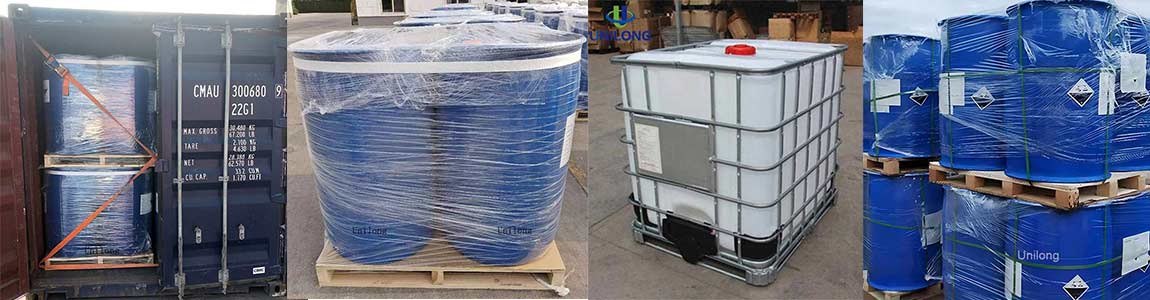
25kg/drum, 25kg/bag

MES hydrate CAS 1266615-59-1 - package- 1


Methyl isonicotinate CAS 2459-09-8

CAS: C10H16O4S
Molecular Formula: C7H7NO2
Synonyms: METHYL4-PYRIDINECARBOXYLATE;METHYLISONICOTINATE; METHYLPYRIDINE-4-CARBOXYLATE; PYRIDINE-4-CARBOXYLICACIDMETHYLESTER; RARECHEMALBF0097; 4-Carbomethoxypyridine; 4-Methoxycarbonylpyridine

What is Methyl isonicotinate CAS 2459-09-8?

Methyl isonicotinate, whose chemical name is methyl pyridine-4-carboxylate, is an important organic chemical intermediate.

Specifica

Punto Di Fusione 8-8.5 °C (lit.)
Density 1.161 g/mL at 25 °C (lit.)
Aspetto Colorless to brown liquid
Contenuto ≥99%

Applicazioni 

1. Core use: drug synthesis intermediates
2. General building blocks for organic synthesis
3. Synthesis of pesticides and fine chemicals

Caratteristiche

1. Core use: drug synthesis intermediates
2. General building blocks for organic synthesis
3. Synthesis of pesticides and fine chemicals

Imballaggio

25kg/drum, 25kg/bag

Methyl isonicotinate CAS 2459-09-8 package-3


4-Bromobenzaldehyde CAS 1122-91-4

CAS:1122-91-4
Purity:99.5%
Molecular Formula:C7H5BrO
Molecular Weight:185.02
EINECS:214-365-0
Periodo di conservazione: in 2 anni

Synonyms:4-Brombenzaldehyd; 4-bromo-benzaldehyd; Benzaldehyde, p-bromo-; Benzaldehyde,4-bromo-; p-bromo-benzaldehyd; AKOS BBS-00003194; 4-BROMOBENZYLALDEHYDE; 4-BROMOBENZALDEHYDE

What is 4-Bromobenzaldehyde CAS 1122-91-4?

4-Bromobenzaldehyde CAS 1122-91-4 colorless or slightly yellow leaf-shaped crystals. Melting point 67℃, boiling point 66-68℃ (0.27kPa). Easily soluble in ethanol and benzene, insoluble in water.

p-Bromobenzaldehyde is an important fine chemical. 4-Bromobenzaldehyde serves as an intermediate in chemical synthesis to synthesize many benzene-containing compounds and has wide applications in the pharmaceutical, pesticide, and dye industries.

Specifica

Articoli Grado
Aspetto Polvere Cristallina Bianca
Purezza % ≥99.8
Umidità % ≤0.3
Melting point ℃ 115.5~118
Chloride ppm ≤50
Heavy metals ppm ≤8
Insoluble matter % ≤0.05

Applicazioni 

1. Pharmaceuticals: Key intermediates in the synthesis of various drug molecules.
2. Liquid Crystal Materials: 4-Bromobenzaldehyde CAS 1122-91-4 used in the synthesis of liquid crystal monomers and electronic chemicals. High-end liquid crystal materials in liquid crystal displays (LCDs).
3. Pesticides and Dyes: Intermediates in the synthesis of highly effective and low-toxicity pesticides and organic dyes/pigments. Novel pesticides, high-performance dyes and pigments.
4. Academia and Research: 4-Bromobenzaldehyde CAS 1122-91-4 used to construct more complex organic molecules; a commonly used reagent in basic research. Novel functional molecules, ligands, polymer materials, etc.

Imballaggio

25kg/drum, 25kg/bag

4-Bromobenzaldehyde CAS1122-91-4-package-3


MICROCRYSTALLINE WAX CAS 63231-60-7

CAS: 63231-60-7
EINECS:264-038-1
Storage Period :2 years
Synonyms:Floorwax; VANFRE HYP; VANFRE M; VANFRE UN; VANFRE VAM; Multiwax ML-445; Multiwax W-445; Multiwax W-835

What is MICROCRYSTALLINE WAX CAS 63231-60-7?

MICROCRYSTALLINE WAX is a synthetic wax refined from petroleum, featuring a fine crystal structure, high flexibility, strong adhesion, as well as good waterproof and insulating properties. MICROCRYSTALLINE WAX is different from common paraffin wax, with a higher molecular weight and more stable properties.

Specifica

VOCE STANDARD
Drop Melting point, C 77 -< 82
Colore ≤1
Penetration (35℃),1/10mm report
Penetration (25℃),1/10mm ≤30
Oil content, %. ≤3.0
Total n-alkane content of C60

and below (mass fraction) /%

report
Total non-normal alkanes

content of C60 and below (mass

fraction) /%

report
Water-soluble acid and

alkali

N/M

Applicazioni 

1. Cosmetics and personal care: MICROCRYSTALLINE WAX is a key ingredient in products such as lipsticks, lipsticks, hair wax, and cold creams, which can increase the viscosity of the products, provide a smooth feeling, and play a shaping role.
2. Packaging and Coatings: MICROCRYSTALLINE WAX used for paper coating, providing water resistance and gloss; It is also used as an additive in inks and coatings to improve print clarity and coating durability
3. Rubber and plastic: As a softener in rubber processing, it improves the surface smoothness and weather resistance of the products. Improve fluidity and wear resistance in plastic processing.

Caratteristiche

1. Excellent flexibility and ductility: Soft in texture, it is not prone to cracking at low temperatures and can withstand deformation without breaking
2. Strong adhesion: MICROCRYSTALLINE WAX has excellent adhesion to various material surfaces (metal, paper, skin, etc.)
3.Good oil absorption: MICROCRYSTALLINE WAX has excellent oil absorption performance and can form stable and uniform pastes with various solvents and waxes. MICROCRYSTALLINE WAX also has emulsifying properties and is often used in the processing of cosmetics, shoe polish and other products.

Imballaggio

25kg/drum, 25kg/bag

MICROCRYSTALLINE WAX CAS 63231-60-7 packing-3


D-Glucosamine Sulfate CAS 29031-19-4

CAS:29031-19-4
Molecular Formula :C6H15NO9S
Molecular Weight :277.25
EINECS:249-379-6
Storage Period :2 years
Synonyms:D-GLUCOSAMINE SULFATE SODIUM SALT USP; Arthro;Cevolox; Chitosamine Sulfate; (2R,3R,4S,5R)-2-Amino-3,4,5,6-tetrahydroxyhexanal xsulfate; D-Glucosamine Sulfate Salt; DONA; D-Glucosamine sulfat

What is D-Glucosamine Sulfate CAS 29031-19-4?

D-Glucosamine sulfate is usually regarded as a monosaccharide residue in complex oligosaccharides and polysaccharides. Glucosamine is an amino derivative of the monosaccharide glucose. Glucosamine sulfate can significantly relieve the pain of patients with arthritis and rheumatism, and improve, prevent, treat and repair connective tissue damage

Specifica

VOCE STANDARD
Descrizione Polvere Cristallina Bianca
 

Identificazione

IR Absorption

Chloride, Potassium, Sulfate test

HPLC

Specific Rotation(25℃) ≦200 µm
Residuo su Accensione ≧98.0
Organic Volatile Impurities chiaro
Perdita all'Essiccamento ≤0.5%
PH(2%,25℃) 3.00~5.00
Di sodio Meet requirement
Heavy Metal ≤10ppm
Arsenico ≤0,5 ppm
Cromo ≤1 ppm
Cloruro di 11.1%-12.3%
Potassium 11.8%-12.5%
Dimensione Della Mesh Pass through 80MESH

Applicazioni 

D-Glucosamine Sulfate can be used to prevent and treat various types of osteoarthritis, such as osteoarthritis in the knee joint, hip joint, spine, shoulder, hand, wrist and ankle joints, as well as systemic osteoarthritis.

Caratteristiche

1. The D-Glucosamine Sulfate can be customized, the production cycle is short, the geographical location is superior, and the base has raw materials
2. Can support the number of samples including packaging and products, sample delivery 7-15 days, free samples and has a number of well-known logistics and transportation companies, can provide express and sea and air logistics distribution services
3. Many years of production experience and quality testing department, strict control of product quality and quality, good service
4. In stock, small quantities can be ready to ship at any time

Imballaggio

25kg/drum, 25kg/bag

D-Glucosamine sulfate CAS 29031-19-4 packing-3


Sodium Diacetate CAS 126-96-5

CAS:126-96-5
Purezza: il 99%
Molecular Formula:C2H5NaO2
Molecular Weight:84.05
EINECS:204-814-9
Periodo di conservazione:2 anno
Synonym:SODIUMDIACETATE; SODIUMDIACETATEHYDRATE; SODIUMHYDROGENDIACETATE; SODIUMHYDROGENDIACETATEHYDRATE; SODIUMACETATEACETICACID;

What is Sodium Diacetate CAS 126-96-5?

Sodium diacetate is a molecular compound of sodium acetate and acetic acid, abbreviated as SDA, also known as sodium hydrogen diacetate, monosodium diacetate, and solid acetic acid in Japan. The appearance is white crystalline powder, with hygroscopicity and a slight acetic acid odor. Flammable, easily soluble in water and ethanol.

Specifica

VOCE STANDARD
Free Acetic Acid,% 39.0-41.0
Sodium Acetate,% 58.0-60.0
Water,≤% 2.0
PH(10% Aqueous Solution) 4.5-5.0
Formic Acid and Matters Easy to

Oxidize,≤%

0.1
Arsenic(As),≤mg/kg ≤3
Lead, ≤ppm 2
Hg, ≤mg/kg 1

Applicazioni 

1. Food field: Sodium diacetate is mainly used as preservative and mildew inhibitor, and can be used for baking food, candy, fat, meat products, oil, soy sauce, sauce, Dim sum, fast food, soup and powder soup, etc. For example, the addition amount in baked goods is 0.4%, and the addition amount in meat products is 0.1%.
2. Feed field: Sodium diacetate is an excellent feed additive that can prevent feed mold and extend storage life. Adding 0.1% -0.3% SDA to compound feed can preserve and preserve the feed for 3-5 months. At the same time, it can also improve the utilization rate of protein in feed, increase the feed intake and daily weight gain of livestock and poultry.
3. Other fields: Sodium diacetate used as an acidifier in the printing and dyeing industry, sodium diacetate can also be used as a main ingredient for homogenizers, buffering agents, rust inhibitors, and compound mold inhibitors.

Caratteristiche

  1. High cost-effectiveness: As an efficient anti mold and fresh-keeping agent, it has a low dosage and relatively low price, and has good economic benefits.
  2. Safety recognized: It has been designated as a safe substance by the US Food and Drug Administration (FDA), and has been approved by the Food and Agriculture Organization (FAO) and the World Health Organization (WHO) for use as a preservative in food and feed, with its safety widely recognized.
  3. Multifunctionality: It has multiple functions such as anti-corrosion, anti mold, seasoning, and nutritional enhancement, and is the main ingredient of composite anti mold agents with rich application scenarios.
  4. In stock

Imballaggio

25kg/drum, 25kg/bag

Sodium diacetate CAS126-96-5-Package-1


N-Succinimidyl S-Acetylthioglycolate CAS 76931-93-6

CAS:76931-93-6
Purity: ≥95%
Molecular Formula:C8H9NO5S
Molecular Weight:231.23
EINECS:678-479-6
Periodo di conservazione: in 1 anno
Synonym: MTS & Sulfhydryl Active Reagents;Building Blocks;Chemical Biology;Chemical Synthesis;Crosslinkers;Crosslinking;Heterobifunctional Cross-Linking Reagents;

What is N-Succinimidyl S-Acetylthioglycolate CAS 76931-93-6?

N-Succinimidyl S-Acetylthioglycolate can precisely control the grain growth during the electroplating process, significantly improving the uniformity and density of the coating. N-Succinimidyl S-Acetylthioglycolate is suitable for high-end precision electronic components, precious metal decorative coatings and other scenarios. When DPS is used in combination with polyether surfactants and wetting agents, it can achieve grain refinement in the medium current density zone and solve problems such as pitting and burning of the coating.

Specifica

VOCE STANDARD
Aspetto Cristalli bianchi
Purezza ≥95%
Acqua ≤1%

Applicazioni 

1. Introduction of thiol groups: SATA is a protein modifier that can introduce thiol groups into protein molecules. N-Succinimidyl S-Acetylthioglycolate adds thiol groups to proteins and other amine-containing molecules in a protected form, forming stable covalent amide bonds through the reaction of NHS esters with primary amines, and then generates thiol groups through a deprotection process.
2. Biomolecular coupling: SATA is often used to prepare enzyme immunocrosslinkers and hapten carrier molecular conjugations. N-Succinimidyl S-Acetylthioglycolate can achieve the coupling of proteins, peptides and other biomolecules, and has wide applications in the fields of biotechnology and medicine. For example, in immunoassay, it can be used to couple antibodies with enzymes or other markers, improving the sensitivity and specificity of the detection.

Caratteristiche

1 Wide application value;

2 Mild performance;

3 Purity ≥ 95%, exceeding industry standard

Imballaggio

25kg/drum, 25kg/bag

N Succinimidyl S Acetylthioglycolate CAS 76931 93 6 Package 1


2-Iminothiolane CAS 4781-83-3

CAS:4781-83-3
Purity:≥95%
Molecular Formula:C6H14NNaO3S3
Molecular Weight:267.35
EINECS:242-644-7
Periodo di conservazione: in 1 anno
Synonym: Iminothiolane,98%;2-Iminothiolane hydrochloride,2-Thiolanimine hydrochloride, 2IT, Dihydro-2(3H)-thiophenimine hydrochloride, Traut’s reagent

What is 2-Iminothiolane CAS 4781-83-3?

2-Iminothiolane is a white to grayish-white powder and a thiolating reagent of primary amines. When the pH is between 7 and 10, the amidine bond reacts to form free thiol groups. 2-Iminothiolane is used for the preparation of disulfide and/or sulfide bond conjugates.

Specifica

VOCE STANDARD
Aspetto Cristalli bianchi
Purezza ≥95%
Acqua ≤1%

Applicazioni 

1. Biomolecular thiolation modification: As a thiolation reagent, 2-iminothiane hydrochloride can specifically react with the primary amino groups on biomolecules such as proteins, peptides, and polysaccharides under pH conditions of 7-9, introducing thiol groups. This process not only provides new active sites for biomolecules but also retains the charge properties of the original amino groups, which is conducive to subsequent functional modifications.
2. Biomolecular coupling and crosslinking: The introduced thiol groups can be used to prepare conjugates linked by disulfide or thioether bonds, achieving coupling between biomolecules. For instance, in proteomics research, 2-Iminothiolane can be used for peptide labeling and the study of biomolecular interactions, as well as for RNA-protein cross-linking, which is conducive to in-depth exploration of the structural and functional relationship of biomolecules.

Caratteristiche

1. Purity ≥ 95%, exceeding industry standard;
2. Moisture content ≤1%, the insulation performance great;
3. Excellent thermal stability
4. In stock

Imballaggio

25kg/drum, 25kg/bag

2 Iminothiolane CAS 4781 83 3 Package 1


Sodium Coco Sulfate SCS CAS 97375-27-4

CAS: 97375-27-4
EINECS: 306-683-4
Other name: Sulfuric acid, monococo alkyl esters, sodium salts; Sulfuric acid, monococo alkyl esters, sodium salts; Schwefelsure, Mono-kokos-alkylester, Natriumsalze

What is Sodium Coco Sulfate SCS CAS 97375-27-4?

Sodium coco sulfate SCS CAS 97375-27-4 is a common anionic surfactant mainly prepared from lauryl alcohol extracted from coconut oil. Sodium Coco Sulfate Powder can be used for various forms of products such as water-based, paste like, and emulsion, and is suitable for different production needs.

Specifica

VOCE STANDARD
Aspetto White to pale yellow needle shaped solid
Active Ingredient Content (%) ≥90.0
Petroleum Ether-Soluble Matter Content (%) ≤2.5
Sulfate Content (%) 0.5-2.0
Sodium Chloride Content (%) ≤0.1
Umidità (%) ≤3.0
pH Value (1% Aqueous Solution) 7.5-10.5

Applicazioni 

1. In the field of personal care: Sodium Cococo Sulfate can be used in toothpaste, shampoo, body wash, hand sanitizer, facial cleanser, etc.
2. In the field of household cleaning: Sodium Coco Sulfate SCS are used in dishwashing agents, laundry detergents, kitchen cleaners, etc.
3. Industrial field: Metal cleaners, detergents and emulsifiers for the textile industry.

Caratteristiche

1. High foaming property: Rich and delicate foam can be quickly produced in water, and foam has strong stability.
2. Strong cleaning power: Sodium Coco Sulfate Powder can effectively remove oil, dirt, and dust from the skin, hair, or surface of objects.
3. Good solubility: Sodium Coco-Sulfate can quickly dissolve in room temperature water without the need for additional high-temperature heating.
4. Good compatibility: Sodium Coco Sulfate can be stably mixed with other surfactants, preservatives, essence and other ingredients without adverse reactions.

Imballaggio

25kg/drum, 25kg/bag

Sodium coco sulfate CAS 97375-27-4 -Package-1


Barium dinonylnaphthalenesulfonate CAS 25619-56-1

CAS:25619-56-1
Purity:99%min.
Molecular Formula:C56H86BaO6S2
Molecular Weight:1056.74
EINECS:247-132-7
Periodo di conservazione: in 2 anni
Synonyms:BARIUMDINONYLNAPHTHALENESULFONATE; dinonyl-naphthalenesulfonicacibariumsalt; Dinonylnaphthalenesulfonicacidbariumsalt; Naphthalenesulfonicacid,dinonyl-,bariumsalt; Rustpreventiveagent705; Nsc49580; bariumbis(dinonylnaphthalenesulphonate); BARIUMDINONYLNAPHTHALENESULFONATE50%INMINERALOIL.

What is Barium dinonylnaphthalenesulfonate?

Barium dinonylnaphthalenesulfonate T705 is a versatile, high-performance oil additive. Its strong oil solubility allows it to adhere firmly to metal surfaces, forming a uniform film that prevents oxygen and other harmful gases from contacting the metal surface, providing rust protection. It offers excellent lubricity and wear resistance, and its performance is stable even in wet conditions.

Specifica

Voce Standard
Density (20°C), g/cm³ 1.000-1.050
Flash point (open), °C ≥165
Contenuto di umidità (%) ≤0.1
Viscosity (100°C), mm²/s 50-100
Mechanical impurities (%) ≤0.1
Barium content (%) ≥11.5
Total base number (TBN), mgKOH/g 35-55
Moisture and heat resistance, hours ≥96
Oil solubility Pass
Aspetto Brown, transparent, viscous liquid

Applications of Barium Dinonylnaphthalenesulfonate (CAS 25619-56-1)

  1. Lubricating Oils and Greases: Used as an effective rust inhibitor in synthetic lubricating oils and greases, enhancing corrosion resistance while maintaining the original lubricant performance.

  2. Industrial Rust Prevention Solutions: Applied in petroleum ether cleaners, water-displacement rust-preventive solutions, and other industrial anti-rust formulations to protect metal surfaces.

  3. Metal Protection: Provides reliable rust prevention for metals and metal products, prolonging service life in various industrial environments.

  4. Acid Neutralization and Corrosion Inhibition: Acts as a corrosion inhibitor and acid neutralizer in industrial lubricants and metalworking fluids.

  5. Extreme Pressure Greases: Enhances rust prevention in extreme pressure greases without compromising their high-pressure performance.

  6. Specialized Industrial Lubricants: Serves as an anti-rust additive in diamond machine oils, papermaking machine oils, hydraulic press lubricants, turbine oils, circulating oils, and other water-containing industrial lubricants.

  7. Synergistic Rust Prevention: Can be combined with other rust inhibitors to significantly improve overall rust prevention performance in lubricant and metal protection systems.

Caratteristiche

  1. Excellent rust prevention, providing excellent resistance to salt spray and heat and humidity.
  2. Excellent demulsification properties, suitable for formulating water-displacement and wax film rust preventive oils.
  3. Excellent acid neutralization, suitable for use in acidic environments.

Perché Scegliere Noi?

  1. Excellent salt spray and heat resistance.
  2. More effective in preventing chlorine corrosion on metal parts in lubricant formulations containing chlorinated paraffin.
  3. Stable supply and fast delivery.

Imballaggio

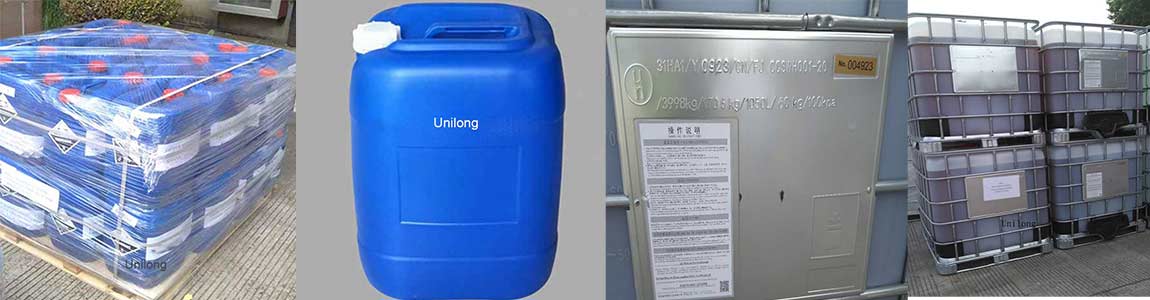
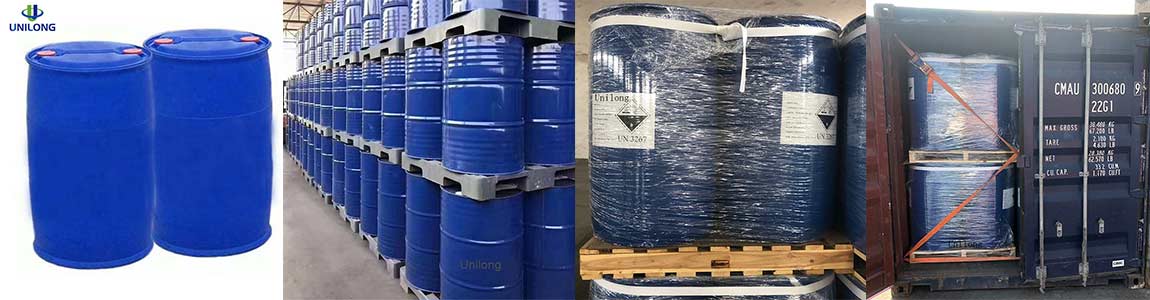
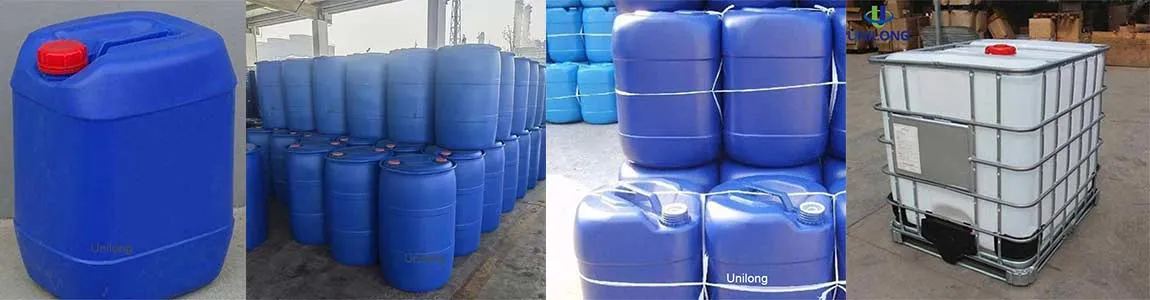
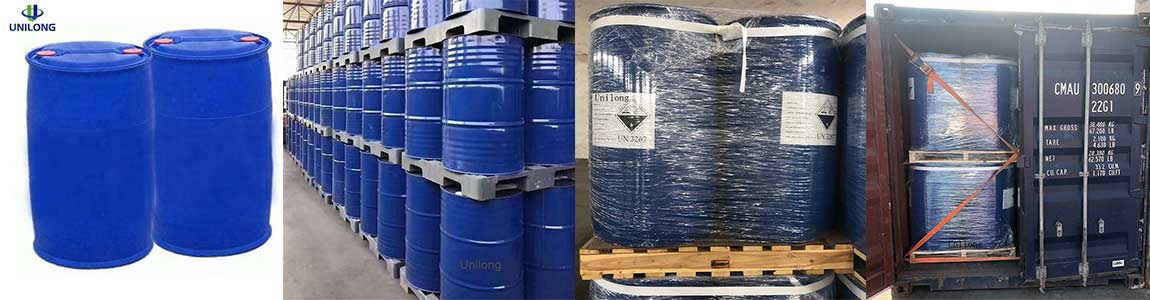
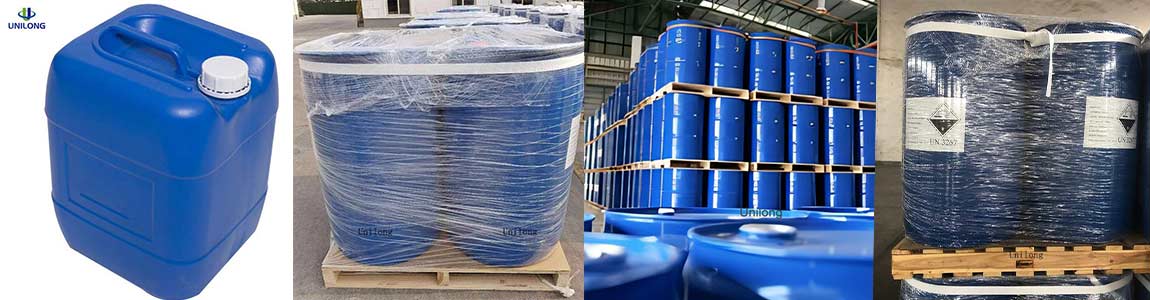
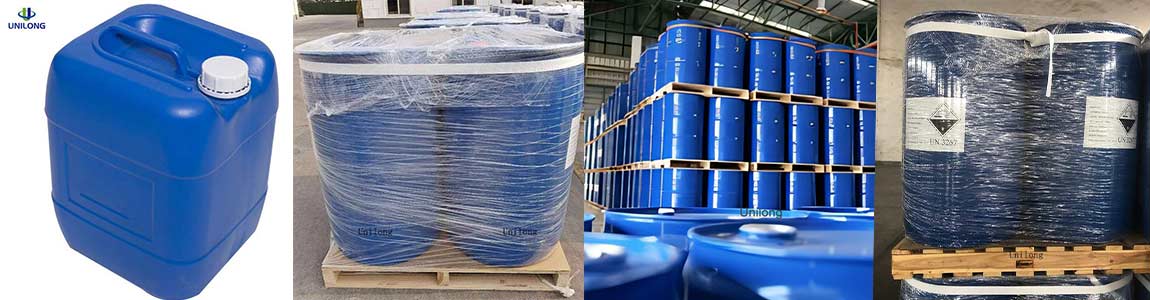
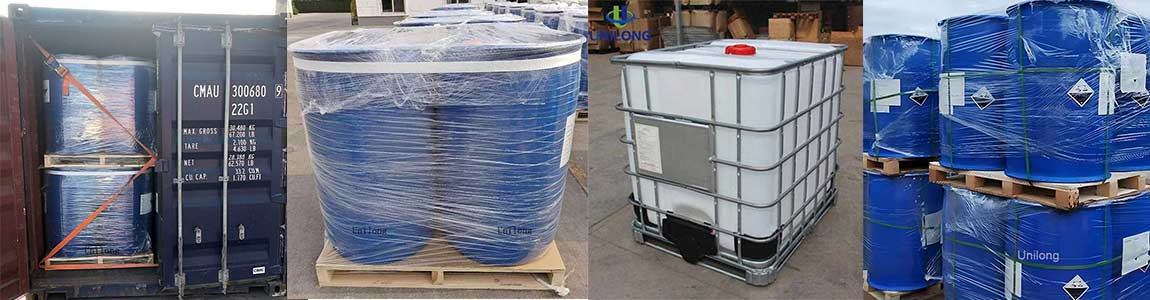
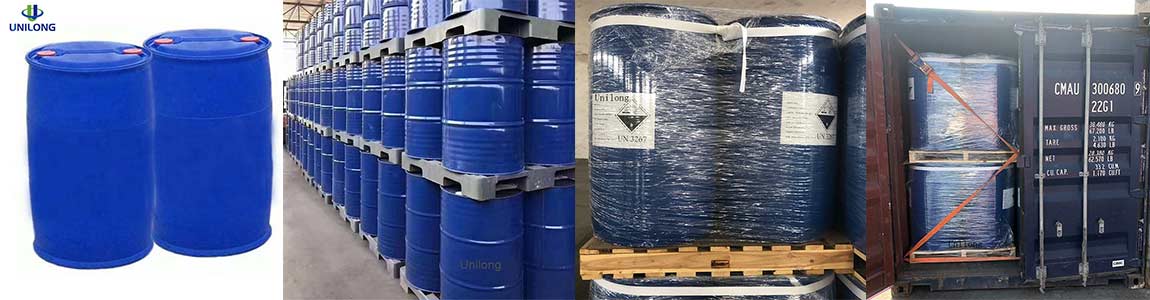
200kg/tamburo

Barium dinonylnaphthalenesulfonate CAS 25619-56-1-Package-3

Nisin CAS 1414-45-5

CAS:1414-45-5
Purezza: il 99%
Molecular Formula:C143H230N42O37S7
Molecular Weight:3354.07
EINECS:215-807-5
Storace Perod:Normal temperature storage
Sinonimi:
NISIN;nsc-112903; Streptococcuselement(element); NisinfromLactococcuslactis; NISINSTREPTOCOCCUSLACTIS; nisinfromstreptococcuslactis.

What is Nisin?

Nisin is a polypeptide antibacterial agent produced by Streptococcus lactis, composed of 34 amino acids. It is a natural, non-toxic food preservative that is fully digestible in the human body, breaking down into amino acids without leaving residues. Nisin does not induce drug resistance and does not disrupt the beneficial probiotics in the digestive system.

Specifica

VOCE STANDARD
Aspetto Milky white to light brown powder
Contenuto ≥900 IU/mg
Weight loss on drying ≤3.0%
Il cloruro di sodio ≥50%
pH(1% solution 3.2-3.8
Lead (Pb ≤1mg/Kg
Total colony count ≤10cfu/g
Escherichia coli <3.0MPN/g
Coliform bacteria <3.0MPN/g
Salmonella not detectable

Applications of Nisin (Innis) – Natural Food Preservative

  1. Dairy Products: Nisin is widely used in milk, cheese, yogurt, and other dairy products to inhibit spoilage bacteria such as Bacillus e Listeria, effectively extending shelf life while maintaining taste and nutritional quality.

  2. Canned and Processed Foods: When added to canned foods, ready-to-eat meals, or processed meats, Nisin helps reduce sterilization temperature and time, preserving original flavor, color, and nutrients.

  3. Beverages: Nisin can be applied in fruit juices, soft drinks, and other beverages to prevent contamination by Gram-positive bacteria, ensuring safety and freshness.

  4. Meat and Seafood Products: It is effective against Staphylococcus aureus, Bacillus cereuse Clostridium botulinum, helping maintain product quality and prolong shelf life in cooked, smoked, or vacuum-packed meats and seafood.

  5. Functional Foods and Supplements: Nisin’s natural and non-toxic properties make it suitable for use in functional foods, health supplements, and probiotic products without affecting beneficial gut flora.

Caratteristiche

Nisin is a narrow-spectrum antibacterial agent that can only kill and inhibit Gram-positive bacteria and is ineffective against yeasts, Gram-negative bacteria and molds. In China, it is stipulated that it can be used in meat products and dairy products, with a maximum usage of 0.5g/kg. The maximum usage in plant protein beverages and cans is 0.2g/kg.

Imballaggio

1. 500 grams per plastic bottle, 20 bottles per box

2. 1 kilogram per bag, 10 kilograms per box

3. 25 kilograms per drum, with two layers of inner polyethylene plastic bags and composite aluminum foil bags, and outer cardboard drums.


1H,1H,2H,2H-Perfluorodecyltriethoxysilane CAS 101947-16-4

CAS: 101947-16-4
Purity:98%
Molecular Formula:C16H19F17O3Si
Molecular Weight:610.38
Periodo di conservazione:2 anno
Synonym:
PERFLUOROALKYLTRIETHOXYSILANE; TRIETHOXY-1H,1H,2H,2H-PERFLUORODECYLSILANE; 1H,1H,2H,2H-PERFLUORODECYLTRIETHOXYSILANE; (HEPTADECAFLUORO-1,1,2,2-TETRAHYDRODECYL)TRIETHOXYSILANE; (HEPTADECAFLUORO-1,1,2,2-TETRAHYDRODECYL)-1-TRIETHOXYSILANE; 1H,1H,2H,2H-Perfluorodecyltriethoxysilane97%; 1H,1H,2H,2H-Perfluorodecyltriethoxysilane97%; (Heptadecafluoro-1,1,2,2-tetrahydrodecyl)triethoxysilane Perfluorodecyltriethoxysilane.

What is 1H,1H,2H,2H-Perfluorodecyltriethoxysilane?

1H,1H,2H,2H-Perfluorodecyltriethoxysilane is a high-performance organosilicon compound widely used as a surface modifier. It features excellent hydrophobicity, oleophobicity, and chemical resistance, making it suitable for advanced surface treatments and functional coatings.

Specifica

VOCE STANDARD
Aspetto Liquido incolore
Purezza ≥98%

Applicazioni

  1. Glass and Ceramic Surface Treatment: Ideal for hydrophobic and anti-fouling coatings on optical lenses, touch screens, display panels, and tiles.

  2. Textiles and Fabrics: Imparts water- and oil-repellent properties to fibers like cotton, wool, and synthetic textiles without affecting texture or color.

  3. Metal and Plastic Protection: Enhances corrosion resistance and reduces adhesion of dirt and oils.

  4. Advanced Coatings: Used in microelectronics, anti-fingerprint coatings, and self-cleaning surfaces.

Imballaggio

25KG/DRUM

1H1H2H2H Perfluorodecyltriethoxysilane CAS 101947 16 4 Package 1

DTPMP Na5 CAS 68155-78-2

CAS:68155-78-2
Purity:≥99.9%
Molecular Formula:C9H29N3NaO15P5
Molecular Weight:597.2
Periodo di conservazione: in 1 anno

Sinonimo di:
DTPMPheptasaodiumsalt;Phosphonicacid,P,P’,P”,P”’-[[(phosphonomethyl)imino]bis[2,1-ethanediylnitrilobis(mChemicalbookethylene)]]tetrakis-,sodiumsalt(1:7);SodiumSaltofDiethyleneTriaminePenta(MethylenePhosphonicAcid).

What is DTPMP Na5 ?

DTPMP Na5 (Sodium Pentasodium Diethylenetriaminepenta(methylene phosphonate)) is a high-performance phosphonate chelating and scale-inhibiting agent. It exhibits excellent sequestration, corrosion inhibition, and scale prevention properties, making it widely used in industrial water treatment, boiler systems, cooling water, detergents, and textile processing.

Specifica

VOCE STANDARD
Aspetto Liquido trasparente incolore
Total effective content(%) ≥99.5%

Applicazioni

1. Industrial Water Treatment

DTPMP Na5 is widely used as a scale inhibitor and chelating agent in cooling water, boiler water, and closed-loop systems. It prevents calcium carbonate, calcium sulfate, and other mineral scale formation, maintaining system efficiency and reducing maintenance costs.

2. Detergents & Cleaning Agents

It functions as a sequestrant and water softener in industrial and household cleaning products, enhancing cleaning performance by binding hard water ions and improving detergent efficiency.

3. Textile & Dyeing Industry

Used in textile processing and dyeing, DTPMP Na5 acts as a chelating agent to stabilize metal ions, prevent fiber damage, and improve color uniformity in dyeing and finishing processes.

4. Oilfield & Petrochemical Applications

It is employed in oilfield water treatment and scale control, preventing scale deposition in pipelines, heat exchangers, and injection water systems.

5. Other Applications

DTPMP Na5 can also be used in cooling tower maintenance, paper industry, and other industrial processes requiring metal ion sequestration and scale inhibition.

Caratteristiche

1. The moisture content is strictly controlled at ≤0.05%;

2. The purity is far higher than the industry standard, with each batch ≥99.9%;
3. Wide application value;

4. Mild performance.

Imballaggio

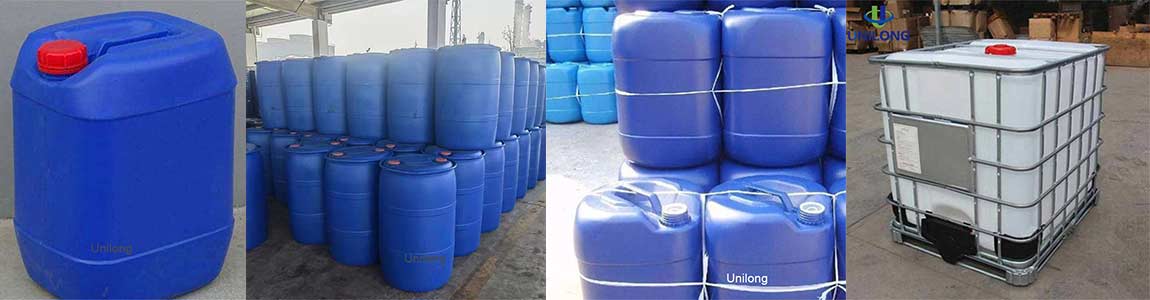
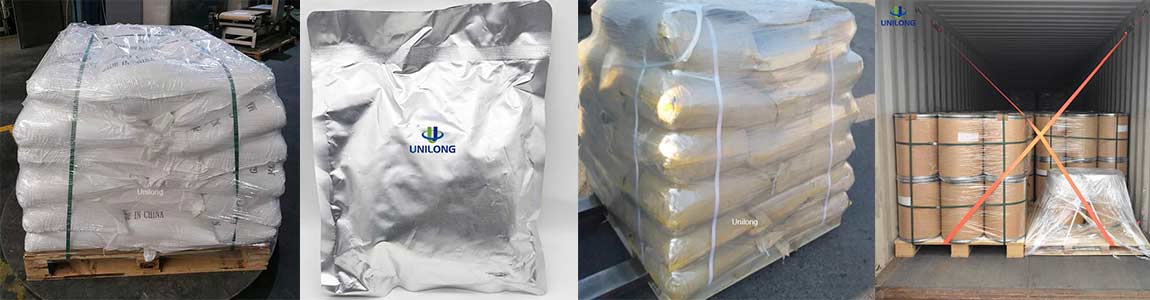
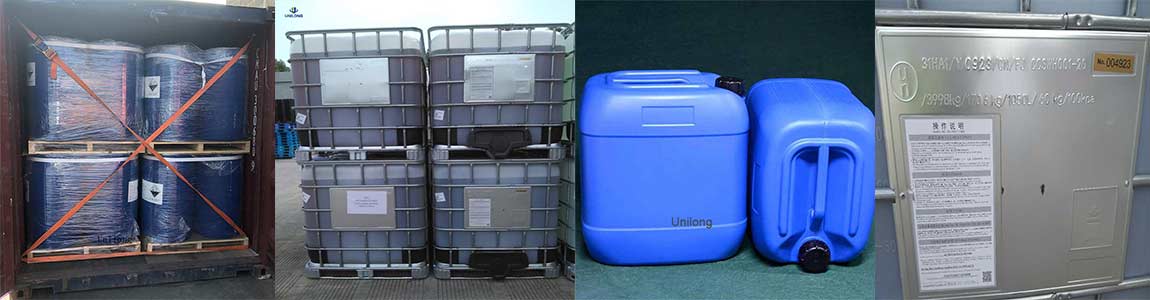
200kg/Drum, 1000kg/IBC Ton Drum

DTPMP Na5 CAS 68155-78-2 - package- 1

Zinc Stannate CAS 12027-96-2

CAS:12027-96-2
Purity :≥40%
Molecular Formula :O6SnZn
Molecular Weight :280.08
Storage Period :2 years
Synonyms:Zinc oxostannanediolate; Zinc hydoxystannate; ZincHydroxyStannate; Stannate (Sn(OH)62-), zinc (1:1), (OC-6-11)-; Zinc hexahydroxystannate; 12027-96-2 ZINC STANNATE.

What is Zinc Stannate?

Zinc Stannate is a high-performance inorganic compound widely used as a flame retardant, smoke suppressant, and synergistic additive in plastics, coatings, rubbers, and electronic materials. It offers excellent thermal stability, non-toxicity, and environmental friendliness, making it an ideal choice for halogen-free flame-retardant formulations.

Specifica

VOCE STANDARD
SN 42min
Fe ≤0.02
Pb ≤0.002
Come ≤0.001
Sb ≤0.0025
Free base (NaOH)  

≤3.5

Nitrate (NO3)


≤0.1


Alkali insoluble


≤0.1

Applicazioni

1. Plastics Industry

Zinc Stannate is used as a halogen-free flame retardant in plastics such as PVC, polyethylene, polypropylene, and ABS. It enhances flame resistance, prevents fire propagation, and is often combined with synergists like aluminum trihydrate or antimony trioxide to optimize performance.

2. Coatings & Paints

It acts as a flame-retardant additive and smoke suppressant in coatings, inks, and paints. Zinc Stannate improves heat resistance, reduces smoke density, and maintains the coating’s mechanical and aesthetic properties.

3. Rubber & Elastomers

Used in rubber formulations to enhance flame retardancy and thermal stability. It improves safety in rubber products without affecting flexibility or processability.

4. Electronic Materials

Applied in wire insulation, electronic housings, and circuit boards to provide halogen-free fire protection. Its high thermal stability ensures reliability under extreme operating conditions.

5. Other Applications

It is also used in ceramics, adhesives, and composite materials requiring flame-retardant and smoke-suppressing properties.

Key Features of Zinc Stannate (CAS 12027-96-2)

1. Environmentally Friendly

Zinc Stannate is a non-toxic, halogen-free flame retardant that meets RoHS and REACH environmental standards. It can effectively replace traditional toxic antimony trioxide, reducing environmental impact and health risks, making it an ideal choice for sustainable polymer, coating, and electronic material applications.

2. Excellent Smoke Suppression

Compared with antimony trioxide, Zinc Stannate exhibits superior smoke suppression, significantly reducing smoke generation during combustion. This property minimizes harm to humans and the environment, enhancing safety in plastics, rubbers, coatings, and electronic components.

3. Good Thermal Stability

Zinc Stannate maintains high thermal stability under typical processing conditions, generally suitable for polymer processing below 180℃. Its stability ensures that flame-retardant and smoke-suppressing functions remain effective during material fabrication, though higher-temperature processes may require alternative solutions.

4. High Flame Retardant Efficiency

Through the synergistic action of multiple flame-retardant mechanisms, Zinc Stannate offers high flame-retardant efficiency, effectively preventing flame propagation and enhancing the fire safety of plastics, rubbers, coatings, and other materials.

5. Additional Functional Properties

Zinc Stannate has high bulk density and excellent dispersibility, facilitating uniform incorporation in various matrices. It also provides additional functionalities such as antibacterial effects and UV protection, expanding its applications to cosmetics, leather, and specialty material formulations.

Imballaggio

25kg/drum

ZINC STANNATE CAS 12027-96-2 Packing-3

Calcium Sodium Aluminosilicate CAS 1344-02-1

CAS:1344-02-1
Molecular Formula :AlCaNaO4Si+2
Molecular Weight :182.132408
EINECS:215-684-8
Storage Period :2 years
Synonyms:ALUMINUMCALCIUMSODIUMSILICATE; ALUMINUMSODIUMSILICATE.

What is Calcium Sodium Aluminosilicate?

Calcium sodium aluminosilicate is a multifunctional inorganic material composed of calcium, sodium, aluminum, and silicon oxides, covering both natural minerals and synthetic products. It features high adsorptive capacity, strong anti-caking performance, and excellent thermal and chemical stability. It is widely used in food additives, pharmaceuticals, feed production, coatings, plastics, ceramics, and catalyst carriers.

Specifica

VOCE STANDARD
Sodium silicate 97.5
Barium Ba 4.9×10²
Lead Pb 11.0
Chromium Cr 26.0
Antimony Sb ND
Selenium Se ND
Cadmium Cd ND
Arsenic As 3.5
Mercury Hg ND
Fluorine F <1
Iodine I 32

Applications of Calcium Sodium Aluminosilicate

1. Food & Beverage Industry

Calcium sodium aluminosilicate is widely used as a food-grade anti-caking agent. It prevents powdered ingredients from clumping, maintains free-flowing properties, and enhances product stability. Common applications include table salt, powdered dairy products, baking mixes, and instant beverage powders, ensuring consistent quality during storage and handling.

2. Chemical & Petrochemical Industry

In the chemical sector, it functions as a catalyst, adsorbent, and ion-exchange material. Its unique porous structure allows for efficient adsorption of gases, moisture, and organic vapors, while serving as a support for catalysts. It is essential in fine chemical synthesis, industrial gas purification, and petrochemical refining.

3. Coatings, Paints & Inks

It serves as a functional filler and performance modifier in coatings and paints. It enhances rheology, provides matting effects, improves dispersion, and prevents settling. These properties contribute to smoother surfaces, improved durability, and uniform appearance in coatings and inks.

4. Plastics & Rubber

Calcium sodium aluminosilicate acts as a reinforcing filler in plastics and rubber, improving mechanical strength, thermal resistance, and dimensional stability. It also enhances processing flowability, anti-blocking properties, and surface finish in materials such as PVC, PE films, rubber compounds, and engineering plastics.

5. Pharmaceutical & Nutraceutical Applications

Used as an excipient in tablets and capsules, it improves powder flow, uniform mixing, compressibility, and moisture resistance. This ensures consistent dosage, high manufacturing efficiency, and superior product quality for vitamins, minerals, and medicinal formulations.

6. Animal Feed Industry

It functions as an anti-caking and flow-enhancing agent in feed premixes and additives. Its moisture-absorbing properties maintain feed stability, prevent clumping, and improve handling efficiency during production and storage.

7. Ceramics & Glass Manufacturing

Calcium sodium aluminosilicate improves sintering behavior, structural stability, and texture control in ceramic and glass products. Its thermal stability and chemical inertness make it ideal for high-temperature processing, ensuring consistent quality and durability.

Key Features of Calcium Sodium Aluminosilicate (CAS 1344-02-1)

1. Excellent Chemical Stability

Calcium sodium aluminosilicate is highly chemically stable and insoluble in water, ethanol, and most dilute acids (except hydrofluoric acid) at room temperature. It exhibits a broad range of acid and alkali resistance (stable from pH 2 to 12), does not decompose or volatilize at high temperatures below 800℃, and remains inert with most organic materials such as plastics, oils, and fragrances. These properties make it ideal for high-temperature processing, strong acid formulations, and complex industrial applications.

2. Strong Adsorption and Dispersion Capabilities

This synthetic amorphous aluminosilicate has a highly porous structure with a specific surface area of 100–300 m²/g, enabling it to adsorb 10–30% of its own weight in water or oil. It can be uniformly dispersed in liquid or powder systems, effectively preventing particle agglomeration, caking in food powders, or pigment sedimentation in coatings, ensuring stable product performance and enhanced processability.

3. High Safety and Biocompatibility

Calcium sodium aluminosilicate is certified for safety by multiple authorities, including China’s GB 2760, the US FDA GRAS, and the EU EFSA. It has extremely low oral toxicity (LD₅₀ > 10 g/kg in rats), is not absorbed by the human body, and is excreted naturally. Additionally, it does not cause skin sensitization, making it suitable for use in food, feed, and daily chemical products, including formulations intended for infants and young children.

Imballaggio

25kg/bag

Calcium sodium aluminosilicate CAS 1344-02-1 packing-3

2-Bromoethylbenzene CAS 103-63-9

CAS: 103-63-9
Purezza: 99%
Molecular Formula: C8H9Br
Molecular Weight: 185.06
EINECS: 203-130-8
Storage Period: 2 years
Synonyms: 1-BROMO-2-PHENYLETHANE, PHENYL ETHYL BROMIDE,PHENETHYL BROMIDE.

What is 2-Bromoethylbenzene CAS 103-63-9?

2-Bromoethylbenzene is an important organic intermediate mainly used in pharmaceutical synthesis, specialty chemicals, and agrochemical production. With its reactive benzylic bromide functional group, it is widely applied in alkylation, substitution, and coupling reactions, making it a valuable building block in fine chemical processes.

The benzene ring is connected to an ethyl group, and a bromine atom replaces one of the hydrogen atoms on the terminal carbon of the ethyl group, with the structural formula being C6H5CH2CH2Br.It is also called β-bromoethylbenzene, 2-phenylbromoethane, etc.

Specifica

ASPETTO COLOURLESS TO SLIGHTYELLOW CLEARLIQUID
PUREZZA ≥ 99%
L'UMIDITÀ L'UMIDITÀ

Applications of 2-Bromoethylbenzene

1. Pharmaceutical Intermediates

2-Bromoethylbenzene is an essential intermediate in the synthesis of numerous pharmaceutical compounds. It is widely used in the production of beta-blockers for cardiovascular disease treatment, as well as in the synthesis of antidepressants, anxiolytics, and other central nervous system drugs.

2. Agrochemical Raw Material

This compound serves as a key building block in the manufacture of pesticides, fungicides, herbicides, and other crop-protection agents, enabling efficient preparation of active agrochemical ingredients.

3. Functional Materials & Specialty Polymers

2-Bromoethylbenzene is applied in advanced material development, including:

  • Liquid crystal materials

  • Polymer modifiers & specialty resins

  • Functional performance additives

It provides reactive benzylic functionality useful in precision organic synthesis and materials engineering.

4. Fragrance & Fine Chemicals

Used in the synthesis of floral-scented aromatic compounds and other fine chemical ingredients, contributing to fragrance formulation and specialty chemical production.

Excellent Solvent Compatibility & Process Stability

It shows excellent miscibility with most organic solvents (such as ether and benzene) and possesses stable physical properties, including a well-defined boiling point and consistent density. These attributes make 2-Bromoethylbenzene easy to handle, separate, and purify in industrial processes, enabling efficient large-scale and continuous manufacturing operations.

Imballaggio

200kg/tamburo

2-Bromoethylbenzene CAS 103-63-9-Package

Sodium Alkylbenzene Sulfonate CAS 68411-30-3

CAS:68411-30-3
Purity:99%min.
Molecular Formula:RSO3Na(R=C10~C13)
Molecular Weight:0
EINECS:270-115-0
Periodo di conservazione: in 2 anni
Synonyms:LINEARALKYLBENZENESULFONATES; LINEARALKYLBENZENESULPHONATES; C10-13ALKYLBENZENESULFONICACID,SODIUMSALT; SODIUMALKYLBENZENESULPHONATE; ALKYLBENZENESULPHONATES; LINEARALKYLBENZENESULPHONATESODIUMSALT; SODIUM(C9-C12)ALKYLBENZENESULPHONATE.

What is sodium alkylbenzene sulfonate?

Sodium Alkylbenzene Sulfonate, also known as Linear Alkylbenzene Sulfonate (LAS), is produced through a sophisticated process involving sulfonation and extraction.It has a corrosion inhibitory effect on metals and exhibits excellent emulsification and rust prevention properties. It is an anionic surfactant widely used in detergents, cleaning chemicals, and industrial formulations. It features powerful emulsifying, wetting, dispersing, and foaming properties, making it a preferred surfactant in household and industrial cleaning products.

Specifica

Voce Standard
Base oil content, % ≤50
Sodium sulfonate content, % ≥50
il valore del pH 7.0-8.0
Odore Nessuno
Water content, % <1.0
Aspetto Brown or brownish-red oily liquid
Density (20°C), g/cm³ 0.960-1.000
Viscosity (open cup), mm²/s 20-100
Flash point (open cup), °C ≥165
Mechanical impurities, % ≤1
#10 steel sheet ≤0
#62 brass sheet ≤50

Applications of Sodium Alkylbenzene Sulfonate (HABS)

Sodium alkylbenzene sulfonate (HABS) is widely used across multiple industrial sectors due to its strong hydrophobicity, excellent emulsifying, dispersing, and wetting abilities, and good resistance to hard water and alkaline environments.

1. Oilfield Tertiary Oil Recovery

Used as a key surfactant additive in enhanced oil recovery (EOR) processes. HABS improves crude oil fluidity, reduces interfacial tension, and enhances oil–water emulsification efficiency to significantly increase oil extraction rates.

2. Lubricating Oils & Anti-Rust Oils

Applied in the formulation of lubricating oils, anti-rust oils, and emulsified oils. It functions as an emulsifier and corrosion inhibitor, helping form stable protective films on metal surfaces and improving oil dispersion stability.

3. Metalworking Fluids

Serves as an emulsifying and wetting component in emulsified cutting fluids, wire-cutting fluids, and hydraulic transmission fluids. It enhances lubrication, cooling, and chip-removal performance, ensuring smoother machining and longer equipment life.

4. Industrial & Workshop Cleaning Agents

Commonly used in industrial degreasing agents, workshop detergents, and oil-removal cleaning solutions. HABS effectively dissolves grease and particulate contaminants, delivering fast detergency and rich, stable foam.

5. Textile Printing & Dyeing

Acts as a multifunctional textile auxiliary, including refining agent, desizing agent, and leveling agent. It improves fiber penetration, removes impurities and sizing, assists dye dispersion, and ensures uniform dyeing results.

6. Papermaking Industry

Used as a resin dispersant and felt cleaning agent in papermaking processes. It prevents resin agglomeration, enhances pulp dispersion, and cleans papermaking felt to maintain paper machine efficiency.

7. Leather Processing

Works as a penetrating and degreasing agent in leather processing. HABS promotes deep fiber penetration, emulsifies fats, and facilitates uniform degreasing, improving softness and finish quality of leather goods.

Key Features of Sodium Alkylbenzene Sulfonate (HABS)

1. Strong Hydrophobicity & Superior Interfacial Activity

Thanks to its higher-carbon alkyl chain structure (typically C₁₈–C₂₈), HABS delivers much stronger hydrophobicity and interfacial performance than conventional sodium dodecylbenzene sulfonate (LAS). This long-chain structure allows for more efficient oil–water interface reduction, improved penetration, and enhanced emulsification in heavy-duty systems.

2. Excellent Surface Activity

HABS offers multifunctional surface-active properties essential for industrial applications, including:

  • Significant surface tension reduction

  • Powerful emulsifying and detergency performance

  • Effective dispersing and wetting abilities

  • Stable high-foam generation and foam persistence

3. Strong Formulation Compatibility

Compatible with most anionic and nonionic surfactants, allowing flexible formulation combinations. This enhances system performance in oilfield chemicals, metalworking fluids, industrial cleaners, and textile auxiliaries.

4. High Solubility in Water & Alkaline Systems

Dissolves readily in water and alkaline media, ensuring fast dispersion and stable solution behavior across a wide pH range.

5. Hard Water & Alkali Resistance

Provides superior resistance to hard-water ions and alkaline conditions, maintaining high cleaning and emulsification efficiency—ideal for oilfield enhanced oil recovery, degreasing fluids, and industrial detergents.

6. Corrosion Inhibition & Anti-Rust Function

In addition to its core surfactant functions, HABS also demonstrates corrosion-inhibiting and rust-preventive properties, making it suitable for applications in rust-proof oils, lubricants, and metal processing chemicals.

Imballaggio

200kg/tamburo

Sodium alkylbenzene sulfonate CAS68411-30-3-Package-3

Sodium Dichloroisocyanurate Dihydrate CAS 51580-86-0

CAS:51580-86-0
Purity:56%
Molecular Formula:C3H4Cl2N3NaO4
Molecular Weight:239.97
EINECS:610-700-3
Storace Perod:Normal temperature storage
Sinonimi:
N-methylimidazole(1-methylimidazole);1,3,5-Triazine-2,4,6-(1H,3H,5H)-trione,1,3-dichloro-,sodiumsalt,dihydrate; dichloroisocyanuratedesodiumdihydrate;SodiumDichloro-s-triazinetrioneDihyd;sodium1,5-dichloro-4,6-dioxo-1,4,5,6-tetrahydro-1,3,5-triazin-2-olate; troclosenesodium,dihydrate; Dichloroisocyanuricaciddihydratesodiumsalt; SodiumDichloroisocyanurate(SDIC)Dihydrate56%.

What is Sodium Dichloroisocyanurate Dihydrate CAS 51580-86-0?

Sodium Dichloroisocyanurate Dihydrate, also known as SDIC dihydrate, is a highly efficient, broad-spectrum chlorine-based disinfectant. It dissolves rapidly in water to release hypochlorous acid, offering powerful bactericidal, virucidal, algae-killing, and deodorizing effects. It is widely used in water treatment, sanitation, food processing, hygiene disinfection, and public health control.

Specifica

VOCE STANDARD
Aspetto Polvere bianca
Disponibile chlorine Wt. % 55%~57%
L'umidità        Wt..% ≤10
PH1%    25 C 5.5–7.0
Maglia 8-30mesh

Sodium Dichloroisocyanurate Dihydrate Uses

1. Water Purification & Treatment

Sodium Dichloroisocyanurate Dihydrate is widely used as a water treatment disinfectant due to its high chlorine content and stable release properties. It efficiently eliminates bacteria, viruses, and algae in drinking water systems, swimming pools, spas, and industrial circulating water. With its rapid dissolution and long-lasting disinfection effect, SDIC ensures safe and hygienic water while maintaining minimal residual chlorine, making it an ideal choice for both municipal and emergency water treatment.

2. Public Sanitation & Health

SDIC dihydrate is an effective disinfectant for public health and sanitation in hospitals, clinics, schools, hotels, and other communal spaces. It can rapidly inactivate a broad spectrum of pathogens, including bacteria, viruses, and fungi. Its powder and tablet forms are easy to handle, making it suitable for surface disinfection, floor cleaning, and equipment sterilization. Using SDIC ensures safe and hygienic environments, reducing the risk of infectious disease transmission.

3. Household & Commercial Cleaning

In household and commercial cleaning, Sodium Dichloroisocyanurate Dihydrate serves as a powerful multipurpose disinfectant. It can be applied to kitchen and bathroom surfaces, laundry sterilization, and general floor cleaning. The compound’s high chlorine activity ensures thorough microbial control while being easy to dissolve and apply. Its compatibility with detergents and surface cleaners makes it convenient for routine sanitation, providing a safe and effective cleaning solution for homes, restaurants, and commercial spaces.

4. Agriculture & Food Processing

In the food and agricultural sector, SDIC dihydrate is used for sanitizing vegetables, fruits, food-contact surfaces, dairy equipment, and processing lines. It acts as a safe, food-grade chlorine disinfectant that removes microbial contaminants without affecting product quality. In livestock and poultry farms, SDIC helps maintain hygienic conditions by disinfecting pens, water systems, and equipment, reducing the risk of disease spread. This makes it a vital component in both food safety and farm biosecurity programs.

5. Industrial Applications

Sodium Dichloroisocyanurate Dihydrate also finds applications in industrial settings as a general-purpose oxidizing and sterilizing agent. It is used in paper processing, textile treatment, and chemical manufacturing to control microbial growth, prevent contamination, and maintain hygiene standards. Its stability and controlled chlorine release allow for efficient long-term usage, supporting industrial sanitation and process safety.

Key Features & Benefits of Sodium Dichloroisocyanurate Dihydrate

Sodium Dichloroisocyanurate Dihydrate offers broad-spectrum, high-efficiency sterilization, effectively inactivating a wide range of microorganisms, including bacteria, fungi, viruses (such as influenza virus and novel coronavirus), and even bacterial spores. Its disinfection effect is thorough and reliable, ensuring safe and hygienic environments.

The product contains stable and well-defined available chlorine, which resists rapid degradation caused by environmental factors such as temperature and humidity. This guarantees a consistent sterilization performance every time it is used. Compared with volatile chlorine disinfectants like sodium hypochlorite, SDIC solutions maintain their active chlorine for longer periods, reducing the need for frequent replenishment and lowering overall usage costs.

Thanks to its versatility, SDIC dihydrate can be applied for environmental disinfection in homes, hospitals, schools, and food processing facilities. It is also suitable for sanitizing vegetables, fruits, non-precision medical instruments, textiles, and other surfaces, demonstrating strong applicability across diverse disinfection scenarios.

Imballaggio

50 kg/drum

Sodium dichloroisocyanurate dihydrate CAS 51580-86-0-pack-3

Ethyl Nicotinate CAS 614-18-6

CAS:614-18-6
Purity :≥99%
Molecular Formula :C8H9NO2
Molecular Weight :151.16
EINECS :210-370-7
Storage Period :2 years
Synonyms: NICOTINICACIDETHYLESTER; ETHYL3-PYRIDINECARBOXYLATE; ETHYLPYRIDINE-3-CARBOXYLATE; 2,4-dimethoxy-N-[(E)-2-(1,3,3-trimethyl-2-indol-1-iumyl)ethenyl]aniline; Ethylnicotinate,99%,stabilized; 2-ethylpyridine-3-carboxylicacid; EthylNicontinate.

What is Ethyl nicotinate CAS 614-18-6?

Ethyl Nicotinate (CAS 614-18-6), also known as ethyl pyridine-3-carboxylate or nicotinic acid ethyl ester, is an ester derivative of niacin (Vitamin B3). It appears as a colorless to pale yellow transparent liquid with a faint fruity and slightly pungent aroma. Owing to its exceptional skin-penetrating ability and vasodilating properties, Ethyl Nicotinate is widely used in cosmetics, personal care formulations, pharmaceuticals, and sports-care products.

This compound is insoluble in water, yet highly miscible with most organic solvents such as ethanol, ether, and chloroform, making it highly adaptable to modern formulation systems. By rapidly improving micro-circulation and warm sensation upon topical application, it is frequently incorporated into slimming creams, massage gels, anti-cellulite lotions, and muscle-warming balms.

Beyond cosmetics, Ethyl Nicotinate also serves as a penetration enhancer and counter-irritant in topical pharmaceutical preparations. Its ability to stimulate local blood flow supports enhanced ingredient delivery, increased nutrient absorption, and faster metabolism activation, making it a valuable functional ingredient across multiple industries.

Specifica

VOCE STANDARD
Proprietà Colorless or light yellow transparent

liquido

Contenuto 99.80%
Acqua 0.10%

Ethyl Nicotinate Uses

1. Pharmaceutical & Medical Field – Vitamin Support and Local Action

Ethyl Nicotinate plays an important role in the pharmaceutical industry due to its dual functionality. As a vitamin B3 (niacin) derivative, it provides mild and sustained vitamin supplementation, helping support energy metabolism and cellular function.

Additionally, its strong topical penetration and vasodilating properties make it suitable for local treatment applications, including circulation-boosting creams, warming medicated ointments, and transdermal delivery systems.

With its targeted delivery and gentle activity, Ethyl Nicotinate is valued in functional pharmaceutical and cosmeceutical products designed for improved micro-circulation and nutrient supply.

2. Personal Care & Daily Chemical Industry – Skin & Hair Vitality

Thanks to its mild activity, excellent skin permeability, and micro-circulation activation, Ethyl Nicotinate is widely used in functional skincare and hair care formulas. It helps warm the skin, enhance nutrient absorption, and support scalp vitality.

Ethyl Nicotinate improves blood flow, ingredient delivery, and skin metabolism, making it a popular active ingredient in premium beauty formulations.

3. Food & Feed Industry – Nutritional Fortification & Flavor Enhancement

As a niacin derivative, Ethyl Nicotinate can be used as a vitamin B3 fortifier to enhance nutritional value in food and feed products. It offers the advantage of reducing the sour taste of niacin, making it suitable for mild-flavor and infant formulations.

Common food ethyl nicotinate uses:

  • Bakery products (bread, biscuits)

  • Sports beverages & nutritional drinks

  • Infant and toddler complementary foods

Typical addition rate: 0.01% – 0.05%, depending on formulation needs.

Key Features & Benefits of Ethyl Nicotinate

1. Gentle and Suitable for Sensitive Skin

Ethyl Nicotinate offers a milder, low-irritation profile compared with niacin, greatly reducing the risk of redness or flushing. Its gentle action makes it ideal for sensitive-skin formulations, including oral skin-health supplements and topical vitamin care products designed for delicate skin.

2. High Bioavailability and Efficient Conversion

With excellent skin and mucosal penetration, Ethyl Nicotinate is rapidly absorbed and enzymatically converted into active niacin in the body. This delivers efficient circulation-boosting and cell-energizing effects superior to traditional niacin gels and allows enhanced performance in hair-care and anti-hair-loss products.

3. Excellent Compatibility in Formulations

Ethyl Nicotinate dissolves easily in both water- and oil-based systems, demonstrating strong compatibility with surfactants, preservatives, vitamins, and functional actives. It can be seamlessly incorporated into multi-functional skincare products, nutritional supplements, and fortified food systems without destabilizing formulas.

4. Safe for Oral and Topical Use

With a low toxicity profile and wide regulatory recognition, Ethyl Nicotinate is proven safe for oral supplements and topical applications. Its safety record supports use across diverse populations—including infants, the elderly, and sensitive users—in infant food, healthcare products, and pharmaceutical preparations.

Imballaggio

200kg/ drum

Ethyl nicotinate CAS 614 18 6 Packing 3

Croscarmellose Sodium CAS 74811-65-7

CAS:74811-65-7
Molecular Weight :0
EINECS:1312995-182-4
Storage Period :2 years
Synonyms:Sodiumcroscarmellose; CROSCARMELLOSE SODIUM; MODIFIED CELLULOSE GUM; Crosscarmelosesodium; Croscarmellose natrium; Cross-linked carboxymethylcellulose sodium;

What is Croscarmellose Sodium CAS 74811-65-7?

Croscarmellose Sodium is a white to milky white, fine dispersed, almost odorless and tasteless hygroscopic powder. It is insoluble in water and common solvents, and has strong hydrophobicity and high hygroscopicity, swelling upon contact with water. Cross-linked sodium carboxymethyl cellulose can cause the tablet to disintegrate rapidly, increase the dissolution of the drug and improve its bioavailability.

Croscarmellose Sodium is a cross-linked sodium carboxymethyl cellulose widely used as a super-disintegrant in pharmaceutical tablets and capsules. With exceptional swelling properties and rapid water-wicking capability, it ensures fast tablet disintegration and improved bioavailability. It is suitable for both direct compression and wet granulation processes.

Specifica

VOCE STANDARD
Identificazione A. The Croscarmellose Sodium absorbs the methylene blue and settles as a blue, fibrous mass,

A. The Croscarmellose Sodium absorbs the methylene blue and settles as a blue, fibrous mass,

C. A portion of the mixture of Croscarmellose Sodium with

pH 5.0~7.0
Settling Volume The volume of the settled mass is 10.0~30.0 mL
Degree of Substitution The degree of substitution is 0.60~0.85 on the dried basis.
Sodium Cholride and

Sodium Glycolate

The sum of the percentages of sodium chloride and sodium

glycolate is NMT 0.5%.

Content of Water-Soluble Material NMT 10.0%
Perdita all'Essiccamento NMT 10.0%
Residuo su Accensione 14.0%~28.0%
Microbial Enumeration Tests and Tests For The total aerobie microbial count does not exceed 1000 cfu/g
Specified

Microorganisms

It meets the requirements of the test for absence of Escherichia

Croscarmellose Sodium Uses

1. Pharmaceutical Industry

Croscarmellose Sodium is one of the most widely used super-disintegrants in oral tablets and capsules.

It offers the key advantage of rapid water absorption and swelling without forming a gel barrier, ensuring fast disintegration and improving drug release and bioavailability.

This feature makes it essential in immediate-release formulations, enhancing patient compliance and therapeutic efficiency.

Key Croscarmellose Sodium Benefits in Pharma:

  • Speeds up tablet disintegration and dissolution

  • Enhances active ingredient bioavailability

  • Suitable for both direct compression and wet granulation

  • Consistent performance at low inclusion levels

2. Food Industry

As a food-grade auxiliary material complying with China GB 2760 and U.S. FDA GRAS standards, Croscarmellose Sodium functions as a:

  • Thickener

  • Stabilizer

  • Texture enhancer

It improves food texture, mouthfeel, and product stability in bakery items, beverages, and health supplements.

3. Daily Chemical & Personal Care Products

Toothpaste Applications

When added at 0.5%–1.5%, Croscarmellose Sodium acts as an auxiliary abrasive and viscosity enhancer.
By absorbing water and expanding, it increases the viscosity, elasticity, and smoothness of toothpaste, while helping to gently remove surface stains without scratching enamel.
It also has excellent compatibility with fluoride compounds and surfactants, ensuring stable fluoride release.

Skin Care Products

At 0.1%–0.3% in lotions, masks, and moisturizing products, Croscarmellose Sodium serves as a moisturizing stabilizer.
It absorbs moisture from the air, prolongs skin hydration, and provides a light, non-greasy feel, improving product texture and application performance.

Croscarmellose Sodium Benefits

Croscarmellose Sodium is recognized for its multi-functionality, excellent compatibility, and high safety, making it a truly universal excipient widely used across the pharmaceutical, food, and personal care industries. In oral solid dosage forms, it plays a pivotal role as a core disintegrant, significantly improving tablet disintegration and drug dissolution efficiency, thereby enhancing bioavailability and patient compliance. Driven by advances in the pharmaceutical and food sectors, the global demand for high-performance excipients like Croscarmellose Sodium continues to rise steadily.

Imballaggio

25kg/bag

CROSCARMELLOSE SODIUM CAS 74811-65-7 packing-3

2-Acrylamido-2-methylpropanesulfonic acid-acrylic acid copolymer CAS 40623-75-4

CAS: 40623-75-4
Purity:40%
Molecular Formula:C10H17NO6S
Molecular Weight:279.31
EINECS:217-288-0
Periodo di conservazione:2 anno
Synonym:AcrylicAcid-2-AcrylicAMide-2-MethylPropaneSulfonate-AMpsCopolyMer; ACRYLICACID/APSACOPOLYMER/HPATERPOLYMER(AA/APSA/HPA); prop-2-enoicacid,2-(prop-2-enoylamino)butane-2-sulfonicacid; 2-acrylamido-2-methylpropanesulfonicacid acrylicacidcopolymer; 2-Propenoicacidpolymerwith2-methyl-2-[(1-oxo-2-propenyl)amino]-1-propanesulfonicacid; aa-ampsa; AcrylicAcid/Acrylate/PhosphonicAcid/SulfosaltTetra-copolymer(TH-241); SulfonatedPolyacrylicAcidCopolymer

What is 2-Acrylamido-2-methylpropanesulfonic acid-acrylic Acid Copolymer CAS 40623-75-4?

2-Acrylamido-2-methylpropanesulfonic acid-acrylic acid copolymer (AMPS-AA copolymer) is a high-performance water-soluble polymer. It combines the excellent ionic properties of AMPS with the adhesion and film-forming abilities of acrylic acid, resulting in a versatile polymer with superior water retention, scale inhibition, and dispersing properties.

This copolymer is widely used in industrial water treatment, oilfield chemicals, coatings, and adhesives due to its strong stability, high salt tolerance, and excellent thermal resistance.

Specifica

VOCE STANDARD
Aspetto Colorless to pale
yellow viscous liquid
Solid content, % 40.0 min
Free monomer (as AA), % 0.5 max
Density(20℃), g/cm3 1.15 min
pH (1% water solution) 3.5-4.5

Applicazioni

1. Industrial Circulating Cooling Water Systems

This copolymer acts as a primary scale inhibitor and dispersant in high-hardness, high-alkalinity, and high-chloride circulating water systems in industries such as power generation, chemical plants, steel, and metallurgy. It effectively prevents the deposition of calcium carbonate, calcium sulfate, barium sulfate, silicon scale, and iron oxide, protecting heat exchangers and pipelines from scaling and improving overall system efficiency.

2. Oil and Gas Extraction: Drilling and Completion Fluids

In oil and gas applications, the copolymer serves as a viscosity reducer and shale inhibitor, stabilizing wellbores under high-temperature and high-salinity conditions, including salt and gypsum formations. It ensures drilling fluid stability, reduces fluid loss, and enhances operational safety and efficiency.

3. Boiler and Steam Systems

Used in medium- and high-pressure boiler water treatment, this polymer suppresses scale formation inside boilers and disperses corrosion products such as iron oxide. This prevents deposits from adhering to boiler heating surfaces, effectively avoiding “corrosion under scale” and extending boiler life.

4. Daily Chemical and Textile Industries

As a chelating and dispersing agent, it improves the binding of calcium and magnesium ions, enhancing cleaning efficiency in detergents and preventing redeposition of dirt. It is widely applied in laundry detergents, textile washing, and cleaning formulations, ensuring better performance and product stability.

CAS_40623-75-4_application

Key Features of CAS 40623-75-4

1. Excellent Scale Inhibition Efficiency

The copolymer achieves a scale inhibition rate exceeding 95% for calcium carbonate and calcium sulfate. It provides effective protection at low dosages, significantly outperforming traditional polycarboxylic acid-based scale inhibitors.

2. Strong Resistance to Water Quality Interference

It maintains stable performance under harsh conditions, including high salinity, high turbidity, and elevated pH levels. This ensures consistent chemical effectiveness even in complex industrial water systems.

3. Eco-Friendly and Low Toxicity

The polymer is non-toxic, biodegradable, and odorless, with no heavy metals or harmful substances. Its environmental profile surpasses many phosphorus-containing water treatment agents, meeting industrial wastewater discharge regulations.

4. Wide Industrial Adaptability

With adjustable molecular weight and monomer ratio, the copolymer can be customized for different industries and applications, providing flexible solutions for diverse water treatment, oilfield, and industrial chemical requirements.

Advantages of Our Product

1. Cost-Effective Performance

The copolymer’s high efficiency at low dosages reduces chemical consumption and lowers procurement costs. Its long-term stability minimizes the frequency of replenishment and manual maintenance, resulting in significant operational cost savings for industrial water systems and equipment.

2. Enhanced Operational Efficiency

With superior scale inhibition and dispersing capabilities, the polymer reduces equipment cleaning frequency. For example, the cleaning cycle of circulating water heat exchangers can be extended by over 50%, while maintaining optimal heat exchange efficiency, increasing thermal efficiency by 8–12% and reducing overall energy consumption.

3. Universal Adaptability for Harsh Conditions

Resistant to high temperatures, high salinity, and wide pH ranges, this copolymer performs reliably in environments where traditional chemicals struggle. It is ideal for deep oilfield wells, coastal power plants with high-chlorine water, and medium- to high-pressure boilers, eliminating the need for multiple specialized chemicals and simplifying water treatment operations.

Imballaggio

250KG/DRUM

2-Acrylamido-2-methylpropanesulfonic acid-acrylic acid copolymer CAS 40623-75-4-Package-1

2-Phosphonobutane-1,2,4-tricarboxylic acid CAS 37971-36-1

CAS: 37971-36-1
Purity:50%
Molecular Formula:C7H11O9P
Molecular Weight:270.13
EINECS:253-733-5
Periodo di conservazione:2 anno
Synonym:
2-PHOSOPHONOBUTANE-1,2,4-TRICARBOXYLICACID; 2-PHOSPHONOBUTANE-1,2,4-TRICARBOXYLICACID; 2-PHOSPHOBUTANE-1,2,4-TRICARBOXYLICACID; 2,4Chemicalbook-Butanetricarboxylicacid,2-phosphono-1; PBTC; PBTCA; 2-phosphono-1,2,4-butanetricarboxylic; 2-Phosphono-1,2,4-butanetricarboxylicacid.

What is 2-Phosphonobutane-1,2,4-tricarboxylic acid?

2-Phosphonobutane-1,2,4-tricarboxylic acid (PBTC) CAS 37971-36-1 is a highly efficient scale and corrosion inhibitor widely used in industrial water treatment systems. With excellent calcium‐tolerance, thermal stability, and chemical compatibility, PBTC performs strongly under high temperature, high hardness, and alkaline conditions, making it a preferred phosphonate additive for modern water treatment applications.

Specifica

VOCE STANDARD
Active acid, % 50.0 min
Phosphorous acid (as PO33-) 0.5 max
Phosphoric acid (as PO43-) % 0,2 max
Density (20℃), g/cm3 1.27 min
pH (1% water solution) 1.5-2.0
Fe, mg/L 10.0 max
Chloride (as Cl ), % 10.0 max

Applicazioni

1. Industrial Circulating Cooling Water Systems

PBTC (CAS 37971-36-1) is widely used as a scale and corrosion inhibitor in open recirculating cooling systems across industries such as steel mills, power plants, petrochemical facilities, and metallurgy. It effectively prevents the formation of calcium carbonate, calcium sulfate, and calcium phosphate deposits inside heat exchangers and pipelines. By forming a protective film, PBTC also helps inhibit metal corrosion on carbon steel, copper, and copper alloy surfaces, improving heat exchange efficiency and extending equipment life.

2. Oilfield Water Injection and Production Systems

In oilfield operations, PBTC serves as an antiscalant and corrosion inhibitor in water injection pipelines and wellbore systems. It controls the precipitation of calcium carbonate and barium sulfate, preventing pore plugging in reservoir formations. By reducing corrosion in water injection equipment, PBTC helps maintain stable injection pressure and enhances oil recovery efficiency in harsh oilfield environments.

3. Boiler Water Treatment

PBTC is suitable for medium- and low-pressure boiler water treatment, where it prevents scale accumulation inside boilers and steam-water pipelines. Continuous use helps reduce hardness-related fouling, maintaining boiler heat transfer efficiency and reducing maintenance downtime, which contributes to extended boiler service life and stable steam output.

4. Metal Surface Cleaning and Pretreatment

PBTC is used as a chelating and dispersing additive in metal surface cleaning agents. It effectively removes rust and inorganic scale from metal surfaces while improving detergency. After cleaning, PBTC forms a temporary protective passivation film, preventing flash rusting and ensuring better substrate protection prior to coating, galvanizing, or painting processes.

5. Reverse Osmosis (RO) and Desalination Systems

In RO membrane systems and seawater desalination plants, PBTC functions as an RO antiscalant. It inhibits mineral scale deposition on membranes, protects membrane surfaces, and maintains high permeate flux. When used together with polymeric dispersants, PBTC significantly extends membrane lifespan, lowers operating cost, and ensures stable desalination performance.

2-Phosphonobutane-1,2,4-tricarboxylic_acid_CAS_37971-36-1_application

Key Features & Performance Advantages

1. Multi-Functional Water Treatment Performance

PBTC delivers chelation, scale inhibition, and corrosion inhibition in one product, eliminating the need to dose separate chelating agents, scale inhibitors, and corrosion inhibitors. This multifunctional capability simplifies water treatment formulations, reduces chemical consumption, and helps lower overall operational cost in industrial water systems.

2. Outstanding High-Temperature Stability

Compared with conventional phosphonate scale inhibitors, PBTC shows excellent thermal resistance and maintains stability at temperatures above 150°C without hydrolysis or decomposition. It is ideal for high-temperature circulating cooling water, steam turbine cooling systems, and boiler feed water, ensuring long-lasting protection in demanding industrial environments.

3. Superior Oxidation Resistance

PBTC exhibits strong resistance to oxidation and remains active even in the presence of chlorine, ozone, and other oxidizing biocides. While traditional organic phosphonates are prone to oxidation and performance loss, PBTC maintains reliable scale and corrosion control, making it suitable for systems that require frequent oxidizing disinfection or chlorination.

4. Excellent Compatibility with Other Chemicals

PBTC is highly compatible with polycarboxylate dispersants, zinc salts, molybdate salts, and other water treatment additives, showing no antagonistic effects. When formulated together, PBTC enhances overall system efficiency, improving anti-scaling, anti-corrosion, and dispersing performance for industrial cooling and RO water treatment programs.

Imballaggio

250KG/DRUM

2-Phosphonobutane-1,2,4-tricarboxylic acid CAS 37971-36-1-Package-1

1,3-Butanesultone CAS 3289-23-4

CAS: 3289-23-4
Purezza: 99%
Molecular Formula: C4H8O3S
Molecular Weight: 136.17
Storage Period: 2 years
Synonyms: 1,2-OXATHIOLANE,5-Methyl Oxathiopentyl 2,2-dioxide,5-Methyl-1,2-oxathiolane 2,2-dioxide.

What is 1,3-Butanesultone CAS 3289-23-4?

1,3-Butanesultone (CAS 3289-23-4) is a highly reactive sulfoalkylating agent used in advanced chemical synthesis. As a cyclic sulfonate ester, it enables the introduction of sulfonate functional groups into organic molecules, making it an essential intermediate in specialty chemicals, ionic liquids, polymer materials, surfactants, and electrolytes.

1,3-Butanesultone is a cyclic organic compound classified as a sultone—a molecule containing a cyclic ester structure with a sulfur atom (replacing the usual carbonyl carbon in esters). Its chemical formula is C₄H₈O₃S, and it features a four-carbon alkane chain forming a ring with a sulfonyl group (-SO₂-).A colorless to pale yellow liquid at room temperature, with a characteristic odor.

If you are searching to buy 1,3-Butanesultone with stable quality and competitive pricing, we are a professional 1,3-Butanesultone supplier offering global delivery and technical support.

Specifica

Punto Di Ebollizione 293°C – 295°C (at 1 atm)
Punto Di Fusione ~-1°C
Densità 1.260 g/cm³ – 1.270 g/cm³ (at 25°C)
Il Contenuto Di Acqua ≤0.1% (max)
Acidity (as Sulfuric Acid) ≤0.01% (max)
Metalli Pesanti ≤10 ppm
Residual Solvents ≤0.5%
Other Sultone Isomers ≤0.5%

Applications of 1,3-Butanesultone (CAS 3289-23-4)

1,3-Butanesultone is a highly versatile chemical, primarily valued for its ability to introduce sulfonate groups (-SO₃⁻) into molecules. This functionality enhances water solubility, ionic conductivity, and molecular reactivity, making it a key intermediate in multiple industries.

1. Electrolyte Additive

As a high-performance electrolyte additive, 1,3-Butanesultone plays a critical role in lithium-ion batteries and supercapacitors. It reacts at the electrode interface to form a stable Solid Electrolyte Interphase (SEI) film, which:

  • Improves battery cycle life and safety

  • Enhances electrochemical stability and low-temperature performance

  • Increases ionic conductivity and reduces degradation

This makes 1,3-Butanesultone indispensable for EV batteries, energy storage systems, and advanced power devices.

2. Chemical Intermediate for Surfactants, Polymers, and Water Treatment

1,3-Butanesultone is widely used as a chemical intermediate in synthesizing:

  • Sulfonate-based surfactants

  • Ion-exchange resins

  • Specialty polymers and functional monomers

By introducing sulfonate groups, it improves water solubility, ionic mobility, and dispersibility. These properties make it suitable for detergents, textile auxiliaries, water-treatment chemicals, and advanced polymer applications.

3. Pharmaceutical and Agrochemical Synthesis

In pharmaceutical and agrochemical development, 1,3-Butanesultone is employed to modify active molecules, enhancing:

  • Bioavailability of drugs and agrochemicals

  • Target specificity for active compounds

  • Stability and formulation performance

Its sulfonate functionality enables the creation of specialty drug intermediates, high-efficiency agrochemicals, and functional excipients.

1,3-Butanesultone_CAS_3289-23-4_Application

Key Features of 1,3-Butanesultone (CAS 3289-23-4)

1. Essential for High-Performance Batteries

1,3-Butanesultone is a premium electrolyte additive for lithium-ion batteries and supercapacitors. It forms a dense and stable Solid Electrolyte Interphase (SEI) film on the anode surface, which:

  • Prevents electrolyte decomposition

  • Suppresses lithium dendrite growth

  • Extends battery cycle life by 30–50% in some cases

  • Enhances overall battery safety and efficiency

This makes it a critical additive for EV batteries, energy storage systems, and advanced power devices.

2. Highly Efficient Sulfonation with Minimal Waste

Unlike linear sulfonating agents such as methanesulfonic acid, the cyclic structure of 1,3-Butanesultone enables precise one-to-one stoichiometric sulfonation. Benefits include:

  • Reduced excess reactant usage

  • Lower production costs

  • Minimized environmental waste

  • Consistent product quality for downstream chemical synthesis

This property makes 1,3-Butanesultone an eco-friendly and cost-effective chemical intermediate.

3. Enhances End-Product Performance

The sulfonate groups introduced by 1,3-Butanesultone directly improve the performance of downstream products:

  • In surfactants, they boost water solubility, emulsification, and cleaning efficiency

  • In ion-exchange resins, they increase ion-capturing capacity for water treatment

  • In polymers and specialty chemicals, they enhance hydrophilicity and ionic conductivity

This ensures higher-quality, more functional end products for industrial and consumer applications.

Imballaggio

200kg/tamburo

2 Perfluorobutylethyl methacrylate CAS 1799 84 4Packing 3

Manufacturer Supply 2 6-Diaminotoluene CAS 823-40-5 with Safety Delivery

CAS: 823-40-5
Purezza: 99%
Molecular Formula: C7H10N2
Molecular Weight: 122.17
EINECS: 212-513-9
Storage Period: 2 years
Synonyms:1,3-Diamino-2-methylbenzene, 2,6-TOLUYLENEDIAMINE, 1,3-Diamino-2-methylbenzene

What is 2,6-Diaminotoluene CAS 823-40-5?

2 6-Diaminotoluene (CAS 823-40-5) is an important aromatic diamine compound with the chemical formula C7H10N2. Typically a colorless to pale yellow crystalline solid at room temperature.It consists of a toluene ring (a benzene ring with a methyl group) with two amino (-NH₂) groups attached at the 2nd and 6th carbon positions relative to the methyl group.

It is widely used in the production of dyes, rubber accelerators, chemical intermediates, and other fine chemicals. As a high-purity chemical reagent, 2 6-Diaminotoluene features stable chemical properties and good solubility, making it a common raw material in industrial application.

Specifica

Purezza 98.0% – 99.5%,Colorless to pale yellow crystalline powder or flakes
Punto di fusione 112°C – 116°C
Il contenuto di acqua ≤0.5% (max)
Ash conten ≤0.1% (max)
2,4-DAT ≤1.0% (max)
Heavy mentals ≤10 ppm

Applicazioni

1. Dye Industry

2 6-Diaminotoluene is a key raw material for the synthesis of azo dyes and other aromatic dyes. It provides reactive amino groups in the dye molecules, enhancing dye stability and producing vibrant colors.

2. Rubber and Polymer Additives

In the rubber industry, 2,6-Diaminotoluene CAS 823-40-5 can be used as a precursor for rubber vulcanization accelerators, improving the physical properties and durability of rubber products.

3. Chemical Intermediates

This compound is widely used as a chemical intermediate in the production of various fine chemicals and pharmaceutical intermediates, making it essential in organic synthesis.

2 6-Diaminotoluene applications

Key Features & Advantages of 2,6-Diaminotoluene (CAS 823-40-5)

1. Enhances High-Performance Polymer Properties

2 6-Diaminotoluene is a valuable raw material for advanced polymers such as aromatic polyamides and specialty polyurethanes. It provides outstanding mechanical strength, heat resistance (with performance stability above 200 °C), and excellent chemical durability. These characteristics make it an essential ingredient for manufacturing high-temperature filtration media, industrial coatings, and specialty engineering plastics.

2. Ensures Stable and Consistent Product Quality

With high purity levels (typically up to 99.5%) and extremely low impurities—especially minimal 2,4-Diaminotoluene—this chemical helps reduce batch-to-batch variation. Manufacturers benefit from reliable polymer performance, making it suitable for precision applications in aerospace, automotive, and specialty chemical engineering.

3. Highly Versatile Chemical Intermediate

Thanks to its reactive amino groups, 2 6-Diaminotoluene serves as a multifunctional precursor in multiple industries. It is widely used in the synthesis of high-value dyes, pigments, pharmaceutical intermediates, and performance-enhancing additives. Its versatility supports the development of customized chemical compounds designed for advanced material solutions.

4. Compatible With Standard Industrial Processing

As a solid monomer, 2,6-Diaminotoluene integrates seamlessly with existing polymerization reactors and production systems. It requires no major process changes or special equipment upgrades, helping manufacturers reduce production costs while maintaining high processing efficiency.

Imballaggio

Sealed fiber drums or plastic containers (lined with polyethylene) to prevent moisture absorption and contamination.

Stevia rebaudiana ext. CAS 91722 21 3 packing 3

Disodium Laureth Sulfosuccinate CAS 40754-59-4

CAS:40754-59-4
Purity:40%
Molecular Formula:C22H43NaO10S
Molecular Weight:522.63
EINECS:255-062-3
Periodo di conservazione: in 2 anni
Synonyms:2-(Sodiooxysulfonyl)-4-(3,6,9-trioxahenicosane-1-yloxy)-4-oxobutanoic acid sodium salt; 2-(Sodiosulfo)butanedioic acid 1-sodium 4-[2-[2-[2-(dodecyloxy)ethoxy]ethoxy]ethyl] ester salt;2-(Sodiosulfo)butanedioic acid 4-[2-[2-[2-(dodecyloxy)ethoxy]ethoxy]ethyl]1-sodium salt; Einecs 255-062-3; Sulfobutanedioic acid, 4-(2-(2-(2-(dodecyloxy)ethoxy)ethoxy)ethyl) ester, disodium salt; disodium 4-(2-(2-(2-(dodecyloxy)ethoxy)ethoxy)ethyl) 2-sulphonatosuccinate

What is Disodium Laureth Sulfosuccinate?

Disodium Laureth Sulfosuccinate is a mild anionic surfactant widely used in personal care and cosmetic formulations. Known for its gentle cleansing properties, it is often preferred in products for sensitive skin and hair.

Due to its low irritation potential and excellent foaming and emulsifying performance, it has become a common ingredient in shampoos, body washes, facial cleansers, and baby care products.

It is especially favored in formulations requiring skin-friendly and hair-friendly surfactants, providing rich lather and maintaining moisture balance.

Specifica

Aspetto Transparent viscous liquid
Active matter 32±2.0
PH value(10%solu) 5.0-7.0
Colore ≤50
Mass fraction of solids 40±2.0%
Mass fraction of sodium sulfite ≤0.3

Disodium Laureth Sulfosuccinate Uses

1. Disodium Laureth Sulfosuccinate in Shampoo

Widely used as a primary or co-surfactant in shampoos.

Provides gentle cleansing without stripping natural oils from hair and scalp.

Helps create stable foam, enhancing user experience and product performance.

2. Disodium Laureth Sulfosuccinate for Hair

Protects hair from dryness and breakage while removing dirt and excess sebum.

Compatible with color-treated and chemically processed hair, making it ideal for sensitive scalp shampoos.

Can be combined with conditioning agents to improve softness, shine, and manageability.

3. Disodium Laureth Sulfosuccinate for Skin

Suitable for facial cleansers, body washes, and baby bath products.

Mild and non-irritating, helps maintain skin hydration and barrier function.

Works well in sulfate-free formulations targeting sensitive and delicate skin.

4. Other Application

Functions as a cleansing agent, emulsifier, and foam booster in various personal care products.

Commonly applied in shampoos, body washes, facial cleansers, bubble baths, and hand soaps.

Can also be used in cosmetic formulations such as shower gels, bath bombs, and foaming cleansers.

Advantages

1. Extremely gentle, close to sensitive muscles.

2. Foam is dense, enjoying the cloud like skin.

3. Comfortable washing experience, bidding farewell to tightness and dryness.

4. Multiple batches of sample testing can be provided with guaranteed quality.

Imballaggio

220kg/drum

Disodium Laureth Sulfosuccinate CAS 40754-59-4

Antioxidant DTPD CAS 68953-84-4

CAS:68953-84-4
Purezza:≥99%
Molecular Formula:/
Molecular Weight:/
EINECS:273-227-8
Periodo di conservazione: in 1 anno

Synonym: 1,4-benzenediamine,n,n-mixedphenylandtolylderivs.; Hydroquinone,o-toluidine,anilinecondensate; mixedphenylandtolylderivs; AntioxidantDTPD3100; N,N-Diphenyl-p-phenylenediamine,methylated; 1,4-benzenediaminen,n’-mixedphenylandtolylderivatives; NNDIARYLPARAPHENYLENEDIAMINE.

What is Antioxidant DTPD CAS 68953-84-4?

Antioxidant DTPD (chemical name: 1,4-benzenediamine, N,N’-mixed phenyland tolyl derivs.) is a highly effective rubber antidegradant widely used to protect rubber products from thermal oxidation, flex cracking, and ozone attack.
This compound belongs to the class of mixed phenyl and tolyl derivs of p-phenylenediamine, offering excellent long-term anti-aging and anti-fatigue performance.

Due to its strong resistance to heat, oxygen, and ozone degradation, Antioxidant DTPD (CAS 68953-84-4) is especially suitable for manufacturing high-performance rubber components that require extended service life and stability under harsh environmental conditions.

Specifica

VOCE STANDARD
Aspetto gray crystals
Purezza ≥99%
Acqua ≤200(ppm)

Applicazioni

1. Rubber Industry Antioxidant

Antioxidant DTPD is widely used in natural rubber (NR), styrene-butadiene rubber (SBR), butadiene rubber (BR), chloroprene rubber (CR), and EPDM formulations.

It provides outstanding protection against ozone cracking, heat aging, and oxidative degradation, especially in rubber parts exposed to outdoor or dynamic stress conditions.

2. Tire and Conveyor Belt Manufacturing

Extensively applied in tire sidewalls, conveyor belts, hoses, and automotive rubber components, where continuous flexing and high temperatures can accelerate aging.

DTPD enhances fatigue resistance, prevents crack formation, and significantly extends the service life of rubber products.

3. Industrial and Specialty Rubber Products

Ideal for high-temperature rubber sealing materials, rubber cables, and shock-absorbing components.

Compatible with most rubber accelerators and other antioxidants, providing synergistic effects when used in combination.

Advantages of Antioxidant DTPD

  • Excellent anti-ozone and anti-aging performance

  • Superior heat and fatigue resistance

  • Good compatibility with various rubber systems

  • Long-lasting protection without significant migration

  • Enhances mechanical durability and color stability of rubber compounds

Imballaggio

25kg/bag

DTPD CAS 68953-84-4 - Package

1,6-Hexanediamine Dihydrochloride CAS 6055-52-3

CAS:6055-52-3
Purity:≥98%
Molecular Formula:C6H18Cl2N2
Molecular Weight:189.13
EINECS:227-977-8
Periodo di conservazione: in 1 anno

Synonym: 1,6hexamethylenediaminedihydrochloride; hexanediaminedihydrochloride
AURORAKA4271; HEXAMETHYLENEDIAMINEDIHYDROCHLORIDE; 1,6-HEXANEDIAMINEDIHYDROCHLORIDE; 1,6-DIAMINOHEXANEDIHYDROCHLORIDE; hexamethylenediammoniumdichloride

What is 1,6-Hexanediamine Dihydrochloride?

1,6-Hexanediamine Dihydrochloride is a high-purity crystalline compound commonly used as an intermediate in chemical synthesis, polymer production, and pharmaceutical research. It is the dihydrochloride salt form of 1,6-hexanediamine, offering better stability, solubility, and ease of handling compared to the free amine.

Known by the name hexanediaminedihydrochloride, this compound plays a critical role in the preparation of nylon intermediates, epoxy curing agents, corrosion inhibitors, and pharmaceutical intermediates.

1,6-Hexanediamine Dihydrochloride is a white/off-white crystalline powder with a molecular formula of C₆H₁₆Cl₂N₂ and molecular weight of 187.11 g/mol. It dissolves well in water, slightly in methanol/ethanol, and is insoluble in non-polar solvents, with a melting point of 230–235 °C (decomposes at higher temps).

Specifica

VOCE STANDARD
Aspetto Cristalli bianchi
Purezza ≥98%
Acqua ≤1%
Solubilità Soluble in water and ethanol

Main Applications of 1,6-Hexanediamine Dihydrochloride (CAS 6055-52-3)

1,6-Hexanediamine Dihydrochloride (hexanediaminedihydrochloride) is widely used as a functional additive in the processing of polymer materials such as polyurethane, nylon, and epoxy resin. It serves as a chain extender or curing agent, significantly enhancing the mechanical and thermal properties of finished materials.

1. Polyurethane/Nylon Synthesis
As a chain extender, hexanediaminedihydrochloride reacts with polyether polyols and diisocyanates to elongate polymer chains. This process increases the tensile strength, wear resistance, and heat stability of the final product. It is particularly suitable for manufacturing high-performance polyurethane elastomers and modified nylon 66 materials used in engineering plastics and specialty coatings.

2. Epoxy Resin Curing
When used as a curing agent, 1,6-hexanediamine dihydrochloride crosslinks with epoxy resins to form a three-dimensional network structure. This reaction shortens curing time while improving adhesion, chemical resistance, and corrosion protection of the cured material. Therefore, it is widely applied in electronic encapsulation materials, adhesives, coatings, and composites.

3. Metal Corrosion Inhibitors:
In industrial coolants and rust inhibitors, hexanediaminedihydrochloride forms a protective adsorption film on metal surfaces. This layer effectively prevents the corrosion of steel, copper, and other metals under humid or acidic conditions, extending equipment lifespan and reliability.

Caratteristiche

1. Purity ≥ 98%, exceeding industry standard.

2. Moisture content ≤1%,  the insulation performance great.

3. Excellent thermal stability.

Imballaggio

25kg/bag

1,6-Hexanediamine Dihydrochloride CAS 6055-52-3

Manufacturer Supply Succimer 2,3-diMercaptosuccinic acid CAS 304-55-2

CAS: 304-55-2
Purezza: 99%
Molecular Formula: C4H6O4S2
Molecular Weight: 182.22
EINECS: 206-155-2
Storage Period: 2 years
Synonyms: (2R,3S)-2,3-diMercaptosuccinic acid,DMSA,API Succimer

What is Succimer CAS 304-55-2?

Succimer is white crystalline powder. Melting point 196-198℃ (decomposes). Soluble in alkaline solutions, slightly soluble in methanol, insoluble in water. It has the peculiar odor of mercaptan compounds and gradually oxidizes in the air.

Succimer, also known as 2,3-Dimercaptosuccinic Acid (DMSA), is a water-soluble organosulfur compound widely used as a chelating agent for heavy metal detoxification. It binds to toxic metals such as lead, mercury, and arsenic to form stable, excretable complexes.

As a pharmaceutical active ingredient (API Succimer), DMSA is included in several approved drug formulations for treating heavy metal poisoning in humans, offering an effective and low-toxicity alternative to older chelating agents like BAL and EDTA.

Specifica

Aspetto Polvere Cristallina Bianca
Solubilità This product is slightly soluble in methanol or ethanol,it is almost insoluble in water complies
Punto Di Fusione 190.5℃~192.5℃
Acidity PH 2.5-3.0
Perdita All'Essiccamento 0.1%
Residuo Su Accensione 0.05%
Metalli pesanti ≤10PPM
Dosaggio 99.3%

Applications of Succimer (DMSA)

1. Pharmaceutical Industry

API Succimer is widely used in drug formulations for treating lead and mercury poisoning.

DMSA serves as an essential chelating therapy agent, capable of removing toxic metals without affecting essential mineral levels.

Recognized in pharmacopoeias (USP, EP, JP) for its high safety and efficacy.

2. Industrial and Environmental Applications

Utilized in environmental remediation and wastewater treatment processes to bind and remove heavy metal ions.

Caratteristiche

It has a strong and relatively selective binding ability to toxic heavy metals like lead and mercury, while having minimal binding to essential minerals (e.g., zinc, copper) in the body, thus reducing the risk of disrupting normal mineral balance.

Compared to older chelators, it has fewer severe side effects. Most adverse reactions (e.g., mild gastrointestinal symptoms, skin rashes) are mild, transient, and manageable, supporting its use in vulnerable pediatric populations.

Imballaggio

25kg/carton or 1kg/aluminum can,Needs to be protected from light.

Succimer-CAS 304-55-2-Package

2-Methoxyethyl Methacrylate CAS 6976-93-8

CAS:6976-93-8
Purity:99.5min.
Molecular Formula:C7H12O3
Molecular Weight:144.17
EINECS:230-241-9
Periodo di conservazione: in 2 anni
Synonyms:ETHYLENEGLYCOLMETHYLETHERMETHACRYLATE; 2-METHOXYETHYLMETHACRYLATE; 2-methyl-2-propenoicaci2-methoxyethylester; 2-Propenoicacid,2-methyl-,2-methoxyethylester; Ethyleneglycolmethylethermethacrylate~Methacrylicacid2-methoxyethylether; MethoxyethylMethacrylate; Methacrylicacid(3-oxabutan-1-yl)ester; Methacrylicacid2-methoxyethylester.

What is 2-Methoxyethyl Methacrylate?

2-Methoxyethyl Methacrylate (CAS 6976-93-8) is a high-purity methacrylate monomer widely used in the production of specialty polymers, coatings, adhesives, and resins. It exhibits excellent polymerization activity, good miscibility with other monomers, and low viscosity, making it ideal for high-performance polymer formulations.

Specifica

Voce Standard
Purezza ≥99.5% (GC)
Acidità (come MAA) ≤0.02%
L'umidità ≤0.05%
Colore ≤50 (Pt-Co)
Aspetto Incolore, liquido trasparente

Key Features

  • High polymerization reactivity – Ensures efficient and controllable polymerization.

  • Good miscibility – Compatible with various methacrylate and acrylate monomers.

  • Low viscosity – Easy to handle and incorporate into formulations.

  • Versatile intermediate – Suitable for coatings, adhesives, and specialty polymer synthesis.

  • Stable quality – Consistent performance across batches.

Applicazioni

1. Coatings & Paints

Used in the formulation of UV-curable coatings, acrylic paints, and protective finishes for enhanced adhesion and flexibility.

2. Adhesives & Sealants

Serves as a monomer in structural adhesives, sealants, and pressure-sensitive adhesives, improving bonding strength and durability.

3. Polymer & Resin Synthesis

Applied in the production of copolymers, specialty resins, and acrylic plastics with tailored mechanical and chemical properties.

4. Medical & Optical Materials

Utilized in the manufacture of contact lenses, dental resins, and optical polymers due to its excellent clarity and biocompatibility.

Perché Scegliere Noi?

  1. Excellent leveling and high gloss.
  2. Purity exceeding 99.5%.
  3. Custom packaging available upon request.

Imballaggio

200kg/tamburo

2-Methoxyethyl methacrylate CAS6976-93-8-Package-3

1,2-Diaminopropane CAS 78-90-0

CAS: 78-90-0
Purezza:99%
Molecular Formula: C3H10N2
EINECS:201-155-9
Sinonimi:
1,2-PROPYLENEDIAMINE; 1,2-PROPANEDIAMINE; 1,2-DIAMINOPROPANE; 12AP; PROPYLENE-1,2-DIAMINE; PROPYLENEDIAMINE; 1,2-Proplenediamine; 2,3-diaminopropane.

What is 1,2-Diaminopropane?

1,2-Diaminopropane (CAS 78-90-0) is a colorless liquid with strong basicity and nucleophilicity, widely used as an intermediate in organic synthesis. It reacts readily with acids, aldehydes, and other functional groups, making it a versatile building block for pharmaceuticals, agrochemicals, polymers, and specialty chemicals.

Specifica

VOCE STANDARD
Aspetto Incolore
Punto di fusione -37 °C
Punto di ebollizione 120-122 °C(lit.)
Punto Di Infiammabilità. ~ 22 °C (72 °F) (Closed Cup) – Flammable Liquid
Densità ~ 0.87 g/cm³ at 20 °C (water = 1.00)

Key Features

  • High purity – Ensures reliable performance in chemical synthesis.

  • Strong reactivity – Ideal for condensation, acylation, and alkylation reactions.

  • Versatile intermediate – Suitable for a wide range of industrial and laboratory applications.

  • Liquid form – Easy to handle, measure, and incorporate into formulations.

Applicazioni

1. Pharmaceutical Industry

Used as a raw material and intermediate for synthesizing active pharmaceutical ingredients (APIs) and medicinal compounds.

2. Agrochemicals

Serves as a precursor for herbicides, pesticides, and other agrochemical products.

3. Polymers & Resins

Applied in the production of polyamides, polyureas, and epoxy curing agents.

4. Specialty Chemicals

  • Used in the synthesis of chelating agents, surfactants, and corrosion inhibitors.

Imballaggio

25kg/Drum

1,2-Diaminopropane CAS 78-90-0 pack-3

Dioctyl Adipate CAS 123-79-5

CAS:123-79-5
Purezza: il 99%
Molecular Formula:C22H42O4
Molecular Weight:370.57
EINECS:204-652-9
Storace Perod:Normal temperature storage
Sinonimi:
Dioctyl adipate;2,2-dioctylhexanedioate;Dioctyl hexadioate;Adiimoll DO;Dioctyl ester of hexanedioic acid;Dioctyl hexanedioate;ADIPICACID,OCTYLESTER.

What is Dioctyl adipate ?

Dioctyl adipate, abbreviated as DOA, is a diester of dicarboxylic acid. At normal temperature and pressure, it is a colorless oily liquid and can be regarded as a diester formed by one molecule of adipic acid and two molecules of n-octanol. It is commonly used as a plasticizer.

Specifica

VOCE STANDARD
Aspetto Colorless and transparent oily liquid
Density (25℃)g/cm ³ 0.91~0.93
Viscosity (mm ² /s) 40℃ 7.5~8.2
100℃ 2.3-2.5
Viscosity index ≥ 124
Acid value (mgKOH/g)≤ 0.1
Flash point (open, ℃)≥ 190
Freezing point (℃)≤ -68

Applicazioni

Dioctyl adipate is a typical cold-resistant plasticizer for polyvinyl chloride, polyethylene copolymers, polystyrene, nitrocellulose, ethyl cellulose and synthetic rubber. It has high plasticizing efficiency, small color change when heated, and can endow products with good low-temperature flexibility and light resistance. The products have good hand feel and possess cold resistance, low-temperature flexibility and light resistance.

Caratteristiche

Dioctyl adipate is used as an excellent cold-resistant plasticizer for polyvinyl chloride and can endow products with excellent low-temperature flexibility.

Imballaggio

200kg/tamburo

Dioctyl adipate CAS 123-79-5-8-Package-1

Hydroxyphosphono-acetic Acid CAS 23783-26-8

CAS:23783-26-8
Purity:50%
Molecular Formula:C2H5O6P
Molecular Weight:156.03
EINECS:405-710-8
Periodo di conservazione:2 anno
Synonym:
hydroxyphosphono-aceticaci; 2-HYDROXY PHOSPHONOACETIC ACID; Acetic acid, hydroxyphosphono-; 2-Hydroxy Phosphonoacetic Acid (HPA); HYDROXYPHOSPHONEACETICACID; HPA; HPAA; Hydroxyphosphono-acetic acid.

What is Hydroxyphosphono-acetic Acid CAS 23783-26-8?

Hydroxyphosphono-acetic Acid (HPA) CAS 23783-26-8 is a high-performance organophosphorus scale and corrosion inhibitor widely used in industrial water treatment. It contains both phosphonic and carboxylic functional groups, giving it excellent chelating ability, thermal stability, and resistance to hydrolysis. HPA is highly effective in preventing calcium carbonate, calcium phosphate, and calcium sulfate scale, while also providing good corrosion inhibition.

Specifica

VOCE STANDARD
Aspetto Dark umber liquid
Solid content, % 50.0 min
Total phosphonic acid (as PO43-), % 25.0 min
Phosphoric acid (as PO43-), % 1.50 max
Density (20℃), g/cm3 1.30 min
pH (1% water solution) 1.0-3.0

Key Features

  • Excellent scale inhibition for calcium and other inorganic salts

  • Dual functional groups (phosphonic & carboxylic) for strong chelating performance

  • High thermal and chemical stability in water treatment environments

  • Low toxicity and good biodegradability, making it environmentally friendly

  • Effective in wide pH ranges, suitable for complex industrial systems

Applicazioni

1. Industrial Water Treatment

Used in circulating cooling water, boilers, and oilfield water systems to prevent scale and corrosion.

2. Detergents & Cleaners

Serves as a chelating and dispersing agent in household and industrial cleaning formulations.

3. Textile & Dyeing Industry

Improves dyeing quality by preventing metal ion interference.

4. Paper & Pulp Industry

Applied as a scale inhibitor to maintain equipment efficiency.

5. Oilfield Chemicals

Enhances efficiency of water injection systems by reducing scale formation and equipment fouling.

Imballaggio

250KG/DRUM

Hydroxyphosphono-acetic acid CAS 23783-26-8-Package-1

Turpentine Oil CAS 8006-64-2

CAS:8006-64-2
Molecular Formula :C12H20O7
Molecular Weight :276.283
EINECS :932-349-8
Storage Period :2 years
Synonyms:FEMA 3089; FIR OIL;GUM SPIRITS OIL OF TURPENTINE DOMESTIC GUM SPIRITS OF TURPENTINE STEAM-DISTILLED WOOD (SDW) TURPENTINE; GUM SPIRITS; TURPENTINE SUBSTITUTE; TURPENTINE OIL;Turpentine oil – rectified; PURIFIED GUM SPIRITS.

What is Turpentine Oil?

Turpentine is a type of essential oil and is currently the most produced essential oil. It is derived from the Pinusmassoniana Ramb and PinustabulaeformisCarr of the Pinaceae family. Or an aromatic volatile oil obtained by distillation or extraction from the oil resin seeping out of the wood of plants of the same genus. It has a special fresh and fragrant smell. It is composed of a mixture of hydrocarbons, which contains a large amount of terpene compounds. According to the different sources of raw materials, it is classified into four types: resin turpentine, wood turpentine, sulfate turpentine and dry distillation turpentine.

Specifica

VOCE STANDARD
Aspetto Liquido trasparente
Purezza 100%

Applicazioni

Turpentine is a versatile chemical raw material with broad industrial applications. It is commonly encountered in sectors such as art glass, paints, camphor manufacturing, pharmaceuticals, and rosin production. Known as an excellent organic solvent, turpentine offers strong dissolving power and has been traditionally used in paints, drying accelerators, ointments, shoe polish, adhesives, and pharmaceuticals.

Through further processing of its main components, turpentine also serves as a valuable feedstock for the development of synthetic chemicals and fragrances, making it an important material across multiple industries.

Key Features of Turpentine

  • Natural Source – Derived mainly from pine wood through steam distillation or solvent extraction. Traditionally obtained from wood residues after rosin collection.

  • Plant-Based Origin – As a natural product, it is often preferred over synthetic chemicals for certain applications.

  • Strong Solvent Power – Exhibits excellent dissolving ability for natural resins, oils, and various organic substances.

  • Good Volatility – Its high volatility helps accelerate the drying process, making it valuable in both artistic and industrial uses.

  • Distinctive Characteristics – Combines strong solvency, volatility, characteristic odor, flammability, and natural origin for wide applicability.

Imballaggio

25kg/ drum

Turpentine oil CAS 8006-64-2 packing-3

Stannous Oxalate CAS 814-94-8

CAS:814-94-8
Purity :≥98.5%
Molecular Formula :C2O4Sn
Molecular Weight :206.73
EINECS :212-414-0
Storage Period :2 years
Synonyms:Ethanedioicacid,tin(2+)salt(1:1); ethanedioicacid,tin(2++)salt(1:1); oxalicacid,tin(2+)salt(1:1); stavelancinaty; Fascat2001; OxalicAcidTin(2+)Salt; TinOxalate(SnC2O4); Ethanedioicacid,tinsaltoxalicacid,tinsaltstavelancinaty.

What is Stannous Oxalate?

Stannous Oxalate (CAS 814-94-8) is a white crystalline inorganic compound containing tin in the +2 oxidation state. It is commonly used as a catalyst, stabilizer, and reducing agent in various industrial processes. With good solubility in acids but limited solubility in water, stannous oxalate provides stable performance in chemical synthesis, electroplating, and polymer applications.

Specifica

VOCE STANDARD
SnC2O4 % ≥98.5
Sn % ≥57
Fe % ≤0.005
Pb % ≤0.002
Come % ≤0.001
Sb % ≤0.0025
Cl % ≤0.02

Applicazioni

  • Esterification Catalyst – Widely used as an efficient catalyst in esterification reactions.

  • Polyurethane Catalyst – Serves as a gel catalyst in polyurethane production, improving processing efficiency.

  • Textile Dyeing & Printing – Functions as an auxiliary agent in fabric dyeing and printing.

  • Coal Hydrogenation Catalyst – Applied as a catalyst in coal hydrogenation processes.

  • Electroplating Additive – Enhances plating quality and adhesion when used as an additive in electroplating baths.

  • Blueprint Printing – Used in the exposure process of blueprint printing paper.

  • Electronics & Flux – Acts as an activator in no-clean flux formulations.

  • Transparent Conductive Films – Serves as a complexing agent in the preparation of transparent conductive coatings and films.

Caratteristiche

  1. High efficiency in reduction, suitable for REDOX reaction scenarios.
  2. It is easy to coordinate and can be used as a catalyst or intermediate.
  3. It has excellent thermal stability and is suitable for high-temperature processing scenarios.
  4. Controllable solubility, suitable for the requirements of different systems.
  5. Safety and environmental advantages: Low toxicity and recyclability.

Imballaggio

25kg/ drum

Stannous oxalate CAS 814-94-8 packing-2

N,N-Dimethylformamide CAS 68-12-2

CAS:68-12-2
Purity:≥99.9%
Molecular Formula:C3H7NO
Molecular Weight:73.09
Periodo di conservazione: in 1 anno
Sinonimo di:
amide,n,n-dimethyl-formicaci; Dimethylamidkyselinymravenci; dimethylamidkyselinymravenci; N,N-DIMETHYLFORMAMIDE,99.9+%,HPLCGRADE.

What is N, N-dimethylformamide (DMF) CAS 68-12-2?

N,N-Dimethylformamide (DMF, CAS 68-12-2) is a polar aprotic organic solvent with excellent solubility for a wide range of organic and inorganic compounds. It is miscible with water and most organic solvents, making it one of the most widely used solvents in chemical synthesis, pharmaceuticals, polymers, coatings, and electronics.

With its high boiling point, strong solvency power, and low volatility, DMF is considered a key solvent in many industries where precision and efficiency are critical.

Specifica

VOCE STANDARD
Aspetto Liquido trasparente incolore
Total effective content(%) ≥99.5%

Applicazioni

1. Pharmaceutical Industry

Used as a reaction medium in drug synthesis.

Solvent for peptide coupling reactions and active pharmaceutical ingredients (APIs).

2. Polymers & Resins

Solvent for polyacrylonitrile, polyurethane, polyimides and other resins.

Used in synthetic leather, films, and fiber spinning.

3. Coatings & Adhesives

Component in polyurethane coatings and adhesives.

Ensures uniform film formation and excellent adhesion.

4. Electronics & Semiconductors

Employed in the production of electronic materials and cleaning of circuit boards.

Solvent for photoresist formulations.

5. Textile Industry

Used in acrylic fiber spinning and dyeing processes.

Enhances dye uptake and uniformity in textiles.

Perché Scegliere Noi?

1. The moisture content is strictly controlled at ≤0.05%.

2. The purity is far higher than the industry standard, with each batch ≥99.9%.

‌3. Performance Stable.

Imballaggio

200kg/Drum, 1000kg/IBC Ton Drum

N,N-Dimethylformamide CAS 68-12-2 - package- 1

Solvent Yellow 114 CAS 7576-65-0

CAS:7576-65-0
Purity:98.0min.
Molecular Formula:C18H11NO3
Molecular Weight:289.28
EINECS:231-474-9
Periodo di conservazione: in 2 anni
Synonyms:Rifalon Yellow E-F3G; Hisperse Yellow B-3G; Kiwalon Polyester Yellow 3GE; Polycron Yellow 3GC; OLVENT YELLOW 114; (75216-45-4;3-Hydroxy-2-(1,3-indandione-2-yl)quinoline; Serilene Yellow 3GL

What is Solvent Yellow 114?

Solvent Yellow 114 (CAS 7576-65-0) is a high-purity synthetic yellow dye widely used in solvent-based systems such as coatings, plastics, inks, and oils. It provides bright yellow coloration, excellent solubility, and good stability under heat and light. It can also be used for dyeing diacetate, triacetate, nylon, acrylic, and other fibers.

Specifica

VOCE STANDARD
Aspetto Dark yellow powder
L'umidità ≤0.50 %
Ash ≤0.50 %
Electricconductivity ≤120us/cum
PH 6.0~8.0
DMF insoluble ≤0.5%

Applicazioni

  1. Plastic coloring: PS (polystyrene), ABS, SAN (styrene-acrylonitrile copolymer), PMMA (polymethyl methacrylate), PC (polycarbonate), rigid PVC, PET, PBT, etc. Particularly suitable for engineering plastics, resistant to high-temperature processing (typically up to 300°C).
  2. Fiber dyeing: synthetic fibers such as polyester (PET), nylon, acetate, and acrylic.
  3. Other applications: inks (e.g., printing inks, pen inks), coatings, paints, candles, lubricant coloring, and smoke dyes.

Caratteristiche

  1. Vivid and transparent: Provides vibrant, bright, and transparent yellow tones
  2. Migration resistance: Excellent migration resistance
  3. Good durability: Excellent light and weather resistance ensures that the colored product retains its color vividness for a long time when exposed to sunlight or outdoors, resisting fading and aging.

Why Choose Our Solvent Yellow 114?

  1. Excellent heat stability
  2. Excellent lightfastness, typically reaching grades 7-8
  3. High tinting strength: High tinting strength means a relatively small amount can achieve the desired color depth.

Imballaggio

200kg/tamburo

Solvent Yellow 114 CAS7576-65-0-package-3


Octanoyl Chloride CAS 111-64-8

CAS:111-64-8
Purity :99%
Molecular Formula :C8H15ClO
Molecular Weight :162.66
EINECS :203-891-6
Storage Period :2 years
Synonyms:CAPRYLYL CHLORIDE; CAPRYLOYL CHLORIDE; OCTANOYL CHLORIDE (OTCL); OCTANOIC ACID CHLORIDE;OCTANOYL CHLORIDE; OTCL; N-CAPRYLY CHLORIDE; N-CAPRYLYL CHLORIDE.

What is Octanoyl Chloride?

Octanoyl Chloride (CAS 111-64-8) is a reactive acyl chloride widely used as an intermediate in organic synthesis. It is a clear to pale yellow liquid with a pungent odor, highly reactive with alcohols, amines, and water. Due to its high reactivity and versatility, Octanoyl Chloride is commonly applied in the pharmaceutical, chemical, and specialty materials industries.

Specifica

VOCE STANDARD
Aspetto Liquido trasparente
Purezza 99%

Applicazioni

1. Pharmaceutical Industry

Used as an intermediate in the synthesis of drugs and active pharmaceutical ingredients (APIs).

2. Chemical Synthesis

Applied in the production of esters, amides, and other organic derivatives.

Serves as a key reagent for acylation reactions in laboratories and industrial processes.

3. Specialty Materials

Utilized in the manufacture of surfactants, lubricants, and chemical additives.

Acts as a building block for functionalized organic compounds.

Key Features

  • High purity – Ensures consistent performance in chemical reactions.

  • Strong reactivity – Efficient acylating agent for alcohols, amines, and other nucleophiles.

  • Versatile intermediate – Suitable for synthesizing esters, amides, and other specialty compounds.

  • Stable under proper storage – Keep sealed in a cool, dry environment to maintain quality.

Imballaggio

25kg/ drum

Octanoyl chloride CAS 111-64-8 packing-3

Menthone 1,2-Glycerol Ketal CAS 63187-91-7

CAS:63187-91-7
Molecular Formula :C13H24O3
Molecular Weight :228.33
EINECS :408-200-3
Storage Period :2 years
Synonyms: L-MENTHONE-1,2-GLYCERYLKETAL; FEMA3807; 1,4-Dioxaspiro4.5decane-2-methanol,9-methyl-6-(1-methylethyl)-; 9-Methyl-6-(1-methylethyl)-1,4-dioxaspiro-[4,5]decan-2-methanol; MENTHONEGLYCERINACETAL; Menthone1,2-glycerolketal; 2-hydroxymethyl-9-methyl-6-(1-methylethyl)-1,4-dioxaspiro[4.5]decane.

What is Menthone 1,2-Glycerol Ketal CAS 63187-91-7?

Menthone 1,2-Glycerol Ketal (CAS 63187-91-7) is a stable ketal derivative of menthone widely used in flavors, fragrances, and cosmetic formulations. It is valued for its menthol-like aroma, low volatility, and excellent stability in various processing conditions. This compound offers long-lasting cooling and refreshing sensory effects, making it a preferred ingredient in confectionery, beverages, personal care, and oral care products.

Specifica

VOCE STANDARD
Aspetto White liquid
Purezza 20%

Applicazioni

1. Food & Beverage

Used in chewing gum, confectionery, candies, beverages, and dairy products.

Provides a smooth, cooling, and refreshing flavor profile.

2. Cosmetics & Personal Care

Incorporated into lotions, creams, shampoos, and bath products.

Offers cooling sensation, freshness, and pleasant aroma.

3. Oral Care

Used in toothpaste, mouthwash, and oral sprays for a long-lasting minty taste and cooling effect.

4. Fragrances & Perfumes

Serves as a fragrance ingredient in perfumes, deodorants, and scented products.

Enhances minty or fresh notes in complex formulations.

Perché Scegliere Noi?

  • Customizable Production & Strategic Location – We offer tailored products with short production cycles. Our facility is strategically located with direct access to raw materials for efficient manufacturing.

  • Sample Support & Fast Delivery – We provide product and packaging samples, with delivery in 7–15 days. Free samples are available, and we partner with leading logistics providers for express, sea, and air shipping.

  • Experienced Manufacturing & Quality Control – With years of production experience and a dedicated quality testing department, we strictly ensure product quality and provide reliable service.

  • Ready Stock & Quick Shipping – Products are available in stock, and small orders can be shipped immediately to meet urgent needs.

Imballaggio

25kg/ drum

Menthone 1,2-glycerol ketal CAS 63187-91-7 packing-3

Sulfoisophthalic Acid Monosodium Salt CAS 6362-79-4

CAS:6362-79-4
Purezza:≥99%
Molecular Formula:C8H7NaO7S
Molecular Weight:270.19
EINECS:228-845-2
Periodo di conservazione: in 1 anno
Synonym:SODIUM5-SULFAFE-3-PHTHALICACID; SODIUM5-SULFO-1,3-BENZENEDICARBOXYLATE; 5-Sodiumsulfoiso-phthalicacid; 3,5-DICARBOXYBENZENESULFONICACIDSODIUMSALT; 5-SULFOISOPHTHALICACIDMONOSODIUMSALT; 5-SULFOISOPHTHALICACID,NA; 5-SULFOISOPHTHALICACIDSODIUMSALT.

What is Sulfoisophthalic Acid Monosodium Salt CAS 6362-79-4?

Sulfoisophthalic Acid Monosodium Salt (CAS 6362-79-4) is a water-soluble sulfonated aromatic acid commonly used as a polymer modifier, resin intermediate, and dispersing agent. It provides excellent hydrophilicity, dispersibility, and thermal stability, making it ideal for polyester resins, coatings, and fiber applications. The monosodium salt form ensures good solubility in water and compatibility with various industrial formulations.

Specifica

VOCE STANDARD
Aspetto White needle-like crystals
Purezza ≥99%
Punto di fusione 129-132℃

Applicazioni

1. Polyester Resins & Fibers

Acts as a monomer or modifier to improve hydrophilicity and dyeability of polyester fibers.

Enhances thermal stability and uniformity in resin formulations.

2. Coatings & Paints

Used as a dispersing and stabilizing agent for pigments and dyes.

Improves gloss, durability, and color consistency in water-based coatings.

3. Adhesives & Polymers

Functions as a polymer additive to enhance compatibility, processability, and performance.

4. Industrial Formulations

Applied in specialty chemicals where sulfonated aromatic acids improve solubility and dispersing properties.

Key Features

  • High water solubility – Dissolves easily in water for consistent formulation performance.

  • Excellent dispersibility – Improves compatibility and uniformity in polymer and resin systems.

  • Thermal and chemical stability – Maintains performance under high-temperature processing.

  • Versatile applications – Suitable for polyesters, coatings, adhesives, and fiber finishing.

  • Reliable quality – Produced under strict quality standards for industrial use.

Imballaggio

25kg/bag

Sulfoisophthalic Acid Monosodium Salt CAS 6362-79-4 - Package - 3

Diisobutyl Sulfide CAS 592-65-4

CAS:592-65-4
Purity:≥98.5%
Molecular Formula:C8H18S
Molecular Weight:146.29
Periodo di conservazione: in 1 anno
Sinonimo di:
1-(isobutylthio)-2-methyl-propane;2-methyl-1-(2-methylpropylsulfanyl) propane; ISOBUTYLSULFIDE; DIISOBUTYLSULFIDE; (Chemicalbookiso-C4H9)2S; 1-(Isobutylsulfanyl)-2-methylpropane; 1,1’-thiobis(2-methyl-propanhydrate; 1,1’-thiobis[2-methyl-propan.

What is Diisobutyl Sulfide CAS 592-65-4?

Diisobutyl Sulfide, with the chemical formula and a molecular weight of approximately 146.3 g/mol, is an organic sulfur compound. It typically appears as a colorless liquid with a characteristic sulfur-like or ethereal odor.

Diisobutyl Sulfide (CAS 592-65-4) is an organosulfur compound widely used as a selective flotation agent, chemical intermediate, and industrial additive. With good stability and hydrophobicity, it is especially valued in mineral processing, organic synthesis, and specialty chemical production.

Specifica

VOCE STANDARD
Aspetto Liquido trasparente incolore
Total effective content(%) ≥98,5% della

Applicazione

1. Mining and Flotation

  • Acts as a flotation agent for copper, molybdenum, and other non-ferrous metals.

  • Improves selectivity in mineral separation processes.

2. Chemical Intermediate

  • Used in the synthesis of organic sulfur compounds.

  • Serves as a raw material in the production of pesticides, rubber additives, and other specialty chemicals.

3. Industrial Additive

  • Can be used as a solvent or processing aid in specific industrial applications.

  • Provides sulfur content in specialty formulations.

Features & Benefits

  • High purity and stable performance.

  • Effective flotation reagent for selective mineral recovery.

  • Good compatibility with other flotation chemicals.

  • Available in different packaging sizes to meet industrial needs.

Imballaggio

200kg/Drum, 1000kg/IBC Ton Drum

Diisobutyl Sulfide CAS 592-65-4 - package- 1

Uridine 5′-Monophosphate Disodium Salt CAS 3387-36-8

CAS: 3387-36-8
Purity: ≥98%
Molecular Formula: C9H11N2Na2O9P
Molecular Weight: 368.15
EINECS: 222-211-9
Storage Period: Store in a cool, dry place, sealed and protected from light.
Synonyms: 5′-URIDYLIC ACID; 5′-URIDYLIC ACID DISODIUM SALT; 5′-UMP-NA2;
U 5′-P DISODIUM SALT; UMP 2NA; UMP DISODIUM; UMP DISODIUM SALT; UMP, NA2.

What is 5′-monophosphate disodium salt CAS 3387-36-8?

Uridine 5′-Monophosphate Disodium Salt (CAS 3387-36-8) is a nucleotide compound derived from uridine. In its disodium salt form, it shows excellent solubility and stability, making it widely used in pharmaceutical formulations and nutritional supplements. It plays an important role in supporting brain health, nerve repair, and cellular metabolism.

Specifica

VOCE STANDARD
Aspetto White to off-white crystallie powder
Il colore della soluzione Chiarezza
pH 7.0-8.5
Trasmittanza della luce ≥95.0%
Perdita all'essiccamento ≤26.0%
Metalli pesanti ≤ 10PPm
Arsenico ≤1.5 ppm
Total number of Colonies ≤1000cfu/g
Nitrite ≤2.0mg/kg
Content (UV) ≥Il 97,0%
Content (HPLC) ≥98.0%

Key Applications of CAS 3387-36-8

1. Pharmaceutical Industry

  • Used as an intermediate in the production of nucleotide-based medicines.

  • Supports nerve regeneration and repair in neurological disorders.

  • Commonly found in formulations for cognitive and memory enhancement.

2. Nutritional Supplements

  • Incorporated into dietary supplements to promote brain performance.

  • May help improve learning ability, concentration, and memory.

  • Often combined with other nutrients to support mental vitality.

3. Functional Foods

  • Can be added to fortified foods for enhanced nutritional benefits.

  • Provides a safe and effective source of uridine for health maintenance.

Benefits & Features

  • High purity and consistent quality.

  • Excellent water solubility for easy formulation.

  • Stable and reliable for pharmaceutical and nutritional applications.

  • Available in different packaging sizes to meet customer requirements.

Imballaggio

25kg/drum

Uridine 5′-monophosphate disodium salt CAS 3387-36-8-Package-3

2,2′-(Butylimino)diethanol CAS 102-79-4

CAS:102-79-4
Purity:99.0min.
Molecular Formula:C8H19NO2
Molecular Weight:161.24
EINECS:203-055-0
Periodo di conservazione: in 2 anni
Synonyms:N-N-BUTYL-2,2′-IMINODIETHANOL; N-N-BUTYLDIETHANOLAMINE; N,N-BIS(2-HYDROXYETHYL)BUTYLAMINE; N-BUTYLBIS(2-HYDROXYETHYL)-AMINE; N-BUTYLDIETHANOLAMINE; N-BUTYL-2,2′-IMINODIETHANOL; TIMTEC-BBSBB008846; 2,2′-(N-BUTYLIMINO)DIETHANOL.

What is 2,2′-(Butylimino)diethanol CAS 102-79-4?

2,2′-(Butylimino)diethanol (CAS 102-79-4), noto anche come N-Butyl diethanolamine, is an organic amine compound widely used as an intermediate in surfactants, emulsifiers, corrosion inhibitors, and textile auxiliaries. It appears as a clear to pale yellow liquid with a faint amine-like odor. With its excellent emulsifying, dispersing, and corrosion inhibition properties, this compound finds broad applications in chemical, textile, petroleum, and coatings industries.

Specifica

VOCE STANDARD
Main Content (w/%) ≥99.0
Water (w/%) ≤0.5
Colour (Hazen Units) (Pt-Co Colour Number) ≤30
Aspetto Incolore o giallo-chiaro trasparente liquido

Key Features

  • Excellent emulsification – Effective in forming stable emulsions in oil-water systems.

  • Corrosion inhibition – Provides reliable protection in metalworking fluids, cooling systems, and lubricants.

  • Good compatibility – Works well with surfactants, resins, and other additives.

  • Versatile intermediate – Widely used in synthesis of surfactants, textile auxiliaries, and cleaning agents.

  • Stable and safe handling – Liquid form, easy to transport, store, and incorporate into formulations.

Applicazioni

1. Textile Industry

Used as a textile dyeing and finishing auxiliary, improving wetting and dispersing performance.

2. Petroleum & Metalworking

Acts as a corrosion inhibitor and emulsifier in metalworking fluids, lubricants, and oilfield chemicals.

3. Coatings & Inks

Applied as a neutralizing agent and dispersant in water-based coatings and printing inks.

4. Cleaning & Detergents

Functions as a surfactant intermediate in household and industrial cleaning formulations.

5. Chemical Intermediate

Serves as a raw material in the production of quaternary ammonium compounds and other specialty chemicals.

Imballaggio

200kg/tamburo

2,2'-(Butylimino)diethanol CAS 102-79-4-Package-1

Calcium Glycerophosphate CAS 27214-00-2

CAS:27214-00-2
Purezza: il 99%
Molecular Formula:C3H7CaO6P
Molecular Weight:210.14
EINECS:248-328-5
Periodo di conservazione: in 2 anni
Synonyms:Calcium glycerinophosphate; CALCIUMGLYCEROPHOSPHATE,FCC; neurosin; CALCIUM GLYCEROPHOSPHATE POWDER; Glycerol phosphate calcium salt; calcium (2-hydroxy-1-methylol-ethyl) phosphate; calcium 1,3-dihydroxypropan-2-yl phosphate

What is Calcium Glycerophosphate?

Calcium Glycerophosphate (CAS 27214-00-2) is a white to off-white crystalline powder with the molecular formula C₃H₇CaO₆P and a molecular weight of 210.14. It is produced by neutralizing glycerophosphoric acid with a calcium source, offering both calcium and phosphorus as essential nutrients. The product is odorless or almost odorless, slightly bitter in taste, and hygroscopic. It is sparingly soluble in water and practically insoluble in ethanol. Due to its excellent biocompatibility and nutritional value, Calcium Glycerophosphate is widely used in food, pharmaceuticals and oral care applications.

Specifica

Contenuto ≥, % ≥99.00
LOSS ON DRY ≤12.0%
CADMIUM CONTENT 18.6%-19.4%
HEAVY METAL ≤20 ppm
Come ≤3 ppm
SOLUBILE
SOSTANZE
≤0.5%

Applications of Calcium Glycerophosphate?

1. Food & Nutrition

Used as a calcium and phosphorus supplement in beverages, dairy products, cereals, and infant nutrition.

Serves as a source of calcium and phosphorus in total parenteral nutrition (TPN) formulations.

2. Oral Care

Incorporated in toothpaste, chewing gum, and mouthwash to promote enamel remineralization and prevent dental caries.

Enhances fluoride uptake when combined with fluorides, improving anti-caries performance.

3. Pharmaceuticals

Applied as a calcium-phosphorus supplement in dietary and medical formulations.

Studied as an inhibitor of intestinal alkaline phosphatase in biomedical research.

Why Choose Our Calcium Glycerophosphate?

  • Highly absorbable and gentle – As an organic calcium source, Calcium Glycerophosphate offers excellent solubility, requires little gastric acid for absorption, and delivers high bioavailability. Unlike traditional calcium carbonate, it causes virtually no digestive discomfort such as constipation or bloating.

  • Outstanding solubility and stability – Easily dissolves in water, milk, and other liquid systems to form a uniform, stable solution without sedimentation.

  • Dual nutritional support – Supplies both calcium and phosphorus in a balanced ratio that closely matches the body’s physiological needs.

  • Customizable packaging – Available in various packaging options tailored to customer specifications.

Imballaggio

25kg/drum

Calcium Glycerophosphate CAS 27214-00-2 packing-3

Saponina CAS 8047-15-2

Chemical Name: Saponin (Tea Saponin)
CAS Number:8047-15-2
Appearance: White to light brown powder or fine granules
Purity: ≥ 90%
Moisture Content: ≤ 5%
Synonyms: Tea Saponin; Saponin 8047-15-2; Natural Glycoside Surfactant; CAS 8047-15-2; Tea Seed Saponin.

What is Saponin?

Saponin (also known as Tea Saponin, CAS 8047-15-2) is a class of natural glycoside compounds extracted from the seeds of the tea tree (Camellia sinensis). It is a high-performance natural surfactant with excellent emulsifying, foaming, wetting, and dispersing properties. Saponin is biodegradable, non-toxic, and eco-friendly, making it an ideal ingredient for sustainable industrial and agricultural applications.

As a trusted Saponin supplier and manufacturer, we provide high-quality Saponin CAS 8047-15-2 with consistent purity, suitable for laboratory research, industrial production, and large-scale commercial applications.

Specifica

Voce Specifica   
Aspetto La luce gialla in polvere
Principio attivo contenuto ≥60%
Foaming power 160~190 mm
Solubile in acqua Brownish red, no insoluble matter
pH 5.0~6.5
Tensione superficiale 47~51 mN/m

Saponin Uses

1. Light Industry & Chemical Products

  • Used in the production of emulsifiers, detergents, and cleaning agents.

  • Provides excellent foaming and stabilizing performance in soaps, shampoos, and household cleaning formulations.

2. Agriculture & Aquaculture

  • Acts as a natural pesticide adjuvant, enhancing the effectiveness of agrochemicals.

  • Functions as a feed additive and protective agent in aquaculture, such as for crab and fish farming.

3. Food & Beverage Industry

  • Serves as a natural emulsifier and stabilizer in beverages, functional foods, and health supplements.

4. Textile Industry

  • Used as a textile processing aid, improving wetting, foaming, and dyeing performance.

5. Oil & Mining Industry

  • Applied in oil extraction as a flotation agent and emulsifier.

  • Acts as a lubricant and wetting agent in mining operations.

6. Construction & Materials

  • Used as a foam stabilizer in aerated concrete production.

  • Functions as an antifreeze additive in highway construction and maintenance materials.

7. Other Industrial Applications

  • Suitable for coatings, specialty chemicals, and environmental protection products requiring biodegradable surfactants.

Saponins Benefits

  • Eco-friendly, biodegradable, and non-toxic.

  • Excellent emulsifying, foaming, and wetting properties for diverse industrial applications.

  • Wide-ranging applications: agriculture, food, personal care, textile, oil, mining, and construction.

Confezionamento E Stoccaggio

  • Packaging: 25 kg, 50 kg, 200 kg drums or customized packaging as required.

  • Archiviazione: Store in a cool, dry place, away from direct sunlight. Shelf life: 24 months.

Saponin Package

1-(1-Oxohexadecyl)-L-proline CAS 59441-32-6

CAS:59441-32-6
Molecular Formula :C21H39NO3
Molecular Weight :353.54
EINECS :261-763-5
Storage Period :2 years
Synonyms:N-HEXADECANOYL-PROLINE; 1-(1-oxohexadecyl)-L-proline; PALMITOYL PROLINE;1-Palmitoyl-L-proline; 1-Palmitoylproline; Einecs 261-763-5; L-Proline,1-(1-oxohexadecyl)-; 1-Hexadecanoylpyrrolidine-2-carboxylic acid

What is 1-(1-Oxohexadecyl)-L-proline CAS 59441-32-6?

1-(1-Oxohexadecyl)-L-proline (CAS 59441-32-6) is a high-purity amino acid derivative widely used in cosmetic, pharmaceutical, and biochemical research. It is valued for its skin-conditioning properties and functional bioactivity, making it an important ingredient in formulations that enhance texture, moisture retention, and overall product performance.

Specifica

VOCE STANDARD
Aspetto Polvere bianca
Purezza 98%

Applicazione

1. Cosmetic and Personal Care Products

Acts as a moisturizer and skin-conditioning agent in creams, lotions, and serums.

Helps improve texture and feel of cosmetic formulations.

2. Pharmaceutical & Biochemical Research

Used as a functional amino acid derivative in the development of specialty compounds.

Supports drug formulation research and biochemical studies.

3. Specialty Formulations

Enhances rheology and stability in cosmetic and personal care products.

Compatible with a variety of emulsions, gels, and topical formulations.

Caratteristiche

  • High purity suitable for cosmetic and research applications

  • Moisturizing and skin-conditioning properties

  • Improves formulation texture and stability

  • Versatile for cosmetic, pharmaceutical, and biochemical use

Imballaggio

25kg/ drum

1-(1-Oxohexadecyl)-L-proline CAS 59441-32-6 packing-2

1,3-Diaminopropane CAS 109-76-2

CAS:109-76-2
Molecular formula:C3H10N2
EINECS:203-702-7
Periodo di conservazione:2 anno
Synonym:
FENTAMINEPDA; 1,3-DiaMinopropane,99%1LT; 1,3-DiaMinopropane,99%250ML; 1,3-DIAMINOPROPANEFORSYNTHESIS; 1,3-DiaMinopropane,98.0%(GC); Trimethylenediamine〔1,3-Diaminopropane〕; 3-Propanediamine; Trimethylenediamine1

What is 1,3-propanopropane CAS 109-76-2?

An aliphatic organic diamine is 1,3-propanopropane (1,3-Diaminopropane). An amino group (-NH₂) at each end and propane chains with three carbon atoms in the center link its chemical structure. It is a significant fine and intermediate chemical with a broad variety of uses in several industrial sectors.

Specifica

VOCE STANDARD
1,3-Diaminopropane ≥99.00
n-Propy1-1,3-diamino-propane ≤0.50
Dipropylentriamine ≤0.20
Acqua ≤0.50
Colore ≤20

Applicazione

  • Epoxy Resin Curing Agent: 1,3-Propylene Diamine is widely used as a reactive curing agent for epoxy resins. It reacts with epoxy groups to form a three-dimensional cross-linked network, producing cured resins with excellent mechanical strength, chemical resistance, and thermal stability.

  • Surfactants and Flocculants: 1,3-Propylene Diamine can also be used to synthesize cationic surfactants and high-efficiency flocculants, which are applied in wastewater treatment, petroleum extraction, and textile industries to improve process efficiency and performance.

Caratteristiche

  1. Bifunctional group reaction activity
  2. Alkaline and nucleophilicity
  3. Moderate chain length and flexibility

Imballaggio

200kg/

1,3-Diaminopropane_CAS_109-76-2_pack (1)

Oleuropein CAS 32619-42-4

CAS:32619-42-4
Purezza: il 99%
Molecular Formula:C25H32O13
Molecular Weight:540.52
EINECS:251-129-6
Periodo di conservazione:2 anno
Synonym:
OLEUROPEIN; 2-(3,4-dihydroxyphenyl)ethyl[2S-(2alpha,3E,4beta)]-3-ethylidene-2-(beta-D-glucopyranosyloxy)-3,4-dihydro-5-(methoxycarbonyl)-2H-pyran-4-acetate; Methyl(4S,5E,6S)-4-[2-[2-(3,4-dihydroxyphenyl)ethoxy]-2-oxoethyl]-5-ethylidene-6-[(2S,3R,4S,5S,6R)-3,4,5-trihydroxy-6-(hydroxymethyl)oxan-2-yl]oxy-4H-pyran-3-carboxylate; OliveLeafExtract; 2H-Pyran-4-aceticacid,3-ethylidene-2-(beta-D-glucopyranosyloxy)-3,4-dihydro-5-(methoxycarbonyl)-,2-(3,4-dihydroxyphenyl)ethylester,[2S-(2alpha,3E,4beta)]; (2S)-3-[(E)-Ethylidene]-2-(β-D-glucopyranosyloxy)-3,4-dihydro-5-(methoxycarbonyl)-2H-pyran-4α-aceticacid2-(3,4-dihydroxyphenyl)ethylester; (2S)-3-[(E)-Ethylidene]-2-(β-D-glucopyranosyloxy)-3,4-dihydro-5-(methoxycarbonyl)-2H-pyran-4α-aceticacid,[2-(3,4-dihydroxyphenyl)ethyl]ester; Oleuropeineglucoside

What is Oleuropein?

It mainly exists in the family Rhinoceros, especially in the leaves, fruits, and virgin olive oil of olive trees. It is the most important and critical active ingredient in olive leaf extract. Olive bitter glycoside itself has a bitter taste and is the main source of the bitter taste of olive oil and olive leaves. It is also one of the most important antioxidants in olive oil and is known as the “guardian angel” of the olive tree.

Specifica

VOCE STANDARD
Extract the source The leaves of the olive tree belonging to the Oleaceae family
Main components Oleuropein
Oleuropein 10%-80%
hydroxytyroslo 3%-50%

Applicazione

1. Dietary supplements and health foods: made into capsules, tablets, or liquid supplements to support cardiovascular health, immune system function, and antioxidant activity.

2. Skincare and cosmetics:
With its powerful antioxidant capacity, it is added to essence, face cream, lotion and other products to help fight free radicals and delay skin aging. Its natural antibacterial properties can replace or reduce the use of chemical preservatives and improve product stability.

3. Medical field (research stage): a lot of scientific research is exploring its potential medicinal value in anti-tumor, anti diabetes, neuroprotection (such as prevention of Alzheimer’s disease), antiviral (such as inhibition of viral replication), etc. Currently, it is mostly used for research purposes rather than directly as a drug.

4. Animal nutrition and health: As a feed additive, it is used to improve the immunity, antioxidant capacity, and overall health level of livestock and poultry.

Caratteristiche

  1. Strong antioxidant activity: Its molecular structure can effectively eliminate free radicals, and its antioxidant capacity is much stronger than that of vitamin C and vitamin E.
  2. Broad spectrum antibacterial and antiviral: It has inhibitory effects on various bacteria, fungi, and viruses (such as cold viruses and herpes viruses).
  3. Natural anti-inflammatory properties: It can inhibit the production of inflammatory factors, thereby reducing the inflammatory response in the body.
  4. Natural source: extracted from plants, in line with the market’s pursuit of “natural” and “plant-based” ingredients.

Imballaggio

50KG/DRUM

Oleuropein CAS 32619 42 4 package 3

2,2,4-TRIMETHYL-1,3-PENTANEDIOL DIBENZOATE CAS 68052-23-3

CAS:68052-23-3
Molecular Formula :C22H26O4
Molecular Weight :354.44
EINECS :268-316-3
Storage Period :2 years
Synonyms:2,2,4-TRIMETHYL-1,3-PENTANEDIOLDIBENZOATE; (3-benzoyloxy-2,2,4-trimethylpentyl)benzoate; 3-pentanediol,2,2,4-trimethyl-dibenzoate; 2,2,4-trimethylpentane-1,3-diyldibenzoatChemicalbooke;TRIMETHYLPENTANEDIYLDIBENZOATE; 1,3-Pentanediol,2,2,4-trimethyl-,dibenzoate; Dibenzoicacid2,2,4-trimethyl-1,3-pentanediyl; 1,3-Pentanediol,2,2,4-trimethyl-,1,3-dibenzoate

What is 2,2,4-TRIMETHYL-1,3-PENTANEDIOL DIBENZOATE CAS 68052-23-3?

2,2,4-Trimethyl-1,3-Pentanediol Dibenzoate (CAS 68052-23-3) is a versatile film-forming agent, thickener, and plasticizer widely used in cosmetics, personal care products, and specialty formulations. It can form a uniform protective film on the skin, enhancing texture, smoothness, and overall product performance. In addition, it improves rheological properties, making creams, lotions, and other cosmetic products easier to apply and spread.

Specifica

VOCE STANDARD
Acidity (wt%) ≤0.1
Platinum cobalt color code 125
Indice di rifrazione 1.53(25℃)
Peso specifico 1.08g/cm³
Soiling point >460℃
Punto di infiammabilità. 197℃
Punto di fusione -12℃
Pressione di vapore <0.0013Pa
Viscosità 634mPa.s

Applicazione

2,2,4-Trimethyl-1,3-Pentanediol Dibenzoate is widely used in cosmetic formulations as a film-forming agent, thickener, and plasticizer. It can create a uniform protective film on the skin, enhancing product texture and providing a smooth feel. Additionally, it improves the rheological properties of creams, lotions, and other cosmetic products, making them easier to apply and spread.

Caratteristiche

  1. Forms a protective film on the skin for better care.
  2. Enhances product texture and smoothness.
  3. Improves rheological properties for easier application.
  4. Acts as a thickener and plasticizer to stabilize formulations.
  5. Versatile and safe for cosmetic and personal care use.

Imballaggio

25kg/ drum

2,2,4-TRIMETHYL-1,3-PENTANEDIOL DIBENZOATE CAS 68052-23-3 packing-3


BPADA CAS 38103-06-9

CAS:38103-06-9
Purity:≥98%
Molecular Formula:C31H20O8
Molecular Weight:520.49
EINECS:253-781-7
Periodo di conservazione: in 1 anno
Sinonimo di:
4,4′-(4,4′-Isopropylidenediphenoxy) bis (phthalic anhydride)、2,2-Bis (4-(3,4-dicarboxyphenoxy) phenyl) propanedianhydride、BPADA、Bisphenol A dianhydride、4,4′-BISPHENOL A DIANHYDRIDE、5,5′-((1-methylethylidene) bis (4,1-phenyleneoxy)) bis-3-isobenzofurandione

What is BPADA CAS 38103-06-9 ?

4,4′-(4,4′-Isopropylidenediphenoxy)bis(phthalic anhydride) (BPADA, CAS 38103-06-9) is a high-performance chemical intermediate widely used in polyimide synthesis, epoxy resins, and advanced polymer materials. With excellent thermal stability, chemical resistance, and mechanical properties, BPADA is essential for aerospace, electronics, and engineering applications.

Specifica

VOCE STANDARD
Aspetto Polvere Bianca
The main content % ≥ ≥98%
Punto di fusione 188.0 – 192.0℃
Densità 1.406g/cm³

Applicazione

1. Synthesis of High-Performance Polyimides (PI)

BPADA is polycondensed with diamines (e.g., ODA) to produce PI with high heat resistance (180–220℃) and good processability.

Electronics: Flexible PCB films, insulating papers, varnishes for motors and transformers.

Industrial components: High-temperature resistant PI plates and tubes for automotive engines and household appliances.

2. Modification of Conventional Resins

Epoxy resins: Enhances high-temperature resistance (from 120℃ to 180℃+), used in wind turbine blades and high-voltage cable insulation.

Phenolic & silicone resins: As a cross-linker, produces high-temperature resistant coatings and adhesives for industrial equipment, boilers, pipelines, metals, and ceramics.

Caratteristiche

1. Wide application value;

2. Mild performance;

3. The practicality of organic synthesis intermediates‌

Imballaggio

25kg/bag

BPADA_CAS_38103-06-9-__Package (1)

Cysteamine Hydrochloride CAS 156-57-0

CAS: 156-57-0
Purezza: 99%
Molecular Formula: C₂H₇NS·HCl
Molecular Weight: 113.61
EINECS: 205-858-1
Cysteamine Hydrochloride Solubility: Easily soluble in water and ethanol
Storage Period: 2 years
Synonyms:mercaptoethylammoniumchloride; Mercaptaminehydrochloride; 2-Aminoethanethiol hydrochloride, β-Mercaptoethylamine hydrochloride.

What is Cysteamine Hydrochloride?

Cysteamine Hydrochloride (CAS 156-57-0) is an organic thiol compound, appearing as a white crystalline powder with a characteristic odor. It is the hydrochloride salt form of cysteamine, which provides better stability and handling compared to its free base. Thanks to its strong reducing ability and excellent water solubility, Cysteamine Hydrochloride is widely used in pharmaceuticals, cosmetics, and biochemical research.

In the pharmaceutical field, it serves as an important intermediate and an active ingredient in treating rare metabolic diseases such as cystinosis. In the cosmetic industry, it has gained attention for its skin-lightening and anti-pigmentation effects, making it a promising alternative to hydroquinone. Due to its ability to scavenge free radicals, it is also applied in antioxidant formulations.

The compound’s versatile properties—such as high purity, safety profile, and ease of formulation—make it a preferred choice across industries. Whether for cysteamine hydrochloride uses in cosmetics or medicine, it offers reliable performance and stability.

Specifica

Aspetto Polvere cristallina bianca
Dosaggio 99.0%-101.0%
PH(5%solution) 3.0-5.5
Ferro da stiro ≤1 PPM
Punto Di Fusione 66.0-70.0℃
Perdita all'essiccamento ≤0.50%

Applicazione

1. Pharmaceutical Applications

  • Intermediate in the synthesis of active pharmaceutical ingredients.

  • Used in the treatment of cystinosis and other metabolic disorders.

  • Plays a role in reducing oxidative stress and scavenging free radicals.

2. Cosmetics and Skincare

  • Skin-lightening and depigmentation: Widely used in whitening creams and serums, cysteamine hydrochloride in cosmetics can effectively reduce melanin production, helping treat hyperpigmentation, melasma, age spots, and uneven skin tone.

  • Hair care applications: Applied in hair straightening and perming products, cysteamine acts as a reducing agent to break and reform disulfide bonds in hair, enabling long-lasting styling effects with a safer profile compared to conventional thioglycolic acid.

  • Antioxidant effects: Functions as a free radical scavenger, protecting skin cells from oxidative stress and photoaging, making it suitable for anti-aging cosmetic formulations.

  • Formulation flexibility: Due to excellent cysteamine hydrochloride solubility in water, it can be easily incorporated into lotions, gels, creams, and hair treatment solutions.

Product Advantages

  1. High purity and stable quality.

  2. Buy Cysteamine Hydrochloride CAS 156-57-0,Competitive Cysteamine Hydrochloride price from China supplier.

  3. Fast delivery and technical support.

Imballaggio

25kg/bag

Cysteamine_hydrochloride_CAS_156-57-0_packing (3)

Dibutyltin Maleate CAS 78-04-6

CAS:78-04-6
Purezza: il 99%
Molecular Formula:C12H20O4Sn
Molecular Weight:346.99
EINECS:201-077-5
Storace Perod:Normal temperature storage
Sinonimi:
Di-n-butyl Tin Maleate (DBTM);Dibutylmaleoyltin(IV);2,2-dibutyl-1,3,2-dioxastannepin-4,7-dione;dibutylstannylenemaleate;3,2-Dioxastannepin-4,7-dione,2,2-dibutyl-1;Di-n-butyl Tin Maleate (DBTM)

What is Dibutyltin maleate ?

Dibutyltin Maleate (CAS 78-04-6) is a specialized organotin compound widely used as a catalyst and stabilizer in the production of polyvinyl chloride (PVC) and other polymers. With high thermal stability and excellent performance, dibutyltin maleate plays a key role in improving the durability, flexibility, and processing efficiency of polymer materials.

Specifica

VOCE STANDARD
Aspetto White amorphous powder
Purezza (GC) ≥ 99.00%
Punto di fusione 108-113℃

Applicazione

1. PVC Stabilization

Used as a heat stabilizer in PVC processing to prevent discoloration and degradation.

Enhances flexibility, transparency, and longevity of PVC products.

2. Polymer Catalyst

Acts as a catalyst in esterification and condensation reactions, improving reaction efficiency.

Widely applied in the production of coatings, adhesives, and resins.

3. Industrial Uses

Used in silicone and organotin chemistry as a functional additive.

Improves mechanical properties and thermal resistance in polymer materials.

Caratteristiche

High thermal stability for long-lasting performance.

Effective PVC stabilizer preventing color change and degradation.

Catalytic efficiency for polymerization and condensation reactions.

Versatile industrial applications including coatings, adhesives, and resins.

Reliable and consistent quality for industrial manufacturing.

Imballaggio

25kg/drum

Dibutyltin_maleate__CAS__78-04-6-pack (3)

Chlorhexidine Hydrochloride CAS 3697-42-5

CAS:3697-42-5
Purity:≥98%
Molecular Formula:C22H32Cl4N10
Molecular Weight:578.37
EINECS:223-026-6
Periodo di conservazione: in 1 anno
Sinonimo di:
CHX·HCl、1,1′-Hexamethylenebis[5-(4-chlorophenyl)biguanide] dihydrochloride、Chlorhexidine Dihydrochloride、Hibitane Hydrochloride

What is Chlorhexidine Hydrochloride?

Chlorhexidine Hydrochloride is a broad-spectrum cationic surfactant known for its powerful antibacterial and disinfectant properties. Its core function is to kill bacteria and provide effective disinfection, making it a vital ingredient in both medical and daily-use products. With high safety and excellent stability, Chlorhexidine Hydrochloride has become a trusted antimicrobial agent in pharmaceuticals, personal care, and healthcare applications.

Specifica

VOCE STANDARD
Aspetto Liquido trasparente incolore
Total effective content(%) ≥99%

Applicazione

1. Medical and Healthcare

Used in antiseptic solutions, wound disinfectants, and surgical scrubs.

Effective against bacteria, fungi, and some viruses, making it essential for hospitals, clinics, and dental care.

2. Daily Chemicals

Incorporated in mouthwashes, hand sanitizers, and skin disinfectants.

Ensures safe and long-lasting antimicrobial effects in personal care products.

3. Pharmaceutical Industry

Acts as a preservative in topical formulations, ophthalmic solutions, and medical devices.

Helps maintain product safety by preventing microbial contamination during storage and use.

Caratteristiche

  • Broad-spectrum antimicrobial: effective against Gram-positive and Gram-negative bacteria.
  • High safety profile: suitable for both human and medical use.
  • Stable and reliable: maintains activity over a wide range of formulations.
  • Versatile applications: used in medicine, daily chemicals, and healthcare products.
  • Easy to formulate: compatible with water-based systems.

Imballaggio

200kg/Drum, 1000kg/IBC Ton Drum

Chlorhexidine_Hydrochloride_CAS_3697-42-5_-_package-_1

Rosehipo Oil CAS 84603-93-0

CAS:84603-93-0
Purity :≥99.0%
EINECS :617-592-7
Storage Period :2 years
Synonyms:Rose Hip Oil 10%; Rose Bran Oil; Rose Hip Oil; Rosehips(Rosacanina)oil; ROSE(ROSAMULTIFLORA)OIL; Rose Hips Seed Oil; Rose Hips Oil; Rosehip Seed Oil in Good Quality
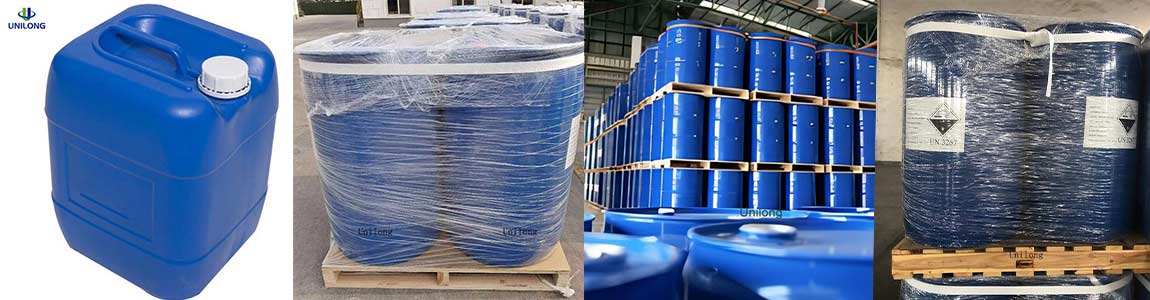
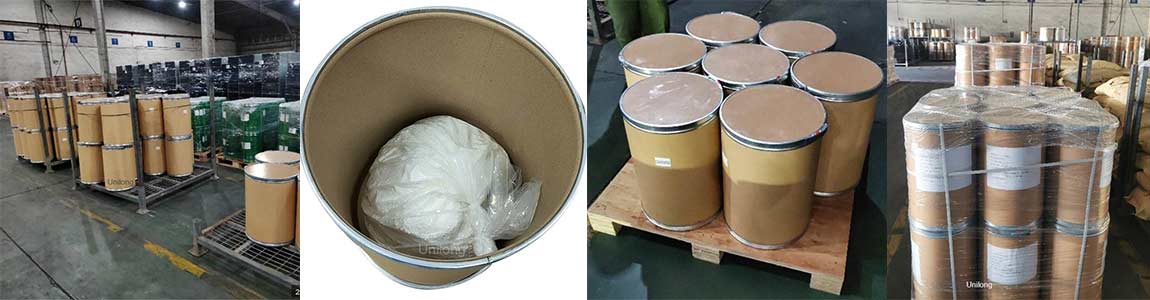
What is Rosehip Oil?

Rosehip Oil (CAS 84603-93-0) is a natural vegetable oil extracted from the seeds of wild rose (Rosa canina or Rosa rubiginosa). Rich in essential fatty acids, vitamins A, C, and E, and natural antioxidants, it is widely recognized in the cosmetics and personal care industries for its skin-regenerating and anti-aging properties. With excellent moisturizing effects and fast absorption, rosehip oil is a premium ingredient in skincare formulations.

Specifica

VOCE STANDARD
Aspetto Liquido giallo
Purezza ≥99%

Applicazione

1. Skincare & Cosmetics

Used in creams, serums, facial oils, and body lotions for hydration and nourishment.

Helps reduce fine lines, wrinkles, scars, and stretch marks.

Supports skin regeneration, making it suitable for sensitive and mature skin care.

2. Hair Care

Incorporated into shampoos, conditioners, and hair oils to restore shine, strengthen strands, and improve scalp health.

3. Pharmaceutical & Therapeutic Uses

Due to its natural anti-inflammatory properties, rosehip oil is applied in formulations for eczema, dry skin, and wound healing.

Caratteristiche

  • Rich in omega-3 and omega-6 fatty acids for deep nourishment.
  • High in vitamins A and C to promote skin renewal and brighten complexion.
  • Powerful antioxidant activity to fight free radicals and support anti-aging.
  • Excellent skin penetration without leaving a greasy residue.
  • Versatile ingredient for both cosmetics and therapeutic products.

Imballaggio

25kg/ drum

Rosehipoil_CAS_84603-93-0_packing3

GLYCERYL MONORICINOLEATE CAS 1323-38-2

CAS:1323-38-2
Purezza: il 99%
Molecular Formula: C21H40O5
Molecular Weight:372.54
EINECS:215-353-8
Periodo di conservazione:2 anno
Synonym:
9-octadecenoicacid,12-hydroxy-,[theta-(z)]-,monoesterwith1,2,3-propanetriol; glyceryl; glycerylricinioleate; (R)-12-hydroxyoleicacid,monoesteChemicalbookrwithglycerol; Surfactol13; Triglycerideofricinoleic,oleic,linoleic,palmitic,stearicacids; 1-Monoricinolein; Glycerol12-hydroxy-9-octadecenoate

What is Glyceryl Monoricinoleate?

Glyceryl Monoricinoleate is a monoester formed by the esterification reaction of ricinoleic acid (a special fatty acid derived from castor oil, containing one hydroxyl group) and glycerol (glycerol). A glycerol molecule is linked to a ricinoleic acid molecule. Its molecular structure contains both hydrophilic groups (free hydroxyl and ester groups) and lipophilic groups (long fatty acid chains), making it an excellent non-ionic surfactant.

Specifica

VOCE STANDARD
Colore Giallo chiaro al marrone
Unppearance Viscous liquids
Valore Di Acidità mgKOH/g ≤12
Numero Di Iodio gI2/100g 65-85
Saponificazione mgKOH/g 155-175
Portare Valore mg/kg ≤2.0

Applicazione

  1. Cosmetics and personal care, used to prepare lotion, creams, lotion, sunscreen products, etc. It can solubilize essence and oil soluble active ingredients
  2. Plastic industry, efficient internal lubricant: used for PVC (polyvinyl chloride) ABS、 Processing of engineering plastics, etc. It can reduce internal friction between polymer molecular chains, lower melt viscosity, improve flowability, facilitate demolding, and hardly affect the transparency of the product.
  3. Coatings and inks, dispersants and leveling agents: used in the preparation of pigment pastes to help disperse pigments, prevent settling, and improve coating leveling.
  4. In other industrial fields, it is used as a lubricating component in metalworking fluids and as a defoamer in the paper industry.

Caratteristiche

  1. Excellent emulsification stability: it can form extremely stable lotion to prevent oil-water separation during storage.
  2. Soluble in most organic solvents and oils, and dispersible in water (due to its non-ionic properties, solubility varies with temperature).
  3. Good compatibility: It is not easy to conflict with other formula ingredients and has high formula flexibility.
  4. Originating from natural oils: Its raw material castor oil is a renewable resource that conforms to the trend of sustainable development.

Imballaggio

50KG/DRUM

GLYCERYL MONORICINOLEATE CAS 1323-38-2-Package-1

Palladium Oxide CAS 1314-08-5

CAS:1314-08-5
Molecular formula:OPd
EINECS:215-218-3
Periodo di conservazione:2 anno
Synonym:
PALLADIUM MONOXIDE; PALLADIUM(II) OXIDE; PALLADIUM OXIDE; PALLADIUM(+2)OXIDE; Palladium oxide pdo; palladiumoxide(pdo); Palladiumoxideblackpowder; Pd87%Palladium(II oxide)

What is Palladium Oxide?

Palladium Oxide, whose chemical formula is PdO, is an inorganic compound that usually appears as a black powder or dark green block.

Palladium oxide is an important inorganic compound with wide application value in many fields.

Specifica

VOCE STANDARD
Aspetto Black or dark green crystalline powder
Purezza 99%
Odore Inodore
Densità ~8.3 g/cm³
Punto Di Fusione Decomposes (~750 °C)

Applicazione

  1. Catalyst: used to catalyze various chemical reactions, such as hydrogenation, dehydrogenation, oxidation, reduction, etc., improve reaction efficiency and selectivity, and reduce production costs.
  2. Organic synthesis: In the pharmaceutical, pesticide, dye, fragrance and other industries, catalyze the Suzuki reaction, Heck reaction, etc., to promote the synthesis of important compounds.
  3. Electronic components: used to manufacture electronic components such as resistors, capacitors, inductors, etc., to improve their performance and reliability, and are used in communication equipment, computers, consumer electronics and other fields.
  4. Fuel cell: As the electrode material of the fuel cell, it promotes the reaction of hydrogen and oxygen and generates electrical energy.
  5. Automobile exhaust purification: used in automobile exhaust purification devices, convert harmful gases such as carbon monoxide and nitrogen oxides into harmless carbon dioxide and nitrogen, reducing environmental pollution.
  6. Ceramics and glass: used to color and enhance material performance, improve product aesthetics and durability.
  7. Jewelry Manufacturing: Used to make high-grade palladium jewelry with unique luster and texture.

Caratteristiche

  1. High temperature stability: It remains stable at high temperature and is suitable for high temperature reaction environment.
  2. Optical characteristics: It has special optical absorption and dispersion effects, and can be used in optical device manufacturing.
  3. Good conductivity: good conductivity in electronic components‌.

Imballaggio

Palladium(II) oxide CAS 1314-08-5 pack-3


Methyl Methacrylate CAS 80-62-6

CAS:80-62-6
Molecular formula:C5H8O2
EINECS:201-297-1
Periodo di conservazione:2 anno
Synonym:
Methyl2-methylacrylate;Methylalpha-methylacrylate;Methylesterof2-methyl-2-propenoicacid;MethylmethylacryChemicalbooklate;Methyl2-methylacrylate;Methyl2-methylpropenate;Methyl-alpha-methacrylate;methylalpha-methylacrylate

What is Methyl Methacrylate?

Methyl methacrylate (MMA) is an important organic compound. It is usually a colorless liquid with volatile, slightly soluble in water, and flammable characteristics.

MMA is the main raw material for the manufacture of polymethyl methacrylate (PMMA). PMMA is widely used in construction, automobile, optical devices and other fields due to its high transparency, impact resistance and other characteristics.

Specifica

VOCE STANDARD
Aspetto Black or dark green crystalline powder
Purezza 99%
Odore Inodore
Densità ~8.3 g/cm³
Punto Di Fusione Decomposes (~750 °C)

Applicazione

Methyl Methacrylate (CAS 80-62-6) is an important industrial monomer applied in:

1. Plastics & Polymers
Primary raw material for PMMA (Polymethyl methacrylate).
Used in automotive, aerospace, and construction materials.

2. Coatings & Paints
An ingredient in high-performance coatings with excellent UV and weather resistance.
Used in road markings, industrial paints, and marine coatings.

3. Adhesives & Sealants
Provides strong bonding, chemical resistance, and durability.
Common in structural adhesives and construction sealants.

4. Textiles & Leather
Applied as a finishing agent for textiles.
Used in leather treatment for gloss and durability.

5. Medical & Dental Materials
Component in bone cement, dental prosthetics, and medical-grade acrylic resins.

Caratteristiche

  1. Transparency: The PMMA formed after polymerization has high transparency, light transmittance can reach more than 92%, and is widely used in optical materials and plexiglass .
  2. Weather resistance: PMMA has good UV resistance and weather resistance, and is suitable for long-term outdoor use.
  3. Processability: Easy to machining and thermoforming, can be made into products of various shapes and sizes.

Imballaggio

190kg/Drum

Methyl methacrylate CAS 80-62-6 pack-3

1,4-Cyclohexanedimethanol CAS 105-08-8

CAS:105-08-8
Purity :≥99.0%
Molecular Formula :C8H16O2
Molecular Weight :144.21
EINECS :203-268-9
Storage Period :2 years
Synonyms:1,4-cyclohexamethylenebismethylol; 1,4-Cyclohexanedimethanol,c&t; 1,4-DI(HYDROXYMETHYL)CYCLOHEXANE; 1,4-DIMETHYLOLCYCLOHEXANE; cyclohex-1,4-ylenedimetChemicalbookhanol; 1,4-CYCLOHEXANEDIMETHANOL,99%,MIXTUREOFCISANDTRANS; 1,4-Cyclohexanedimethanol,cis+trans; 1,4-bis(hydroxymethyl)cyclohexane,mixtureofcisandtrans

What is 1, 4-cyclohexanedimethanol?

1, 4-cyclohexanedimethanol(CAS 105-08-8) is a white waxy solid. Melting point: 43℃ (cis), 70℃ (trans). Boiling point: 286℃. Relative density: 1.150 (20/4℃). The sublimation temperature is 160℃. It is miscible with water and alcohol, soluble in ketones, and almost insoluble in aliphatic hydrocarbons and ether.

Specifica

VOCE STANDARD
Aspetto White waxy Solid
Purezza (%) min.99.0
Moisture wt% max.0.1
Colore APHA max. 10
Trans Isomer Ratio % 70±3
CHDM Intermediates % max.1.0
High Boilers % max.0.5

Applicazione

1, 4-cyclohexanedimethanol CAS 105-08-8 is used in the manufacture of polyester fibers, polyester electrical appliances, unsaturated polyester resins, polyester glazes, polyurethane foams, as well as in the production of lubricants and hydraulic fluids.

Imballaggio

25kg/ drum

1,4-Cyclohexanedimethanol CAS 105-08-8 packing-1


Isobutyl Acrylate CAS106-63-8

CAS:106-63-8
Purity:99.5%
Molecular Formula:C7H12O2
Molecular Weight:128.17
EINECS:203-417-8
Periodo di conservazione: in 2 anni
Synonyms:2-methylpropylacrylate; 2-propenoicacid,isobutylester; 2-propenoicacidisobutylester; ISOBUTYLACRYLATE,99+%; ISOBUTYLACRYLATE,STAB.; Isobutylacrylat; Isobutylacrylate,99%,stab.with100ppm4-methoxyphenol; IsobutylAcrylate(stabilizedwithMEHQ)
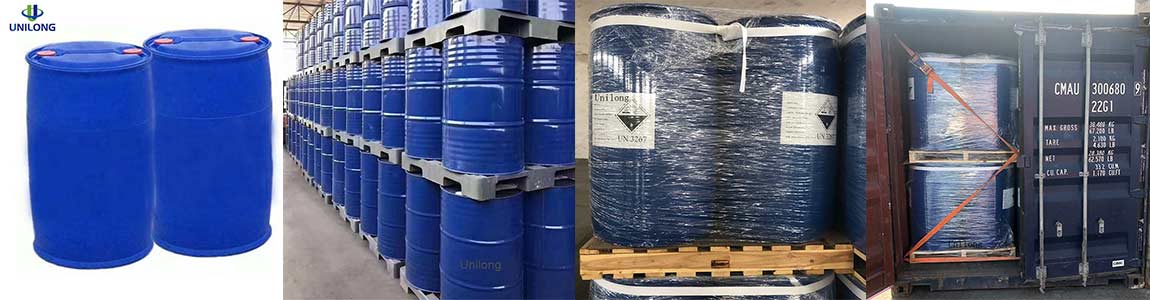
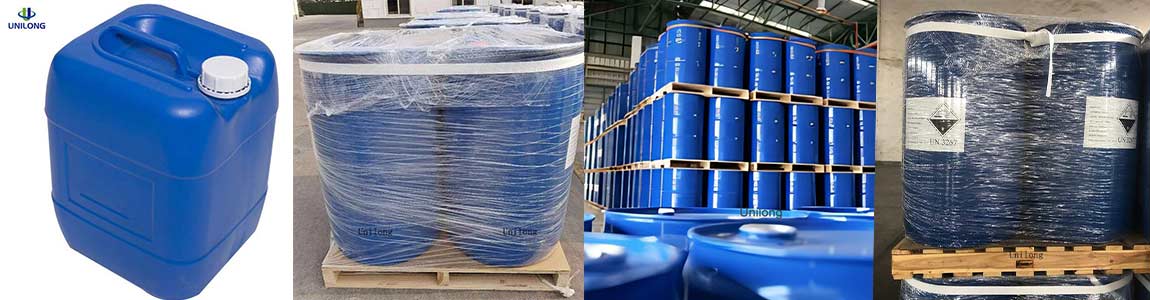
What is Isobutyl Acrylate?

Isobutyl Acrylate is used as an organic synthetic monomer in resins, plastics, coatings, printing inks, adhesives, lubricant additives, dental materials, fiber treatment agents, and paper finishing agents.

Specifica

VOCE STANDARD
Aspetto Un gas Incolore, liquido trasparente
Purezza ≥99.5% (GC)
Acidità (come MAA)  ≤0.02%
L'umidità ≤0.05%

Applicazione

1. Coatings and Paints: Architectural coatings, automotive coatings, industrial coatings, and high-performance coatings. As a comonomer, it provides excellent weather resistance, adhesion, abrasion resistance, chemical resistance, and light resistance.

2. Adhesives and Sealants: Double-sided tape, construction adhesives, electronic adhesives, pressure-sensitive adhesives, and sealants. It improves product flexibility, adhesion, and water resistance, providing stronger bonding performance and durability.

3. Textile Treatment: Fabric coatings and fiber treatments: They enhance fabric abrasion resistance, wrinkle resistance, and stain resistance, improving overall performance.

4. Plastic Modification: Modification of synthetic resins and plastic products, improving plastics’ toughness, hardness, and heat resistance.

5. Other Applications: Paper coatings, leather treatments, lubricant additives, and dental materials.

Caratteristiche

1. Excellent Modification Capabilities: It can effectively enhance key polymer properties such as flexibility, weather resistance, water resistance, and adhesion.

2. Wide Range of Applications: Its properties enable it to meet diverse needs across a wide range of applications, from industrial coatings to household adhesives, from textile finishing to plastic modification.

3. High Reactivity: As a monomer, it readily undergoes polymerization, allowing for fine-tuning of the final polymer’s properties through copolymerization and other methods.

Imballaggio

25kg/drum

Isobutyl acrylate

2-Methyl-4-Isothiazolin-3-One CAS 2682-20-4

CAS:2682-20-4
Molecular Formula:C4H5NOS
Molecular Weight:115.15
EINECS:220-239-6
Periodo di conservazione: in 1 anno
Sinonimo di:
1-(4-CHLOROPHENYL)-3-(3,4-DICHLOROPHENYL)UREA; 2-METHYL-4-ISOTHIAZOLIN-3-ONE; 2-METHYL-4-ISOTHIAZOLINE-3-ONE; 2-METHYL-3(2H)-ISOTHIAZOLONE; N-METHYL-3-OXODIHYDROISOTHIAZOLE; 2-methyl-3(2h)-isothiazolon;Isothiazolone,2-methyl-; Methylisothiazolinone

What is 2-Methyl-4-Isothiazolin-3-One?

2-Methyl-4-Isothiazolin-3-One (Methylisothiazolinone MIT) is a new type of fungicide. Isothiazolinone organic compounds can inhibit the growth and reproduction of various microorganisms (such as bacteria, fungi, yeasts, etc.) and are a widely used broad-spectrum fungicide. Compared with other types of fungicides, isothiazolinone fungicides have advantages such as obvious effects and fast action speed in controlling the growth and metabolism of microorganisms and preventing the formation of biofilms.

Specifica

VOCE STANDARD
Aspetto Slightly green or blue transparent liquid

Conforme

Active ingredient (w/w) 1.5% min
Chlorine ratio (CIT/MIT, w/w) 2.5-4.0

Applicazione

1. Personal care and cosmetics industry
As one of the core preservatives, it is used to inhibit the growth of microorganisms (bacteria, molds, yeasts) in products and extend their shelf life. Common application products include:
Liquid skin care products (such as toner, lotion, essence)
Cleaning products (such as shampoo, body wash, hand sanitizer
Makeup and hair care products (such as lipstick and conditioner)

2. Industrial and commercial fields
It is used for anti-corrosion in various water-based or water-containing systems to prevent product deterioration and performance decline caused by microbial contamination
Coatings and adhesives: Prevent latex paint, water-based coatings and adhesives from getting moldy and smelly during storage and use.
Metalworking fluids: Protect cutting fluids, coolants, etc. from being damaged by bacteria during circulation, extend service life and reduce odors.
Textile printing and dyeing: During the dyeing and finishing process of fabrics, prevent color differences or deterioration of dyeing solutions and auxiliaries due to microbial contamination.
Papermaking and water treatment: It is used in the wet-end systems of pulp and papermaking, as well as industrial circulating water and wastewater treatment systems, to inhibit microbial adhesion (such as biofilms).

3. Home and cleaning fields
Anti-corrosion for household cleaning products, such as:
Multi-functional cleaner, kitchen cleaner, bathroom mold remover
Fabric care products such as laundry detergent and fabric softener

Caratteristiche

  1. Excellent chemical stability and environmental resistance
  2. Unique steric hindrance effect and selective reactivity
  3. Multi-functionality and wide application adaptability

Imballaggio

160kg/Drum

2-Methyl-4-isothiazolin-3-one CAS 2682-20-4 - package-2

Aluminum Hydroxide with CAS 21645-51-2

CAS:21645-51-2
Purity:65%
Molecular Formula:AlH3O3
Molecular Weight:78
EINECS:244-492-7
Periodo di conservazione: in 2 anni
Synonyms:ATH; Aluminiumhydrate; aluminum(iii)hydroxide; aluminumoxide-3h2o; alcoac30bf; alcoac330

What is Aluminum Hydroxide?

Aluminum hydroxide, a white solid, is insoluble in water but soluble in acids and alkalis, making it a typical amphoteric hydroxide. Upon dehydration by heating in air, it can be converted into aluminum oxide, which is of great significance in alumina production. Aluminum hydroxide reacts with both acids to form salt and water, and with strong bases to form salt and water, making it an amphoteric hydroxide. Because it exhibits a certain degree of acidity, it is also called aluminic acid.

Specifica

Contenuto ≥, % >65
Loss on ignition 34.5±0.5%
Silicon dioxide ≤0.02%
Iron oxide ≤0.02%
Sodium oxide ≤0.40%
Attached Water ≤0.2%

Applicazione

Aluminum hydroxide is a widely used chemical product. Industrial-grade aluminum hydroxide is primarily used as a filler in plastics and polymers, a flame retardant and binder in carpets, a filler in epoxy resins, a colorant and coating in papermaking, and in the production of aluminum sulfate, alum, aluminum fluoride, and sodium aluminate; synthesized molecular sieves; a filler in toothpaste; and as a glass ingredient.

Pharmaceutical-grade aluminum hydroxide is primarily used as an antacid, neutralizing gastric acid and protecting ulcer surfaces. It can alleviate symptoms such as acid reflux associated with excessive gastric acid and is suitable for the treatment of gastric and duodenal ulcers, reflux esophagitis, and upper gastrointestinal bleeding. When used in combination with calcium supplements and vitamin D, it can treat neonatal hypocalcemia (tetany).

Caratteristiche

  1. The product is stable and can be mass-produced. Raw materials are abundant, the product is high in purity, and it is easily soluble in acids and alkalis.
  2. It provides filling, flame retardancy, and smoke suppression functions, and is non-toxic and harmless.
  3. It exhibits high thermochemical stability, thermal strength, creep resistance, dielectric properties, and a low coefficient of thermal expansion.

Imballaggio

25kg/bag

Aluminiumhydroxid CAS 21645-51-2 packing-3

Neodecanoyl Chloride CAS 40292-82-8

CAS:40292-82-8
Purezza: il 99%
Molecular Formula:C10H19ClO
Molecular Weight:190.71
EINECS:254-875-0
Storace Perod:Normal temperature storage
Sinonimi:
NDCL;NEODECANOYL CHLORIDE; neodecanoic chloride; Neodecyl chloride;NeodecanoyL; SKL1274; Neodecanoyl chloride (NDCl); 2,5,5-Trimethylheptanoyl chloride

What is Neodecanoyl chloride?

Neodecanoyl chloride appears as a colorless and transparent liquid at normal temperature and pressure. It can be prepared from neodecanoic acid and phosgene as raw materials and is an organic chemical raw material widely used in industries such as coatings, initiators, and polymers.

Specifica

VOCE STANDARD
Aspetto Incolore a liquido giallo-chiaro
Punto di ebollizione 227℃
Punto di infiammabilità. 112℃
Densità (20℃) 0.914g/cm³

Applicazione

Neodecyl chloride is a hydrocarbon derivative and a chemical substance that is widely used in industries such as coatings, initiators, and polymers.

Caratteristiche

Neodecyl chloride is an organic chemical raw material widely used in industries such as coatings, initiators, and polymers. Among them, the majority are used in the preparation of highly efficient initiators, such as tert-butyl neodecanoate peroxide (BNP), isopropylphenyl neodecanoate peroxide (CNP), tert-amyl neodecanoate peroxide and other peroxide ester initiators. The quality of neodecyl chloride directly affects the quality of the initiator.

Imballaggio

200kg/tamburo

Neodecanoyl chloride


Citronella Oil CAS 8000-29-1

CAS: 8000-29-1
EINECS:616-771-7
Periodo di conservazione:2 anno
Synonym:
CYMBOPOGONNARDUS(CITRONELLA)OIL; CITRONELLAGRASSOILF.CYMBOPOGONNARD.RENDLE,NATURAL; CITRONELLAOILJAVA85/35%; Citronellaeaetheroleum/Citronellal,Geraniol; exCymbopogonnardus; CINTRONELLAOIL; CITRONELLAJAVA

What is Citronella Oil?

Lemongrass oil, also known as citronella oil or fragrant grass oil, is an essential oil extracted from lemongrass or citronella plants through steam distillation. It is a clear, pale yellow to light brown, flowable liquid with a distinctive aroma, similar to that of citronellal. It is insoluble in glycerin and propylene glycol, but soluble in most volatile oils, mineral oils, and ethanol.

Specifica

VOCE STANDARD
Il colore e l'Aspetto Yellow or brown-yellow liquid, characteristic aroma of                                lemongrass-like
Densità(20℃) 0.720-1.060
Rotazione Ottica(20℃) -11 °– 6 °
Indice Di Rifrazione(20℃) 1.4160–1.5930
Solubilità(20℃) Add 1 volume

sample to 2 volume of ethanol 80%(v/v), obtaining    a settled solution.

Citronellal ≥31%
Total citronellol and

Citronellal    content

≥85%

Applicazione

It is mainly used in soap, detergent, and also in detergents and insecticides.

Caratteristiche

  1. Safety: As a natural ingredient, it is harmless to the human body.
  2. Antibacterial and anti-inflammatory: It has significant antibacterial and anti-fungal effects.
  3. Natural mosquito repellent: Citronella oil is a natural mosquito repellent.
  4. Multifunctional uses: widely used in daily chemical products (such as perfumes, soaps, detergents), pharmaceutical products (such as mosquito-repellent oils, skin care products) and food flavors.

Imballaggio

160kg/Drum

Citronella oil CAS 8000-29-1

Centella Asiatica Extract CAS 84696-21-9

CAS:84696-21-9
Purezza: il 99%
EINECS:283-640-5
Storace Perod:Normal temperature storage
Sinonimi:
hydrocotyle asiatica extract;Powdered Centella Asiatica Extract;asiatic pennywort herb extract;Hydrocotyle asiatica, ext.;Centella Asiatia;Gotu Kola Herb Extract;

What is Centella Asiatica Extract ?

Centella Asiatica Extract (CAS 84696-21-9) is a natural botanical extract derived from the Centella Asiatica plant, also known as Gotu Kola. Rich in triterpenoids (asiaticoside, madecassoside, asiatic acid, and madecassic acid), it is widely recognized for its skin-repairing, anti-inflammatory, and antioxidant properties.

We supply high-quality Centella Asiatica Extract for use in cosmetics, personal care, pharmaceuticals, and dietary supplements, ensuring consistent purity and performance.

Specifica

Voce Standard
Aspetto Polvere bianca
Pianta di origine Centella asiatica
CAS 84696-21-9
Imballaggio 25kg/drum
Storace Perod Storace Perod

Application:

In the skin care industry: It is often used in face creams, essences, masks, and other skin care products and is appropriate for those with sensitive skin, acne-prone skin, and anti-aging skin. It can help heal wounds more quickly, lessen the production of scars, and mend and nourish the skin.

In the medical field: Traditional medicine uses it to heal wounds from strikes, falls, and other ailments. According to recent medical studies, it can reduce the inflammation caused by chronic skin conditions including psoriasis and eczema. In order to stop infection and encourage healing, it can also be used to exterior wounds. Certain medications, such asiaticoside cream ointment, which has asiaticoside as its primary ingredient, can be used to treat burns, surgical wounds, and other exterior ailments.

In the medical industry, it can be utilized as a raw material for treatments that protect the liver, increase sleep quality, and promote brain function. Its antioxidant properties aid in the body’s removal of free radicals and the prevention of chronic illnesses.

Product Efficacy

Antioxidant: Rich in antioxidant components, it can inhibit the activity of free radicals, prevent oxidative stress responses, fade melanin, and delay skin aging.

Anti-inflammatory: Components such as asiaticoside and hydroxyasiaticoside can reduce the production of inflammatory mediators, inhibit the activity of inflammatory response enzymes, and improve inflammatory skin problems such as acne and allergies.

Promoting collagen regeneration: It can promote the synthesis of collagen, enhance skin elasticity and firmness, improve wrinkles, sagging and other issues, and also stimulate the secretion of hyaluronic acid, which is beneficial for wound and scar repair.

Antibacterial: It has certain inhibitory effects on Staphylococcus aureus, acne short-stick bacteria, etc., can prevent skin infections, and keep the skin clean.

Boosting immunity: It helps enhance skin immunity, strengthen the skin’s resistance to the external environment, and snow oxalic acid can also protect the skin from ultraviolet damage and strengthen the skin barrier.

Imballaggio

25kg/drum

Centella asiatica extract CAS 84696-21-9-pack-3

Stevia Rebaudiana Ext CAS 91722-21-3

CAS:91722-21-3
EINECS :294-422-4
Storage Period :2 years
Synonyms:StevialeafP.E.extract; SteviaP.E./Stevioside;SteviaP.E.extract/Stevioside; Steviarebaudiana,ext.; Mixtureofsteviolglycosides; SteviolGlycosidesSystemSuitability; SteviolGlycosidesSystemSuitability(50mg); STEVIOLGLYCOSIDEEXTRACT,STEVIAREBAUDIANA,REBAUDIOSIDEA22%

What is Stevia Rebaudiana Ext?

Stevia Rebaudiana Ext(CAS 91722-21-3) is a natural sweet substance extracted and separated from the leaves of Stevia rebvia, a perennial herb of the genus Stevia in the family Asteraceae, through processes such as water extraction, alcohol extraction, ion exchange, and crystallization purification. The core active component is stevioside compounds.

Specifica

VOCE STANDARD
Aspetto brown powder
Purezza 100%

Applicazione

1. Food Industry: Reduce calories while retaining the sweet taste experience.

2. Beverage Field: Compatible with various beverages and resistant to processing techniques.

3. Health Supplements and Pharmaceuticals: Balancing sweetness and health attributes

4. Daily Chemicals and Other Fields: Expand the non-edible scenarios of sweeteners

Stevia Rebaudiana Ext Features

1.Health Advantages: It meets the core demands of “sugar control and low calories”

This is the most core competitiveness of stevia extract, especially in line with modern people’s pursuit of a healthy diet

2.Application Advantages: Compatible with multi-scenario processing and highly stable

The physicochemical properties of stevia extract enable it to adapt to complex processing techniques in fields such as food, beverages, and medicine, addressing the “application limitations” of traditional sweeteners.

3. Safety and Sustainability Advantages: Natural origin, low risk‌‌‌‌

Imballaggio

25kg/ drum

Stevia rebaudiana, ext. CAS 91722-21-3

Alpha-L-Ramnosio CAS 3615-41-6

CAS: 3615-41-6
Purezza: 99%
Molecular Formula: C6H12O5
Peso Molecolare: 164.16
EINECS: 222-793-4
Storage Period: 2 year
Synonym: 6-Deoxyhexopyranose; 6-deoxy-l-mannos; 6-Deoxymannose; Isoducitol; L-Mannopyranose, 6-deoxy-; Locaose;Mannose, 6-deoxy-; Rhamnopyranose

What is Alpha-L-Rhamnose?

A natural deoxyhexose (six carbon sugar). It is an important component of various plant polysaccharides (such as gum and tree bark), bacterial cell wall polysaccharides, and many natural product glycosides (such as quercetin and kaempferol glycosides).

Specifica

VOCE STANDARD
Extract the source The leaves of the olive tree belonging to the Oleaceae family
Main components Oleuropein
Oleuropein 10%-80%
hydroxytyroslo 3%-50%

Applicazione

1. Food and beverage industry

Provides a mild sweetness (sweetness about 33% of sucrose) and enhances the overall flavor of food, especially fruit and milk flavors. Due to its low calorific value, it is used to produce low sugar, low calorie functional foods and beverages.

2. Pharmaceutical and health products

It is a key starting material or precursor for the synthesis of quercetin, vitamin B2 (riboflavin), and other flavonoid drugs and health products. The active ingredients in many medicinal plants exist in the form of glycosides with L-rhamnose as the sugar group, which itself has some biological activity.

3. Cosmetics and personal care products

They have good moisture absorption and can help the skin retain moisture. Research suggests that it may have the potential to resist glycation, soothe the skin, and enhance skin barrier function.

4. Chemical industry

Used as chiral building blocks for synthesizing various fine chemicals, surfactants, and chiral compounds.

Caratteristiche

1. Low calorie: The human body metabolizes L-rhamnose through a different pathway than regular sugar, producing very low energy.2. Low sweetness: The sweetness is mild, about 1/3 of sucrose, and will not be too sweet or greasy.
3. Good water solubility and stability: easily soluble in water, stable in properties, and easy to add in the formula.
4. Probiotic properties: It can reach the colon without being digested and be utilized by beneficial bacteria.

Imballaggio

25KG/BAG

alpha-L-Rhamnose CAS 3615-41-6-package-1

Olea Europaea (Olive) Leaf Extract CAS 8060-29-5

CAS:8060-29-5

Storage Period :2 years

Synonyms:OLEA EUROPAEA (OLIVE) LEAF EXTRACT; OLEA EUROPAEA LEAF EXTRACT, OLIVE LEAF EXTRACT; Olive Leaf Extract, 15 Percent

What is Olea Europaea (Olive) Leaf Extract?

Olea Europaea (Olive) Leaf Extract CAS 8060-29-5 is a natural plant extract derived from fresh olive leaves, well known for its high content of oleuropein and polyphenols. This extract offers strong antioxidant, antimicrobial, and anti-inflammatory properties, making it widely used in nutritional supplements, functional beverages, skincare products, and pharmaceuticals. With proven benefits for immune support, cardiovascular health, and blood sugar management, Olive Leaf Extract is an ideal ingredient for the health and wellness industry.

Available in both powder and liquid forms, our Olive Leaf Extract meets food grade, cosmetic grade, and pharmaceutical grade standards, ensuring consistent quality and safety. As a reliable Olive Leaf Extract supplier, we provide bulk and customized solutions to meet your formulation needs.

Specifica

VOCE STANDARD
Aspetto White to off white solid
Purezza ≥40%

Applicazione

It is a natural active ingredient derived from the leaves of the olive tree. In recent years, it has received considerable attention in the fields of skin care products, health supplements and even medicine.

Caratteristiche

  1. Powerful Natural Antioxidant
    Olive Leaf Extract is rich in oleuropein and polyphenols, offering excellent free radical scavenging ability and delaying oxidative stress, making it valuable in food, nutraceutical, and cosmetic applications.

  2. Wide Range of Health Benefits
    Studies show that Olive Leaf Extract supports cardiovascular health, enhances immune defense, and helps regulate blood sugar and cholesterol, making it a preferred ingredient for dietary supplements.

  3. Natural Antimicrobial and Anti-inflammatory
    CAS 8060-29-5 Olive Leaf Extract demonstrates strong antimicrobial and anti-inflammatory properties, suitable for personal care, skincare, and natural protective formulations.

  4. Versatile Applications
    This extract can be widely used in nutritional supplements, functional beverages, skincare formulations, and natural medicine development, offering broad market opportunities.

  5. Safe and Sustainable Source
    Derived from natural olive leaves, the extract is free from synthetic additives, supporting the clean label trend and meeting consumer demand for natural ingredients.

  6. High Quality Standards
    Available in both powder and liquid forms, Olive Leaf Extract CAS 8060-29-5 meets food grade, cosmetic grade, and pharmaceutical grade requirements, ensuring consistent purity and performance.

Perché Scegliere Noi?

1. The products can be customized purity, the production cycle is short, the geographical location is superior, and the base has raw materials.
2. Can support the number of samples including packaging and products, sample delivery 7-15 days, free samples and has a number of well-known logistics and transportation companies, can provide express and sea and air logistics distribution services.
3. Many years of production experience and quality testing department, strict control of product quality and quality, good service.
4. In stock, small quantities can be ready to ship at any time.

Imballaggio

25kg/ drum

OLEA_EUROPAEA_(OLIVE)_LEAF_EXTRACT_CAS_8060-29-5_packing-3

Rhodamine 6G CAS 989-38-8 Fluorescent Probe Pigment Tracer

CAS: 989-38-8

Purity:≥98%

Molecular Formula: C28H31ClN2O3

Molecular Weight: 479.02

EINECS: 213-584-9

Storage Period: Store in a cool, dry place protected from light

Sinonimi:

Rhodamine 6G; C.I. 45160; Basic Red 1; Rh 6G; Aizen Rhodamine 6G

What is Rhodamine 6G?

Rhodamine 6G (CAS 989-38-8) is a high-purity xanthene dye renowned for its brilliant fluorescence and high quantum yield. Rrhodamine 6g dye is an essential tool in advanced scientific research, serving as a laser gain medium, a calibration standard in spectroscopy, and a potent fluorescent tracer.

Rhodamine 6G is a highly fluorescent xanthene dye widely used in biotechnology, laser technology, and analytical chemistry. Rhodamine 6g dye laser exhibits strong absorption and emission in the visible range, making it ideal for applications requiring high fluorescence intensity and photostability.

Specifica

VOCE STANDARD
Aspetto Reddish brown powder
Purezza ≥95%
L'umidità ≤2%
Sostanze insolubili in ≤0.5%

Applicazione

(1) Biological Staining: Used in fluorescence microscopy and flow cytometry for cell and tissue labeling.

(2) Laser Dyes: Active medium in dye lasers due to its high efficiency and tunable output.

(3) Tracer and Detection: Applied in environmental tracing, leak detection, and forensic science.

(4) Ink and Pigment Industry: Used as a colorant in security inks and high-visibility pigments.

(5) Photovoltaic and Optoelectronic Research: Employed in light-harvesting studies and sensor development.

Caratteristiche

(1) High Fluorescence Yield: Intense emission suitable for sensitive detection.

(2) Good Solubility: Rhodamine 6G High purity, soluble in water, ethanol, methanol, and other polar solvents.

(3) Photostability: Resists photobleaching under prolonged illumination.

(4) Compatibility: Stable in various chemical environments and formulations.

(5) Wide Excitation/Emission Range: Ideal for use with common optical equipment.

Imballaggio

1kg/bag or as requested.

Rhodamine 6G CAS 989-38-8 package-3

4-Formylmorpholine CAS 4394-85-8

CAS Number: 4394-85-8

Molecular Formula: C₅H₉NO₂

Molecular Weight: 115.13 g/mol

Appearance: Colorless to light yellow liquid

Purity: ≥99% (typical)

Synonyms: 4-Morpholinecarbaldehyde, Formmorpholime, N-Formylmorfolin, N-Formylmorphol

What is 4-Formylmorpholine CAS 4394-85-8?

4-Formylmorpholine (CAS 4394-85-8) is a versatile organic intermediate that appears as a colorless to pale yellow liquid. With its stable chemical properties, 4-Formylmorpholine is widely used in the pharmaceutical, agrochemical, and fine chemical industries. It serves as a key building block for the synthesis of active pharmaceutical ingredients (APIs) and specialty chemicals.

Also known as 4-Morpholinecarbaldehyde, Formmorpholime, N-Formylmorfolin, and N-Formylmorphol, this compound provides excellent reactivity for further functional group transformations, making it an essential raw material for research and industrial production.

Key Features

High purity with consistent quality

Excellent stability and reactivity

Multiple industrial and research applications

Available in bulk and custom packaging

Applications of 4-Formylmorpholine (CAS 4394-85-8)

1. Pharmaceutical Intermediate

Widely used in the synthesis of active pharmaceutical ingredients (APIs).

Serves as a key intermediate in heterocyclic compound production.

2. Agrochemical Industry

Applied in the manufacturing of crop protection agents and agrochemical intermediates.

3. Fine Chemicals & Specialty Chemicals

Functions as a building block in organic synthesis.

Used for research, chemical modifications, and specialty reagent development.

Why Choose Us as Your 4-Formylmorpholine Supplier?

Reliable manufacturer and supplier of 4-Formylmorpholine CAS 4394-85-8.

Strict quality control ensuring high-purity and batch-to-batch consistency.

Competitive price with flexible supply options, from lab-scale to industrial bulk.

Fast global delivery and professional technical support.

Confezionamento E Stoccaggio

Packaging: Available in 25 kg drums, 200 L barrels, or customized options.

Storage: Keep in a cool, dry, and ventilated warehouse. Protect from heat, moisture, and direct sunlight.

Shelf Life: 12–24 months under recommended storage conditions.

2 Octyl 2H isothiazol 3 one CAS 26530 20 1 Package 1

Thiotriazoline CAS 357172-63-5 | High-Purity Thiotriazolin Supplier

Product Name: Thiotriazoline

CAS Number: 357172-63-5

Molecular Formula: C₆H₈N₄OS

Appearance: White to off-white crystalline powder

Purity: ≥ 99% (pharmaceutical or research grade available)

Synonyms: Thiotriazolin, Thiotriazolineum

What is Thiotriazoline (CAS 357172-63-5)?

Thiotriazoline (CAS 357172-63-5) is a synthetic heterocyclic compound recognized for its strong antioxidant, cardioprotective, hepatoprotective, and neuroprotective effects. It has been widely studied in pharmaceutical research and is often used in the development of drugs aimed at treating cardiovascular diseases, liver disorders, and conditions related to oxidative stress.

With its high biological activity, Thiotriazoline is considered a promising candidate for new drug formulations and clinical applications. It is also used in laboratory research for exploring the mechanisms of oxidative stress, free radical scavenging, and cellular protection.

Key Properties

High Biological Activity: Demonstrates protective effects on heart, liver, and nervous system.

Antioxidant Power: Neutralizes free radicals, reducing cellular damage.

Stability: Chemically stable, ensuring consistency during formulation and storage.

Applications of Thiotriazoline

1. Pharmaceutical Industry

Used in developing cardioprotective agents, hepatoprotective drugs, and neuroprotective therapies.

2. Cardiovascular Support

Studied for its role in reducing myocardial ischemia and improving heart function.

3. Liver Protection

Investigated for its potential to support liver regeneration and protect against toxic damage.

4. Neurological Research

Applied in studies related to oxidative stress in brain tissue and neurodegenerative conditions.

5. Clinical Trials & Drug Development

A valuable ingredient for innovative therapeutic research targeting oxidative damage and related diseases.

Imballaggio

Packaging: 1 kg / 5 kg / 25 kg, or customized based on customer needs

Shelf Life: 24 months under proper storage conditions

Magnesium Citrate CAS 144 23 0 Package 1

Ethyl 4-(1-hydroxy-1-methylethyl)-2-propyl-imidazole-5-carboxylate

CAS Number: 144689-93-0
Molecular Formula: C₁₃H₂₀N₂O₃
Appearance: White to off-white crystalline powder
Purity: ≥99% (customizable grades available)
Synonyms: OMSTint-D, Olmesartan intermediate

What is Ethyl 4-(1-hydroxy-1-methylethyl)-2-propyl-imidazole-5-carboxylate (CAS 144689-93-0)?

Ethyl 4-(1-hydroxy-1-methylethyl)-2-propyl-imidazole-5-carboxylate (CAS 144689-93-0) is a key pharmaceutical intermediate widely used in the synthesis of Olmesartan, an angiotensin II receptor antagonist applied in the treatment of hypertension. Known by the trade name OMSTint-D, this compound plays a critical role in producing high-quality antihypertensive drugs.

With its stable chemical structure and reliable reactivity, CAS 144689-93-0 has become one of the essential intermediates in modern cardiovascular drug manufacturing.

Olmesartan Intermediate Key Features

High Purity: Suitable for pharmaceutical-grade synthesis.

Essential Intermediate: Integral part of Olmesartan production.

Stable and Reliable: Ensures consistent results in industrial-scale synthesis.

Applicazioni

1. Pharmaceutical Manufacturing:

Primarily used in the synthesis of Olmesartan, a well-known antihypertensive medication.

2. Research and Development:

Valuable for laboratories focusing on cardiovascular drug discovery and optimization.

3.Industrial Production:

Applied in large-scale API manufacturing for antihypertensive therapies.

Perché Scegliere Noi?

We are a reliable supplier of Ethyl 4-(1-hydroxy-1-methylethyl)-2-propyl-imidazole-5-carboxylate CAS 144689-93-0 with expertise in pharmaceutical intermediates. Our production follows strict quality standards, ensuring consistent purity and performance for both research and industrial applications.

Consistent Quality Control across all batches

Global Shipping with safe packaging

Technical Support for pharmaceutical development projects

Competitive Pricing for large and small-scale orders

Pacchetto

Packaging: 1 kg / 5 kg / 25 kg, or per customer requirement

Shelf Life: 24 months if properly stored

Polyethylene glycol octadecyl ether 20 CAS 9005 00 9Package 3

Mogroside V (CAS 88901-36-4) | ad Alta Purezza Monaco Estratto di Frutto

Nome Di Prodotto: Mogroside V

Sinonimo: Monaco Estratto Di Frutto

Numero di CAS: 88901-36-4

Formula molecolare: C₆₀H₁₀₂O₂₉

Aspetto: bianco a polvere giallo-chiaro

Specificazione: Mogroside V 10%-98%

Grado: Alimentare E Farmaceutica


Che cosa è Mogroside V?

Mogroside V è il primo composti bioattivi estratti da monaco di frutta (Siraitia grosvenorii), noto anche come Luo Han Guo. Riconosciuto come il più dolce mogroside, Mogroside V (fino a 300 volte più dolce del saccarosio, fornendo zero calorie. Con il suo gusto pulito, stabilità al calore, e il profilo di sicurezza, Mogroside V è diventato uno dei più utilizzati dolcificanti naturali in prodotti alimentari, bevande, nutraceutico e farmaceutico.

A confronto con altri dolcificanti, come monaco zucchero della frutta miscele (monaco estratto di frutto con eritritolo) o stevia, Mogroside V offre una più naturale dolcezza e preferita in alta qualità senza zucchero formulazioni.

Dettagli Del Prodotto

Voce Specifica
Numero di CAS 88901-36-4
Formula Molecolare C₆₀H₁₀₂O₂₉
Aspetto Off-bianco giallo-chiaro della polvere
Specifica Mogroside V 10%-98%
Solubilità Solubili in acqua
Grado Food & Pharmaceutical grade disponibile
Shelf Life 24 mesi se conservati correttamente

Principali Caratteristiche e Vantaggi

1. Naturale a Zero Calorie Dolcificante Ideale per la gestione del peso e diabetico-amichevole diete.

2. Dolcezza alto di Intensità: Fino a 300 volte più dolce lo zucchero da tavola.

3. Pulito, Zucchero-Come Gusto: Nessun retrogusto amaro, a differenza di alcuni dolcificanti naturali.

4. Il calore e la Stabilità pH: Adatti per la cottura, la cucina e le bevande acide.

5. Sicuro per Tutti i Consumatori: Non tossico e ampiamente approvato in applicazioni alimentari.

6. Vantaggi funzionali: Tradizionalmente noto nella medicina Cinese per lenire la gola e il supporto respiratorio.

Applicazioni di Mogroside V

Industria Alimentare E Delle Bevande

Zucchero bevande, bevande gassate e acque aromatizzate

Prodotti da forno e di pasticceria

Prodotti lattiero-caseari come il gelato e lo yogurt

Alimenti funzionali e prodotti per la nutrizione sportiva

Mogroside_V_food_industry

Farmaceutici E Nutraceutici

Senza zucchero sciroppi, pastiglie e compresse

Integratori alimentari e prodotti per la salute

Formulazioni a base di erbe

Mogroside_V_Pharmaceutical

Il Consumo Quotidiano

Sostituzione perfetta per il raffinato lo zucchero nel caffè, tè, e frullati

Mogroside V vs Monaco Zucchero della Frutta

Mentre Mogroside V è l'attivo puro composto da monaco di frutta, monaco di frutta, zucchero di solito si riferisce a miscele di monaco estratto di frutto con eritritolo o altri agenti volumizzanti. Puro Mogroside V offre una maggiore dolcezza intensità e richiede una piccola dose rispetto a monaco lo zucchero della frutta.

Mogroside V vs Stevia

Quando si confrontano monaco di frutta vs stevia, entrambi sono popolari dolcificanti naturali, ma sono significativamente diversi:

Mogroside V (Monk Fruit Extract): Pulizia dolcezza, amarezza, gusto eccellente stabilità.

Stevia: Naturale, ma a volte lascia un amaro o liquirizia-come retrogusto.

Conclusione: Per applicazioni premium, molti produttori preferiscono Mogroside V oltre stevia o di miscele di ottimizzare gusto.

Perché Scegliere La Nostra Mogroside V?

1. Di elevata Purezza (10%-98%) Mogroside per diverse applicazioni.

2. Tecnologia di Produzione avanzata, garantendo qualità costante.

3. Flessibili di Imballaggio: 1kg, 5kg, 25kg batteria o opzioni personalizzate.

4. Globale Capacità di Fornire con la consegna tempestiva.

5. Supporto tecnico per lo sviluppo di applicazioni e la formulazione di orientamento.

Confezionamento E Stoccaggio

Imballaggio: 1kg di lamina di sacchetti di 25kg in fibra di batteria, o imballaggio su misura disponibile

Conservazione: Conservare in un luogo fresco, asciutto, lontano da fonti di calore e umidità

Shelf Life: 24 mesi nelle condizioni di stoccaggio raccomandate

Mogroside V package

Gliceril Monostearato CAS 22610-63-5

CAS:22610-63-5
Formula molecolare :C21H42O4
Peso Molecolare :358.56
EINECS :245-121-1

Sinonimi:1-STEAROIL-RAC-GLICEROLO; 1-MONOOCTADECANOYL-RAC-GLICEROLO; 1-MONOSTEAROYL-RAC-GLICEROLO; 1-MONOSTEARIN; 1,2,3-PROPANTRIOLO 1-OTTADECANOATO; EMALEX GMS-15SE;EMALEX GMS-195; EMALEX GMS-10SE

Che cosa è Gliceril Monostearato CAS 22610-63-5 ?

Gliceril Monostearato è un comune non emulsionante, emolliente, ampiamente utilizzate nei cosmetici, prodotti di cura di pelle, le industrie alimentari e farmaceutiche.

Specifica

VOCE STANDARD
Il contenuto di monogliceridi (%) 40 Min
Acido libero valore

(Come acido Stearico,%)

2.5 Max
Gratuito glicerolo (%) 7.0 Max
Numero di iodio (g/100g) 3.0 Max
Punto di fusione (℃) 50-58
Arsenico (mg/kg) 2.0 Max
Plumbum (mg/kg) 2.0 Max

Applicazione

1.Cosmetici e prodotti di cura di pelle
Emulsionante: Stabilizza olio-miscele di acqua e viene utilizzato in creme, lozioni, dispositivi di rimozione di trucco, etc.
Emollienti: Forma un film protettivo, bloccare l'umidità, e per migliorare la pelle del touch.
Addensante: Aumenta la consistenza del prodotto e migliora la texture durante l'uso.
2.Industria alimentare
Come emulsionante (E471), Gliceril Monostearato è utilizzato nel gelato, pane, margarina, ecc.... per migliorare la consistenza e conservabilità.
3.L'industria farmaceutica
Gliceril Monostearato può essere utilizzato come lubrificante per tablet o una base per unguenti per aiutare gli ingredienti attivi di essere distribuito in modo uniforme.

Pacchetto

25kg/drum

GLYCERYL MONOSTEARATE CAS 22610 63 5 packing 3


Cis-11-Acido eicosenoico CAS 5561-99-9

CAS:5561-99-9
Formula molecolare:C20H38O2
Periodo di conservazione:2 anno

Sinonimo:CIS-11-EICOSENOICACID,STANDARDFORGC; GONDOIC ACIDO; C20:1 (CIS-11) ACIDO CIS-11-ACIDO eicosenoico; ACIDO eicosenoico; DELTA 11 CIS ACIDO eicosenoico; 11-ACIDO eicosenoico; 11C-ACIDO eicosenoico

Che cosa è Cis-11-Acido eicosenoico CAS 5561-99-9?

Cis-11-acido eicosenoico è un acido grasso che si trova naturalmente in molti oli animali e vegetali.

Specifica

VOCE STANDARD
Aspetto Liquido incolore
Purezza(GC) 98%

Applicazione

1.Le materie prime cosmetiche: Cis-11-Acido eicosenoico utilizzati per produrre prodotti di cura della pelle, cura dei capelli prodotti, ecc.... che ha l'effetto di idratare e nutrire la pelle.
2.Detergente produzione: Come materia prima per i tensioattivi, Cis-11-Acido eicosenoico è utilizzato per rendere efficace e delicato detergente prodotti.
Avanzate olio lubrificante: Cis-11-Acido eicosenoico utilizzato per produrre oli lubrificanti con prestazioni eccellenti, adatto per strumenti di precisione e attrezzature meccaniche.

Pacchetto

25kg/drum

cis 11 Eicosenoic acid CAS5561 99 9 powder


Allil metacrilato CAS 96-05-9

CAS:96-05-9
Purezza: il 99.5%min
Formula molecolare: per C7H10O2
Peso Molecolare:126.15
EINECS:202-473-0

Sinonimi:2-metil-2-propenoicaci2-propenylester; 2-Metil-2-propenyl2-propenoato; 2-Propenoicacid,2-metil-2-propenylester;

Che cosa è Allil metacrilato CAS 96-05-9?

Allil metacrilato è un importante agente di reticolazione che fornisce un efficace bifunzionale reticolazione nella seconda fase, esibendo un'eccellente resistenza chimica, resistenza all'urto, l'adesione, durezza e basso ritiro. Esso è utilizzato in materiali dentali, rivestimenti industriali, silicone intermedi, stabilizzanti alla luce, ottica, polimeri, elastomeri, e alcuni di vinile e di acrilato di sistemi polimerici..

Specifica

VOCE STANDARD
Aspetto Un gas Incolore, liquido trasparente
Purezza ≥99.5% (GC)
Acidità (come MAA)  ≤0.02%
L'umidità ≤0.05%
Colore ≤50 (Pt-Co)

Applicazione

1. Costruzione e Materiali di Tenuta: Riempimento a parete/tetto lacune, rivestimenti impermeabile, isolamento acustico. Alta adesione, resistenza di invecchiamento, di lungo termine e di elasticità.
2. La cantieristica navale e Offshore Engineering: Scafo componenti strutturali, anti-corrosione, rivestimenti, dell'isolamento termico e acustico. Acqua di mare, resistenza alla corrosione, la nave di riduzione del peso, e ignifugo.
3. Aerospaziale: Aerei, scafi, ad alta temperatura di componenti di motori e componenti a peso leggero. A bassa densità, ad alta stabilità termica e resistenza a fatica.
4. Adesivi e Sigillanti di: Filettatura di tenuta (automotive/macchine), legno di splicing, e electronic packaging. Rapida essiccazione, resistenza alle vibrazioni, e alte prestazioni di tenuta.
5. Medici e Materiali Ottici: otturazioni Dentali, articolazioni artificiali, LED imballaggio, e schermo LCD, ottico livelli. Biocompatibilità, ad alta trasmittanza della luce, e la resistenza ai raggi UV.
6. Speciali Polimeri di Modifica: l'Indurimento delle resine acriliche, sintesi di silano accoppiamento agenti, e il miglioramento di elastomeri, la resistenza di olio.

Pacchetto

25kg/drum,200kg/tamburo,

Allyl methacrylate CAS96 05 9 Package 1


2-Ottil-2H-isotiazol-3-one CAS 26530-20-1

CAS: 26530-20-1
Purezza: 99%
Formula molecolare: C11H19NOS
Peso Molecolare: 213.34
EINECS: 247-761-7

Sinonimi:2-ottil-3-isothiazolone;2-ottil-4-isotiazolin-3-a;2-N-OTTIL-4-ISOTIAZOLIN-3-ONE;

Che cosa è 2-Ottil-2H-isotiazol-3-one CAS 26530-20-1?

2-ottil-4-isotiazolin-3-one è un bianco a luce gialla fissa in condizioni normali di temperatura e pressione. È insolubile in acqua ma solubile in solventi organici come alcool o etere. È stabile sotto una luce forte e ad alta temperatura. La sua struttura contiene atomi di zolfo ed è soggetta a reazioni di ossidazione a contatto con ossidanti. OIT è un nuovo tipo di altamente efficace e ad ampio spettro fungicida, caratterizzato da alta efficienza, lunga durata, efficacia e nessun danno per l'ambiente.

Specifica

VOCE STANDARD
Aspetto Giallo, trasparente, liquido denso o di cristallo
Purezza (GC) ≥ 98.00%
Punto di fusione Leggi di 25℃
Punto di ebollizione 120°C

Applicazione

2-Ottil-2H-isotiazol-3-one è un nuovo tipo di altamente efficace e ad ampio spettro fungicida, che è ampiamente utilizzato in prodotti cosmetici, vernici, adesivi, materiali da costruzione, prodotti tessili, tessuti, mediche e di assistenza sanitaria e altri campi. Utilizzato come intermedio nella sintesi organica. È in forma liquida, solubile in solventi organici e leggermente solubile in acqua. Si tratta di una bassa tossicità, altamente efficiente e ad ampio spettro fungicida con un forte effetto di uccisione sulla muffa e può raggiungere un'ideale anti-muffa effetto. Può essere ampiamente applicato in molti prodotti come vernici, vernici, oli lubrificanti, lucido da scarpe, in pelle, prodotti chimici, prodotti di legno e di protezione reliquie culturali. È esente da VOC, stabile sotto una luce forte e ad alta temperatura, ha un ampio spettro e altamente efficiente per effetto di sterilizzazione, e può efficacemente prevenire batteri e funghi in plastica.

Pacchetto

25kg/drum,200kg/tamburo,

2 Octyl 2H isothiazol 3 one CAS 26530 20 1 Package 1


Sodio Ossalato Ferrico Idrato CAS 5936-14-1

CAS:5936-14-1
Purezza: il 93%
Formula Molecolare: Per C6FeNa3O12
Peso Molecolare:388.87
Periodo di conservazione: in 2 anni

Sinonimi:FERRO OSSALATO di SODIO; SODIO OSSALATO FERRICO; Sodio trioxalatoferrate(III); Sodio tris(oxalato)ferrato(3-);

Che cosa è il Sodio Ossalato Ferrico Idrato CAS 5936-14-1?

Sodio ferro ossalato è un composto inorganico composto di coordinazione, la forma più comune il triidrato, che appare come il verde smeraldo cristalli o polvere (soluzione acquosa è di colore giallo-verde). È molto di fotosensibilità e si decompone se esposto alla luce, in modo che esso deve essere conservato al riparo dalla luce. È facilmente solubile in acqua, e la sua soluzione, ha proprietà riducenti.

Specifica

Contenuto ≥, % >93.0
Aspetto Verde giallastro
Insolubili in acqua in questione, % 0.02
Cloruro (CIo),% 0.01
Metalli pesanti (misurata dal Pb),% 0.005
PH(10 g/L25℃) 3.5-5.5

Applicazione

1. Materiali fotosensibili e la Tecnologia di Imaging
Sodio ferro ossalato subisce un photoreduction reazione sotto la luce ultravioletta per produrre blu di Prussia, che viene utilizzato nella classica fotografia, il progetto facendo, e la creazione artistica.
2. Sintesi chimica e Catalisi
Sodio Ossalato Ferrico Idrato come tipico di ferro(III) ossalato complesso, è utilizzato per studiare la struttura, la stabilità e le proprietà redox di complessi di metalli di transizione.
3. Batterie di Energia e Materiali
L'ossalato la struttura può servire come intermedio per sodio ioni di litio e litio-ioni batteria, materiali dell'elettrodo.
4. Trattamento Delle Acque Reflue:
In determinate condizioni, ferro ossalato di complessi possono partecipare a Fenton-come reazioni di degradare gli inquinanti organici.

Pacchetto

25kg/tamburo 25kg/bag

unilong product pack 2


Polietilene Glicole Ottadecil Etere 20 CAS 9005-00-9

CAS: 9005-00-9
Purezza: il 99%
Formula molecolare: per C20H42O2
Peso Molecolare:314.54628
Periodo di conservazione: in 1 anno

Sinonimo:POLIOSSETILENE 20 CETOSTEARYL ETERE

Che cosa è il Polietilene Glicole Ottadecil Etere 20 CAS 9005-00-9?

Polietilene glicole stearol etere-20 (nome inglese:) Steareth-20 è un tensioattivo non ionico prodotta dal etherification reazione di acido stearico alcool e glicole polietilenico (PEG). Il numero “20” nella molecola rappresenta il numero medio di unità ripetute nel PEG spezzone di catena. Ha sia idrofile e lipofile proprietà ed è ampiamente usato nel quotidiano chimica, tessile, pulizie industriali e in altri campi.

Specifica

VOCE STANDARD
Aspetto Solido Bianco
Colore ≤30#(Pt-Co)
Nuvola di punti (5%di NACL

la soluzione)

86-91

Applicazione

Nell'industria chimica quotidiana, Polietilene Glicole Ottadecil Etere è un ingrediente chiave nei prodotti di cura della pelle e prodotti per la cura personale. Come emulsionante, è in grado di stabilizzare l'olio e l'acqua e fasi in creme e lozioni, per evitare la stratificazione, e rendere la texture delle creme per il viso e lozioni fine e liscia. Per esempio, è spesso usato in creme idratanti e lozioni per il corpo per raggiungere uno stato stabile di miscela acqua-olio. Allo stesso tempo, Polietilene Glicole Ottadecil Etere può essere aggiunto come un balsamo shampoo e balsamo, che aderiscono alla superficie dei capelli per formare un film protettivo, riducendo l'attrito durante la pettinatura, rendendo i capelli più liscia e più facile da gestire. Si può anche migliorare le proprietà antischiuma e pelle una sensazione di lavare il corpo, e la pelle è meno probabile che si sentono stretti dopo il lavaggio.
Nell'industria tessile, Polietilene Glicole Ottadecil Etere può essere usato come agente di livellamento e l'ammorbidente. Durante il processo di tintura, Polietilene Glicole Ottadecil Etere può promuovere l'uniforme adesione di coloranti per fibre, evitare striature di colore e le differenze di colore, e di garantire la coerenza del colore del tessuto. Allo stesso tempo, Polietilene Glicole Ottadecil Etere, conferisce al tessuto una mano morbida, migliorando il comfort.
Nel settore della pulizia industriale, come emulsionante e disperdente, Polietilene Glicole Ottadecil Etere può emulsionare sostanze che sono difficili da sciogliere nell'acqua, come le macchie di olio e cere, in piccole goccioline e dispersi in acqua, migliorando la capacità di decontaminazione dell'agente di pulizia. Polietilene Glicole Ottadecil Etere è usato spesso in scenari come il metallo, la pulizia delle superfici e rimozione di petrolio da impianti industriali, e ha un basso effetto corrosivo sulle superfici di metallo.

Pacchetto

25kg/tamburo 25kg/bag

Polyethylene glycol octadecyl ether 20 CAS 9005 00 9Package 3


Paraformaldeide CAS 30525-89-4

CAS:30525-89-4
Purezza: il 96%
Formula molecolare: per C8H9NO2 (CH2O)x
Molecolare Peso: 30.03
EINECS:30525-89-4

Sinonimo:ACETALRESIN; PARAFORM; PARAFORMALDEIDE; P-FORMALDEIDE; resina acetalica; RESINA acetalica; POLI(OXYMETHYLENE), ACETATO di END-CAPPED; POLI(TRIOSSANO)

Che cosa è Paraformaldeide CAS 30525-89-4?

Poliossimetilene (POM) è un polimero di formaldeide (ad alto peso molecolare poliossimetilene) con un tipico strutturali lunghezza di otto per cento singole posizioni. Lunga catena poliossimetilene è comunemente utilizzato per la produzione di calore-resistente plastica, noto anche come poliossimetilene materie plastiche (POE, Derlin prodotto da DuPont). Poliformaldeide decompone rapidamente e rilascia leggermente sentente l'odore di formaldeide.

Specifica

VOCE STANDARD
Contenuto di formaldeide (calcolato come la formaldeide)% 96.0%
Aspetto Polvere cristallina bianca, senza visibile impurità
La dissoluzione del tempo, min (42 ℃ bagno di acqua metro) ≤ 45
Acidità (calcolato come acido formico)%

0.03
Valore PH (90g di acqua+10g paraformaldeide) 4.0-8.0


Degree di polimerizzazione 80
Fe≤ 0.002
Contenuto di ceneri≤ 0.3

Applicazione

1. Migliorare la resistenza del materiale in gomma, rivestimenti e adesivi.
2. Disinfezione e anti-corrosione, utilizzato per la sterilizzazione delle aziende agricole, laboratori e attrezzature mediche.
3. Agricoltura, utilizzato per la disinfezione del terreno, per il trattamento delle sementi, e l'inibizione di funghi e batteri. La produzione di insetticidi e fungicidi.
4. Migliorare la resistenza della grinza e ignifugo di tessuti. Inibire la crescita microbica industriale, acqua di circolazione.

Pacchetto

25kg/tamburo 25kg/bag

Paraformaldehyde CAS 30525 89 4 Package 3


Antranilato di metile CAS 134-20-3

CAS:134-20-3
Purity:≥99%
Formula molecolare: per C8H9NO2
Peso Molecolare:151.16
EINECS:205-132-4
Periodo di conservazione:2 anno

Sinonimo:NEROLI; OLIO di NEROLI, ARTIFICIALE; 2-AMMINOBENZOICO ACID METHYL ESTER; ANTHRANILIC ACID METHYL ESTER;

Che cosa è Antranilato di Metile CAS 134-20-3?

Methyl Anthranilate (CAS 134-20-3) is an aromatic ester with a characteristic fruity, grape-like odor. It occurs naturally in concord grapes, oranges, jasmine, and other plants, and is widely used as a flavoring and fragrance ingredient. Known also as Methyl 2-Anthranilate, it is popular in food, beverages, perfumes, and even as a safe bird repellent.

For customers looking for Methyl Anthranilate For Sale, we provide high-purity grades with competitive Methyl Anthranilate Price, suitable for industrial and commercial applications.

Specifica

VOCE STANDARD
Aspetto Incolore o giallo chiaro liquido trasparente
Contenuto % ≥99%

Applicazione

1. Additivo alimentare utilizzato come condimento per essenza di frutta come uva e agrumi, comunemente usato nelle bevande, caramelle, gomme da masticare, etc.

2. Industria profumiera, utilizzato per prodotti chimici quotidiani quali profumi, cosmetici, saponi, ecc.... per fornire il fiore e il profumo di frutta.

3. Nell'industria farmaceutica, è usato in unguenti, spray, etc.

4. Agricoltura, utilizzato come un uccello repellente (come la prevenzione uccelli da beccare colture).

5. Uso industriale, utilizzato per la sintesi di coloranti, filtri UV, etc.

Perché Scegliere Noi?

We are a trusted supplier of Methyl Anthranilate CAS 134-20-3, offering stable quality, reliable supply, and competitive Methyl Anthranilate Price. Whether you need Methyl 2-Anthranilate for food flavoring, fragrance, or agricultural applications, we provide flexible solutions and global delivery.

Pacchetto

25kg/tamburo 25kg/bag

Methyl anthranilate CAS134 20 3 Package 3


Magnesio Citrato CAS 144-23-0

CAS:144-23-0
Purezza: il 99%
Formula Molecolare: Per C6H10MgO7
Peso Molecolare:218.44
EINECS:604-400-1
Periodo di conservazione:2 anno

Sinonimo:MAGNESIUMCITRATEDIBASIC; magnesiumhydrogencitrate; MAGNESIUMCITRATEANHYDROUS;

Ciò che è Citrato di Magnesio CAS 144-23-0?

Citrato di magnesio magnesio organico è un sale formato dalla combinazione di acido citrico e ioni magnesio. Citrato di magnesio appare come una polvere cristallina bianca, inodore, leggermente aspro, facilmente solubile in acido diluito, e ha una bassa solubilità in acqua.

Specifica

VOCE STANDARD
Sensoriale indice Bianco o giallastro in polvere
Mg Dosaggio(su base essiccata)ω/% 14.5-16.4
Cloruro, ω/% ≤0.05
Solfato, ω/% ≤0.2
Arsenico/(mg/kg) ≤3
Metalli pesanti/(mg/kg) ≤50
Calcio, ω/% ≤1
(Fe)/(mg/kg)

Ferro da stiro/(mg/kg)

≤200
PH(50 mg/ml) 5.0-9.0
Perdita all'essiccamento, ω/% ≤2

Applicazione

1. Integratori alimentari: citrato di Magnesio come fonte di supplementazione di magnesio è usato per prevenire e curare la carenza di magnesio, ed è adatto per le persone con insufficiente assunzione di magnesio, scarso assorbimento, o aumento della domanda nella loro dieta (come le donne incinte e gli anziani).
2. Nel campo della medicina: come lassativo, citrato di Magnesio può alleviare costipazione sintomi aumentando intestinale contenuto di acqua, stimolando la peristalsi intestinale; può anche essere combinato con altri farmaci per regolare l'equilibrio elettrolitico del corpo.
3. Industria alimentare Come additivo alimentare (regolatore di acidità, nutrienti fortificatore), è usato nelle bevande, prodotti lattiero-caseari, prodotti da forno, etc. per migliorare il gusto e le caratteristiche nutrizionali del cibo.
4. Cosmetici campo: citrato di Magnesio è utilizzato in piccole quantità nei prodotti skincare, utilizzando le sue proprietà antiossidanti e pH effetti regolatori per contribuire a mantenere la salute della pelle.

Pacchetto

25kg/tamburo 25kg/bag

Magnesium Citrate CAS 144 23 0 Package 1


15-Crown-5 CAS 33100-27-5

CAS:33100-27-5
Purezza: il 99%
Molecular Formula:C10H20O5
Molecular Weight:220.26
EINECS:251-379-6
Periodo di conservazione: in 2 anni

Synonyms:1,4,10,13-Pentaoxacyclopentadecane; 15-Crown-5,1,4,7,10,13-Pentaoxa-cyclo-pentadecane; 15-crown-5 sodium.

What is 15-Crown-5 CAS 33100-27-5?

15-Crown ether-5 is a colorless, transparent, viscous liquid that easily absorbs moisture and is miscible with water. It is soluble in organic solvents such as ethanol, benzene, chloroform, and dichloromethane. It has a strong selective complexing force for sodium ions and is an efficient phase transfer catalyst and complexing agent.

Specifica

Voce Standard
Aspetto Cristallo bianco
Purezza ≥97%
Crystallization point 38-41℃
L'umidità ≤3%

15-crown-5 Uses

1. Phase transfer catalyst

(1) Enhanced organic synthesis: significantly improves the reaction rate and yield in heterogeneous reactions (such as liquid-solid phase systems). For example:
In the benzoin condensation reaction, adding 7% of 15 crown 5 can increase the yield from a very low to 78%.
In the Wurtz coupling method for synthesizing silane, adding 2% of 15-Crown 5-Ether can increase the yield from 38.2% to 78.8%, and shorten the reaction time by 3 hours.

(2) Applicable reaction types: including nucleophilic substitution, redox and metal organic reactions, especially suitable for reactions of insoluble salts (such as potassium cyanide) in organic solvents.

2. Battery electrolyte additive
(1) Suppressing lithium dendrites: In lithium battery electrolytes, 5 crown 15 reduces the ion concentration on the electrode surface by complexing lithium ions (Li⁺), promoting uniform deposition. Experiments show that adding 2% can form a smooth and dense lithium deposition layer, and the cycle life is extended to 178 times (Li|Li symmetric battery).

(2) Improve the reversibility of lithium-oxygen batteries: Regulate the solvation structure of Li⁺, promote the decomposition kinetics of Li₂O₂, and enhance the reversibility of the reaction.

(3) Application of sodium-ion batteries: Utilize its selective complexation of Na⁺ to optimize the sodium ion transmission efficiency.

3. Metal ion separation and detection

(1) Selective extraction: It has high selective complexation ability for cations such as Na⁺ and K⁺, and is used for:
Wastewater treatment of heavy metal ions (such as mercury and uranium).
Recovery of radioactive elements in nuclear waste.

(2) Electrochemical sensors: As recognition molecules, it accurately detects specific ions (such as K⁺ and Na⁺) in blood or the environment with high sensitivity.

4. Medicine and materials science

(1) Drug carriers: Utilize its biocompatibility (some derivatives such as 2-hydroxymethyl-15-crown ether-5) to achieve targeted drug delivery and controlled release.

(2) Preparation of porous liquids: As a solvent host, combined with metal organic polyhedrons (such as MOP-18) to form room temperature porous liquids for gas separation or storage.

5. Other industrial applications

(1) Dye synthesis: Optimize the reaction path to improve dye purity and yield8.

(2) Precious metal catalysis: As a ligand to enhance the activity and stability of catalysts such as platinum and palladium, and reduce the amount of precious metals used.

Pacchetto

25kg/tamburo 25kg/bag

15 Crown 5 CAS 33100 27 5 pack 3


Sodium Tetraborate Decahydrate CAS 1303-96-4

CAS: 1303-96-4
EINECS: 603-411-9
Molecular formula: B4H20Na2O17
Storage Period: 2 year

Synonym: SWABS10MLPEPTONFYSIOLOG.SALINESOL.; SODIUMTETRABORATEDECAHYDRATEBIOXT;Borax,Sodiumtetraborate,decahydrate,sodiumborate,decahydrate

What is Sodium Tetraborate Decahydrate CAS 1303-96-4?

Sodium tetraborate decahydrate is an important inorganic compound, usually white or colorless crystals or powders, slightly sweet and salty, easily soluble in water and glycerin, slightly soluble in ethanol, and alkaline in aqueous solution.

Specifica

VOCE STANDARD
Aspetto Polvere bianca
Purezza ≥99.5%
Solubilità 25.6 g/100 mL
Densità 1.73 g/cm³
Punto di fusione 75°C
Il valore del PH ≤0.001%

Applicazione

1.Sodium Tetraborate Decahydrate used in glass, ceramics, enamels, metallurgy, detergents, cosmetics, pesticides, etc.
2.Agriculture: Sodium Tetraborate Decahydrate used as herbicide for biocidal herbicide in non-cultural areas
3.As a natural detergent or disinfectant (such as decontamination and sterilization of clothing)

Pacchetto

25kg/tamburo 25kg/bag

unilong product pack 3


L-Alanyl-L-Cystine CAS 115888-13-6

CAS:115888-13-6
Purity:≥95%
Molecular Formula:C12H22N4O6S2
Molecular Weight:382.46
Periodo di conservazione: in 1 anno

Sinonimo
L-Alanyl-L-Cystine; N,N’-di-L-alanyl-L-cystine;L-Cysteine, L-alanyl-, bimol. (2→2′)-disulfide, N,n’-bis-l-alanyl-l-cystine

What is L-Alanyl-L-Cystine CAS 115888-13-6?

L-Alanyl-L-Cystine is a dipeptide compound formed by the connection of L-alanine and L-cystine through peptide bonds, featuring a unique chemical structure and potential biological activity.

Specifica

VOCE STANDARD
Aspetto White or off-white crystalline Powder
Total effective content(%) ≥95%
Perdita all'essiccamento ≤5.0%

Applicazione

Sulfur-containing amino acids and their derivatives are often used in skin care product formulations due to their antioxidant properties and the ability to promote skin barrier repair. Alaninyl-l-cystine may function in the following ways:
After being absorbed through the skin, it is decomposed into cysteine, which participates in the synthesis of glutathione in the skin, enhancing antioxidant capacity and reducing the damage of free radicals to the skin (such as delaying aging and improving dullness).
It helps maintain the normal structure of the stratum corneum and may have the potential to moisturize, soothe or enhance the skin’s resistance (specific effects need to be combined with formula design and experimental data).

Pacchetto

25kg/tamburo 25kg/bag

l Alanyl L Cystine CAS 115888 13 6 Package 3


Polyether Modified Siloxane Fluid CAS 134180-76-0

CAS:134180-76-0
Molecular Formula :C15H38O5Si3
Molecular Weight :382.72
EINECS :603-798-4
Storage Period :2 years

Synonyms:Oxirane,methyl-,polymerwithoxirane,mono3-1,3,3,3-tetramethyl-1-(trimethylsilyl)oxydisiloxanylpropylether;

What is Polyether Modified Siloxane Fluid CAS 134180-76-0?

Polyether Modified Siloxane Fluid (CAS 134180-76-0) is a high-performance silicone surfactant that combines the properties of both polyether and siloxane structures. This unique hybrid molecule offers excellent surface activity, wetting, and spreading performance across a wide range of applications. It is widely used in coatings, agriculture, textiles, personal care, and polyurethane foam formulations.

Also known as polyether-modified silicone fluid, it provides outstanding compatibility with organic systems while maintaining the typical low surface tension and gloss enhancement of siloxanes.

Specifica

VOCE STANDARD
Le apparenze Pale yellow transparent

liquido

Viscosità

25℃, mm2/s

30-50
Surface Tension

25℃, mN/m


<21.0

Applicazione

1. Coatings and Paints

Polyether Modified Siloxane Fluid enhances leveling, gloss, and anti-cratering properties in waterborne and solvent-based coatings. It also helps improve substrate wetting and pigment dispersion.

2. Agricultural Sprays

Acts as a powerful silicone surfactant to reduce spray droplet surface tension, ensuring better adhesion and spreading on plant leaves.

3. Textile Finishing

Provides smoothness, softness, and hydrophilicity, making fabrics pleasant to touch while improving antistatic behavior.

4. Polyurethane Foam

Used as a foam stabilizer or control agent to achieve uniform cell structure and improved foam quality.

5. Personal Care and Cosmetics

Offers silky texture, easy spreading, and long-lasting smoothness in skincare and haircare products.

Pacchetto

25kg/drum, 200kg/tamburo

Oxirane CAS 134180 76 0 Packing 3

2-(Perfluorobutyl)ethyl methacrylate CAS 1799-84-4

CAS:1799-84-4
Purity:97%
Molecular Formula:C10H9F9O2
Molecular Weight:332.16
EINECS:217-287-5

Synonyms:1H,1H,2H,2H-PERFLUOROHEXYLMETHACRYLATE; (1H,1H,2H,2H-NONAFLUOROHEXYL)METHACRYLATE;

What is 2-(Perfluorobutyl)ethyl methacrylate CAS 1799-84-4?

2-(perfluorobutyl) ethyl methacrylate is a colorless and transparent liquid with the molecular formula C₁₀H₉F₉O₂. 2-(Perfluorobutyl)ethyl methacrylate has a boiling point of 55 ° C (3mmHg) and a density of 1.402g/ml at 25 ° C. 2-(Perfluorobutyl)ethyl methacrylate is commonly used in coatings, optics, electronics and other fields, and has excellent weather resistance and corrosion resistance.

Specifica

VOCE STANDARD
Aspetto Incolore e trasparente liquido
Purezza   ≥ 97.00%
Punto di ebollizione 55℃
PH (20℃) 6-7
Densità (25℃) 1.402g/ml(25℃)

Applicazione

2-(perfluorobutyl) ethyl methacrylate is an important intermediate for the production of fluorine-containing surface protectants and fluorine-containing surfactants, and is widely used in the fields of textiles (such as fabric finishing agents, antifouling treatment agents), coatings (such as emulsion type, photo-curing type, solvent-based thermoplastic type, thermocuring coatings), as well as in the waterproofing, oil-proofing and antifouling treatment of leather and paper.
2-(Perfluorobutyl)ethyl methacrylate is one of the important intermediates production surface protective agent, widely used in textile, coating, containing fluorine surfactant. It can be used to prepare coatings, optical materials, electronic packaging adhesives, etc.

Pacchetto

200kg/tamburo

2 Perfluorobutylethyl methacrylate CAS 1799 84 4Packing 3

L-Cysteine hydrochloride monohydrate CAS 7048-04-6

CAS:7048-04-6
Purezza: il 99%
Molecular Formula:C3H10ClNO3S
Molecular Weight:175.63
EINECS:615-117-8

Synonyms:(R)-(+)-CYSTEINEHYDROCHLORIDEHYDRATE; H-L-CYS-OHHCLH2O;H-CYS-OHHCLH2O;

What is L-Cysteine hydrochloride monohydrate CAS 7048-04-6?

L-Cysteine Hydrochloride Monohydrate (CAS 7048-04-6) is an important sulfur-containing amino acid derivative widely used in food, medicine, cosmetics, and industrial applications. Its core value stems from the active sulfhydryl group (-SH) within the molecule, which imparts its reducing, antioxidant, and bioregulatory properties.

Specifica

Aspetto Polvere cristallina bianca
Density (at 25℃) / g/cm³ 1.54±0.02
Content (w/%) ≥ 99.00
Punto di fusione (℃) 175
Heavy metals (Pb, w/%) ≤ 0.0010
Total arsenic (As, w/%) ≤ 0.0002
Water solubility test Colorless transparent solution

Applicazione

1. Food Industry
(1) Dough Improver: By breaking the disulfide bonds of flour proteins, it enhances the dough’s extensibility and fermentation efficiency, improves the softness and anti-aging properties of bread and noodles, and the added amount usually does not exceed 0.06g/kg.
(2) Antioxidant and Color Preservative: Inhibits enzymatic browning (such as polyphenol oxidase) of fruits, vegetables, and meat, prolongs shelf life; stabilizes the vitamin C content of natural fruit juice and prevents oxidative discoloration.
(3) Flavor Enhancer: Participates in the Maillard reaction to generate flavor substances in meat and seasonings, improving the taste of food.
2. Cosmetics and Personal Care
(1) Hair Care Products: Regulates keratin disulfide bonds, repairs perm and dye damage, reduces hair loss, and is used in shampoos and conditioners.
(2) Skin Care: Removes UV-induced free radicals and is added to sunscreens and anti-aging products to delay oxidative damage to the skin. 3. Nutrition and feed additives
(1) Nutritional supplements: As an essential amino acid precursor, used in sports supplements and infant formula to support muscle repair and immune function.
(2) Feed applications: Supplementing sulfur-containing amino acids (replacing methionine) to promote the growth of livestock and poultry.
4. Industry and others
(1) Chemical synthesis: As a thiol reagent, used to synthesize drug intermediates such as N-acetylcysteine (NAC).
(2) Scientific research applications: Anaerobic bacteria culture, heavy metal detection reagents, etc.

Pacchetto

25kg/drum

L Cysteine hydrochloride monohydrate CAS 7048 04 6 pack 3

Phenylacetylene CAS 536-74-3

CAS:536-74-3
Purity:98.5%
Molecular Formula:C8H6
Peso Molecolare:102.13

Synonyms:Ethynylbenzene; Phenylacetylene, 98%, pure; 1-Ethynylbenzene; 1-Phenylacetylene; Ethynylbenzene, Phenylethyne;

What is Antioxidant 6PPD CAS 793-24-8?

BThe carbon-carbon triple bond in phenylacetylene and the double bond in the benzene ring can form a conjugated system, which has a certain stability. At the same time, the conjugated system also makes phenylacetylene have a strong affinity for electrons, and it is easy to undergo various substitution reactions. Because it contains triple bonds and unsaturated carbon-carbon double bonds, phenylacetylene has a strong reactivity. Phenylacetylene can undergo addition reactions with hydrogen, halogens, water, etc. to generate corresponding products.

Specifica

VOCE STANDARD
Unppearance Incolore o liquido giallo-chiaro
Purity(%) 98.5%min

Applicazione

1. Organic synthesis intermediate: This is its main use.
(1) Drug synthesis: It is used to synthesize various biologically active molecules, such as certain antibiotics, anticancer drugs, anti-inflammatory drugs, etc. Its alkyne group can be converted into a variety of functional groups or participate in cyclization reactions to construct complex skeletons.
(2) Natural product synthesis: It is used as a key building block to synthesize natural products with complex structures.
(3) Functional molecule synthesis: It is used to synthesize liquid crystal materials, dyes, fragrances, agricultural chemicals, etc.
2. Materials science:
(1) Conductive polymer precursor: Phenylacetylene can be polymerized (such as using Ziegler-Natta catalysts or metal catalysts) to generate polyphenylacetylene. Polyphenylacetylene is one of the earliest conductive polymers studied. It has semiconductor properties and can be used to make light-emitting diodes (LEDs), field-effect transistors (FETs), sensors, etc.
(2) Optoelectronic materials: Its derivatives are widely used in functional materials such as organic light-emitting diodes (OLEDs), organic solar cells (OPVs), and organic field-effect transistors (OFETs) as core chromophores or electron transport/hole transport materials.
(3) Metal-organic frameworks (MOFs) and coordination polymers: The alkyne groups can be used as ligands to coordinate with metal ions to construct MOF materials with specific pore structures and functions for gas adsorption, storage, separation, catalysis, etc.
(4) Dendrimers and supramolecular chemistry: They are used as building blocks to synthesize structurally precise and functionalized dendrimers and participate in supramolecular self-assembly.
3. Chemical research:
(1) Standard substrate for Sonogashira coupling reaction: Phenylacetylene is one of the most commonly used model substrates for Sonogashira coupling (palladium-catalyzed cross-coupling of terminal alkynes with aromatic or vinyl halides). This reaction is a key method for constructing conjugated ene-yne ​​systems (such as natural products, drug molecules, and core structures of functional materials).
(2) Click chemistry: The terminal alkyne groups can efficiently react with azides to undergo copper-catalyzed azide-alkyne cycloaddition (CuAAC) to generate stable 1,2,3-triazole rings. This is a representative reaction of “click chemistry” and is widely used in the fields of bioconjugation, material modification, drug discovery, etc.
(3) Research on other alkyne reactions: As a model compound for studying reactions such as alkyne hydration, hydroboration, hydrogenation, and metathesis.

Pacchetto

200kg/tamburo

Phenylacetylene CAS 536 74 3 pack 3

Antioxidant 6PPD CAS 793-24-8

CAS:793-24-8
Purity:98%
Molecular Formula:C18H24N2
Molecular Weight:268.4
EINECS:212-344-0
Periodo di conservazione:2 anno

Synonym:Antioxidant 6PPD; SANTOFLEX(R)13PASTILLES; 1-N-(4-methylpentan-2-yl)-4-N-phenylbenzene-1,4-diamine;

What is Antioxidant 6PPD CAS 793-24-8?

N-(1,3-Dimethylbutyl)-N’-phenyl-p-phenylenediamine , full name N-(1,3-dimethylbutyl)-N’-phenyl-p-phenylenediamine, Antioxidant 6PPD is a key chemical widely used in the rubber industry at home and abroad, and antioxidant 6PPD is also the direction of the development of anti-aging agents in the future.

Specifica

VOCE STANDARD
Aspetto Dark brown particles
Ash content%   ≤0.10
Heating loss% ≤0.50
Purezza% 98
Punto di congelamento℃ ≥ 45.5

Applicazione

1. Antioxidant 6PPD protection of rubber products and anti-ozone aging: 6PPD can effectively prevent cracking of rubber products due to ozone, especially suitable for rubber parts under dynamic stress, such as tire tread and sidewall.
2. The core anti-aging agent of the tire industry
6PPD is the most widely used anti-aging agent in the global tire industry, suitable for natural rubber and synthetic rubber
3. Inhibit the effects of harmful metals
6PPD has a passivation effect on valence metals such as copper and manganese, which can reduce the catalytic effect of these metals on rubber aging.

Pacchetto

25KG/bag

unilong product pack 7


Butyltriphenylphosphonium Bromide CAS 1779-51-7

CAS:1779-51-7
Purezza: il 99%
Molecular Formula:C22H24BrP
Molecular Weight:399.3
EINECS:217-219-4
Periodo di conservazione: in 2 anni

Synonyms:butyltriphenyl-phosphoniubromide; Phosphonium,butyltriphenyl-,bromide; N-BUTYLTRIPHENYLPHOSPHONIUMBROMIDE;

What is Butyltriphenylphosphonium Bromide CAS 1779-51-7?

Butyltriphenylphosphonium bromide is used in the synthesis of tubulin polymerization inhibitors, which exhibit antimitotic and antitubulin properties. It is also used in the synthesis of 3-phenylpropionic acid, which acts as a dual agonist of peroxisome proliferator-activated receptors that affects the mitochondrial carnitine system.

Specifica

Voce Standard
Aspetto Cristallo bianco
Purezza ≥99%min
L'umidità ≤1%

Applicazione

1. Organic synthesis catalyst
Wittig reaction precursor: as a key intermediate of phosphine ylide, it is widely used in the synthesis of olefin fine chemicals (such as liquid crystal monomers, pharmaceutical intermediates).
Phase transfer catalyst (PTC): promotes the transfer of ionic reagents in heterogeneous reactions, improves reaction rate and selectivity, and is suitable for the synthesis of medicines and pesticides.
2. Functional material synthesis
Polymer curing accelerator: accelerates the cross-linking reaction of polymers such as epoxy resins and improves curing efficiency.
Tubulin inhibitor synthesis: used to prepare anti-mitotic drugs, such as anti-tumor compounds 9.
Peroxisome receptor agonists: synthesize 3-phenylpropionic acid and regulate mitochondrial metabolic function 9.
3. Industrial additives and bactericides
Water treatment and daily chemicals: with high positive charge density and strong bactericidal properties, it is used for microbial control in papermaking, textile printing and dyeing, oil extraction and other fields.
Herbicide: by destroying plant cell growth, it can effectively kill a wide range of weeds (such as weeds and garden weeds), with long-lasting effect and good environmental compatibility

Pacchetto

25KG/bag

Butyltriphenylphosphonium bromide CAS 1779 51 7 pack 3


Sulphur Red 6 CAS 1327-85-1

CAS:1327-85-1
Hydroxyl Value:640±10 (mgKOH /g)
EINECS:1327-85-1
Periodo di conservazione: in 1 anno

Synonym: Sulphur Red Brown 3R.; C.I.53720;Sulfur Bordeaux B-CF; Sulphur Red Brown 3B; Acco Sulfur Bordeaux A-CF; Acco Sulfur Red Brown B-CF; Acco Sulfur Red Brown R-CF;

What is Sulphur Red 6 CAS 1327-85-1?

Purple-brown powder. Sulphur Red 6 is soluble in water and dissolves in sodium sulfide solution, presenting a reddish-brown to brown color. It appears dark blue-purple in concentrated sulfuric acid and forms brown precipitate after dilution. Sulphur Red 6 appears yellowish-brown in an alkaline sodium hyposulfite solution and returns to its normal color after oxidation.

Specifica

VOCE STANDARD
Aspetto Uniform purple-brown powder
Acqua ≦5.0%
Finezza (360 mesh) ≤ 5.0%

Applicazione

Sulfurized red-brown B3R is mainly used for dyeing cotton, linen, viscose fiber, vinylon and their fabrics, as well as for blending various coffee-colored hues with red light. Sulphur Red 6 is also mixed with sulfurized yellow-brown 5G and sulfurized black BN as the three primary colors to dye various shades of gray, camel, light brown, etc. It can also be used for leather coloring.

Pacchetto

25KG/bag

Sulphur Red 6 CAS 1327 85 1 Package 3


3-Mercaptopropionic Acid CAS 107-96-0

CAS:107-96-0
Purezza: il 99%
Molecular Formula:C3H6O2S
Molecular Weight:106.14
EINECS:203-537-0
Periodo di conservazione: in 1 anno

Synonym: 3-mercaptopropionic; 3-mercapto-propionicaci; -mercpato-propionicaci; 3-Sulfanylpropanoic acid; 3-Thiopropionic acid;

What is 3-Mercaptopropionic Acid CAS 107-96-0?

3-Mercaptopropionic Acid (CAS 107-96-0), also known as 3-MPA or 3-Thiopropionic Acid, is a colorless to light yellow liquid with a strong thiol odor. It is an important organic sulfur compound that combines both thiol (-SH) and carboxylic acid (-COOH) functional groups, giving it unique reactivity for various industrial and chemical applications.

This compound is widely used as a building block and intermediate in pharmaceuticals, polymers, electroplating, and corrosion inhibition. Due to its high purity and stability, 3-Mercaptopropionic Acid is preferred by manufacturers worldwide seeking reliable thiol-functional intermediates.

3-hydroxypropionic acid is a direct raw material in organic chemical engineering and is used in pharmaceutical intermediates and electronic chemicals. 3-hydroxypropionic acid is used as an intermediate for the pharmaceutical finarol and also as a stabilizer for polyvinyl chloride. 3-hydroxypropionic acid can be used in transparent products like thioglycolic acid and has excellent thermal stability, which is superior to other stabilizers. 3-hydroxypropionic acid is also used as an antioxidant, catalyst and biochemical reagent.

Specifica


VOCE STANDARD
Aspetto Di colore giallo chiaro liquido trasparente
Contenuto (%) ≥99%
Purezza ≥99%
Odore Strong thiol odor
Punto Di Ebollizione 210–212°C
Solubilità Soluble in water, alcohol, and ether

Applicazione

1. Polymer and Resin Modification

Acts as a chain transfer agent in the polymerization of acrylic and methacrylic esters.

Improves flexibility, toughness, and impact resistance in polymer products.

2. Electroplating and Metal Treatment

Used in nickel and copper electroplating baths as a brightening and leveling agent.

Enhances coating adhesion and corrosion resistance.

3. Pharmaceutical Intermediate

Serves as a key intermediate in the synthesis of active pharmaceutical ingredients (APIs).

Used to introduce thiol functionalities into organic molecules.

4. Corrosion Inhibitors and Additives

Functions as a corrosion inhibitor in industrial fluids.

Can be applied in lubricants and metalworking fluids to improve anti-corrosion performance.

5. Other Chemical Uses

Used in flavor and fragrance synthesis, adhesives, and specialty coatings.

Key Features

High Reactivity: Contains both thiol and carboxyl groups, allowing multiple synthetic reactions.

Excellent Intermediate: Ideal for the synthesis of esters, polymers, and metal chelating agents.

High Purity & Stability: Ensures consistent performance in industrial and research applications.

Wide Industrial Utility: Used across pharmaceuticals, coatings, electroplating, and additives.

Reliable Supply: Bulk and laboratory-grade options available.

Perché Scegliere Noi

As a professional 3-Mercaptopropionic Acid supplier, we offer:

  • High-purity 3-MPA (≥99%) meeting industrial and research standards.

  • Stable global supply with competitive pricing.

  • Customized packaging solutions to meet your requirements.

  • Technical support for formulation and application guidance.

We are a trusted China-based 3-Mercaptopropionic Acid manufacturer and supplier, delivering consistent quality and fast international shipping.

Pacchetto

200KG/tamburo

3 Mercaptopropionic acid CAS 107 96 0 package 3


Ethylene Glycol Di(3-mercaptopropionate) CAS 22504-50-3

CAS: 22504-50-3
Purity: 97%min
Molecular Formula: C8H14O4S2
Molecular Weight:238.32
EINECS:245-044-3
Periodo di conservazione: in 1 anno

Synonyms:Ethylene glycol Di(3-mercaptopropionate); Ethylene glycol Bis(3-mercaptopropionate); EGDMP; GDMP; EGTP;

What is Ethylene Glycol Di(3-mercaptopropionate) CAS 22504-50-3?

Ethylene glycol Di (3-mercaptopropionate) is a colorless to pale yellow liquid at room temperature and pressure. The thiol units in its structure can undergo addition reactions with alkynes under the action of metal catalysts. It can also undergo nucleophilic substitution reactions under the action of alkali.

Specifica

Aspetto Colorless to pale yellow transparent liquid
Contenuto 97% min
Cromaticità 20Hazen max.
Viscosità 10mPaS
Indice di rifrazione 1.51

Applicazione

Ethylene glycol Di (3-mercaptopropionate), as a compound with disulfide units, can be applied in fields such as polymers, rubber, coatings, and biomedicine.

Pacchetto

25KG/drum,200KG/drum,1000KG/drum

Ethylene glycol Di3 mercaptopropionate CAS 22504 50 3 Package 1

Potassium Titanate PKT CAS 12030-97-6

CAS: 12030-97-6
Purity: ≥98%
Molecular Formula: K2O3Ti
Molecular Weight: 174.06
EINECS: 234-748-6
Storage Period: 2 years

Synonyms: POTASSIUM TITANATE; POTASSIUM TITANIUM OXIDE; Titanic acid tetrapotassium salt; potassiumtitanatewhisker; titanate(tio32-),dipotassium; Titanate,dipotassium; dipotassium titanium trioxide; PKT

What is Potassium Titanate PKT CAS 12030-97-6?

Potassium titanate is a white solid with a relative density of 3.1 and a melting point of 1515°C. It reacts with water to form a strong alkaline solution.

Specifica

VOCE STANDARD
Purtiy ≥98%
Colore Polvere bianca
Solubilità in acqua hydrolyzes in H2O to give a strongly alkaline solution [HAW93]
Punto di fusione 1615°C
densità 3.100
Come mg/kg  2.0

Applicazione

Potassium Titanate PKT can be used as thermal insulation material, electrical insulation material, catalyst carrier, and filter material. Compared with asbestos, the friction force is reduced by about 50% and the wear is reduced by about 32% as a friction material. Potassium Titanate PKT is suitable for friction materials such as brakes and clutches. After the surface of potassium titanate is treated with Sb/SnO2 for conductivity, Potassium Titanate PKT can be used as a conductive material, or it can be made into a conductive composite material with plastics. Potassium Titanate PKT can also be used as an ion exchange material and adsorbent

Pacchetto

25kg/drum

POTASSIUM TITANATE CAS 12030 97 6 packing 2

Soya lecithin CAS 308068-11-3

CAS: 308068-11-3
Arsenic: 2ppm MAX.
Assay: 55.0-75.0
Storage Period : 2 years

Synonyms: SOYA LECITHIN; Lecithins, soya,hydrogenated; TIANFU-CHEM Soya lecithin

What is Soya lecithin CAS 308068-11-3?

Soya lecithi is a product of hydrogenated lecithin, with improved stability and functionality, and is widely used in food, medicine, cosmetics and other fields.

Specifica

VOCE STANDARD
Valore Di Acidità 40 MAX.
Iodine Value 10 MAX.
Residue On Iognition 10.0%MAX.
Perdita All'Essiccamento 2.0 MAX.
Metalli Pesanti 20ppm MAX.
Arsenico 2ppm MAX.
Dosaggio 55.0-75.0
Identification(1)-(2) 40 MAX.

Applicazione

Food industry
Emulsifier: Soya lecithin used in chocolate, margarine, ice cream, etc. to prevent oil-water separation.
Antioxidant: Soya lecithin the rancidity of fat-containing foods.
Nutritional additive: provides choline to support brain health and metabolism.

Cosmetics and personal care
Moisturizing and penetration aid: Soya lecithin enhances the absorption of active ingredients, used in lotions and creams.
Mildness: more stable than natural lecithin, suitable for sensitive skin formulas.

Pacchetto

25kg/drum

Soya lecithin CAS 308068 11 3 Packing 2

Amines,C12-14-tert-alkyl CAS 68955-53-3

CAS:68955-53-3
Purezza: il 99%
EINECS:273-279-1
Periodo di conservazione: in 1 anno

Sinonimo
ETHYLC12-C14TERT-ALKYLAMINES; Amine, C12–tert-Alkyl-; C12-14-TERT-ALKYL AMINES); Primene 81-R amine; Tert Aklyl Amine; Amines,C12-14-tert-alkyl; primene81-r; t-Alkyl-C12-14-primaryamines

What is Amines,C12-14-tert-alkyl CAS 68955-53-3?

Tert-alkyl primary amine is a type of amine compound with a specific structure, and its molecular structure simultaneously contains tertiary alkyl groups and primary amino groups (-NH₂).

Specifica

VOCE STANDARD
Aspetto Clear, slight yellow liquid
Colore ≤2
Total Amine Value (mg KOH/g) 280-303
Neutralization Equivalent

(g/mol)

185-200
 

Specific Gravity


0.8-0.82
PH 11-13

Applicazione

1. Surfactant synthesis
Cationic surfactants (such as quaternary ammonium salts) are prepared as intermediates for use in detergents, emulsifiers, bactericides, etc. For instance, tertiary alkyl primary amines react with halogenated alkanes to form tertiary alkyl tertiary amines, Amines,C12-14-tert-alkyl are then quaternized to obtain quaternary ammonium salts, which can be used as fabric softeners or flocculants for water treatment.

2. Catalysts and Ligands
Amines,C12-14-tert-alkyl as an organic base catalyst, it participates in condensation, esterification and other reactions, or acts as a ligand to form complexes with metal ions for catalytic organic synthesis (such as olefin polymerization reactions).

3. Corrosion inhibitors
When added to lubricating oil and fuel oil, Amines,C12-14-tert-alkyl utilizes the polarity of amino groups to adsorb on the metal surface, forming a protective film to inhibit corrosion.

Pacchetto

160kg/drum

AminesC12 14 tert alkyl CAS 68955 53 3 package 2

Naphthenic Acid Sodium Salt CAS 61790-13-4

CAS:61790-13-4
Purezza: il 99%
Molecular Formula:C10H17NaO2
Molecular Weight:192.23055
EINECS:263-108-9

Sinonimo
naphthenic;naphthenicsoap; SODIUM NAPHTHENATE; NAPHTHENIC ACID SODIUM SALT; NAPHTHENIC ACIDS SODIUM SALTS;

What is Naphthenic Acid Sodium Salt CAS 61790-13-4?

Sodium Naphthenate is a metal salt compound formed by the reaction of naphthenic acid with sodium hydroxide. Naphthenic Acid Sodium Salt belongs to anionic surfactants, and its chemical structure and properties make it valuable in multiple fields.

Specifica

VOCE STANDARD
Aspetto Liquido marrone
Dosaggio 98.0-102.0%
Il contenuto di metalli 5±0.2%
Purezza ≥99.0%

Applicazione

1. Industrial field
Coatings and inks: As a drying accelerator (such as naphthenate composite systems of metals like cobalt, manganese, and lead), it accelerates the oxidation and polymerization reaction of resins in paints, shortens the drying time, and enhances the hardness and gloss of the coating. It can also be used as a dispersant to improve the dispersibility of pigments in solvents and prevent sedimentation.
Rubber processing: Used as an activator for rubber vulcanization accelerators, it enhances the vulcanization effect and improves the elasticity and aging resistance of rubber products. It can also be used as a softener to adjust the processing fluidity of rubber.
Metal processing: It serves as an emulsifier and rust inhibitor in cutting fluids and grinding fluids, forming a stable emulsification system to reduce metal surface wear and prevent rust.
Fuel additives: Added to diesel and heavy oil, they improve the combustion performance of the fuel, reduce the formation of carbon deposits, and also have certain anti-emulsification and anti-rust effects.
2. Agriculture and Forestry
Pesticide emulsifier: As an emulsifier for pesticides (such as organophosphorus and pyrethroids), it helps the active ingredients of pesticides to be evenly dispersed in water, enhancing the efficacy and uniformity of spraying.
Wood preservatives: Penetrate into the interior of wood, inhibit the growth of fungi and microorganisms, and extend the service life of wood. They are often used for the anti-corrosion treatment of outdoor wood and wooden building materials.
3. Petroleum industry
Drilling fluid additives: They serve as emulsifiers and lubricants in oil drilling, stabilizing the drilling fluid system, reducing frictional resistance during the drilling process, and enhancing drilling efficiency.
Oil processing: It is used in the process of crude oil dehydration and desalination to disrupt the stability of oil-water emulsions and promote the separation of water and salt.

Pacchetto

25kg/drum

Naphthenic Acid Sodium Salt CAS 61790 13 4 package 3

TAC 2,4,6-Triallyloxy-1,3,5-triazi CAS 101-37-1

CAS:101-37-1
Purity:98%
Molecular Formula:C12H15N3O3
Molecular Weight:249.27
EINECS:202-936-7

Sinonimi:
1,3,5-Triazine,2,4,6-tris(2-propenyloxy)-; 1,3,5-Triazine,2,4,6-tris(2-propenyloxy)-; 2,4,6-Tri(allyloxy)-s-triazine; 2,4,6-triprop-2-ynyloxy-s-triazine;

What is TAC 2,4,6-Triallyloxy-1,3,5-triazi CAS 101-37-1?

Cross-linked TAC(triallylcyanurate) is a tri-functional reaction crosslinking agent that can significantly enhance the strength, rigidity and heat resistance of plastic products, enabling the products to be used for a long time at around 250℃. Therefore, TAC 2,4,6-Triallyloxy-1,3,5-triazi is a new type of crosslinking agent for preparing high-performance unsaturated polyester and acrylic series resin products. TAC 2,4,6-Triallyloxy-1,3,5-triazi is especially suitable for preparing high-temperature resistant and high-strength fiberglass reinforced plastic products. TAC 2,4,6-Triallyloxy-1,3,5-triazi can also be used in the rubber and cable industries as a vulcanization accelerator for highly saturated rubber to enhance the vulcanization effect. It can also be used as a photosensitizer for polyene irradiation crosslinking to reduce the irradiation dose.

Specifica

IoTEM TA-G
Aspetto Giallo pallido liquido
Contenuto (%) ≥ 98.0
Valore di acidità(mgKOH/g) ≤ 0.3
Punto di fusione() 25-27
L'umidità(%) ≤ 0.1
Chroma(APHA) ≤30
Proporzione(23, g/cm3 ) 1.100-1.115

Applicazione

Crosslinked TAC (triallyl cyanurate) is a tri-functional crosslinking agent that can significantly enhance the strength, rigidity and heat resistance of plastic products, enabling the products to be used for a long time at around 250℃.
Therefore, TAC 2,4,6-Triallyloxy-1,3,5-triazi is a new type of crosslinking agent for preparing high-performance unsaturated polyester and acrylic series resin products. It is especially suitable for preparing high-temperature resistant and high-strength fiberglass reinforced plastic products.
TAC 2,4,6-Triallyloxy-1,3,5-triazi can also be used in the rubber and cable industries as a vulcanization accelerator for highly saturated rubber to enhance the vulcanization effect. It can also be used as a photosensitizer for polyene irradiation crosslinking to reduce the irradiation dose.

Pacchetto

25kg/drum

TAC 246 Triallyloxy 135 triazi CAS 101 37 1 Package 1