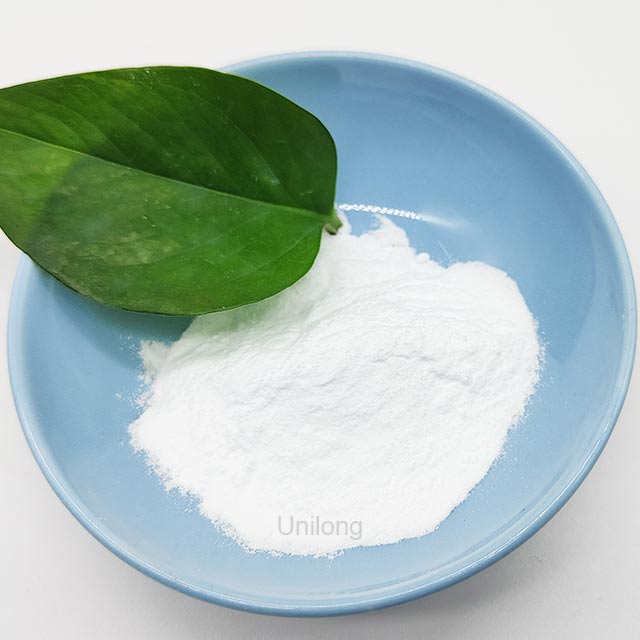
Qu'est-ce que la Glycine CAS 56-40-6?
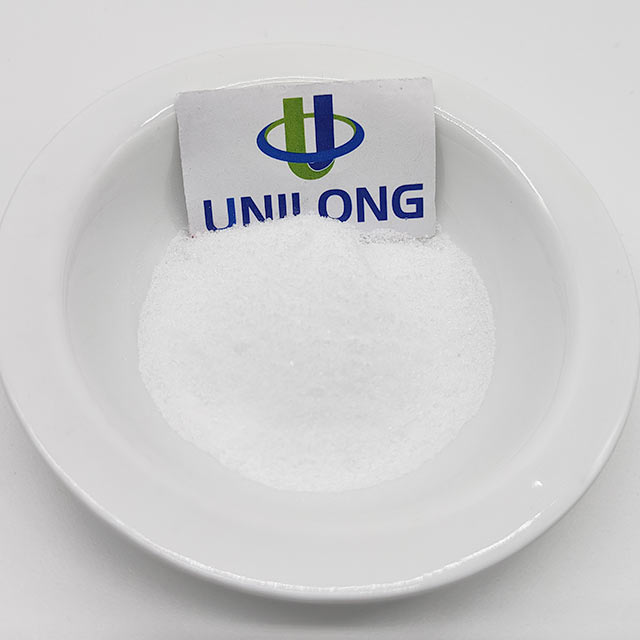
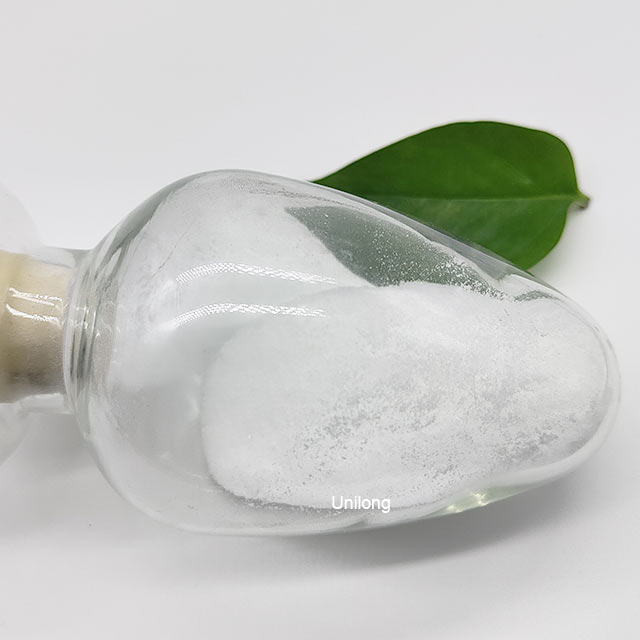
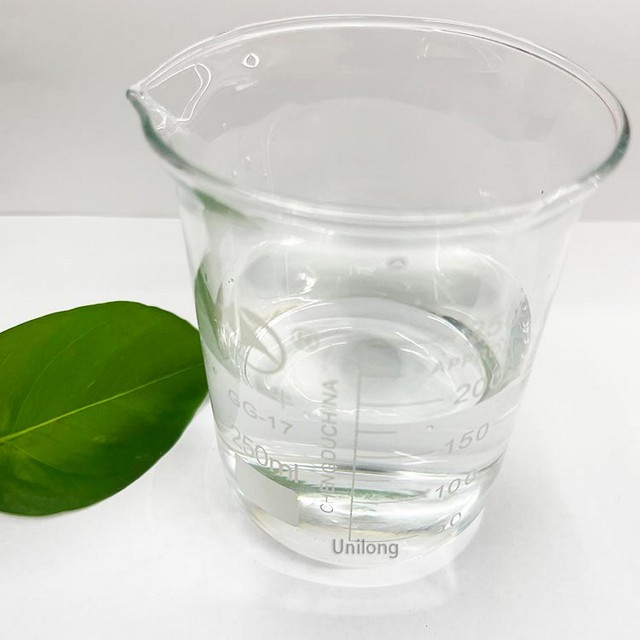
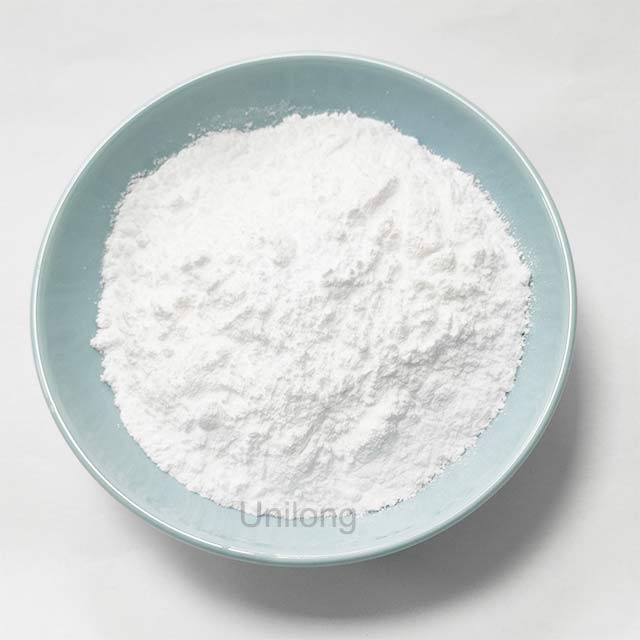
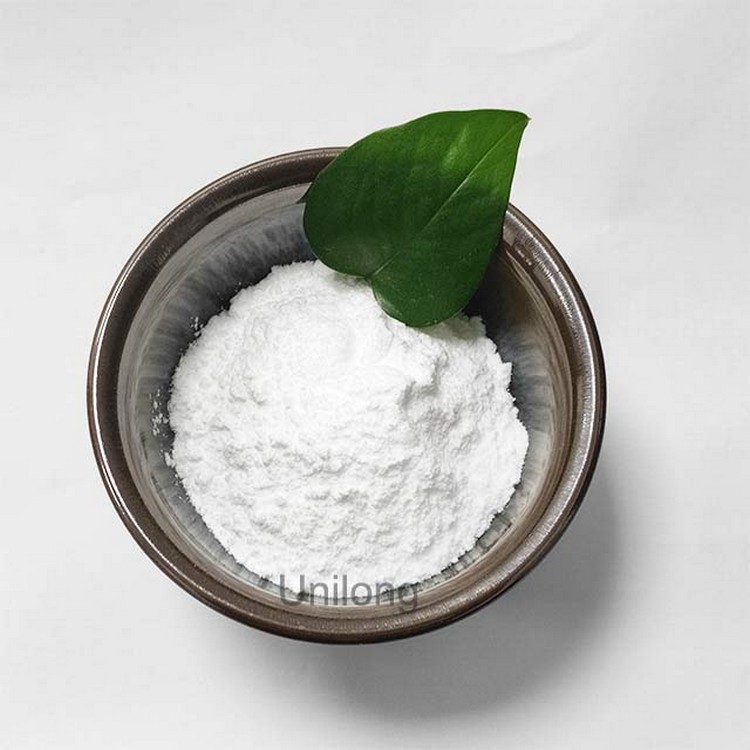
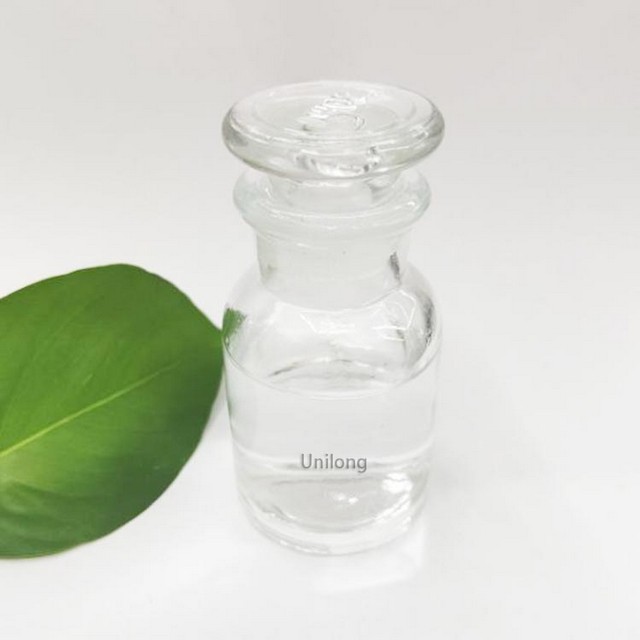
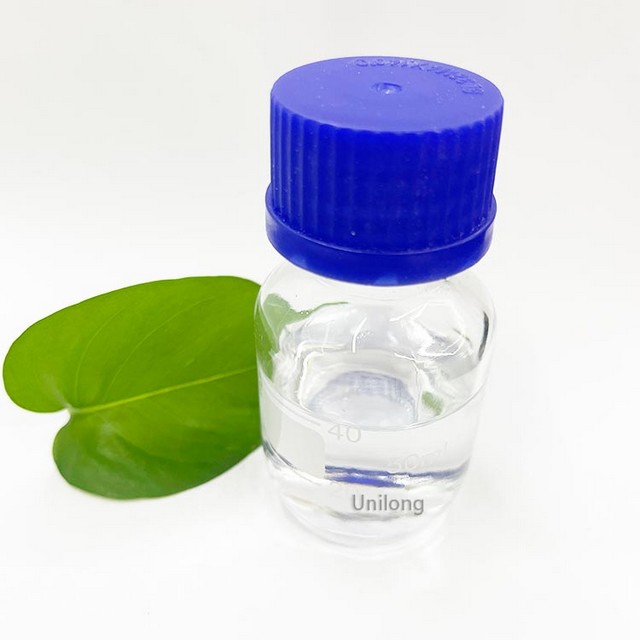
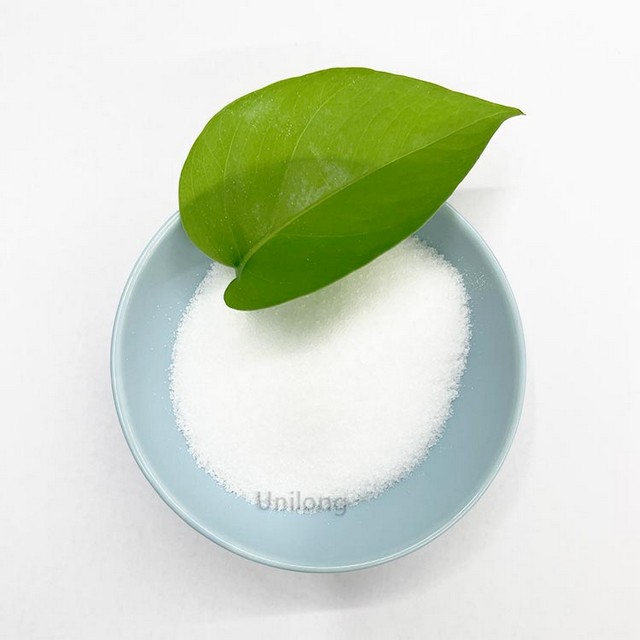
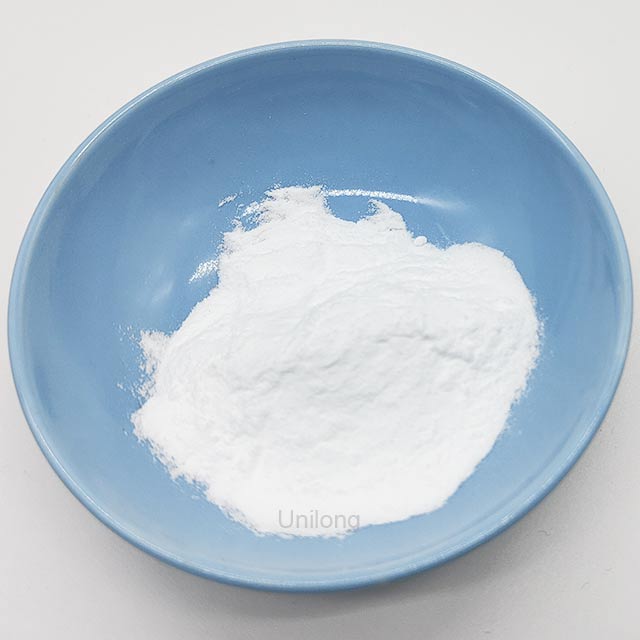
Glycine CAS 56-40-6 is glycine, also known as amino acetic acid, is the most basic substance of protein. Classified as a “non-essential” (also known as conditional) amino acid, glycine can be made in small amounts by the body itself, but because of its numerous beneficial effects, many people can benefit from consuming more food in their diet. Glycine is one of 20 amino acids used to make proteins in the body, which build the tissues that form organs, joints and muscles. Among the proteins in the body, it is concentrated in collagen and gelatin.
Spécification
| Article |
Spécification |
| Point de fusion |
240 °C (déc.) |
| Point d'ébullition |
233°C |
| Densité |
1.595 |
| Pression de vapeur |
0.0000171 Pa (25 °C) |
| Indice de réfraction |
1.4264 |
| Point d'éclair |
176.67°C |
| LogP |
-3.21 |
| L'acidité de ce coefficient (pKa) |
2.35(25℃) |
Application
Glycine acid is used as a solvent to remove carbon dioxide in the fertilizer industry. In the pharmaceutical industry, Glycine acid is used as an amino acid preparation, as a buffer for aureomycin, and as an intermediate of ethyl imidazolate. It is also an adjuvant drug in itself, which can treat neurogenic hyperacid and is effective in inhibiting hyperacid in gastric ulcers. Glycine acid is used in the food industry as a formula and saccharin debase agent for synthetic wine, brewing products, meat processing and refreshing drinks. As a food additive, glycine can be used as a condiment alone, or combined with glutamate, DL-alanine, citric acid, etc. In other industries, it can be used as a pH regulator, added to electroplating solution, or used as a raw material for other amino acids. It is used as a biochemical reagent and solvent in organic synthesis and biochemistry.
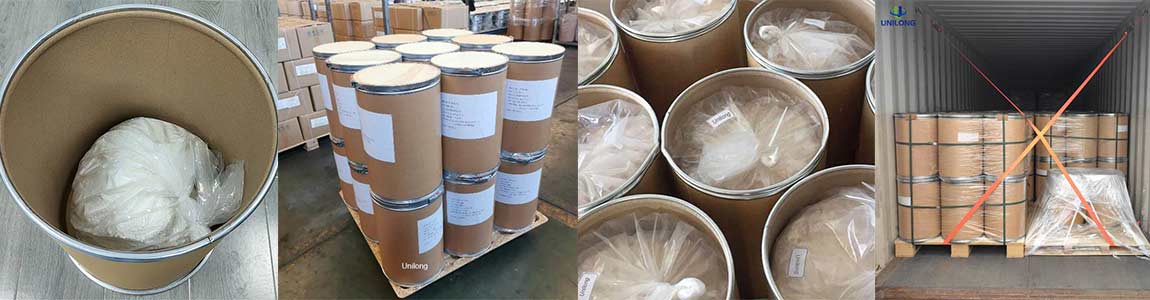
L'emballage
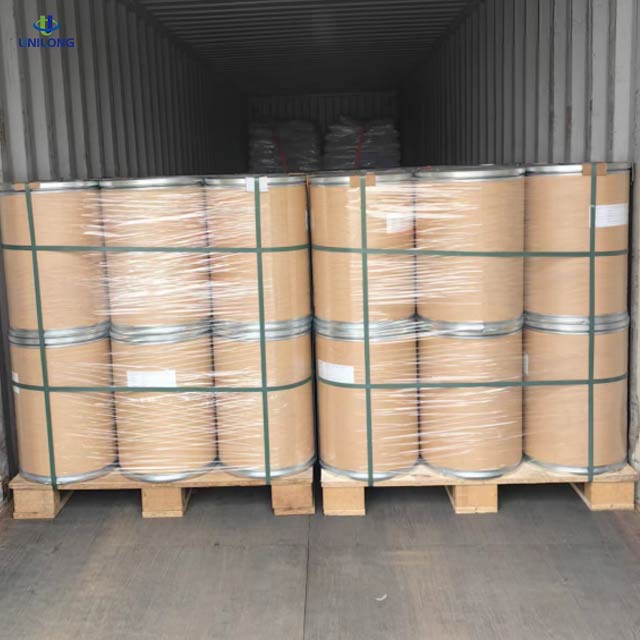
25kg/drum ou selon les exigences du client.
 FR
FR  EN
EN  ZH
ZH  DE
DE  ES
ES  KO
KO  PT
PT  TH
TH  AR
AR  IT
IT  VI
VI  NL
NL  RU
RU