El Desarrollo De La Historia

2008

time leftArtboard 1

Unilong Industria fundada en 2008, la empresa es un cultivo de alta tecnología de la empresa química. Se comenzó a centrarse en los productos químicos finos. Más tarde, se transfiere completamente a la R & D y la producción de la nueva serie de productos.

time rightArtboard 1

2011

Unilong la Industria ha pasado el IS014001 sistema de gestión ambiental de la certificación, y está catalogada como una empresa de alta tecnología en la Provincia de Shandong, que ofrece condiciones favorables para el desarrollo futuro de la empresa.

2012

time leftArtboard 1

La compañía abrió de Shandong sucursal y comenzó a expandirse la dirección de producción relacionados con la cosméticos materias primas y diario de materias primas químicas.

time rightArtboard 1

2016

La empresa abre un polímero de fábrica, ámbito de negocio cubre el R&D, producción y ventas de diarios de química de materias primas, materiales biodegradables y de la impresión en 3D de los materiales.

2017

time leftArtboard 1

Ya hemos logrado relacionados con los productos certificados como ISO9001, BPI DIN NTSQP, etc. Hay un refrán en el mercado "Uli-ECO, te va a gustar".

time rightArtboard 1

2020

Unilong de la Industria se ha convertido en una one-stop comprador y el proveedor del servicio para muchos clientes de todo el mundo. En la actualidad, sus productos se exportan a América del Norte y sudamérica, Europa, Asia, Australia, África del Sur y otras decenas de países y regiones.

2022

time leftArtboard 1

Unilong es mantener las relaciones con la parte superior de alta tecnología de laboratorio y participado en más nuevas y renovables de material de investigación.Con bajas emisiones de carbono de protección ambiental, no tóxico nuevos materiales de la dirección.

slider-CPHI

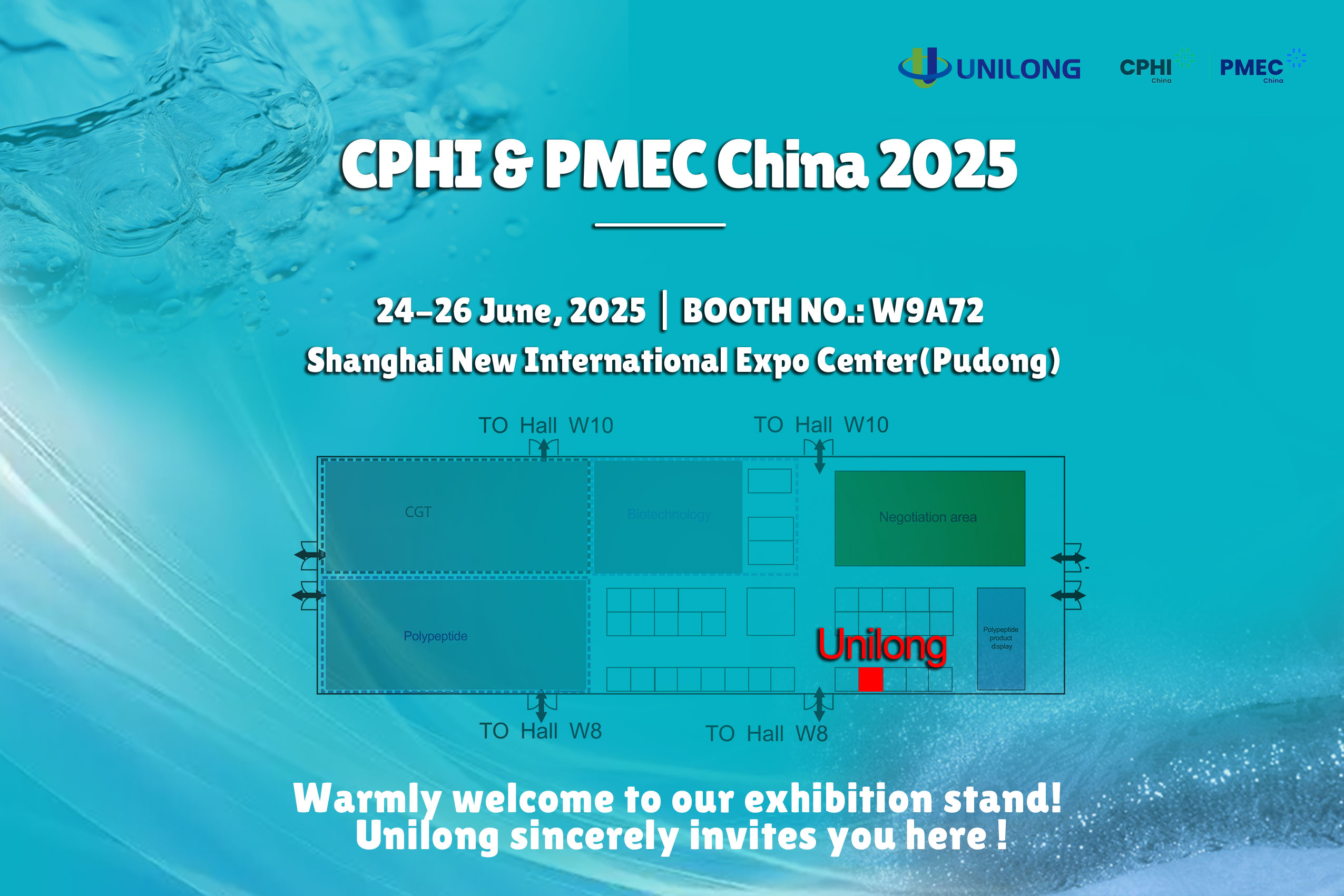
CPHI & PMEC China 2025

BOOTH NO.: W9A72
24-26 June, 2025
Shanghai New International Expo Center(Pudong)

Política De Privacidad

Last updated on June 26, 2024

This Privacy Policy describes the policies of Unilong De La Industria Co.,Ltd., Chemical Industrial Park of Shandong Province. email: info@unilongindustry.com, phone: +86 18653132120 on the collection, use and disclosure of your information that we collect when you use our website ( https://unilongindustry.com/ ). (the “Service”). By accessing or using the Service, you are consenting to the collection, use and disclosure of your information in accordance with this Privacy Policy. If you do not consent to the same, please do not access or use the Service.

We may modify this Privacy Policy at any time without any prior notice to you and will post the revised Privacy Policy on the Service. The revised Policy will be effective 180 days from when the revised Policy is posted in the Service and your continued access or use of the Service after such time will constitute your acceptance of the revised Privacy Policy. We therefore recommend that you periodically review this page.

Uso

We use your personal information to provide you with the services you request, to communicate with you, to resolve issues, to customize your experience, to inform you about our services and Website updates and to measure interest in our Website and Services.

Like many websites, we use “cookies” to enhance your experience and collect information about visitors and visits to our website. Please see the “Do We Use ‘Cookies’?” section below for information about cookies and how we use them.

Disclosure

We will not sell or rent your personal information to third parties for their marketing purposes without your explicit consent. We may disclose personal information to respond to legal requirements, enforce our policies, respond to claims that a posting or other content violates the rights of others, or to protect the rights, property, or safety of anyone. Such information will be disclosed in accordance with applicable laws and regulations. We may also share personal information with service providers who help us conduct our business and with members of our corporate family who may provide joint content and services and help detect and prevent potentially illegal activities. If we plan to merge or be acquired by another business entity, we may share personal information with the other business entity and require the new combined entity to comply with the provisions of this Privacy Policy with respect to your personal information.

Media

If you upload images to the website, Visitors to the website can download and extract any location data from images on the website.

Use Rights

You can access or update the personal information you have provided to us at any time by contacting us at info@unilongindustry.com.

Security

We consider information an asset that must be protected and use a number of tools to protect your personal information from unauthorized access and disclosure. However, as you may be aware, third parties may be able to unlawfully intercept or access transmissions or private communications. Therefore, while we work very hard to protect your privacy, we do not promise, and you should not expect, that your personal information or private communications will always remain private.

slider 2

Unilong Aim To Do Long-term Business.

We Support “Sample Delivery Door To Door Service”
We Support “Return Sample Fee If Quality Is Not Ok”

slider 1

DE ALTA CALIDAD DE LA CARGA

El líder mundial fabricante profesional y distribuidor de química fina de materiales

Nuestra compañía ha pasado la IS0-9001. Y Unilong siempre sigue estrictamente los requisitos de la norma ISO,GB/T los requisitos de control de

Desarrollo

La Seguridad De La Producción De Principio

Orientadas a las personas, que es el encargado y responsable

Seguros de desarrollo, se adhieren a la seguridad es primero

La seguridad tiene el poder de veto

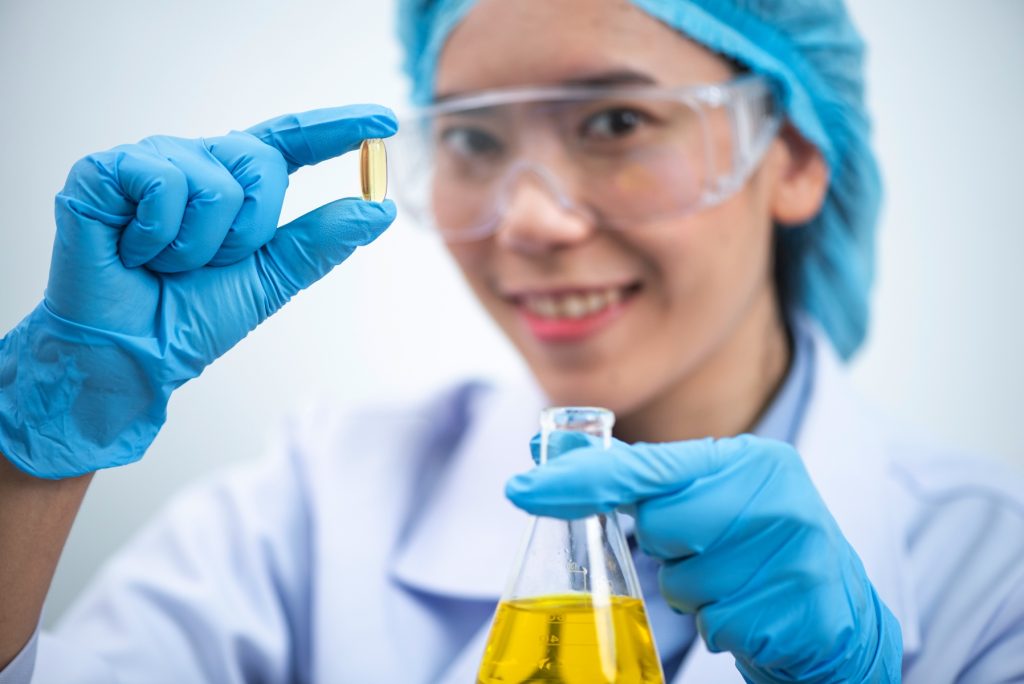
scientists are working in a chemical lab 2022 12 16 02 35 28 utc 01

Poniendo la protección de la vida de las personas y la seguridad es primero

Árbol de la prisión de seguridad en el desarrollo del concepto de

El principio de la búsqueda de la verdad de los hechos y de no ocultar o falsamente de informes de todos los accidentes

La seguridad es la vida

Poner a la gente en primer lugar, la adhesión a un desarrollo seguro, adhiriendo a la seguridad en primer lugar, la prevención y el seguro integral de gobierno.

La clave de la seguridad de la producción es para incrementar la conciencia de la seguridad. La clave es que siempre se adhieren a la orientada hacia las personas de ideología, de empezar desde el establecimiento de la posición dominante de la conciencia, enfatizar que la seguridad es responsabilidad de los gerentes, mejorar la calidad de los empleados de lesiones en múltiples niveles, y construir una sólida seguridad de la pared. Guía a los empleados para que, conscientemente y a participar activamente, y crear un bottom-up, proactivo y espontánea "quiero estar segura" buen ambiente.

Abogando conceptos ecológicos y compartir la vida civilizada

La práctica el concepto de "verde"

Abogando por la conservación de la energía, la conservación del agua, y la reducción del consumo de energía en la vida cotidiana, hemos colaborado con el taller de los sindicatos para organizar a los empleados a aprender en serio el ahorro de energía de los conocimientos y requisitos, tomar la iniciativa en el intercambio de energía-ahorro de experiencias, y profundamente arraigada en los corazones de la gente. Hemos mejorado la detección en línea sistema característico de los contaminantes en la fábrica de límites, la consecución de la norma de emisiones y el desarrollo ecológico.

Servicio

Aseguramiento De La Calidad

La empresa produce en estricta conformidad con los requisitos del sistema de gestión de calidad y ambiental del sistema de protección.
Después De-Servicio De Venta

Dentro de los 30 días después de la entrega, si la calidad del producto es incondicional, el profesional después de equipo de ventas le ayudará a investigar, mediar y resolver, y hacer la debida compensación.

Entrega rápida

Generalmente el envío se hará dentro de 7-15 días en contra de la orden confirmada.

¿Por Qué Elegir Nosotros?

En todo el mundo, casi todos los industriales de la línea de material de stock es muy limitado y el precio está aumentando considerablemente. Así que bajo esta situación, un suministro estable del sistema es más y más importante . Unilong es siempre prestar atención a la cadena de suministro de la construcción del sistema. Ahora disponemos de un material estable proveedor del sistema para que podamos superar la actual situación para velar por nuestra línea de producción funcionando normalmente.Hemos estricto sistema de gestión para cada progreso de Suministro,Producción,Transporte,Venta.

researcher working with glassware glass equipment 2022 12 16 02 40 22 utc 01
Precio Bajo De La Fábrica

Fuerte Sistema de Abastecimiento y Grandes Clientes de Volumen

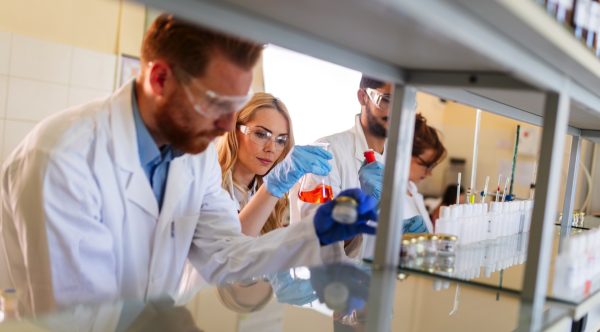
chemical laboratory 2021 09 24 03 15 45 utc 01
Estable Y De Alta Calidad

Tecnología madura y un Estricto Proceso de Control de Calidad

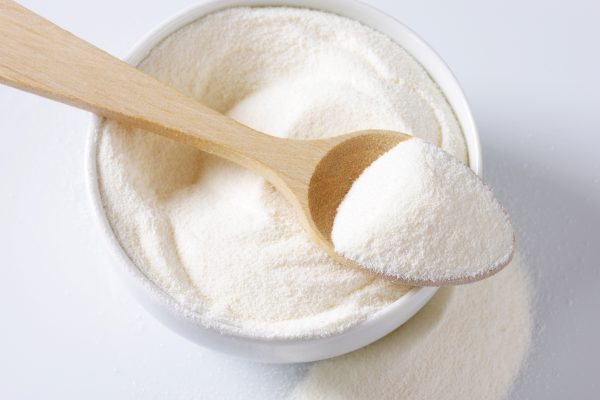
whole milk powder 2021 08 26 17 13 51 utc 2 01
Ejemplo De Servicio

Surport Ejemplo de Servicio y Grandes Clientes de Volumen

serious clinicians studying chemical elements in l 2021 08 31 21 19 19 utc 01
Respuesta Rápida

Con experiencia Vendedor y de Apoyo a la Política

¿Por Qué Nos Eligen?

¿Por Qué Elegir Nosotros?

En todo el mundo, casi todos los industriales de la línea de material de stock es muy limitado y el precio está aumentando considerablemente. Así que bajo esta situación, un suministro estable del sistema es más y más importante . Unilong es siempre prestar atención a la cadena de suministro de la construcción del sistema. Ahora disponemos de un material estable proveedor del sistema para que podamos superar la actual situación para velar por nuestra línea de producción funcionando normalmente.Hemos estricto sistema de gestión para cada progreso de Suministro,Producción,Transporte,Venta.

researcher working with glassware glass equipment 2022 12 16 02 40 22 utc 01
Precio Bajo De La Fábrica

Fuerte Sistema de Abastecimiento y Grandes Clientes de Volumen

chemical laboratory 2021 09 24 03 15 45 utc 01
Estable Y De Alta Calidad

Tecnología madura y un Estricto Proceso de Control de Calidad

whole milk powder 2021 08 26 17 13 51 utc 2 01
Ejemplo De Servicio

Surport Ejemplo de Servicio y Grandes Clientes de Volumen

serious clinicians studying chemical elements in l 2021 08 31 21 19 19 utc 01
Respuesta Rápida

Con experiencia Vendedor y de Apoyo a la Política

Servicio

Servicio

white plane flies in the sky blue background pass 2022 11 08 04 54 32 utc 01
engineer working in container storage yard stand f 2022 11 17 12 36 29 utc 01
container ship sailing in sea 2021 11 11 20 29 28 utc 01

Aseguramiento De La Calidad

La empresa produce en estricta conformidad con los requisitos del sistema de gestión de calidad y ambiental del sistema de protección.

Después De-Servicio De Venta

Dentro de los 30 días después de la entrega, si la calidad del producto es incondicional, el profesional después de equipo de ventas le ayudará a investigar, mediar y resolver, y hacer la debida compensación.
Entrega rápida

Generalmente el envío se hará dentro de 7-15 días en contra de la orden confirmada.

Seguridad

La Seguridad De La Producción De Principio

Orientadas a las personas, que es el encargado y responsable

Seguros de desarrollo, se adhieren a la seguridad es primero

La seguridad tiene el poder de veto

scientists are working in a chemical lab 2022 12 16 02 35 28 utc 01

Poniendo la protección de la vida de las personas y la seguridad es primero

Árbol de la prisión de seguridad en el desarrollo del concepto de

El principio de la búsqueda de la verdad de los hechos y de no ocultar o falsamente de informes de todos los accidentes

La seguridad es la vida

Poner a la gente en primer lugar, la adhesión a un desarrollo seguro, adhiriendo a la seguridad en primer lugar, la prevención y el seguro integral de gobierno.

La clave de la seguridad de la producción es para incrementar la conciencia de la seguridad. La clave es que siempre se adhieren a la orientada hacia las personas de ideología, de empezar desde el establecimiento de la posición dominante de la conciencia, enfatizar que la seguridad es responsabilidad de los gerentes, mejorar la calidad de los empleados de lesiones en múltiples niveles, y construir una sólida seguridad de la pared. Guía a los empleados para que, conscientemente y a participar activamente, y crear un bottom-up, proactivo y espontánea "quiero estar segura" buen ambiente.

Abogando conceptos ecológicos y compartir la vida civilizada

La práctica el concepto de "verde"

Abogando por la conservación de la energía, la conservación del agua, y la reducción del consumo de energía en la vida cotidiana, hemos colaborado con el taller de los sindicatos para organizar a los empleados a aprender en serio el ahorro de energía de los conocimientos y requisitos, tomar la iniciativa en el intercambio de energía-ahorro de experiencias, y profundamente arraigada en los corazones de la gente. Hemos mejorado la detección en línea sistema característico de los contaminantes en la fábrica de límites, la consecución de la norma de emisiones y el desarrollo ecológico.

Nuestra Fábrica

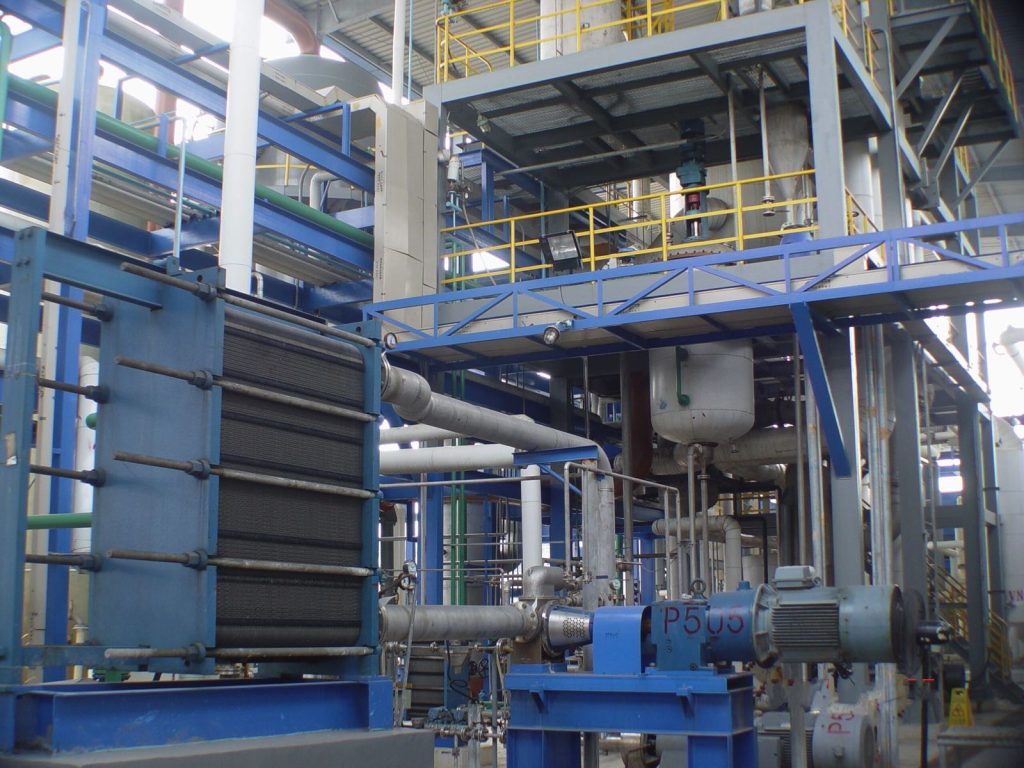
Unilong TALLER

NUESTRA FÁBRICA

Unilong es una confiable fabricante y proveedor en China. Nosotros hemos tenido precios competitivos, estable la calidad del producto, soporte para pedidos de muestra y uno-a-uno de servicio de apoyo técnico son las razones para que usted elija Unilong de la Industria.
La compañía supervisa, controla y opera producción de todos los enlaces en estricta conformidad con los requisitos de la norma ISO9001, ISO14001 y GB/T-28001. En estricta conformidad con los requisitos de la moderna gestión empresarial de las normas, establecer científicos modernos de gestión de los medios y completa y fiable de la gestión del sistema de garantía para el desarrollo sostenible de las empresas.

Nuestra Fábrica

Nuestra Oficina

Transporte y Embalaje

Our customers

La cultura

large business team showing unity with their hands 2022 12 16 02 55 08 utc 01 01
El Desarrollo Del Concepto De

De seguridad, verde, tecnología y servicio

Humanista Concepto

Haciendo hincapié en el orientado a las personas el concepto de gestión, promover la gestión democrática, permite a los empleados participar activamente en la operación y desarrollo de la empresa, estimular a los empleados' de la creatividad, y crear un justo, justo, honesto y benignos de los ecosistemas.

Gestión De Idea

Implementar el sistema, a partir de mí. La integridad Personal y respetuosos de la ley, de trabajo, de empresa y respetuosos de la ley y honesto de la operación.

Crecimiento Del Concepto De Orientación

Las empresas se han dado cuenta de que la formación de los empleados es una inversión esencial para las empresas modernas. Sólo por maximizar el desarrollo y la utilización de los recursos humanos a través de la capacitación, incentivos, y otros medios el valor personal de los empleados se refleja y en la empresa de lograr un desarrollo significativo.

La Cultura De La Empresa

El valor para el usuario es nuestro principio rector, y nos esforzamos para integrar la responsabilidad social en nuestros productos y servicios. La adhesión para el desarrollo del concepto de "seguridad, verde, tecnología y servicio", y cumpliendo con el espíritu de "artesanía" por excelencia. Sólo por ajustando constantemente su estrategia en el medio de cambio, se mantiene sano desarrollo de la vitalidad, y la transformación de esta vitalidad a la inercia, y continuamente se expresa a través de estrategias efectivas, pueden las empresas obtener y fortalecer continuamente las ventajas competitivas, y construir su éxito.

La Visión De La Empresa

Nuestras acciones de cumplir con los estándares éticos y siendo verdadero y transparente. Activamente prestar atención a las cuestiones ambientales, promover el verde de fabricación y producción, y hacer esfuerzos para proteger el medio ambiente. Defendemos el pensamiento innovador, mejorar continuamente y crear valor. Crear valor para los clientes y convertirse en un largo plazo socio de confianza para ellos. El cliente primero el concepto de servicio de mejora continuamente la satisfacción del cliente y establece buenas relaciones con los clientes.

Perfil De La Compañía

ACERCA de Unilong

Perfil De La Compañía

Unilong Industry Co.,Ltd. is a growing high-tech chemical enterprise, and located in Chemical industrial park of Shandong province. Now Unilong company already is a world leading professional manufacturer and distributor for fine chemicals materials.

Unilong Grupo fue creado en 2008 y se dedican principalmente en el polímero y el diario de producción de material de la empresa en China. Nuestros productos tienen ventajas únicas en el mercado y permiten satisfacer las necesidades individuales de nuestros socios. Ya hemos logrado relacionados con los productos certificados, incluyendo  La calidad de la ISO del sistema de gestión ambiental y certificación de un sistema.

Unilong workshop 1 01 1
chemical research 2021 09 24 03 37 36 utc 01
ACERCA de Unilong

Perfil De La Compañía

Desde su creación, hemos actuado de buena fe el principio de la positiva, abierta, después de años de duro trabajo, la compañía ha recibido el título honorífico de la industria.siempre esperamos a las tendencias y ofrecer valor no sólo para los materiales, podemos aplicar también para el proceso de producción, centrándose en la mejora y la innovación. Nuestros productos tienen ventajas únicas en el mercado y permiten satisfacer las necesidades individuales de nuestros socios.

Esperamos sinceramente que nuestra calidad de primera clase, un servicio profesional y de varios productos de composición será la más fuerte de copia de seguridad para todos nuestros valiosos clientes.

ASEGURAMIENTO DE LA CALIDAD

La Estricta Gestión De La Calidad

A través de los años, nuestra empresa se ha convertido en una one-stop comprador y el proveedor del servicio para muchos clientes de todo el mundo. En la actualidad, nuestros productos se exportan a América del Norte y sudamérica, Europa, Asia, Australia, África del Sur y otras decenas de países y regiones. y han cooperado con muchos de renombre internacional de las empresas químicas.

La compañía se adhiere a los valores fundamentales de "la innovación, la integridad, la colaboración, la responsabilidad, y de ganar-ganar", y sinceramente coopera con clientes nacionales y extranjeros para proporcionar mejores servicios con sincero entusiasmo por clientes nacionales y extranjeros.

scientist researching working with chemical fluid 2022 12 16 03 40 26 utc 01
NUESTRA VENTAJA

¿Por Qué Elegir Nosotros

Nos ha convertido en una one-stop comprador y el proveedor del servicio para muchos clientes de todo el mundo.

Experiencia rica de la producción

Unilong Industria tiene 16 años de experiencia en la producción

La Empresa De Alta Tecnología

Unilong de la Industria fue galardonado con el título de "empresa de Alta tecnología en la Provincia de Shandong"

Garantía De Calidad

La muestra está disponible antes de la colocación de la orden a granel para confirmar la calidad que usted requiere. De terceros como CIQ, SGS inspección antes del envío, previa solicitud.

Completar los certificados de

Unilong la Industria ha pasado a través de la norma ISO9001:en 2016, el Certificado del Sistema de Calidad, que tenemos un estricto sistema de control de calidad.

Después De-Servicio De Venta

Dentro de los 30 días después de la entrega, si la calidad del producto es incondicional, el profesional después de equipo de ventas le ayudará a investigar, mediar y resolver, y hacer la debida compensación.
El Reclutamiento Del Trabajo Formulario

El Reclutamiento Del Trabajo Formulario

Posición Número de Género La educación Edad Detalles
Vendedor 6 Ilimitado Especialista y por encima de 22-36 Leer Más
Técnico de laboratorio 2 Ilimitado D. Tel. 30 años de edad y por encima de Leer Más
El equipo de administrador 1 Macho Título de licenciatura o superior 30 años de edad y por encima de Leer Más
Químico técnico 4 Macho Postgrado Ilimitado Leer Más
El administrador de seguridad 2 Macho Postgrado Ilimitado Leer Más

Estrategia de recursos humanos

mid adult male engineer examining machine part on 2022 01 19 00 12 09 utc 01

HR Strategy Introduction

El propósito de talento de selección es fundamentalmente para permitir a las empresas obtener ventajas competitivas y por lo tanto mejorar su competitividad de la base. Específicamente, el propósito de la selección de personal es seleccionar el más adecuado de personal para las necesidades de la empresa desde el reclutados candidatos, con el fin de lograr la empresa la planificación de recursos humanos, prestando atención a que el cultivo de los talentos existentes. Implementar de manera efectiva la empresa estrategia de recursos humanos. En términos de la compensación de los empleados, la empresa realiza evaluación de desempeño para todos los empleados, introduce la presión del mercado y la competencia leal mecanismos internamente, implementa un sistema de sueldos que combina la posición de sueldo y bono de desempeño, y maximiza la motivación de los empleados. La empresa se preocupa por los empleados de las familias y eliminar sus preocupaciones. También puede mejorar la organización de la armonía y la cohesión, mediante el establecimiento de varios grupos de interés y los deportes y actividades de ocio, aumentar las oportunidades sociales, y satisfacer su búsqueda de la felicidad y de las necesidades sociales.

Objetivo Estratégico

Los recursos humanos son el más importante recurso estratégico de nuestra Unilong de la Industria. La calidad de los recursos humanos depende de la calidad de cada uno de los empleados de la compañía. Por lo tanto, la empresa es la construcción de tres equipos de base de la empresa:

asian female manager giving consultation on financ 2022 03 29 08 48 56 utc 01

Operación y gestión de personal

Construir un equipo que es bueno en la gestión, posee una buena ética profesional, y es experto en el uso de modernos métodos de gestión para administrar el personal.

group of young researchers analyzing chemical data 2022 04 13 21 49 49 utc 01

Profesional del personal técnico de

Construir un equipo de personal técnico con alta profesionalidad, capacidad de innovación, manteniendo con tecnologías de vanguardia, y continuamente enriquecer la tecnología básica de la empresa.

woman operating pharmaceutical production 2021 09 24 04 16 58 utc 01

En la línea de frente operador de equipo

Construir un equipo de técnicos superiores trabajadores y trabajadores en general con buena capacidad de adaptación, capacidad de coordinación, la diligencia, la perseverancia, y un alto nivel de profesionalismo.

Gracias

Gracias

Submission successful !

Thank you for submitting your information, our sales manager will contact you as soon as possible.

You can navigate through our menu or use this search bar.

Preguntas frecuentes

El precio de fábrica.usted puede enviar su consulta(nombre del producto,la cantidad, el destino que usted quiera)a nosotros libremente. Puede ponerse en contacto con usted dentro de 24 horas.

  • una.Usted puede probar el ejemplo como pocos gramos/kilogramos.
  • b.Usted también puede colocar una pequeña orden como una/unos tambores como un camino orden. A continuación, puede colocar la orden a granel después de su prueba. Tenemos confianza en nuestra calidad.

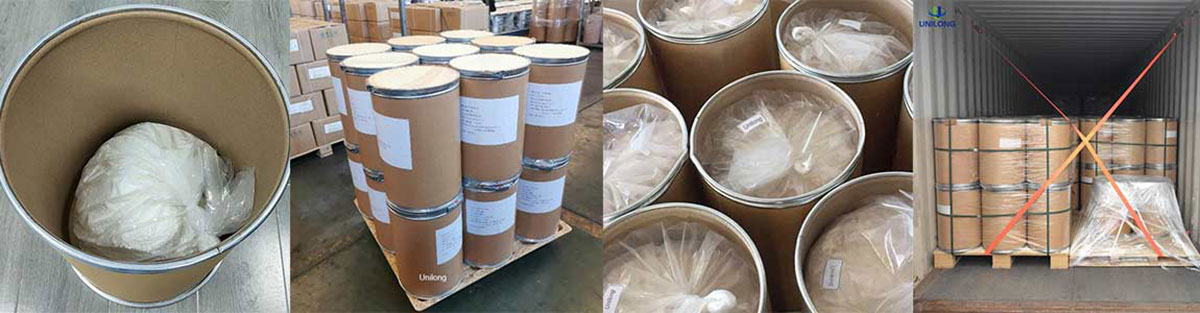
Hemos estricto proceso de capacitación sobre el SOP de Embalaje y Envío. Detallada SOP perfil está disponible para diferentes modo como el Seguro de la Carga y de mercancías Peligrosas por Mar, Aire, Furgoneta o incluso el Envío rápido.

ShangHai, TianJin, HuangPu, Qingdao, etc.

La mayoría de los productos son bajo condiciones normales de producción, podemos hacer la entrega inmediatamente.

una.La muestra nos puede ofrecer antes de colocar la orden a granel.

b.Normalmente, podemos enviar la muestra dentro de 2~3 días una vez que se confirmó. Usted puede recibir dentro de 1 semana.

Generalmente el envío se hará dentro de 7-15 días en contra de la orden confirmada.

Por supuesto. Podemos proporcionar la Factura Comercial, Lista de Empaque, el proyecto de Ley de la carga de la COA y certificado de Origen.

Somos un responsable y de buena reputación de la empresa, nos centramos en un ganar-ganar y a largo plazo de la comunicación con los clientes para resolver las preguntas de los clientes.

una.De terceros como CIQ, SGS inspección antes del envío, previa solicitud.

b.En Caso de PSS vamos a celebrar el cargountil aprobación por el lado del cliente.

c.Hemos clara y detallada de la calidad de la cláusula en el contrato con el fabricante, en caso de cualquier discrepancia de la calidad/cantidad, asumirán la responsabilidad.

Uno De Los Más Pregunta

Simplemente rellene el formulario y vamos a volver pronto.

Su Pregunta *
Rellena este campo
Su correo electrónico *
Por favor, introduce una dirección de correo electrónico válida.

Contactos

Contactos De La Oficina

El fabricante ofrece un amplio soporte técnico, con un equipo de científicos que gestionar sus proyectos de innovación a través del desarrollo, la comercialización, y luego en el procesamiento y embalaje.

Statement: Unilong Industry Co., Ltd. is the official registered English name of our company, not the direct translation of Julong.

Jefe De La Oficina De

Address 1: No.2000 Shunhua Rd, High-Tech Zone , Jinan City, Shandong Province, China

Address 2: Parvati Industrial Estate, Parvati Paytha, Pune, Maharashtra 411009, India

Fábrica

Química Parque Industrial de la Provincia de Shandong

Teléfono móvil/whatsapp/Wechat

Wechat

unilongindustry

Ventas Teléfono

Departamento De Ventas. Yo: +86-531-55690071

Departamento de ventas II: +86-531-55690079

Logistics Dept.:+86-18006419164

5531695268915 .pic

Llenar el Formulario

Nombre
Rellena este campo
Correo electrónico *
Por favor, introduce una dirección de correo electrónico válida.
Teléfono/WhatsApp (código de área)
Rellena este campo
País de destino *
Rellena este campo
Mensaje
Rellena este campo
Tienes que aprobar los términos para continuar

Acerca De Nosotros

ACERCA de Unilong

Perfil De La Compañía

Unilong Industry Co.,Ltd. is a growing high-tech chemical enterprise, and located in Chemical industrial park of Shandong province. Now Unilong company already is a world leading professional manufacturer and distributor for fine chemicals materials.

Unilong Grupo fue creado en 2008 y se dedican principalmente en el polímero y el diario de producción de material de la empresa en China. Nuestros productos tienen ventajas únicas en el mercado y permiten satisfacer las necesidades individuales de nuestros socios. Ya hemos logrado relacionados con los productos certificados, incluyendo  La calidad de la ISO del sistema de gestión ambiental y certificación de un sistema.

Unilong workshop 1 01 1
chemical research 2021 09 24 03 37 36 utc 01
ACERCA de Unilong

Perfil De La Compañía

Desde su creación, hemos actuado de buena fe el principio de la positiva, abierta, después de años de duro trabajo, la compañía ha recibido el título honorífico de la industria.siempre esperamos a las tendencias y ofrecer valor no sólo para los materiales, podemos aplicar también para el proceso de producción, centrándose en la mejora y la innovación. Nuestros productos tienen ventajas únicas en el mercado y permiten satisfacer las necesidades individuales de nuestros socios.

Esperamos sinceramente que nuestra calidad de primera clase, un servicio profesional y de varios productos de composición será la más fuerte de copia de seguridad para todos nuestros valiosos clientes.

ASEGURAMIENTO DE LA CALIDAD

La Estricta Gestión De La Calidad

A través de los años, nuestra empresa se ha convertido en una one-stop comprador y el proveedor del servicio para muchos clientes de todo el mundo. En la actualidad, nuestros productos se exportan a América del Norte y sudamérica, Europa, Asia, Australia, África del Sur y otras decenas de países y regiones. y han cooperado con muchos de renombre internacional de las empresas químicas.

La compañía se adhiere a los valores fundamentales de "la innovación, la integridad, la colaboración, la responsabilidad, y de ganar-ganar", y sinceramente coopera con clientes nacionales y extranjeros para proporcionar mejores servicios con sincero entusiasmo por clientes nacionales y extranjeros.

scientist researching working with chemical fluid 2022 12 16 03 40 26 utc 01
NUESTRA VENTAJA

¿Por Qué Elegir Nosotros

Nos ha convertido en una one-stop comprador y el proveedor del servicio para muchos clientes de todo el mundo.

Experiencia rica de la producción

Unilong Industria tiene 16 años de experiencia en la producción

La Empresa De Alta Tecnología

Unilong de la Industria fue galardonado con el título de "empresa de Alta tecnología en la Provincia de Shandong"

Garantía De Calidad

La muestra está disponible antes de la colocación de la orden a granel para confirmar la calidad que usted requiere. De terceros como CIQ, SGS inspección antes del envío, previa solicitud.

Completar los certificados de

Unilong la Industria ha pasado a través de la norma ISO9001:en 2016, el Certificado del Sistema de Calidad, que tenemos un estricto sistema de control de calidad.

Después De-Servicio De Venta

Dentro de los 30 días después de la entrega, si la calidad del producto es incondicional, el profesional después de equipo de ventas le ayudará a investigar, mediar y resolver, y hacer la debida compensación.

Casa

DE ALTA CALIDAD DE LA CARGA

El líder mundial fabricante profesional y distribuidor de química fina de materiales

Nuestra compañía ha pasado la IS0-9001. Y Unilong siempre sigue estrictamente los requisitos de la norma ISO,GB/T los requisitos de control de

Unilong Categoría

Categoría De Producto

Cosmetic raw materials 640 640
Catalizador Y Auxiliares
Flavors and fragrances 640 640
De Productos Químicos Al Día
Intermediate 640 640
Surfactante
Extract 640 640
Química Orgánica
Producto

Productos Calientes

Unilong Grupo

ACERCA DE NOSOTROS

Unilong Grupo fue creado en 2008 y se dedican principalmente en el polímero y el diario de producción de material de la empresa en China.  Nuestros productos tienen ventajas únicas en el mercado y permiten satisfacer las necesidades individuales de nuestros socios.  Ya hemos logrado relacionados con los productos certificados, incluyendo  La calidad de la ISO del sistema de gestión ambiental y certificación de un sistema.

Unilong workshop 1 01 1

Nuestras Ventajas

¿Por Qué Elegir Nosotros

Experiencia De Los Ricos

Unilong Industria tiene 15 años de experiencia en la producción

La Empresa De Alta Tecnología

Unilong de la Industria fue galardonado con el título de "empresa de Alta tecnología en la Provincia de Shandong"

Aseguramiento De La Calidad

Nos ha pasado a través de la norma ISO9001:en 2016, el Certificado del Sistema de Calidad, que tenemos un estricto sistema de control de calidad.

La Calidad De La Producción

La muestra está disponible antes de la colocación de la orden a granel para confirmar la calidad que usted requiere.  De terceros como CIQ, SGS inspección antes del envío, previa solicitud.

Fuerte Sistema De Suministro De

Unilong es siempre prestar atención a la cadena de suministro de la construcción del sistema. Ahora disponemos de un material estable proveedor del sistema para que podamos superar la actual situación para velar por nuestra línea de producción funcionando normalmente.

Después De-Servicio De Venta

Dentro de los 30 días después de la entrega, si la calidad del producto es incondicional, el profesional después de equipo de ventas le ayudará a investigar, mediar y resolver, y hacer la debida compensación.

Unilong

Nuestro Mercado

map1

Asia: China, Corea, Japón, Pakistán, Turquía, Israel, EMIRATOS árabes unidos, Chipre, Singapur, Bangladesh, Indonesia, India, Malasia, Tailandia, Vietnam, etc.

América: Los Estados unidos, Canadá, México, Brasil, Argentina, Colombia, Chile, Perú, Costa Rica, Ecuador, Honduras, etc.

Europa: Rusia, Italia, Alemania, Francia, Reino Unido, Serbia, Bélgica, Ucrania, Polonia, etc.

África: Sudáfrica, Egipto, Nigeria, Tanzania, etc.

Oceanía: Australia, Nueva Zelanda.

Cooperative Partner

Últimas Blog

Centro De Noticias

Nuestros productos tienen ventajas únicas en el mercado y permiten satisfacer las necesidades individuales de nuestros socios.

What is the application of styrene maleic anhydride copolymer

Styrene maleic anhydride copolymer SMA or SMAH, CAS 9011-13-6, SMA is a functional polymer material formed by the copolymerization of styrene and maleic anhydride. Its molecular structure simultaneously contains the hydrophobic segments of styrene and the polar groups (anhydride groups) of maleic anhydride. This unique structure makes it widely used in multiple fields. The following are its main application scenarios and specific functions:

The field of industry and materials

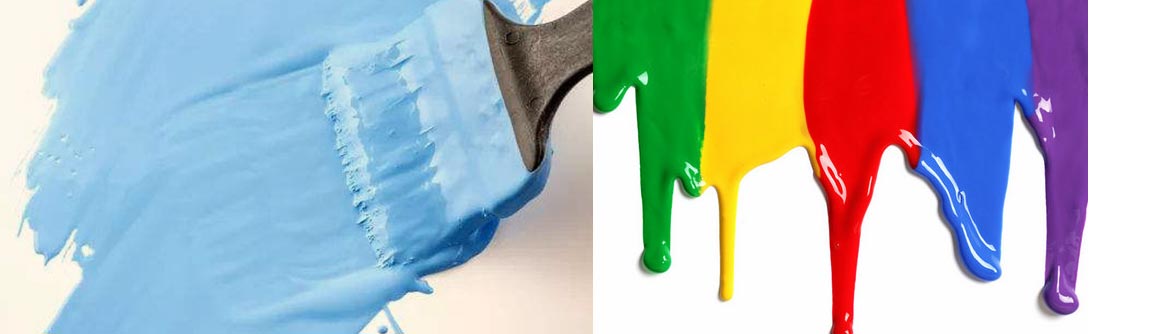
1. Coating and ink additives

Function: Styrene maleic anhydride copolymer as a resin modifier improves adhesion, chemical resistance and gloss of coatings.

Application scenarios:

In automotive coatings, SMA can enhance the adhesion of the paint film to the metal substrate, while improving weather resistance (resisting ultraviolet rays and rain erosion).

Styrene maleic anhydride copolymer, when used in printing ink, can adjust the fluidity and drying speed of the ink and improve the clarity and durability of the printed pattern.

Paint and ink additives

2. Modification of engineering plastics

Function: As a compatibilizer, it improves the compatibility of different plastic materials (such as the blending of polar and non-polar plastics).

Application scenarios:

In the blend system of nylon (PA) and polyethylene (PE), SMA can reduce the interfacial tension between the two phases and enhance the mechanical properties of the composite materials (such as strength and toughness).

Styrene maleic anhydride copolymer, when used to modify ABS resin, enhances its heat resistance and processability, expanding its application in high-temperature environments (such as electrical and electronic enclosures).

3. Adhesives and sealing materials

Function: By taking advantage of the reactivity of anhydride groups, it undergoes cross-linking reactions with amine, hydroxyl and other groups, enhancing the strength and heat resistance of adhesives.

Application scenarios:

Styrene maleic anhydride copolymer for bonding metals to plastics (e.g. assembly of automotive parts), forming covalent bonds through chemical reactions to enhance interfacial bonding strength.

As a curing agent in sealants, it is used in combination with epoxy resins and others to enhance the oil resistance and anti-aging ability of sealing materials.

Petroleum and energy industry

1. Oilfield chemicals

Function: Styrene maleic anhydride copolymer as a pour point depressant or dispersant to improve the fluidity of crude oil.

Application scenarios:

In the extraction of high-wax crude oil, SMA can adsorb on the surface of wax crystals, inhibit the growth and aggregation of wax crystals, reduce the viscosity of crude oil, and decrease the blockage of oil pipelines.

Styrene maleic anhydride copolymer is used as a drilling fluid additive to regulate the rheological properties of the drilling fluid, improve its stability and chip carrying capacity.

sma application

2. Asphalt modification

Function: After being mixed with asphalt, it forms a network structure, enhancing the high-temperature stability and low-temperature crack resistance of asphalt.

Application scenarios:

Styrene maleic anhydride copolymer is used in road construction to improve the rutting resistance (not prone to deformation at high temperatures) and freeze-thaw resistance (not prone to cracking at low temperatures) of asphalt pavement and extend the service life of the pavement.

Medical and Biological Fields

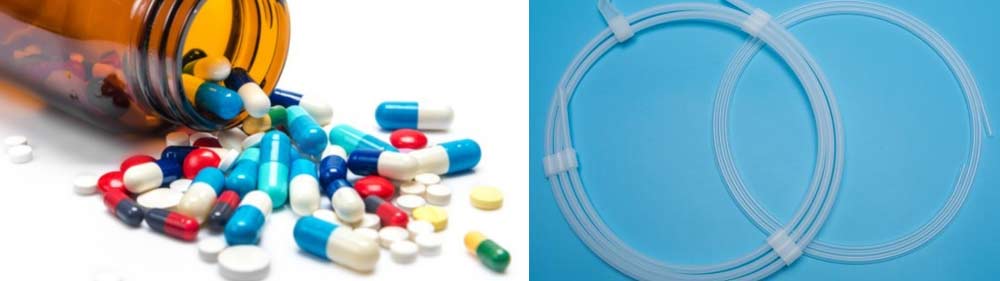
1. Drug carrier materials

Function: By taking advantage of the modifiable property of anhydride groups, targeted drug carriers are prepared through chemical modification.

Application scenarios:

Combining SMA with hydrophilic polymers (such as PEG) to form amphiphilic copolymers, which encapsulate hydrophobic drugs (such as anti-cancer drugs), enhances the water solubility of the drugs and the efficiency of targeted delivery (such as achieving targeting through the high osmotic long retention effect EPR at the tumor site).

2. Biocompatible coating

Function: Styrene maleic anhydride copolymer endows the material with biocompatibility through surface modification, reducing protein adsorption and cell adhesion.

sma used

Application scenarios:

Styrene maleic anhydride copolymer Coating SMA modified coating on the surface of medical catheters, stents and other devices reduces the risk of thrombosis and improves the biosafety of the devices.

Water Treatment and Environmental Protection Field

1. Water treatment flocculant

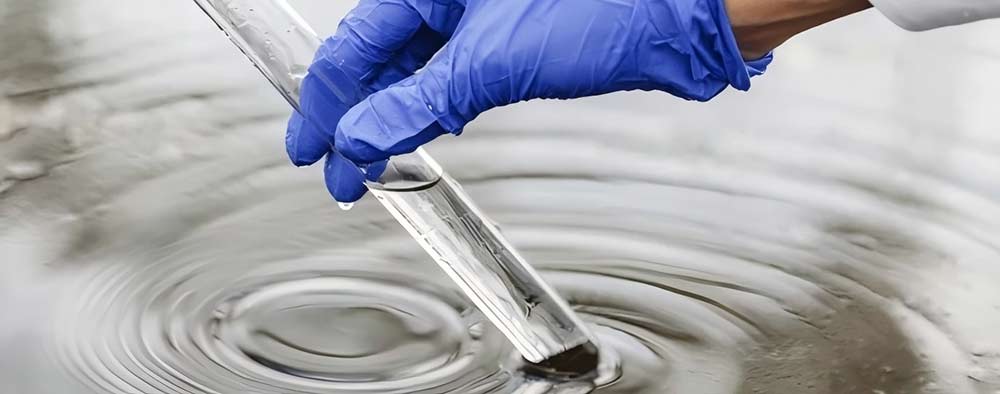
Function: Compatibilizer SMA, as an anionic flocculant, removes suspended solids and colloids in water through charge neutralization and bridging.

Application scenarios:

Compatibilizer SMA is used in sewage treatment plants to treat wastewater containing heavy metal ions (such as copper and nickel) or organic pollutants, improving the flocculation efficiency and water purification effect.

Water treatment

2. Precursors of degradable materials

Function: Compatibilizer SMA prepares environmentally friendly polymer materials by introducing degradable groups (such as ester groups).

Application scenarios:

Compatibilizer SMA is blended with natural polymers such as starch to prepare biodegradable packaging materials and reduce white pollution.

Other Applications

1. Paper treatment agent

Function: SMA styrene maleic anhydride copolymer as a sizing agent or reinforcing agent to improve the water resistance and strength of paper.

Application scenarios:

Adding SMA to the packaging paper enhances the moisture resistance of the paper and prevents the contents of the package from getting damp and deteriorating.

2. Cosmetics and Personal care

Function: SMA styrene maleic anhydride copolymer is used as a film-forming agent or emulsifying stabilizer in skin care products and makeup.

Sun protection

Application scenarios:

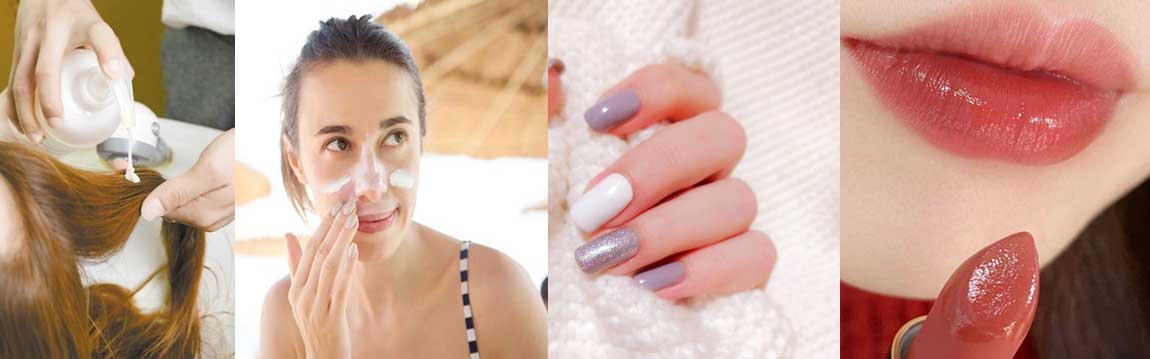
In hair care products, SMA styrene maleic anhydride copolymer forms a flexible protective film that reduces hair damage and static electricity; It is used as a dispersant in sunscreen to enhance the uniformity and stability of the sunscreen.

The use of SMA styrene maleic anhydride copolymer is closely related to the anhydride group and styrene segments in its molecular structure: the anhydride group gives it reactivity (such as cross-linking, modification) and polarity, while the styrene segments give it hydrophobicity and mechanical strength. From industrial materials to pharmaceutical and environmental protection, SMA continuously expands its application potential in various fields through structural design and functional modification.

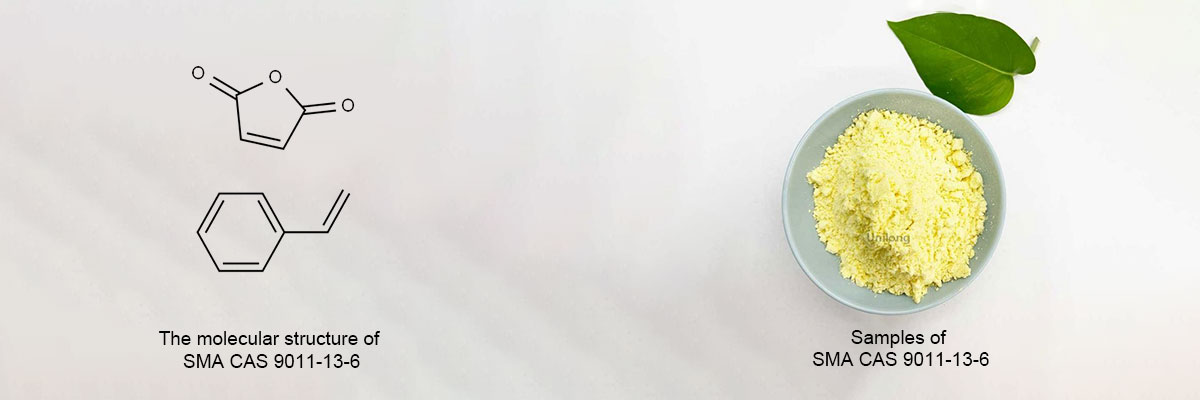
What is SMA CAS 9011-13-6?

◾ Basic structure: It is copolymerized by styrene (hydrophobic benzene ring) and maleic anhydride (hydrophilic carboxyl group after hydrolysis), which has both hydrophilic and lipophilic properties, giving it high surface activity and low interfacial tension.
Samples-of-SMA-CAS-9011-13-6

◾ Molecular weight difference:
– Low molecular weight SMA CAS 9011-13-6: It can be used as a dispersant and surfactant to help pigments disperse evenly.
– High molecular weight SMA: It is used to modify plastics and combine with glass fibers to make high-strength composite materials (such as car dashboards).

SMA characteristics:
1.High temperature resistance: high glass transition temperature (Tg) and softening point, suitable for heat-resistant coatings and plastic modification.
2.Alkali solubility & high gloss: It is easily soluble in alkaline solutions, has excellent gloss after film formation, and is suitable for high-end varnishes.
3.Wide compatibility: It is perfectly matched with emulsions, surfactants, and resin systems, and has strong formula adaptability.
4.Adjustable HLB value: By adjusting the ratio of styrene to maleic anhydride (St:MA), precise control from hydrophilic to hydrophobic can be achieved.
5.High reactivity: The anhydride group is easy to graft and modify, and functional derivatives can be developed.
6.Environmentally friendly: Some products do not contain VOC, meeting the needs of green production.

SMA application:
1.Automobile
SMA is recognized by automotive designers as an ideal internal component material from instrument panels to roof linings, from bottom and top brackets to tool box doors and decorative parts. Its high-grade thermal performance, excellent hardness and dimensional stability, and extremely high impact strength can fully guarantee the safety of passengers in collisions under high or low speed, high temperature or low temperature driving conditions. Many of the flexible instrument pads commonly used by American automobile manufacturers are made of single-piece structure, 4-8lb SMA molded substrates. At present, in North America, the market share of SMA copolymer resin instrument pads can reach 40%.​

2.Plastics
SMA can be used as a compatibilizer to effectively bridge polar and non-polar materials and solve the stratification problem when blending materials such as PC/ABS alloys. In glass fiber reinforced PA, ABS, and AS, SMA can improve the compatibility and dispersion of glass fiber and resin. At the same time, its higher polarity can also improve the surface connection and adhesion of ABS, PC/ABS, PA/ABS, and PC products, such as playing an important role in spraying, metal plating, PU foaming and other processes. In addition, it can also improve the heat resistance of PMMA and ABS. ​

3.Coatings
SMA can improve gloss, scratch resistance and adhesion in heat-resistant varnishes, such as widely used in automotive coatings. As a pigment dispersant, it stabilizes the slurry through electrostatic repulsion, and its color development is better than traditional polyacrylate products.​

Not only that, SMA can be used as a dispersant in the field of microcapsules and carbonless copy paper. It has excellent performance in uniform particle size distribution of microcapsules and protective colloids. 4.It can also be used as a paper enhancer to improve the finish and strength of coated paper and other papers. It is also used in microfluidic chips, test kits, and biopharmaceuticals in the medical field. ​

SMA-CAS-9011-13-6-application

The industrial production of SMA polyethylene polymaleic anhydride copolymer has been going on for many years, and the output has continued to grow. Because its two block materials – styrene and maleic anhydride raw materials are cheap, the polymerization process can effectively produce economical basic polymers, and the cost-effectiveness advantage is outstanding.

The magical acid-base indicator Phenolphthalein CAS 77-09-8

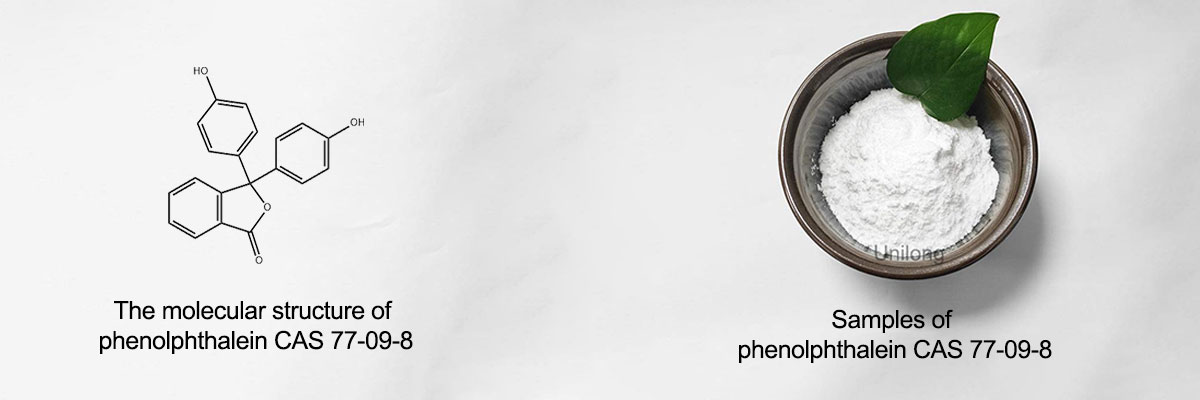
Phenolphthalein CAS 77-09-8, as a low-key substance in the field of chemistry, plays an indispensable role in many areas. It is an organic compound with the chemical formula C20H14O4. Visually, it is a white or slightly yellowish crystalline powder. The density of Phenolphthalein is 1.277g/cm³ and its melting point is around 262.5°C. It is readily soluble in alcohol. Slightly soluble in ether. Slightly soluble in dimethyl sulfoxide, insoluble in benzene or hexane. Because it is insoluble in water, when preparing Phenolphthalein indicator, we usually dissolve it in ethanol to make Phenolphthalein CAS 77-09-8 ethanol solution, which can be conveniently used in various chemical experiments.

Phenolphthalein-CAS-77-09-8-samples

In acidic and neutral solution environments, Phenolphthalein always remains colorless, low-key and unassuming. However, when it encounters an alkaline solution, the solution instantly turns purplish red, which is very eye-catching. This magical color-changing property makes Phenolphthalein an indispensable indicator in acid-base titration experiments.

The reason why Phenolphthalein CAS 77-09-8 can have such a wonderful color-changing performance lies behind strict chemical principles. Phenolphthalein is a weak organic acid, and in solution, there exists a balance between molecular and ionic states. In acidic solutions, the concentration of H⁺ is relatively high, and Phenolphthalein mainly exists in the form of colorless lactone. When the solution is alkaline, the concentration of OH⁻ increases, and the Phenolphthalein molecules undergo structural changes, transforming into a quinone structure. This structure can absorb light of specific wavelengths, thus giving the solution a purple-red color.

Phenolphthalein-CAS-77-09-8-application

In addition to its acid-base indicator properties, Phenolphthalein can also undergo chemical reactions with other substances. When Phenolphthalein comes into contact with strong oxidants such as hydrogen peroxide and potassium permanganate, due to the oxidation effect of the strong oxidants, the molecular structure of Phenolphthalein will be destroyed, thus losing its color-developing function. In addition, in some organic synthesis reactions, Phenolphthalein can also be used as a reaction reagent to participate in specific chemical reactions. Under specific conditions, such as high temperature or light exposure, Phenolphthalein may undergo structural changes, resulting in color variations.

Phenolphthalein has other applications besides its use in chemistry:

Phenolphthalein was once widely used as a laxative in the medical field, mainly for treating habitual and intractable constipation. The principle of its action is that Phenolphthalein is not absorbed in the intestinal tract after oral administration. Under the action of the alkaline intestinal fluid in the small intestine, it slowly decomposes to form soluble sodium salts. These sodium salts can stimulate the nerve plexus within the intestinal wall, directly act on the intestinal smooth muscle, increase intestinal peristalsis, and promote the excretion of feces.

In the industrial field, Phenolphthalein plays a significant role in plastic synthesis, especially in the synthesis of diazazanaphthone polyaryletherone polyaryletherone polymers. In the process of synthesizing such high-performance polymers, Phenolphthalein participates in the reaction as a key monomer. The specific structure in Phenolphthalein molecules can form covalent bonds with other monomers through chemical reactions, thereby constructing the macromolecular chain structure of the polymer. This kind of diazazanaphthalone polyaryletherone polyaryletherone polymer synthesized with Phenolphthalein has many excellent properties. They have excellent heat resistance and can maintain stable physical and chemical properties in high-temperature environments, without easily decomposing or deforming. This makes them have broad application prospects in some industrial fields with high heat resistance requirements, such as aerospace and electronic appliances.

In the textile printing and dyeing industry, Phenolphthalein can be used as an acid-base indicator to monitor the pH of the dyeing solution during the printing and dyeing process. The pH value of the dyeing solution has a significant impact on the dye uptake rate, color light and dyeing quality of the fabric. By using Phenolphthalein indicator, operators can promptly understand the changes in the pH value of the dyeing solution, so as to adjust the formula and process parameters of the dyeing solution and ensure the stability and consistency of the dyeing effect.

The demand for Phenolphthalein in industries such as pharmaceuticals and chemicals is driven by multiple factors. In the pharmaceutical industry, although the use of Phenolphthalein as a laxative is restricted, research in other pharmaceutical applications has been making continuous progress, which has driven the demand for Phenolphthalein. With the enhancement of environmental awareness, Phenolphthalein, as a green and environmentally friendly organic synthesis intermediate, has gradually attracted attention in the production of dyes and fluorescent agents. Its synthesis process is relatively environmentally friendly, and different color expressions can be achieved by adjusting the structure, which has great application potential. This has further promoted the market demand for Phenolphthalein.

Phenolphthalein-CAS-77-09-8-application-2

Unilong pays great attention to the environmental impact of its synthetic raw materials and reaction by-products during the production of Phenolphthalein. Through strict processing, it ensures the quality of Phenolphthalein while achieving environmentally friendly treatment. There is currently stock available for convenient transportation. If you would like to know more, please leave your contact information and our 7* 24-hour business manager will get in touch with you promptly.

JOIN US at CPHI & PMEC 2025

CPHI & PMEC China is the leading pharmaceutical event in Asia, bringing together suppliers and buyers from the entire pharmaceutical supply chain. Global pharmaceutical experts gathered in Shanghai to establish connections, seek cost-effective solutions, and conduct important face-to-face transactions. We are very glad to participate in this three-day grand event from June 24th to 26th. United Long Industrial Co., Ltd. is a leading enterprise specializing in the production of daily chemical raw materials. Our main products include surfactants, polyglycerin, antibacterial, whitening and cleaning, and other emulsified and polypeptide products.

We will be waiting for your visit at booth W9A72 of Shanghai New International Expo Center(Pudong).

CPHI-Invitation

This time at the exhibition, we mainly introduce the PVP series y Sodium hyaluronate series products. The PVP products include K30, K90, K120, etc. The sodium hyaluronate products include acetylated sodium hyaluronate, food grade, pharmaceutical grade, 4D sodium hyaluronate, oil-dispersed sodium hyaluronate, sodium hyaluronate cross-linked polymers, etc.

Polivinilpirrolidona is mainly used as a drug carrier, medical excipient and hemostatic agent in the pharmaceutical industry. It plays a role in moisturizing, film-forming and skin care in cosmetics. PVP can be used as a food additive to improve the texture, stability and taste of food. In the electronics industry, PVP can be used to prepare packaging materials for electronic components, photoresists, etc. It has excellent insulation performance and chemical stability, which can protect electronic components from the influence of the external environment and improve the reliability and performance of electronic devices.

CPHI-pvp-application

Samples of unilong PVP and PVP applications

Hialuronato de sodio is a polysaccharide substance that naturally exists in the human body and has good moisture retention, lubricity and biocompatibility. Medical-grade sodium hyaluronate can be used as a surgical adjuvant. For joint diseases such as osteoarthritis, medical-grade sodium hyaluronate can be injected into the joint cavity. It can lubricate the joints, buffer stress, and reduce the friction of articular cartilage. At the same time, it can also promote the repair and regeneration of articular cartilage, relieve joint pain, and improve joint function. Because of its powerful moisturizing function, it can absorb a large amount of water in cosmetics and retain the water in the stratum corneum of the skin, keeping the skin moist, smooth and elastic. In the food industry, sodium hyaluronate can be used as a thickener, stabilizer and emulsifier. It can increase the viscosity of food, improve its texture and taste, make food more uniform and stable, and extend the shelf life of food.

CPHI-Sodium-hyaluronate-application

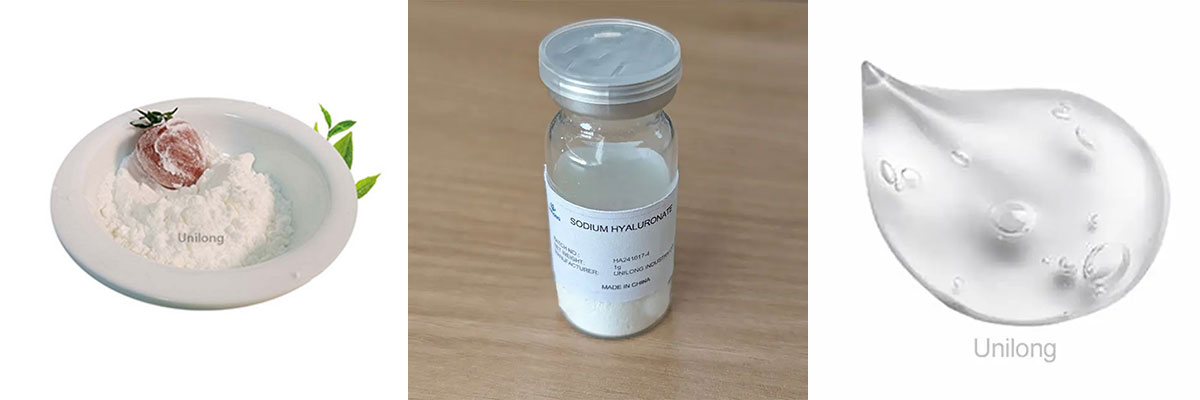
Samples of unilong sodium hyaluronate

The PVP raw materials, sodium hyaluronate raw materials and other raw materials we produce all have ISO quality certification and are safe and reliable. If you need any assistance, please click the button to fill out the form and contact us. We will listen to your ideas and make an appointment to meet at the exhibition.

Rellena este campo
Por favor, introduce una dirección de correo electrónico válida.
Rellena este campo
Rellena este campo
Rellena este campo
Tienes que aprobar los términos para continuar

1-methylcyclopropene keeps fruits vegetables and flowers fresh

In daily life, we often marvel at the fruits and vegetables in supermarkets. They not only look bright but also have a long shelf life. Unlike the fruits and vegetables we just pick from the fields, they wilt and rot shortly after. The mystery behind this is largely attributed to a miraculous preservative – 1-methylcyclopropene.

What is 1-methylcyclopropene CAS 3100-04-7?

1-methylcyclopropene CAS 3100-04-7, también conocido como 1-MCP, has the chemical formula C4H6 and a molecular weight of 54.09. At normal temperature and pressure, it is a colorless gas, odorless and non-toxic, with a density of approximately 0.838g/cm³. It belongs to the cyclopropene class of compounds. Despite its small molecular structure, its properties are very active and it plays an important role in the field of preservation.
1-mcp-CAS-3100-04-7-samples

The magical effect of 1-MCP CAS 3100-04-7 in the field of preservation mainly stems from its role as a plant growth regulator, which can precisely inhibit the action of ethylene. Ethylene, as a plant hormone, plays a crucial role in the growth, development, maturation and senescence of plants, promoting the rapid ripening, aging and rotting of fruits and vegetables. The emergence of 1-mcp CAS 3100-04-7 inhibited this process. Its molecular structure is extremely similar to that of ethylene, which enables it to bind tightly to ethylene receptors in advance, and this binding is irreversible. Thus, it effectively blocks the transmission of ethylene signals, inhibits a series of physiological and biochemical reactions related to fruit ripening, greatly delays the ripening and aging process of fruits and vegetables, and achieves the purpose of extending the preservation period. From a microscopic perspective, after 1-MCP CAS 3100-04-7 binds to the ethylene receptor, it will cause a chain reaction on various physiological activities within the cell. It can affect the permeability of cell membranes, regulate the activity of related enzymes, and change the expression of genes, thereby comprehensively inhibiting the ripening and senescence process of fruits

Not only fruits, but 1-methylcyclopropene also has an excellent preservative effect on vegetables and flowers. The stomata on spinach leaves are densely distributed, making them highly susceptible to infection by spoilage bacteria. Even after harvest, they still have a strong respiratory rate and transpiration. During normal temperature storage and transportation, they are prone to water loss, imbalance in reactive oxygen species metabolism, wilting and softening, with a high rate of rotting and yellowing, which seriously affects their commercial value. Spinach treated with 1-methylcyclopropene has a significantly prolonged shelf life at room temperature. The leaves can remain emerald green and upright, and the nutritional components can also be well retained. 1-methylcyclopropene can also prolong the flowering period of flowers, making them bloom for a longer time and adding more beauty and fragrance to our lives.
1-mcp-CAS-3100-04-7-application

When using 1-methylcyclopropene, safety is the most concerning issue for everyone. It is actually non-toxic, which means that under normal use, it causes almost no harm to the human body and the environment. In practical applications, 1-methylcyclopropene is mainly treated by fumigation. When in use, simply make the concentration of 1-MCP in the air reach 1ppm (parts per million), and it can achieve a good preservation effect. Moreover, its usage method is relatively simple. It is applicable to both large-scale storage preservation and small-scale packaging preservation of fruits and vegetables.

With the rapid development of cold chain logistics and the continuous improvement of people’s requirements for the quality and freshness of agricultural products, 1-methylcyclopropene, as an efficient and safe preservative, will have a broader market application prospect. Unilong is a professional 1-methylcyclopropene suppliers, can provide high-quality and pure 1-methylcyclopropene. If you need it, please contact us and we will offer you the most favorable price as soon as possible.
1-mcp-CAS-3100-04-7-package

What is 4,4′-(Hexafluoroisopropylidene)diphthalic anhydride 6FDA?

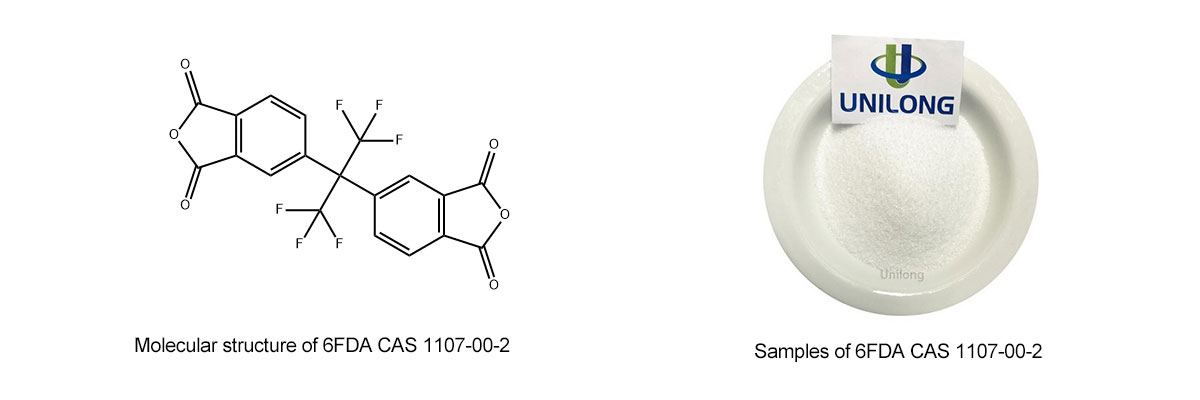
6FDA-CAS-1107-00-2-sample

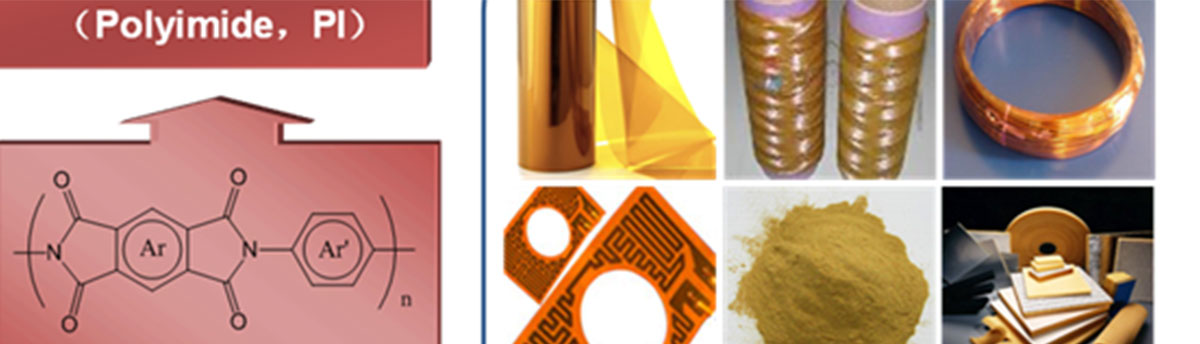
6FDA refers to 4,4′-(hexafluoroisopropene) diphthalic anhydride, chemical formula C19H6F6O6. It is an important synthetic intermediate and pharmaceutical intermediate, and is one of the most promising dianhydride monomers at present, mainly as raw materials for electronic material production. The introduction of hexafluorodianhydride into the production of polyimide has made a qualitative leap in the performance of polyimide in terms of dielectric constant, dielectric loss, transparency, relative thermal stability and radiation resistance. The downstream products can be used in semiconductor, aerospace and other high-energy fields. In recent years, the industrial use is mainly used as the main raw material of colorless transparent polyimide (CPI).

Hexafluorodianhydride (6FDA) is prepared as a fluorinated polyimide core monomer:

6FDA is an important monomer in the synthesis of polyimide (PI). Hexafluorodianhydride contains hexafluoroisopropylidene structural unit, and the fluorinated polyimide prepared from it has excellent thermal stability, fire resistance, oxidation resistance, light transmittance, solubility, water absorption, etc., which is more widely used than traditional polyimides.

Polyimide is a kind of aromatic heterocyclic polymer compound, there are more than 20 varieties, among which the demand of 6FDA polyimide is increasing. Fluorinated polyimide (FPI) is formed from fluorinated dianhydride and fluorinated diamine by molten polycondensation or solution polycondensation. Hexafluoronic anhydride is one of the most widely used and most used dianhydride monomers in fluorinated polyimides at present. It is widely used in binders, coatings, flexible display materials, solar cell substrates, carbon molecular sieve membranes, optical communication components and other fields. In recent years, thanks to the development of the polyimide market, the market demand for hexafluorodianhydride has been rapidly released.

What are the advantages of 6FDA products?

1.Low dielectric constant. The permittivity of ordinary polyimide is about 3.4, but after adding 6FDA, the permittivity can be reduced to 2.5. The low dielectric constant brings about the reduction of signal delay and loss, which is of great value in electrical applications.
2.Transparency and controllable refractive index. Because polyimide is slightly yellow or brown, after adding 6FDA, it can be made transparent, and according to how much 6FDA is added, its refraction index (refractiveindex) can be controlled, and these properties have a great role in optical component applications.
3.Chemical and thermal stability. After the introduction of fluorine atoms, the chemical and thermal stability of polyimide will be improved due to the strong electronegativity of fluorine atoms. The product can work under special chemical or temperature conditions.
4.Lubricity. Due to the low polarity of fluorine atoms, fluorinated polyimides have a very low surface free energy, smooth surface and low friction.
5.The fluorinated polyimide material synthesized with 6FDA has very good thermal oxidation resistance, high temperature hot melt and radiation resistance, and is the preferred structural material for the aerospace industry.
6FDA CAS 1107 00 2 application 1
6FDA CAS 1107 00 2 application 2

Market Demand Grows for Magnesium Acetate Tetrahydrate CAS 16674-78-5 with Expanding Applications

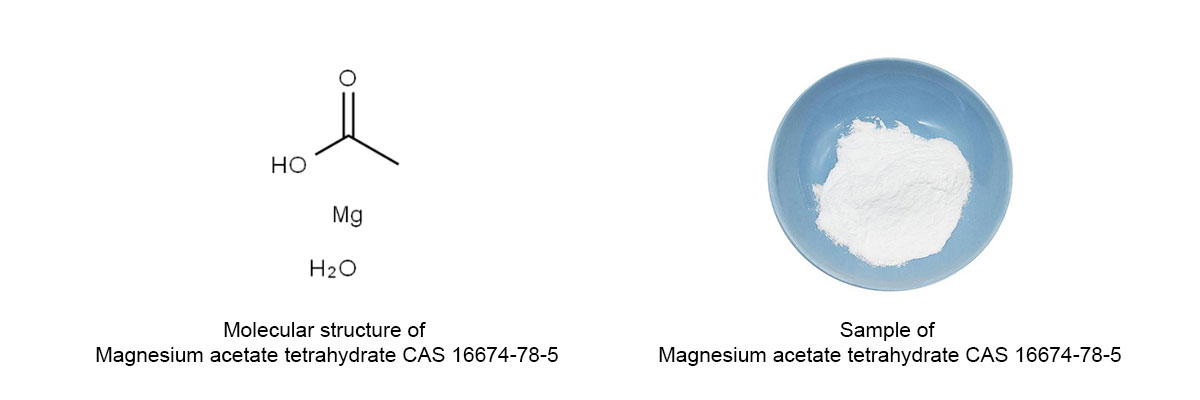
Magnesium Acetate Tetrahydrate CAS 16674-78-5 is a white crystalline powder or colorless crystal, an important organic magnesium compound with the chemical formula Mg(CH₃COO)₂·4H₂O, which is formed by the combination of magnesium acetate and four hydrates of crystallization.

Magnesium Acetate Tetrahydrate CAS 16674 78 5 Samples
The global market for Magnesium Acetate Tetrahydrate (CAS 16674-78-5), a versatile chemical compound, is experiencing steady growth due to its wide-ranging applications in chemical, pharmaceutical, environmental, and food industries. With its unique properties as a water-soluble, stable magnesium source, this compound is gaining increasing attention from manufacturers and researchers worldwide.

Key Market Drivers

Magnesium Acetate Tetrahydrate, a white crystalline powder, serves multiple industrial purposes:
Chemical Industry: Used as a catalyst, buffer, or magnesium precursor in organic synthesis and material production.
Pharmaceuticals: Functions as a magnesium supplement or stabilizer in drug formulations.
Environmental Protection: Applied in wastewater treatment for pH adjustment and heavy metal removal.
Food Additives: Acts as an acidity regulator and magnesium fortifier in food products

Magnesium Acetate Tetrahydrate CAS 16674 78 5 application

The compound’s demand is rising alongside global trends in green chemistry, healthcare, and sustainable industrial practices.

Technological Advancements Enhance Production

Leading chemical manufacturers are optimizing synthesis processes to improve purity, yield, and sustainability. Innovations include energy-efficient production methods and eco-friendly purification techniques, aligning with stringent pharmaceutical and food-grade standards.

Stabilized Global Supply Chain

After pandemic-related logistical disruptions, major producers in China, North America, and Europe have ramped up production to ensure stable supply. Industry reports indicate balanced inventories and smoother international trade flows in 2024.

Future Outlook

Analysts project further market expansion as emerging sectors like (new energy) and biopharmaceuticals explore novel uses. High-purity grades are expected to dominate premium segments.

What is the sun protection principle of OMC?

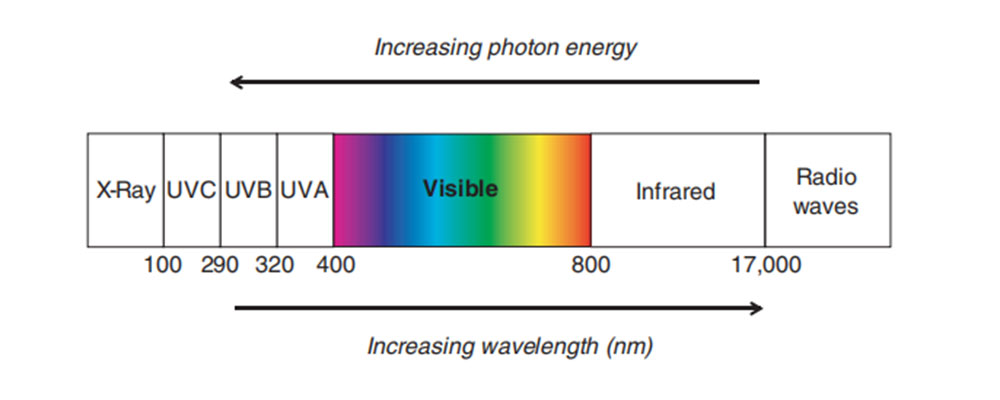
The mechanism of action of OMC is mainly based on its ability to absorb and transform UV energy. These compounds have a conjugated large π bond structure, which can be seen as a benzene ring as the core, extending to include the oxygen atom in the substituent methoxy group on one side, and extending to the double bond and ester group in another substituent on the other side. Such a conjugated structure makes methoxycinnamate have the characteristics of absorbing UV light.

Experiments have revealed that methoxycinnamate can absorb UV light in the wavelength range of 280-310nm, and the maximum absorption occurs at 311nm.

Octyl4-methoxycinnamate-CAS-5466-77-3

Specifically, the aromatic ring and conjugated structure of these compounds can effectively absorb UV radiation. The absorbed UV energy is converted into low-energy heat, which these compounds release through radiation or conduction, thereby preventing UV damage to the skin or materials. In addition, these compounds have high photochemical stability and are not easy to decompose, thus ensuring their effectiveness in long-term use.

Through these mechanisms, methoxycinnamate UV absorbers can effectively prevent UV damage to the skin and materials.

What are the advantages of OMC sunscreen?

1.Highly effective protection: against ultraviolet B band (UVB)

Octyl methoxycinnamate is a highly effective UVB absorber that can absorb ultraviolet rays with a wavelength of 290-320 nanometers. UVB is the main culprit for skin sunburn, erythema and DNA damage. The addition of OMC can significantly reduce the damage of ultraviolet rays to the skin and provide consumers with reliable protection.

2.Strong stability: long-lasting sunscreen effect

Compared with other sunscreen ingredients, OMC shows excellent stability under light and is not easy to decompose or fail. This means that after using sunscreen products containing OMC, consumers do not need to reapply frequently to enjoy long-lasting sunscreen effects, which is especially suitable for outdoor activities or long-term exposure to the sun.

3.Mild and low irritation: suitable for a variety of skin types

OMC has low skin irritation and has been widely considered to be suitable for most skin types, including sensitive skin, after multiple safety assessments. Its mild properties make it a preferred ingredient for children’s sunscreen products and highly sensitive people.

4.Good compatibility: synergistic effect with other ingredients

OMC has good compatibility with other sunscreen ingredients (such as zinc oxide and titanium dioxide), and can synergize to provide more comprehensive UV protection. In addition, it can also act as a solubilizer to help other active ingredients dissolve and penetrate better, thereby enhancing the overall effect of the product.

5.Environmental protection and sustainability: promoting green skin care

With the improvement of environmental awareness, the production and use of OMC are also being optimized. Many brands are exploring more environmentally friendly formulas and production processes to reduce potential impacts on aquatic organisms and the environment, and promote the development of green skin care.

6.Wide application: core ingredient in the sunscreen market

At present, OMC has been widely used in sunscreens, lotions, lipsticks and other products, becoming one of the core ingredients in the sunscreen market. Its high efficiency, safety and stability have won the trust of consumers around the world.

Octyl4-methoxycinnamate-CAS-5466-77-3-application

Unlock the amazing biocatalyst in industry-Laccase

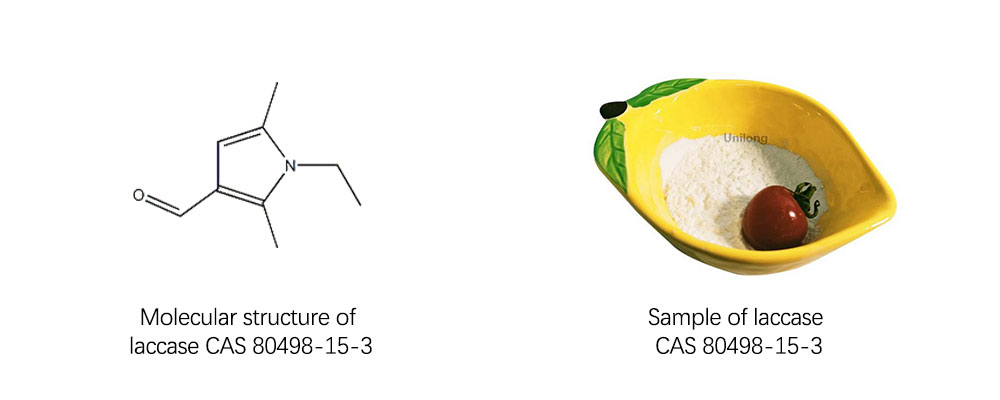
Lacasa CAS 80498-15-3 is a copper-containing polyphenol oxidase belonging to the cupric blue oxidase family, also known as Novozyme 809. It is widely distributed in the biological world, from plants and fungi to insects and even prokaryotes. In 1883, Japanese scholar Yoshida first discovered Lacasa CAS 80498-15-3 from sumac liquid, this enzyme is found in sumac resin, hence the name. Later, people found Laccase from a large number of fungi, basidiomycetes in the white rot is the main source of Lacasa CAS 80498-15-3. Lassase exists in the form of a monomeric glycoprotein, and its catalytic center contains clusters of 4 copper atoms, which play a key role in the catalytic process. Lacasa CAS 80498-15-3 catalyzed reaction is the use of molecular oxygen, the substrate for single electron oxidation, generate the corresponding active free radicals, the whole process, 1 molecule of oxygen is reduced to 2 molecules of water, and the only by-product is only water, this feature makes it in the field of environmental protection has a unique advantage.

Laccase-CAS-80498-15-3-molecular-structure

The substrate range of Lacasa CAS 80498-15-3 is very broad, covering many substances such as phenols, aromatic and fatty amines. The structure and catalytic properties of Lacasa CAS 80498-15-3 from different sources may vary, even if the same source, like a white rot strain, may secrete different properties of Laccase components, including oxidation capacity, optimal pH, substrate specificity, etc. It is these differences that make Lacasa CAS 80498-15-3 show diverse application potential in different fields.

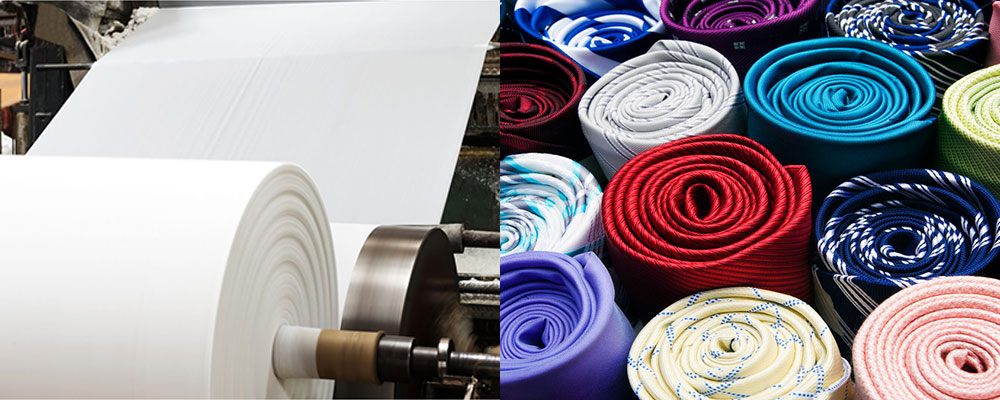
△ Application of Laccase CAS 80498-15-3 in paper industry

1.Decompose lignin to improve paper texture

Lignin is an important component of plant cell wall and widely exists in papermaking raw materials. However, in the papermaking process, too much lignin will affect the quality of the paper. The traditional method of lignin removal is mainly chemical method, and the commonly used chemical agents such as chlorine gas and sodium hydroxide can effectively remove lignin, but it also brings a series of serious problems. These chemicals will produce a lot of waste water containing harmful substances in the process of use, which is not only difficult to degrade, but also cause long-term pollution to soil and water sources, endangering the ecological environment and human health.

Lacasa CAS 80498-15-3 provides a new way to solve this problem. Lacasa CAS 80498-15-3 can specifically catalyze the degradation of lignin. Its principle of action is based on its unique structure and catalytic properties. The Lacasa CAS 80498-15-3 molecule contains multiple copper ions, which form specific active centers. When Lacasa CAS 80498-15-3 is in contact with lignin, copper ions seize electrons from lignin molecules through REDOX reaction, so that lignin molecules are oxidized to form free radical intermediates. These free radical intermediates further undergo a series of chemical reactions, such as oxidation, cracking, etc., and finally decompose the lignin into small molecules, so as to achieve the removal of lignin.

Compared with traditional chemical methods, Laccase decomposition of lignin has obvious advantages. First of all, Laccase reaction conditions are mild, generally at room temperature, atmospheric pressure and near neutral pH conditions can be carried out, which greatly reduces the requirements for equipment, reducing energy consumption. Second, Lacasa CAS 80498-15-3 has a high degree of selectivity, it only acts on lignin, and does not cause damage to other components such as cellulose, which effectively retains the integrity and strength of cellulose, and improves the physical properties of paper. The strength and durability of the paper treated with Lacasa CAS 80498-15-3 are significantly improved, and the paper is more durable and durable, which can meet the needs of higher quality printing and writing.

2.Help pulp bleaching, open a new chapter of environmental protection

Pulp bleaching is a key step in the papermaking process, its purpose is to remove the pigment and lignin in the pulp and improve the whiteness and brightness of the paper. The traditional bleaching methods of pulp mainly include chlorine bleaching, hypochlorite bleaching, etc. Chlorine bleaching Although the bleaching effect is significant, the cost is relatively low, but chlorine is a toxic gas, there is a risk of leakage during the production process, posing a threat to the health of the operator. Moreover, chlorine bleaching will produce a large number of chlorine-containing organic compounds, which have strong toxicity and carcinogenicity, and will cause serious pollution to the environment. Hypochlorite bleaching also presents a similar problem, producing organochlorides, which are not friendly to the environment, but also tend to damage the fiber, affecting the strength and durability of the paper.

Laccase bleaching is a more environmentally friendly and gentle bleaching method. The principle of Laccase bleaching is to use the oxidation of Laccase to decompose the pigment and lignin in the pulp, so as to achieve the purpose of bleaching. In the Lacasa CAS 80498-15-3 bleaching process, Lacasa CAS 80498-15-3 first reduces oxygen to water while oxidizing substrates (pigments and lignin) to free radical intermediates. These free radical intermediates further react to form a colorless product, thus achieving bleaching of the pulp. Compared with traditional bleaching methods, Laccase bleaching has many advantages. It does not require the use of a large number of chemical agents, greatly reducing the pollution of chemical substances to the environment. The damage of Lacasa CAS 80498-15-3 to the fiber is small, which can better retain the original properties of the paper, so that the whiteness of the paper is more stable and the strength is higher.

△Application of Laccase CAS 80498-15-3 in textile printing and dyeing

1.Fiber modification, giving the fabric new properties

In the textile field, natural fibers such as wool, cotton, ramie, etc., have always been the preferred materials for making high-quality fabrics. However, there are some limitations in the performance of these natural fibers, such as wool is easy to felting and uneven dyeing, cotton’s hygroscopic and dyeing properties need to be improved, ramie fiber is more rough and poor feel. Traditional fiber modification methods mainly rely on physical or chemical means, such as the use of chemical agents for wool surface treatment, although can improve fiber performance to a certain extent, but these chemical agents are often unfriendly to the environment, easy to cause pollution. Moreover, when using protease and other biological enzymes for modification, it is easy to cause excessive damage to the fiber, affecting the strength and durability of the fiber.

Lacasa CAS 80498-15-3 provides a gentler, more environmentally friendly and more efficient solution for fiber modification. The modification effect of Lacasa CAS 80498-15-3 on natural protein fibers, such as wool, is particularly significant. Lacasa CAS 80498-15-3 can catalyze some chemical reactions on the surface of wool, making the surface of wool fiber more smooth, thereby reducing friction between fibers and reducing the occurrence of felting phenomenon. Lacasa CAS 80498-15-3 can also improve the dyeing properties of wool, so that the dye is easier to dye, dyeing is more uniform, and the color depth is increased. The researchers used Lacasa CAS 80498-15-3 to modify the wool fiber, and found that the scale structure of the surface of the modified wool fiber became more flat, and the wetting time was greatly shortened, which meant that the moisture absorption of the wool was improved, and it would be more comfortable to wear. Moreover, in the dyeing process, the utilization rate of dyes is significantly improved, reducing the waste of dyes, and also reducing the difficulty of dyeing wastewater treatment.

2.Dyeing and decolorization, environmentally friendly and efficient

In the dyeing process, Lacasa CAS 80498-15-3 triggers phenolic polymerization dyeing, which brings a new idea for textile printing and dyeing. Traditional dyeing methods, mostly use synthetic dyes, these dyes in the production and use process, often consume a lot of water resources and chemical additives, and some synthetic dyes are difficult to degrade, will cause pollution to the environment. Lacasa CAS 80498-15-3-catalyzed staining has unique advantages. Lacasa CAS 80498-15-3 can trigger the polymerization of phenolic substances to produce colored polymers, which can be used to dye fabrics. Common phenolic substances, such as gallic acid, tea polyphenol, catechol, hydroquinone, etc. are polymerized under the action of Lacasa CAS 80498-15-3 to form colored polymers with good dyeing properties. They can not only give the fabric good dyeing depth and dyeing fastness, but also make the fabric have special properties such as antibacterial. Moreover, this dyeing method is environmentally friendly, does not require the use of a large number of chemical additives, reduces the discharge of wastewater, and is in line with the concept of sustainable development.

Laccase-CAS-80498-15-3-application-1

△Application of Laccase CAS 80498-15-3 in food industry

1.Used as food additive to enhance food value

In the field of food additive production, Lacasa CAS 80498-15-3 can transform ordinary substances into food additives with high added value. Tea polyphenols and anthocyanins, which have antioxidant and anti-inflammatory effects, can be efficiently synthesized under the catalysis of Lacasa CAS 80498-15-3. Lacasa CAS 80498-15-3 can also be used to produce vanillin, a compound with a strong vanilla aroma that adds a unique flavor to foods and enhances their taste and appeal. In baked goods, the addition of vanillin can make bread, cake and other attractive aroma, so that people’s appetite increase. The application of Lacasa CAS 80498-15-3 in fatty foods shows its powerful antioxidant effect. Fat is prone to oxidative rancidity during storage, resulting in unpleasant odor and harmful substances, which affect the quality and safety of food. Add an appropriate amount of Lacasa CAS 80498-15-3 to the oil food, Lacasa CAS 80498-15-3 can oxidize some ingredients in the food, produce antioxidant effect, so as to effectively extend the shelf life of the oil. The experimental data showed that the oxidation induction period of Lacasa CAS 80498-15-3 was significantly prolonged and the antioxidant properties were significantly improved, which provided a strong guarantee for the long-term storage and sale of fatty food.

2.Optimize the processing process to improve food quality

In the process of brewing, it plays a key role in improving the quality of beer. Lacasa CAS 80498-15-3 can catalyze the oxidative polymerization of phenolic substances in wort to form larger molecular particles, which are easier to be removed by filtration and improve the clarification of wort.

In the process of tea making, the color and taste of tea are important indicators to measure the quality of tea. Lacasa CAS 80498-15-3 can change the structure of pigment components and polyphenols in tea through oxidation, so as to improve the color and taste of tea. For green tea, Lacasa CAS 80498-15-3 can promote the oxidation of tea polyphenols, make the color of tea more green, while reducing bitter taste, increase fresh feeling. For black tea, Lacasa CAS 80498-15-3 contributes to the deep oxidation of tea polyphenols, forming more theaflavins and thearubin, making tea more rosy in color and more mellow in taste. Lacasa CAS 80498-15-3 also plays an important role in the production of beverages such as fruit and vegetable juices. It can decompose pectin and other macromolecular substances in the beverage, reduce the viscosity of the beverage, improve the clarification, make the beverage more clear and transparent, and taste more delicate.

△Laccase CAS 80498-15-3 plays an important role in the field of environmental protection

Lacasa CAS 80498-15-3 has shown remarkable ability in wastewater treatment. It can decompose benzene, phenols, dyes and other organic matter in wastewater into small molecular substances through its unique catalytic effect, so that its toxicity is reduced, and even converted into harmless substances. The catalytic principle of Lacasa CAS 80498-15-3 is based on the copper ions in its molecular structure. In the catalytic process, copper ions seize electrons from organic molecules through REDOX reaction, so that organic molecules are oxidized to form free radical intermediates. These free radical intermediates further react, such as oxidation, cracking, etc., and finally decompose organic matter into small molecules of carbon dioxide, water and other substances.

Laccase-CAS-80498-15-3-application-2

Lacasa CAS 80498-15-3 produced by unilong was mainly fermented by microorganisms. In the fermentation process, strains, medium components and fermentation conditions were optimized to improve the yield and activity of Lacasa CAS 80498-15-3. You need to click to get a good price.

18-crown-6 from the laboratory to the modern industry of wonder material

In the wonderful world of chemistry, the discovery of new substances is often accompanied by surprises and surprises, and the discovery of 18-crown-6 CAS 17455-13-9 is no exception. In 1967, when chemist Charles J. Pedersen was conducting a routine organic synthesis experiment, he originally studied a linear polyether compound, but accidentally obtained a compound with a ring structure, and after further research, 18-crown-6 came into people’s vision. At the time, the chemical community was very new to this compound with a special ring structure and multiple oxygen atoms. Pedersen dug deeper and found that 18-crown-6 had many unusual properties, such as its ability to form stable complexes with metal ions, which was a new discovery in chemistry at the time. It made scientists realize that in addition to traditional chemical bond interactions, there are special interactions with ions through large ring structures, which opened the door to crown ether chemistry and laid the foundation for the development of subsequent supramolecular chemistry.

18-crown-6, the name indicates the uniqueness of its structure. “18” represents the total number of atoms in the ring, and “6” represents the number of oxygen atoms in it. It consists of 12 carbon atoms and six oxygen atoms holding hands in a ring structure, like a delicate molecular bracelet, this special structure is very rare in the field of chemistry. In this ring, oxygen atoms, by virtue of their electronegativity, make the entire molecule with a certain polarity, while carbon atoms form the basic skeleton of the molecule, holding up the entire structure. It is this ring structure of carbon and oxygen atoms that gives 18-crown-6 CAS 17455-13-9 its unique properties, enabling it to form stable complexes with metal ions. It usually occurs as a white crystal at room temperature. Its melting point is between 42 and 45°C, which is not so hot that a little heating can transform it from a solid to a liquid. The boiling point is 116 ° C, and under certain pressure conditions, it gradually turns into a gas. It is also soluble in water and can interact with water molecules to form a uniform mixing system.

18-Crown-6-CAS-17455-13-9-Molecular-structure

With its unique molecular structure, 18-crown-6 CAS 17455-13-9 has shown excellent application value in many fields, and has become one of the key materials to promote technological progress in various fields, providing innovative solutions to solve practical problems.

Energy field

In the energy sector. Take lithium-ion batteries, which can be described as the heart of electric vehicles and energy storage systems, and 18-crown-6 is like an injection of vitality to this heart. In the electrolyte design of lithium-ion batteries, it plays an important role by virtue of its excellent thermal stability and selective complexation of lithium ions. When the battery is in a high temperature environment, ordinary electrolyte molecules are more active, resulting in a decline in battery performance, and 18-crown-6 CAS 17455-13-9 can be closely combined with lithium ions to form a stable complex, which not only improves the cycle stability of the battery under high temperature conditions, but also greatly enhances the safety. It provides a solid guarantee for the stable operation of electric vehicles in high temperature environment and the reliable work of energy storage system.

18-Crown-6-CAS-17455-13-9-application-1

Materials science field

When combined with polymer materials, 18-crown-6 CAS 17455-13-9 can give the material intelligent responsiveness, so that the material can respond to changes in the external environment, such as temperature, pH and other environmental factors change, the performance of the material can be automatically adjusted; It can also give the material self-healing ability, when the material is slightly damaged, it can automatically repair, extending the service life. These new functions and features have injected new vitality into the development of high-tech fields such as aerospace and electronic information, and helped these fields continue to achieve technological breakthroughs.

18-Crown-6-CAS-17455-13-9-application-2

Chemical analysis and testing

In the field of chemical analysis and detection, 18-crown-6 can accurately identify various metal ions. Its working principle is based on the specific complexation reaction with metal ions. Scientists have designed highly sensitive and highly selective ion sensors using 18-crown-6 CAS 17455-13-9, which can monitor and measure the concentration changes of specific metal ions in real time, and play an important role in environmental monitoring, medical diagnosis and other fields.

18-Crown-6-CAS-17455-13-9-application-3

With the rapid development of science and technology, new energy vehicles, energy storage systems, aerospace and other emerging industries have mushroomed, bringing unprecedented opportunities for the development of 18-crown-6. Unilong offers an efficient, low-cost, high-purity production method in the preparation of 18-crown-6. We are a professional supplier of chemical raw materials, quality assurance, fast delivery, off-the-shelf supply.

Explore the difference between hyaluronic acid, sodium hyaluronate and hydrolyzed sodium hyaluronate

In the pursuit of beauty and skin health, we often see some familiar and unfamiliar names in the ingredients list of skin care products: hyaluronic acid, sodium hyaluronate, hydrolyzed sodium hyaluronate. They frequently appear in a variety of serums, creams, masks, known as the skin moisturizing, anti-aging secret weapon. But what is the difference between the three? Is it a marketing gimmick, or is it really different? Today, let’s uncover their mystery and explore the unique features of these three ingredients.


sodium-hyaluronate-title

Hyaluronic acid: the elder statesman of moisturizing

Hyaluronic acid, also known as hyaluronic acid, is a linear macromolecular acid mucopolysaccharide that occurs naturally in human and animal tissues. Its chemical structure is unique. D-glucuronic acid and n-acetylglucosamine are interlinked to form disaccharide units through specific glucoside bonds. Numerous disaccharide units are interlinked to form the molecular chain of hyaluronic acid, making it show a unique column-shaped spiral structure in space. It is this special structure that gives hyaluronic acid its powerful moisturizing ability. Its molecules can carry hundreds of times their own weight of water, which can absorb and lock in a large amount of water, forming a layer of hydrating protective film on the surface of the skin, preventing water loss and keeping the skin hydrated and full at all times.

In the world of skin care, hyaluronic acid is a star ingredient. Whether it is an affordable moisturizing lotion, or a high-end essence cream, you can often see it.

Sodium hyaluronate: The Transformation of hyaluronic acid

Sodium hyaluronate is actually a salt derivative of hyaluronic acid formed by combining with sodium ions. In terms of chemical structure, it introduces sodium ions on the basis of hyaluronic acid, and this small change makes a huge difference. The existence of sodium ion enhances the stability of hyaluronic acid, so that it can maintain a relatively stable state in various environments and is not easy to decompose. At the same time, the solubility of sodium hyaluronate has also been greatly improved, and it can quickly dissolve in water, which makes it easier to be added and mixed in the production process of skin care products and cosmetics, greatly broadening its application range.

In practical application, the advantage of sodium hyaluronate is very obvious. In the field of skin care products, its moisturizing ability is also excellent, can penetrate into the bottom of the skin, firmly lock in moisture, so that the skin always keep hydrated. Moreover, due to its good stability and solubility, sodium hyaluronate can be added to a variety of dosage forms of products, such as lotions, creams, serums, masks, and even some makeup products, it can be found. Sodium hyaluronate moisturizing cream, light and delicate texture, applied on the skin quickly absorbed, skin immediately feel hydrated and nourished. Long-term use can not only improve the dryness of the skin, but also enhance the barrier function of the skin and reduce the damage of the external environment to the skin. In addition to skin care products, sodium hyaluronate has a wide range of applications in the medical field, such as eye surgery, it is often used as eye moisturizer to maintain the moist environment of the surgical site; In joint treatment, it can be used for joint fluid replacement to relieve the pain of arthritis patients.

Hydrolysis of sodium hyaluronate: High energy of small molecules

Hydrolyzed sodium hyaluronate is a product obtained by hydrolysis of high molecular weight sodium hyaluronate. In the hydrolysis process, the large molecular chain of sodium hyaluronate is cut off and decomposed into smaller molecular weight fragments to form hydrolyzed sodium hyaluronate. This small molecule property gives it a unique advantage, making it play an important role in skin care products.

Due to the smaller molecules, hydrolyzed sodium hyaluronate has better permeability, can easily penetrate the cuticle of the skin, deep into the bottom of the skin, and directly transport water to the dermis of the skin to achieve deep moisturizing in the true sense. Moreover, it also has a good transdermal absorption and promotion effect, which can help the skin better absorb other nutrients and improve the efficacy of skin care products. In addition to moisturizing, hydrolyzed sodium hyaluronate also has certain anti-inflammatory, repairing and antioxidant properties. It can inhibit the production of inflammatory factors, reduce the skin inflammatory response, for sensitive skin and acne skin has a good soothing and repairing effect; At the same time, it can also remove free radicals, reduce oxidative damage, and delay skin aging.

In many skin care products, the figure of hydrolyzed sodium hyaluronate is also common. With the addition of hydrolyzed sodium hyaluronate moisturizing serum, the skin can feel refreshed and hydrated quickly after use, and with the increase of use time, the dry and rough skin problem has been significantly improved, becoming more delicate and smooth.

To visualize the differences between hyaluronic acid, sodium hyaluronate, and hydrolyzed sodium hyaluronate, we use the following table to summarize the comparison:

Nombre El ácido hialurónico Hialuronato de sodio Hydrolyzed sodium hyaluronate
Chemical structure The linear macromolecular acid mucopolysaccharides formed from D-glucuronic acid and n-acetylglucosamine alternately linked by specific glycosidic bonds have a columnar spiral structure Salts formed on the basis of hyaluronic acid combined with sodium ions have basically unchanged molecular structure and enhanced stability It is obtained by hydrolysis of high molecular weight sodium hyaluronate. The molecular chain is cut off and the molecular weight becomes smaller
Peso Molecular Usually between 500,000 and 2 million daltons According to different production processes and uses, the molecular weight range is wide, from low molecular weight to high molecular weight It’s usually under 10,000 daltons
Moisture retention It can carry hundreds of times its own weight in water, forming a moisturizing film on the surface of the skin Similar to hyaluronic acid, it has strong moisturizing ability and can penetrate deep into the skin to lock in water It can penetrate into the bottom of the skin, transport water to the dermis, and has a significant deep moisturizing effect
La permeabilidad Macromolecular structure, difficult to penetrate the skin stratum corneum, mainly acting on the skin surface Small molecular structure, with a certain permeability, can enter the deep skin Small molecule properties, strong permeability, can easily penetrate the stratum corneum, deep dermis
Efficacy Moisturize, improve rough skin condition, make skin fine and smooth Moisturize, enhance skin barrier function, reduce external damage, and can also be used in the medical field Deep moisturizing, anti-inflammatory, repair damaged skin, anti-oxidation, improve skin sensitivity
Aplicación Skin care products, cosmetics, such as moisturizing lotions, serums, creams, etc Skin care products, cosmetics (various dosage forms), medical field (eye surgery, joint treatment, etc.) Skin care products, often used in high-end moisturizing and repairing products

sodium-hyaluronate-samples

Although hyaluronic acid, sodium hyaluronate and hydrolyzed sodium hyaluronate are closely related to moisturizing and skin beauty, they have obvious differences in chemical structure, molecular weight, moisturizing ability, permeability and efficacy, and each plays a unique role in skin care products and other fields. In the pursuit of beauty on the road, we should look at these ingredients rationally, according to their skin type and needs, scientifically choose their own skin care products. At the same time, we should also pay attention to the quality and safety of the product, and avoid being misled by some exaggerated propaganda. I hope everyone can find their own beauty code through scientific skin care, and make the skin glow healthy and charming.

The double-sided nature of potassium myristate in the cleaning world

What is potassium myristate CAS 13429-27-1?

Potassium myristate, alias potassiumtetradecanoate, CAS number is 13429-27-1, molecular formula is C14H29KO2, molecular weight reached 268.48. From the point of view of chemical structure, it is an organic salt produced by the reaction of myristic acid and potassium hydroxide. Myristic acid is a saturated fatty acid commonly found in vegetable oils such as coconut oil and palm oil, as well as some animal fats. When myristic acid and potassium hydroxide meet in an acid-base neutralization reaction, the carboxyl group (-COOH) in myristic acid combines with the hydroxide group (OH) in potassium hydroxide to form water, while potassium ion (K +) combines with the myristic ion (C14H27COO⁻) to form potassium myristic acid.

Potassium myristate CAS 13429-27-1 at room temperature and pressure is usually presented as a white to light yellow powder substance, delicate texture, giving a relatively dry intuitive feeling. It has certain solubility characteristics, can show good solubility in water, and can be evenly dispersed in water to form a solution, which makes it play a good role in some water-based system products. However, when it encounters organic solvents, such as common ethanol, ether, etc., the solubility will be greatly reduced and almost insoluble. This is because the molecular structure of potassium myristate determines that it is more inclined to interact with water molecules, and the interaction between organic solvent molecules is weak.

Potassium-myristate-CAS-13429-27-1-samples

From the point of view of chemical properties, potassium myristate is a strong base and weak acid salt. When it is dissolved in water, a hydrolysis reaction occurs. The myristate ion (C14H27COO⁻) binds to hydrogen ions emitted by hydro electricity (H +). This causes a relative increase in the concentration of the hydroxide ion (OH⁻) in solution which causes the alkaline appearance of the solution. Under general storage conditions, potassium myristate has good stability and can keep its chemical structure and properties unchanged for a long time. However, if it is exposed to high temperature, high humidity or strong acid and alkali environment, its stability will be challenged. The decomposition reaction of potassium myristate may occur in high temperature environment, resulting in the decrease of its active component content. Under strong acid-base conditions, it will chemically react with acid or base to form other substances, thus losing its original properties.

Potassium myristate plays an important role in cleaning

On the big stage of cleaning products, potassium myristate CAS 13429-27-1 plays a key cleaning role. Its cleaning principle is based on its unique chemical structure and surface active properties. The potassium myristate molecule consists of a hydrophilic head (the carboxylate part) and a hydrophobic tail (the long-chain fatty acid part), a special structure that allows it to form micelles in water. When potassium myristicate comes into contact with dirt and oil on the skin surface, its hydrophobic tail is inserted into the oil molecules, while the hydrophilic head is oriented towards the water phase. In this way, potassium myristate can wrap the oil, forming tiny micelles, which can be evenly dispersed in the water and washed away with the water flow, so as to achieve a clean effect.

Potassium myristate is widely used in facial cleansers. Potassium myristate works in concert with other soap-based ingredients to penetrate deep into pores and strongly cleanse the skin of oil, dirt and aged keratin. For people with oily skin, use a facial cleanser containing potassium myristate, which can effectively remove excessive oil from the face and keep the skin fresh and clean. However, due to its strong cleaning power, it may be irritating for people with dry and sensitive skin, and the frequency of use should not be too high.

In body wash products, potassium myristate can quickly combine with dirt, sweat and oil on the surface of the body, by producing a rich foam, these dirty things away from the skin, so that we can feel fresh and clean skin after bathing. At the same time, the shower gel also adds some spice ingredients, while cleaning, to bring users a pleasant fragrance experience.

Potassium-myristate-CAS-13429-27-1-application

While potassium myristate is excellent at cleansing, it is not “friendly” to all skin types. For dry skin, due to less skin oil secretion, the moisturizing ability of the skin is relatively weak, and the water content of the stratum corneum is low. While the strong cleaning power of potassium mystate removes the dirt and oil on the skin surface, it will excessively clean the oil secreted by the skin itself, causing the skin’s moisturizing barrier to be damaged to a certain extent, resulting in more dry skin and water shortage, tightness, peeling and other uncomfortable symptoms. For example, some people with dry skin who use a facial cleanser containing potassium myristate can feel as if their face is wrapped in a tight film, and in severe cases, there will be fine dandruff.

The epidermal layer of sensitive skin is thin, the barrier function of the skin is fragile, and the resistance to external stimulation is poor. The alkaline properties of potassium myristate may upset the original acid-base balance on the skin surface, stimulate nerve endings in the skin, and trigger allergic reactions in the skin. For people with sensitive skin, after using cleaning products containing potassium myristate, the skin may quickly appear redness, itching, tingling and other symptoms, seriously affecting the health and comfort of the skin.

If after the use of products containing potassium myristate, the skin appears redness, itching, stinging and other uncomfortable symptoms, this is likely to be the skin has an adverse reaction to the product, at this time should immediately stop using. At the same time, do not scratch the skin with your hands at will, so as not to increase the risk of skin damage and infection. You can gently rinse the skin with water to remove the residual product components on the skin, and then observe the skin condition. If the symptoms continue to not relieve or worsen, be sure to go to the hospital dermatology treatment in time, let a professional doctor for diagnosis and treatment.

When choosing products containing potassium myristate, be sure to maintain a rational and scientific attitude. Know your skin and make decisions based on your needs. If you have oily skin, moderate use of cleansing products containing potassium myristate can help you effectively cleanse your skin and keep it fresh. But if you have dry or sensitive skin, you need to choose carefully or look for other, gentler cleansing ingredients instead. At the same time, in the process of use, strictly follow the use recommendations and precautions to avoid damage to the skin due to improper use. I hope everyone can keep the skin healthy and beautiful through scientific choice and correct use.

What is Methacrylatoethyl trimethyl ammonium chloride (DMC) CAS 5039-78-1?

Methacryloyloxyethyl trimethylammonium chloride (DMC) CAS 5039-78-1 is an important cationic monomer. The following is an introduction to its uses, characteristics and advantages:

Uses of DMC CAS 5039-78-1

1.Water treatment field

(1) Flocculant: DMC can copolymerize with other monomers to form a high molecular weight flocculant, which can effectively remove impurities such as suspended particles, organic matter and heavy metal ions in water. It is widely used in sewage treatment and drinking water purification. Compared with traditional flocculants, it has the advantages of fast flocculation speed and good precipitation effect.

(2) Sludge dewatering agent: DMC CAS 5039-78-1  is used for sludge dewatering treatment, which can quickly separate the water in the sludge, reduce the water content of the sludge, and facilitate the subsequent sludge disposal and transportation.

Papermaking industry

(3) Retention and filtration aid: DMC can improve the retention rate of fillers and fine fibers in the paper production process, while accelerating the filtration speed of pulp, improving production efficiency, and improving the physical properties of paper, such as strength and smoothness.

(4) Paper enhancer: By combining with cellulose in paper, DMC CAS 5039-78-1 enhances the tensile strength, tear strength and folding resistance of paper, thereby improving the quality of paper.

Textile printing and dyeing industry

(5) Antistatic agent: DMC can give textiles good antistatic properties, reduce the problems of dust absorption and entanglement caused by static electricity during processing and use of fabrics, and improve the comfort and performance of textiles.

(6) Dyeing auxiliaries: DMC CAS 5039-78-1 can improve the dyeing rate and dyeing uniformity of dyes, make the dyeing effect more vivid and firm, and reduce the waste of dyes and environmental pollution during the dyeing process.

2.Oil extraction industry

(1) Drilling fluid additive: When added to drilling fluid, DMC can adjust the rheology of drilling fluid, improve the stability and sand carrying capacity of drilling fluid, prevent well wall collapse, protect oil and gas layers, and improve drilling efficiency and quality.

(2) Fracturing fluid additive: During fracturing construction, DMC can increase the viscosity and elasticity of fracturing fluid, improve the fracturing effect, and effectively increase the output of oil and gas wells.

Methacrylatoethyl-trimethyl-ammonium-chloride-CAS-5039-78-1-application

Characteristics of DMC

(1) Cationic properties: DMC contains quaternary ammonium salt cationic groups in its molecular structure, which gives it good cationic activity and can undergo electrostatic adsorption with negatively charged substances. This is its key characteristic for playing a role in many fields.

(2) Polymerization reaction activity: DMC contains carbon-carbon double bonds and can undergo copolymerization with a variety of monomers. By selecting different copolymer monomers and reaction conditions, high molecular polymers with different structures and properties can be synthesized to meet various application requirements.

(3) Water solubility: DMC CAS 5039-78-1 has good water solubility and can be quickly dissolved and evenly dispersed in water, making it easy to carry out various chemical reactions and application operations in aqueous solution systems, and is conducive to use in water treatment, papermaking and other processes using water as a medium.

(4) Stability: DMC has good chemical stability at room temperature and pressure, is not easy to decompose or deteriorate, and is easy to store and transport. However, under extreme conditions such as high temperature, strong acid, and strong alkali, hydrolysis, polymerization and other reactions may occur.

 Advantages of DMC

(1) High efficiency: When DMC is used as a flocculant, retention and filtration aid, etc., only a small amount of DMC can play a significant role, which can effectively improve the treatment efficiency and reduce the cost of use.

Multifunctionality: A variety of functional polymer materials can be prepared through polymerization reaction, which have multiple uses in different fields, such as water treatment agents with multiple functions such as flocculation, decolorization, and sterilization.

(2) Environmental friendliness: Compared with some traditional chemical agents, DMC and its polymers have relatively good degradation performance in the natural environment, less pollution to the environment, and meet the requirements of modern green chemistry and sustainable development.

(3) Good compatibility: DMC can be well compatible with many other chemical substances, and can be used in combination with different types of flocculants, additives, etc. to exert synergistic effects and further improve the treatment effect and performance.

Methacrylatoethyl-trimethyl-ammonium-chloride-CAS-5039-78-1-package

Celebrate the 2025 Chinese New Year

The Spring Festival, as an important traditional festival of the Chinese nation, carries the beautiful expectation of family reunion and contains profound cultural heritage. At this time, people are eager to return home, eager to spend time with their families.

Please note that Unilong will be closed from January 26 to February 4, 2025 due to the upcoming Chinese New Year. Our team will use this time to honor ancient traditions and spend precious time with loved ones. We will officially start work on February 5, 2025.

If you have any urgent questions during the holidays, please feel free to contact us via Whatsapp: 008615668417750 o 008618653132120. We apologize for the inconvenience.

Thank you for your support and trust all the time, and look forward to providing you with more wonderful service after the holiday. I wish you a happy New Year, happy family and safe travel!

2025newyear1000-500

Cocoyl chloride CAS 68187-89-3 is a magical raw material from daily chemicals to medicine

Cocoyl chloride CAS 68187-89-3, From the appearance, coconut chloride is a colorless or light yellow transparent oily liquid. This visual feature makes it recognizable among many chemical raw materials. It has a strong pungent smell, which is not only very pungent, but also highly volatile. Once it spreads in the air, it will quickly irritate people’s respiratory tract and eyes, causing discomfort.

In terms of density, the density of coconut chloride is about 0.91g/mL (25°C), which means that it is different from the density of water. In scenarios involving mixing with water, stratification and other phenomena will occur due to the density difference. Its boiling point is 193°C (4mmHg). The relatively high boiling point indicates that it can maintain a relatively stable liquid state at room temperature and pressure. The flash point is greater than 230°F, which reflects that coconut oil chloride is relatively difficult to ignite when encountering fire sources such as open flames and high temperatures, and has a certain degree of fire safety. However, it can be dissolved in organic solvents such as ether, and this solubility makes it possible for it to be mixed with other organic compounds in the chemical synthesis process.

Campo de aplicación

Daily chemical industry

In the daily chemical industry, coconut oil chloride plays an extremely important role, especially as a surfactant intermediate. In the formulation of shampoo, the surfactant synthesized by coconut oil chloride can effectively clean the grease and dirt on the hair. It has good emulsifying properties, which can make the grease evenly dispersed in the water, so that it can be easily washed away, leaving the hair refreshed and clean. At the same time, this surfactant made from coconut oil chloride also has a mild characteristic, will not over-irritate the scalp, reduce damage to the scalp barrier, and reduce the probability of allergies and other discomfort reactions.

In shower gel, the advantages of coconut oil chloride are also significant. It can produce rich and delicate foam, which not only brings a comfortable bathing experience, but also can more fully contact the skin surface and improve the cleaning effect. In facial cleansers, surfactants synthesized from Cocoyl chloride CAS 68187-89-3 can gently remove facial grease and dust while maintaining skin moisture without making the skin feel tight. As people’s requirements for the quality and safety of daily chemical products continue to increase, cocoyl chloride has an increasingly broad application prospect in the daily chemical industry due to its excellent performance.

Cocoyl-chloride-CAS-68187-89-3-application-1


Campo farmacéutico

In the pharmaceutical field, cocoyl chloride CAS 68187-89-3 is mainly used for the synthesis of pharmaceutical intermediates. The research and development and production of many drugs are inseparable from cocoyl chloride, a key raw material. For example, in the synthesis process of some antibiotics, the reaction steps in which cocoyl chloride participates can construct a specific chemical structure, which plays a vital role in enhancing the antibacterial activity of antibiotics. In the preparation of some cardiovascular drugs, cocoyl chloride CAS 68187-89-3, as an intermediate, can help introduce specific functional groups, thereby adjusting the properties of drug molecules, making them more effective in the human cardiovascular system, and achieving the purpose of treating diseases.

It can also be used to synthesize some drugs with special therapeutic effects, such as topical drugs for the treatment of skin diseases. The intermediates synthesized from cocoyl chloride can enable drugs to better penetrate into the deep layers of the skin, improve the efficacy of drugs, and bring better therapeutic effects to patients. The pharmaceutical industry has extremely high requirements for product quality and safety. Cocoyl chloride, with its stable chemical properties and reliable reaction performance, occupies an indispensable position in the synthesis of pharmaceutical intermediates, providing strong support for drug research and development and production.

Cocoyl-chloride-CAS-68187-89-3-application-2


Pesticide field

In the field of pesticides, coconut chloride plays an important role as a pesticide intermediate. The pesticides it participates in synthesizing can effectively prevent and control crop diseases and pests, and ensure the stability and harvest of agricultural production. For example, in the synthesis of some organophosphorus pesticides, coconut chloride reacts with other compounds to form pesticide molecules with specific structures. These pesticide molecules can accurately act on the nervous system or physiological metabolic process of pests, interfere with the normal growth and reproduction of pests, and thus achieve the purpose of killing pests.

Cocoyl-chloride-CAS-68187-89-3-application-3

Paint industry

In the paint industry, organic compounds synthesized by coconut chloride can be used as film-forming substances for paints, improve the adhesion, water resistance and weather resistance of paints, and enable paints to better protect the surface of coated objects. In the plastics industry, intermediates synthesized by coconut chloride can be used to prepare high-performance plastic materials, improve the processing performance and physical properties of plastics, and broaden the application range of plastics. The wide application of coconut chloride in the field of organic synthesis has provided a foundation for the innovation and upgrading of chemical products and promoted the development of the entire chemical industry.

Cocoyl-chloride-CAS-68187-89-3-application-4


Precautions for use

Cocoyl chloride is highly irritating. Whether it comes into contact with the skin or the eyes, it may cause serious consequences such as irritation and burns. During the production process, workers need to be fully armed and wear chemical protective gloves to ensure that the skin of the hands does not come into direct contact with coconut chloride; wear goggles to protect the eyes from possible splashing coconut chloride; wear protective clothing to wrap the body tightly to prevent coconut chloride from contacting other parts of the body.

During transportation, coconut chloride must be stored in a sealed container, which can effectively prevent its volatilization and reduce potential harm to the surrounding environment and personnel. The container should be kept away from fire sources, because although coconut chloride has a high flash point, it still poses a safety risk near the fire source; it should also be kept away from oxidants to prevent violent chemical reactions. Transport vehicles need to be equipped with complete emergency treatment equipment, such as leak collection tools, fire extinguishing equipment, etc., to deal with possible leaks, fires and other emergencies.

When using, be sure to operate in a well-ventilated area. Good ventilation can promptly discharge the volatile cocoyl chloride gas, reduce the concentration in the air, and reduce the irritation to the operator’s respiratory tract. Once the vapor is accidentally inhaled, it should be immediately moved to an open area with fresh air to ensure that the respiratory tract can breathe fresh air; if it comes into contact with the eyes, rinse immediately with plenty of water for a long enough time to minimize the damage to the eyes caused by cocoyl chloride, and seek medical treatment as soon as possible and seek professional medical treatment.

unilong-product-pack-16

What is Diethyl carbonate CAS 105-58-8?

Diethyl carbonate is a kind of colorless and transparent liquid with slightly pungent odor with CAS 105-58-8. Insoluble in water, soluble in organic solvents such as alcohol and ether.Anhydrous ethanol reacts with phosgene to form ethyl chloroformate, which continues to react with ethanol to form diethyl carbonate. It is then washed and distilled to obtain the finished product. Raw material consumption quota: ethanol 1450kg/t, phosgene 2250kg/t.

Diethyl carbonate (DEC) CAS 105-58-8 molecule contains ethyl, ethoxy, carbonyl and carbonyloxy groups, which are chemically active, and are commonly used carbonacylation, alkylation and carbonylation reagents.

Diethyl-carbonate-Molecular formula

Application:

1 Organic synthesis intermediates

It is mainly used as a solvent for nitrocellulose, cellulose ether, synthetic resin and natural resin, and an intermediate for pesticide pyrethroid and drug phenobarbital. It is used in the instrumentation industry to make fixing paint, and is used in the sealing and fixing of the cathode of the electron tube.

2 Lithium-ion battery electrolyte

Due to its high energy density and low volatility, diethyl carbonate is a promising candidate for use as an electrolyte in lithium-ion batteries.

3 Fixing varnish

Used in the sealing and fixing of electron tube cathodes in the instrumentation industry.

Diethyl-carbonate-application

Unilong is a professional Diethyl carbonate CAS 105-58-8 manufacturer, we could provide a variety of specifications of Química Orgánica, quality assurance, fast delivery, have in stock.

Health importance of Glyceryl monooleate

Monooleato de Glicerilo CAS 111-03-5 is the product of polymerization of oleic acid (octadecenoic acid) and glycerol (glycerol glycerol), which belongs to unsaturated glycerol ester. It can be hydrolyzed under acidic and alkaline conditions, and can also be added to hydrogen and nitrated with nitric acid. According to Bette Chemical: glyceryl monooleate CAS 111-03-5 is a light yellow liquid at room temperature, and compared with ordinary monoglycerides (including molecular distillation monoglycerides), it is easier to disperse and dissolve, can reduce interfacial tension more effectively, and has stronger emulsification ability. Product HLB value 3.8, easy to dissolve in oil, easy to disperse in water.

Glyceryl-Monooleate-CAS-111-03-5-molecular-formula

Health importance of monoolein:

Glyceryl monooleate improves the absorption efficiency of oil-soluble vitamins.

Monoolein has a health function, increasing the content of unsaturated fatty acids in the human body and preventing the risk of cardiovascular and cerebrovascular diseases caused by intake of trans fatty acids.

Glyceryl monooleate CAS 111-03-5 is rich in oleic acid, linoleic acid and a small amount of linolenic acid, of which linoleic acid and linolenic acid can not be synthesized in the human body, and must be supplied by food every day, so it is called essential fatty acid, which is necessary to maintain normal human production and development and health.

Glyceryl monooleate can be completely degraded into oleic acid and glycerol in the body, and participate in the digestion and absorption of the human body, which can reduce the content of bad cholesterol, reduce blood lipids, increase the content of high-density lipoprotein in serum, reduce the generation of thrombosis, protect the health of cardiovascular and cerebrovascular cells, and maintain the normal operation of the growth and development of brain cells, brain nerves and retina.

Glyceryl monooleate is a widely used surfactant product that can be used in industry, food, cosmetics and other fields. The characteristics of UNILONG‘s glycerol monooleate, in addition to insisting on the use of plant-derived premium raw materials, also pay special attention to:

1.Precise design of product molecules

Glycerol has two hydroxyl groups, a- and b. Different hydroxyl groups participate in the reaction, and the product performance varies greatly. For example, compared with b-glycerol monooleate, a-glycerol monooleate has a linear molecule, a longer hydrophilic chain, and better hydrophilic-lipophilic balance. UNILONG can achieve selective control of the reaction of hydroxyl groups and launch products based on a-glycerol monooleate, which have better emulsification and dispersion capabilities.

2.Unique low-freezing point molecular design

Generally, the freezing point of glycerol oleate is ≥8℃, which is very inconvenient to use in winter.

Combined with precise molecular design, UNILONG has specially launched low-freezing point products with a freezing point of ≤-8℃, which can effectively solve the problem of crystallization of conventional products when the weather gets cold. This product is particularly suitable for low-temperature environments and has a wider range of application value in food, industry and other fields.

3.Food-grade specifications with lighter colors

Glyceryl-Monooleate-CAS-111-03-5-application

UNILONG has designed a professional food-grade production line to produce glycerol oleate with lighter colors, which is not only suitable for use in the food field, but also in the cosmetics and other industries.

What is Ethyl Cellulose CAS 9004-57-3

Ethyl Cellulose is a cellulose derivative with a CAS number of 9004-57-3. It is referred to as “EC”. It also has other names such as cellulose ethyl ether and cellulose ethyl ether. By subjecting cellulose to specific chemical modifications, it has a unique chemical structure and properties.

Ethyl cellulose CAS 9004-57-3 generally appears as white granules or fine powder, and is an odorless white or light gray flowing powder. In terms of physical and chemical properties, it has many characteristics. Its density is 1.45g/mL at 20℃, its relative vapor density (compared with air, air = 1) is between 1.07 – 1.18g/mL, and its refractive index is 1.47. Its melting point is in the range of 240 – 255℃, and its vapor pressure is 0.0±2.0 mmHg at 25℃. In terms of solubility, ethyl cellulose can be dissolved in most organic solvents, such as ethyl acetate, butyl acetate, benzene, toluene, xylene, acetone, methanol, ethanol, butanol, 1,2-dichloroethane, carbon tetrachloride, etc., and can be mixed with resins, oil waxes and plasticizers. It has no effect on alkali and dilute acid, but it is insoluble in water.

Ethyl-Cellulose-CAS-9004-57-3

Uses of ethyl cellulose

Campo farmacéutico

Ethyl cellulose CAS 9004-57-3 plays a vital role in the pharmaceutical field and is a commonly used pharmaceutical excipient. It can be used as a coating agent to put a layer of “protective clothing” on the drug. For example, after wrapping some drugs that are sensitive to gastric acid with a film made of ethyl cellulose, it can pass through the stomach smoothly and reach the intestine for release, avoiding the drug from being destroyed by gastric acid in the stomach, and improving the effectiveness and stability of the drug. At the same time, it can also act as a flavoring agent to improve the taste of the drug and make it easier for patients to accept. In tablet production, ethyl cellulose can also be used as a filler to give the tablet a suitable shape and volume, which is convenient for production and processing and patient administration.

Campo Industrial

In the coating industry, it is often used as a thickener, adhesive, and film-forming agent. It can be used in the preparation of various coatings such as metal, paper, and rubber. It can make the coating have better adhesion, rheology, and other characteristics, making the coating more uniform, firm, and beautiful.

In electronic paste, it can be used as an organic carrier to prepare electronic paste, providing key material support for the production of electronic components.

In the field of adhesives, it can play a bonding role, allowing different materials to be better bonded together. It is also a member of the advanced insulating materials in the radio industry, used for cable insulation, PCB coating, integrated circuit packaging, etc., to ensure the safe and stable operation of electronic equipment.

Ethyl-Cellulose-CAS-9004-57-3-application

Unilong is a professional Ethyl cellulose CAS 9004-57-3 manufacturer, we can provide a variety of product specifications of Química Orgánica, quality assurance, fast delivery, have in stock.

What is glyoxylic acid CAS 298-12-4 for hair?

Glyoxylic Acid CAS 298-12-4 is a hair straightener widely used in styling cosmetics. It came as an excellent alternative to formaldehyde which causes severe damage to human health. Glyoxylic Acid CAS 298-12-4 is not only safer but also more effective. It also works as an anti-static and softening agent. In its raw form, it appears as a transparent liquid that is colorless to light yellow with an obnoxious odor. The chemical formula of Glyoxylic Acid is C2H2O3 and is also known as Oxoacetic acid.

It helps to break and reform disulfide bonds in hair, reducing frizz and curliness, resulting in smoother, shinier hair. Its milder action compared to traditional keratin treatments makes it a popular choice.

El cuidado de la piel : In skincare, Glyoxylic Acid functions as an exfoliant and a skin-brightening agent.

Glyoxylic Acid is a highly beneficial ingredient in the world of cosmetics.

Hair care : Glyoxylic Acid is used in hair treatments, particularly in hair straightening and smoothing products. It helps to break and reform disulfide bonds in hair, reducing frizz and curliness, resulting in smoother, shinier hair. Its milder action compared to traditional keratin treatments makes it a popular choice

Glyoxylic-Acid-CAS-298-12-4-application

El cuidado de la piel : In skincare, Glyoxylic Acid functions as an exfoliant and a skin-brightening agent. It helps remove dead skin cells, promoting cell turnover and improving skin texture. Additionally, it can reduce hyperpigmentation and even out skin tone, contributing to a more radiant and youthful appearance

Hair styling ingredient with semi-permanent hair straightening & hair conditioning effect. The carboxylic and aldehyde groups of glyoxylic acid react with the amine groups present in hair keratin resulting in the formation of stable bonds.

In particular, glyoxylic acid produces semi-permanent hair straightening without breaking the cystine disulfide bridge. It provides long lasting relaxing effect of hair fibres, without causing damage to the hair and scalp irritations typical of alkaline chemical and other straightening agents.

Glyoxylic ácido from UNILONG is high purity cosmetic grade without glyoxal and without formaldehyde.

Glyoxylic acid finds use in hair straightening formulations to smooth wavy & tightly curly hair. When applied with flat iron it softens natural curls providing shiny silk appearance and improving hair maneageability.

Glyoxylic acid (GA) is widely used as a straight perming agent for hair care products; it penetrates deeply to repair, nourish, and reshape the hair shaft, allowing an intense and long-lasting smoothing action. Its molecules are activated by heat and create a protective net around the hair, keeping it smooth for up to 3 months from the date of application of treatment.

Glyoxylic-Acid-CAS-298-12-4-Sample

Unilong is a professional Glyoxylic acid manufacturer, we can provide a variety of product specifications of Química Orgánica, quality assurance, fast delivery, have in stock.

What Is PLGA CAS 26780-50-7?

PLGA is copolymerized by lactic acid (LA) and glycolic acid (GA), which can make full use of the advantages of PLA and PGA and make up for their respective shortcomings. The obtained PLGA has good degradability, biocompatibility and outstanding mechanical properties, heat resistance, and degradation controllability, making it the first batch of degradable medical polymer materials certified by (FDA), and is widely used in drug controlled release, medical fiber materials, bone tissue engineering scaffolds and other fields.

PLGA is usually a white solid with a glass transition temperature between 40 and 60 °C. It is in a glassy state at room temperature. The molecular chain shows strong rigidity and is generally an amorphous or semi-crystalline polymer.

The degradation performance of PLGA mainly depends on the copolymer monomer ratio, crystallinity, relative molecular mass, pH value, heat treatment conditions and mechanical load.

Since the GA unit is more hydrophilic than the LA unit, the higher the GA content in the copolymer, the faster the degradation rate. Gentile. summarized the degradation cycle of PLGA with different copolymer monomer ratios. As shown in Table 1, it can be seen that the degradation cycle of PLGA increases exponentially with the increase of LA content. When LA∶GA=50∶50, the degradation rate is the fastest, which is nearly 10 times faster than pure PLA.

What Is PLGA CAS 26780-50-7 Used For?

PLGA has become one of the most widely used degradable medical polymer materials due to its good biocompatibility, degradability and mechanical properties. In practical applications, by controlling the synthesis method and aggregate structure, the degradation rate of PLGA can be effectively regulated to obtain PLGA products that meet the actual application needs, so that it has a broader application prospect in the fields of drug controlled release, medical surgical sutures, bone tissue engineering scaffolds, etc.

plga-sample

What is Dipropylene Glycol Dimethyl Ether CAS 111109-77-4?

‌Dipropyleneglycol Dimethyl Ether (DMM or DME)  is a multi-purpose environmentally friendly solvent with a weak ether odor, moderate evaporation rate, excellent stability and solubility, and high safety for people. Its chemical formula is C8H18O3, molecular weight is 162.13, and it is a colorless and transparent liquid.

Dipropylene-Glycol-Dimethyl-Ether-CAS-111109-77-4-MF

Dipropylene Glycol Dimethyl Ether (DPDM) is a low-toxic, moldable, hydrophilic, non-ionic, multi-purpose, environmentally friendly solvent with a slight ether odor, a moderate evaporation rate, excellent chemical stability, extremely excellent solubility, and high safety for people. The United States and the European Union list it as a green solvent for Non HAP/NAP. It is usually used in water-based and curing coatings and chemicals such as medicines and pesticides. It is widely used in cleaning agents, co-solvents, organic synthesis reaction solvents, additives and wetting solvents. It can replace N-methylpyrrolidone for cleaning agents in the electronics industry. In addition, it can also be used to synthesize polyurethanes.

Dipropylene Glycol Dimethyl Ether CAS 111109-77-4-application

Main uses:

1.  Water-based and curing coatings: Dipropylene glycol dimethyl ether is often used in water-based and curing coatings as a solvent and diluent.
2.  Polyurethane: It can be used to synthesize materials such as polyurethane.
3.  Printing inks and enamels: Dipropylene glycol dimethyl ether is also used as a solvent for printing inks and enamels.
4.  Cutting oils and working oils: It is used as a solvent and detergent in cutting oils and working oils.
5.  Household and industrial cleaners: It is used in household and industrial cleaners, metal cleaners and hard surface cleaners.
6.  Agricultural pesticides: It is used as a stabilizer for agricultural pesticides.
7.  Cosmetics: It is used as a coupling agent and skin care agent in cosmetics.

Unilong is a professional Dipropylene glycol dimethyl ether with CAS 111109-77-4 manufacturer, we can provide a variety of product specifications of Organic Chemistry, quality assurance, fast delivery, have in stock. If you need any help, please contact us.

Dipropylene Glycol Dimethyl Ether CAS 111109-77-4-sample

What Is Polystyrene sulfonic acid CAS 28210-41-5 ?

Poly (p-styrene sulfonic acid)(PSSA) is a polymer used as a hole-injection electrode in polymer-based light-emitting devices. Because of its low toxicity, high water solubility, high conductivity and other advantages, it is mainly used as a conductive polymer for antistatic coatings, polyelectrolytes, electrorecording and electrophotographic substrates and conductive and antistatic resins.

Polystyrene sulfonic acid CAS 28210-41-5 is a kind of polymer material obtained by sulfonic acid treatment based on polystyrene. Its structure makes it have good stability and excellent hydrophilicity, so it can show strong performance in many fields.

What Is Polystyrene sulfonic acid CAS 28210-41-5 Used For?

1.Water treatment

Polystyrene sulfonic acid is particularly widely used in the water treatment industry. It can be used as a flocculant to effectively remove suspended solids and impurities from water. Make the sewage clear and transparent, polystyrene sulfonic acid has a great role.

2.Plastics industry

In the plastics industry, polystyrene sulfonic acid is widely used as a plasticizer. It can improve the processing properties of plastics and make plastic products more flexible and durable.

3.The field of medicine

The application of polystyrene sulfonic acid in the field of medicine is also remarkable. It is used as a carrier in the drug delivery system to help drugs be released into the body more efficiently.

4.Electronics industry

In the electronics industry, polystyrene sulfonic acid is used as a conductive material. Its excellent electrical conductivity makes it an ideal choice for many electronic components.

5.Textile industry

As a highly effective antistatic agent, polystyrene sulfonic acid can significantly reduce the surface resistance of the material and effectively prevent the generation and accumulation of static electricity.

Advantages:

1. widely used in conductive materials, antistatic agent industry

2. low toxicity, high water solubility, high conductivity

3. conductive polymer

Polystyrene-sulfonic-acid-CAS-28210-41-5-application

If you need Poliestireno Sulfonic Acid CAS 28210-41-5, please contact us.

What does sodium hyaluronate CAS 9067-32-7 do for your skin?

Sodium Hyaluronate CAS 9067-32-7 has been widely used in various fields such as medicine, beauty and cosmetics. Research has shown that CAS 9067-32-7 raw material has functions such as moisturizing, lubricating, antioxidant, anti apoptosis, anti-aging, penetration promoting, anti-inflammatory, and barrier repair. When used in cosmetics, Sodium Hyaluronate CAS 9067-32-7 can play a unique role in protecting the skin, keeping it moisturized, smooth, delicate, and elastic.Hyaluronic acid sodium salt has the effects of wrinkle prevention, anti-aging, beauty and health care, and restoring skin physiological functions.

Unilong Industry Co., Ltd. is a Chinese factory specializing in the production of sodium hyaluronate, which can produce various molecular weights of cosmetic grade sodium hyaluronate.

Sodium hyaluronate CAS 9067-32-7-Unilong Industry

Sodium hyaluronate CAS 9067-32-7-Sample-2 Sodium hyaluronate CAS 9067-32-7-Sample-1

The main functions of sodium hyaluronate in skincare are:

  1. Moisturizing

Sodium Hyaluronate CAS 9067-32-7 has a high degree of hydrophilicity and can adapt to the moisturizing needs of cosmetics on the skin in different seasons and environmental humidity. sodium salt hyaluronic acid can form a moisturizing film on the surface of the skin, effectively locking in moisture and increasing the skin’s water content.

Sodium hyaluronate CAS 9067-32-7-Hydration

  1. Repair

If the skin is affected by exposure to sunlight, ultraviolet rays, etc. and becomes red, black, peeling, or has eczema or allergic dermatitis, then the strong support of sodium hyaluronate is needed. Because hyaluronic acid sodium salt powder can promote the proliferation and differentiation of epidermal cells, stimulate cell regeneration and eliminate oxygen free radicals, promote damaged tissue repair, promote skin regeneration at the injured site, accelerate wound healing, and have a certain preventive effect when used in advance.

  1. Anti wrinkle

As age increases, the content of hyaluronic acid in the skin decreases, collagen is lost, and the skin’s water retention function weakens, leading to wrinkles.

Sodium hyaluronate CAS 9067-32-7-skincare-acids

Sodium Hyaluronate CAS 9067-32-7 aqueous solution has strong viscoelasticity and lubricity. When applied to the skin surface, Sodium hyaluronate can form a moisturizing and breathable film, keeping the skin moisturized and radiant. Small molecule hyaluronic acid can penetrate into the dermis layer, promote blood microcirculation, facilitate the absorption of nutrients by the skin, and play a role in beauty and wrinkle resistance. At the same time, Sodium hyaluronate prevents skin aging and plays a role in beauty and skincare.


Polyvinylpyrrolidone(PVP) In Biodegradable Plastics

PVP polyvinylpyrrolidone with CAS 9003-39-8, is a linear polymer polymerized from N-vinylpyrrolidone (‌NVP)‌. ‌Its molecular formula is (C6H9NO)n, ‌where n represents the degree of polymerization, ‌that is, the molecular weight of the polymer. ‌PVP has specific chemical structure and physical properties, ‌making it widely used in many fields.

With the increasing severity of global environmental problems, reducing plastic pollution and promoting sustainable development have become urgent issues to be solved. Biodegradable plastics are of great significance to environmental protection because of their ability to degrade in the natural environment and reduce long-term plastic waste. Such materials can be broken down by microorganisms under certain conditions and eventually converted into carbon dioxide, water and biomass, reducing the damage to the ecosystem. However, biodegradable plastics still need to be further optimized in terms of mechanical properties and degradation rate.

‌ The application of polivinilpirrolidona  in biodegradable plastics is mainly reflected in its application as a modifier, which significantly improves the mechanical properties and degradation rate of the material by combining with other biodegradable materials. ‌

PVP is a synthetic water-soluble polymer with high solubility, adhesion and chemical stability. Due to its good film formation and chemical stability, PVP can be used as a modifier to combine with other biodegradable materials such as polyvinyl alcohol (PVA) to significantly improve the overall environmental performance of the material. For example, studies have shown that PVP can increase the hydrolysis rate of PVA, thus accelerating the biodegradation process of plastics‌. In addition, the introduction of PVP can also increase the toughness and elasticity of the material, making it more durable and reliable in practical applications‌.

Polyvinylpyrrolidone In Biodegradable Plastics

PVP is used as a catalyst to accelerate the degradation of plastics. Compared with traditional plastic degradation technology, PVP catalytic degradation technology has the following advantages:

(1) Low cost: PVP, as a common and cheap polymer, has a relatively low cost of degradation reaction, which is convenient for large-scale application;
(2) Efficient degradation: PVP catalyst can effectively decompose plastics, accelerate the degradation process, so that the degradation rate can be improved, and the degradation effect is more significant;
(3) Environmental protection and sustainable: PVP catalytic degradation technology can achieve efficient degradation of plastics, and will not produce toxic and harmful substances, more friendly to the environment.

The combination of PVP and PVA is a typical successful case. PVA/PVP hydrogels prepared by γ-ray irradiation have demonstrated excellent biodegradability and antimicrobial properties, which makes them have wide application potential in medical and agricultural fields. Specific case studies have shown that the degradation rate of PVA/PVP hydrogels in soil is significantly increased, helping to reduce the environmental impact of agricultural waste‌.

The advantages of PVP as a modifier lie in its high solubility, excellent film formation and chemical stability, which enable it to enhance the mechanical properties and degradation rate of biodegradable plastics. However, PVP is not a fully biodegradable material on its own, so it needs to be combined with other biodegradable materials when used. In addition, PVP is heavily used in aquaculture as a polymer that is difficult to biodegrade and may cause long-term pollution to the environment.

In summary, the application of PVP in biodegradable plastics is mainly through combining with other biodegradable materials to significantly improve the performance and environmental adaptability of materials.‌


What is the cellulose acetate butyrate (CAB)‌ uses?

cellulose acetate butyrate-Molecular formula

Cellulose acetate butyrate (CAB)‌ is a cellulose ester produced by the esterification reaction of acetic acid and butyric acid. It is usually white floc or granular material, similar to cellulose acetate‌. Cellulose acetate butyrate has good solubility in polar solvents, especially those containing hydroxyl groups‌. It has good weather resistance and cold resistance, suitable for outdoor use‌. In addition, it also has good thermal stability, with a melting temperature of 140°C and a heat distortion temperature between 45 and 94°C.

Modification research: Cellulose acetate butyrate can be modified to improve its properties. For example, water-soluble resin made of acrylate-grafted cellulose acetate butyrate is synthesized through solution polymerization method, which can significantly improve its hardness, adhesion and other properties‌. In addition, by using maleic anhydride to modify cellulose acetate butyrate, a photocurable coating with good water resistance and high hardness can be obtained‌. These modification methods further expand the application scope of cellulose acetate butyrate.

As we all know, there are many types of CAB. Let us sort the differences between different popular models:

CAB-381-0.1

CAB-381-0.1 product features: low viscosity, faster drying, no yellowing, no cracking.

Application: Adding it to metal coatings can accelerate the release of solvents from the paint film and shorten the touch-drying time; adding it to plastic coatings can enhance wear resistance, color stability, and increase toughness.

CAB-381-0.5

CAB 381-0.5 is a cellulose ester with medium butyryl content and low viscosity. It was designed for use where low-application viscosities at relatively high solids levels is needed. It is soluble in a wide range of solvents and compatible with many other resins. It will also tolerate the use of solvent blends currently exempt from certain air pollution regulations. It is supplied as a dry, free-flowing powder.

CAB-381-0.5 can improve the drying speed, polishing and fluidity of automotive varnishes, thereby bringing a better appearance and improving the coating efficiency of auto repair shops. In wood coatings, it can make the coating resistant to yellowing. In coil coatings, it can improve the matting efficiency, pigment dispersion and co-dispersant of the coating. In printing, it has good leveling and adhesion.

 CAB-381-2

CAB-381-2 product features: excellent weather resistance and UV resistance; excellent flexibility; excellent miscibility, leveling and anti-“runny nose”.

Application: automotive paint, plastic paint, wood paint, ink, leather paint, paper paint to increase drying speed.

 CAB-551-0.01

CAB-551-0.01 has many unique properties that allow it to be used in many different coating applications. It has the lowest Tg (glass transition temperature) and M (n) of the CAB group, which makes it compatible with other coating components. It is compatible with many cross-linking resins and has a low solution viscosity.

In coatings, CAB-551-0.01 provides clear films, reduces surface tack and spotting, minimizes cratering, improves flow and thermal reflow, and provides inter-coat adhesion and good UV stability. Its good compatibility with a variety of curing resin systems and its solubility in a variety of solvents and solvent combinations make it useful as an additive in digital coating compositions. It is often used in gravure printing, inkjet, printing inks, metal coatings, packaging and carton coatings, etc.

CAB-551-0.2

CAB-551-0.2 is a cellulose ester with high butyryl content and low relative molecular weight. It is compatible with many cross-linked resins and can obtain lower viscosity. In coatings, cellulose acetate butyrate (CAB-551-0.2) has good transparency, reduces surface spots, reduces shrinkage, improves fluidity, provides interlayer adhesion and good UV resistance. This product can improve the durability of cross-linked systems. Due to its excellent compatibility and solubility, it can be used as a useful additive in a variety of coating systems.

CAB-551-0.2 has little odor and excellent oil resistance. It can be used for printing inks, paper and fabric coating, and UV resistance. It is widely used in the coating industry and has its uniqueness, which is difficult to be replaced by other chemicals; in the automotive and furniture industries, it has excellent weather resistance and UV resistance.

cellulose-acetate-butyrate-packages-1cellulose acetate butyrate-packages-2

What is 1,1,1,3,3,3-Hexafluoro-2-propanol with CAS 920-66-1

The molecular formula of 1,1,1,3,3,3-Hexafluoro-2-propanol CAS 920-66-1 is C3H2F6O, and the molecular weight is 168.04. It is a colorless, transparent liquid chemical. Hexafluoro has a series of unique physical properties. Its density is 1.605 g/mL (25℃), melting point is -4℃, boiling point is 59℃, and refractive index (n20/D) is 1.275 (lit.). It is miscible with water or most organic solvents in any proportion, but is insoluble in long-chain alkanes. These physical properties make hexafluoroisopropanol play a unique role in different application scenarios.

Hexafluoro-2-propanol with CAS 920-66-1 molecular-formula

1,1,1,3,3,3-Hexafluoro-2-propanol has the characteristics of strong polarity, stability, low boiling point, strong acidity and strong hydrogen bond donor ability. Its strong polarity enables it to interact with a variety of substances and play a unique role in chemical reactions. Stability ensures that it is not easy to decompose in various environments, providing a basis for its wide application. The low boiling point makes it easy to volatilize and separate in some specific process. The strong acidity allows it to be used as a catalyst and neutralizer in chemical reactions, with the advantages of reducing side reactions and expanding the range of reaction substrates. At the same time, the strong hydrogen bond donor ability enables it to form hydrogen bonds with other molecules, further affecting its physical and chemical properties.

1,1,1,3,3,3-Hexafluoro-2-propanol is miscible with water and many organic reagents and is an ideal solvent for many polymers. It can dissolve a variety of polymers, such as polyester, polyamide, polyacrylonitrile, polyacetal and hydrolyzed polyvinyl ester. This solubility is of great significance in the field of chemical analysis. It is an important analytical reagent and a regenerator for improving the utilization rate of polymers.

1,1,1,3,3,3-Hexafluoro-2-propanol is used as an esterification reagent in chemical reactions. It can promote the esterification reaction and improve the reaction efficiency.

Hexafluoro-2-propanol with CAS 920-66-1 esterification-reaction

In electronics, hexafluoroisopropanol can be used as a solvent cleaner. Due to its high polarity, miscibility with water and many organic solvents, good thermal stability and ultraviolet light transmittance, it can effectively dissolve dirt and impurities on electronic components without causing damage to them.

Hexafluoro-2-propanol with CAS 920-66-1 chip-cleaning

Hexafluoroisopropanol is an intermediate for the synthesis of inhalation anesthetic sevoflurane and also an intermediate for the synthesis of agricultural chemicals. In the field of medicine, sevoflurane is the main active ingredient of the most commonly used inhalation anesthetic sevoflurane in clinical practice. It has many advantages such as good controllability, rapid anesthetic onset, and strong metabolic capacity.

Hexafluoroisopropanol has significant advantages as a plastic recycling agent. It uses its super solubility to dissolve plastics mixed with pollutants and other impurities such as metal ions. Then, through separation, standing, extraction and other processes, pure plastics can be obtained.

Unilong is a professional hexafluoroisopropanol manufacturer. If you need hexafluoroisopropanol, please contact us.

Discover the Secret of N-Acetyl-D-Glucosamine CAS 7512-17-6

N-Acetil-D-Glucosamina CAS 7512-17-6 occupies an important position in biological cells. It is the basic component unit of many important polysaccharides, especially the exoskeleton of crustaceans. Its chemical formula is C8H15NO6 and its molecular weight is 221.21. It appears as a white powder.

N-Acetyl-D-Glucosamine CAS 7512-17-6

N-Acetyl-D-Glucosamine CAS 7512-17-6 plays an important role in the medical field. It is widely used to treat joint diseases such as rheumatic and rheumatoid arthritis. It can relieve joint pain, improve joint mobility, and help slow the progression of joint degeneration.

N-Acetyl-D-Glucosamine CAS 7512-17-6-joint

N-Acetyl-D-Glucosamine CAS 7512-17-6 is widely utilized in pet food, pet nutritional supplements, and pet skincare products due to its notable effects in treating arthritis, preventing urinary infections, reducing hair shedding, boosting immunity, and regulating gut microbiota balance.

N-Acetyl-D-Glucosamine CAS 7512-17-6-pet-health

In the field of cosmetics, N-Acetil-D-Glucosamina CAS 7512-17-6 is used to improve skin quality. It can promote the synthesis of collagen, help maintain skin elasticity and moisture, improve skin dryness and aging, and has moisturizing and anti-aging effects.

N-Acetyl-D-Glucosamine CAS 7512-17-6-cosmetic

N-Acetyl-D-Glucosamine, as a novel plant immune inducer, has shown significant effects in disease resistance, yield enhancement, and pesticide mitigation for economically important crops such as tea, fruits, and staple crops like rice.

If you need N-Acetil-D-Glucosamina CAS 7512-17-6, please contact us.

Happy National Day

October 1st is an important day in China, National Day, and the whole country celebrates this day every year. According to China’s statutory rest regulations, we will be on holiday from October 1st to October 7th, and will be back to work on October 8th.

If you have any urgent questions during the holiday, please feel free to contact us via Whatsapp 008615668417750 o 008618653132120. Thank you for your understanding and support.

National Day 1

Polycaprolactone: Opening a new era of sustainable development

Polycaprolactone (PCL) is a high molecular weight organic polymer produced by ring-opening polymerization of ε-caprolactone monomer under the catalysis of metal anion complex catalyst. It is a semi-crystalline linear aliphatic polyester.

pcl-powder

Polycaprolactone with cas 24980-41-4 has good processing characteristics and can adapt to a variety of processing methods such as extrusion, injection molding, and film blowing. This makes it highly flexible in the production process and can be processed into products of various shapes and sizes according to different needs.

Polycaprolactone exhibits excellent biocompatibility. It has good compatibility with biological cells in the body, cells can grow normally on its scaffold, and can be degraded into CO₂ and H₂O. This property makes polycaprolactone have a wide range of application prospects in the medical field, such as being used as a controlled release drug carrier, cell and tissue culture medium frame, and fully degradable plastic surgical sutures.

controlled release drug carrier

Under the background of global “plastic ban”, polycaprolactone has become a rising star in the field of biodegradable plastics with its good biodegradability. As people’s awareness of environmental protection continues to increase, the demand for biodegradable materials will continue to grow.

As a biodegradable green and environmentally friendly material, polycaprolactone has broad application prospects and huge potential in future sustainable development. With the continuous advancement of technology and the continuous expansion of application fields, polycaprolactone will surely play a more important role in various fields.

biodegradable

Do You Know Sodium hyaluronate

In today’s rapidly changing science and technology, all kinds of magical substances continue to emerge, bringing many surprises to our lives. And sodium hyaluronate, this seemingly strange term, has quietly entered our lives and become a messenger of beauty and hope.

Sodium-hyaluronate-application

What is Sodium hyaluronate?

Hialuronato de sodio, also known as hyaluronic acid, CAS 9067-32-7, is a substance that occurs naturally in the human body. It has a powerful moisturizing function, can absorb its own weight of water thousands of times, inject full of water vitality into the skin. In the field of beauty, sodium hyaluronate is a shining star. It is widely used in skin care products, cosmetics and medical cosmetics, bringing beauty and confidence to people.

Sodium-hyaluronate-skin-care

What is the effect of sodium hyaluronate

1. Moisturizing, nourishing, promoting skin repair and healing, anti-wrinkle and other effects.

2. Sodium hyaluronate has the functions of moisturizing, nourishing and repairing in cosmetics.

3. Efficacy and function of sodium hyaluronate in the fields of medical cosmetology and joint health care.

What is the application of sodium hyaluronate?

Since ancient times, the pursuit of beauty has never stopped. Since ancient times, people have been using a variety of natural substances to maintain the skin. And now, with the development of science and technology, the emergence of sodium hyaluronate has added new impetus to our beauty road. It is like a magic magician, can instantly make the skin become hydrated and smooth, glow with youth. When we have healthy and beautiful skin, we will be more leisurely to face the challenges of life and show the best side of ourselves. Sodium hyaluronate in cream, cream, honey, milk, facial mask, shampoo and other cosmetics as a moisturizing agent, keep skin and hair moisture, increase the role of luster.

Sodium-hyaluronate-use

However, the significance of sodium hyaluronate is much more than that. In the medical field, it also plays an important role. Sodium hyaluronate can be used to treat joint diseases, relieve pain, and improve joint function. It is like a gentle guardian, bringing hope and comfort to patients. In addition, sodium hyaluronate can also be used in eye surgery, wound healing and other aspects of human health has made a great contribution.

The progress of science and technology has brought us countless possibilities, and hialuronato de sodio is one of them. Its emergence, let us see the pace of human beings in the pursuit of health and beauty on the road. In the future, with the continuous development of science and technology, it is believed that sodium hyaluronate will play a greater role and bring more surprises to our lives.

Sodium-hyaluronate-used

At the same time, we should also understand and use hialuronato de sodio correctly. In the pursuit of beauty and health, we can not blindly follow the trend, but should choose the right products and methods according to their actual situation. Only in this way can we truly bring out the advantages of sodium hyaluronate and let it bring more beauty to our lives.

What is nonivamide used for

What is nonivamide?

Nonivamide, also known as capsaicin, is the active ingredient of the red pepper plant. It is irritating to mammals, including humans, and can create a burning sensation in the skin. The molecular formula of capsaicin is C17H27NO3, molecular weight is 293.4, cas 2444-46-4. This compound has water-repellent lipophilic properties and is colorless and odorless crystalline or waxy compound. Nonivamide is not only found in red pepper, but also widely used in food, medicine and other industrial fields, and has attracted attention for its unique spicy taste and physiological activity. In addition, Nonivamide has some potential health benefits, such as helping with weight loss, which makes it an important object for scientific research and technological development.

nonivamide

Nonivamide is a natural alkaloid. It is a highly volatile, lipophilic and hydrophobic white crystalline powder 85% to 95% of nonivamide can be rapidly absorbed through the gastrointestinal tract. After absorption, nonivamide is mainly metabolized by liver cytochrome enzyme P450, and a small part is hydrolyzed in the small intestine. Metabolites are excreted mainly through the kidneys, and a small part is excreted in the form of prototype feces and urine. After systemic administration, capsaicin concentrations were higher in the brain, spinal cord and liver.

What is nonivamide used for?

Military field: nonivamide has important military applications as a rodent repellent, helping to prevent damage to military installations.

Pharmaceutical field: The application of nonivamide in the pharmaceutical field includes analgesia without addiction, inhibition of bacteria and fungi, and promotion of blood circulation. Nonivamide can be made into a rub, tincture, cream, patch and other forms.

Agricultural field: nonivamide as an expelling agent, the use of its strong tear-jerking effect, used in the manufacture of tear-jerking and other expelling equipment, personal defense articles, widely used in agriculture to expel pests and wildlife.

nonivamide-application

Marine antifouling field: nonivamide is used as a biological antifouling agent, has been used in Marine antifouling coatings, coated on ships and Marine buildings in contact with the seawater to prevent the attachment of algae, shellfish, mollusks and other Marine organisms, in order to prevent the accumulation of aquatic organisms in the hull of the purpose of replacing the traditional organotin antifouling coatings.

Cosmetics and health care products: nonivamide is widely used in food, health care products, cosmetics and other fields, its tear-inducing properties make it an ideal ingredient in these fields.

In addition, nonivamide also has pharmacological effects such as analgesic, anti-inflammatory, frostbite, antipruritic, bactericidal, drug rehabilitation, etc. It should be stored at low temperature, and long-term exposure to air will lead to reduced content.

We are a nonivamide supplier, nonivamide products for a long time in stock supply, can provide different specifications of packaging options, and according to demand for sub-packaging. Unilong is a domestic high-quality chemical supplier, some products can even be delivered on the same day, and the transportation is convenient and fast, and the global delivery, if you need, please feel free to contact me.

What Is Zirconium Dicarbonate

Zirconium dicarbonate, ZBC, CAS No. 36577-48-7, zirconium dicarbonate is a white or colorless chemical that is soluble in acid and delixable, requiring airtight storage. Zirconium dicarbonate ZBC is a processing agent used in the production of high-grade paints, coatings and fibers. Let’s take a look at zirconium dicarbonate.

Zirconium dicarbonate
Zirconium-dicarbonate

Properties of Zirconium dicarbonate:

Melting point: zirconium dicarbonate has a melting point of 135°C‌.

Solubility: zirconium dicarbonate is insoluble in water and common organic solvents, but soluble in acidic aqueous solutions. It can be dissolved in acetic acid, caprylic acid, capric acid and other organic acids to produce the corresponding organozirconium compounds, and can be dissolved in potassium carbonate and ammonium carbonate to produce the corresponding zirconium carbonate derivative compounds.

Chemical stability: zirconium dicarbonate is easily converted into zirconium oxide at high temperatures and is sensitive to heat sources. At high temperatures, it will decompose and release a molecule of carbon dioxide to produce the corresponding zirconia, so it is also the most economical raw material for the production of ultrafine zirconia ‌.

Storage precautions: zirconium dicarbonate is stored in a cool, ventilated warehouse. The storage temperature should not exceed 37°C.

We are professional zirconium dicarbonate manufacturers, can provide different zirconium carbonate:

Producto Fórmula Molecular Z rO 2+HfO2
(MIN)
SiO2
(MAX)
Fe2O3
(MAX)
Na2O
(MAX)
TiO2
(MAX)
PH Modelo
Zirconium dicarbonate ZrOCO3·nH2O 42 0.0040 0.0020 0.05 0.001 4-6 JLZBC-1
Zirconium dicarbonate ZrOCO3·nH2O 40 0.0050 0.0020 0.05 0.001 4-6 JLZBC-2
Zirconium dicarbonate ZrOCO3·nH2O 38.5 0.0050 0.0020 4-5 0.001 7.9-8.1 JLZBC-3
Zirconium dicarbonate ZrOCO3·nH2O 38.5 0.0050 0.0020 0.01 0.001 7.9-8.1 JLZBC-4
Embalaje Woven bag with plastic bag inside 25kg/500kg or as per customer’s requirement

What are the applications of zirconium dicarbonate?

‌Industrial uses: Zirconium dicarbonate is used in the manufacture of ternary catalysts, zirconium compound intermediates, chemical reagents ‌.

‌Automotive industry: Zirconium dicarbonate is also used as a catalyst for automotive exhaust gas treatment, playing a key role in reducing harmful substances in automotive exhaust emissions.

Zirconium dicarbonate application
Zirconium-dicarbonate-application

Paints and paints: Zirconium dicarbonate plays an important role in the production of high-grade paints and coatings, enhancing the performance and durability of coatings.‌

Fiber treatment agent: In addition, ZBC is used as a fiber treatment agent to improve the physical and chemical properties of the fiber and make it more suitable for specific application scenarios.

In summary, because of its unique physical and chemical properties, zirconium dicarbonate ZBC plays an important role in a number of industrial fields, from automobile exhaust treatment to the manufacture of high-grade coatings, to fiber treatment agents, are inseparable from the application of zirconium dicarbonate.

Do You Know Polyethylenimine PEI

Polyethyleneimine (PEI) is a cationic polymer with multiple amino groups, CAS number 9002-98-6. PEI has a wide range of applications in various fields due to its unique chemical and physical properties. The diversity and multifunctionality of polyethyleneimine make it a very useful industrial chemical. Next, we will mainly understand the application of polyethyleneimine in the field of polymers. PEI, due to its unique chemical structure and functional properties, can be used as a compatibilizer between polymers. Mainly by forming hydrogen bonds or ionic bonds to interact with different polymer substrates, the compatibility of polymer mixtures is improved. What are the main factors we consider when choosing polyethyleneimine as a compatibilizer?

Polyethyleneimine-(PEI)

1. Solubility: PEI with lower molecular weight usually has better solubility, which may help improve its dispersibility in polymer mixtures.

2. Reactivity: PEI with higher molecular weight may have higher reactivity and can react more effectively with other polymer chains to form stronger chemical bonds.

3. Compatibility: The choice of molecular weight also affects the compatibility of PEI with the target polymer. Sometimes, PEI with medium molecular weight may provide the best compatibility and compatibilization effect.

However, polyethyleneimine should be noted that factors such as the concentration, molecular weight, and reaction conditions of polyethyleneimine can affect its effectiveness as a compatibilizer. Different applications may require PEI with different molecular weights. For example, in water treatment or gas purification applications, higher molecular weight PEI may be required to enhance its adsorption performance. In practical applications, it may be necessary to determine the most suitable PEI molecular weight for a specific polymer system through experiments. Usually, suppliers will provide PEI products with different molecular weights to meet the needs of different customers.

cas-9002-98-6

At the same time, cost-effectiveness should also be considered. PEI with higher molecular weight may have higher costs. In practical applications, polyethyleneimine may be necessary to determine the most suitable PEI molecular weight for a specific polymer system through experiments. Usually, polyethyleneimine suppliers will provide polyethyleneimine PEI products with different molecular weights to meet the needs of different customers. When selecting the appropriate PEI molecular weight, reference can be made to the technical data sheet (TDS) and safety data sheet (SDS) provided by the Unilong, as well as relevant research literature and experimental data.

In addition, as the specific recommended molecular weight may depend on specific polymer systems and application requirements, polyethyleneimine is recommended to collaborate with materials scientists or chemical engineers to conduct detailed experiments and analysis to determine the optimal PEI molecular weight.

What is ethylene carbonate used for

Ethylene carbonate is an organic solvent with excellent properties, which can dissolve various polymers. It can also be used as an organic intermediate, can replace ethylene oxide for dioxylation reaction, and is the main raw material for the production of dimethyl carbonate by transesterification. Ethylene carbonate has a wide range of uses, including as an organic solvent, synthetic intermediate, and solvent for lithium battery electrolyte.

Ethylene-carbonate

What is ethylene carbonate?

Ethylene carbonate EC, CAS number 96-49-1. EC is a clear colorless liquid with the chemical formula C4H6O3, with a flavor similar to ester, with a melting point of -47 ° C and a boiling point of 126~127 ° C. Ethylene carbonate is non-flammable, insoluble in water, and volatile, and can dissolve in alcohols, ethers, and aromatic hydrocarbons. Ethylene carbonate is a compound widely used in polyester, cosmetics and industry due to its excellent stability and optical transparency and excellent solubility in various media.

Ethylene-carbonate-use

Is ethylene carbonate toxic?

Ethylene carbonate (‌EC) ‌is a common chemical raw material in ethylene carbonate (‌EC) ‌ with high boiling point, ‌odorless, and ‌having high solubility to high polymers. Ethylene carbonate itself is exposed to air for crystallization ‌does not cause great harm. The low toxicity of ethylene carbonate means that has less effect on human body when used and treated with ethylene carbonate than some other chemicals. ‌However, to be safe, ‌is still required to avoid contact with skin and eyes, ‌and take appropriate protective measures.

What is ethylene carbonate used for?

Application of Ethylene carbonate in the manufacture of polyester ethylene carbonate plays an important role in manufacturing polyester materials. Polyester materials are widely used in food packaging, beverage bottles, chemical fibers, automotive parts and other fields. Ethylene carbonate is an important intermediate in the production of polyester. Through polymerization reaction, Ethylene carbonate can be combined with ethylene glycol to form polyester chain to form polyester material. Polyester has many properties such as high hardness, good strength and UV radiation resistance, so it is widely used.

Ethylene-carbonate-used

Application of ethylene carbonate in industrial applications

Ethylene carbonate also plays an important role in industrial production. As a catalyst for the synthesis of polymers and coatings, Ethylene carbonate can be used to produce various functional polyamides, epoxy resins and aliphatic polyesters. In addition, Ethylene carbonate can also be used as an intermediate of furan resin to accelerate the hardening reaction of the material and improve process parameters and product quality. Ethylene carbonate can be used as pharmaceutical ingredient and raw material, fiber finishing agent, water glass slurry, etc. In addition, it can also be used as a solvent to remove acid gas and as an additive to concrete.

Use of ethylene carbonate in cosmetics and personal care products

Ethylene carbonate is also widely used in cosmetics and personal care products such as lipstick, nail polish, sunscreen and shampoo. Ethylene carbonate can be used to increase the opacity of cosmetics, improve surface gloss, and enhance the durability of ink coatings. Ethylene carbonate can also be used to manufacture artificial pearls and increase the stability of the material.

Ethylene-carbonate-application

Application of ethylene carbonate to lithium battery

Ethylene carbonate is an excellent solvent for lithium-ion battery electrolyte in the battery industry, especially in lithium-ion batteries, where its electrolyte composition with high permittivity is crucial for improving battery performance. In order to reduce the viscosity and melting point of the electrolyte, other components such as dimethyl carbonate and methyl ethyl carbonate can be added.

Ethylene-carbonate-ec

To sum up, vinyl carbonate not only has a variety of applications in the chemical industry, but also plays an important role in new energy fields such as the production of lithium battery electrolytes. With the continuous development of new energy technologies, the demand for vinyl carbonate is expected to grow further. Our company is a professional manufacturer of ethylene carbonate with rich experience in the chemical industry. As we produce and market ethylene carbonate by ourselves, we have advantages in ethylene carbonate bulk price. At the same time, I hope this article can help you understand the product ethylene carbonate.

What is 2-Hydroxyethyl acrylate used for

What is 2-Hydroxyethyl acrylate ?

2-Hydroxyethyl acrylate for short HEA, can also be called 2 hydroxyethyl acrylate, CAS number 818-61-1. HEA is an organic compound, molecular formula C5H8O3, is a colorless liquid, soluble in general organic solvents, miscible with water. The use of hydroxyethyl acrylate is very wide, HEA is mainly used in the production of thermosetting coatings, adhesives, fiber treatment agents and synthetic resin copolymer modifier.

HEA-2-Hydroxyethyl-acrylate-with-CAS-818-61-1

The molecular weight of 2-Hydroxyethyl acrylate is an important physicochemical property, which affects the application of 2-Hydroxyethyl acrylate in different fields. By calculating the relative atomic mass and number of each element in the formula, the molecular weight of 2-Hydroxyethyl acrylate can be obtained. In the coatings, adhesives and ink industries, the molecular weight of 2-Hydroxy Ethyl Acrylate (HEA) has a significant impact on the performance and quality of the product. HEA with different molecular weight has different characteristics in different application fields, and reasonable selection of molecular weight can improve the performance and application effect of the product.

What is 2-Hydroxyethyl acrylate used for?

Coating industry

In the coating industry, 2-Hydroxyethyl acrylate molecular weight affects the rheological properties, film resistance and curing effect of coatings. Generally, 2-Hydroxyethyl acrylate with lower molecular weight has lower viscosity and higher reactivity and is suitable for preparing high molecular weight polymers, improving the wear resistance, scratch resistance and weather resistance of coatings. And 2-Hydroxyethyl acrylate with higher molecular weight is used to prepare low molecular weight polymer, which is mainly used to adjust the leveling and viscosity of coatings.

Coating-industry

Adhesive industry

2-Hydroxyethyl acrylate, as an important adhesive material, is widely used in the adhesive industry. During the preparation of adhesives, the molecular weight of HEA will directly affect the adhesives’ viscosity, bond strength, weather resistance and adhesion to different materials. HEA with higher molecular weight can improve the bonding strength of adhesives, while hydroxyethyl acrylate with lower molecular weight can improve the fluidity of adhesives and facilitate coating and use.

Adhesive-industry

Ink industry

In the ink industry, the molecular weight of 2-Hydroxyethyl acrylate has an important impact on the performance and printing effect of the ink. High molecular weight 2-Hydroxyethyl acrylate has good gelling and thickening effect in ink, which can improve the printing performance and quality of ink. Low molecular weight HEA can increase the fluidity of ink and improve the wettability and transfer of ink.

Ink-industry

Is 2 hydroxyethyl acrylate safe for skin?

2-Hydroxy Ethyl Acrylate (HEA)‌ normally harmless to the skin, acrylate is a water-soluble transparent gelatinous substance that is made under dry conditions as a lubricant and is commonly used in skin care products. Most people use acrylic skin care products will not stimulate the skin, and after applying on the skin surface can form a protective film, can achieve the role of moisturizing the skin, but also to avoid excessive loss of water in the skin, lubrication, wrap the skin waterproof evaporation and other effects, can improve the relatively dry skin, can alleviate skin peeling, peeling symptoms. If it is in the autumn and winter season, the weather is relatively dry, you can choose moisturizing skin care products containing acrylic and other ingredients to apply to prevent the skin from excessive dryness and cracking. If it is allergic people, it is recommended to test behind the ear before use to prevent the occurrence of large skin allergies.

HEA

Unilong is a professional 2-hydroxyethyl acrylate supplier. Due to the special physicochemical properties of HEA, safety measures for use and storage are very necessary. Generally, it is stored in a cool place, the container is stored in a closed container and kept cold. If you have any further questions about HEA, please feel free to contact us and look forward to your feedback.

What is N-Vinyl-2-pyrrolidone used for

What is N-Vinyl-2-pyrrolidone?

N-Vinil-2-pirrolidona ( NVP) also known as vinyl 2 pyrrolidone, 1-ethenyl-2-pyrrolidinon NVP. At room temperature, NVP is a colorless or light yellow transparent liquid with a slight odor, easily soluble in water and other organic solvents. N-Vinyl-2-pyrrolidone chemical formula is C6H9NO, cas number 88-12-0. has a wide range of applications. N-Vinyl-2-pyrrolidone is widely used in cosmetics, washing products, medicine, photosensitive materials and other fields. N-vinylpyrrolidone is mainly used in the production of polyvinylpyrrolidone, polyvinylpyrrolidone (PVP) is widely used in medicine, daily chemical and food industry and other fields.Let’s take a look at the NVP product.

N-Vinyl-2-pyrrolidone

Chemical properties of NVP

The structure of the NVP contains a letter “N”, which indicates that the compound has a nitrogen-containing group. NVP also contains

There is a vinyl, and its presence makes the NVP more susceptible to chemical reactions. NVP can be combined with polyacrylic acid and poly

The copolymerization of vinyl alcohol and other polymers was carried out to form polymer composites. The polymerization is achieved by free radical mechanism

N-Vinyl-2-pyrrolidone is very little affected by light, temperature, oxygen and other factors, so it can be carried out under a wide range of reaction conditions.

NVP has good solution stability and can exist stably in different solution systems such as water and organic solvents. At the same time, because NVP contains pyrrole ring structure, it also has good barrier property and permeability resistance. This allows NVP to be widely used in different types of polymer materials such as cellulose, polyethylene, and polypropylene.

The unique properties of N-Vinyl-2-pyrrolidone make it an important raw material in a variety of industrial fields. ‌, for example, ‌N-Vinyl-2-pyrrolidone is widely used for its hydrophilicity, ‌ strong polarity, low toxicity and cationic activity in the industrial fields of adhesives, coatings, textiles, ‌ food and pharmaceutical, Most of these compounds have good film strength, staining compatibility, rigidity and viscosity, provide important support for the quality and properties of related products.

¿Qué es N-Vinil-2-pirrolidona for?

1. Plastic

NVP monomers can be added to the formulation of UV-curable coatings to form a flexible and rigid plastic film. The addition of NVP to radiation medical formulations can improve the elongation and viscosity of high-light and low-light coatings.

nvp-used

2. Wood

NVP can enhance product performance, improve productivity and reduce the pressure on environmental pollution, and is the main reason for the use of scatter coatings in the furniture industry to be investigated. The addition of NVP to anti-ultraviolet coatings used in the general wooden flooring industry can provide comparable physical properties to wax-free flooring.

3. Paper Making

UB and EB curing coatings used in paper or paperboard generally require lower viscosity and high reactivity. NVP meets these standards by improving fluidity and measurement levels, while maintaining good curing properties.

N-Vinyl-2-pyrrolidone-application

4. Metal

UV coatings for metals are generally formulated using cationic vinyl ether/epoxy chemical or heterocyclic systems, and the function of NVP is to cross-link with the functional groups of vinyl ether or acrylic acid to form an excellent active diluent in these systems.

5. Ink

The packaging market uses EB and UV curing technologies to speed up production and reduce energy consumption. Curing inks with excellent performance and less odor occupy an important part of the screen ink market. It can improve the physical properties of the product ‌ especially in the formulation of UV-curable coatings ‌NVP can form a flexible and hard plastic film. ‌

6. Electronics

Electrical equipment manufacturers rely on UV coatings for rapid processing and low temperature processing to protect cables and electrical components as well as printed circuit boards.

N-Vinyl-2-pyrrolidone-used

7. Adhesives

NVP can be used in adhesives where stringent emission requirements and the need for high curing rates have prompted the industry to develop a wide range of curing adhesives.

8. The field of medicine

NVP is a widely used drug monomer that can be used to prepare a variety of synthetic drugs. For example, NVP can be copolymerized with other monomers to prepare a heat-sensitive hydrogel, which can be used in medical products such as wrapping hot packs and heat patches. In addition, NVP can also be used with other biomedical materials to prepare highly biocompatible and bioactive composite materials.

9. Cosmetics

NVP can be used to prepare various oil-water emulsions, foaming agents, gels and other cosmetic products. In particular, the copolymerization of NVP with other products can prepare a polymer with efficient moisturizing function, which is widely used in skin care products, makeup and other cosmetic fields.

You read here, I think you should have a general understanding of the nvp product, nvp with its wide range of uses, the market prospect is also very broad. We have been engaged in the chemical industry for more than ten years, with mature technology and professional technical personnel, so we are a professional manufacturer of N-vinyl-2-pyrrolidone nvp, and we also produce other products in the PVP series, for example, pvp k15,pvp k25, pvp k30, pvp k60, pvv k90, pvp k120, pvpp, etc.

What is glyoxylic acid monohydrate

Glyoxylic acid monohydrate is an important chemical intermediate which is mainly used in pharmaceutical, pesticide, dye and plastic industries. The synthesis process of Glyoxylic acid monohydrate has been optimized to reduce environmental pollution and improve production efficiency. At present, the market demand for this compound is steadily growing, especially in the field of green chemistry, as it can be used as a feedstock for biodegradable polymers, in line with the sustainable development trend.

glyoxylic-acid-monohydrate-mf

What is glyoxylic acid monohydrate?

Glyoxylic acid monohydrate has the formula C2H4O4, molecular weight ‌ 92.05, cas 563-96-2. ‌Glyoxylic acid monohydrate exhibits stable chemical properties at room temperature and pressure ‌but it decomposes when heated or in contact with strong acids and ‌ bases, ‌forming acetaldehyde and carbon dioxide. ‌In addition, ‌glyoxylic acid monohydrate can be formed into complexes with metal ions, ‌can also be esterified, ‌ these properties make it a commonly used intermediate in organic synthesis.

fruit

Glyoxylic acid monohydrate has the properties of both aldehydes and acids, ‌which makes it play an important role in chemical synthesis. ‌The compound is also widely found in nature ‌ it is found both in immature fruits and in the tender green leaves. ‌

What is glyoxylic acid monohydrate used for? ‌

Medical field

Glyoxylic acid hydrate can be used as pharmaceutical raw material ‌especially in the preparation of some drugs has many uses in medicine, can be directly used, ‌can also be used as an additive, can be used as a cosmetic additive in light chemical industry, ‌can be used as a plant growth regulator in agriculture.

glyoxylic-acid-monohydrate-used

Campo Industrial

Glyoxylic acid hydrate can also be used as raw material for some fine chemical products, such as automotive paint additive.

glyoxylic-acid-monohydrate

Fragrance synthesis

Glyoxylic ácido hidrato puede ser utilizado para sintetizar la vanillina, etil vainillina y otras fragancias, estas fragancias son ampliamente utilizados en los cosméticos, jabón, cigarrillos, dulces, bollería, confitería y productos de panadería, es uno de los más ampliamente utilizados fragancias.

Field of pesticide production

In the field of pesticides, glyoxylic acid hydrate can be used to produce products such as glyphosate. ‌

glyoxylic-acid-monohydrate-application

Other applications

Glyoxylic acid hydrate can also be used to synthesize compounds such as p-hydroxyphenylacetic acid, ‌these compounds are also widely used in a variety of industries.

Because of its unique chemical properties, ‌ plays an important role in many fields such as medicine, ‌fine chemical industry, ‌spices and pesticides. Due to a wide range of uses, the market demand is relatively large, glyoxylic acid monohydrate price is also uneven, so we must pay attention to the selection of procurement. We are a professional glyoxylic monohidrato de ácido fabricante, engaged in chemical production for more than 10 years, with a professional R & D team and advanced machinery and equipment, any question about the product, welcome to consult, look forward to working with you.

What is polyethylene oxide used for

What is polyethylene oxide?

Polyethylene oxide, abbreviated PEO(poly(ethylene oxide)), is produced by ring-opening polymerization of ethylene oxide (also called ethylene oxide). It is an important water-soluble polymer material. It has a wide range of applications, including paper, electrical appliances, construction, mining, medicine, agriculture, textiles, printing, oil extraction, municipal engineering, washing and personal care products.

polymer

Characteristics of Polyethylene oxide

Polyethylene, Oxidized completely soluble in water, soluble in some organic solvents. The solution has high viscosity at low concentration. It is a soft, high strength thermoplastic resin. It can be processed by calendering, extrusion, casting, etc. Resistant to bacterial attack, will not corrupt, in the atmosphere hygroscopicity is usually not large; The high polymer has flocculation; Good compatibility with other resins.

mf

What are the uses of Polyethylene oxide in the daily chemical field?

1. In the shampoo system, the use of high molecular weight polyoxyethylene (PEO) and cationic hydroxyethyl cellulose at the same time can provide excellent conditioning properties. Cleaning hair with a formula containing cationic hydroxyethyl cellulose and high molecular weight PEO results in a 30% improvement in wet combing compared to a formula containing only cationic hydroxyethyl cellulose. Used in combination with PEO. The adsorption capacity of cationic hydroxyethyl cellulose controlled silicone oil and octyl methoxycinnamate increased by 27% and 25%, respectively.

2. Due to the non-toxic and gelatinizing properties of PEO, it is used as one of the components of denture fixation agents, which can play a buffer role between dentures and the mouth, and also help to reduce unpleasant odor and taste.

soap

3.PEO aqueous solution is a pseudoplastic liquid. Due to its viscosity sensitivity to shear rate, it can be used as a contact lens, that is, a contact lens solution, and bacteria are not easy to grow on PEO to maintain contact sterility.

4. The mixture containing PEO can be used as a skin cleanser (such as detergent, hand soap, etc.), which has good foam properties and is easy to be washed off, making the skin soft and smooth.

5.Polyethylene, Oxidized can also be used as a component of teeth whitening solution to obtain good teeth whitening solution. It is also used as a component of shaving cream to form a thin film on the face for non-foaming shaving.

6. The absorbent resin made of PEO after crosslinking can be used in women’s sanitary napkins and baby diapers.

What are the uses of Polyethylene oxide in medicine?

1.The aqueous solution of PEO is coated on the outer layer of the pill to make a controllable slow-release drug, which has been widely used in the pharmaceutical industry to control the diffusion rate of the pill ingredients in the body and improve the efficiency of the pill. The long chain of the PEO polymer and the water molecules it binds to act as a barrier to protect the modified drug from enzymatic degradation, rapid clearance by the kidney, or interaction with cell surface proteins, thereby reducing adverse immune effects. The range of pH and temperature stability of PEO-modified drugs is also extended relative to non-PEO-modified drugs. After PEO modification, the water solubility of polypeptide drugs increased, kidney clearance slowed down, toxicity decreased, so that its pharmacokinetics and pharmacodynamic properties were significantly improved. The study shows that the synthesis of branched polyoxyethylene and modification of cisplatin. The cytotoxicity and acute toxicity of cisplatin modified by linear PEO and dendritic PEO were compared. The half-inhibitory concentration of cisplatin modified by dendritic PEO was lower than that of linear modified products with the same molecular weight, but there was no significant difference in acute toxicity.

polyethylene oxide-application

2. Due to the non-toxicity and high viscosity of polyethylene, oxidized (PEO) can be used as one of the components of denture fixative, which can play a buffer role between denture and mouth, and also help to reduce unpleasant odor and taste.

3. Polyethylene, Oxidized (PEO) aqueous solution is a pseudoplastic liquid that uses its viscosity as a contact lens solution due to its sensitivity to shear rate, and it is not easy for bacteria to grow on polyoxidized ethylene (PEO) to maintain contact sterilization.

What is the use of polyethyleneimine

What is polyethyleneimine?

Polyethyleneimine (PEI), cas 9002-98-6 is a polymer compound with rich functional groups, which is widely used in chemistry, materials, biology and other fields. Polyvinylimide is a water-soluble polymer produced by the polymerization of ethylene imide. It is not a completely linear polymer, but a partially branched-chain polymer containing primary, secondary and tertiary amines. Polyvinylimide and other low molecular weight amines have a variety of chemical reactivity, and can be modified. Characteristics of Polyethyleneimine: Cation density in existing material, very high activity, water soluble ability.

Polyethyleneimine-(PEI)

Polyethyleneimine is a kind of synthetic material with a wide range of uses, which plays an important role in many fields. Polyethyleneimine has excellent properties and various application characteristics, making it one of the indispensable materials in industrial production and scientific research.

What is the use of polyethyleneimine?

1. Textile industry

Polyethyleneimine plays an important role in the textile industry. PEI can be used as a dyeing aid for textiles, which can improve the adsorption performance and color fixation of dyes, so that the dyeing effect is more bright and lasting. In addition, PEI can also be used as an antistatic agent for textiles, which can effectively reduce the electrostatic friction between textiles and the human body or other objects and prevent the adverse effects of static electricity.

Polyethyleneimine-used

2. Water treatment industry

Polyethyleneimine is also widely used in the water treatment industry. Due to its excellent adsorption capacity and ion exchange properties, polyvinylimide is widely used in water treatment for pollutant removal and wastewater treatment. PEI can absorb and remove pollutants such as heavy metal ions, organic matter and suspended matter in water, and improve the purification effect of water quality. At the same time, polyethylene imide can also be used as an auxiliary agent of water treatment agent, which can improve the stability and effect of water treatment agent.

Polyethyleneimine-application

3. Medical field

PEI is also widely used in medicine. PEI can be used as a sustained release agent and a controlled release agent of drugs, which can extend the release time of drugs and improve the stability of drugs to achieve better therapeutic effects. Polyethyleneimine can also be used to make drug carriers and drug delivery systems to treat systemic diseases, etc.

4. Electronics industry

PEI is also widely used in the electronics industry. Polyethyleneimine can be used as encapsulation material and insulation material for electronic components to improve the stability and reliability of electronic components. PEI can also be used as a thermal conductivity material and heat dissipation material for electronic equipment, which can effectively improve the heat dissipation performance of electronic equipment and prevent failure and damage caused by overheating.

polyethyleneimine-application

In addition to these areas, polyethyleneimine has many other applications. For example, PEI can be used as a reinforcer for paper and a thickener for coatings, which can improve the strength of paper and the adhesion of coatings. Polyethyleneimine can also be used as an oil field production agent and oil exploration agent to improve the production rate and exploration efficiency of reservoirs.

PEI is a versatile synthetic material that plays an important role in textiles, water treatment, medicine, electronics and many other fields. Polyethyleneimine’s excellent performance and diverse application characteristics make it one of the important materials in industrial production and scientific research. With the development and innovation of science and technology, the application prospect of Polyethyleneimine will be broader.

Unilong is a professional polyethyleneimine manufacturer, with advanced production equipment and production lines, and is equipped with professional R&D team and technical personnel. Adhering to the purpose of “quality first, integrity management”, the company constantly improves the quality of products and has developed into a leader in the industry.

What is tungsten trioxide used for

Tungsten trioxide (also known as WO3) is a promising material in the field of science and technology due to its unique properties. The material has attracted a lot of attention in recent years due to its potential applications in various fields, including energy, electronics, and environmental protection.

wo3-mf

Advantages of tungsten trioxide:

One of the main characteristics of tungsten trioxide is its high stability and durability. Unlike many other materials, it does not degrade easily over time, making it ideal for long-term applications. In addition, its high thermal stability makes it suitable for use in high-temperature environments, making it ideal for use in a variety of energy and electronics applications.

Another important feature of tungsten trioxide is its excellent electrical conductivity. The material has high electron mobility and is suitable for use in electronic devices. In addition, its good electrical conductivity makes it an excellent candidate for producing solar cells that can be used to convert sunlight into electricity.

tungsten trioxide

In addition to its electrical properties, tungsten trioxide also has excellent optical properties. Tungsten trioxide has high transparency in the visible region, which is ideal for use in display technology. Its high light absorption also makes it suitable for use in solar cells, where it can help improve the efficiency of the energy conversion process.

Tungsten trioxide also shows great promise in environmental protection applications. For example, tungsten trioxide can purify water by removing harmful pollutants such as harmful metals and organic pollutants. The material has also been studied in potential uses in research to remove pollutants from the air, as it can efficiently adsorb volatile organic compounds.

What is tungsten trioxide used for?

Tungsten trioxide (WO3), with catalytic, optical, electrical and other special properties and has a wide range of uses, such as used in petrochemical, photoelectric information, national defense and other fields.

Petrochemical field

In the field of petrochemical industry, the main use of tungsten trioxide can be used as a catalyst, when it is used as a catalyst, not only high catalytic activity, long service life, more importantly, environmental protection, non-toxic, pollution-free, basically do not have to worry about the additional environmental costs caused by strong acid catalyst, is a green and safe chemical. Therefore, tungsten trioxide is paid attention to by the industry and is widely used in the production of chemical products, such as paints and coatings, petroleum industry catalysts, industrial X-ray screen phosphors and fireproof fabric manufacturing tungstate.

tungsten trioxide used

Optoelectronic information domain

In the field of photoelectric information, tungsten trioxide has attracted much attention due to its advantages of good visible light response, environmental protection, non-toxic, high economic efficiency and relatively stable chemical properties under acidic conditions, such as tungsten trioxide has been applied to the production of electrochromic Windows, which can allow users to adjust the color and light transmission of their window glass through the change of applied voltage, and can achieve effective isolation of ultraviolet light; For example, tungsten trioxide can also be used as a fuel cell carrier, loaded with precious metals to form Pt/WO3/C catalyst, which greatly improves the corrosion resistance of the catalyst and improves the service life of the catalyst.

wo3

National defense and military industry

In the field of national defense, tungsten trioxide, as a sensitive material, has the advantages of simple structure, high shielding and high sensitivity, and has a strong absorption capacity for electromagnetic waves, and is often used as an important invisible material in concealing.

The use of tungsten trioxide is not only reflected in the above fields, but also in other fields, such as the metal fiber radiation protective clothing made in the medical field has the advantages of good shielding effect, good air permeability and washable.

application

In conclusion, tungsten trioxide is a very promising material with great potential for various applications in science and technology. Its unique combination of high stability, durability, electrical and optical properties makes it a highly versatile material that can be used in a variety of fields, including energy, electronics and environmental protection. With many potential applications, tungsten trioxide will play a key role in shaping the future of technology. We are professional tungsten trioxide manufacturers, please feel free to contact us if you have any questions.

What is SMFP

Brushing teeth is something people do every day, and for the sake of oral health, people have to brush their teeth twice a day in the morning and evening. So how should we choose toothpaste? The main function of toothpaste is to clean teeth. Toothpaste is essentially a cleaning agent, and its basic function is to clean the oral cavity. If it has whitening, cavity prevention, desensitization, hemostasis and other effects, it is only auxiliary. At present, the common toothpaste additive in toothpaste is SMFP. Let’s take a look at SMFP.

SMFP-clean-teeth

What is SMFP?

SMFP is actually sodium monofluorophosphate, CAS number 10163-15-2. It is a white powdery solid with a melting point of about 626 ℃. It is easily soluble in water and has strong hygroscopicity. SMFP is a dental toothpaste abrasive, anti caries agent, and desensitizer used to protect the source of fluoride toothpaste treatment, with a total cost of 0.8%. It also serves as a raw material for preparing monofluorophosphates for fluoride content in drinking water and metal surface cleaning agents.

SMFP is a widely used toothpaste additive worldwide, used as an anti caries agent and toothpaste desensitizer. In addition, it is also used as a preservative and bactericide. The conventional addition amount in toothpaste is 0.76% by weight.

SMFP-tooth

Is SMFP safe?

SMFP is an inorganic compound, and sodium monofluorophosphate can play a role in preventing tooth decay and improving tooth sensitivity in toothpaste. For pregnant women, sodium monofluorophosphate toothpaste can be used, but attention should be paid to the amount used to avoid excessive intake. For children, especially those under 6 years old, it is not recommended to use toothpaste containing sodium monofluorophosphate, as children may swallow toothpaste and long-term ingestion may cause fluorosis, leading to tooth deformities, softening, loss of enamel luster, and other problems.

Overall, SMFP toothpaste is beneficial for dental health, but caution should be exercised when using it in moderation, especially for special populations such as children and pregnant women.

What is SMFP used for?

SMFP application in toothpaste

Sodium monofluorophosphate is widely used in fluoride toothpaste, which can promote tooth remineralization and prevent tooth decay. It has good therapeutic effects on people with sensitive teeth and does not irritate teeth after use.

SMFP application in Food

Sodium monofluorophosphate can be used as a food additive in food as a source of fluorine. Some of the chewing gums we are familiar with include sodium monofluorophosphate in the raw materials, which makes these gums have functions such as caries prevention, desensitization, antibacterial and sterilization.

SMFP

SMFP application in medical field

Sodium monofluorophosphate can promote bone cell differentiation and diffusion, leading to an increase in bone mass. Sodium fluoride also has the same function, but when taking equal amounts of both substances, sodium monofluorophosphate nitrocellulose promotes more bone mass growth. This chemical raw material can also be used to regulate blood lipids and lipoprotein metabolism in postmenopausal women.

In general, sodium monofluorophosphate (SMFP) is a high value-added fluorine containing inorganic fine chemical, mainly used as an anti-caries fluoride toothpaste additive, but also can be used as a preservative, fungicide, co-solvent, metal surface oxide cleaning agent, food additives, corrosion inhibitors, drinking water fluoridation, relieve osteoporosis and so on.

What is N-Vinylcaprolactam

N-vinylcaprolactam physical properties

N-vinylcaprolactam is a white to light yellow solid with good solubility and thermal stability. These physical properties make it widely applicable in the preparation of polymer materials.

N-Vinylcaprolactam-n-vinylcaprolactam-mf

N-vinylcaprolactam product performance

Ethylene caprolactam (CAS No. 2235-00-9) is an olefin monomer. Its unsaturated double bond activity is high, and homopolymers and copolymers have inherent characteristics such as high polarity, water solubility, chemical stability, low toxicity, and cationic activity. In the field of radiation curing, it can improve the adhesion of coatings and inks, and has good adhesion to different substrates. It is a high value-added, environmentally friendly adhesive monomer. Meanwhile, it is also an ethylene based monomer suitable for UV curing reactions, which can be used in UV coatings UV ink UV polymerization reactions of various unsaturated systems such as UV adhesives. L is suitable for free radical curing systems.

Vinyl groups, N-vinylcaprolactam molecules contain vinyl groups, which give it strong activity and can participate in many important chemical reactions, such as polymerization and crosslinking reactions.

N-Vinylcaprolactam-printing-ink

N-vinylcaprolactam product structure

N-vinylcaprolactam is an important organic compound with the molecular formula C10H17N02. Its structure contains a caprolactam ring and a vinyl group, which gives it unique properties and applications.

N-vinylcaprolactam features and applications:

Summary: It is a solid at room temperature, with a melting point of 34 degrees and good adhesion. Due to its unique structure and properties, N-vinylcaprolactam has important application value in fields such as medicine, cosmetics, food packaging, inks, coatings, etc. It can be used for the preparation of biomedical materials, modification of water-based coatings, etc

N-Vinylcaprolactam-coating

1. High performance UV ink. Especially in inkjet, it exhibits good curing speed, adhesion, and dilution performance, making it a mainstream UV raw material

2. High performance UV adhesive

Adhesion: Balanced hardness and toughness, exhibiting excellent adhesion on various metal substrates.

Elucibility: At 50 degrees, the viscosity is 2.88mpa. s, with good dilution performance, recommended for UV inkjet UV screen printing ink.

In general, N-vinylcaprolactam produced by Unilong has a unique molecular structure and a variety of application characteristics, which has an important position and broad application prospect in the field of chemical engineering and materials science.

Metal surface protection agent——Octadecanethiol

Octadecanethiol is an organic sulfur compound with the chemical formula C18H38S. Octadecanethiol is liquid clear, transparent and oily at temperatures above 35 degrees Celsius, and solid white wax at temperatures below 35 degrees Celsius.

Octadecanethiol-MF

Octadecanethiol is mainly used in electroplating additives, surfactants, etc., as a protective agent for nickel, copper, tin, gold, silver plating, improving salt spray and functionality. The coating layer is uniform and not easy to yellow, the surface washing ability is good, and the corrosion resistance of sulfide is strong. Octadecanethiol is a master of metal protection and has significant effects in protecting metals. When exposed to air, metals are often vulnerable to oxidation, which leads to corrosion. And octadecanethiol is like a “metal bodyguard”, it can form a protective film with the metal surface, blocking oxygen in the air, so as to effectively resist the damage of corrosion. It is like putting a strong suit of armor on the metal to protect it from the claws of corrosion.

Mercaptan is one of the widely used film forming agents in water-soluble gold and silver protective agents. In fact, research on the protection of silver faces dates back to the 1930s. There are two main protection methods adopted at the earliest. One is to use thiazole, imidazole, mertan and other organic substances to react with silver surface to form an organic film, which covers the silver surface to play a protective role. The other is the use of aluminum chloride, lithium chloride and other salts, using their own hydrolysis reaction, the formation of colloids to fill the silver gap, so as to achieve protection. In recent years, through the study of polymer chemistry, the selection of emulsifiers, and the screening of organic membrane components, the performance of silver surface protectants has reached a good effect.

Octadecanethiol-application

In many experiments, dodecyl mercaptan, tetradecyl mercaptan, hexadecyl mercaptan and octadecanethiol  have been proved to be more effective mercaptan. Among the mature formulations, hexadecylmercaptan and octadecylmercaptan are more commonly used. UNILONG is a professional manufacturer of mercaptan series products such as octadecanethiol, specializing in the research and development and sales of plating brightener intermediates and plating additives, and independently producing silver plating brightener intermediates. In the application of metal environmental protection agent core materials, we have specially prepared special octadecanethiol  and 1-Docosanethiol according to the performance of protective agent film formation, which has shown excellent performance in new energy silver plating anti-vulcanization test and sulfuric acid boiling test.

El 1-Docosanethiol chemical formula is C22H46S. 1-Docosanethiol is liquid clear, transparent and oily at temperatures above 50 degrees Celsius, and solid white wax at temperatures below 45 degrees Celsius. 1-Docosanethiol can make up for the deficiency of octadecanethiol, the film natural curing fast, good surface washing, strong corrosion resistance. It has good application in coating and mechanical polishing protection of silver jewelry.

Of course, in addition to metal protection can play a vital role, as an important raw material for organic sulfide synthesis, it is also used in industrial production, daily chemical supplies and other fields.

For example, in cosmetics, octadecanethiol can be used as a beauty and skin care ingredient, with multiple effects such as antioxidant, moisturizing and soothing inflammation. At the same time, it is also a natural sunscreen, it has good light absorption properties, can effectively absorb ultraviolet rays, protect the skin from damage. In addition, octadecanethiol can also be used to prepare soft rubber products, so that it has better elasticity and wear resistance.

Octadecanethiol-application

In addition, as a common organic sulfur compound, octadecanethiol is also widely used in the field of cleaning agents. Due to its strong solubility and decontamination effect, it is widely used in cleaning agents and descaling agents. In industrial production, octadecanethiol cleaners can be used to remove oil stains on machinery and equipment, candle stains and other difficult to clean dirt. In daily life, octadecanethiol cleaners can be used to clean surfaces such as kitchen utensils and bathroom facilities, effectively removing stubborn stains and maintaining cleanliness.

Octadecanethiol-application

Finally, octadecanethiol is also very important in chemical experiments. Due to its low volatility and extremely low toxicity, it is ideal for many industrial and laboratory applications. In chemical synthesis, octadecanethiol can be used as a solvent to dissolve and catalyze the reaction substance, promote the reaction, accelerate the reaction speed, and improve the efficiency of chemical synthesis. In addition, it can also be used as an extractant to separate and purify organic compounds, thus playing an important role in chemical research and industrial production.

In short, the unique properties of octadecanethiol make it an indispensable and important substance in metal protection, chemical synthesis, industrial production and daily chemical products. With the continuous development of science and technology, we can foresee that the application of octadecanethiol in more fields will continue to expand and deepen.

What is POLYETHYLENEIMINE

POLYETHYLENEIMINE (PEI), cas number 9002-98-6, is an important synthetic polymer material with a variety of special properties and a wide range of applications. It is a linear polymer that is synthesized from ethylene imide monomer by polymerization. POLYETHYLENEIMINE has high molecular weight, high branching, abundant amine groups, etc., which makes it have a wide application prospect in the field of electronics, opto-electronics, and aviation.

POLYETHYLENEIMINE is a polymer with good solubility that dissolves in a variety of solvents. It has a high solubility in water and can form a stable colloidal solution with water. This dissolution property makes PEI have good processability and controllability, and can be prepared by solution method, thermoforming, spraying and other methods of different shapes and sizes of materials.

What is POLYETHYLENEIMINE

What are the characteristics of POLYETHYLENEIMINE?

1. Waterproof: POLYETHYLENEIMINE has good waterproof performance, which can effectively prevent water penetration and leakage.

2. Heat insulation: POLYETHYLENEIMINE has good heat insulation performance and can effectively prevent the transfer of heat energy.

3. Freshness/POLYETHYLENEIMINE has strong airtight performance, which can effectively maintain the freshness of food and other items and extend the shelf life.

4. Corrosion resistance: POLYETHYLENEIMINE has high corrosion resistance and is able to resist the attack of certain chemicals.

5. High strength: POLYETHYLENEIMINE has high strength and is able to effectively resist pull, pull, squeeze and other forces.

What is the use of POLYETHYLENEIMINE?

1. Electronics.

POLYETHYLENEIMINE is an excellent insulating material with excellent electrical insulation properties and high temperature resistance. Therefore, it is widely used in the insulation layer of electronic components, circuit boards, cables and other fields. In the semiconductor manufacturing process, PEI is also used as a thin film substrate for the manufacture of high-density integrated circuits.

2. Photoelectric field

POLYETHYLENEIMINE has excellent transparency and high temperature resistance, so it is widely used in the field of photoelectricity. For example, it can be used as a substrate material for solar panels, and it can also be used to make LED packaging materials.

POLYETHYLENEIMINE-application

3. Aerospace

POLYETHYLENEIMINE has excellent physical properties such as light weight, high strength and high temperature resistance, so it is widely used in the aerospace field. For example, it can be used as thermal insulation material, thermal conductivity material, protective material, etc.

4. Medical field

POLYETHYLENEIMINE has excellent biocompatibility and high temperature resistance, so it is widely used in the medical field. For example, it can be used as medical dressings, surgical instruments, medical packaging materials, etc.

5. Other areas

POLYETHYLENEIMINE can also be used to make materials in hot environments like hot tape, hot cables, hot pipes, etc. In addition, PEI can also be used to manufacture high-strength fibers, high-performance composite materials and so on.

En resumen, POLYETHYLENEIMINE is an excellent polymer material that can be used in a wide range of applications. POLYETHYLENEIMINE has the characteristics of water proofing, heat insulation, and freshness, which makes PEI widely used in many fields such as construction, power, chemical industry, and medical treatment. It is believed that with the development of materials science, the role and application field of PEI will continue to expand.

What is disodium octaborate tetrahydrate

Product name: Instant boron, foliar fertilizer, disodium octaborate tetrahydrate
Chemical formula: Na2B8O13.4H2O
Product boron content: 20%-21%
CAS: 12280-03-4
HS code: 2840190000

High-content disodium octaborate tetrahydrate—-Foliar spray boron fertilizer is a high-efficiency instant boron fertilizer. It is specially designed to speed up the growth of roots, stems, flowers, buds and ears of crops such as rapeseed, cotton, fruits and vegetables, fruit trees, flowers and other crops by spraying boron fertilizer quickly. After use, the above-mentioned crops can increase their stems, flowers and buds, making their fruits and grains fuller. It has a certain effect on physiological diseases caused by boron deficiency and achieves the purpose of increasing yield.

disodium octaborate tetrahydrate-application

What is the Features of Disodium octaborate tetrahydrate?

1. High content: pure boron content ≥21%, sodium borate content ≥99.9%.
2. Fast dissolution: even at low temperatures, it can quickly dissolve into water or more viscous liquids.
3. Easy to absorb: After application, it can be quickly absorbed and utilized by plant leaves, stems, flowers and fruits, and has obvious top dressing effect on crops.
4. Good mixability: the aqueous solution is close to neutral and can be mixed with most chemical pesticides for application.
5. The yield increase effect is obvious: In areas where the soil is deficient in boron, the application of this product has an obvious yield increase effect and significantly improves crop quality. Low investment, quick results, improved quality, and improved crop stress resistance.
6. Convenient and safe application: it can be quickly dissolved and sprayed at any temperature, and has no residual toxicity to soil and crops.

disodium octaborate tetrahydrate-application

What is the Application of Disodium octaborate tetrahydrate?

Fertilizer: Plant growth regulator, foliar boron deficiency.
Wood protection: Prevents wood from rotting due to microbial attack.
Fungicides: Fungicides, insecticides, fungus protection.
Water treatment: Water treatment chemicals to make water suitable for drinking.
Soap/Surfactant: Compounds with surface-activating or detergent properties.
Solvent: A liquid mixture that dissolves other substances.
Pheromones: Insect sex attraction hormones used to interfere with mating and selectively kill specific insect species.
Defoliant: Defoliating broad-leaved plants, commonly used to remove leaves before cotton harvest.
Industry: Flame retardant, anti-corrosion, cleaning products.
Disodium octaborate tetrahydrate other applications
Water treatment: Water treatment chemicals to make water suitable for drinking.
Soap/Surfactant: Compounds with surface-activating or detergent properties.
Solvent: A liquid mixture that dissolves other substances.
Pheromones: Insect sex attraction hormones used to interfere with mating and selectively kill specific insect species.
Defoliant: Defoliating broad-leaved plants, commonly used to remove leaves before cotton harvest.
Industry: Flame retardant, anti-corrosion, cleaning products.

Spraying method

Mix 1g of product with 100ml of water to dissolve.
One acre of land uses 45g of product (actually adjusted according to the environment).
Sow seeds three times a year: once for sowing, once for flowering, and once for fruiting.

Packaging method

20kg/bag, plastic inner and outer braid, 5kg/bag, aluminum foil bag

disodium octaborate tetrahydrate-package

Happy Labor Day

The annual “Labor Day” has quietly come.

In every corner of the motherland workers with both hands to interpret the responsibility, with the shoulder to support the responsibility, with conscience to write dedication, with sweat to describe life, thank us around the unknown devotees, they are the most beautiful people in this era, let us with a grateful heart, sincerely bless every worker: Happy holidays!

We are currently going through the Labor Day holiday (5.1-5.5) and expect to officially return to the office on 5.6.

During this period, you can feel free to leave a message to us, Unilong De La Industria Co.,Ltd. welcome your inquiry.

五一

What is sodium monofluorophosphate

We need to brush our teeth every day, then we need to use toothpaste, toothpaste is a daily necessities that must be used every day, so choose a suitable toothpaste is crucial. There are many kinds of toothpastes on the market with different functions, such as whitening, strengthening teeth and protecting gums, so How to choose the right toothpaste?

toothpaste use

Now there are many kinds of toothpaste, usually different toothpaste will have its different effects, in fact, whether it is cheap or expensive toothpaste, the purpose is to help clean teeth, therefore, when we buy toothpaste, do not only look at the price, think that the expensive must be good, expensive out is some additives, such as some anti-allergy, hemostatic, whitening and other ingredients. In fact, the main component of toothpaste is the friction agent, the common friction agent are, calcium hydrogen phosphate, calcium carbonate and calcium pyrophosphate, of which, calcium carbonate friction is relatively strong, generally used to clean teeth of tea and smoke stains.

However, some people like to choose fluoride toothpaste, especially every time the tooth decay tormented sleep. It is an indisputable fact that toothpaste contains a small amount of fluorine, which can play a role in preventing dental caries. So you can use fluoride toothpaste to prevent. When it comes to fluoride toothpaste, the ingredients that have to be mentioned are sodium fluoride and sodium monofluorophosphate.Let me show you the difference between the two.

What is sodium monofluorophosphate?

Sodium monofluorophosphate is an inorganic compound, referred to as MFP, CAS number 10163-15-. MFP has the chemical formula Na2PO3F, is a white crystalline powder, soluble in water. Sodium monofluorophosphate is broken down by acid or salivary enzymes in the mouth, releasing fluoride ions, which react with crystals on the surface of tooth enamel to form fluorapatite, thereby enhancing tooth resistance and inhibiting dental caries. Sodium monofluorophosphate is widely used in food additives, toothpaste, metal cleaners, special glass, skin care cosmetics and other fields, especially in toothpaste, it is used as one of the main components of anti-caries toothpaste. It is generally one of the toothpaste formulations, has basically replaced sodium fluoride in some products, and has gained an advantage in competition with tin fluoride.

toothpaste

Sodium monofluorophosphate is an excellent anti-caries agent and tooth desensitization agent, the conventional content of fluoride in toothpaste is 0.10– 0.12%, but also has a strong bond tooth function, sodium fluoride is an anti-caries agent, mainly used as a fluoride toothpaste additive, the conventional content of fluoride in toothpaste is 0.7– 0.8%, Fluoride in toothpaste can be combined with minerals in the mouth to form fluorapatite, strengthen the protective layer of the tooth surface, high fluoride content, better anti-decay effect, monofluorophosphate compared with sodium fluoride, monofluorophosphate contains more fluorine, so sodium monofluorophosphate anti-decay better.

In fact, sodium fluoride and sodium monofluorophosphate are two different compounds, and they have different chemical structures and application fields.

what is sodium monofluorophosphate

What is sodium fluoride?

Sodium fluoride (NaF) is an inorganic compound with the formula NaF. Its main applications include as phosphating promoters, agricultural pesticides, sealing materials, preservatives and so on. Sodium fluoride is also used in the medical field to prevent cavities and strengthen teeth, but its role is mainly to provide fluoride, rather than through the mechanism of sodium monofluorophosphate.

In summary, although sodium fluoride and sodium monofluorophosphate overlap in some applications, their mechanisms of action and specific applications are different. Sodium monofluorophosphate has a superior effect in dental care, so it is more commonly used in dental care products such as toothpaste.

At present, there are different toothpastes on the market, the common ones are: fluoride toothpaste, anti-inflammatory toothpaste and anti-allergy toothpaste, you can choose according to your own needs, maintain oral health, as long as you choose the toothpaste on the line. Here I believe that everyone knows how to choose toothpaste.

What is 1,3-Propane sultone

1,3-Propane sultone (1,3-PS) appears as colorless to light yellow liquid or crystal. The molecular formula is C3H6O3S, the molecular weight is 122.143, the melting point is 30-33℃, the boiling point is 276.5℃, and the relative density is 1.392 , is a toxic, carcinogenic, mutagenic, and teratogenic compound. It is stable under normal temperature and pressure. In the presence of water, this compound will slowly hydrolyze into the corresponding corrosive hydroxysulfonic acid. Heated with potassium hydroxide, it becomes potassium hydroxysulfonate. 1,3-propanesultone is highly reactive and can react with metal alcoholates, phenates, etc. to introduce sulfonic acid groups. No catalyst is required for the reaction with amines. Sulfonic acid groups can be introduced by heating to 130°C with alcohols, phenols, amides, and compounds containing active methylene in the presence of alkaline catalysts. Under atmospheric pressure distillation in the presence of zinc oxide or calcium chloride, furan derivatives are generated. Reacts with triethylamine and other weak acids to form polymers.

In recent years, the production of lithium-ion batteries has grown rapidly and its application areas have continued to expand. According to market surveys, the demand for lithium-ion batteries will reach about 1.35 billion units by 2010. It has become an important factor in the national economy and people’s lives in the 21st century. High-tech products of great significance. 1.3 Propane sultone (PS) is a basic functional additive for preparing lithium ion secondary electrolyte. Its purity directly affects the quality of the electrolyte.

13 Propane sultone application

What is the purpose of 1,3-Propane sultone?

1.1,3-Propane sultone is a new functional fine chemical material. It can react with many types of compounds under very mild conditions and accurately provide sulfonic acid groups, thereby giving these compounds new properties. It is an excellent general-purpose sulfonating agent and an important electroplating additive intermediate for the synthesis of PPS, Key raw materials for UPS, DPS, MPS, ZPS, POPS, SP and other products.
2. It is an important pharmaceutical intermediate and is also used in brighteners, dyes, diionic surfactants, sulfonating agents, lithium batteries, etc.
3.1,3-Propane sultone is a commonly used additive in lithium battery electrolyte. It can inhibit the occurrence of side reactions on the electrode surface and the dissolution of metal ions, increase the initial capacity of the battery, improve the high and low temperature storage performance of the battery, increase the number of battery cycles and extend the service life.

Common process routes

Propylene alcohol is used as the starting material and is added with sodium bisulfate to form sodium 3-hydroxypropanesulfonate. After acidification, 3-hydroxypropanesulfonic acid is obtained, and then distilled under reduced pressure and intramolecular dehydration is performed to obtain 1,3-propanesulfonic acid. The synthesis route of lactone is as follows. The synthesis reaction conditions are mild, the raw materials are cheap and easily available, there is no highly toxic or explosive hazard, no pollution to the environment, the process is simple and easy to operate, and the yield can reach 95%.

13 Propane sultone

Market development trend analysis

1,3-propanesultone (PS) is a very important intermediate in organic synthesis. Its derivatives can improve the surface properties of substances and are widely used in the electroplating industry. In the electrolyte of power batteries, it can also be directly used as an additive. Adding it to the non-aqueous solution of lithium-ion batteries can improve cycle life and storage stability.

According to the role of additives in the electrolyte, electrolyte additives can be divided into film-forming additives, flame retardant additives, high and low temperature additives, overcharge protection additives, additives to control the water and HF content in the electrolyte, etc. In recent years, with the continuous expansion of the scale of downstream industries such as lithium battery industry and new energy vehicles and the improvement of safety, cycle life and energy density requirements of lithium batteries, the demand for additives has increased year by year. In 2020, the shipment volume of electrolyte additives in the Chinese market reached 16,140 tons, a year-on-year increase of 40.8%, of which VC shipments were 6,800 tons, FEC shipments were 3,500 tons, 1,3-PS shipments were 2,900 tons, and other types of additives Shipments were 2,940 tons.

There are many kinds of electrolyte additives. There are currently more than 20 varieties in commercial application, but the overall usage is low. Currently, the commonly used electrolyte additives mainly include vinylene carbonate (VC), fluoroethylene carbonate (FEC), Propylene sulfite (PS) and lithium bisoxaloborate (LiBOB), etc. From the perspective of shipments by different categories, VC and FEC have the highest shipments as the most commonly used additives. In 2020, VC shipments were 6,800 tons and FEC shipments were 35 million tons. Together, they accounted for a share of the electrolyte additive market. 63.8%. In addition, new additives including 1,3-PS, LIBOB, DTD, VEC and other new additives have gradually improved battery performance, driving the overall shipment of lithium battery electrolyte additives to increase year by year.

What does Carbomer do for the skin

Carbomer is also known as POLYACRYLIC ACID, is a commonly used cosmetic additive, generally need to be added to cosmetics, has a protective effect on the skin, but also can effectively reduce the irritation of the skin, can prevent a variety of allergens to stimulate the skin, after the application on the skin, It can also increase the resistance of the human skin surface, and the resistance to ultraviolet radiation is also relatively good, and it can effectively reduce the ultraviolet radiation to the skin to prevent damage to the skin protective layer, but also to avoid spots on the skin, but also to make the skin more transparent, but also to increase the elasticity of the skin.

Carbomer

Carbomer 940 is a cross-linked acrylic polymer. It is used as a highly effective rheological modifier that provides high viscosity at low dosage with excellent thickening and suspension properties. It is also widely used as a suspension agent in lotions and creams. The water solution neutralized with alkali forms a clear and transparent gel. There are moisturizing, moisturizing, toning and other functions in the product. Makes skin more smooth and lubricated.

Carbomer Features and advantages: short rheology, high viscosity, high resolution, good suspension stability, good temperature stability.

The effect of carbomer on the skin is to protect the skin and reduce irritation. Anti-uv, easily prevent skin from getting tanned. Bactericidal and anti-inflammatory, relieve wounds on the skin and avoid scars. Carbomer is a thickening agent. Enhance the viscosity of skin care products, so that skin care products such as water, milk, will not flow like water. Proper thickeners won’t do harm to our skin.

Carbomer Skin

Characteristics of Carbomer :

  1. Reduce stimulation: Carbomer is a kind of polymer, which is the main component of the drug made of eye drops, eye gels and other dosage forms. If carbomer is used on the skin, it usually helps to reduce the irritation of the skin, avoid mucosal damage, and has a certain preventive effect on symptoms such as redness, swelling, and pain.
  2. Resistance to ultraviolet radiation: Carbomer has specific activity, which helps to reduce ultraviolet radiation, is conducive to resistance to ultraviolet radiation, reduce ultraviolet stimulation to the skin, and prevent damage to the skin barrier.
  3. Anti-inflammatory and bactericidal: Kampo is a natural resin, which is conducive to inhibiting the activity of bacteria, can promote the regression of skin inflammation, and help to improve the skin condition.
  4. Protect the skin: It has a certain affinity with the skin, and the addition of skin care products can reduce the irritation and damage to the skin and mucosa, so as to protect the skin.
  5. Reduce the viscosity: It can reduce the viscosity, maintain the stability of the effective substances of cosmetics, and make it easier for the skin to absorb.

Carbomer use

Carbomer has many effects on the skin, such as moisturizing the skin and hydrating the skin, which can make the skin more smooth.

Carbomer needs to be massaged after being applied to the skin, which can promote absorption and utilization, and should also do a good job of sun protection when going out, try not to be exposed to the sun for a long time, otherwise it will cause normal skin tissue to be damaged.

What is sodium thioglycolate used for

Tioglicolato de sodio is an important flotation inhibitor. It can be used as an inhibitor of copper minerals and pyrite in the flotation of copper and molybdenum ores, which has obvious inhibition effect on copper, sulfur and other minerals, and can effectively improve the grade of molybdenum concentrate. Sodium thioglycolate, as an effective inhibitor of a new type of sulfide ore, has been successfully applied in molybdenum production for many years. It has the advantages of less dosage, simple and convenient usage, better cost saving and economic benefit increase. It not only improves the quality of the product, but also has no pollution and no toxicity, and has completely replaced the highly toxic inhibitor sodium cyanide, which has played a positive role in environmental protection of the production area. This product can also be used as a hair removal agent.

sodium thioglycolate

Physical and chemical properties

The sodium thioglycolate produced by the company is colorless to red (some slightly darker) transparent liquid, with a purity of 20%, 30%, 45% or more. There is also a white or white crystalline powder with a purity of 98% and excellent quality. With advanced technology and excellent process refined, has been sold to Henan, Shaanxi, Fujian, Liaoning and other places, foreign customers are mainly in Vietnam, India, Indonesia, Turkey, Brazil, Peru, the United States and other countries.

Preparation method

  1. Add a certain amount of water to a 1000mL beaker, add solid soda ash at room temperature, stir for 30 minutes to fully dissolve it, and then add chloroacetic acid for neutralization. The neutralization reaction of chloroacetic acid is exothermic, accompanied by the release of a large amount of carbon dioxide gas, the reaction is relatively drastic, in order to control the temperature of the neutralization reaction (the temperature is too high, the temperature is too high, the temperature is too high, the temperature is too high. Chloroacetic acid will undergo hydrolysis reaction to produce hydroxyl carboxylic acid) and prevent foam overflow during the reaction, the addition rate of chloroacetic acid is slow, and its dosage depends on the pH value of the solution; After the solution becomes clear, pour it into a three-port flask and put it into an electric heating water bath for heating reaction. When it reaches a certain temperature, add sodium thiosulfate crystal, stir and heat up to 85℃, and react at this temperature for 40 minutes to obtain salt. After the temperature continues to rise to 95℃, the strong alkali thioglycolating agent solution is added, the reaction is about 40min, the heating and stirring are stopped, the natural cooling is done, and the transparent sodium thioglycolate product can be obtained after purification.
  2. Add 185g sodium chloroacetate,29g isopropyl xanthoxanthate and appropriate amount of water into a 500ml four-mouth flask, react at 75℃ for 2h, then drop to room temperature, and slowly add 5% excess monoethylamine into the four-mouth flask with stirring. After the addition, the temperature is raised to 70℃ and the lh is kept warm. At this time, the reaction system changes from transparent to yellow cloudy, and finally becomes brown cloudy liquid. Stop stirring, stand stratification, the upper layer is yellow transparent liquid, which is ethylthiamine vinegar, said the mass is 77.1g, the purity is greater than 96%, the isopropyl alcohol mass fraction is less than 3.0%; The lower layer is dark red alkaline waste liquid, containing sodium leucyl acetate, sodium chloride, etc., which can be directly used as flotation agents.

Aplicación

1. Application in the separation of copper and lead Tioglicolato de sodio, as a non-toxic, small molecule inhibitor, has a good inhibition effect on chalcopyrite, and can be applied in the separation process of copper-lead mixed concentrate to achieve the separation of copper and lead. Factors such as the dedrug effect, the type and dosage of the collector, the pulp p and H value, and the amount of sodium thioglycolate during separation have important effects on the separation effect of copper and lead, but the amount of sodium thioglycolate is the most important influencing factor. When the amount is appropriate, the separation of copper and lead can be better achieved. When the amount is too large, sodium thioglycolate can inhibit both of them. Inhibition mechanism: The infrared spectral curves of sodium thioglycolate after the interaction with chalcopyrite and galena were bifurcated. After washing, the absorption valley of these characteristic groups became weak but did not disappear completely, which proved that sodium thioglycolate coexisted with physical adsorption and chemisorption on chalcopyrite and galena surface.

application

2. Activated sphalerite with copper sulfate in high pH slurry, lime as an inhibitor of pyrrhotite and pyrite, supplemented by sodium thioglycolate, can effectively achieve zinc-sulfur separation, industrial production test obtained grade 45.10% zinc concentrate, operation recovery of 94.39%. Sodium thioglycoacetate is a medium toxic agent, which has a good inhibition effect on pyrite and pyrrhotite, and can completely replace highly toxic cyanide to achieve cyanide-free separation process of zinc and sulfur, which not only ensures the production index of zinc concentrate grade and recovery rate, but also can meet the national environmental protection requirements. Sodium thioglycolate has little inhibitory effect on sphalerite, and has maintained good production index since the use of sodium thioglycolate.

At present, according to the needs of customers, we have opened a new production line, all using high-purity imported raw materials production, sodium thioglycolate widely used in hair removal (such as leather, human body), hair ironing and dyeing agent, solid and liquid media preparation.

What is the function of sodium monofluorophosphate

What is Sodium Monofluorophosphate?

Monofluorofosfato De Sodio is referred to as “SMFP” is a chemical substance, CAS 10163-15-2 white powder or white crystal, easily soluble in water, strong hygroscopic, at 25 degrees water dissolution is no side effects and no corrosion. Sodium monofluorophosphate contained in toothpaste is an excellent anti-caries agent and tooth desensitization agent. The conventional content of Sodium Monofluorophosphate in toothpaste is 0.7-0.8%, and the conventional content of fluorine in drinking water is 1.0mg/L. Sodium monofluorophosphate in aqueous solution has obvious bactericidal effect, and has obvious inhibitory effect on melanomycin, staphylococcus aureus, salmonella and so on. Sodium monofluorophosphate is widely used in toothpaste additives, concrete corrosion inhibitors, food, medical and other aspects.

SMFP MF

Is sodium monofluorophosphate good for your teeth?

Sodium Monofluorophosphate is an inorganic compound used in toothpaste to prevent tooth decay and improve tooth sensitivity. The specific analysis is as follows:

Sodium Monofluorophosphate is widely used in fluoride toothpastes, which can promote tooth remineralization and prevent tooth decay. It has a good effect on people with sensitive teeth and will not irritate teeth after use. However, sodium monofluorophosphate has a certain toxicity, the content of sodium monofluorophosphate in toothpaste is 0.7%-0.8%, and generally a small amount of ingestion will not have any effect. If swallowed for a long time, it may lead to fluorosis, and may also cause tooth deformity, softening, loss of luster, etc., resulting in dental hypoplasia.

SMFP

What are the risks of sodium monofluorophosphate?

Fluorine exists widely in nature and is one of the essential trace elements for human body, mainly accumulated in teeth and bones. Proper fluoride is necessary for the human body to maintain the normal development and calcification of teeth. The discovery that fluoride can prevent dental caries is arguably one of the greatest contributions of preventive oral medicine to mankind in the 20th century.

In short, fluoride ions can inhibit tooth demineralization, promote tooth mineralization, and enhance tooth resistance to acid; Fluoride also reduces the incidence of dental caries by affecting the metabolic activity of caries-causing bacteria. Therefore, moderate use of fluoride can effectively prevent tooth decay, which is the result of hundreds of clinical studies over decades. The commonly used fluoride in the mouth is sodium fluoride, sodium monofluorophosphate, stannous fluoride, etc., such as fluoride toothpaste, fluoride mouthwash, fluoride foam, etc.

The easiest and most common way to protect your teeth with fluoride is to brush your teeth twice a day with fluoride toothpaste. Many domestic and foreign authorities, such as the World Health Organization (WHO), the Chinese Dental Association have affirmed the role of fluoride toothpaste to prevent dental caries, but also clearly pointed out the safety and effectiveness of fluoride toothpaste.

What is the function of sodium monofluorophosphate?

Sodium Monofluorophosphate is widely used as toothpaste additive, concrete corrosion inhibitor, food, medical and so on.

1. Application in toothpaste

SMFP is the most widely used toothpaste additive in the world, and is an excellent anti-caries agent and tooth desensitization agent, with a mass fraction of 0.7% to 0.8% in toothpaste. There are two main categories according to the ingredients: care toothpaste and biological toothpaste.

Nursing toothpaste: nursing toothpaste has the functions of preventing caries, desensitizing, anti-inflammatory and preventing tooth stones, etc. The grass coral total effect nursing toothpaste developed has this multi-effect function. The most important thing for the effective prevention and treatment of dental and periodontal diseases is to eliminate bacteria harmful to dental health in the mouth, and herbal extracts have been widely recognized in preventing and eliminating general inflammation of the gum and oral mucosa. The fluoride in Grass coral Total effect care toothpaste has the function of antibacterial and bactericidal. According to relevant studies, low concentration of fluoride ions (0.8% sodium monofluorophosphate in grass coral) has a better antibacterial effect. Fluoride is used as an additive to prevent caries. It not only has a health care effect on acid-resistant desensitization of teeth, but also acts with tooth enamel to form fluorapatite on the surface of tooth enamel, which improves the hardness of tooth enamel.

Sodium Monofluorophosphate in tooth

2) Biological toothpaste: Biological toothpaste is the addition of toothpaste to the biological body has a specific active function of the substance, the current biological toothpaste mainly contains enzyme preparations, antibody preparations and other biological active preparations. The toothpaste containing enzyme preparation mainly contains protease and glucanase. Proteolytic enzyme toothpaste can promote the rapid hydrolysis and break of the long chain of protein polypeptides, make the food residue attached to the tooth surface soft, easy to clean the mouth, and has the function of softening blood vessels, can make the inflammation and edema of the gum subside, and the phenomenon of tooth bleeding has been significantly improved or eliminated.

Glucanase helps remove tartar. Toothpaste containing antibody preparation is generally divided into: toothpaste containing milk antibody and toothpaste containing genetically modified preparation. Milk antibody toothpaste is to extract antibodies from milk, and it is added to the toothpaste to fight against a certain disease. The toothpaste containing transgenic antibody preparation is to add the product of human oral disease vaccine gene in the transgenic horse bell tuber into the toothpaste, which can produce the corresponding effect of preventing oral diseases. The fluorine in sodium monofluorophosphate is stable, and the fluorine in one year is maintained at 84.4%, which effectively ensures the caries prevention effect. Its pH value is 5.5 ~ 6.5, which is neutral. And good compatibility with abrasives, these advantages determine that sodium monofluorophosphate is very suitable for toothpaste additives, has been in mass production in China. The anti-caries effect of fluoride toothpaste was observed in Beijing Stomatology Science Center for two and a half years, and the caries decreased by 42.95%.

2. Application in food

1) SMFP used as a food additive: From long-term clinical trials, it is known that sodium monofluorophosphate is better than other common fluoride raw materials (such as sodium fluoride) as a source of fluorine. Sodium monofluorophosphate can be used as a food additive to increase food nutrition, but if it exceeds the standard, it is unsafe. Sodium monofluorophosphate is added to foods, and 0.25 to 5mg of fluorine can be added every day, which is equivalent to the intake of 2.5 to 16mg sodium monofluorophosphate. According to the data, it is not safe to consume sodium fluoride (1.7 to 14mg) and phosphate (1.1 to 8.8mg) every day. In Europe, the amount of additives in food is generally below the maximum limit. For adults, eating 2mg of fluorine-containing food per day will not exceed the standard. Therefore, we should pay attention to the safety of sodium monofluorophosphate while enhancing the nutritional value of food.

2) SMFP used as chewing gum material: Chewing gum has always been favored by the public. But the current chewing gum does not have caries prevention, desensitization, bacteriostasis, anti-cold and other health functions. Although the average medicated toothpaste has one or more effects, it cannot replace the chewing function and taste of chewing gum. In 1998, Li Guohua developed a chewing gum with multiple effects, which added 0.5% sodium monofluorophosphate, so it has a good anti-caries effect.

Food

3. Medical applications

1) SMFP used to regulate menopause: female lipid and lipoprotein metabolism Sodium monofluorophosphate can be used to regulate lipid and lipoprotein metabolism in postmenopausal women.

2) SMFP used to increase bone mass and alleviate osteoporosis: Sodium monofluorophosphate promotes osteoblast differentiation and diffusion while promoting bone mass increase, which is caused by fluorine inhibiting growth factors in acid phosphatase. MFP can perform its function through other signaling mechanisms. Although sodium fluoride also has the function of increasing bone mass, MFP increases bone mass more when consuming equal amounts of MFP and NaF. Sodium monofluorophosphate can increase bone mass and relieve osteoporosis, but it does not change the mineralization of bone tissue.

SMFP used

4. Used as a corrosion inhibitor:

When steel bars corrode, a series of protection and repair methods can strengthen the structure of concrete, and corrosion inhibitors are the most attractive alternatives. MFP as a rust inhibitor can slow down the corrosion of rebar.

¿Qué es methylcyclopentadienyl manganeso tricarbonyl utilizado para

Methylcyclopentadienyl manganeso tricarbonyl, abbreviated as MMT, has been widely used in the world’s oil refining enterprises mainly as a good antiknock agent for gasoline since its advent. MMT, decomposed into active manganese oxide particles under combustion conditions, due to its surface effect,(destroy the peroxides already generated in the automobile engine, resulting in a reduction in the concentration of peroxides in the pre-flame reaction, while selectively interrupting a part of the chain reaction, thereby preventing automatic ignition, reducing the speed of energy release, so that the antiknock of the fuel is improved.

MMT MF

ELEMENTO ESTÁNDAR
Cas 12108-13-3
Apariencia Naranja amarillo o naranja líquido
La pureza ≥ 97.0%±2%
Contenido De Mn ≥ El 24,4%
Agua y medio (ppm) ≤400 ppm

MMT performance characteristics:

Mejorar la potencia del vehículo y reducir el consumo de combustible.

MMT tiene buena compatibilidad con el oxígeno que contienen componentes, MMT tiene buena compatibilidad con el MTBE y etanol en la mejora de número de octano.

MMT PACKING

Mejorar las operaciones de refinación:

  1. Reducir la severidad de la operación de la reforma del dispositivo.
  2. Reducir el contenido de aromáticos en la gasolina.
  3. Reducir el contenido de olefinas en la gasolina.
  4. Reduce the demand for crude oil.

To increase the flexibility of oil blending, various specifications of gasoline products can be blended by rational use of MMT, MTBE, reformed gasoline, catalytic gasoline and straight-run gasoline.

MMT advantages

With MTBE, ethanol in the improvement of octane number has a good admixture, can meet the higher octane number, but also can avoid excessive use

MTBE reduces the dynamic performance of vehicles.

Se puede reducir la emisión de contaminantes en el escape de los automóviles, y el CO y NOx en los gases de escape del motor tienen un cierto grado de disminución;

La quema de gasolina con MMT puede remover el fósforo y reducir la sedimentación en el catalizador, que puede extender la vida útil del catalizador y mantener el catalizador vivo

Para reducir las emisiones de contaminantes de manera más eficaz;

Mejorar la refinación de operación, aumentar la flexibilidad de aceite de la mezcla, y reducir el rigor de la reforma de la operación de la unidad.

mmt use

MMT usos:

  1. MMT puede ser utilizado como gasolina antidisturbios agente, la gasolina de aumento del agente, gasolina sin plomo agente antidetonante de la gasolina de octanaje número mejorante, lupa del agente, eutrófico agente, magnesio metal compuesto.
  2. MMT es inflamable y altamente tóxico, la descomposición tóxicos de óxido de manganeso de los humos en el fuego.
  3. MMT fue originalmente utilizado como un suplemento a la gasolina con plomo y más tarde para aumentar el número de octano de la gasolina sin plomo.
  4. MMT synthesis process is simple, has good explosion-proof performance, easy to remove combustion deposits, does not block the exhaust gas catalytic purifier, low toxicity, high environmental safety, can replace tetraethyl lead as an antiknock agent.

Happy Chinese New Year 2024

Greetings from Unilong De La Industria Co.,Ltd. ! It’s that time of the year when we approach the festivities of the Spring Festival with enthusiasm and anticipation.

As the Chinese New Year is around the corner, please be informed that our office will close for holidays from February 7th to February 16th, 2024. Our team will take this timeto honor age old traditions and spend precious moments with loved ones. We will officially go to work on February 17th, 2024.

If you have any urgent issues during the holidays, please feel free to contact us at Whatsapp 008615668417750 or 008618653132120. Thank you for your understanding and support.

Wishing you good luck and prosperity in 2024. Happy Chinese New Year.

2024新年banner

What is a photoinitiator

Photoinitiators, also known as photosensitizers or curing agents, are a type of compound that can absorb energy at a certain wavelength in the ultraviolet (250-420nm) or visible (400-800nm) region, produce free radicals, cations, etc., and thus initiate monomer polymerization, crosslinking, and curing. Today we will talk about the photoinitiator 819 product.

Photoinitiator 819 is an efficient photoinitiator suitable for initiating radiation polymerization reactions of unsaturated resins under ultraviolet light irradiation, especially suitable for white formulations and glass fiber reinforced polyester/styrene systems, as well as for outdoor varnish systems in combination with light stabilizers.

Photoinitiator 819

Basic information of photoinitiator 819 chemicals:

Nombre Del Producto Photoinitiator 819
Otro Nombre Phenylbis(2,4,6-trimethylbenzoyl)phosphine oxide; UV 819; IRGACURE 819; Uv Photoinitiator 819
CAS 162881-26-7
Fórmula Molecular C26H27O3P
Peso Molecular 418.46
Densidad  1.19 g/cm3
Punto de fusión  127 ~ 131.5℃
Punto de ebullición  ≥168℃
Apariencia polvo amarillo
Contenido ≥ 98% (liquid chromatography)
Vapour pressure 5 × 10⁻¹⁰ kPa (25 ℃)
UV absorption peak 295, 370nm

IRG 819

Composite application of photoinitiator 819

IRG 819 can be used in conjunction with other photoinitiators, such as IRG 184 or IRG 651

The combination of IRG 819 and IRG 651 is particularly suitable for curing polyester/styrene resin systems, such as in fiberglass reinforcement materials.

Due to its absorption in the long wavelength range, IRG 819 can be used in combination with UV absorbers such as TINUVIN 400, making it suitable for UV cured coatings that require weather resistance.

Recommended dosage:

Transparent acrylic and unsaturated polyester/styrene coatings 0.1-0.2% IRG 819+1-2%

IRG 184

White acrylic and unsaturated polyester/styrene coatings 0.5-1% IRG 819+1-2%

IRG 184

Colored acrylic formula 0.5-1% IRG 819+1-2% IRG 184

White screen printing ink 0.5-1.5% IRG 819+1-2% IRG 184

Fiberglass reinforced unsaturated polyester/styrene prepreg 0.1-0.2% IRG 819

What are the applications of photoinitiator 819?

Photoinitiator 819 is a commonly used chemical substance commonly used in the field of photocuring. Photopolymerization is a technique that uses ultraviolet or visible light to initiate chemical reactions. Photoinitiator 819 is commonly used as an initiator in photocurable materials to initiate UV polymerization reactions in unsaturated prepolymer systems. Mainly applied in the following fields:

Ink printing: In UV ink, photoinitiator 819 can help ink solidify quickly, improve printing speed and production efficiency.

Coatings: Used in UV coating systems, it can achieve rapid curing and hardening of coatings, improving their wear resistance and weather resistance.

Photoinitiator-819-ues

Adhesive: In UV or LED light cured adhesives, photoinitiator 819 can promote the curing reaction of the adhesive, improve bonding strength and durability.

UV cured resin: can be used to prepare UV cured resins, such as UV cured coatings, UV cured adhesives, UV cured adhesives, etc.

Overall, photoinitiator 819 plays an important role in promoting curing reactions in the field of photopolymerization, and can be used in various coatings, inks, adhesives, and resin systems that require rapid curing and hardening.

¿Cuál es el uso de 1-decanol

1-Decanol, también conocido como alcohol C10, número cas 112-30-1 aparece como un líquido viscoso incoloro. Ligeramente soluble en agua, con una solubilidad de 2.8% en peso. Soluble en ácido acético, etanol, benceno, éter de petróleo, altamente soluble en éter. N-decanol puede ser utilizado para hacer el jabón y la esencia de diario de cosméticos. Desempeña un papel importante en C8-C18 alcoholes, y se utiliza en rose esencia floral. Como cítricos esencia, es utilizado en bebidas, dulces, etc. También es una materia prima para la fabricación de tensioactivos, plastificantes, de fibras sintéticas, antiespumantes, herbicidas, aditivos para lubricantes, y especias, y se utiliza como solvente de tintas y otros productos.

¿Qué es el método de producción de 1-decanol?

Hay dos métodos para la producción de 1-decanol. Uno de ellos es reducir los ácidos grasos de aceite de coco, mientras que el de un producto natural hecho a partir de aceite de coco como materia prima, que es hidrogenados, a alta temperatura y alta presión en la presencia de óxidos mixtos. Los pares átomo de carbono mezclado alcoholes (incluyendo baja en carbono alcoholes para octadecanol) obtenidos a partir de la reacción se somete a destilación al vacío. El C8-C12 fracción es refinado por el ácido bórico esterificación método, hidrolizado y luego se somete a destilación al vacío. También se puede obtener por reacción de carbonilación de nonano para producir nonanal, el cual es reducido a nonanol y destilada para el refinamiento. También puede ser obtenido a partir de etileno a través del control de la polimerización, seguida de hidrólisis y de la separación. Presencia Natural: se encuentra en el aceite de naranja dulce, aceite de azahar, flor de albaricoque aceite, y aceite de girasol.

1 decanol

¿Cuál es el uso de 1-decanol?

1-decanol se utiliza principalmente para preparar esencia de naranja, limón, coco y fruta variada. El país se estipula que las especias son permitidos para ser usados.

1-decanol utilizados como materias primas para la fabricación de tensioactivos, plastificantes, de fibras sintéticas, antiespumantes, herbicidas, aditivos para lubricantes, y especias, así como los disolventes de las tintas y otros productos.

Traza cantidad se utiliza en la formulación de la esencia como la acacia, osmanthus, violeta, rojo, rosa, flor de naranja, narcisos, iris, lila, jazmín y naranja dulce de la flor. Puede ser utilizado como una mezcla de agente o modificador de linalool en bajo grado floral fórmula. A veces se emplean en la industria de desodorización o para enmascarar el olor desagradable de los productos industriales. En el comestible esencia, también puede ser utilizado en una pequeña cantidad de crema, dulce de naranja, coco, limón y una variedad de aromas frutales.

1-Decanol también puede ser usado para hacer jabón y la esencia para el diario de cosméticos. Desempeña un papel importante en C8-C18 alcoholes, y se utiliza en rose esencia floral. Como cítricos esencia, es utilizado en bebidas, dulces, etc. La dosis (ppm) en los alimentos es la siguiente: helado 4.6, dulces, 5.2, goma de mascar 3.0, bebidas 2.1. No utilice para fines distintos de la fragancia.

1-Decanol es también una materia prima de PVC alambre de materiales de revestimiento y plastificantes (DIDP, DIDA) de alta calidad de cuero sintético, así como materia prima para el uranio refinado, agentes antiespumantes, agentes tensioactivos y disolventes. En la agricultura, puede ser utilizado como disolvente y estabilizador de herbicidas, insecticidas y sintéticos de las materias primas. Se utiliza como un agente de maduración de los frutos verdes, también puede ser utilizado para el control de la germinación de las semillas en plantas ornamentales y el tabaco. También puede ser utilizado en la perforación de petróleo y secundaria de recuperación de petróleo.

¿Sabes 4-ISOPROPIL-3-METILFENOL?

4-ISOPROPIL-3-METILFENOL, abreviado como IPMP, que también puede ser llamado o-Cymen-5 oc/3-Metil-4-isopropyrphenol. La fórmula molecular es C10H14O, el peso molecular es 150.22, y el número CAS es 3228-02-2 IPMP es un cristal blanco que es insoluble en agua y soluble en disolventes orgánicos. Tiene una solubilidad de 36% en etanol, el 65% en metanol al 50% en isopropanol, el 32% en n-butanol, y el 65% en acetona. Es ampliamente utilizado en la industria de cosméticos y puede jugar un papel en la lucha contra la corrosión y la esterilización.

IPMP MF
3-metil-4-isopropil el fenol es un isómero de timol (una planta en la cheilaceae de la familia que es un componente principal de los aceites esenciales) y ha sido utilizado en la medicina popular durante siglos. En los últimos años, la industria de materias primas para la producción de 3-metil-4-isopropil fenol ha sido mejorado, y ahora se utiliza ampliamente en la medicina general, cuasi-medicina, cosméticos y otros productos químicos de campos.
¿Cuáles son las características de IPMP?
1.IPMP es casi de mal gusto, y su leve astringencia es adecuado para los cosméticos.
2.IPMP prácticamente no irritante, y la alergia en la piel tasa es del 2%.
3.IPMP funciones de forma idéntica en bacterias, levaduras, mohos y algunas especies virales.
4.IPMP muestra resistencia a la oxidación en el proceso de absorción de la luz ultravioleta con longitud de onda de 250-300 nm (pico principal es 279nm).
5.IPMP tiene una fuerte estabilidad en términos de aire, la luz, la temperatura y la humedad, y puede ser colocado por un largo tiempo.
6.IPMP es muy seguro para la síntesis de fármacos, cosméticos y no de los productos farmacéuticos.
o-Cymen-5-ol se ha mostrado muy fuerte bactericida y antimicrobiana de los beneficios contra los parásitos microorganismos en los estudios farmacológicos y clínicos, tales como trichophyton dermatis. Beneficios para los virus de la gripe también se han demostrado (200mmp).
4-ISOPROPIL-3-METILFENOL puede inhibir la oxidación y la degradación de los materiales sintéticos. Este beneficio también se asocia con efecto antibacteriano, y pueden desempeñar un excelente papel en la calidad de conservación de los cosméticos que son fácilmente degradados por la oxidación, tales como las sustancias aceitosas, las grasas, las vitaminas, los perfumes y las hormonas. En el proceso de pruebas de la función antioxidante de 3-metil-4-isopropil fenol, 50 g de parafina sólida, con un contenido estándar de 0.01%-0.04% fue añadido y hervida en 160℃ con el oxígeno de 21 horas hasta el peróxido de contenido alcanzó los 50 (tiempo de inducción: indicador de la decoloración de tiempo). Se encontró que la probabilidad de 3-metil-4-isopropil fenol retrasar la oxidación de tiempo de 3 horas fue de 0.01%, y que para las 9 horas fue de 0.04%.

IPMP
¿Cuál Es El Uso De 4-ISOPROPIL-3-METILFENOL?
Cosméticos:
4-ISOPROPIL-3-METILFENOL puede ser utilizado como conservante en cremas para la cara, lápices labiales y productos de cuidado del cabello.
Drogas:
4-ISOPROPIL-3-METILFENOL puede ser utilizado para inhibir enfermedades de la piel causadas por hongos o bacterias, para desinfectar la boca y desinfectar el ano.
Cuasi-drogas:
4-ISOPROPIL-3-METILFENOL puede ser utilizado en exteriores esterilizantes o desinfectantes (incluso los desinfectantes), oral desinfectantes, tónicos para el cabello, de licitación de medicamentos, pastas de dientes, etc.
Uso Industrial:
4-ISOPROPIL-3-METILFENOL puede ser utilizado para el aire acondicionado y sala de desinfección, tejido antibacteriano y desodorante de procesamiento, varios antibacteriana y antifúngica de los tratamientos y de la desinfección.

1. Interior desinfectante: la Pulverización de una solución que contiene de 0,1-1% en el suelo y las paredes pueden desempeñar un papel eficaz en la desinfección (para los microorganismos diana, diluir el preparado de la emulsión o alcohol isopropílico solución a una concentración apropiada).
2. Puede ser utilizado para la ropa, decoración de interiores y muebles de desinfección: a través de la pulverización o la impregnación de tejidos, ropa, ropa de cama, las alfombras y las cortinas y otros elementos pueden desempeñar un excelente antibacteriano, desodorización efecto.
Cuando el 3-metil-4-isopropil fenol se combina con surfactantes no-iónicos o macromoleculares compuestos, tales como CMC, su actividad bactericida puede ser reducido porque está conectado o adsorbido en el tensioactivo paquete. Para mejorar el efecto de los aniones de la superficie de la actividad, EDTA2Na o un sustituto del agente es necesario.
Somos un fabricante profesional de IPMP, si usted tiene cualesquiera necesidades, usted puede ponerse en contacto con nosotros directamente.

Es polyglyceryl-4 laurato de seguro para la piel

Muchos consumidores ver que algunos cosméticos contienen "polyglyceryl-4 laurato de" esta sustancia química, no sé, la eficacia y el efecto de esta sustancia, quiero saber si el producto contiene polyglyceryl-4 laurato es bueno. En este papel, la función y el efecto de polyglyceryl-4 laurato en la piel se introdujeron.

Polyglyceryl-4 laurato en los cosméticos, productos de cuidado de piel en el papel principal es un emulsionante, el riesgo coeficiente es 1, relativamente seguro, puede estar seguro de usar, por lo general no impacto en las mujeres embarazadas, polyglyceryl-4 laurato de la piel sensible de los consumidores presten más atención.

Is polyglyceryl 4 laurate safe for skin

POLYGLYCERYL-4 LAURATO tiene excelentes solubilización, emulsificación, dispersión, la capacidad de lubricación. Es irritante para la piel y los ojos. Como un emulsionante, suavizante, etc., se utiliza en el campo de productos de cuidado personal. Puede causar acné, utiliza en grandes cantidades, puede producir irritación. El ácido láurico ingredientes tienen una fuerte capacidad para eliminar la grasa, y, a menudo, la composición es generalmente alcalina (debilitamiento de la resistencia de la piel), resultando en una piel delgada de la corteza, la disminución de la defensa, y la inducida por la infección.

Poliglicerol de ácidos grasos ésteres: utilizado Principalmente como aceite de perforación de lubricante (polyglycerin oleato) aceite lubricante anti-desgaste agente (polyglycerin ricinoleate), nacional de seis diesel especial anti-desgaste agente (polyglycerin ricinoleate), película de plástico anti-empañamiento agente (polyglycerin estearato) también puede ser utilizado en la industria de lavado (polyglycerin humectante) estabilizador, también puede ser utilizado como un dispersante en el aditivo alimentario de la industria; agente Espesante; Antiespumante; Calidad enmiendas; Es una especie de no-iónico de química fina de los productos de petróleo que está bastante verde, ecológico y de fácil biodegradación. Poliglicerol de ésteres de ácidos grasos fue producido por la esterificación de ácidos grasos con glicerol sintetizados a partir de petróleo como materia prima.
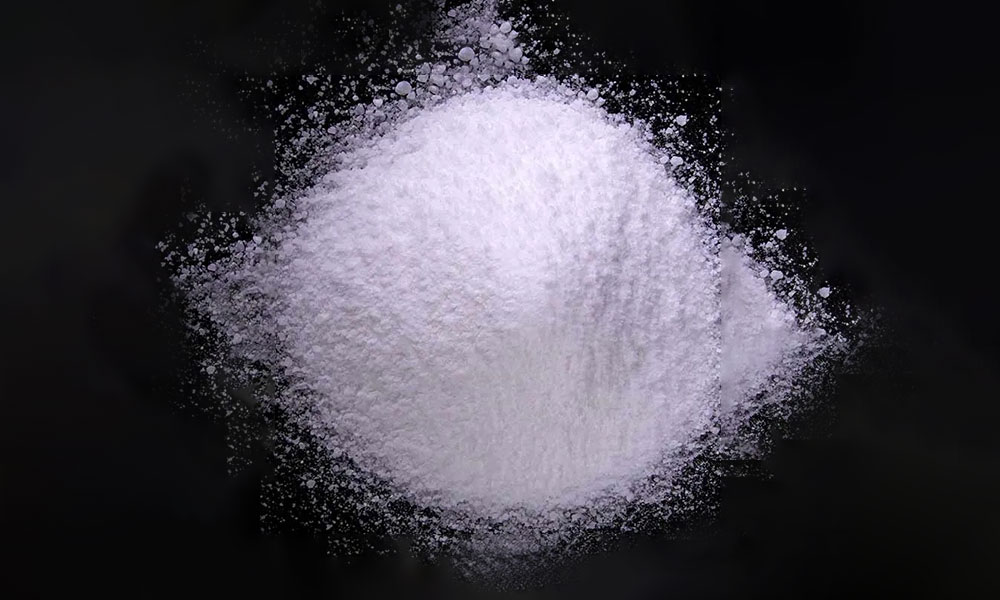
Funciones :1. Ambos hidrofílicos y lipofílicos, que tiene un cierto emulsificación y el efecto de la dispersión en aceite, y se puede formar un delicado y espuma estable; Naturales a base de plantas de origen, libre de PEG, verde y seguro. Tiene un antibacteriano de la propiedad, y tiene una fuerte resistencia a las bacterias, el moho y levadura. En uso, se puede reemplazar el benzoato de sodio y sorbato de potasio como conservante, hacer el producto más natural y saludable. Se utiliza en cosméticos, el producto tiene excelente para la piel de afinidad, de manera efectiva de mantener la piel hidratada, resolver seca, sensible a los problemas de la piel, y al mismo tiempo, tiene una buena dispersión, emulsificación y la estabilidad. Se puede mejorar la textura y el sabor de la fórmula y extender la vida de anaquel del producto. También puede ser utilizado como un agente espesante y suavizante en los protectores solares y de labios hidratantes. Compatibilidad fuerte, apto para todo tipo de sistemas; el Uso de propiedad de remoción de color y sabor de la eliminación de la tecnología, la calidad del producto es mejor y el rendimiento es estable. Así polyglyceryl-4 laurato es seguro para la piel.

skin care

Aplicación: Alta eficiencia emulsionante, dispersante, estabilizador, verde y seguro, puede ser utilizado en alimentos y piensos de la emulsificación y anti-corrosión, puede también ser utilizado en la limpieza facial, removedor de maquillaje, removedor de maquillaje en crema, protector solar y otros cosméticos. En la industria, puede ser utilizado como el plástico antifogging agente y dispersante de pigmentos.

Almacenamiento: Este producto no es una sustancia química peligrosa. El producto tiene una cierta absorción de la humedad, y deben ser sellados y almacenados en un lugar seco, fresco y ventilado, a temperatura baja. Poliglicerol-4 laurato está prohibido el almacenamiento y transporte de tóxicos y sustancias nocivas. La junta del vástago de almacenamiento período de 24 meses. Embalaje: Barril (25kg/ barril).

¿Qué es oleamidopropyl dimetilamina utilizado para

N-[3-(dimetilamino)propil]oleamida es un químico común utilizado en una amplia gama de aplicaciones. Es un compuesto orgánico que se extrae del aceite de coco y tiene una variedad de funciones y usos.

N-[3-(dimetilamino)propil]oleamida es sintetizado químicamente de alta calidad y alta pureza refinado materias primas, alias: oleamidopropyl dimetilamina, N-dimetilaminopropil cocamidoamide, cocamidopropil dimetil amina terciaria; Cocamyl propil dimetil amina terciaria, etc.

N-[3-(dimetilamino)propil]oleamida es un intermedio para la producción de aminas sales, óxidos de aminas, betaína, y sales de amonio cuaternario. Puede ser utilizado como emoliente, emulsionante, agente espumante, acondicionador suavizante, etc. Puede ser utilizado en productos para el baño, acondicionador, cuidado de la piel del agente, el champú, la síntesis química, la lubricación de aceite de corte y así sucesivamente. También es un muy buen agente de flotación para arena de cuarzo y el más eficaz de asfalto emulsionante. También puede ser utilizado como repelente de agua para el papel, inhibidor de corrosión y aditivos para productos derivados del petróleo.

¿Qué es oleamidopropyl dimetilamina y para que sirve?

En primer lugar, N-[3-(dimetilamino)propil]oleamida es ampliamente utilizado en productos de cuidado personal. Debido a su buena permeabilidad y propiedades hidratantes, que se añade a muchos champús, acondicionadores y productos de cuidado de piel como un ingrediente activo. N-[3-(dimetilamino)propil]oleamida hidrata profundamente el cabello y la piel, mejorando su suavidad y brillo, y la reducción de la sequedad y el daño UV para el cabello y la piel. Además, también se ha antiestático y funciones antioxidantes, que puede prevenir con eficacia la estática de la generación de electricidad y el daño oxidativo de la piel y el cabello.

What is oleamidopropyl dimethylamine used for

En segundo lugar, Oleamidopropyl dimetilamina también tiene importantes aplicaciones en productos de limpieza. Debido a su buena superficie activa de propiedades, se puede quitar con eficacia la grasa y la suciedad y se puede formar una estable la emulsión de sistema durante la limpieza. Por esta razón, Oleamidopropyl dimetilamina se utiliza a menudo como un ingrediente activo en los detergentes, detergentes y jabón. En estos productos de limpieza, es capaz de dispersar rápidamente la suciedad y la suspensión en el agua, lo que mejora el efecto de limpieza.

Además, oleamidopropyl dimetilamina también tiene ciertos antibacteriano y antiséptico efectos. En algunos productos farmacéuticos, se utiliza como conservante para extender la vida útil del producto y mantener su estabilidad. Al mismo tiempo, oleamidopropyl dimetilamina también puede inhibir el crecimiento de bacterias y hongos y jugar un cierto papel antibacteriano. Por lo tanto, cocamidopropil dimetilamina también se puede encontrar en algunos desinfectantes y productos de cuidado de piel.

Además de las aplicaciones mencionadas, N-[3-(dimetilamino)propil]oleamida es también ampliamente utilizado en el procesamiento textil, colorantes y tintas. Por ejemplo, en el procesamiento textil, que puede ser utilizado como un anti-arrugas y agente lubricante para mejorar el tacto y la suavidad de los tejidos. En tintes y tintas, se puede mejorar la dispersión y estabilidad de los pigmentos y mejorar el efecto de teñido y la impresión.

En resumen, N-[3-(dimetilamino)propil]oleamida, como multifuncional de la química, tiene una amplia gama de perspectivas de aplicación. Si es en productos de cuidado personal, productos de limpieza o de otras áreas, que juega un papel importante. En el futuro, con el avance de la ciencia y la tecnología y el crecimiento de la demanda, se cree que el campo de aplicación de los cocamidopropil dimetilamina continuará expandiéndose, aportando mayor comodidad y confort a la vida de las personas.

¿Qué es glyoxylic ácido utilizado para

Glyoxylic ácido, también conocido como glycinic ácido o la caseína, es un ácido orgánico, fácilmente se descompone en ácido fórmico y el etanol, puede ser ampliamente utilizado en la industria alimenticia, farmacéutica, de cosméticos y otros campos. Sin embargo, el misterio de glyoxylic ácido es mucho más que eso, también esconde desconocen muchas de sus propiedades mágicas.
Propiedades químicas de glyoxylic ácido
Glyoxylic ácido se compone de un grupo metilo grupo carbonilo y un hidroxilo del ácido del grupo, y tiene una muy fuerte la hidrofilia. Glyoxylic ácido se disocia de forma natural en el agua para formar un ácido de iones y protones con la fórmula CH3COO- + H+.

glyoxylic acid
Además, glyoxylic ácido se puede añadir a otros grupos en condiciones adecuadas para formar compuestos con actividades biológicas específicas, tales como la esterificación, la condensación, la alquilación, etc., que es una de las razones por las que glyoxylic ácido es ampliamente utilizado.
Aplicación de glyoxylic ácido en diferentes campos
1. El campo de los alimentos
Glyoxylic ácido es un tipo de ácido agente ampliamente utilizado en el campo de los alimentos, que pueden ser utilizados para sazonar y de protección de la calidad de los alimentos, tales como condimentos, latas, bebidas y productos lácteos.
Al mismo tiempo, glyoxylic ácido también tiene efecto antibacteriano y efectos bacteriostáticos, lo que puede ralentizar el crecimiento de las bacterias en los alimentos y mantener el sabor fresco de los alimentos. En los últimos años, la aplicación de glyoxylic ácido se ha convertido en más y más diversificadas, como para la nutrición de los potenciadores, productos para la salud, biológicas preparaciones enzimáticas y así sucesivamente.
2. Campo farmacéutico
Glyoxylic ácido o sus derivados son ampliamente utilizados en el campo farmacéutico, tales como la esterificación para producir ingredientes anti-inflamatorios en estériles gotas de ojos, tos, analgésicos, medicamentos orales, inyecciones, desinfectantes, etc.
3. Cosméticos
En los cosméticos, glyoxylic ácido puede ser utilizado no sólo como una purificación regulador, pero también tiene la función de regular el pH de la piel, bactericida, humectante y de control de aceite. Además, glyoxylic ácido también se puede utilizar para eliminar las manchas, el acné y la cutícula, la promoción de la renovación de la piel.
Glyoxylic Ácido encuentra aplicación en el cuidado personal como agente neutralizante, es ampliamente utilizado en el pelo alisado productos en particular (champús, acondicionadores, lociones, cremas) en los niveles de 0,5-10%. Glyoxylic ácido o oxoacetic ácido es un compuesto orgánico que es un aldehído y un ácido carboxílico.
4. Campo de las ciencias biológicas
Glyoxylic ácido tiene una amplia gama de aplicaciones en las ciencias de la vida, tales como el ADN/ARN de extracción de proteínas, modificación y cristalización, y el azúcar de la oxidación. Entre ellos, el ADN/ARN de extracción es el más ampliamente utilizado campo de ácido glyoxílico glyoxylic ácido mezclado con alcohol isopropílico/cloroformo se forma el ADN/ARN de la precipitación, así como para extraer el ácido nucleico en la muestra, es uno de los más utilizados métodos de extracción de ácidos nucleicos.
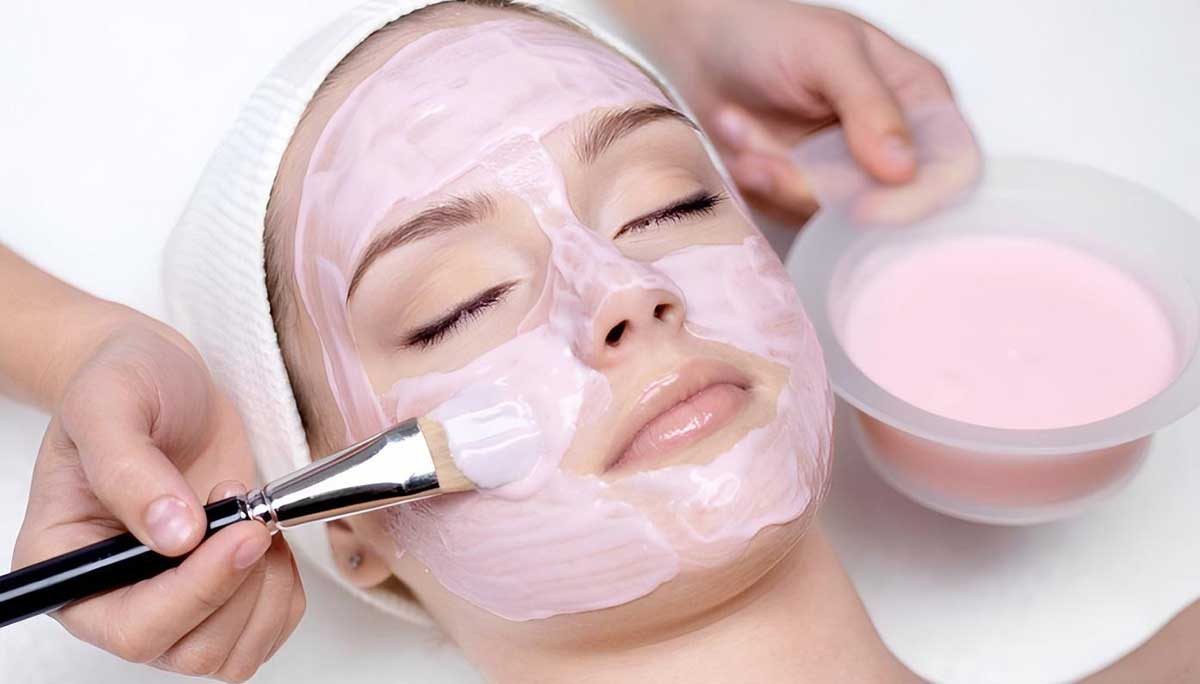
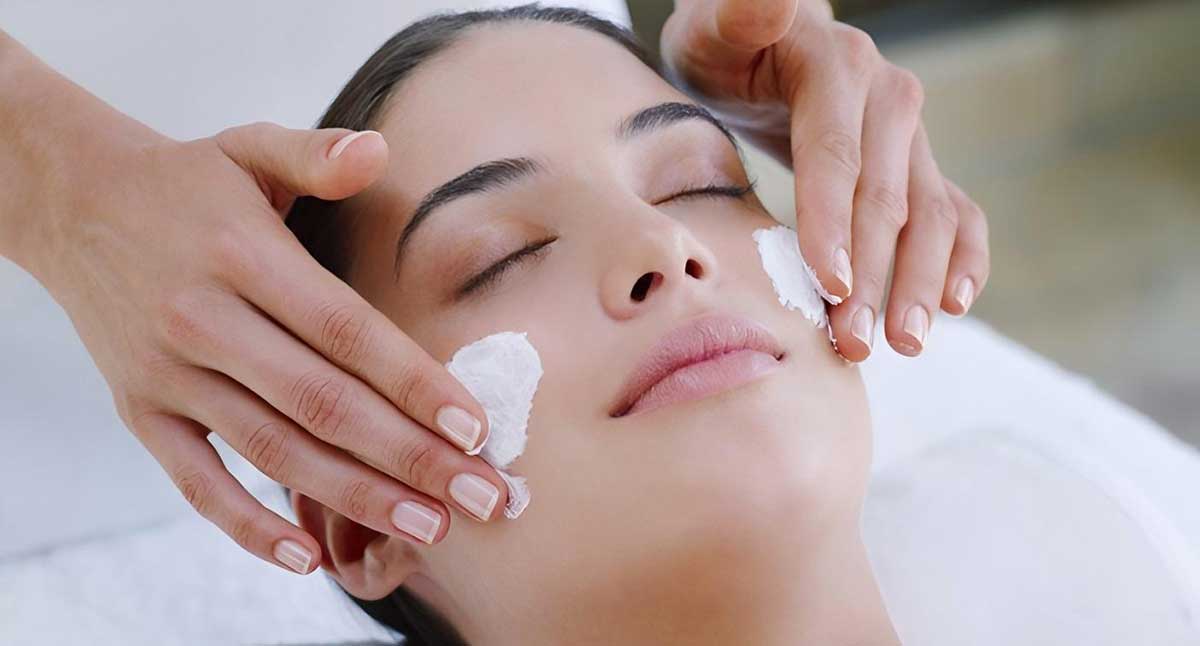
glyoxylic acid application
Glyoxylic ácidocomo un compuesto ampliamente utilizado en la industria alimenticia, farmacéutica, cosmética y de la vida de los campos de la ciencia, no sólo puede proporcionar ácido agente, pero también tiene propiedades antibacterianas, la reducción de la contaminación, antibacteriano y otras funciones, pero también en el campo de la biología para explorar glyoxylic ácido más amplias perspectivas de aplicación.

¿Qué es el dimetil sulfona

Dimetil sulfona es un sulfuro orgánicos con la fórmula molecular C2H6O2S, que es esencial para la síntesis de colágeno en el cuerpo humano. MSM se encuentra en la piel humana, el cabello, las uñas, los huesos, los músculos y los diversos órganos, y el cuerpo humano consume 0.5 mgMSM por día, y una vez que es deficiente, va a causar trastornos de salud o enfermedades.

Nombre en inglés: Dimetil Sulfona; HSH, Metil-Sulfonil-Metano

CAS: 67-71-0

Peso Molecular: 94.13

Fórmula Molecular: C2H6O2S

dimethyl sulfone mf

Especificaciones del producto: 5-20 malla, malla 20-40, 40-60 malla, de 40 a 80 de malla, de 60 a 80 de malla, de 60 a 100 de malla, 80-200 malla, etc.

Propiedades físicas y químicas: polvo cristalino blanco, soluble en agua, etanol, benceno, metanol y acetona, ligeramente soluble en éter. El permanganato de potasio no puede ser decolorado a temperatura ambiente, y fuertes oxidantes pueden oxidar dimetil sulfona en mesilato. Dimetil sulfona solución acuosa es neutra. A 25 °C micro-sublimación, a 60°C de la sublimación de la velocidad se acelera, por lo que el secado de dimetil sulfona productos debe llevarse a cabo en condiciones de baja temperatura de vacío. El MSM es un sulfuro orgánicos encontrados en el cuerpo humano y en común de bebidas y alimentos como la leche, el café, el té y las verduras de color verde. El MSM es un blanco, inodoro, soluble en agua de cristal. Biológicamente, los HSH no es tóxico como el agua y es un lugar muy seguro de la sustancia.

Proceso de producción: se Obtiene por dimetil sulfóxido oxidado por el peróxido de hidrógeno. El dimetil sulfóxido se oxida con el peróxido de hidrógeno en 140-145℃. Después de la reacción, el dimetil sulfóxido se enfría y se filtra para obtener el crudo blanco de aguja de cristal. Después de refinación, secado y selección, que es el producto terminado.

Refinación método: en General, el uso de carbón activado remoción de color, intercambio de iones desala, disolvente de recristalización, secado al vacío, la selección, la refinación, la adición de agente antiestático, resbaladizo agente para cumplir con los requisitos de exportación.

Fuente: Dimetil sulfona puede ser obtenido a partir natural o sintético fuentes. Fuentes naturales de dimetil sulfonas son generalmente considerados como de los más fiables de la calidad ya que no están sujetos a las incertidumbres introducidas por los procesos químicos y de síntesis.

Almacenamiento y transporte: hermético, a prueba de humedad, a prueba de fuego, protección contra el sol.

dimethyl sulfone

¿Cuál es el uso de dimetil sulfona?

Uso 1: se Utiliza como un líquido estacionario para cromatografía de gases, sino también para el análisis de bajos hidroxilo

Uso 2: se Utiliza como síntesis orgánica de las materias primas, de alta temperatura disolventes, aditivos de alimentos y productos de salud de las materias primas

Uso 3: se Utiliza como alta temperatura solvente de orgánicos e inorgánicos, materiales, síntesis orgánica de las materias primas, aditivos de alimentos y cuidado de la salud de las materias primas, también puede ser utilizado como la cromatografía de gases fijo de líquido (temperatura de 30℃, el disolvente es) y reactivos analíticos.

Dimetil sulfona del producto campo de aplicación:

Aplicación 1: Se puede eliminar el virus, fortalecer la circulación de la sangre, ablandar los tejidos, aliviar el dolor, fortalecer los tendones y los huesos, el espíritu tranquilo, aumentar la fuerza física, mantener la piel, el cabello y belleza, el tratamiento de la artritis, oral úlcera, asma, estreñimiento, transporte vasos de la sangre y eliminar las toxinas en el tracto gastrointestinal.

Aplicación 2: Dimetil sulfona puede ser utilizados como alimentos y aditivos para piensos para complementar el azufre orgánico de nutrientes para los seres humanos, animales domésticos y el ganado.

Aplicación 3: uso Externo, puede hacer que la piel suave, músculo flexible, y puede reducir las manchas de color, recientemente como un cosmético aditivo dosis mayor.

Aplicación 4: En la medicina, tiene buena analgesia, la promoción de la cicatrización de la herida y otras funciones.

La aplicación cinco: Excelente penetración en la producción farmacéutica.

Dimetil sulfona de acción:

1.Dimetil sulfona puede eliminar el virus, fortalecer la circulación de la sangre, ablandar los tejidos, aliviar el dolor, fortalecer los tendones y los huesos, el espíritu tranquilo, aumentar la fuerza física, mantener la piel, el cabello y belleza, el tratamiento de la artritis, oral úlcera, asma, estreñimiento, transporte vasos de la sangre y eliminar las toxinas en el tracto gastrointestinal.

2.Dimetil sulfona puede ser utilizados como alimentos y aditivos para piensos para complementar el azufre orgánico de nutrientes para los seres humanos, animales domésticos y el ganado.

3. Dimetil sulfona el uso externo puede hacer que la piel suave, flexible músculos, y puede reducir las manchas de color, recientemente como un cosmético aditivo dosis mayor.

4. Dimetil sulfona en medicina, tiene buena analgesia, promover la cicatrización de heridas y otras funciones.

5. Dimetil sulfona excelente penetración en la producción de drogas.