IT
IT  EN
EN  ZH
ZH  DE
DE  ES
ES  KO
KO  PT
PT  FR
FR  TH
TH  AR
AR  VI
VI  NL
NL  RU
RU 

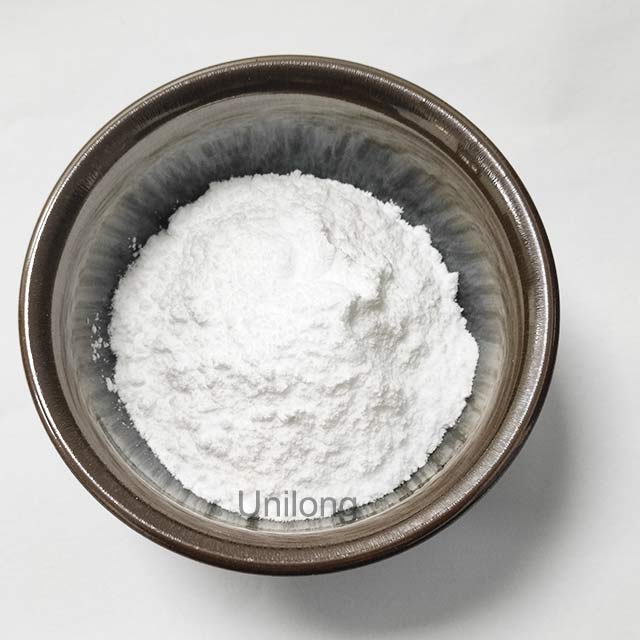
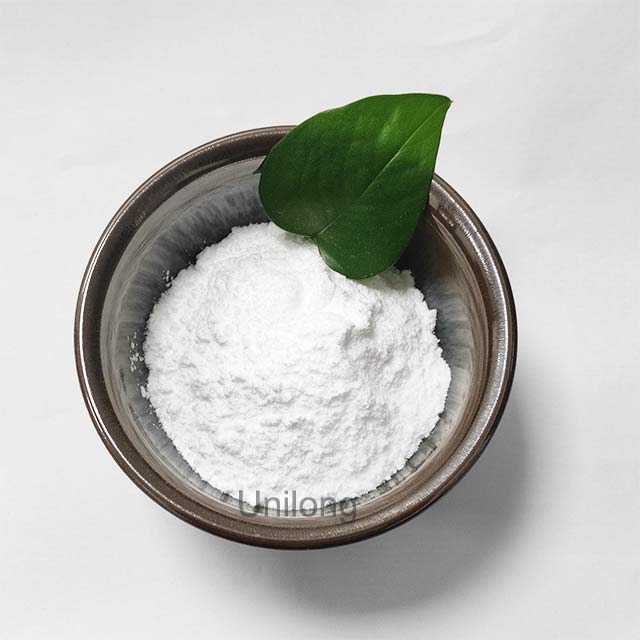
CAS NO.:1156-51-0
Formula molecolare:C17H14N2O2
Peso Molecolare:278.31
EINECS:214-590-4
Sinonimi:Cyanicacid, (1-metiletiliden)di-4, 1-phenyleneester; propano,2,2-bis(4-cyanatophenyl)-
2,2-Bis-(4-cyanatophenyl)propane (CAS 1156-51-0), also known as Bisphenol A cyanate ester, is a high-performance thermosetting resin monomer widely used in advanced composite materials and electronic encapsulation. It features excellent thermal stability, low dielectric constant, and superior mechanical strength, making it a key material in aerospace, electronics, and high-performance composites.
As a difunctional cyanate ester derived from Bisphenol A, it undergoes cyclotrimerization reactions to form triazine ring networks, resulting in highly crosslinked structures with outstanding thermal and dielectric properties.
|
Nome del prodotto
|
2,2-Bis-(4-cyanatophenyl)propano
|
|
Cas
|
1156-51-0
|
|
Aspetto
|
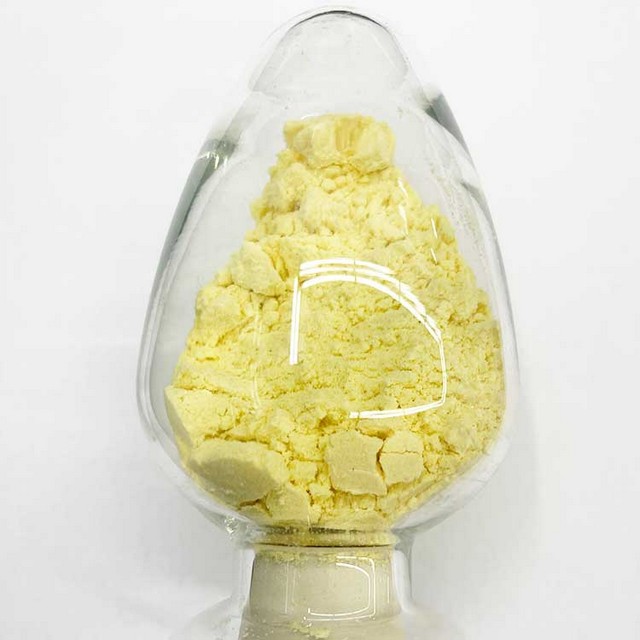
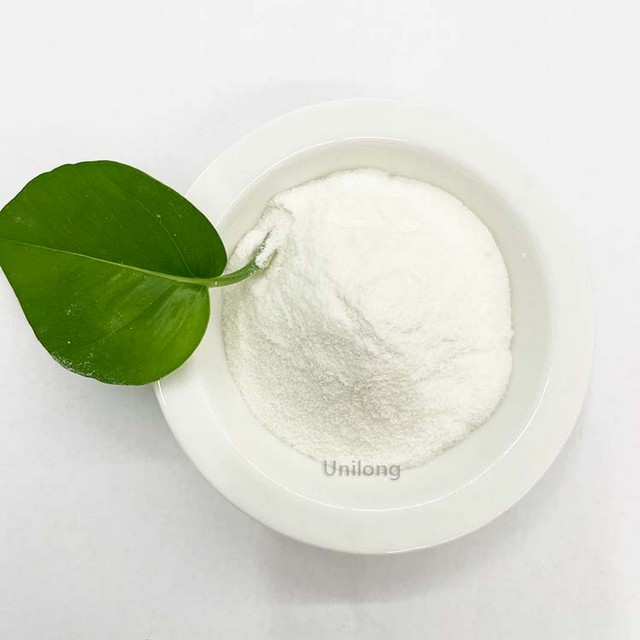
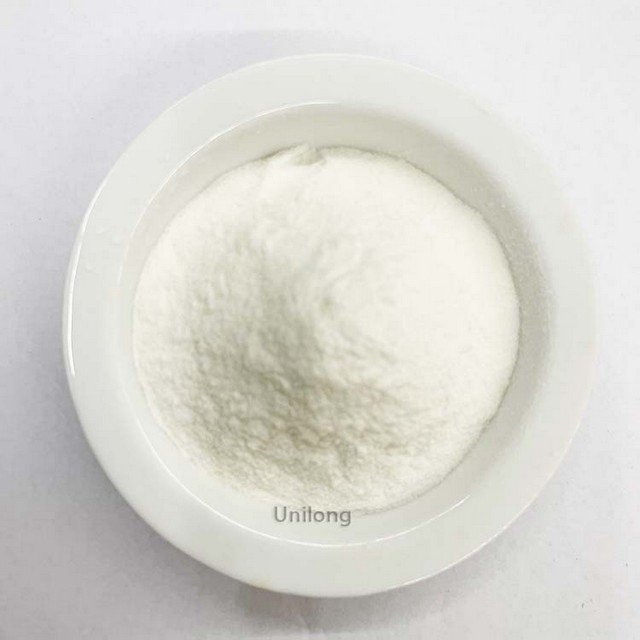
Polvere bianca
|
|
Dosaggio
|
99%
|
|
Applicazione
|
intermedi organici
|
|
MOQ
|
1kg
|
|
Consegna veloce
|
1-5days
|
|
Termini di pagamento
|
T/T;L/C;Money Gram;Scambi di assicurazione di ordine
|
|
Punto di fusione
|
80 °C
|
|
Punto di ebollizione
|
391.0±52.0 °C(Previsto)
|
|
densità
|
1.171±0.06 g/cm3(Previsto)
|
|
temperatura di conservazione.
|
Sigillati in luogo asciutto,Temperatura ambiente
|
Bisphenol A cyanate ester (CAS 1156-51-0) is widely used in carbon fiber composites, glass fiber composites, and aerospace-grade laminates. Its crosslinked triazine structure provides:
High glass transition temperature (Tg > 250°C)
Excellent dimensional stability
Low moisture absorption
Superior adhesion to reinforcing fibers
These properties make it ideal for aerospace structures, satellite components, and high-performance automotive composites.
Owing to its low dielectric constant and excellent thermal endurance, 2,2-Bis-(4-cyanatophenyl)propane is a key material in:
Printed circuit boards (PCBs)
Semiconductor encapsulation resins
High-frequency electronic substrates
Adhesive formulations for electronic packaging
Its low outgassing and minimal dielectric loss ensure stability in microelectronic and communication equipment.
The reactive cyanate ester groups enable self-polymerization or copolymerization with epoxy or bismaleimide resins. This improves:
Crosslink density and mechanical strength
Chemical and solvent resistance
Long-term heat resistance
Therefore, it’s often used in heat-resistant coatings, adhesive systems, and structural composites requiring durability under extreme environments.

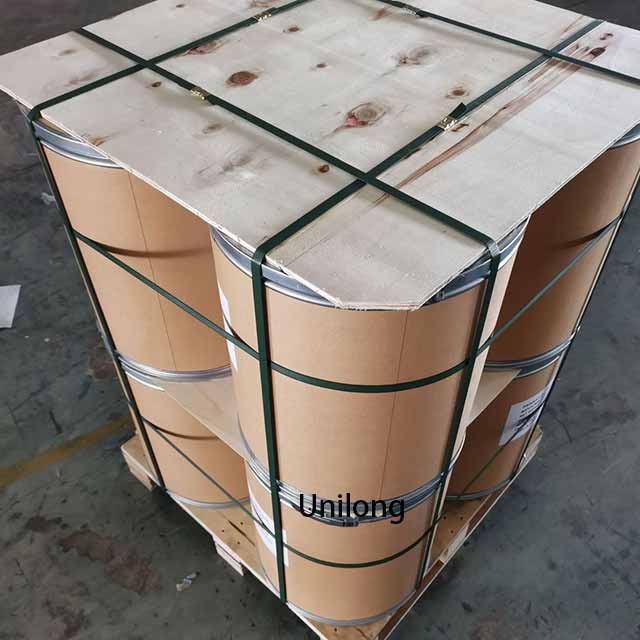
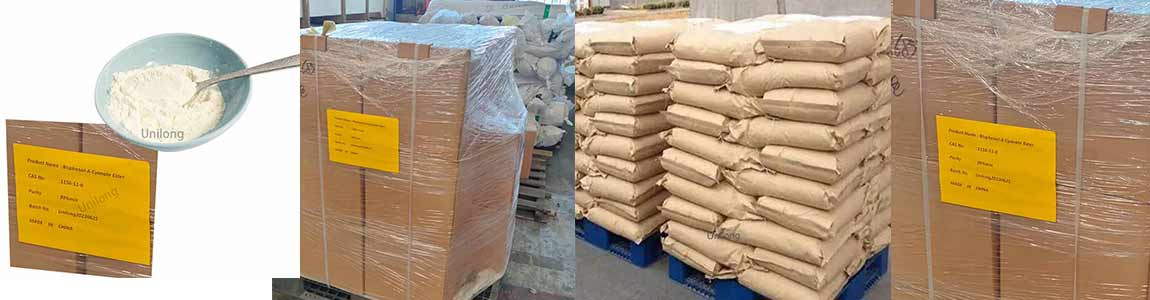
25kgs/drum, 9tons/20'container
![1-[2-(Dimethylamino)ethyl]-1H-tetrazole-5-thiol-supply](https://unilongindustry.com/wp-content/uploads/2022/03/1-2-Dimethylaminoethyl-1H-tetrazole-5-thiol-supply.jpg "1-(2-DIMETHYLAMINOETHYL)-5-MERCAPTO-1H-TETRAZOLE with CAS 61607-68-9 12")