ES
ES  EN
EN  ZH
ZH  DE
DE  KO
KO  PT
PT  FR
FR  TH
TH  AR
AR  IT
IT  VI
VI  NL
NL  RU
RU 

CAS: 304-55-2
Pureza: 99%
Molecular Formula: C4H6O4S2
Molecular Weight: 182.22
EINECS: 206-155-2
Tiempo de almacenamiento: 2 años
Synonyms: (2R,3S)-2,3-diMercaptosuccinic acid,DMSA,API Succimer
What is Succimer CAS 304-55-2?
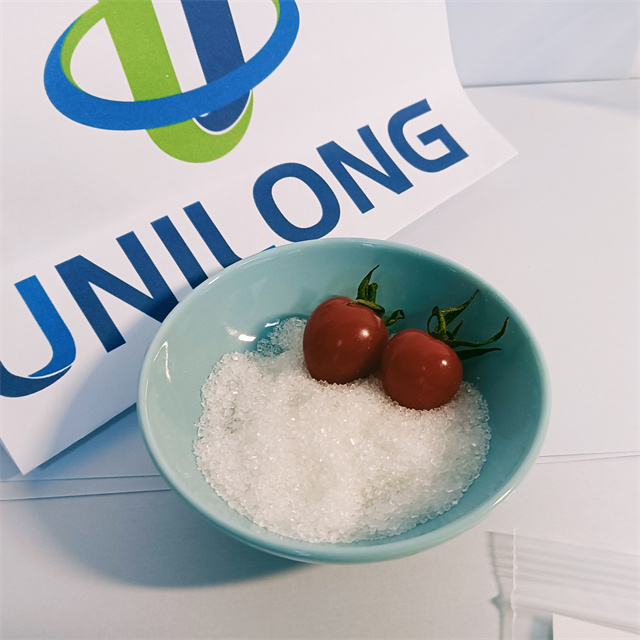
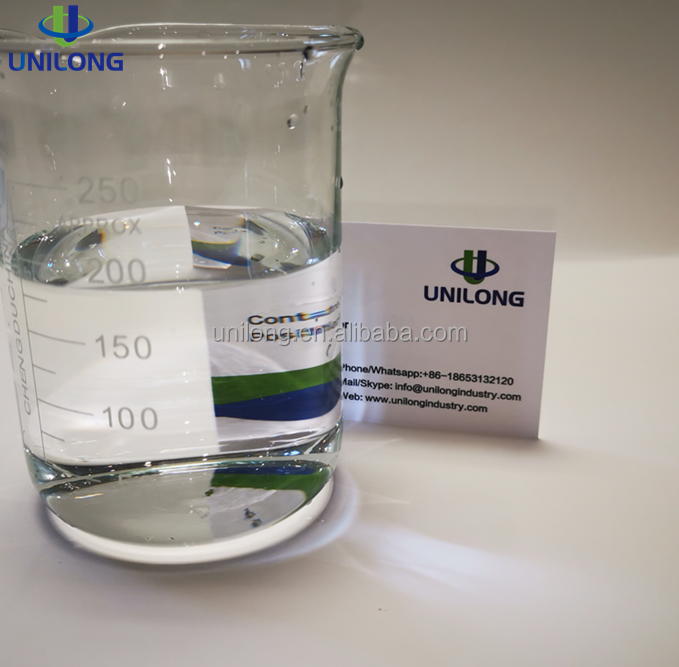
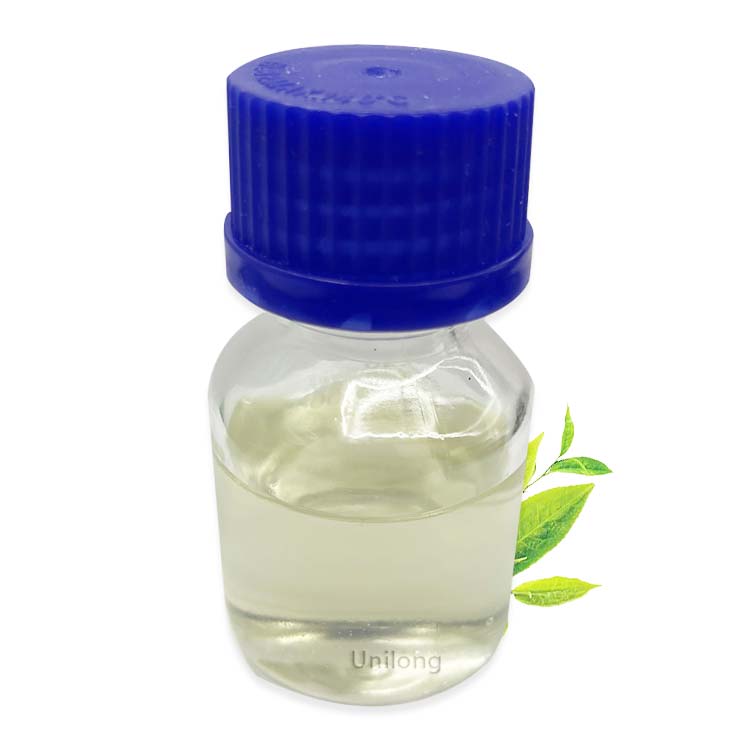
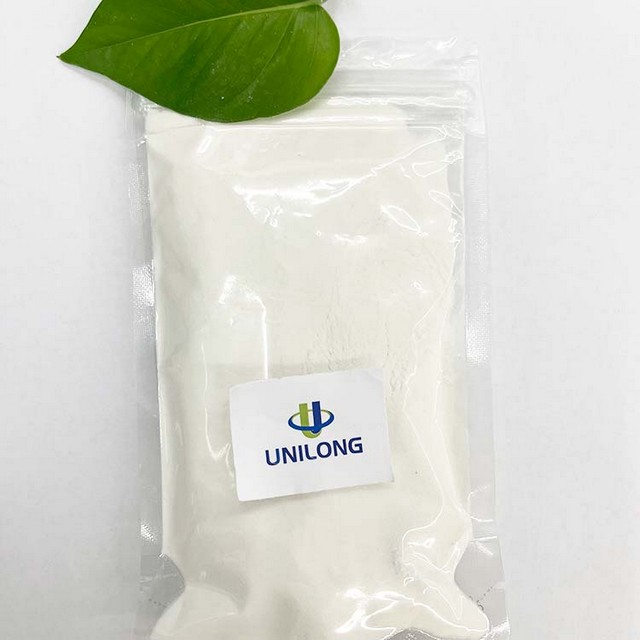
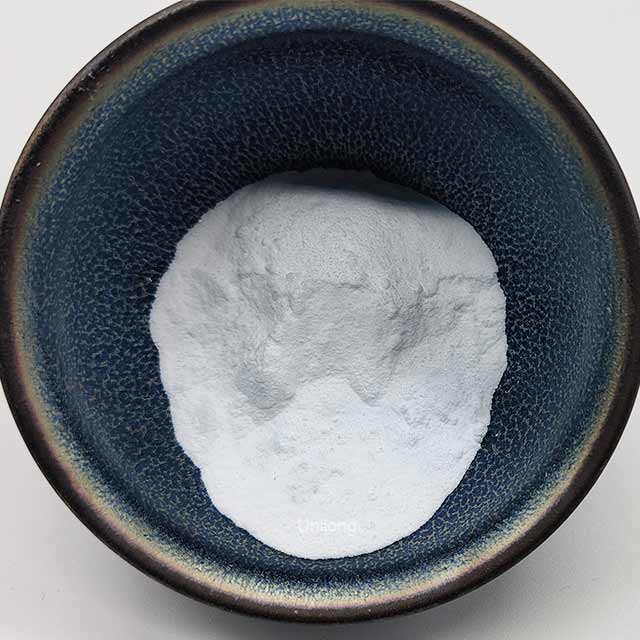
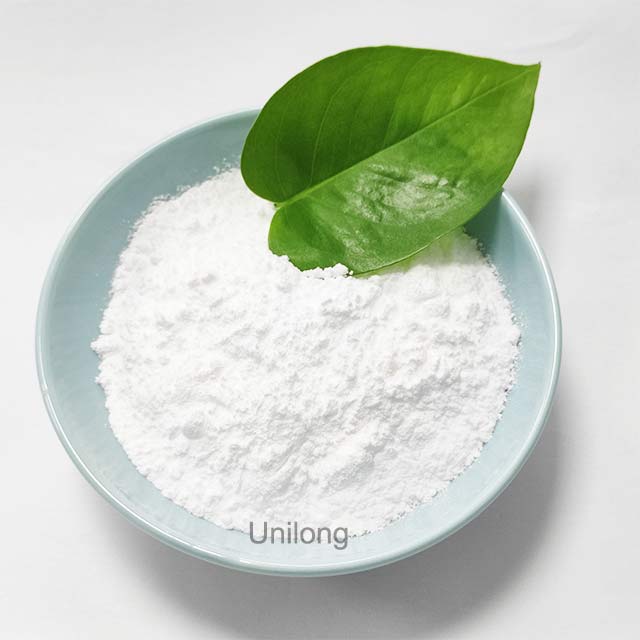
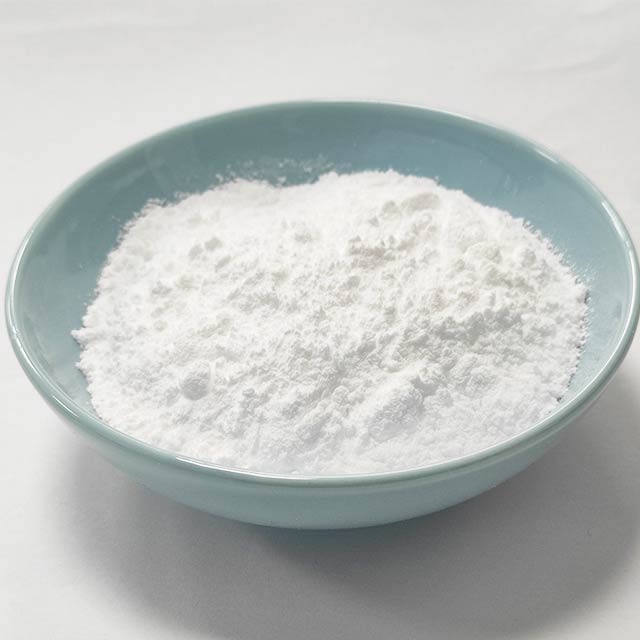
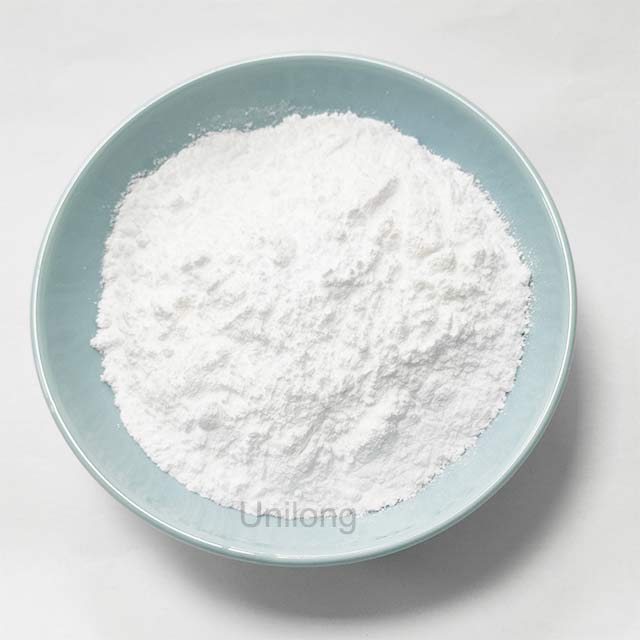
Succimer is white crystalline powder. Melting point 196-198℃ (decomposes). Soluble in alkaline solutions, slightly soluble in methanol, insoluble in water. It has the peculiar odor of mercaptan compounds and gradually oxidizes in the air.
Succimer, also known as 2,3-Dimercaptosuccinic Acid (DMSA), is a water-soluble organosulfur compound widely used as a chelating agent for heavy metal detoxification. It binds to toxic metals such as lead, mercury, and arsenic to form stable, excretable complexes.
As a pharmaceutical active ingredient (API Succimer), DMSA is included in several approved drug formulations for treating heavy metal poisoning in humans, offering an effective and low-toxicity alternative to older chelating agents like BAL and EDTA.
Especificación
| Apariencia | Polvo Cristalino Blanco |
| Solubilidad | This product is slightly soluble in methanol or ethanol,it is almost insoluble in water complies |
| Punto De Fusión | 190.5℃~192.5℃ |
| Acidity PH | 2.5-3.0 |
| Pérdida Por Desecación | 0.1% |
| Residuo En La Ignición | 0.05% |
| Metales pesados | ≤10PPM |
| Ensayo | 99.3% |
Applications of Succimer (DMSA)
1. Pharmaceutical Industry
API Succimer is widely used in drug formulations for treating lead and mercury poisoning.
DMSA serves as an essential chelating therapy agent, capable of removing toxic metals without affecting essential mineral levels.
Recognized in pharmacopoeias (USP, EP, JP) for its high safety and efficacy.
2. Industrial and Environmental Applications
Utilized in environmental remediation and wastewater treatment processes to bind and remove heavy metal ions.
Características
It has a strong and relatively selective binding ability to toxic heavy metals like lead and mercury, while having minimal binding to essential minerals (e.g., zinc, copper) in the body, thus reducing the risk of disrupting normal mineral balance.
Compared to older chelators, it has fewer severe side effects. Most adverse reactions (e.g., mild gastrointestinal symptoms, skin rashes) are mild, transient, and manageable, supporting its use in vulnerable pediatric populations.
Embalaje
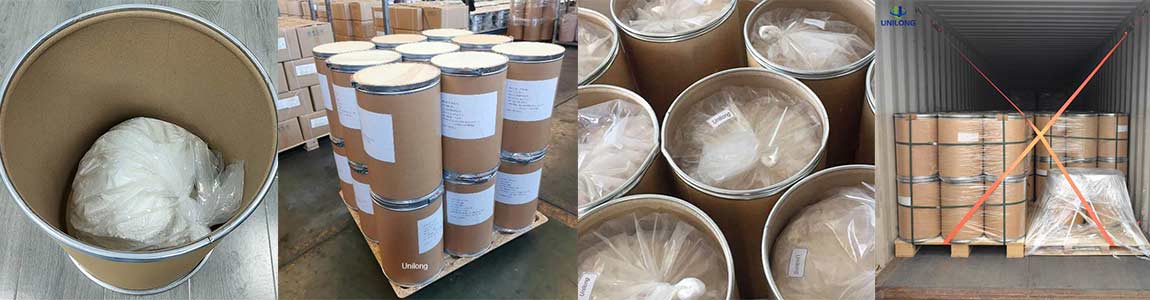
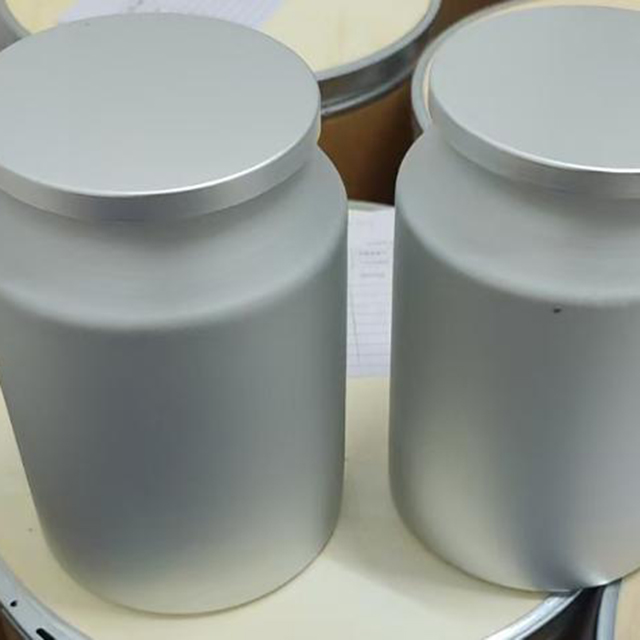
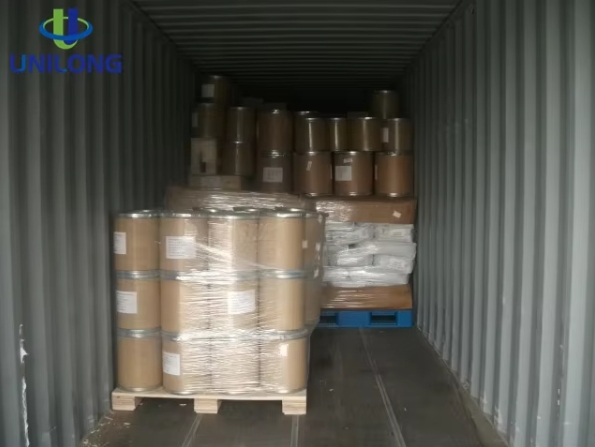
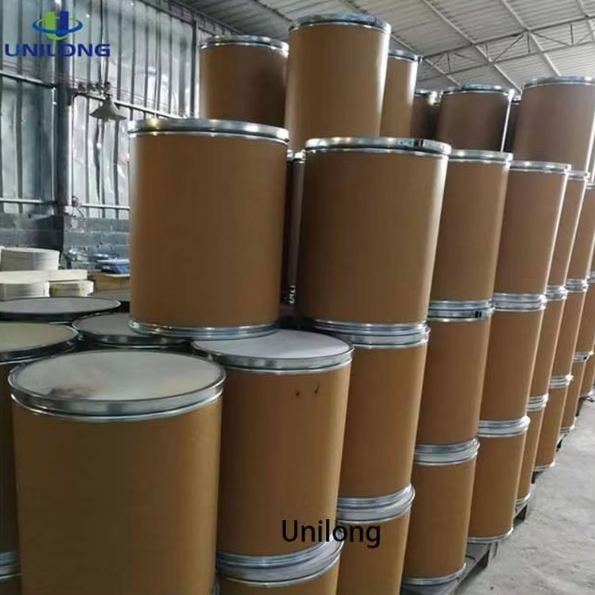
25kg/carton or 1kg/aluminum can,Needs to be protected from light.