What is Hydroxypropyl cellulose?
Hydroxypropyl Cellulose (HPC) CAS 9004-64-2 is a non-ionic water-soluble cellulose ether, which is prepared by alkalizing cellulose and reaction with propylene oxide. It has both water solubility and organic solubility, and has good film-forming, adhesion, thickening and surface activity, and is widely used in medicine, food, cosmetics and industrial fields.It is regarded as a safe and multifunctional polymer that enhances product texture, stability, and performance.
It combines the excellent film-forming, thickening, and binding properties of cellulose with improved solubility, thermal stability, and compatibility with a wide range of organic and aqueous systems.
Especificación
| ELEMENTO |
ESTÁNDAR |
| Apariencia |
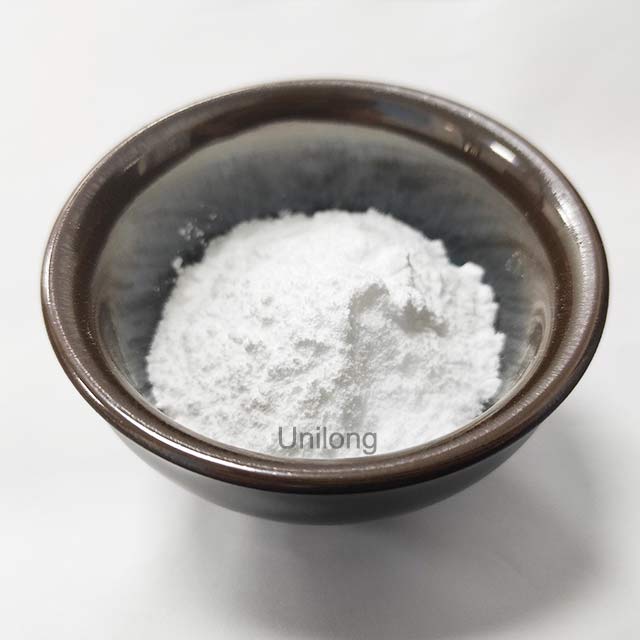
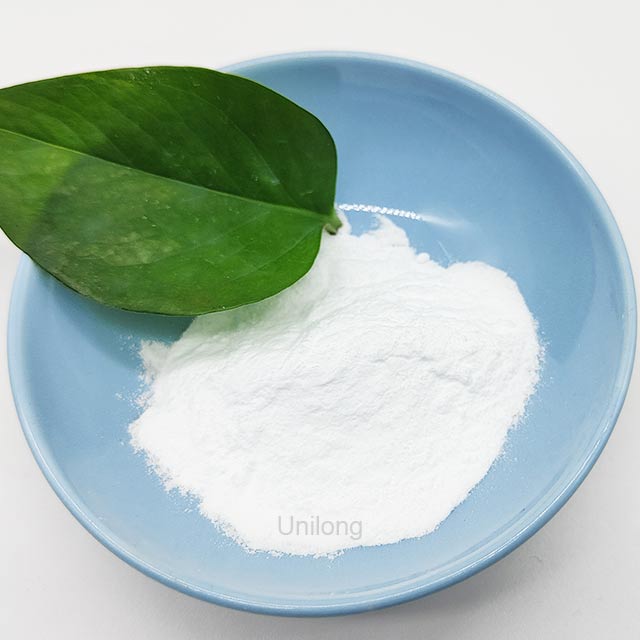
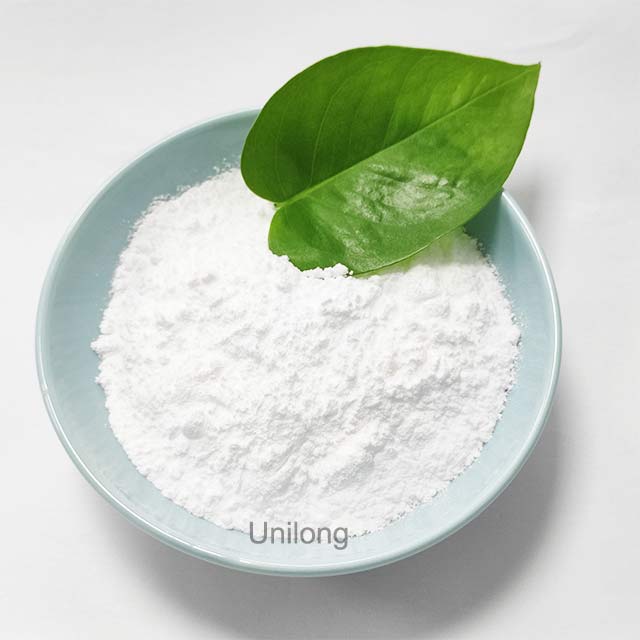
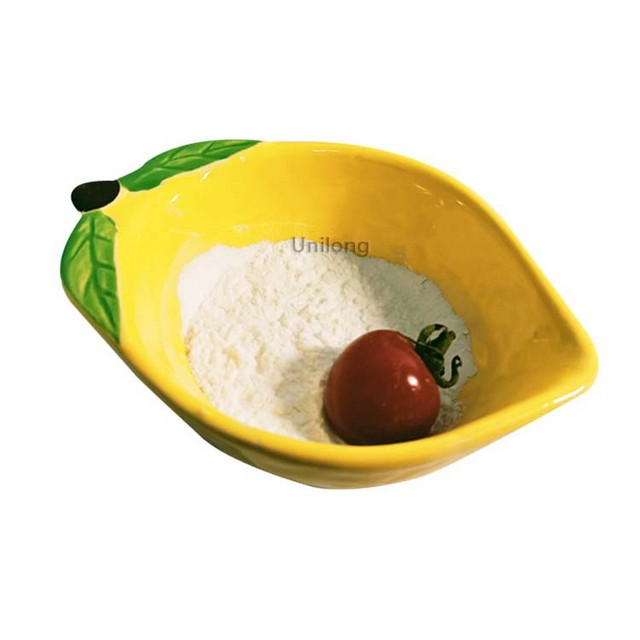
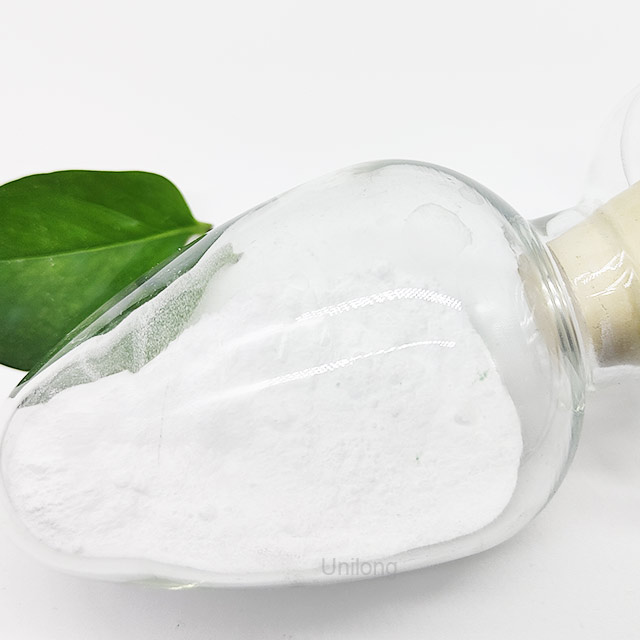
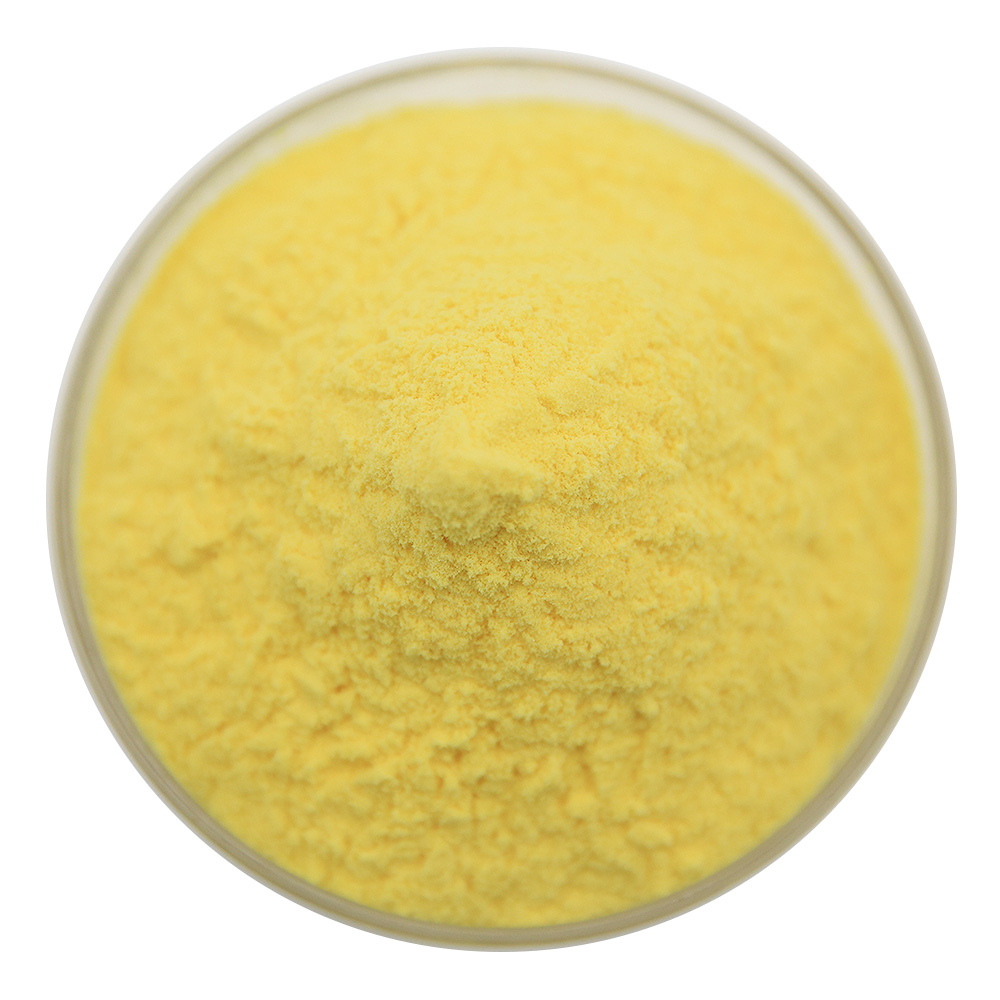
White to yellowish-white or cream
colored granular solid or powder,
hygroscopic after drying. |
| Solubilidad |
Soluble in cold water, in ethanol
(96 percent) and in propylene
glycol giving colloidal solutions,
practically insoluble in hot water |
| Identification A-C |
符合 |
| PH (25℃) |
5.0-8.0 |
| Silica |
≤0.6% |
| Residuo en la ignición |
≤0.8% |
| Pérdida por desecación |
≤5.0% |
| TG Value |
130C-150℃ |
| Pb |
≤3ppm |
| Hg |
≤0,1 ppm |
| COMO |
≤lppm |
| Cd |
≤1 ppm |
| Hydroxypropyl |
53.4-80.5% |
| Viscosity (2% Solution,20℃) |
5-4000mPa.s |
| Metales pesados |
≤10ppm |
| Tamaño de partícula |
100% Pass 40 mesh |
| Total yeast& mould cous
Coliformes |
≤100cfu/g |
| Total aerobic Microbial Courttstl |
≤1000cfu/g |
Hydroxypropyl Cellulose Solubility
Hydroxypropyl Cellulose is unique among cellulose ethers for being soluble in both cold and hot water as well as in many organic solvents (ethanol, methanol, propanol).
It dissolves easily without forming clumps, producing clear and stable solutions—a crucial advantage for both aqueous and solvent-based systems.
Hydroxypropyl Cellulose Uses
1. Hydroxypropyl Cellulose in Tablets
In pharmaceutical formulations, Hydroxypropyl Cellulose (HPC) serves multiple roles:
-
Binder and Filler: Enhances mechanical strength and compressibility of tablets.
-
Film Former: Creates protective coatings that improve appearance and control drug release.
-
Disintegrant (L-HPC): Improves the disintegration rate of solid dosage forms, aiding faster dissolution.
-
Controlled Release Agent: Adjusts the release profile of active ingredients in sustained-release tablets.
HPC is used in both oral and topical drug formulations due to its high purity and biocompatibility.
2. Hydroxypropyl Cellulose in Food
Hydroxypropyl Cellulose in food acts as a thickener, emulsifier, and stabilizer. It improves mouthfeel, prevents syneresis, and enhances the stability of sauces, dressings, beverages, and bakery fillings.
It is especially valued in low-fat or sugar-reduced formulations for maintaining desirable texture.
3. Cosmetic and Personal Care Applications
In cosmetics, Hydroxypropyl Cellulose functions as a film-forming and thickening agent in creams, lotions, gels, and shampoos.
It imparts smoothness, consistency, and helps stabilize emulsions. Its non-irritating and skin-friendly properties make it ideal for sensitive skin formulations.
4. Industrial Applications
Beyond pharmaceuticals and food, HPC is used in coatings, adhesives, paints, and inks for:
Key Features & Advantages
1. Excellent Solubility and Film-Forming Ability
Hydroxypropyl Cellulose is soluble in both water and polar solvents such as ethanol and methanol. Its outstanding solubility allows easy incorporation into diverse formulations. It forms clear, flexible, and oxygen-permeable films ideal for coatings and drug delivery systems.
2. Safe and Non-Toxic Ingredient
Hydroxypropyl Cellulose is safe for human use and is approved by FDA, EFSA, and JP for use in foods, pharmaceuticals, and cosmetics. It is non-allergenic, biodegradable, and environmentally friendly.
3. Stable, Compatible, and Versatile
It exhibits excellent stability across a wide pH range and temperature conditions. Compatible with electrolytes, surfactants, and other excipients, HPC ensures uniform texture and long-term formulation stability.
4. Pharmaceutical and Food Grade Options Available
We offer pharmaceutical-grade (L-HPC) and food-grade Hydroxypropyl Cellulose for different applications, ensuring compliance with international standards such as USP/NF, EP, and JP.
Why Choose Us as Your Hydroxypropyl Cellulose Supplier?
1. Multiple viscosity specifications are available. Eight different HPCS are matched with different viscosities according to the customer’s pharmaceutical field. The application effect is better.
2. The content of arsenic compounds is low. The arsenic content on the market is less than 200 PPM, and we can control it to less than 2PPM. Adding it to drugs is less harmful and more effective.
3. We can customize high-viscosity HPC. The high-viscosity specification can be used as the material for sustained-release and controlled-release preparations. By adjusting the viscosity, the drug release rate can be precisely controlled, thereby increasing the production efficiency of the finished product.
Whether you need Hydroxypropyl Cellulose for tablets, food, or cosmetic applications, we provide tailored solutions to meet your production and R&D needs.
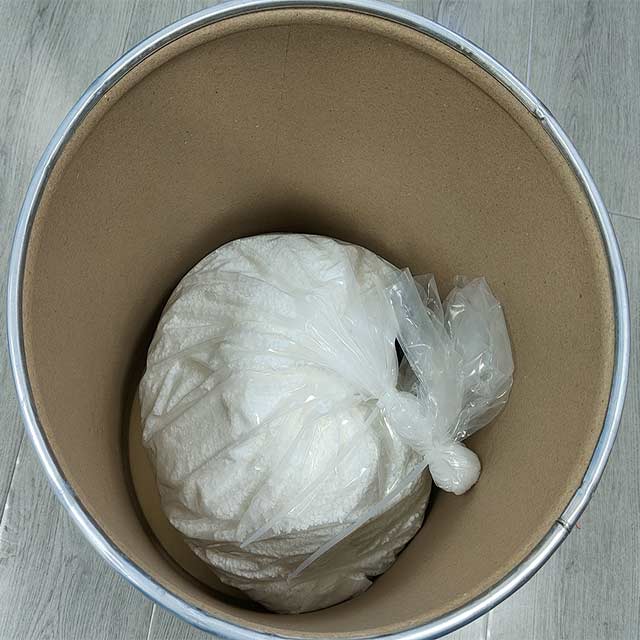
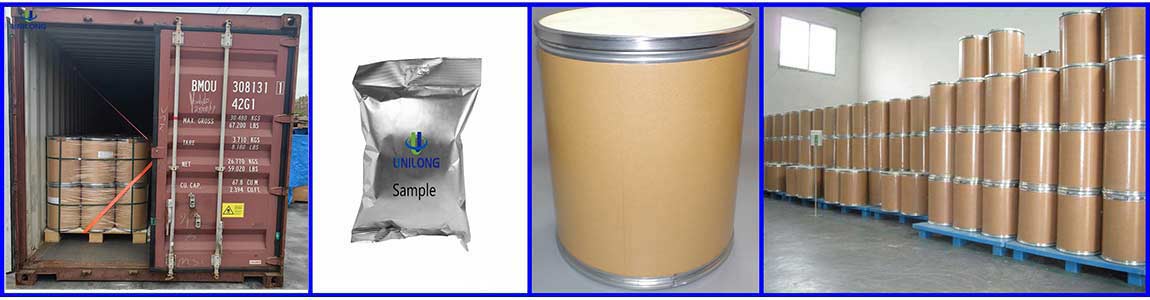
Embalaje
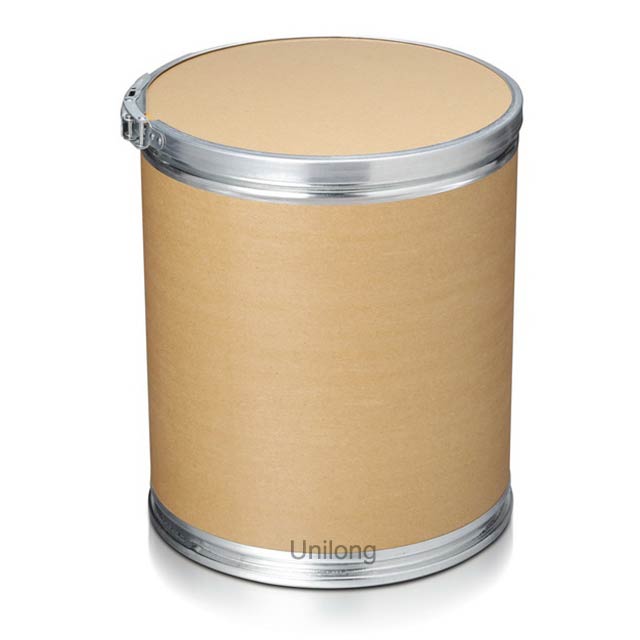
25kg/ drum
 ES
ES  EN
EN  ZH
ZH  DE
DE  KO
KO  PT
PT  FR
FR  TH
TH  AR
AR  IT
IT  VI
VI  NL
NL  RU
RU