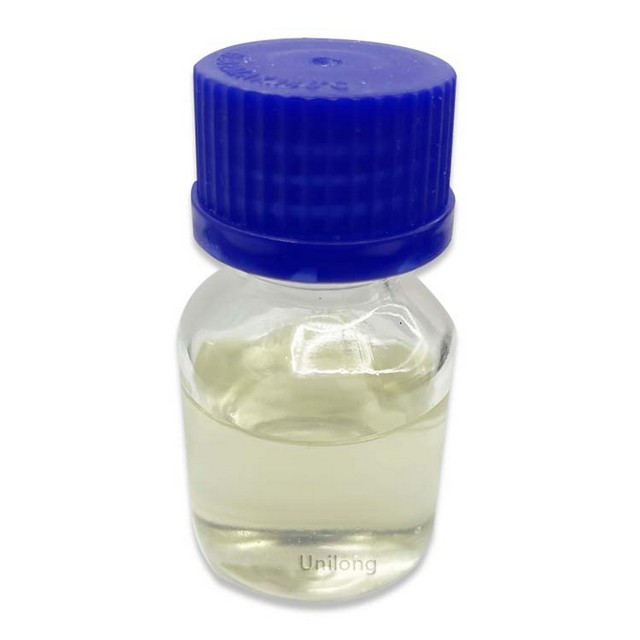
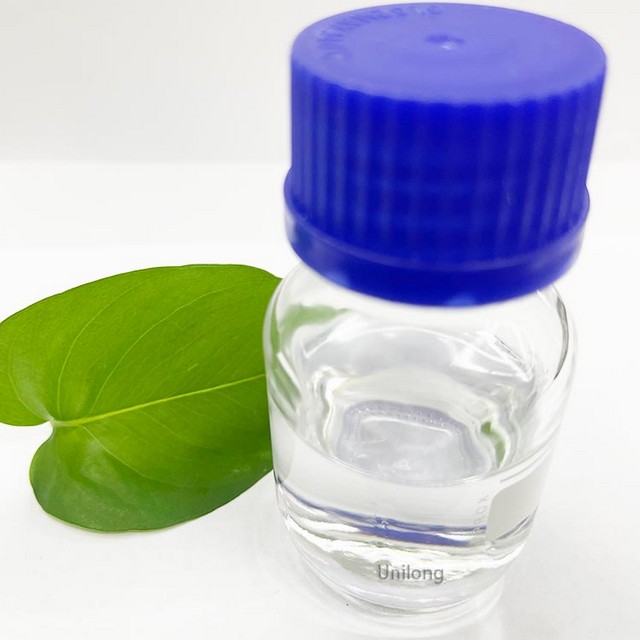
What is Sodium polyglutamate CAS 28829-38-1?
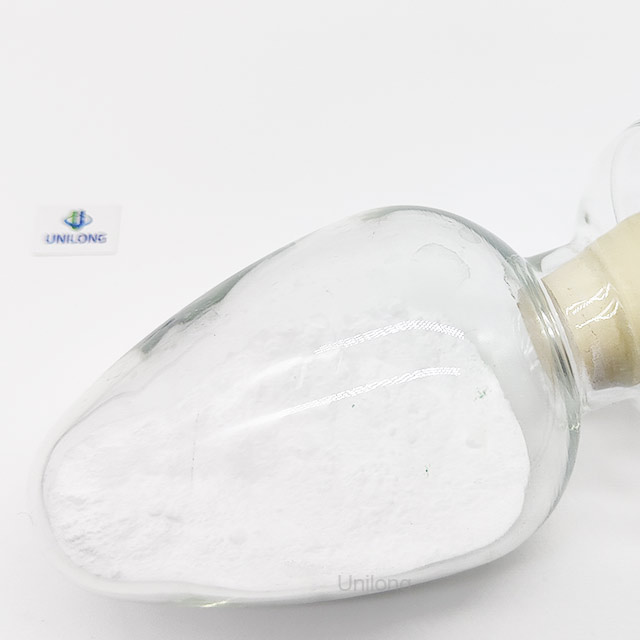
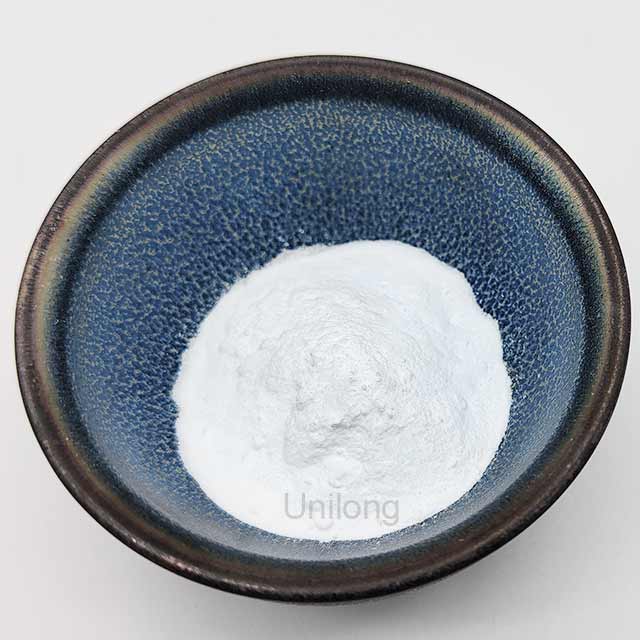
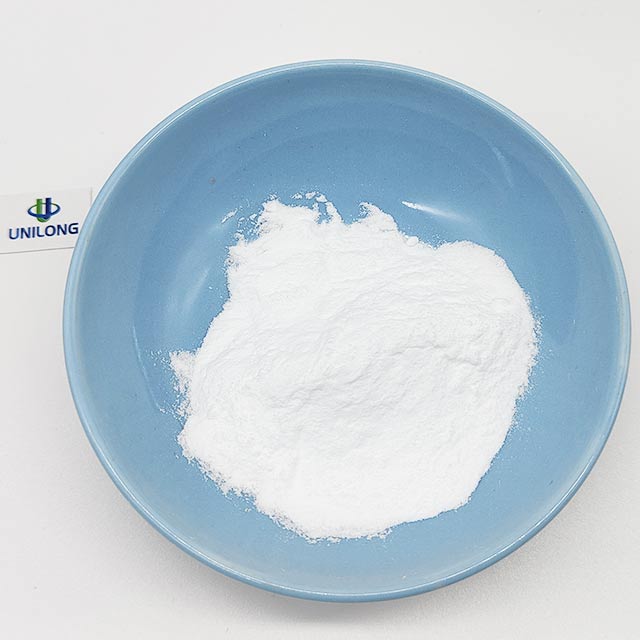
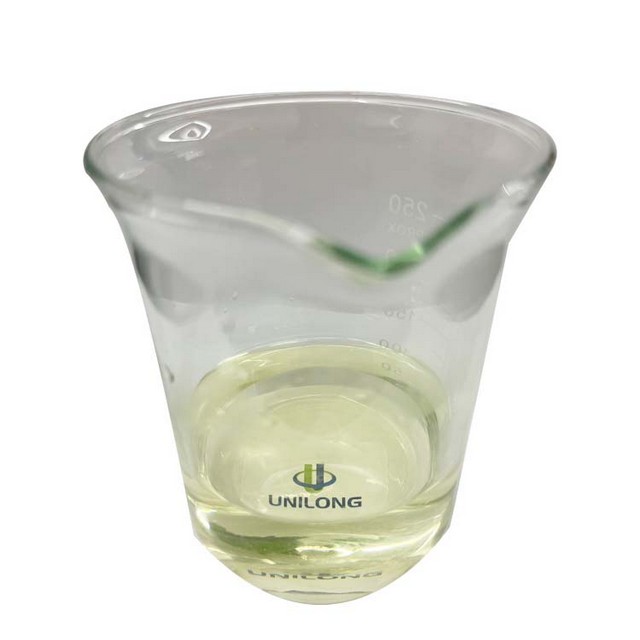
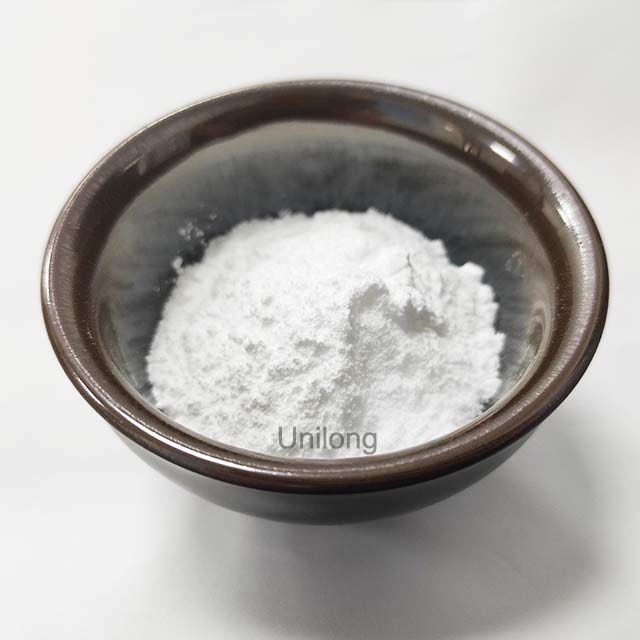
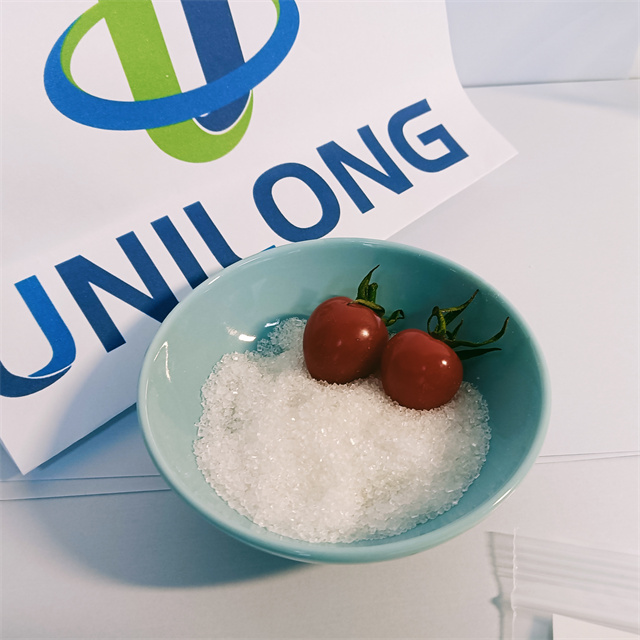
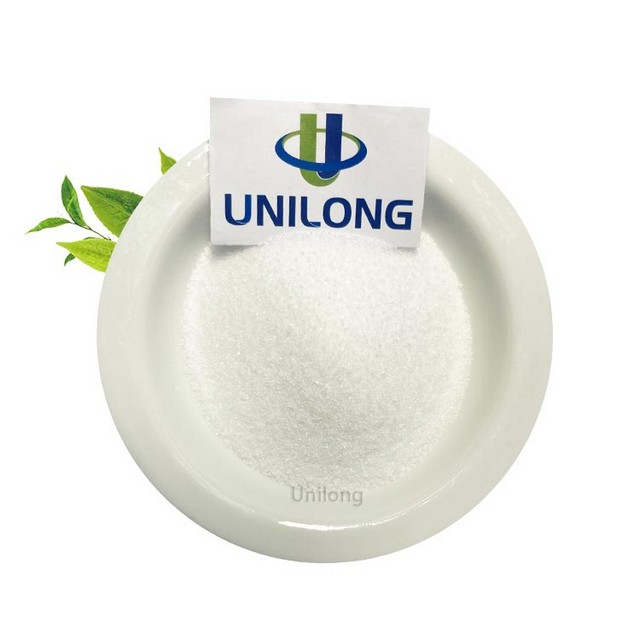
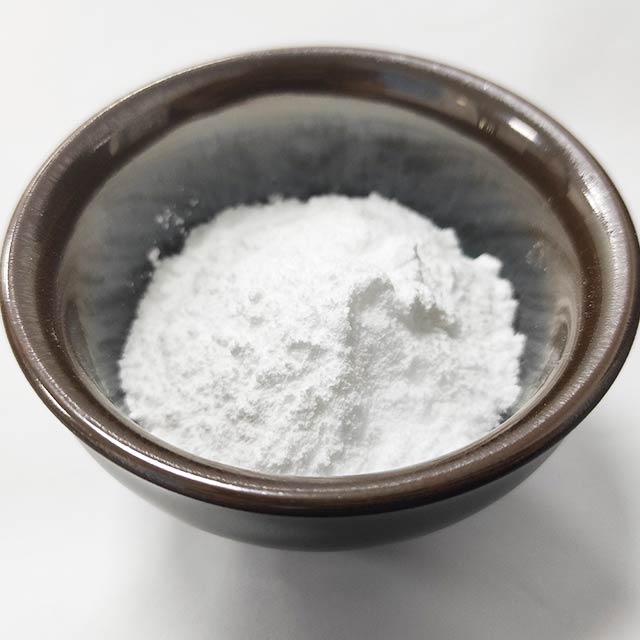
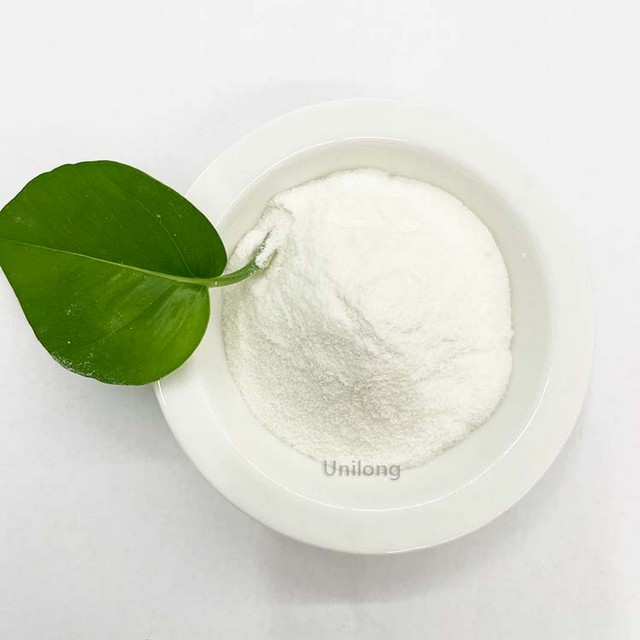
Sodium polyglutamate CAS 28829-38-1 is mostly white or off-white powder in appearance. It has excellent water solubility and can form a transparent viscous solution. The molecular weight varies significantly depending on the degree of polymerization, commonly ranging from 10,000 to 1,000,000g/mol. There are also different specifications such as high molecular weight (> 700 kDa), low molecular weight (70K – 150KDa), and oligomer (< 10KDa).
Sodium polyglutamate has a regular dendritic molecular structure within the pH range of 5 to 8. When the pH deviates from this range, the long chain structure breaks into short fragments or triangular forms. Sodium polyglutamate also has good biocompatibility, is non-toxic and biodegradable.
Spezifikation
| Aussehen |
White to off white granular powder |
| Inhalt % |
≥92.0% |
| Molekulare Gewicht |
Actual Measured value |
| 酸碱度 |
5.0-8.0 |
| Transmission |
≥95% |
| Verlust auf Trocknung |
≤8.0% |
| Mercury |
≤1 |
| Führen |
≤10 |
| Arsen |
≤2 |
| Chrom |
≤5 |
| Insgesamt bakterielle zählen |
≤100 |
Anwendungen
1. In the cosmetics field: Sodium polyglutamate is a high-quality moisturizing ingredient. The high-molecular type can reduce the sticky feeling of hyaluronic acid, while the oligomeric type has a high permeability and can enhance the skin’s water retention capacity. At the same time, low-molecular-weight types can inhibit tyrosinase activity and reduce melanin production. Sodium polyglutamate can also inhibit hyaluronidase activity and delay the formation of skin wrinkles. It is often used in products such as masks, essences, and moisturizing lotions.
2. In the food industry: Products of different molecular weights have different effects. Types with a molecular weight of 1000-1200 kDa can improve the texture of the dough, while those with a molecular weight of 300-400 kDa can enhance the dough’s resistance to freezing. In addition, sodium polyglutamate can also be used as a humectant in bread and cakes, as a thickener in beverages and condiments, to improve the texture and taste of food.
3. In the biomedical field: Sodium polyglutamate, with its biocompatibility, can be used to prepare artificial skin, hemostatic agents, and drug carriers to achieve sustained-release and targeted drug delivery. It can also be used in wound dressings to promote wound healing and as a viscoelastic agent related to the treatment of dry eye syndrome in ophthalmology.
4. In the agricultural field: Sodium polyglutamate can be used as a soil conditioner and water-retaining agent, enhancing the soil’s water retention capacity and facilitating better growth of crops. It is particularly suitable for application in arid areas or regions with poor soil water retention.
Features
1. Excellent water solubility and thickening property
Sodium polyglutamate is a highly water-soluble high-molecular polymer that can quickly dissolve in water to form a transparent and viscous solution. Its viscosity varies with molecular weight and concentration. The thickening effect of high molecular weight specifications is more significant, and the stability of the viscous system is good, and it is not easily affected by small temperature fluctuations.
2. Biocompatibility and degradability
Sodium polyglutamate is polymerized from natural glutamic acid monomers. Sodium polyglutamate is non-toxic, non-irritating, and has good biocompatibility, leaving no residue or pollution in organisms or the environment. It can also be completely degraded by microorganisms into small-molecule substances, meeting the safety requirements of environmental protection and biomedicine.
3. Highly efficient moisture retention and water-locking ability
Sodium polyglutamate contains a large number of hydrophilic groups such as carboxyl groups in its molecular structure, which can combine with hundreds of times its own weight in water. Its moisture retention performance is superior to that of traditional hyaluronic acid. Moreover, the moisturizing mechanisms of sodium polyglutamate with different molecular weights vary: high-molecular-weight ones form a moisturizing film on the skin surface, while low-molecular-weight ones can penetrate into the stratum corneum of the skin for deep hydration.
4. pH responsiveness
Its molecular structure is sensitive to changes in pH value. Within the neutral to weakly alkaline range of pH 5 to 8, the molecules present a regular dendritic extension structure, which can achieve the best thickening and moisture-retaining effects. When the pH deviates from this range, the molecular chains will contract or break, and the performance will change accordingly.
5. Multi-functional application adaptability
Sodium polyglutamate of different molecular weights can meet the demands of various fields: high-molecular-weight ones are suitable for food thickening and soil water retention. Medium and low molecular weight products are suitable for cosmetic moisturizing and the preparation of biomedical materials. This differentiated characteristic enables them to play a role in multiple industries.
Our advantages
1.Promote the accumulation of natural moisturizing factors
Sodium polyglutamate has excellent biocompatibility and film-forming properties. It can not only effectively isolate and maintain a healthy pH environment for the skin, but also promote the accumulation of natural moisturizing components in the skin and increase the content of natural moisturizing factors (NMFS).
2. Slow down the degradation of hyaluronic acid
Sodium polyglutamate can effectively inhibit the activity of hyaluronidase, which is conducive to maintaining the content of hyaluronic acid in the skin, enhancing the function of hyaluronic acid, promoting skin health and improving skin quality.
3. Enhance the skin’s water retention and moisture retention capacity
Polyglutamic acid can reshape the skin’s self-moisturizing system and further enhance the skin’s water retention and moisture retention capacity. It can also penetrate and impregnate the stratum corneum, making the skin smooth and moist.
4. Enhance skin elasticity and softness
Polyglutamic acid can activate cells and effectively promote the synthesis of collagen and elastin by skin fibroblasts, thereby enhancing skin elasticity and softness, reducing fine lines and delaying skin aging.
5. Inhibit melanin production
Sodium polyglutamate can effectively inhibit the activity of tyrosinase, reduce the production of melanin, whiten the skin and even out skin tone.
6. Synergistic enhancement
Sodium polyglutamate and hyaluronic acid, when used in combination, can work synergistic with each other, providing a smoother and more moisturizing feel and reducing stickiness. The anionic functional groups on each monomer of polyglutamic acid can attract some functional components and construct an embedded sustained-release system, promoting its more effective absorption and utilization. It can also enhance the skin’s resistance to external stimuli and slow down allergic and inflammatory responses.
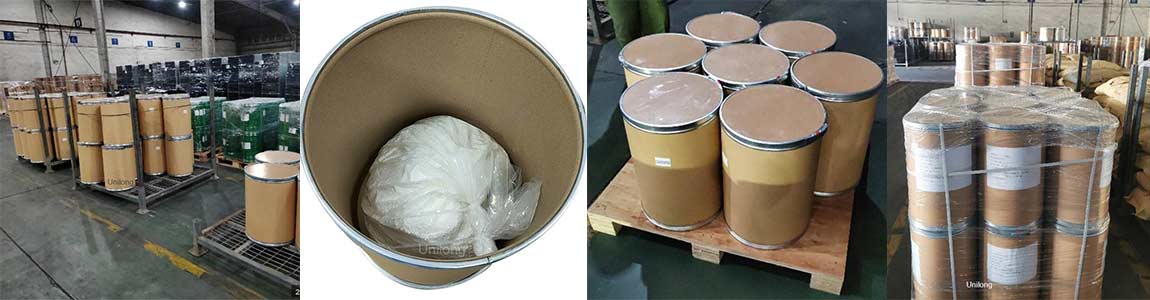
包装
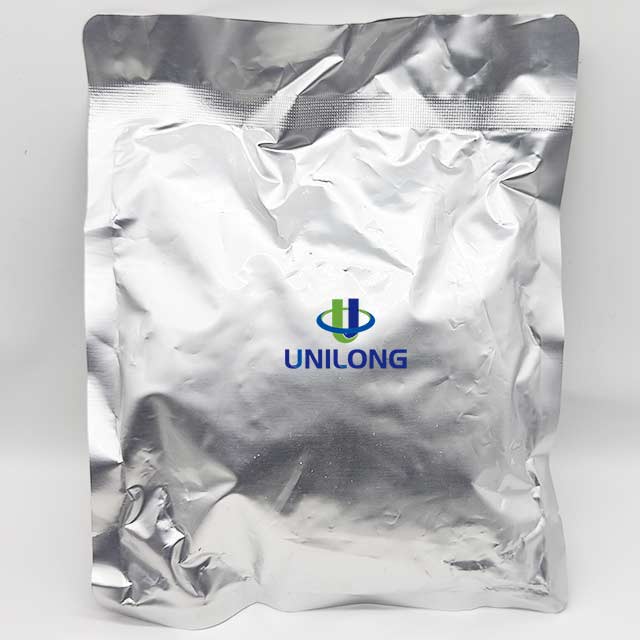
25公斤/桶
 DE
DE  EN
EN  ZH
ZH  ES
ES  KO
KO  PT
PT  FR
FR  TH
TH  AR
AR  IT
IT  VI
VI  NL
NL  RU
RU